REVIEW · AMSTERDAM
Amsterdam 2 Hour History Walking Tour
Book on Viator →Operated by Hit the Bricks · Bookable on Viator
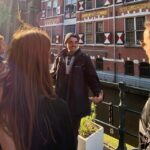
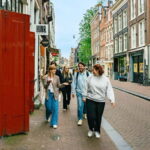
Some cities reward you for wandering. Amsterdam rewards you for understanding its water. This 2-hour history walk moves at a relaxed pace with a small group, and I love how the guide layers culture, politics, and humor onto the landmarks so your photos and your facts both land. You’ll also get plenty of practical tips for seeing more in the time you have.
One thing to factor in: it’s a good-weather experience. If conditions are rough, plans can change, so build in a little flexibility.
In This Review
- Key takeaways
- Why a 2-hour “history walk” works in Amsterdam
- The value: $30.04 for a tight, high-impact sampler
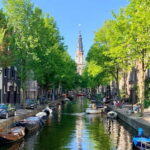
- Start at the canal belt: the water story begins
- De Wallen: context for the city’s most famous street
- Dam Square: the square that captures Dutch priorities
- South Church and the religious shift you can actually see
- Jodenbreestraat: Jewish Quarter history, war, and the Hunger Winter
- The East India Company HQ: how a small country became an empire
- Stopera Pier: an ugly building locals still love
- Begijnhof: the secret-garden pause in the middle of town
- Royal Palace area: what you’ll learn and what you pay for
- Groenburgwal and the Monet bridge photo moment
- Guides, humor, and how to get the most from the walk
- Who this tour fits best
- Practical tips before you go
- Should you book this Amsterdam 2-hour history walk?
Key takeaways
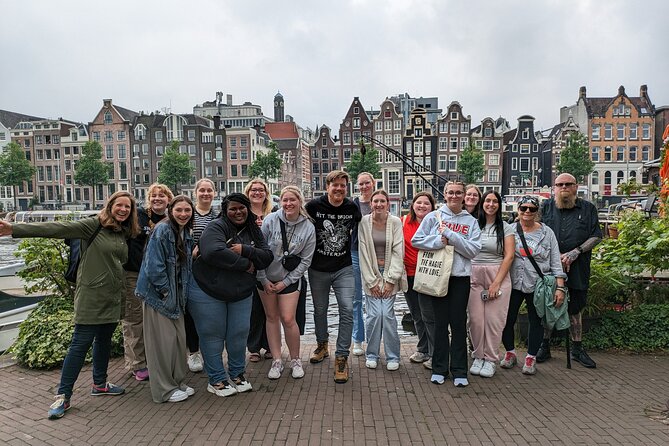
- Small group, relaxed pace (max 10 people) makes it easy to ask questions without rushing
- History told with jokes and perspective, not just dates and plaques
- Photo-friendly stops, including the famous Monet bridge moment
- Real Amsterdam context, from canals to the Jewish Quarter and the East India Company
- Admission mix: most stops are free, but Royal Palace entry isn’t included
Why a 2-hour “history walk” works in Amsterdam
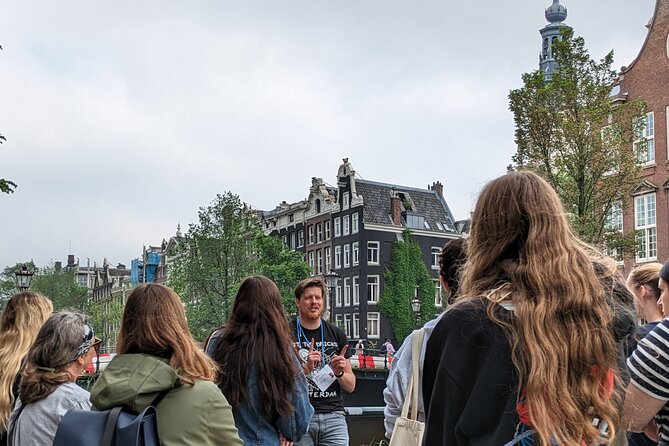
Amsterdam can feel like a movie set until you learn why things are where they are. This tour helps you get oriented fast: canals, squares, religious change, trade, and the darker chapters of the city’s past all show up in a compact loop.
For first-time visitors, I like that the tone stays light and human. The guide doesn’t treat you like you’re just there to memorize. In one review, people specifically called out guides like Axel and Mark for being funny and making the group feel socially comfortable. That matters, because Amsterdam walking tours can get awkward if the guide talks at you.
You should also know the pace is designed for a general audience. It’s short—about two hours—so you’ll never feel stuck in one place too long. The tradeoff is depth is “enough to make sense,” not a full semester course.
You can also read our reviews of more walking tours in Amsterdam



The value: $30.04 for a tight, high-impact sampler
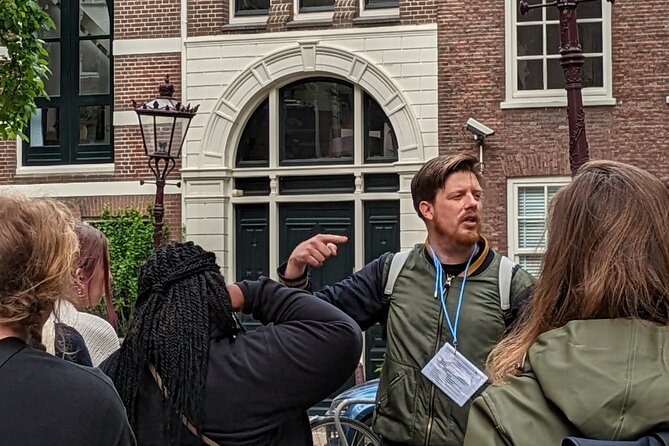
At about $30.04 per person, this is priced like a classic guided city walk. What makes it feel worth it is what’s included: an expert local guide plus tips and tricks to help you use the rest of your trip well. You’re not only paying for the route—you’re paying for someone to connect the dots.
Also, because it’s a maximum of 10 travelers, the guide can respond to questions and keep the group moving at a comfortable speed. That’s a big quality difference versus packed tours.
One more practical detail: you get a mobile ticket, which is simple if you’re juggling maps, tram cards, and coffee orders.
Start at the canal belt: the water story begins
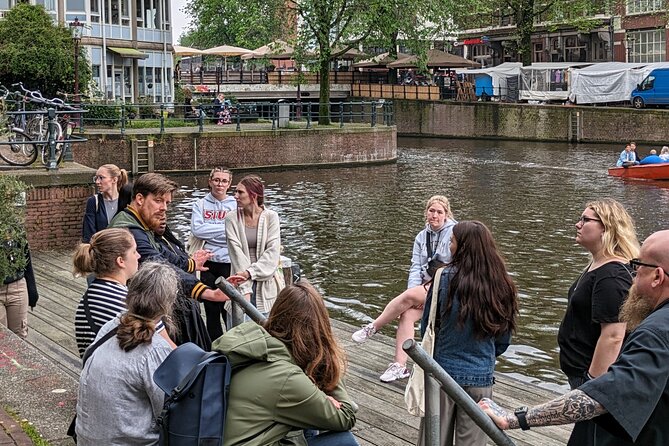
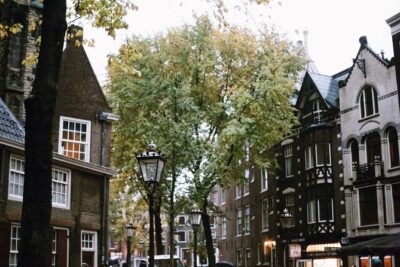
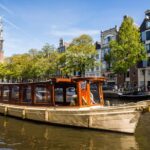
Your walk starts at Hit the Bricks Walking Tours, Prinsenstraat 13, in central Amsterdam. The first stop lands you right in the Canal Ring (Grachtengordel).
This part matters because the canals aren’t just pretty. In plain terms, Amsterdam was forced to live with water—so the city developed a mindset built around control, planning, and practical engineering. Even if you only remember one thing from the tour, it should be this: Dutch life grew alongside water, not around it.
The canal belt is also an easy win for your camera. You’ll get that classic Amsterdam look early, when your energy is still high.
De Wallen: context for the city’s most famous street
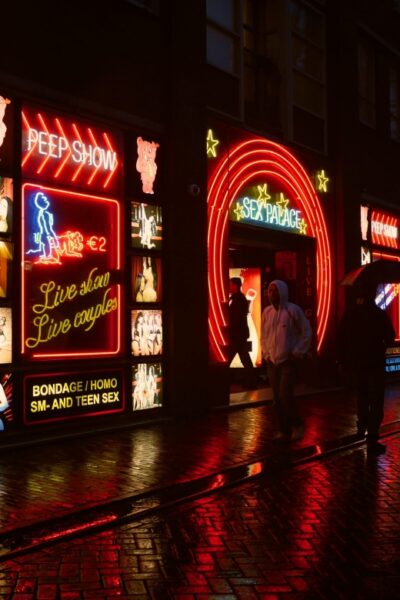
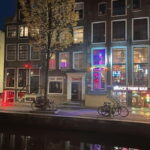
Next you head to the Red Light District (De Wallen). This stop is brief, but it’s not treated like a carnival stop. The guide focuses on the history of why it exists and how the Dutch view it.
This is a smart approach for first-timers. If you only see neon and shop windows, you might walk away thinking it’s just spectacle. With the historical framing, you can understand it as part of how the city has handled taboo and regulation over time.
A practical note: this is also a place where it’s easy to drift off the group. Keep your eyes on the guide and your path so you don’t lose the timing.
Dam Square: the square that captures Dutch priorities
Then you reach Dam Square, Amsterdam’s central hub. Here the tour connects the city to its fight against water—again—with the idea that the Dutch didn’t just build canals, they built a way of thinking.
Even if you’ve already seen Dam Square from a tram, you’ll likely notice details you ignored before. This stop sets the tour’s tone: Amsterdam’s identity is built from survival skills and civic decisions.
Quick tip: since the tour ends at Dam Square, you’re also getting a preview of your final drop-off area—handy if you’re planning a later museum or ferry ride.
You can also read our reviews of more historical tours in Amsterdam






South Church and the religious shift you can actually see
At South Church, you’ll learn how the Netherlands shifted from Catholic to Protestant. This matters because religion shaped daily life, art, institutions, and power structures. The stop also highlights the serene inner courtyard next to the church, giving you a breather in the middle of busier streets.
The courtyard is one of those “small pauses” that makes the whole route feel more balanced. You’re not only walking; you’re resetting your senses.
Jodenbreestraat: Jewish Quarter history, war, and the Hunger Winter
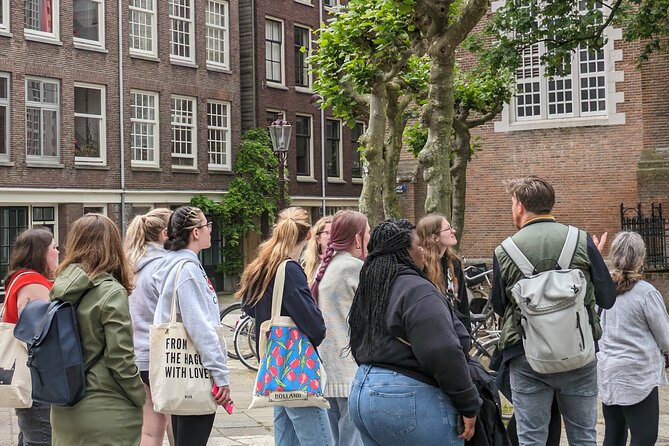
At Jodenbreestraat, the tour turns to the Jewish Quarter and the tragic fate of the Jewish community before and during the war. The guide also brings in the Hunger Winter, which is a key part of understanding how suffering played out on the ground.
This is one of the stops where the brief time can feel heavy. The best way to get value is to listen carefully and let the facts sit. Don’t rush through it like it’s just another photo spot.
If you’re visiting Amsterdam during a short itinerary, this stop gives essential context. Without it, Amsterdam can feel too cheerful for what the city lived through.
The East India Company HQ: how a small country became an empire
Next up is Bushuis – Oost-Indisch Huis, the former headquarters of the Dutch East India company. This is where the tour shifts from city life to global trade.
You’ll learn how the Netherlands grew into a major empire and cornered the world trade in spices, all while fighting just to stay independent. Even in a quick stop, it helps you see Amsterdam as more than canals and houses—it became a trading engine.
Photo tip: since this stop is short, take a moment to frame the building and then move on quickly. The tour keeps the momentum.
Stopera Pier: an ugly building locals still love
On the banks of the Amstel river, you’ll see Amsterdam’s modern city hall at the Stopera Pier. The tour explains the nickname Stopera and why locals treat it with pride, even if it’s often called one of the less attractive buildings in the city.
This kind of stop is genuinely useful. It teaches you how locals talk about their own city—what they defend, what they joke about, and what they accept as part of Amsterdam’s personality.
Begijnhof: the secret-garden pause in the middle of town
At Begijnhof, you get a “wait, where am I?” moment. The tour describes a quiet garden space tucked inside the city and explains the role of the beguine sisters who helped build it.
This is one of the most soothing stops on the walk. It breaks the street noise, and it reminds you that Amsterdam isn’t just commerce and canals. It has private spaces that shaped everyday life.
If you like slow travel touches, you’ll appreciate this segment. It’s also a great spot to regroup if you’ve been dodging bikes all morning.
Royal Palace area: what you’ll learn and what you pay for
You’ll reach the Royal Palace Amsterdam, with a quick history of how the Dutch royal family came to be, what the French have to do with it, and why the country’s national color is orange while the flag is red, white, and blue.
Important: Royal Palace admission is not included. So if you want to go inside, you’ll need to plan that separately. The tour still gives you the context that makes the palace feel connected to the country’s story, not like a random big building.
Groenburgwal and the Monet bridge photo moment
Finally, you end with Groenburgwal and a stop at the famous Monet bridge. This is a quick stop by design—just long enough to get the shot that makes people back home ask, where did you find that?
The guide’s approach here is practical: you’re not stuck waiting for everyone to get the perfect angle. You’ll have enough time to do a couple tries and then wrap up.
The tour finishes at Dam Square, about a two-minute walk from where you started (and very close to transit connections).
Guides, humor, and how to get the most from the walk
This tour’s biggest strength is the way it makes you feel at ease. In reviews, people praised guides for being funny and for creating a comfortable group vibe. If you’re traveling solo, that can turn a “sit and listen” tour into a more social, friendly hour.
To get more out of it, I’d do two simple things:
- Ask one question early. If you want the canal-and-water story explained in plain language, ask for that framing.
- Keep one eye on timing. Some stops are just minutes long, so treat them like “high yield” moments.
Also, if you arrive early at the meeting point, you might catch a glimpse of a cat named Koko, mentioned as a friendly sight by past participants.
Who this tour fits best
This is a great match if:
- You’re new to Amsterdam and want context fast
- You prefer small groups and easy conversation over lectures
- You care about both beauty (canals, courtyards, bridge photos) and meaning (trade, religion, war)
It may be less ideal if:
- You want museum-level detail or long indoor stops
- You’re hoping for full admission coverage everywhere (Royal Palace entry is not included)
- Your schedule is tight and weather risk could disrupt you
Practical tips before you go
- Bring a refillable water bottle. Bottled water isn’t included, but there are several stops where you can fill.
- Dress for walking. It’s a two-hour route with enough stops to keep you moving.
- Wear shoes you’re comfortable in around canals and uneven areas.
And one small sanity check: since the tour requires good weather, have an alternate plan for the day if skies turn.
Should you book this Amsterdam 2-hour history walk?
If you want an efficient way to understand Amsterdam’s “why,” I’d book it. At $30.04 with a max of 10 people, you’re buying orientation plus story. The humor and the ability to ask questions make it feel like you’re walking with a knowledgeable local friend rather than marching through a script.
The only reason not to book is if you’re the type who needs lots of indoor time or you can’t handle weather changes. Otherwise, this is a smart first stop on your itinerary—especially if you want your photos to come with context, not just scenery.