REVIEW · AMSTERDAM
Amsterdam: Life of Anne Frank and World War II Walking Tour
Book on GetYourGuide →Operated by 360 Amsterdam · Bookable on GetYourGuide
One diary can change how you see a city. This small-group or private Amsterdam WWII walking tour connects Anne Frank’s life with the streets of the Jewish Quarter, then slows down at major memorial points. I love the way the guides use storytelling to link family details, German occupation realities, and Dutch resistance into one clear walk, and I love the sense that you’re moving through real neighborhoods, not museum hallways. One thing to consider: this tour does not include entrance to the Anne Frank House, so if you want to go inside, you’ll need a separate ticket plan.
You start outside the Portuguese Synagogue, a living landmark, and your guide sets the stage for how the neighborhood grew and changed over centuries. I also like that many guides keep the tone respectful while still making the material hit (the pacing and Q&A style from guides like Ronald and Jonas is often mentioned, and it really matters with a topic this heavy). The main drawback is practical: you’ll walk for about 2 hours, so comfortable shoes matter, and you can’t bring luggage or large bags.
In This Review
- Key things you’ll remember
- A respectful, street-level start in the Portuguese Synagogue area
- The Jewish Quarter walk: seeing how a neighborhood became a record of history
- Anne Frank’s life in sequence: family, hiding, and what changed day to day
- Dutch Resistance: the network behind the hiding places
- Auschwitz Monument stop: when the pace finally slows down
- Anne Frank House façade from outside: what you’re really getting
- Small-group vs private: choose your comfort level
- Price and value: what $37 really buys you
- Practical logistics that matter on a walking tour
- Should you book this Anne Frank and WWII walking tour?
- FAQ
- How long is the Anne Frank and WWII walking tour?
- What does the tour price include?
- Does this tour include entrance to the Anne Frank House?
- Where does the tour start?
- What languages are available for the live guide?
- Is there a small-group or private option?
- What should I bring, and what isn’t allowed?
Key things you’ll remember
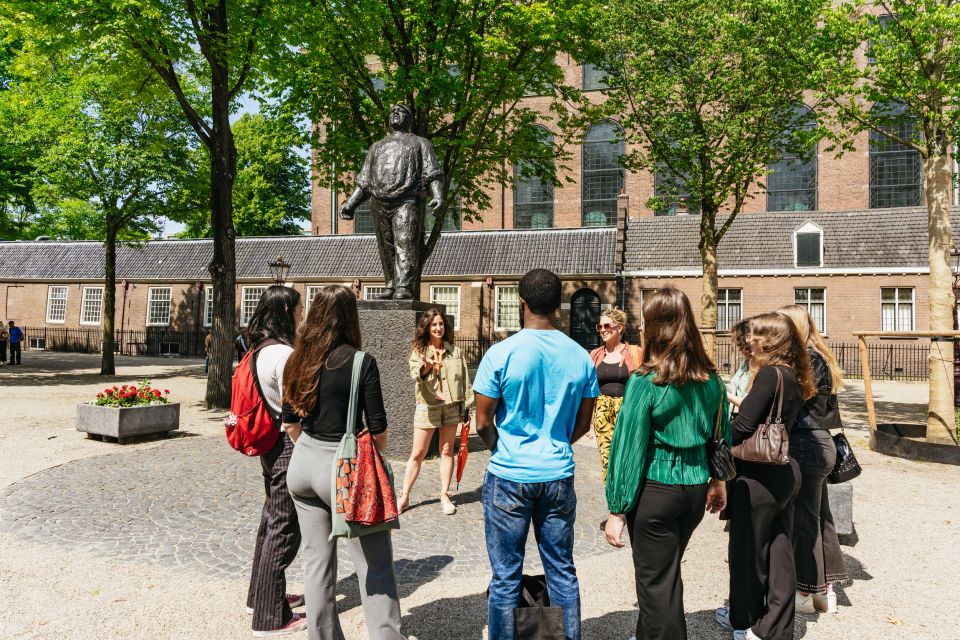
- Portuguese Synagogue start: you begin at a real, still-functioning Sephardic synagogue site and learn why this area formed what it became.
- Anne Frank, not just the headlines: you get family dynamics, the move from Germany, and what daily life in hiding was like.
- Dutch Resistance context: you hear about the resistance network and where secret hiding places were located, in general terms.
- Jewish Historical Museum + Auschwitz Monument stop: you pass the museum area and pause at a major memorial site for reflection.
- Anne Frank House seen from the outside: you get the façade and context, then decide what you want to do next with your visit.
- Guide quality shows fast: reviews repeatedly praise guides like Manuel, Giovanni, Florian, Yoshi, and Martina for engaging delivery and careful sensitivity.
A respectful, street-level start in the Portuguese Synagogue area

This tour works because it starts in the right place. You meet outside the Portuguese Synagogue, a 17th-century Sephardic building that still functions as a synagogue today. Your guide uses that setting to explain how the Jewish community’s neighborhood developed over time, so Anne Frank doesn’t feel like a standalone story dropped into Amsterdam.
The best part for me is that the walk feels guided by cause-and-effect, not just facts. You’ll hear how the occupation changed life, how persecution tightened, and how ordinary streets became part of extraordinary survival. Guides such as Ronald and Jonas are often highlighted for making this flow easy to follow, even when the subject matter is brutal.
Keep your expectations realistic. You’re not getting a formal transcript of every WWII detail. Instead, you’re getting the kind of narrative that helps you place what you see on the street and understand why these locations matter.
You can also read our reviews of more walking tours in Amsterdam



The Jewish Quarter walk: seeing how a neighborhood became a record of history
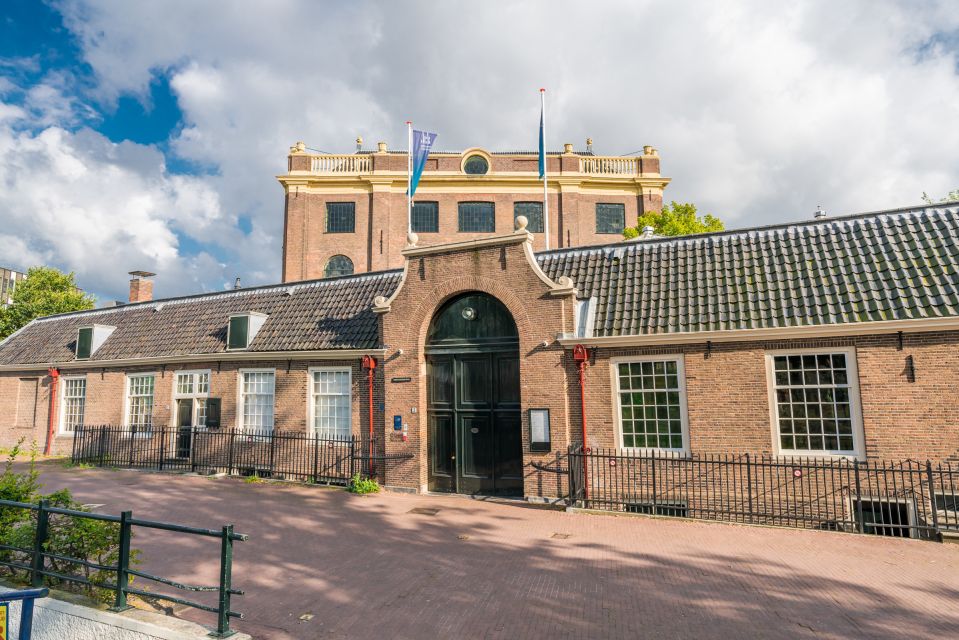
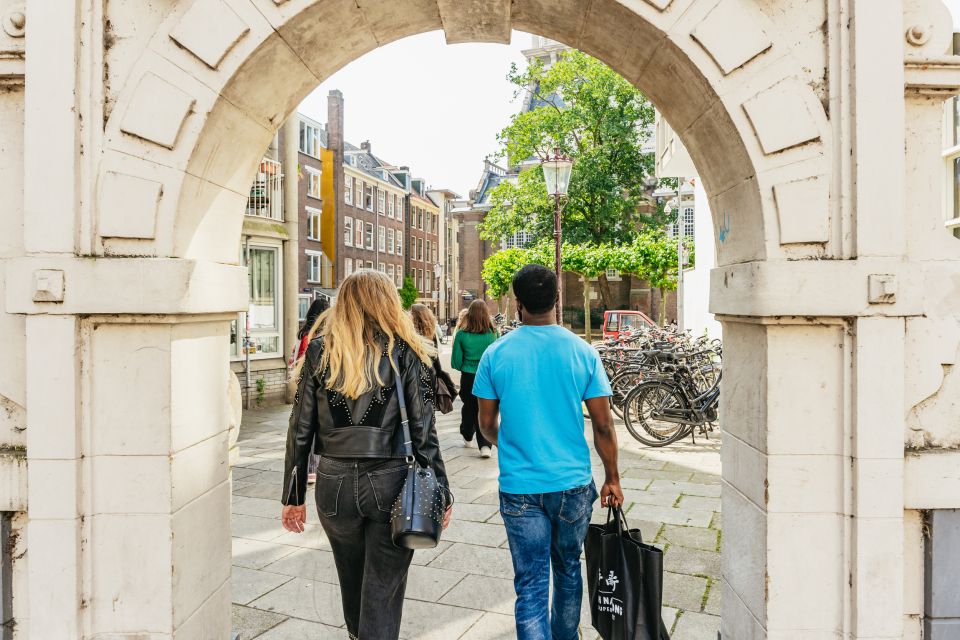
Once you’re moving through the Jewish Cultural Quarter area, the tour shifts from background into personal story. You’ll learn about the structure of the neighborhood as it developed over centuries, then you’ll connect that geography to Anne Frank’s timeline.
You’ll pass the Jewish Historical Museum area as part of your route. Even without going inside, your guide uses the museum’s presence as a reference point for what Amsterdam preserved about this community’s life and experiences. This is one reason the tour can be great as a first or second-day activity: it gives you mental map lines before you start choosing what to explore next.
Then comes the part that makes many people feel the walk more than they expected. Your guide shares anecdotes about Anne Frank’s love of writing, her view of the world, and how her diary became so widely known. You don’t just hear the headline ending. You hear why she wrote, how her family life looked from the inside, and how the writing gained meaning as conditions worsened.
If you’re traveling with teens or adults who want context, this part tends to land well. Guides like Manuel are frequently described as enthusiastic and good at keeping attention while still covering the hard material with care.
Anne Frank’s life in sequence: family, hiding, and what changed day to day

This tour is built around one clear idea: Anne Frank’s story is inseparable from the specific time and place. You’ll hear about her family’s move from Germany to the Netherlands, then how their situation evolved under occupation. The guide also explains her father’s life after the war, which is important because it turns the story from a tragedy-only ending into something with a continued human thread.
A lot of Anne Frank tours get stuck on the diary as an object. This one does more with the diary as a lens. You’ll hear about the way Anne’s writing connects to her personality—her curiosity, her voice, her push toward understanding people and events. That makes it easier to remember that she wasn’t an exhibit. She was a teenager trying to make sense of her world.
You’ll also learn about the conditions in 1930s and 1940s Amsterdam and what life in hiding meant in practical terms. The tour doesn’t require you to have deep background reading beforehand. Your guide lays enough foundation that the story makes sense as you walk.
One practical note: you’ll be outside for most of the experience. If it’s a warm day, plan to sip water often. Comfortable shoes aren’t optional because the Jewish Quarter streets can be uneven and busy.
Dutch Resistance: the network behind the hiding places
The Dutch Resistance segment is one of the tour’s key value adds. It helps you understand that hiding wasn’t simply a matter of luck. It involved a broader system—people risking their safety, creating cover, and keeping the city’s reality from swallowing everyone at once.
Your guide shares information about Dutch resistance and where secret hiding places were located. The tour stays careful and respectful here. You’re not turning trauma into a scavenger hunt. Instead, you’re learning how survival depended on human choices and coordination.
This part tends to stand out in the way guides like Giovanni and Yoshi are praised: bringing the history to life in a way that stays respectful. When the guide is good, you leave with a clearer mental model of how Amsterdam worked under occupation.
Auschwitz Monument stop: when the pace finally slows down

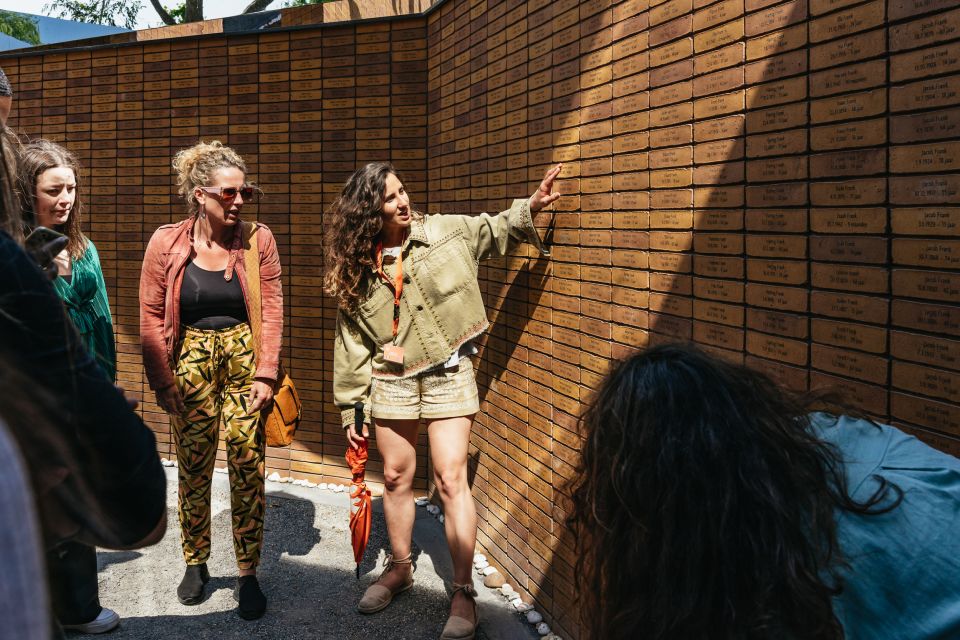
Then you reach the moment that changes the mood. The tour includes a stop at the Auschwitz Monument, a powerful memorial site. This isn’t just a photo stop. You’ll have time to reflect and process what you’ve learned through the lens of WWII atrocities.
In a walk that begins with a synagogue and ends near Anne Frank House outside, it’s the memorial pause that reminds you this story sits inside an enormous system of persecution. Guides like Florian and Julia are often praised for being sensitive about this transition—taking a gentle tone and making sure the group understands the weight of what you’re standing beside.
If you prefer a quieter experience, this is where you’ll feel it most. If you prefer to ask questions, this is also where a good guide’s patience matters. The tour format usually allows time for discussion as you walk, and that can help you avoid feeling rushed at the memorial.





Anne Frank House façade from outside: what you’re really getting
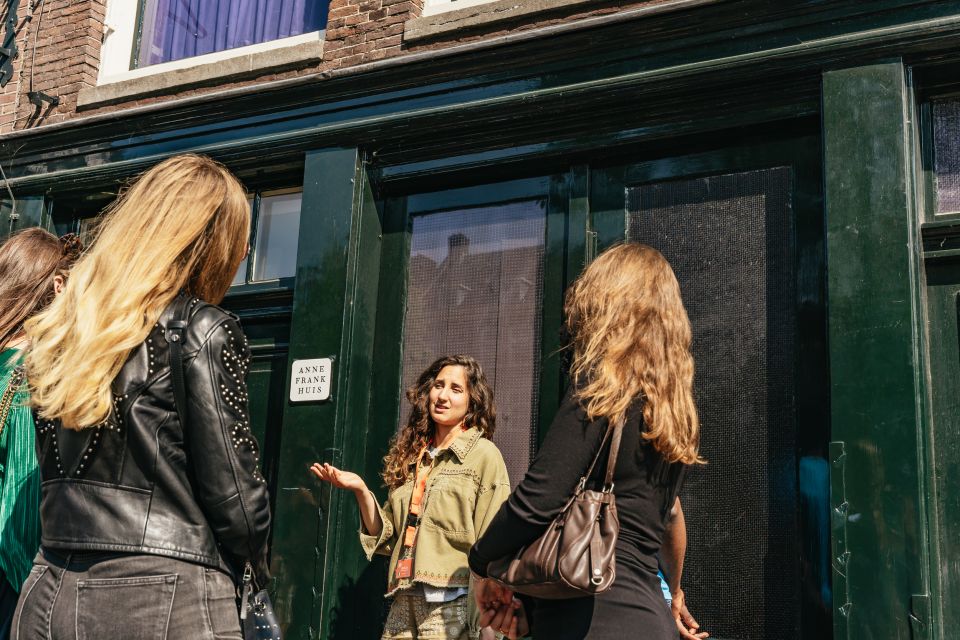
At the end portion of the tour, you’ll see the outside façade of the Anne Frank House. You won’t enter on this ticket. That detail matters, and it’s the tour’s biggest practical limitation.
Still, the outside view works because you’ll have the story’s background freshly in your head. When you look at the building, you’re not thinking, What happened here? You’re thinking, How did this family live with fear, secrecy, and hope so close to daily life?
If you want to go inside the Anne Frank House later, the tour advises booking tickets months ahead because they often sell out in advance. That’s the smart move. Don’t wait until you’re in Amsterdam with only a day or two of flexibility.
If you don’t plan to visit inside at all, this tour can still be a strong option. Many people find they learn enough through the walk to make the outside experience feel meaningful rather than just symbolic.
Small-group vs private: choose your comfort level
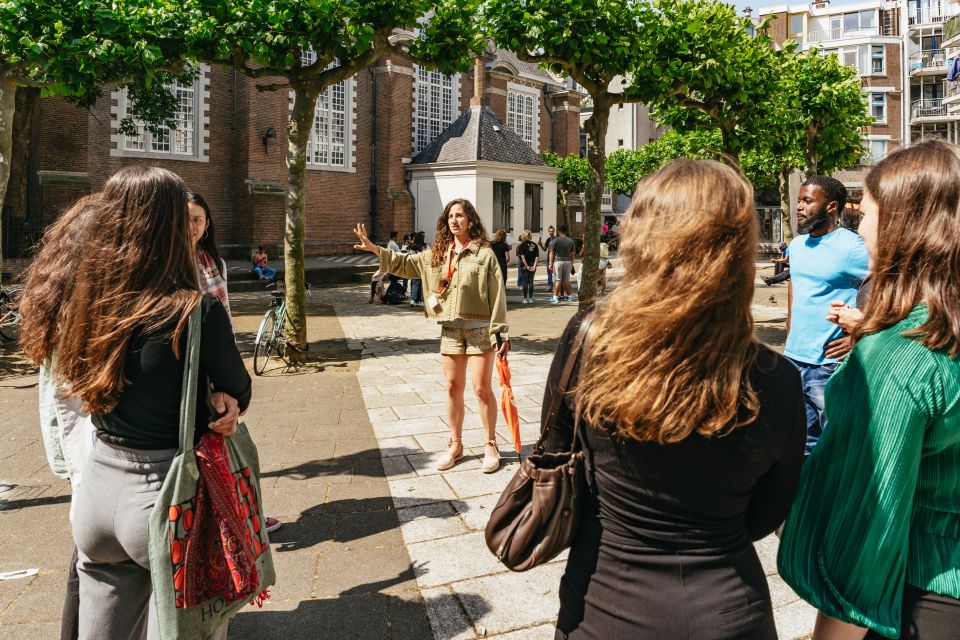
You can book this as a small-group or as a private guided experience. That choice changes the feel more than you might expect.
A small-group tour is great if you like light conversation and don’t mind sharing your guide’s attention. It’s also often the easiest way to meet other people who are interested in history without turning it into a debate club.
A private tour can be better if you want a specific language, a calmer pace, or more targeted questions. Reviews often praise guides for answering questions and adjusting to the group. With private time, you get more of that one-on-one flexibility.
One thing to watch: shared group and private options don’t always offer the same languages. You should check the language list for your exact option before you commit if you have a strong preference.
Price and value: what $37 really buys you
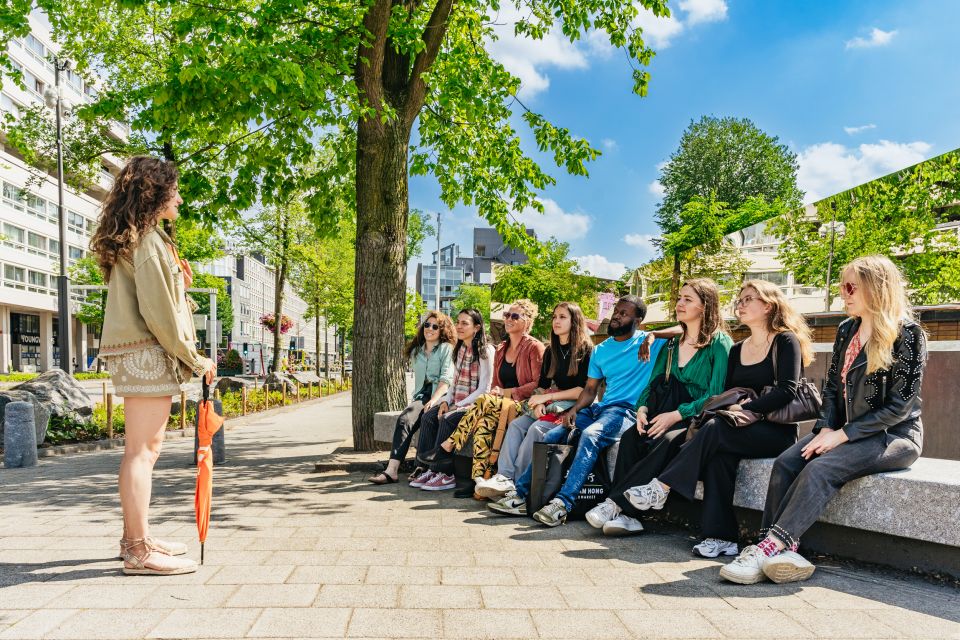
At about $37 per person for roughly 2 hours, this tour’s value comes from the guide-led storytelling and the fact that it connects multiple key locations. You’re not paying for a ticket to a museum you can browse on your own. You’re paying for narrative structure—someone translating Anne Frank’s diary and WWII context into something you can understand in a walk.
Is it a must-buy if you plan to visit Anne Frank House inside soon? Not necessarily. If your main goal is only the museum ticket, you might skip this. But if you want context that helps the house visit make more sense, this tour often acts like a fast pre-reading.
Think of it as a memory-builder. You’ll leave with a clearer mental map of the Jewish Quarter and the story beats tied to real street settings. That’s hard to replicate from a guidebook app in real time.
Practical logistics that matter on a walking tour
This tour includes a professional guide and the walking component, but it does not include entrance to the Anne Frank House, and it doesn’t include transfers to the meeting point. Meeting points can vary depending on the option booked, so confirm the exact location in your booking details.
You should bring:
- Comfortable shoes
- Water
- A charged smartphone
And you should plan for:
- No luggage or large bags
It’s a straightforward setup, but it matters. When a tour is heavy on reflection stops, you’ll want to keep your movement easy and avoid being slowed down by bags or poor footwear.
Should you book this Anne Frank and WWII walking tour?
Book it if you want a high-impact introduction to Amsterdam’s WWII story that’s paced for real people, not just history robots. This is especially worth it if you’re doing Anne Frank House sometime during your trip and you want the “why” behind what you’ll see.
Skip it only if you already have deep background and you’re mainly trying to reduce time on your feet. Also skip if you’re strictly chasing Anne Frank House entry on the same day—this tour won’t solve that ticket problem.
If you’re unsure, here’s the simple decision rule: if you like guided stories, respect memorial sites, and want a city walk that makes Anne Frank’s diary feel human, this tour fits. If you prefer to self-tour with minimal guidance, you might feel limited.
FAQ
How long is the Anne Frank and WWII walking tour?
The tour runs for about 2 hours.
What does the tour price include?
It includes a professional guide and the walking tour itself.
Does this tour include entrance to the Anne Frank House?
No. Entrance to the Anne Frank House is not included.
Where does the tour start?
The tour starts outside the Portuguese Synagogue, and the exact meeting point may vary depending on the option you booked.
What languages are available for the live guide?
The guide may be available in Dutch, German, Portuguese, Italian, English, Spanish, and French. Shared and private options don’t always offer the same languages, so check your preferred option.
Is there a small-group or private option?
Yes. You can choose either a small-group experience or a private guided experience.
What should I bring, and what isn’t allowed?
Bring comfortable shoes, water, and a charged smartphone. Luggage or large bags aren’t allowed. Children up to 3 years old can participate for free.