REVIEW · AMSTERDAM
Amsterdam: Rijksmuseum Entry Ticket
Book on GetYourGuide →Operated by GetYourGuide Tours & Tickets GmbH · Bookable on GetYourGuide
Dutch art is waiting, and it’s huge. The Rijksmuseum is the Netherlands’ go-to museum for world-famous paintings plus real objects that show how people lived. I love how the Gallery of Honour frames major masterpieces without feeling like a crowded zoo, and I love that The Night Watch is treated as a close-up experience with special lighting. One catch: it’s a major landmark, so you should expect busy galleries and occasional waits when the museum opens.
This entry ticket is a smart way to do the Rijksmuseum at your own pace. You can wander from Dutch Golden Age painting into uniforms, Delftware, maritime history, and even fashion later on, with plenty of stops that reward slow looking. The main consideration is simple: plan your route, because the museum is big and it’s easy to lose time if you don’t have a few must-sees.
In This Review
- Key things that make this ticket worth it
- Rijksmuseum essentials: what your ticket really gets you
- Arriving by tram and timing your entry to beat the lines
- Gallery of Honour: the room that makes the museum feel designed
- The Night Watch and live restoration: how to see it without rushing
- The Dutch Masters you’ll actually recognize (and what to do with that)
- More than paintings: 800 years of Dutch life, objects, and global connections
- Navigating the museum floor without losing hours
- Price and value: does $31 make sense here?
- Who should book this Rijksmuseum entry ticket
- Should you book the Rijksmuseum entry ticket?
- FAQ
- What does the ticket include at the Rijksmuseum?
- How long is the ticket valid?
- What time are the Rijksmuseum opening hours?
- How late can I enter compared with my ticket time?
- Is a multimedia tour included?
- Are photos and video allowed?
- How do I get to the Rijksmuseum by tram?
Key things that make this ticket worth it

- Timed entry with a 15-minute grace window helps you avoid the longest chaos.
- Gallery of Honour access puts top Dutch masters in front of you fast.
- The Night Watch details are the star, and there’s live restoration activity tied to the painting.
- Much more than paintings: costumes, Delftware, artifacts, and objects from maritime and global contexts.
- Free essentials included: entry, permanent exhibition areas, cloakroom, and WiFi.
Rijksmuseum essentials: what your ticket really gets you
This is a straightforward museum entry ticket for the Rijksmuseum, valid for one day. You’ll get into the museum and access the permanent exhibition areas, plus a cloakroom for storage and free WiFi once you’re inside. There’s also a booking fee included in the price you pay online, so you’re not surprised later by add-ons that often appear with other experiences.
What you don’t get is a guided tour or the multimedia tour. The museum offers a multimedia tour in 10+ languages for €6.50 if you want extra structure while you walk. I like that this ticket keeps the decision simple: you can go fully self-guided, or upgrade onsite only if you feel you need it.
Also note the practical rules. No pets, no smoking, and no mobility scooters. The museum is wheelchair accessible, and if someone can’t navigate independently, they may bring one companion for free—picked up at cash register 1.
You can also read our reviews of more tours and experiences in Amsterdam



Arriving by tram and timing your entry to beat the lines
You’re in a great location for public transit. Take tram lines 2, 5, or 12 to the stop Rijksmuseum. When you’re close, the museum area is easy to orient yourself around because it’s a destination spot with lots of signage and foot traffic.
The key timing detail is that the ticket you choose has a start time, and you’re allowed to enter up to 15 minutes after that time. That grace window matters. It’s enough flexibility for real Amsterdam timing—trams run, people move, and lines form.
Opening hours are 9:00 AM to 5:00 PM daily, and the ticket desk closes at 4:30 PM. So if you’re thinking about a late arrival, keep that in mind. If you want the best odds for smoother viewing, arrive at or near opening time. The museum is famous enough that crowds show up early, and you’ll feel it most in the biggest rooms.
One more logistics detail that actually helps: once you get in, you can usually stay as long as you wish until closing. That means a good plan isn’t about racing. It’s about choosing your order and taking breaks without pressure.
Gallery of Honour: the room that makes the museum feel designed
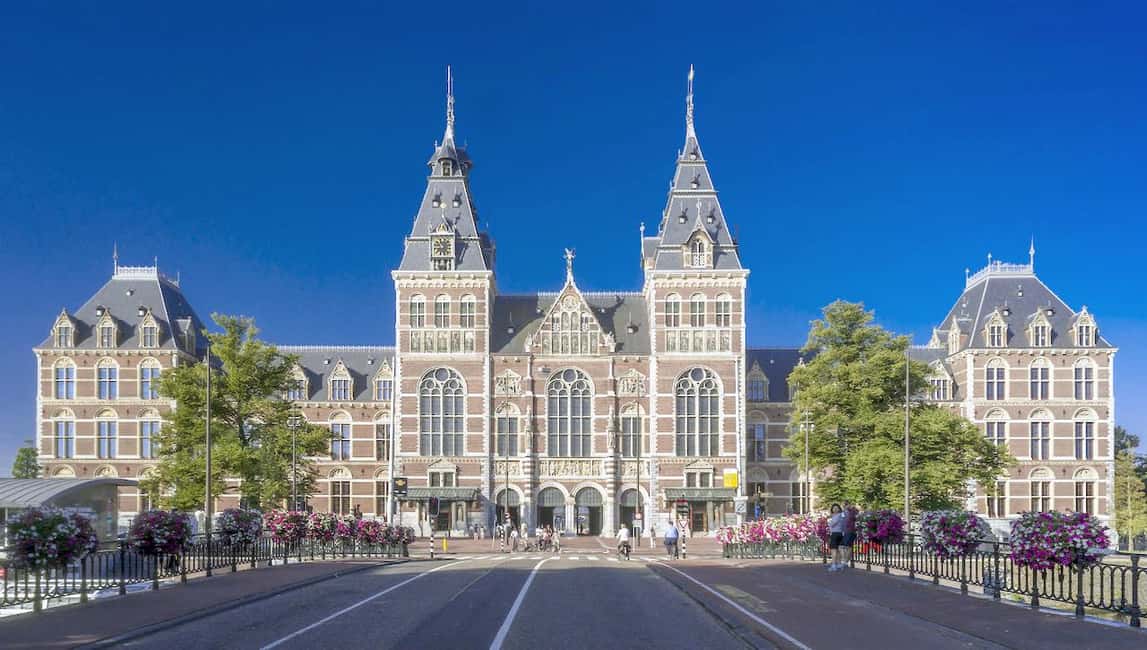
The Rijksmuseum doesn’t just dump famous paintings into a hallway. It gives you a strong sense of “main event” energy, and the Gallery of Honour is the clearest example. This is where world-famous masterpieces take pride of place, and the layout helps you find the big works without needing a tour guide.
I like this kind of museum design. Even if you only care about a handful of artists, you get momentum fast. You see why the museum’s collection has such a reputation. And if you’re traveling with people who want different things—one person for paintings, another for Dutch history—the building itself helps everyone land in the right areas.
There’s also a different kind of value here: the museum building and the way rooms are lit and organized are part of the show. Several people point out how even walking through the halls feels like the experience, not just the route to the next room.
If you prefer a calmer visit, that’s where planning helps again. The Gallery of Honour can be the first “pull” people follow, so it may be crowded at peak moments. But you don’t need to abandon it. Just step aside, watch the flow, and come back for a longer look when the wave moves.
The Night Watch and live restoration: how to see it without rushing
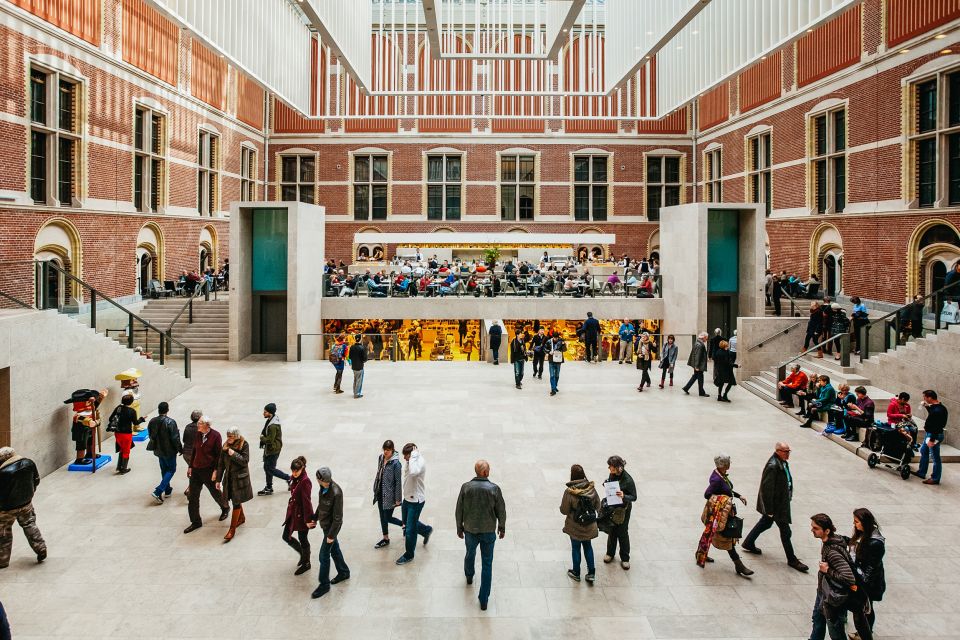
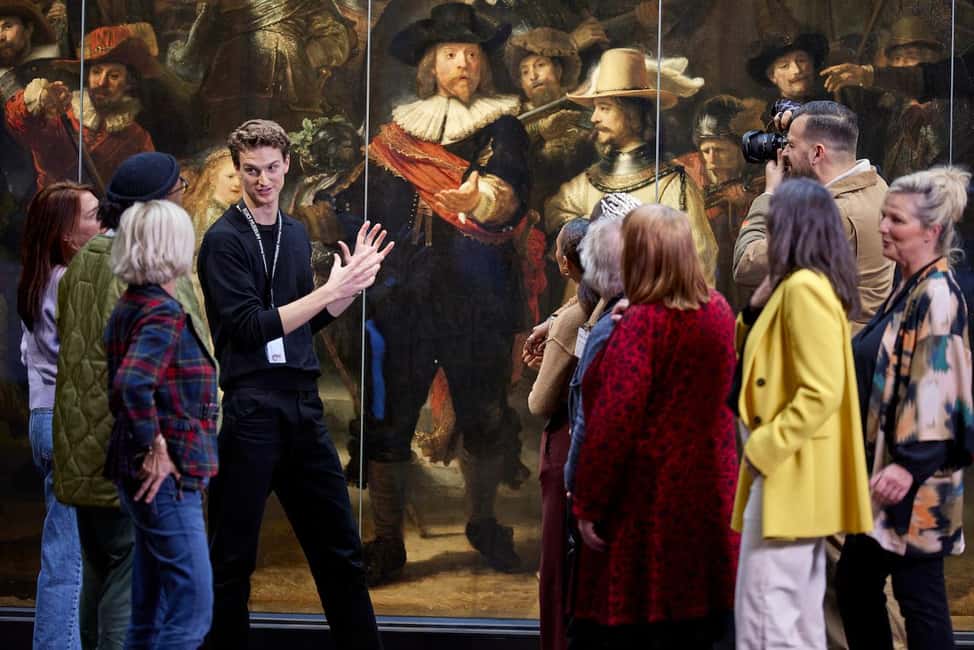
Rembrandt’s The Night Watch is the painting everyone talks about. It’s set up for close viewing, with lighting that makes details easier to catch instead of turning the work into a dim, distant poster on a wall. It’s famous for a reason: the attention to detail is intense, and you can actually spend real time noticing faces, uniforms, and small visual storytelling choices.
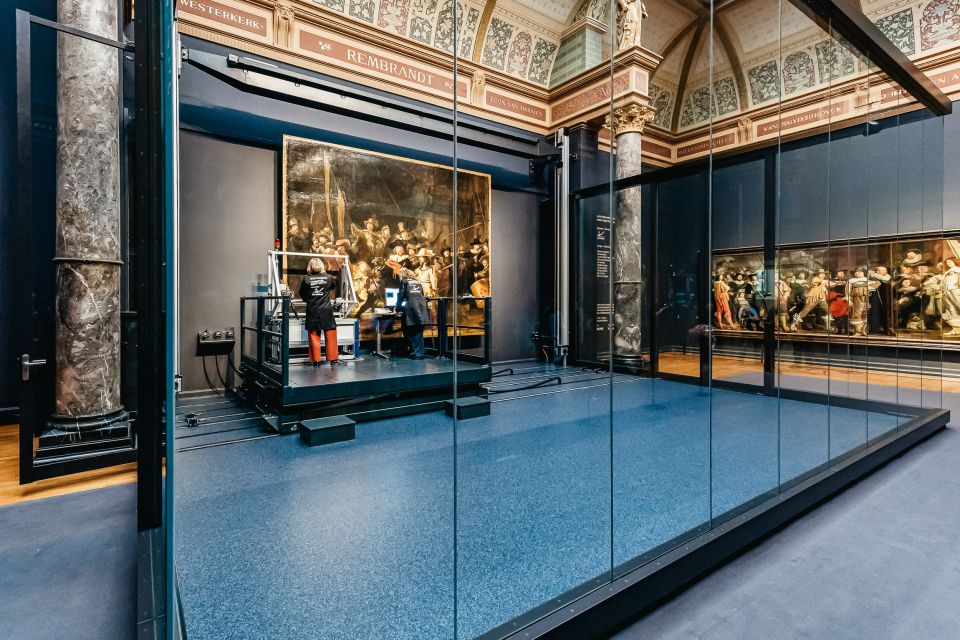
There’s another layer of interest right now, and it makes this visit feel current. A major research and restoration project for The Night Watch has started, and it’s happening live in the museum. You can be part of the process and support it with a donation.
That matters because it turns a museum masterpiece into a living project rather than a static object. If you like museums where you can understand what preservation does—and why it’s not just about hanging art—this is one of the best reasons to buy a ticket timed for your visit.
How to make it work for you: don’t treat The Night Watch like a quick photo moment. Give yourself time. Go in once, orient yourself, step aside when it’s busy, then return if you can. The painting rewards patience.
The Dutch Masters you’ll actually recognize (and what to do with that)
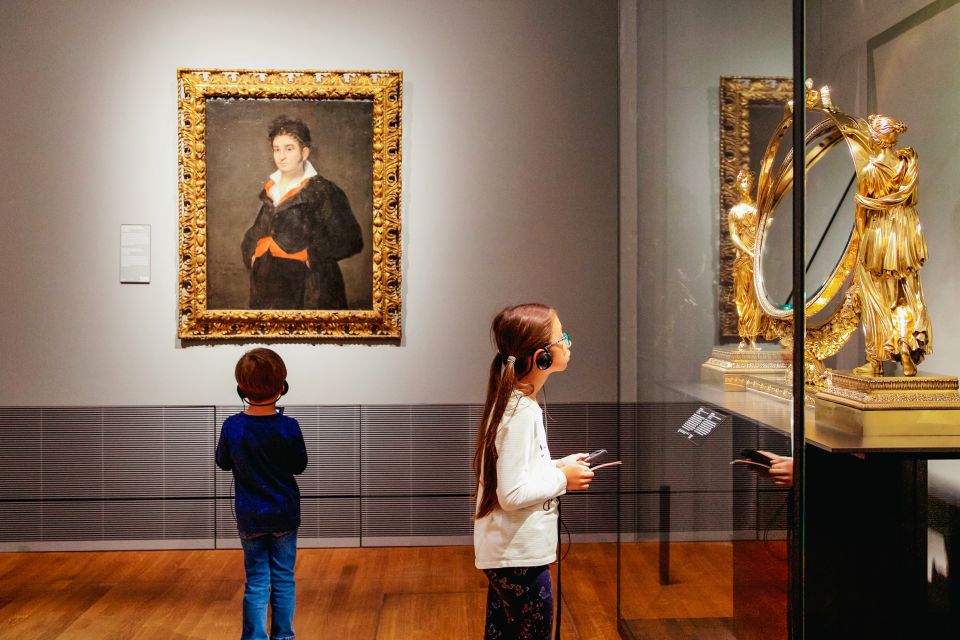
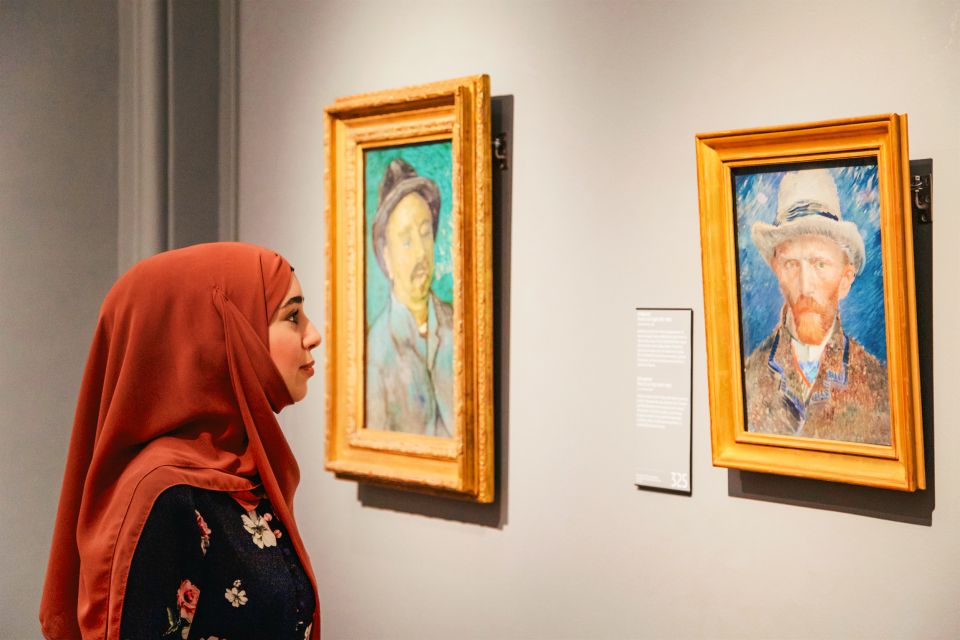
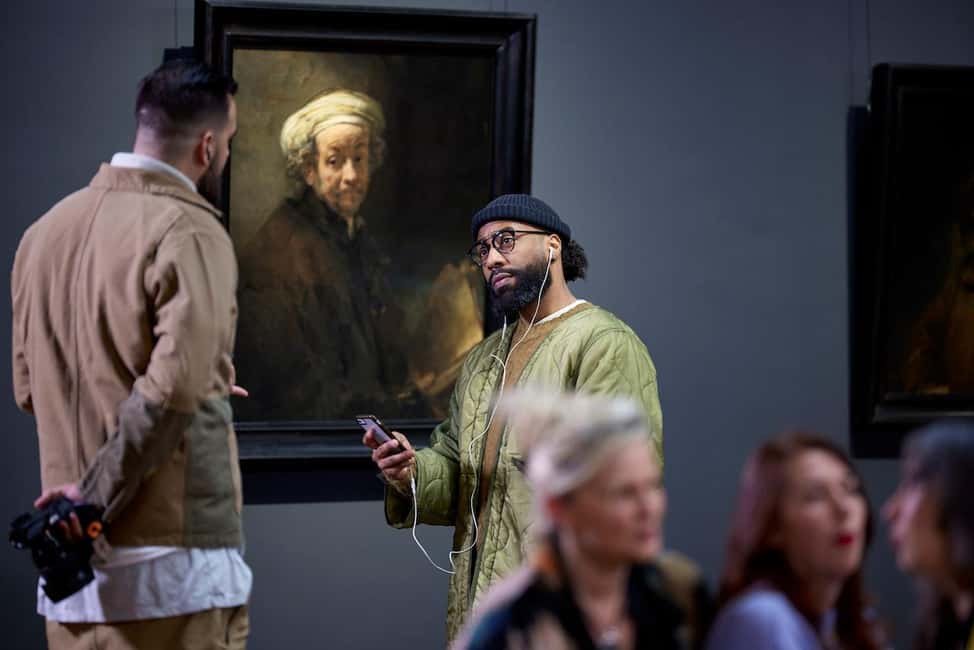
If you’re the kind of person who likes famous art because it connects to movies, books, and school memories, the Rijksmuseum will feel like a reunion. The museum’s collection includes major works by Rembrandt, Frans Hals, and Vincent van Gogh, and it’s packed with Dutch Golden Age art.
You should expect the museum to focus on Dutch history and identity through art. That’s why it works even if you’re not an art expert. The paintings are the “language,” but the museum is also telling you how Dutch life, trade, faith, and culture changed across centuries.
One specific painting people bring up is The Jewish Bride by Rembrandt. It has a kind of legend around it for art lovers because Vincent van Gogh reacted emotionally when he saw it shortly after the Rijksmuseum opened. The story is a reminder of how powerful context can be: you’re not just looking at paint on canvas. You’re watching a moment in cultural memory play out again and again.
Also, the museum doesn’t freeze Dutch art in one time period. You can see later works too, including a Mondrian-inspired dress by Yves Saint Laurent from 1965. That’s a smart choice for a modern museum visit, because it shows how Dutch visual ideas keep traveling forward.
Practical tip: if you’re trying to see a lot, decide what “must-not-miss” means for you. Two hours can be enough for a focused visit. If you want more breathing room—and you want to look carefully at art instead of collecting rooms—think closer to half a day, depending on your pace.


More than paintings: 800 years of Dutch life, objects, and global connections
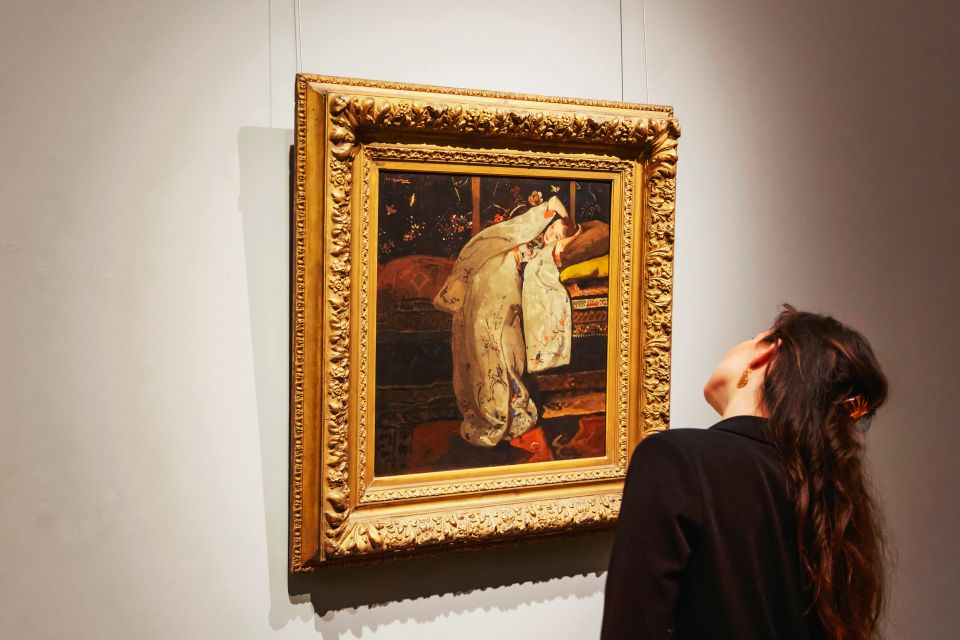
Here’s what makes the Rijksmuseum more valuable than a checklist of famous faces: it tells a story using many kinds of objects. The museum includes over 8,000 objects and approaches 800 years of Dutch art and history.
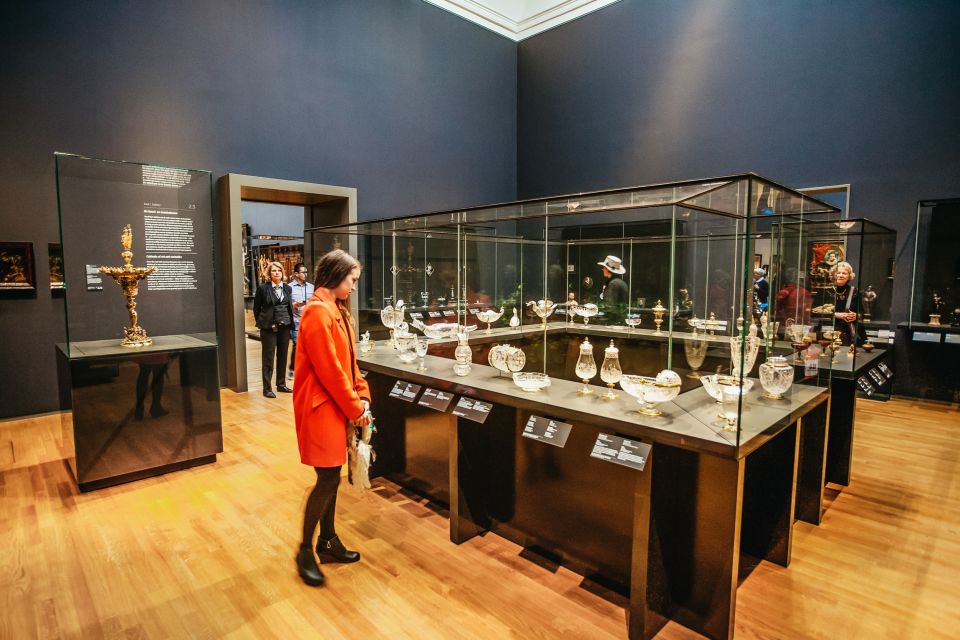
That means you can go beyond wall-to-wall painting and see things that make the Netherlands feel real. Expect to encounter Delftware, sculptures, archaeological artifacts, clothing, and items from Dutch maritime history. It also includes Asian art, prints, and other culturally significant objects that help connect Dutch history to wider global movements.
Why that matters to your day: it breaks the “all paintings, all the time” rhythm. If you start to feel overwhelmed—yes, the museum can do that—switching to sculptures, decorative arts, or historical artifacts is a mental reset. It also helps you understand what you’re seeing in the paintings. People portrayed in art didn’t live in a vacuum. They lived in a world of trade, ships, crafts, and everyday objects.
And if you like museums that show work across time, this is one of the better setups in Europe for that mix. The Rijksmuseum collection isn’t trapped in the Golden Age. It’s an evolving museum narrative from the earliest historical periods through later modern influences.
If you’re bringing kids or you just get tired of art talk, this “many-object” approach is a win. You can keep moving and still feel like you’re learning something.
Navigating the museum floor without losing hours
The Rijksmuseum’s layout is generally considered easy to navigate, and lots of people say the galleries feel straightforward once you start walking. That said, it’s still a huge museum. Even when signage is good, it’s easy to end up chasing the wrong wing if you aren’t paying attention.
My advice is simple: start with a route, not with wanderlust. Choose a first priority (usually The Night Watch), then work outward from there. Follow signs for galleries you care about and use the rest as bonuses.
Timing helps too. Going early often gives you a shorter entry line and a better chance of seeing the bigger works without crowds pressing in from every direction. If you arrive later, you can still have a great time, but you’ll want a tighter plan so you don’t spend your energy in hallways.
Comfort also matters in a museum this size. The ticket includes the cloakroom, and there are lockers on site that are reported as free. That means you can store bags so you can move comfortably. And yes, some rooms can feel dark or stuffy, so take short breaks when you need them.
Also, photography rules are clear: you can take photographs or video recordings except with flash or a selfie stick. That’s a good guideline because it keeps you from getting stopped.
Finally, remember you can bring patience. This is a place where art viewing is slowed down by design and crowds. You’re not failing if you don’t see everything. The museum is built for deep attention, not completion.
Art is one half of Amsterdam’s museum story; memory is the other. This guided walk through Anne Frank’s Amsterdam is the reviewed way into that half when house tickets are gone, and the Anne Frank House site releases its own timed entries exactly six weeks ahead.
Price and value: does $31 make sense here?
At about $31 per person, this ticket is priced like a major European “must-see” museum. But the value comes from what you’re getting for that cost: admission to one of the top art-and-history museums in the Netherlands, plus entry to the permanent collection areas.
If you compare it to guided options, this ticket is a good deal because you’re paying for access, not for someone else’s pacing. You control how long you spend with Rembrandt, how quickly you move through history galleries, and how often you take breaks.
You’re also getting included basics that often cost extra with other experiences elsewhere—cloakroom and WiFi included. Add the fact that you can stay until closing after you enter, and the ticket price starts to look even fairer. You’re not paying for a short timed session. You’re paying for flexible access within one day.
If you’re the kind of traveler who wants structure, the multimedia tour is available for an extra €6.50. That can raise the total cost, but it’s optional. If you’re happy self-guiding with museum signage and your own interests, you can keep costs closer to the base ticket price.
Who should book this Rijksmuseum entry ticket
This entry ticket is a strong match if you want:
- The top hits like The Night Watch without locking yourself into a group schedule
- A mix of famous Dutch art and broader history through many types of objects
- A visit that’s flexible—show up at your chosen time, then stay at your pace
It’s also a good choice if you hate the pressure of “tour herding.” Many people like that this museum visit can be done independently, with enough guidance from the layout that you’re not dependent on an audio device.
You might consider a different format if you strongly prefer a guided narrative or you want someone to manage pacing in crowded rooms. This ticket doesn’t include a guided tour.
Should you book the Rijksmuseum entry ticket?
Yes, I’d book it if you’re going to Amsterdam and you want a high-value, self-paced museum day. For the price, you’re getting access to a top collection that goes far beyond paintings, plus the Night Watch experience and a live restoration storyline happening in real time. The main reason to hesitate would be if you’re arriving when crowds are likely very heavy and you can’t adjust your plan. In that case, you’ll want to pick an entry time that helps you start early and gives you breathing room.
If you’re going, treat it like a half-day mission with a few must-sees, not a race to see everything. The Rijksmuseum rewards focus.
FAQ
What does the ticket include at the Rijksmuseum?
Your ticket includes museum entry, access to the permanent exhibition, the cloakroom, and free WiFi. A booking fee is included in the price you pay.
How long is the ticket valid?
The ticket is valid for 1 day. You should check available starting times for your selected date.
What time are the Rijksmuseum opening hours?
The museum is open from 9:00 AM to 5:00 PM every day. The ticket desk closes at 4:30 PM.
How late can I enter compared with my ticket time?
You can enter up to 15 minutes after the time listed on your ticket, and you can stay in the museum until closing.
Is a multimedia tour included?
No. A multimedia tour in 10+ languages is available for purchase at the museum for €6.50.
Are photos and video allowed?
Yes, photography and video recordings are allowed except with flash or a selfie stick.
How do I get to the Rijksmuseum by tram?
You can reach the museum via tram numbers 2, 5, and 12. The nearest stop is Rijksmuseum.