REVIEW · AMSTERDAM
Amsterdam: Red Light District and Coffeeshop Culture Tour
Book on GetYourGuide →Operated by Silver Tours · Bookable on GetYourGuide
Red lights have a story. I like how this 2-hour walking tour gives you order in a place that can feel chaotic, and I really like that the guide connects what you see with how the district actually works day to day. You’ll spend the first part on historical landmarks and quick context, then move into the center where you’ll spot red windows, an old church, and streets tied to prostitution and coffeeshops; the big downside is that it’s adult-themed, so it may feel uncomfortable if you want a more family-friendly Amsterdam experience.
You should also expect a tour that leans practical, not scandal. The guide talks about Amsterdam’s liberal laws around soft drugs and explains the coffeeshop culture in plain language, including where the word coffeeshop comes from. One more thing to consider: because it’s mostly on foot and the meeting point can vary, you’ll want to arrive on time so you don’t lose momentum.
In This Review
- The Key Points You’ll Care About
- A 2-Hour Walking Tour Through Amsterdam’s Red Light District and Coffeeshop Scene
- What You’ll See in the First Minutes: History Setup, Not Just Shock Value
- Old Church Sights and the Quick Netherlands Context Reset
- Entering the Red Light District Core: Red Windows, Narrow Streets, and the Main Streets
- The Neighborhood Works Because of Policy: Liberal Laws Explained in Plain Language
- Coffeeshop Culture 101: Why the Name Matters and What You Learn From It
- The Best Part Is the Guide’s Focus on Details
- Price and Value for $29: What You’re Really Buying in 2 Hours
- Who This Tour Fits Best (and Who Might Want to Pass)
- Practical Tips for Enjoying It Without Feeling Overwhelmed
- Should You Book This Amsterdam Red Light District and Coffeeshop Tour?
- FAQ
- How long is the Amsterdam Red Light District and coffeeshop culture tour?
- What is included in the tour price?
- Where does the tour start?
- What languages are available?
- Is a private group option available?
- Is there free cancellation?
- Does the tour cover both prostitution and coffeeshop culture?
The Key Points You’ll Care About
- Local perspective on what you see beyond the headlines
- Two-part flow: history first, then the Red Light District core
- Specific sights like the red windows and an old church
- Coffeeshop culture basics plus the name origin and law talk
- Street-level details including the narrowest street and smartshops
A 2-Hour Walking Tour Through Amsterdam’s Red Light District and Coffeeshop Scene
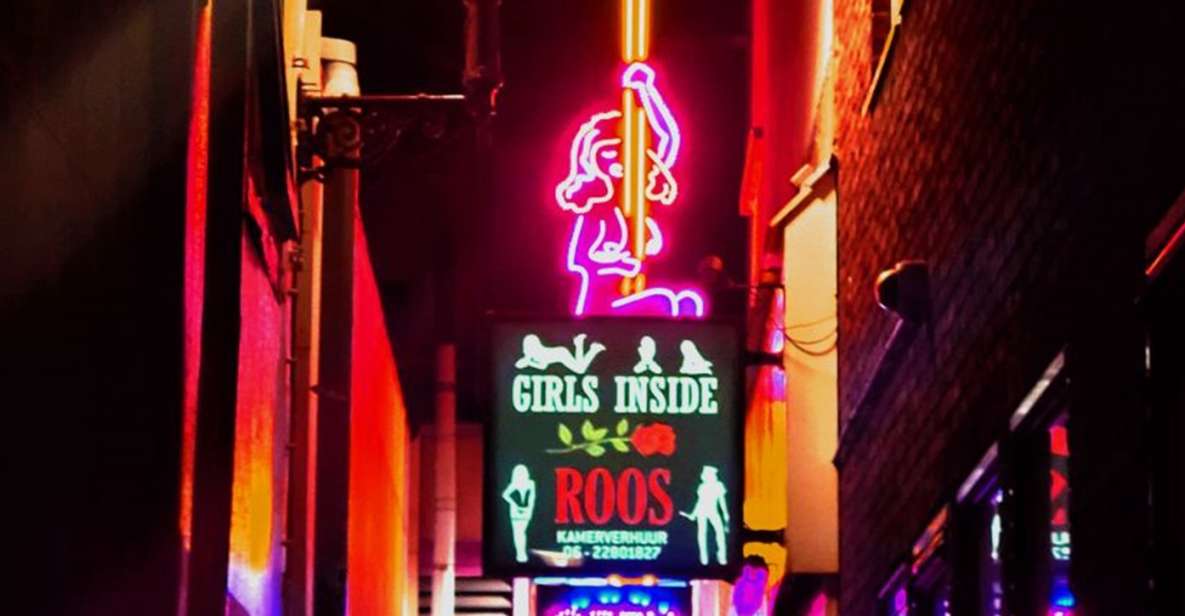
This is the kind of Amsterdam tour that makes you feel like you finally understand what you’re looking at. In two hours, you cover the famous Red Light District streets, but you also get the context that most people miss when they only glance at the neon and leave.
The walking format matters. You won’t just stand and point; you move through the area and learn why the streets, landmarks, and businesses sit where they do. That motion helps the information stick—especially when the guide is explaining how the district’s rules and culture affect everyday life.
You’ll also get a real contrast in the content. The tour starts with broader Netherlands context and older Amsterdam sights, then shifts into the Red Light District’s main streets and the coffeeshop world right alongside it. That pairing is smart, because it shows you how Amsterdam can be very open about certain topics while still operating under strict boundaries.
You can also read our reviews of more tours and experiences in Amsterdam.
What You’ll See in the First Minutes: History Setup, Not Just Shock Value
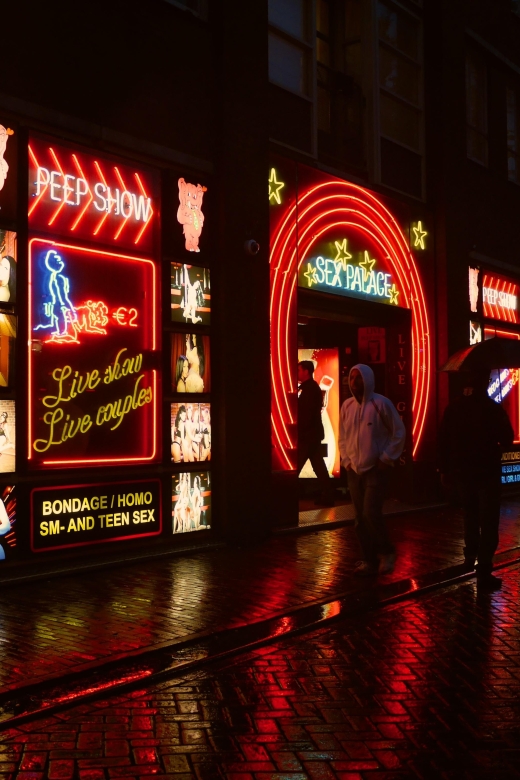
The tour begins with a quick orientation that you’ll appreciate once you’re actually there. Instead of jumping straight to the red windows, you first get an overview of the Netherlands and how its story shaped Amsterdam. It’s not meant to be a textbook lesson, but it does give you something to hold onto while you walk.
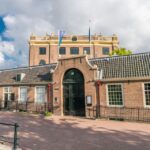
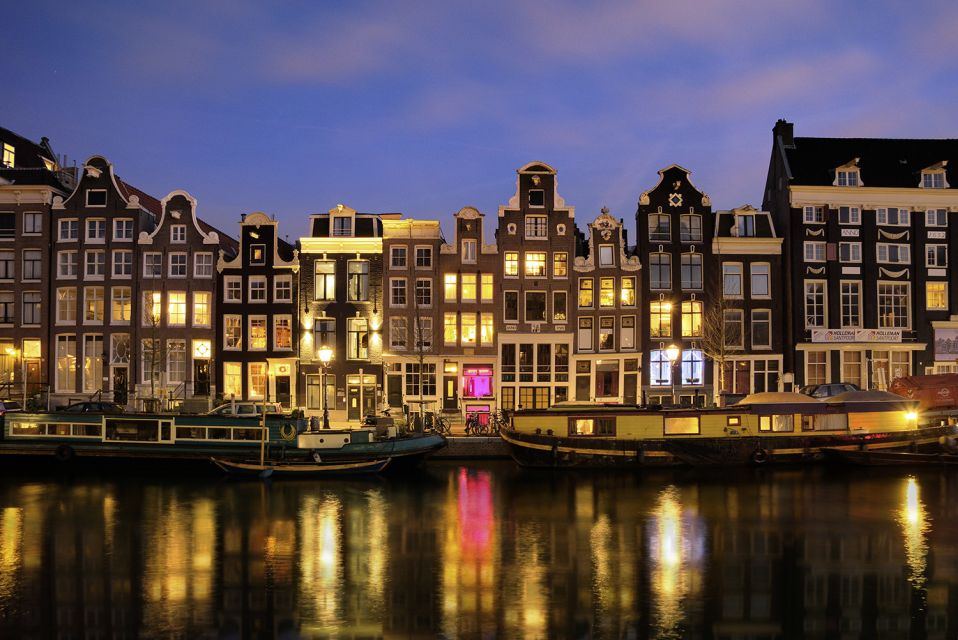
You’ll also see older landmarks and some of the oldest building fabric of Amsterdam. That part is useful because the Red Light District isn’t just a single modern attraction—it’s layered into the city’s geography and architecture. Seeing that older built environment first helps you understand why the streets feel the way they do and why the neighborhood’s layout has been used for generations.
Expect the guide to frame the area with care, including talk about prostitution in practical terms. You’ll hear explanations about what it’s like working as a prostitute in the Red Light District, along with how the district is operating right now. That grounded approach tends to make the whole experience feel less like sightseeing and more like understanding a system.
Old Church Sights and the Quick Netherlands Context Reset
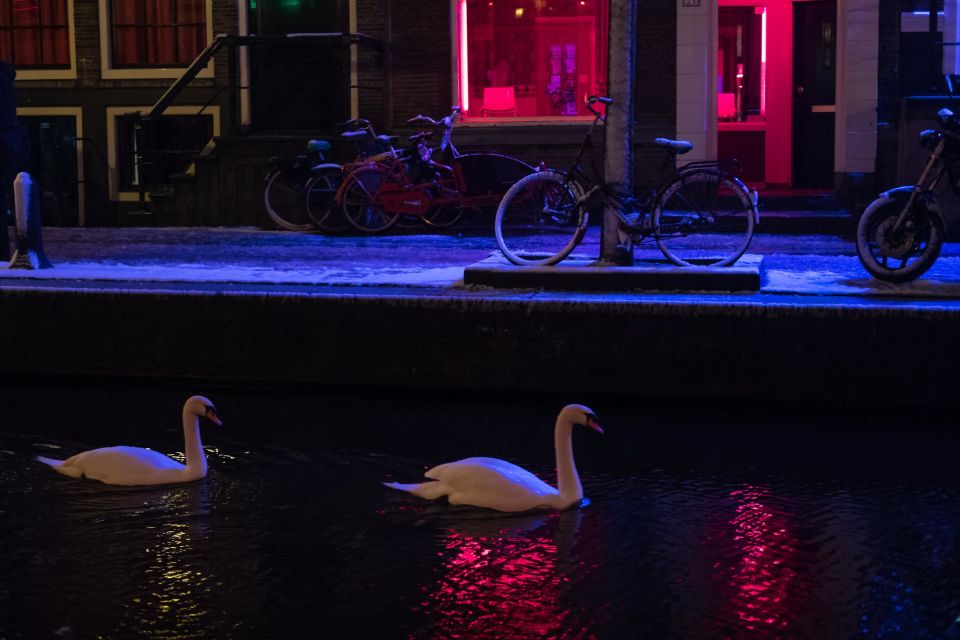
In the early stretch, you’ll pick up a sense of scale and age. The guide shows historical sights and landmarks, and you’ll hear an overview that covers the general history of the Netherlands. Even if you’ve read a few things before, having it spoken in a walking route format helps you connect the dots while you’re looking around.
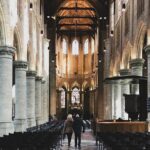
One of the listed highlights is seeing an old church, and you’ll encounter it as part of the historical segment. That’s more than a photo stop. Churches anchor neighborhoods in time, and they also help you understand why this area wasn’t created overnight as a tourist stage—it’s been city territory for a long time.
You’ll also get the benefit of moving at a local pace. The tour is built around walking from one kind of sight to another: older Amsterdam details first, then the Red Light District center. If you’re the type who likes to know why something exists before you judge it, this is a good sequence.
Entering the Red Light District Core: Red Windows, Narrow Streets, and the Main Streets
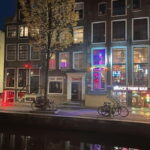
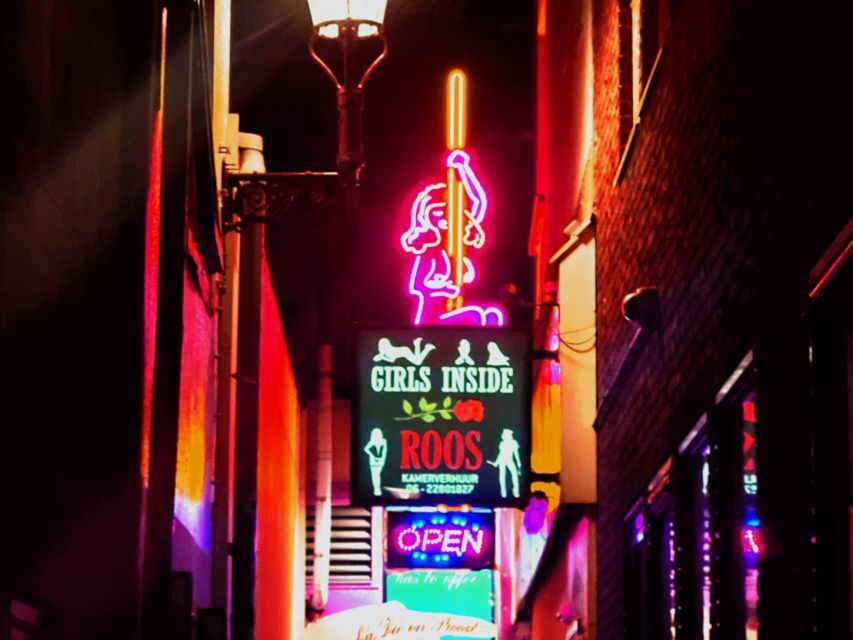
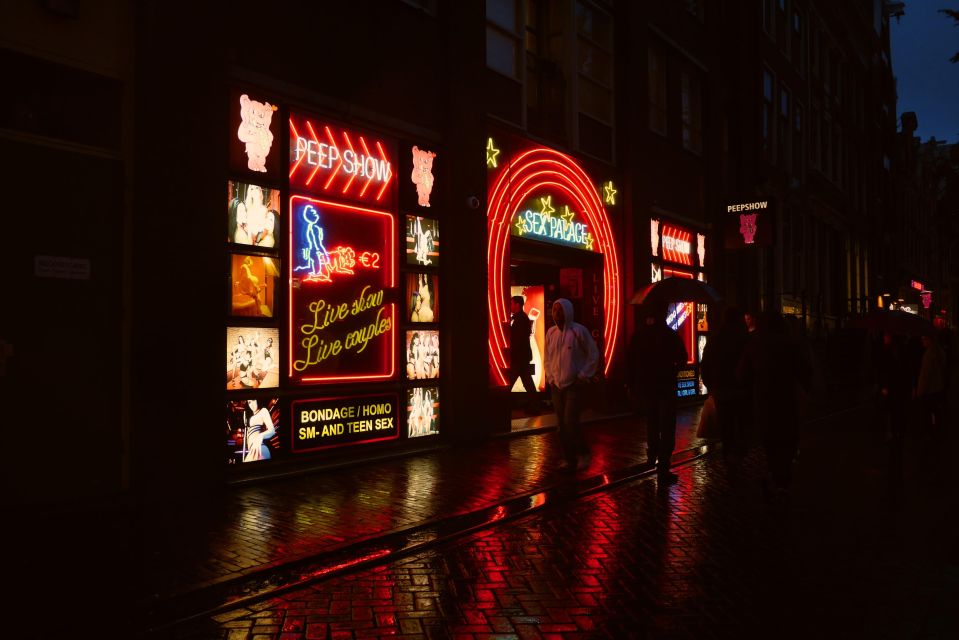
Once you reach the center of the Red Light District, the tour becomes very visual. You’ll see the famous red windows up close, and the guide will explain what you’re looking at as you pass by. The goal is to avoid the head-in-the-clouds version of the district and replace it with a more factual, place-based understanding.
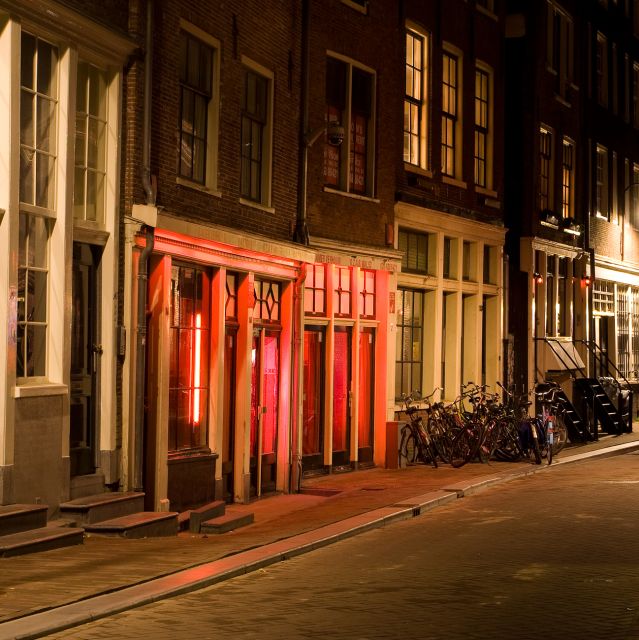
The route also includes street-level specifics that make the area feel real. You’ll visit the narrowest street of Amsterdam—exactly the sort of detail that makes a walking tour worth it, because you don’t get that scale from a map screenshot. You’ll also walk through the prostitute streets where the red lights line the buildings.
Then there are the other categories of sights tied to the district’s identity. You’ll see an indoor prostitute street, and you’ll spot smartshops along the route. These are quick but meaningful stops: they show you how the neighborhood mixes different industries, rules, and customer expectations in one tight space.
The Neighborhood Works Because of Policy: Liberal Laws Explained in Plain Language
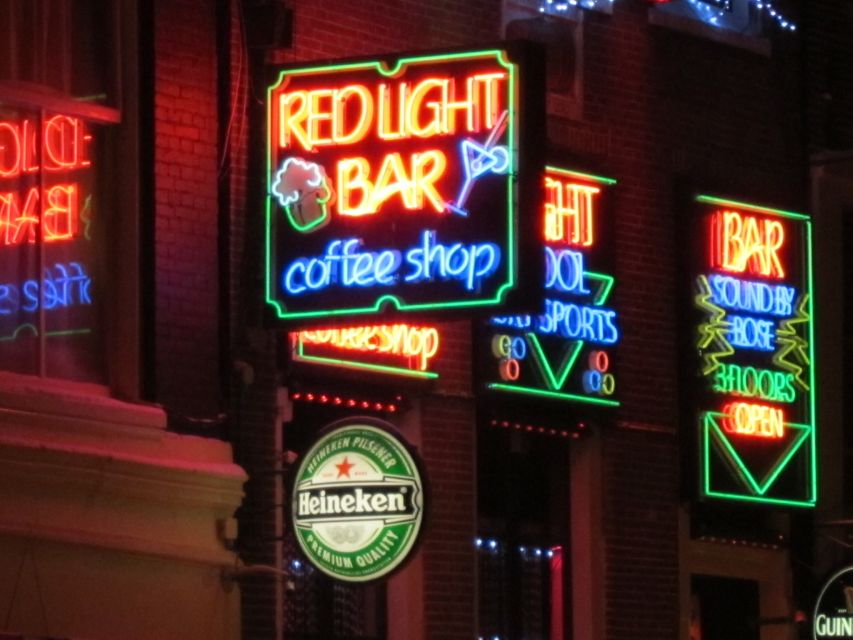
A big reason this tour earns strong ratings is the way the guide explains policy without turning it into a lecture. You’ll hear about Amsterdam’s liberal laws and how they relate to prostitution and the coffeeshop scene. Instead of vague talk, the guide provides facts and explanations as you walk through the relevant streets.
The coffeeshop laws topic is part of what you’ll learn, including the weird rules around consumption and production of soft-drugs. The wording can sound abstract, but in practice it becomes easier to understand when you’re standing near the businesses and seeing how the neighborhood handles demand and regulation.
This is also where the guide’s storytelling helps. You’ll hear how it can be like working in the district, and you’ll learn about the district’s history and its current situation. That combination matters because it gives you a sense of change over time, not just a static snapshot for tourists.
I like how this segment balances the human and the legal. You get more than street drama; you also get the framework behind why Amsterdam has the particular rules it does.


Coffeeshop Culture 101: Why the Name Matters and What You Learn From It
Coffeeshop culture is a huge part of Amsterdam, but it can be misunderstood by visitors who think it’s only about one thing. This tour treats it as culture and policy at the same time. You’ll learn where the name coffeeshop comes from, and you’ll connect that term to how the system is set up.
You’ll also see the most famous coffee shop of Amsterdam on the walk. Even if you have no plan to go inside, seeing it in context helps you understand why coffeeshops occupy such a central role in the neighborhood’s image—and why they’re regulated the way they are.
Another detail on the route is the first coffeeshop. That matters because it turns coffeeshop culture from a modern trend into something with a timeline. When you know that there’s a beginning, it’s easier to recognize how the district developed its present-day mix of businesses.
The tour’s approach is practical for real life in Amsterdam. You’ll come away with a clearer sense of what the coffeeshop system is trying to do, especially regarding soft-drugs and the laws tied to them. And you’ll have the confidence to talk about it without sounding like you picked up a rumor.
The Best Part Is the Guide’s Focus on Details
This is one of those tours where your experience rides heavily on the guide. The strongest feedback emphasizes guides who know how to keep the story moving, explain what you’re seeing in a way that actually makes sense, and still keep the tone responsible.
Look for signs that your guide is doing three things well:
- Connecting streets to history, not just listing facts
- Explaining how rules shape daily life
- Giving context while you’re still close to the sights
If you want to feel like you left with knowledge instead of just photos, you’ll benefit most from a guide who does that route-level storytelling. And the overall rating suggests that this tour tends to deliver that combination of education and enjoyment.
Price and Value for $29: What You’re Really Buying in 2 Hours
At $29 per person for a 2-hour walking tour, the value is strong if you care about context. You’re not paying for a museum ticket or a long transfer day. You’re paying for a local guide to translate a complicated neighborhood into something you can understand on foot.
Two hours is also a sweet spot for this specific topic. The Red Light District is intense, and the coffeeshop culture adds another layer. A shorter tour would likely feel rushed; a longer one can drag if you’re not interested in policy and human stories. Here, you get a structured route that hits major sights without pretending you can master everything the city does in one afternoon.
Private group availability is listed too, which can improve value if you’re a small group that wants a gentler pace or a more tailored question-and-answer flow.
Just keep one expectation in check: this is a walking tour, so you’ll get the most value if you’re ready to stand, watch, and listen as you move.
Who This Tour Fits Best (and Who Might Want to Pass)
This tour is a good match if you want to understand the Red Light District as a real neighborhood, not a movie set. You’ll like it if you enjoy history context, policy explanations, and street-level details—especially facts about how liberal laws relate to coffeeshops and soft-drugs.
It’s also ideal if you’re curious about the practical side of how Amsterdam handles contradictions. The city is famously liberal in certain areas, but it’s not random. Seeing that framework up close helps you make sense of what you see in person.
I’d suggest skipping it if you want a purely light, casual Amsterdam day. The subject matter includes prostitution and working life in the district, and the whole area can feel heavy or awkward depending on your personal comfort level. Also, if you’re arriving in a rushed state, the meeting point can vary by option, so you’ll want a calm start so you can catch the beginning of the walk.
Practical Tips for Enjoying It Without Feeling Overwhelmed
First, treat this as an information-first tour. If you arrive only focused on photos, you might miss the point. The real value comes from understanding what the guide says while you’re near the sights like the red windows, the old church, and the narrowest street.
Second, wear shoes you can rely on. It’s a walking route through tight streets and busy sidewalks. You don’t want sore feet cutting your attention halfway through.
Third, give yourself permission to feel a little uneasy. That’s part of what makes the tour educational. The aim isn’t entertainment; it’s context.
Lastly, pay attention to timing. One small slip—like arriving late by a few minutes—can throw off your start, especially on a tightly planned city walk.
Should You Book This Amsterdam Red Light District and Coffeeshop Tour?
I’d book it if you want an adult-focused Amsterdam experience with real explanations: red windows and street sights plus clear talk about coffeeshop culture and the liberal laws around soft-drugs. The route is built for understanding, not just sightseeing, and the standout strength is the guide-led storytelling and detail.
I wouldn’t book it if you want a family-friendly outing or if the topic of prostitution will put you off completely. Also skip it if you’re the type who can’t handle walking and listening at the same time.
If your goal is to leave Amsterdam with a better brain, not just a few night photos, this is a solid pick for your schedule.
FAQ
How long is the Amsterdam Red Light District and coffeeshop culture tour?
The tour lasts 2 hours.
What is included in the tour price?
You get a guided walking tour through Amsterdam and the Red Light District with a local guide.
Where does the tour start?
The meeting point may vary depending on the option booked.
What languages are available?
The live tour guide is available in German and English.
Is a private group option available?
Yes, a private group option is available.
Is there free cancellation?
Yes, you can cancel up to 24 hours in advance for a full refund.
Does the tour cover both prostitution and coffeeshop culture?
Yes. The tour includes explanations about the Red Light District, including prostitution, and also covers Amsterdam coffeeshop culture, including the meaning of the word coffeeshop and laws related to soft-drugs.