REVIEW · AMSTERDAM
Amsterdam: Artis Royal Zoo & ARTIS-Micropia Combo Ticket
Book on GetYourGuide →Operated by ARTIS · Bookable on GetYourGuide
ARTIS is one of those places that turns a normal zoo day into a science-and-wonder day. I like the old-school animal care feel of ARTIS Amsterdam Royal Zoo and the fact you also get ARTIS-Micropia, the world’s only microbe museum, right in the city center. The main consideration is planning: your booking’s time slot only applies to Micropia, while the zoo can be visited anytime during opening hours.
This is easy to fit into a one-day Amsterdam plan. The zoo is about 10 minutes from the city center, along a canal, and the site has enough to keep you walking without feeling rushed. You’ll also find practical comforts like a café inside the zoo and places to refill water bottles.
The one drawback I’d flag is that Micropia can make you think in a totally different way than a traditional museum. If you’re expecting only “cute animals,” you might not love the focus on microbes—worth it for most people, but not everyone.
In This Review
- Key highlights worth planning for
- A one-day combo that actually makes sense: zoo plus microbe museum
- Getting there like a local: Tram 14, Waterlooplein, and canal-side arrival
- ARTIS Amsterdam Royal Zoo: historic grounds, canals, and a park feel
- Elephant Expedition: newborn calves and the elephant code trail
- Kerbertterras Madagascar and the otter neighborhood
- Planetarium included: a space break that doesn’t steal the day
- ARTIS-Micropia: booking your time slot and seeing microbes come alive
- How long will this take? Build a simple day rhythm
- Comfort and practical details that make the day easier
- Price and value: what $55 buys you in real-life terms
- Who should book this and who might rethink it
- Should you book: my take on the ARTIS + Micropia combo
- FAQ
- What is included in the Amsterdam: Artis Royal Zoo & ARTIS-Micropia combo ticket?
- Do I need to enter the zoo at the same time as my ARTIS-Micropia time slot?
- What are the opening hours for ARTIS Amsterdam Royal Zoo?
- What are the opening hours for ARTIS-Micropia?
- How do I get there using public transport?
- Are children free?
- Can I cancel my booking?
Key highlights worth planning for
- Newborn elephant calves and an Elephant Expedition with foot trails and an elephant “code”
- Big-name animal habitats like Asian elephants, lions, Western lowland gorillas, and African penguins
- Kerbertterras (Madagascar) enclosure pairing ring-tailed lemurs, red ruffed lemurs, and turtles
- ARTIS-Micropia in-town: living microbes, microscopes, hands-on displays, and lab stories
- Daily lab talks in front of the lab at Micropia
- Planetarium included with your combo ticket
A one-day combo that actually makes sense: zoo plus microbe museum
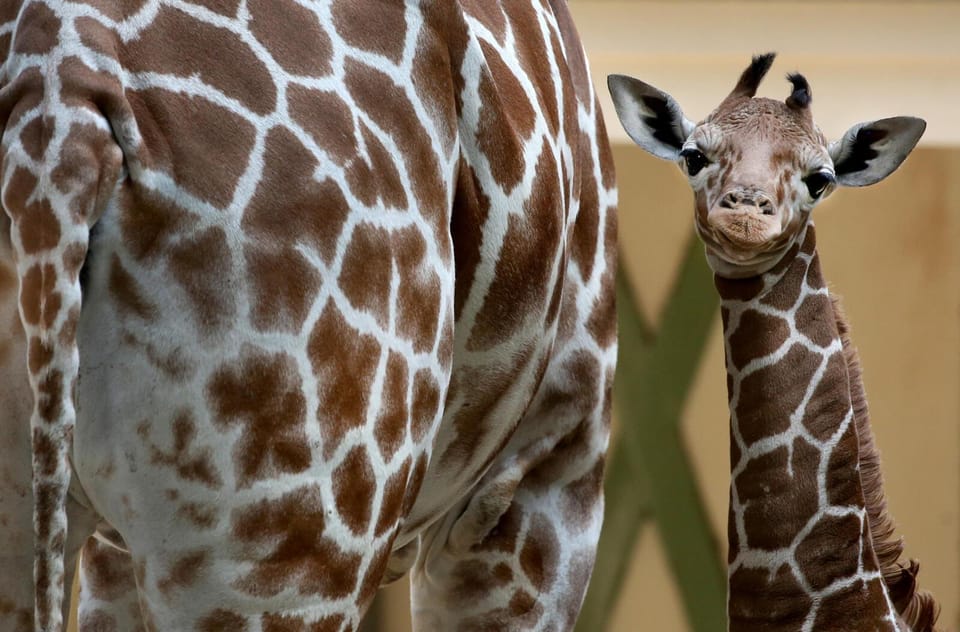
If you’re doing only one “extra” day activity in Amsterdam, this combo is a strong choice. ARTIS Amsterdam Royal Zoo gives you the classic zoo experience—large animals, gardens, and a park-like layout—while ARTIS-Micropia switches your brain from fur and feathers to what you can’t see.
The value is in the pairing. You’re not paying for two separate attractions that happen to be near each other; you’re getting one ticket that turns the day into a loop from nature to the tiny systems that support it. With an overall rating around 4.8/5 and 200+ bookings listed, it’s a combo people consistently stick with for a full day.
And yes, this is a “spend time” ticket. I’d plan around 5 to 7 hours, especially if you stop for a café break and slow down for Micropia and the planetarium.
You can also read our reviews of more tours and experiences in Amsterdam



Getting there like a local: Tram 14, Waterlooplein, and canal-side arrival

Location is a big part of why this works. ARTIS sits in North Holland, about 10 minutes from the city center, directly on a canal, so you’re not cross-town hopping all day.
For public transit:
- Take Tram 14 from Amsterdam Central Station; it stops at ARTIS Amsterdam Royal Zoo.
- Tram 7 or 19 are within walking distance if that’s what lines up with your route.
- The nearest metro station is Waterlooplein, about a 10-minute walk.
Once you arrive, you’ll feel like you’re walking into a calm pocket of the city. It helps that the zoo is organized for wandering rather than zig-zagging.
ARTIS Amsterdam Royal Zoo: historic grounds, canals, and a park feel
ARTIS is the oldest zoo in the Netherlands, and you can feel that in the atmosphere. The grounds sit right by the canals and include historic-style features and flower gardens, so it doesn’t feel like a fenced-in “waiting room” for animals.
You’ll also get a lot of the animals people come for. Expect to see Asian elephants, lions, Western lowland gorillas, and African penguins, plus other species that fill out the day. Many visitors describe the setup as clean and well arranged, which matters when you’re spending hours walking.
What I like most for your planning: the zoo gives you options. You can do the “big animals” first, then shift into smaller habitats and themes later, depending on your energy level.
Elephant Expedition: newborn calves and the elephant code trail
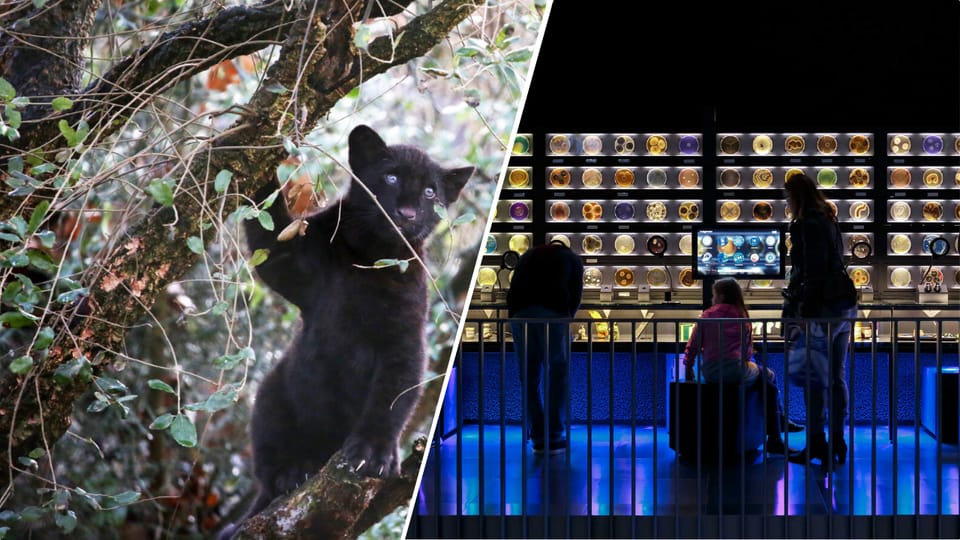
This is the zoo highlight that pulls people forward. In the Elephant Expedition area, you’ll see newborn elephant calves (a current seasonal focus) and follow the foot trails built around elephant facts and activities.
The program is designed like a mini scavenger experience. You’re encouraged to learn about elephants through the trail and then crack the elephant code as you go. It’s the kind of attraction that feels fun even if you’re not traveling with kids, because it gives structure to what you’re looking at.
If you’re visiting during the spring holiday, there’s even a kid-focused activity where children can craft their own elephant enclosure. If that timing matters, it’s worth adjusting your day around the zoo when you’re in town.
Tip for your pacing: start with the elephant experience earlier in the day when you’re fresher. It also helps you avoid building your schedule around one “must-see” section and then getting tired too soon.
Kerbertterras Madagascar and the otter neighborhood

A huge part of enjoying ARTIS is how the habitats are grouped. One standout is the renewed Kerbertterras—formerly the lion’s enclosure—now shaped around a Madagascar theme.
Here you can see ring-tailed lemurs, red ruffed lemurs, and turtles living together in the redesigned area. The theme shift is noticeable, and it’s a nice change of pace after the larger-animal zones. Even if you’re mostly there for elephants, this Madagascar stop gives your eyes a different kind of activity to watch.
Then follow the flow toward another newer addition: the Asian small-clawed otters, located next to the red panda habitat. That neighborhood clustering is helpful. Instead of backtracking, you can keep your route moving and stack two “new habitat” stops back-to-back.
You can also read our reviews of more tours and experiences in Amsterdam


Planetarium included: a space break that doesn’t steal the day

You get the Planetarium with your combo ticket. The planetarium experience is described as a journey through space—stars, planets, and your place in the universe—so it works as a mental reset after animal watching.
Because it’s included, it’s also a good buffer for timing. If you hit Micropia and the zoo earlier than expected, the planetarium helps you fill gaps without spending extra money or hunting for tickets.
Practical note: plan it so you don’t end up sprinting between buildings. A calmer schedule makes both Micropia and the planetarium feel like part of the same day story.
ARTIS-Micropia: booking your time slot and seeing microbes come alive

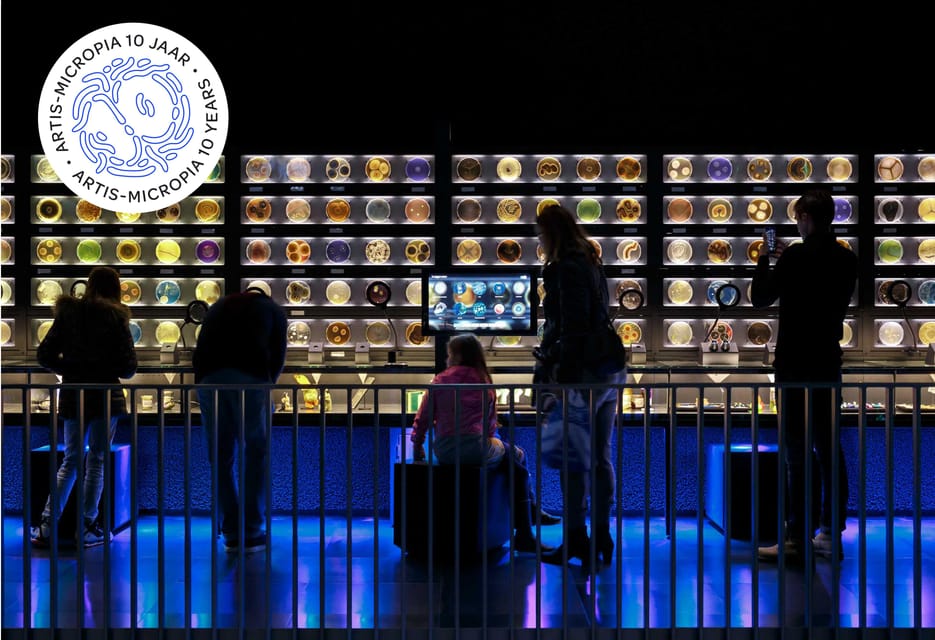
ARTIS-Micropia is the reason this combo feels different. It’s the first and only museum in the world dedicated entirely to microbes, and the whole point is that microbes are everywhere—air, skin, and your gut—and they play roles in food, health, and nature’s balance.
When you book, the key detail is timing. Your time slot applies only to your visit to ARTIS-Micropia. You can enter ARTIS Amsterdam Royal Zoo during opening hours on the day of your visit. So the zoo becomes flexible, while Micropia is the fixed clock moment.
At Micropia, you’ll see living microbes brought to life through living specimens, microscopes, interactive displays, and stories from lab technicians. There are also daily lab talks in front of the laboratory, which is a great way to get explanations without needing a background in science.
What to expect in your body language: Micropia can feel a bit strange at first, because you’re shifting from visible animals to something you can’t see. That’s exactly why it’s memorable. If you’re the kind of person who likes “how does this actually work,” Micropia will land well.
How long will this take? Build a simple day rhythm
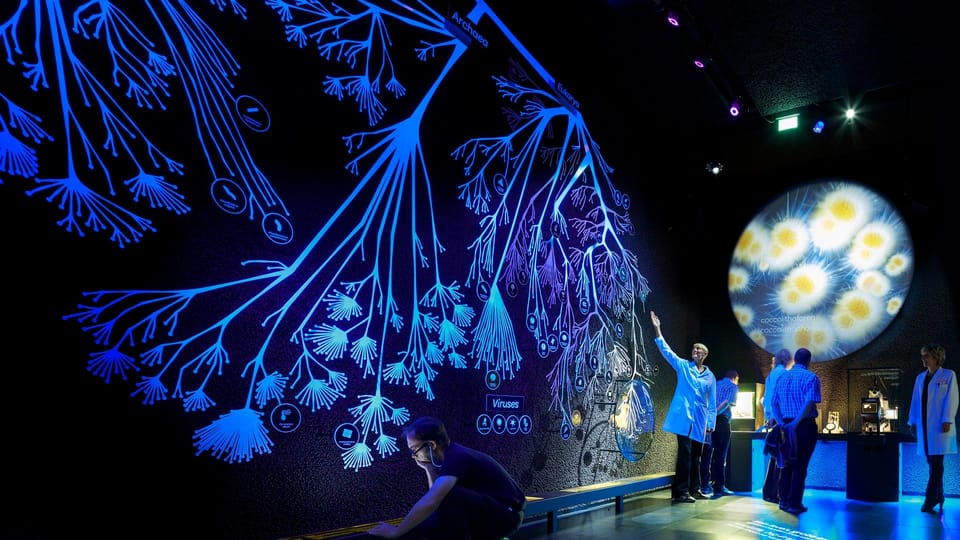
This combo is doable in one day, but it helps to plan a rhythm. Since Micropia has a timed slot and opens at 10:00 AM (and closes at 5:00 PM), it’s smart to treat Micropia as your anchor.
A practical approach:
- Do part of the zoo before your Micropia slot, focusing on elephant and one or two other areas.
- Use Micropia as your “big interior stop” when you want breaks from walking.
- Finish the zoo after Micropia while you still have energy for the calmer stroll sections.
Some visitors end up staying longer—around 5/6 hours with meals and extra time, and in some cases closer to 7 hours—so don’t book a tight departure right after Micropia. Give yourself room to wander and re-enter the zoo when you feel like it.
Also keep an eye on the day’s schedule if you want the after-hour walk concept at the zoo. The idea is that the park gets calm and you learn which animals become active at night. If that’s offered during your visit, it’s a fun way to make the day feel special rather than just “more exhibits.”
Comfort and practical details that make the day easier

This ticket is built for walking, so tiny comforts matter. The zoo has a café inside, and people talk up the coffee stop as a good mid-day break. It’s also a nice option if you want a sit-down before tackling Micropia or the animal habitats again.
Water is another practical win. There are water fill stations around the zoo so you can refill your bottle instead of buying drinks constantly. That’s a small thing, but it keeps the day from turning into a money leak.
Rules-wise, note the essentials:
- No pets
- No smoking
And if you’re traveling with mobility needs, you’re covered. The experience is wheelchair accessible, and the zoo has wheelchairs available without reservation.
Price and value: what $55 buys you in real-life terms
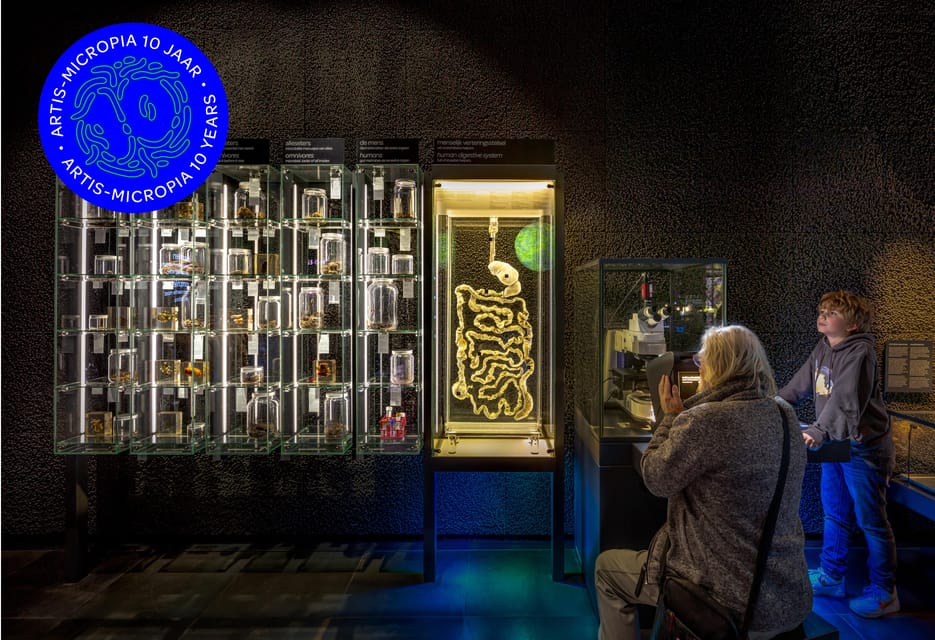
At about $55 per person, you’re paying for three parts on the same day: ARTIS-Micropia, ARTIS Royal Zoo, and access to the Planetarium.
Here’s why that can feel like good value:
- You’re not just getting a zoo ticket; you’re adding a rare, one-of-a-kind museum experience in the heart of Amsterdam.
- The planetarium inclusion means you don’t need a separate ticket just to fit in a “rest stop” indoors.
- Kids pricing is a genuine plus. Children up to 12 years can enter for free at both Micropia and the zoo (and infants 0–2 are free at ARTIS Royal Zoo).
If you’re a couple or a family, this combo gets easier to justify fast. If you’re traveling solo, the value still makes sense because Micropia is the kind of attraction you can’t easily replace with another “samey” museum.
Who should book this and who might rethink it
This works best for people who want variety in one day: animals, science, and a short space-show experience.
It’s especially a good fit if:
- You like interactive or hands-on learning (Micropia’s living microbes and microscopes are the point).
- You’re traveling with kids, since there’s free entry for younger visitors and elephant programming tied to the season.
- You want a practical Amsterdam attraction near the center, with simple transit options.
You might rethink it if your priority is a purely animal-only day. Micropia is central to the ticket’s value, and it’s intentionally focused on microbes, lab stories, and the invisible world. It’s fascinating for many people, but it isn’t trying to be comforting in a traditional way.
Should you book: my take on the ARTIS + Micropia combo
If you’re choosing between a zoo-only plan and adding something unusual, this is the smarter bet. The combo gives you a full day with natural history plus science you can’t get anywhere else in this format. The elephant calves, the Kerbertterras Madagascar enclosure, and the otter/red panda area build a solid zoo route, while Micropia brings the day’s theme back to the invisible systems that support life.
So yes, I’d book it if you want variety, a walkable day, and a museum moment that goes past the usual.
FAQ
What is included in the Amsterdam: Artis Royal Zoo & ARTIS-Micropia combo ticket?
Your ticket includes entry to ARTIS-Micropia, entry to ARTIS Amsterdam Royal Zoo, and access to the Planetarium.
Do I need to enter the zoo at the same time as my ARTIS-Micropia time slot?
No. The time slot you select applies only to your visit to ARTIS-Micropia. You can enter ARTIS Amsterdam Royal Zoo during opening hours on the day of your visit.
What are the opening hours for ARTIS Amsterdam Royal Zoo?
From March 1 to October 31, it’s open 9:00 AM to 6:00 PM. From November 1 to February 28, it’s open 9:00 AM to 5:00 PM.
What are the opening hours for ARTIS-Micropia?
ARTIS-Micropia is open daily from 10:00 AM to 5:00 PM.
How do I get there using public transport?
From Amsterdam Central Station, take Tram 14, which stops at ARTIS Amsterdam Royal Zoo. Tram 7 and 19 are within walking distance. The nearest metro station is Waterlooplein, about a 10-minute walk.
Are children free?
Yes. Children age 0–12 can enter for free at ARTIS-Micropia. At ARTIS Amsterdam Royal Zoo, children up to 12 years are free, and infants (age 0–2) can enter for free.
Can I cancel my booking?
You can cancel up to 24 hours in advance for a full refund.