REVIEW · AMSTERDAM
Small-Group: Culture & History Walking Tour of Amsterdam
Book on Viator →Operated by Trigger Tours · Bookable on Viator
Dam Square has a way of grabbing your attention. This small-group Amsterdam walking tour links politics, religion, and street life across 700 years of city change, from the center of power to the oldest surviving church and the market square. You’ll also get a clear sense of how the canal ring shaped the city you see today.
I especially love the small-group size (max 15), because it keeps questions from piling up and makes it easier to follow your guide’s pace. I also like that the stops are practical: you’re not just looking, you’re learning why each place matters—Nieuwmarkt’s story, Oude Kerk’s role, and how the UNESCO canals fit into the city plan.
One possible drawback: the meeting point can be a little tricky to spot at first glance. A more obvious landmark would help, so I recommend arriving a few minutes early and double-checking the exact address.
In This Review
- Key highlights worth your time
- Damrak start and Dam Square: where Amsterdam’s story turns political
- A quick note on the walk itself
- UNESCO canal ring: turning pretty canals into real city planning
- What to look for during this segment
- Old Church (Oude Kerk): Amsterdam’s oldest surviving building, explained
- Why this stop feels different from the others
- Nieuwmarkt: from former city walls to a daily market square
- How to get more out of this last stretch
- Price and what you actually get for $41.10
- The guide factor: how Gio-style enthusiasm improves your city IQ
- What you can ask about (and get real answers)
- Logistics that matter: meeting point, time on foot, and comfort
- Who it fits best
- When it might not be your best match
- What you’ll remember after: a tour built around connections
- Should you book this Amsterdam culture and history walking tour?
- FAQ
- How long is the Amsterdam Culture & History Walking Tour?
- What does the tour cost?
- How big is the group?
- Is the tour offered in English?
- Where does the tour start?
- Does the tour include food or drinks?
- Is there a mobile ticket?
- Is free cancellation available?
- Is it suitable for most people, and are service animals allowed?
Key highlights worth your time
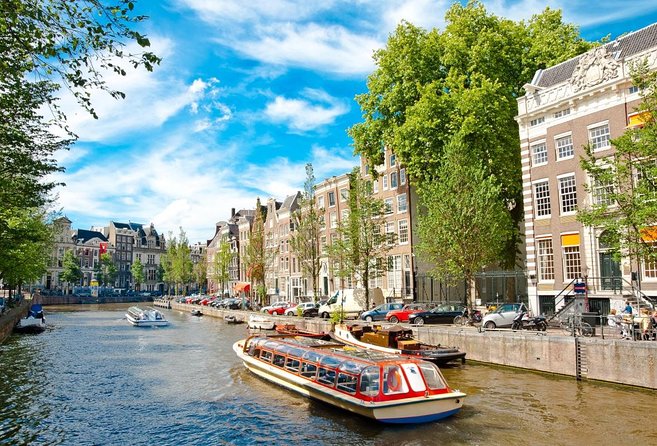
- Max 15 people means you’re more likely to get answers, not just information
- Dam Square gives you the political and cultural pulse of Amsterdam fast
- UNESCO canal ring helps you understand what makes the canal layout special
- Oude Kerk (13th century) connects Catholic roots to Protestant-era use and today’s cultural life
- Nieuwmarkt shows how a former wall site turned into a daily market hub
Damrak start and Dam Square: where Amsterdam’s story turns political
The tour kicks off near Damrak 1-5 (1012 LG), a smart starting spot because it puts you close to the city’s busiest connections while still feeling like you’re stepping into the oldest layers. From the first minute, the focus is not on random photos. It’s on helping you read the city like a map, even if you’ve never been here before.
Dam Square is the headline stop for a reason. For centuries it’s been tied to political and cultural life, so it works as a starting point for everything else you’ll see. Instead of treating the square as just a big open space, you learn what kinds of events and authority shaped this part of town, and why the city keeps pointing back here.
You can also read our reviews of more walking tours in Amsterdam



A quick note on the walk itself
You’re on foot for about 2 hours, so it’s best to plan around that. Bring comfortable shoes, and if you’re sensitive to crowds, start with a steady mindset: this area draws lots of people, especially in daytime.
UNESCO canal ring: turning pretty canals into real city planning

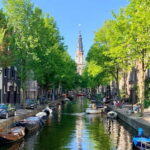
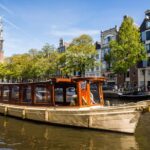
After Dam Square, you head toward the famous canal ring, a UNESCO World Heritage Site that’s famous for good reason. The canals are gorgeous, yes, but the real value of this stop is the explanation of why the layout matters. You’re learning how the canal design reflects innovation in urban planning and engineering, not just aesthetics.
This is where the tour earns its keep for first-timers. You’ll often see canal photos online, but it’s easy to miss the logic behind them. Here, you get help connecting the canals to the way Amsterdam grew and organized itself, so your next walks feel less like aimless wandering and more like you’re following a plan.
What to look for during this segment
Use your eyes in a slightly different way here. Instead of chasing postcard angles, pay attention to how streets, bridges, and waterways connect. When you notice those links, the UNESCO designation stops being an abstract label and starts making practical sense.
Old Church (Oude Kerk): Amsterdam’s oldest surviving building, explained
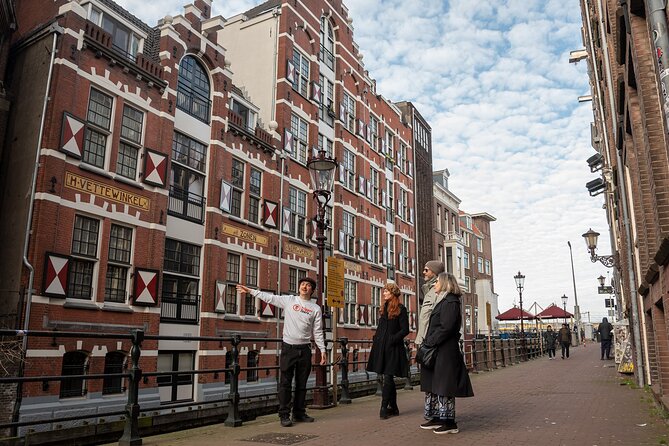
Next comes Oude Kerk, Amsterdam’s oldest surviving building, dating back to the 13th century. The key detail isn’t just the age—it’s the change in religious use. It was originally a Catholic church, later used by Protestant congregations, and it’s now a cultural center.
That sequence matters. Places that survive that long often do so because they keep finding new roles. Here, the tour shows you how religious buildings can shift with time while still keeping their historical gravity. It’s the kind of story that makes the building feel less like a landmark and more like a living piece of the city.
You can also read our reviews of more historical tours in Amsterdam






Why this stop feels different from the others
Dam Square tells you about civic power, the canals show planning and engineering, and Oude Kerk adds the human scale: belief, community, and how a single building can keep serving changing needs. By the time you reach this stop, the tour has built context, so you’re not just reading dates—you understand what the building went through.
Nieuwmarkt: from former city walls to a daily market square
Nieuwmarkt is a great finish-line stop because it shows continuity in a very Amsterdam way: old structure, modern use. The area used to be the site of Amsterdam’s 17th-century city walls, and now it functions as a lively square with a daily market, plus cafes and restaurants.
The market vibe is more than a nice backdrop. It’s a reminder that cities are built for people doing everyday things, not just ceremonies. Here, the tour helps you connect the defensive purpose of walls to the modern social purpose of a public square—trading protection and control for commerce and community.
How to get more out of this last stretch
When you’re near Nieuwmarkt, slow down and watch how locals and visitors move through the space. Markets change with the hour, but the point is the same: this is a gathering spot shaped by centuries of city life. Even if you don’t stop to eat, you’ll leave with a stronger sense of where to return later.
Price and what you actually get for $41.10
At $41.10 per person for about 2 hours, you’re paying for a guided walking experience that concentrates history into a tight route. This isn’t a half-day museum mission, and it’s not trying to cover everything in Amsterdam. Instead, it focuses on a few high-impact places and gives you the story thread to connect them.
You also get practical perks that add value for real life travel:
- a local guide (so you’re not relying only on signage and guesswork)
- a small-group cap of 15 people
- a mobile ticket
- the tour is offered in English
Because food and drinks aren’t included, you’ll want to plan for a snack either before you meet or after you finish. If you’re the type who likes to end a walking tour with a meal right nearby, this stop layout makes that easy.
The guide factor: how Gio-style enthusiasm improves your city IQ
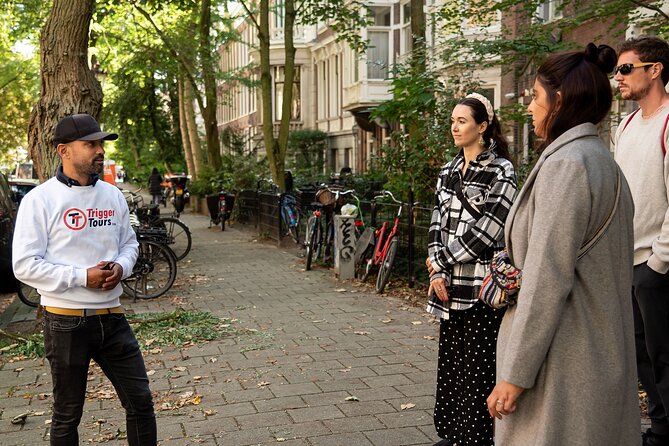
The strongest praise tied to this tour centers on the guide’s energy and ability to answer questions in detail. One guide name that stands out is Gio, described as enthusiastic, experienced, and able to make the past feel close to the present.
That’s not just nice storytelling. A good guide helps you build a mental framework. When someone can explain why Dam Square mattered, how the canal ring fits into city planning, and what Oude Kerk’s changing religious use tells you about Amsterdam, you start noticing patterns on your own afterward.
What you can ask about (and get real answers)
This kind of tour works best when you treat it like a conversation. If you ask why certain neighborhoods developed the way they did, or what a specific building’s shift in use suggests about social change, you’ll likely get the kind of clear, detailed response that makes the walking time feel worth it.
Logistics that matter: meeting point, time on foot, and comfort
The tour ends back at the meeting point, which is handy for keeping your plans simple afterward. Since you’re walking for about 2 hours, it’s worth dressing for weather and wearing shoes that can handle cobblestones.
Also, arrive a few minutes early. The meeting spot is listed as Damrak 1-5, and while that’s clear on paper, in real life it can be easy to miss the exact start area if you show up right at the minute.
Who it fits best
This experience says most people can participate, and it’s also described as near public transportation. It’s a smart pick if you’re:
- short on time but want a history-centered route
- visiting for the first time and want clear bearings
- the type who likes asking questions rather than just listening to a lecture
When it might not be your best match
If you’re looking for long seated time, a food-and-drink focus, or a deep dive into one building with lots of interior access, this may feel too short. The value here is in the connections across multiple stops, not in lingering for an all-day program.
What you’ll remember after: a tour built around connections
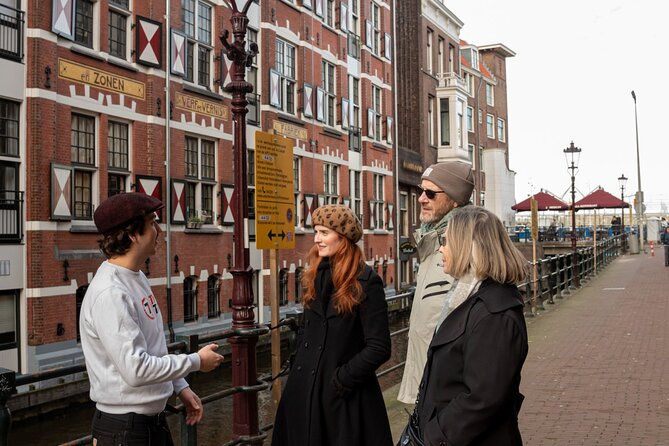
By the time you finish at Nieuwmarkt and loop back toward Damrak, you’ll have more than a photo list. You’ll have a set of stories you can reuse as you explore on your own.
Here’s the useful connection thread:
- Dam Square teaches you where civic power shows up in the city’s layout
- the UNESCO canals explain why Amsterdam’s engineering and planning are part of its identity
- Oude Kerk shows how religious space evolves through time
- Nieuwmarkt turns the idea of defenses and control into everyday public life via market culture
That blend is the point. You leave with a city “reading” skill, not just facts.
Should you book this Amsterdam culture and history walking tour?
If you want a high-value, English-language walking tour that hits major historic anchors in a small group, I’d book it—especially if you like learning stories as you walk. The $41.10 price makes sense for a local guide plus a route that connects Dam Square, UNESCO canals, Oude Kerk, and Nieuwmarkt in about 2 hours.
I’d skip or reconsider if you dislike meeting points that require a little extra attention, or if you need food included as part of your sightseeing plan. Also, if you want more time inside churches or museums, plan to add that yourself after the tour.
If you match the vibe—curious, comfortable walking, and ready to ask questions—this one is a solid way to get your Amsterdam foundations in place fast.
FAQ
How long is the Amsterdam Culture & History Walking Tour?
It lasts about 2 hours.
What does the tour cost?
The price is $41.10 per person.
How big is the group?
The tour is limited to a maximum of 15 travelers.
Is the tour offered in English?
Yes, it’s offered in English.
Where does the tour start?
The meeting point is Damrak 1-5, 1012 LG Amsterdam, Netherlands.
Does the tour include food or drinks?
No, food and drinks are not included.
Is there a mobile ticket?
Yes, the tour offers a mobile ticket.
Is free cancellation available?
Yes. You can cancel up to 24 hours in advance for a full refund.
Is it suitable for most people, and are service animals allowed?
Most people can participate, and service animals are allowed. The start area is near public transportation.