REVIEW · AMSTERDAM
Amsterdam Old City Private Walking Tour
Book on GetYourGuide →Operated by Stadswandelkantoor · Bookable on GetYourGuide
Two hours, and Amsterdam clicks into place. I love how this private walking tour strings together Amsterdam’s rise from reclaimed swamp to 17th-century world power, and I love the way your guide points out specific architecture and street-level history, from merchant houses to places like Oude Manshuispoort. One possible drawback: it’s a fast, concentrated route, so if you want lots of time for photos, shopping, or stopping inside buildings for long, you’ll feel the pace.
This is built for your interests, with a guide taking your private group around the medieval core, along canal banks, and onward through areas many visitors only see from the outside. You’ll cover the canal story, the old Jewish District, the Begijnhof women’s homes, Chinatown, Nieuwmarkt, and the infamous Red Light District—plus key landmarks like the Old Church. Expect a strong mix of big-picture history and the kind of local detail that makes the city feel personal, even in a short window.
In This Review
- Key things I’d highlight before you go
- Amsterdam Old City Private Walking Tour: 2 hours that actually feel efficient
- Meet at Amsterdam Central Station: how to start without stress
- The city’s origin story: reclaimed swamp to global power
- Medieval center route: Old Church, hidden churches, and a city-wall reminder
- Canals and power clues: Oostindisch Huis and the Herengracht walk
- Begijnhof women’s homes: a calm pocket with a big social story
- The Old Jewish District and Chinatown: stories side by side
- Red Light District: what you should expect and how to handle it
- Price, pacing, and the private-group advantage
- Who should book this tour—and who might skip it
- Should you book the Amsterdam Old City Private Walking Tour?
- FAQ
- How long is the Amsterdam Old City Private Walking Tour?
- What does the tour cost?
- Where does the tour meet?
- What languages are the guide services offered in?
- Is the tour wheelchair accessible?
- Are food and drinks included?
Key things I’d highlight before you go
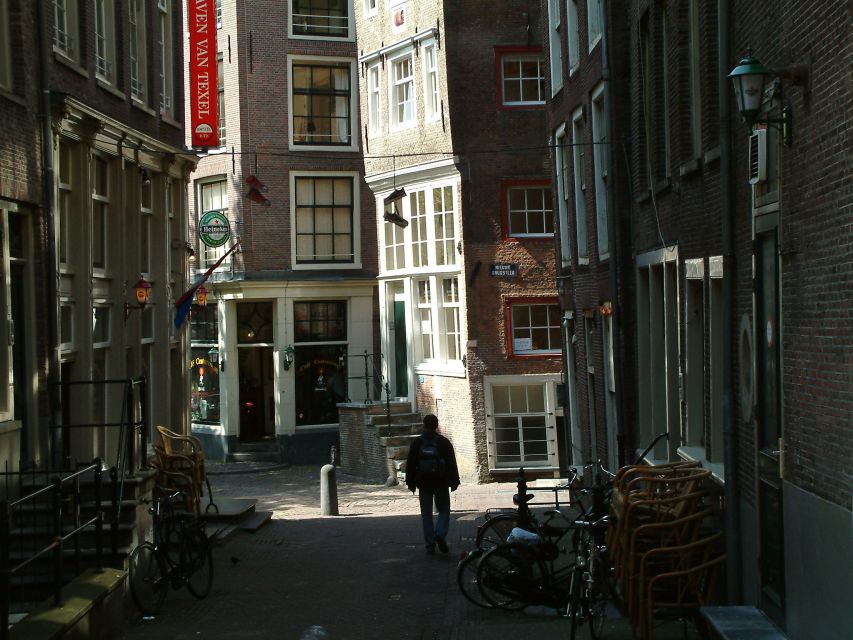
- Private and tailored (up to 10 people): You can steer the conversation toward architecture, history, or a specific neighborhood vibe.
- A living-history approach: Guides can share local perspective and even more recent city changes (not just the far-away past).
- Big canals and big institutions: The route is built around meaning-rich spots like Herengracht and the East India Company connection at Oostindisch Huis.
- History across multiple communities: You’ll move from medieval center churches to the Old Jewish District and the Begijnhof women’s homes.
- Red Light District included, with context: You won’t just pass through—you’ll get the why, not only the what.
Amsterdam Old City Private Walking Tour: 2 hours that actually feel efficient
The headline here is simple: a 2-hour private walking tour for one group (up to 10 people) costs $265 per group. That price is worth thinking about in a practical way. If you’re traveling as a couple, you’re paying more per person than a group tour. But if you’re with friends or family—especially groups close to 10—the cost can turn into good value for something you can shape around your pace and curiosities.
Two hours also means you’re not trying to “see everything.” Instead, you get enough time to understand a few central threads: Amsterdam’s geography, why its power grew so quickly, and how neighborhoods reflect that story. For me, the best part of a short private tour is focus. You come away with landmarks you can place on a mental map, not just a list of places you passed.
One more practical detail: this is a walking tour, so you’ll want to plan for steady walking time. The route sounds like it spans multiple areas, so comfortable shoes matter.
You can also read our reviews of more walking tours in Amsterdam



Meet at Amsterdam Central Station: how to start without stress
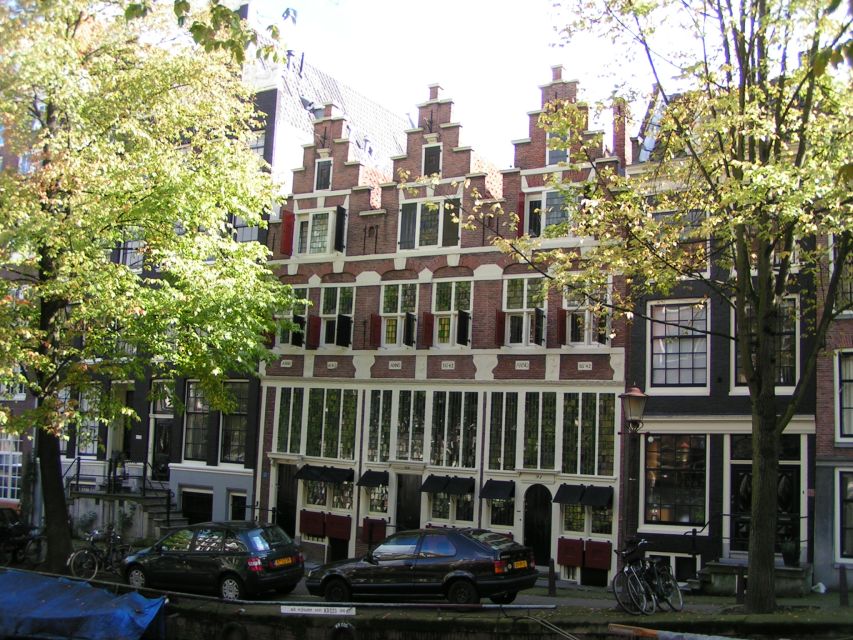
Your meeting point is Amsterdam Central Station, in front of the main entrance. That’s a smart choice because it’s easy to find and it helps you start strong—no bus, no tricky tram segment to begin with.
Because the tour is private, you’re also not stuck waiting for a slow-moving group of strangers. Still, I’d build in a little buffer. Train stations can be chaotic, and you’ll want to locate your guide quickly and then get walking before the momentum fades.
Also note the luggage rule: luggage or large bags aren’t allowed. If you’re arriving with a big suitcase, you’ll need a plan (locker, storage, or onward travel timing) before you join the tour. This is important because it affects how easy it will be to move through tighter streets and church-adjacent areas.
The city’s origin story: reclaimed swamp to global power
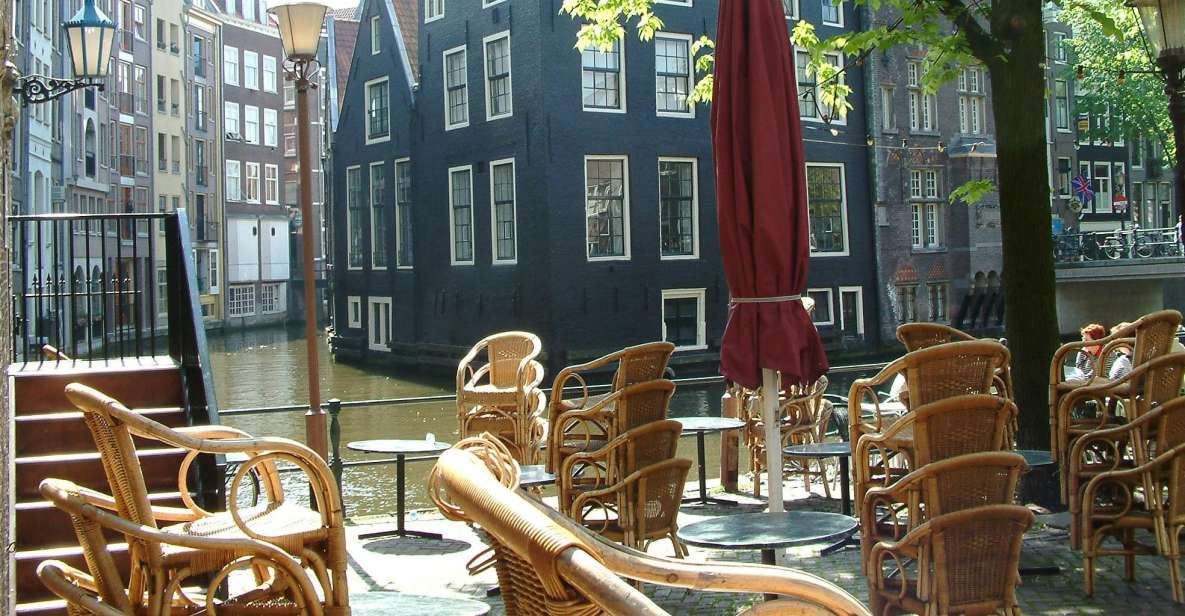
A big reason this tour gets high marks is that it doesn’t treat Amsterdam like a postcard. It explains how the city became powerful despite difficult ground and water challenges.
You’ll hear how Amsterdam started on a reclaimed swamp—land that was buried in mud and where the harbor was almost inaccessible. Then you get the key historical turning point: connection with the North Sea wasn’t realized until the 19th century, but Amsterdam had already become one of the most important cities in the world.
That creates a useful perspective for you while you walk. You start looking at waterways and infrastructure with a “why it mattered” lens, instead of just admiring views. When you learn that the city’s early success wasn’t dependent on perfect access to the North Sea, the later canal-building and trade power feel like a logical chain, not magic.
The tour also touches population and influence. In 1650, Amsterdam’s population of about 220,000 made it the 3rd largest city in Europe. You’ll connect that growth to Amsterdam’s position as a major science and cultural center, not only a trading hub.
Medieval center route: Old Church, hidden churches, and a city-wall reminder
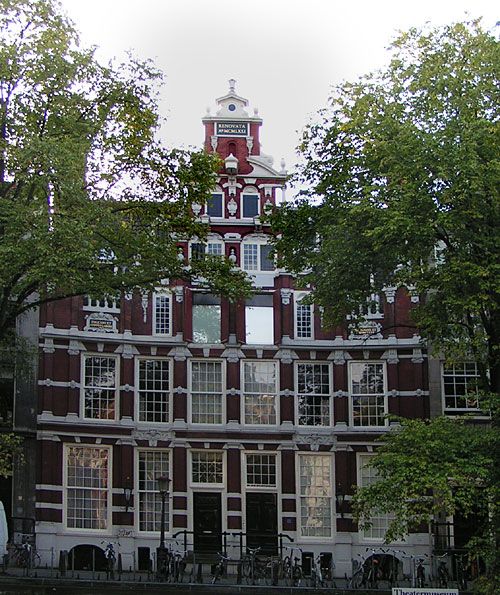
The medieval center is where the city starts feeling built, not just scenic. The tour takes you through the preserved parts of the old core, including parts of the old city wall—a detail that helps you understand how the city once defended itself and limited access.
You’ll also visit or pass notable historic church sites, including the Old Church and smaller hidden churches along the way. These stop types matter because they’re easy to miss on your own. An independent stroll often turns into a quick loop of the obvious sights. With a guide, you get pointed out what to notice: architecture features, how the buildings fit into the streets, and what each site suggests about the people living in the area when Amsterdam was expanding.
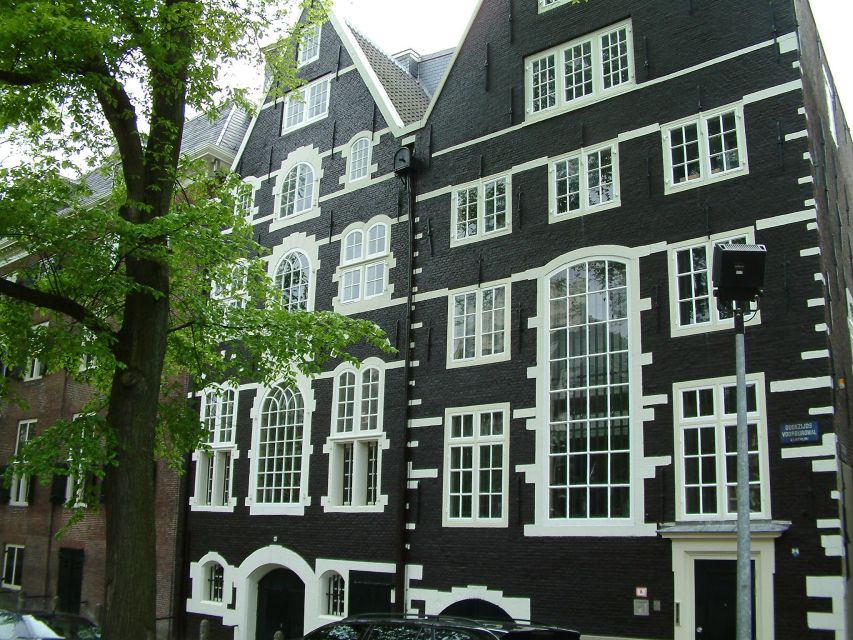
Another specific landmark you’ll see is Oude Manshuispoort. That kind of building name is exactly why a guided route pays off. Even if you’ve heard of Amsterdam, you might not know where to look for this kind of passage-and-facade detail. And once you do see it, it’s not just a pretty photo spot—it becomes part of a bigger story about merchants, housing, and how neighborhoods were shaped.
One consideration: churches and older streets can slow you down, especially if you’re taking time to read details at doorways or facades. The tour stays moving, so plan on quick looks rather than long pauses.
Canals and power clues: Oostindisch Huis and the Herengracht walk
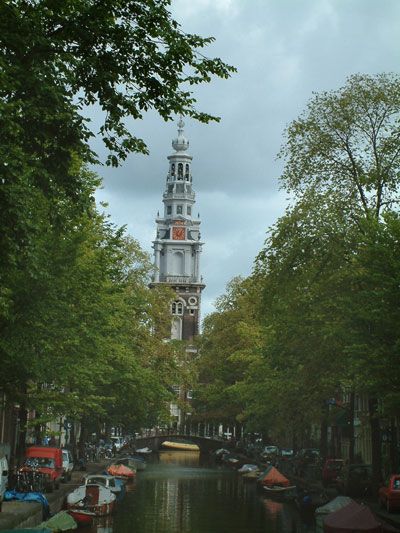
Amsterdam’s canal system isn’t just scenery. It’s power, commerce, and city planning—compressed into walkable routes.
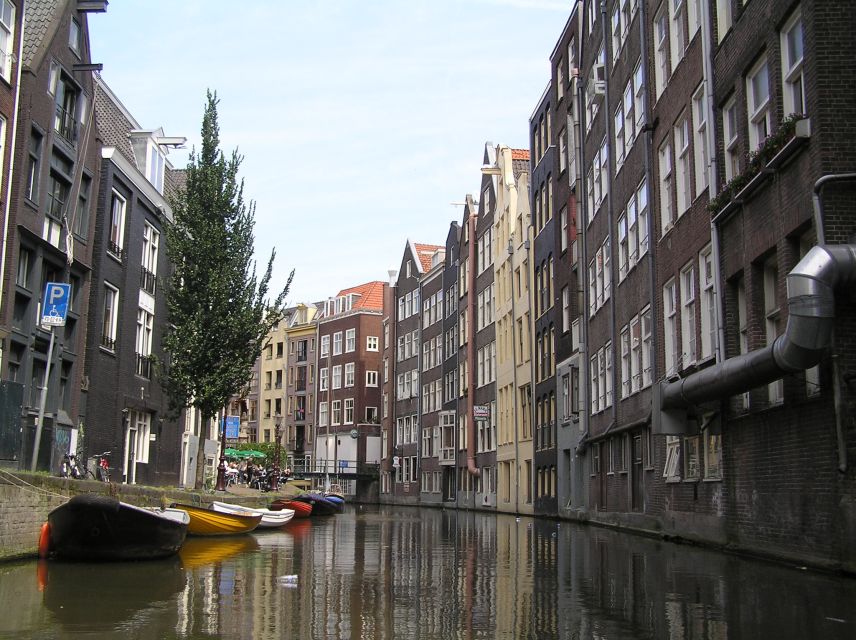
You’ll walk along the banks of Herengracht, described as one of the first three major canals. That matters because the canal isn’t only a pretty line through town. It’s a signpost for when Amsterdam’s wealth and influence shifted into visible form. As you walk, you’ll likely notice how the canal shapes the street layout and the rhythm of the buildings.
You’ll also hear about major trade institutions, including a key stop tied to the East India Company at the Oostindisch Huis (the Dutch name connects directly to the company’s presence). That’s one of those historical details that makes Amsterdam’s “world power” era feel real, not abstract. The guide can explain how the city’s merchant wealth and global trade networks fed into the built environment you’re seeing.
In the Jordaan area, you can expect hands-on street-level details like old pawn shops and handsome merchant houses. This mix is a good sign for the tour’s balance. It doesn’t only show palaces and grand canal facades. It also includes the commercial textures of everyday life—places tied to credit, goods, and the economic gears that kept the city running.
You can also read our reviews of more city tours in Amsterdam






Begijnhof women’s homes: a calm pocket with a big social story
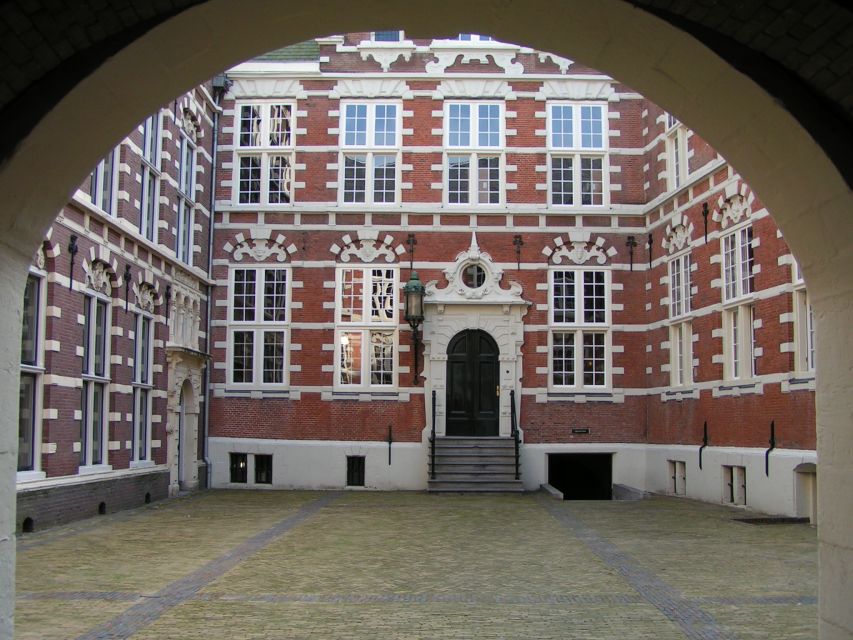
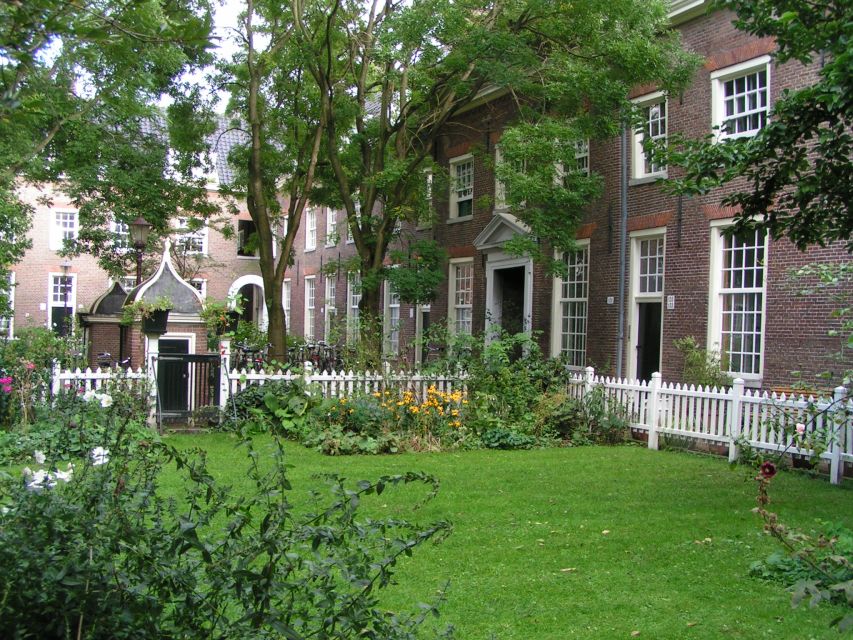
One of the most interesting parts of this tour is how it shifts tone. After busy trading and canal history, you’ll reach the Begijnhof and the women’s homes there.
This stop works because it’s both a place you can feel and a story you can track. The Begijnhof is one of those Amsterdam features that stands out because it’s not just about wealth—there’s also a social and religious structure behind it. When a guide points out how and why this community existed, you understand the city in a broader way than “merchants got rich, canals got built.”
It also gives you a short mental reset. Even if you’re usually sightseeing at full speed, this kind of historical enclave offers a calmer pace for your brain. You’ll likely come away noticing how Amsterdam’s city planning could create pockets with distinct purposes—religious, communal, and residential—inside the wider commercial map.
If you tend to focus only on major monuments, this is a great moment to balance your itinerary. It turns Amsterdam from a list of sights into a lived-in place with different kinds of people shaping it.
The Old Jewish District and Chinatown: stories side by side
The tour moves through areas that can feel like separate worlds—until you realize they’re threaded into the same city history.
You’ll spend time in the old Jewish District, and then continue toward Chinatown and Nieuwmarkt. That route choice is useful because it shows how Amsterdam’s identity has layered communities over time. Even if you only skim history on your own, the guide’s context helps you understand what you’re seeing and why it belongs in the same walk.
For the Jewish District portion, the value is in the perspective: this isn’t just about pointing at a neighborhood sign. It’s about explaining what the area meant historically and how it fits into Amsterdam’s larger cultural story.
Then Chinatown and Nieuwmarkt add a different kind of contrast. You’re still in the old-city feel, but the cultural vibe shifts. That makes the walk feel like a real city, not a museum layout.
One practical tip: these neighborhoods can vary in atmosphere block to block. Since you’re on foot, you’ll feel the change instantly. It’s one of the reasons a private walk works well—you can ask your guide to slow down at the cultural transitions.
Red Light District: what you should expect and how to handle it
This part is always going to come with a certain edge. The tour includes a walk through the Red Light District, and the guide is expected to provide context rather than treating it like pure spectacle.
The key thing I’d tell you is to approach it with respect and realism. You’re walking a real neighborhood with adult-industry history and contemporary life. That means keeping your tone low, watching your posture around doorways, and remembering this is not a theme park stop.
What makes the tour worthwhile is that you’re not only seeing a headline. You’re hearing how it fits into Amsterdam’s story—within the same historical framework you learned at earlier stops. Amsterdam’s rise, trade, and social complexity all show up here, just in a more uncomfortable way.
If you’re sensitive to adult content themes, you should know this section is part of the route. The tour itself is 2 hours total, so you will not be stuck there endlessly—but it is still an intentional stop.
Price, pacing, and the private-group advantage
Let’s talk value again, because this is where a $265 private tour can either feel like a bargain or a splurge.
The tour includes a guide, VAT, and a 2-hour walking time adapted to your wishes. The private-group setup (up to 10) matters because it changes how you can interact. You can ask follow-up questions. You can linger briefly when something sparks your interest. You can also steer away from topics you don’t care about.
The reviews-style theme that comes through strongly is that the guide approach feels local and personal. One standout detail from the guide style described is that the guide can speak like a true old-school Amsterdam resident, with stories reaching into more recent decades, even changes from the 1970s. That kind of perspective is hard to get from a standard audio guide, and it can make the city feel less distant.
The pacing is the main consideration. Two hours is short, and the route covers multiple districts. If you want an ultra-slow tour with lots of waiting outside buildings or long inside visits, this likely won’t match that style. But if you want a smart overview that still feels specific, it’s a strong format.
Who should book this tour—and who might skip it
This is a good fit if you:
- Like architecture and history (that’s enough to enjoy this tour).
- Want more than just Instagram highlights and you’re okay walking past neighborhoods that feel real.
- Travel with a group size where private pricing starts to make sense (friends, family, or small groups up to 10).
- Prefer a guided narrative that explains Amsterdam’s rise, not a collection of disconnected facts.
You might skip it if:
- You only want the biggest famous sites and don’t want a route that includes the Red Light District.
- You need long breaks or long museum-style stops within the 2 hours.
- You’re traveling with large luggage and don’t have storage sorted ahead of time.
Should you book the Amsterdam Old City Private Walking Tour?
If you’re aiming to understand Amsterdam fast but still feel the city’s human texture, I think this is a smart booking. The biggest strength is the guide-driven story: Amsterdam’s geography, its 17th-century power arc, and the way different neighborhoods connect. Add in specific stops like the Old Church, Oude Manshuispoort, Herengracht, Oostindisch Huis, the Begijnhof women’s homes, Chinatown/Nieuwmarkt, and yes, the Red Light District—and you get a compact route with real substance.
Book it if you want history that has street-level details and local context. Pass if you want purely traditional museum pacing or you’re uncomfortable including adult-industry-adjacent content themes in your walk.
FAQ
How long is the Amsterdam Old City Private Walking Tour?
It runs for 2 hours.
What does the tour cost?
It costs $265 per group, up to 10 people.
Where does the tour meet?
Meet at Amsterdam Central Station, in front of the main entrance.
What languages are the guide services offered in?
The live guide is available in English, Dutch, and German.
Is the tour wheelchair accessible?
Yes, the tour is listed as wheelchair accessible.
Are food and drinks included?
No. Food and drinks are not included.