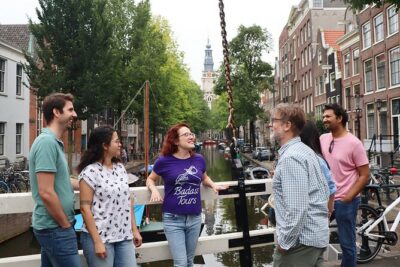
REVIEW · AMSTERDAM
Amsterdam: Anna Frank and World War II History Walking Tour
Book on GetYourGuide →Operated by insolitAmsterdam B.V. · Bookable on GetYourGuide
Two hours later, Amsterdam feels heavier. This Anne Frank and WWII history walking tour gives you the street-level context for the Jewish community, the occupation, and what life changed right here. I especially like the guided storytelling that links the Jewish district to the wider city, and the way the tour treats Anne Frank’s story with care, not spectacle—one thing to consider is that you’ll see the Anne Frank House from the outside, since entry isn’t included.
You’ll start near the H’ART museum (ex-Hermitage) on the Amstel side, then walk through key WWII-linked spots: the Jewish district, a major name memorial, and the area connected to the family’s hiding. The mood is serious, but the structure is clear: origins (going back to around 1600), Nazi occupation, deportations, and finally the streets tied to the two years in hiding before deportation.
The tour is a solid fit for history lovers who want facts and geography—not just quotes. If you’re sensitive to Holocaust topics, plan for a quiet, respectful pace and expect the walk to land emotionally, even when the guide is calm and direct.
In This Review
- Key highlights you’ll care about
- How the tour timeline actually feels (2 hours, walking focus)
- Starting at H’ART (ex-Hermitage): where the walk gets real
- The Jewish district and Amsterdam’s wider story: why geography matters
- 1600 to occupation: how the guide keeps it understandable
- Nazi occupation and deportations: what you see and what it means
- Crossing the city to the hiding-place area: the walking part really matters
- Outside the Anne Frank House: what you get and what you’ll miss
- Italian-language guidance: best for clarity, not for speed-running
- Price and value: is $28 worth it?
- Practical tips so you enjoy it (and not just endure it)
- Who should book this (and who might not)
- Should you book? My call
- FAQ
- How long is the Amsterdam Anne Frank and WWII history walking tour?
- Where does the tour start?
- Where does the tour end?
- Is entry to the Anne Frank House included?
- Is an audio guide provided for the Anne Frank House?
- What is included in the price?
- What language is the tour guide?
Key highlights you’ll care about
- Outside Anne Frank House with context that explains why this neighborhood mattered during the war
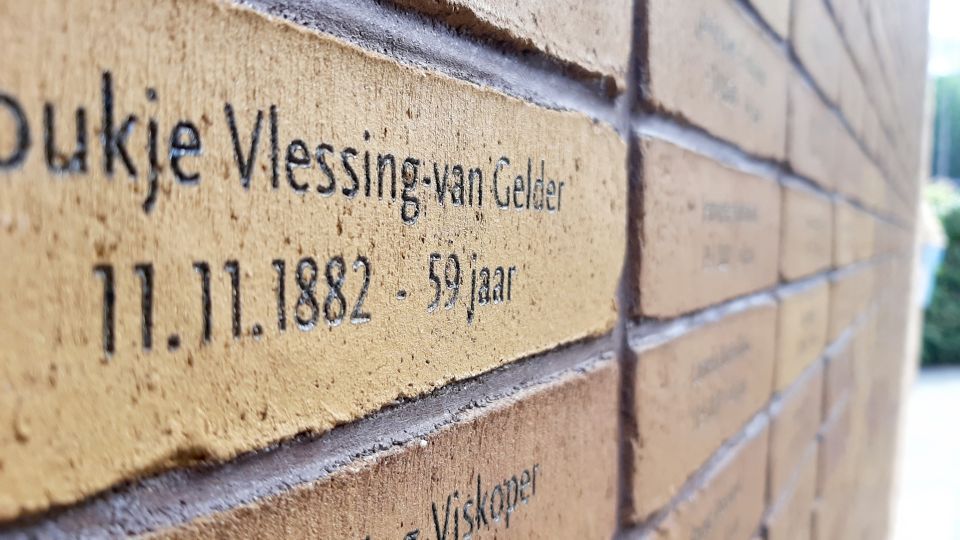
- Name memorial monument that marks the scale of deaths among Jewish people, Sinti, and Roma
- Jewish community origins around 1600 and how that history connects to later events
- Cross-city walking to reach the area tied to the Frank family’s hiding for about two years
- Italian live guide (for clarity and a smoother experience if you prefer Italian)
- Audio guide provided only if you choose to visit the Anne Frank House interior later
How the tour timeline actually feels (2 hours, walking focus)
This is a 2-hour walking tour built like a guided story you can follow street by street. You meet at the entrance area of the H’ART museum (the ex-Hermitage), on the Amstel side. From there, you move through several WWII-linked stops that widen your view: first the Jewish community and the city relationship, then the occupation era, then the final approach toward the Anne Frank House area.
The walking route is the point. You’re not sitting in one place and watching a slideshow. Instead, the guide connects what you’re seeing—streets, neighborhoods, and memorial sites—to what happened in Amsterdam during the Second World War. That’s how the history sticks.
By design, the tour ends at the entrance of the Anne Frank House. The information you receive also notes that the activity finishes back at the meeting point area, so it’s smart to double-check the exact end point on your confirmation message (the practical takeaway: you’ll be back in the same general part of town, near your next decision).
You can also read our reviews of more walking tours in Amsterdam



Starting at H’ART (ex-Hermitage): where the walk gets real
Your tour begins at the entrance of the H’ART museum (ex Hermitage), on the Amstel side. Expect that first moment to feel like a threshold: you’re standing in a central Amsterdam area, but the guide quickly reframes what you’re seeing in WWII terms.
Right after meeting, you head to the name memorial monument connected to the Holocaust in Amsterdam. The figure given for those who died is stark: 120,000 Jewish people, Sinti, and Roma. That number isn’t just historical trivia. It’s the anchor for the rest of the tour, and it helps explain why the places you visit aren’t only about one family or one house.
This start works well because it gives you a baseline before the story turns more personal. You’re prepared for the “why” behind the Anne Frank focus—this was not an isolated tragedy; it was part of an organized system that reshaped the city.
The Jewish district and Amsterdam’s wider story: why geography matters
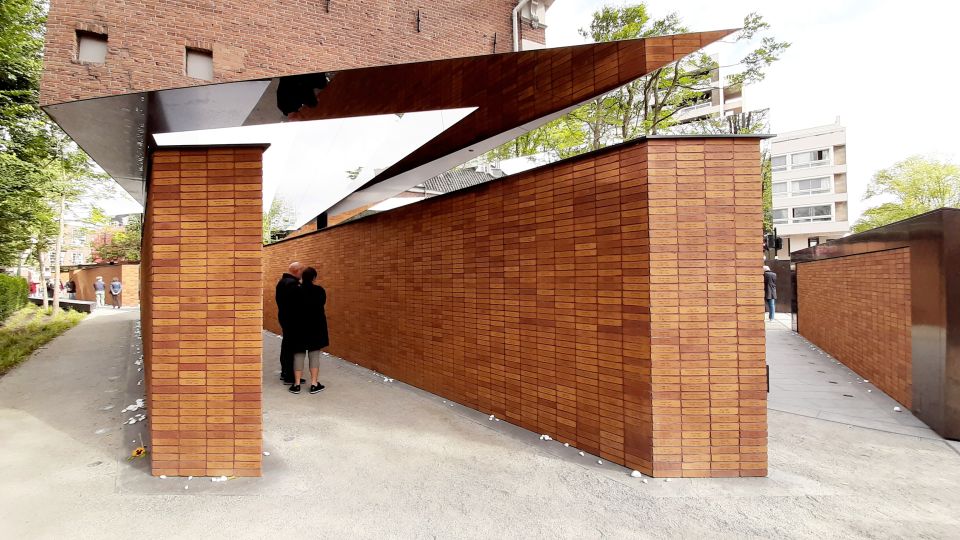
One of the best parts of this tour is the way it connects the Jewish community to the city as a whole. You’ll learn about the first origins of the Jewish community around 1600, then follow how those roots shaped what Amsterdam became. It’s not presented like a museum timeline. It’s presented like a lived neighborhood story—where people lived, where they worked, and how the city’s relationships changed over time.
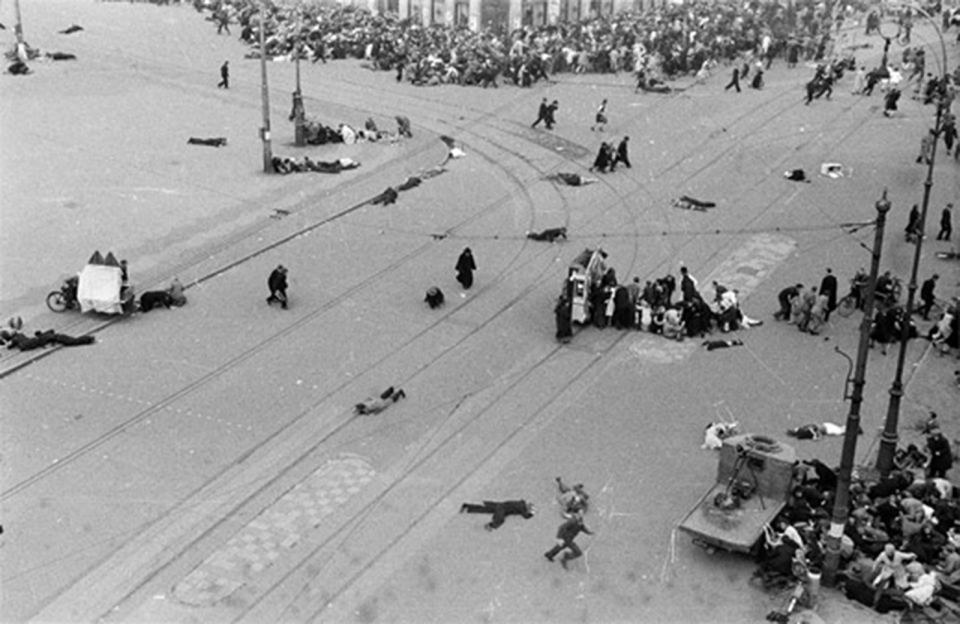
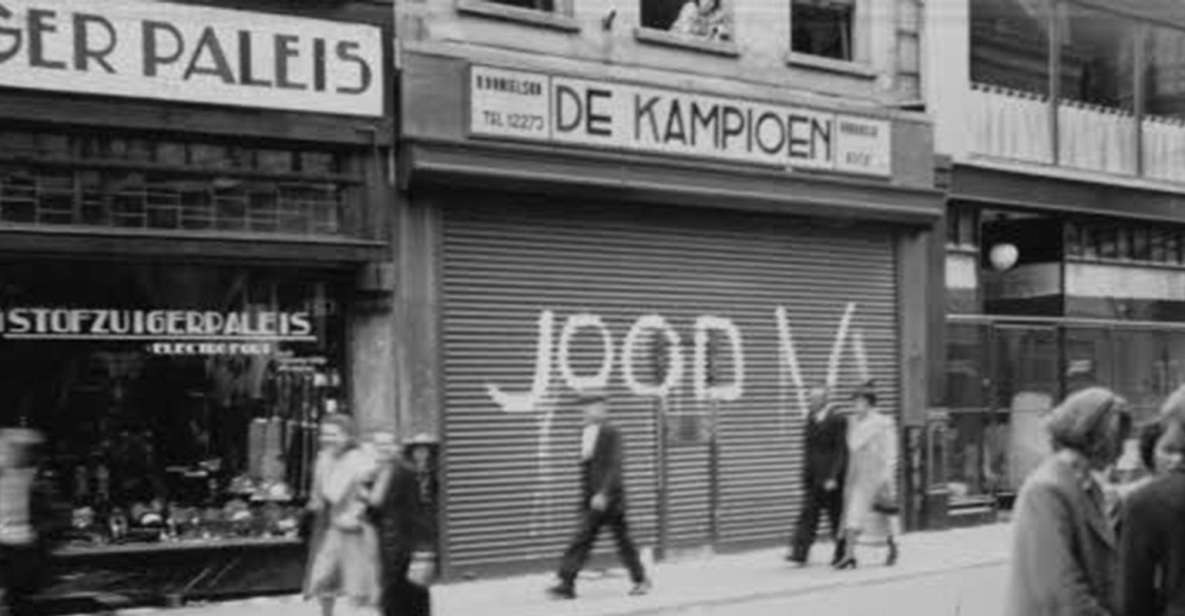
Then the guide ties that neighborhood history to the wider WWII story. You’ll walk through the logic of events under Nazi occupation: how the occupation reshaped daily life, how control tightened, and how deportations turned community life into something far darker and irreversible.
If you’ve ever felt that Amsterdam WWII history is either too broad or too specific, this tour tries to solve that. It gives you the bridge between the neighborhood scale and the national, even continental, catastrophe.
1600 to occupation: how the guide keeps it understandable
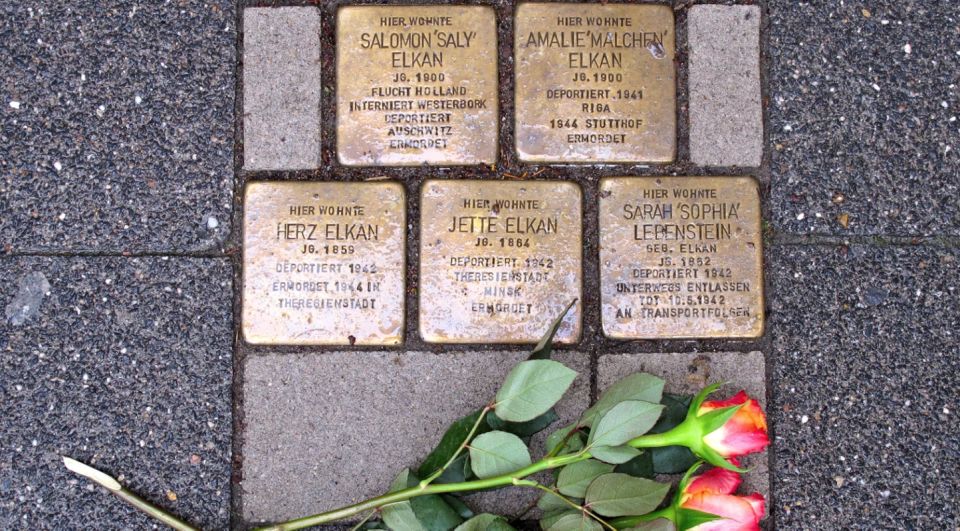
The tour isn’t only about tragedy. It’s also about beginnings and continuity—how a community takes shape and becomes part of a city. The mention of origins around 1600 matters because it prevents the story from starting only in the 1940s.
That timing approach helps your brain. When you understand that there was a long “before,” the occupation era isn’t just a sudden stop—it’s a rupture. And when the guide later reaches Nazi occupation details and the horrors of the Holocaust, it lands with more weight because you understand what was lost and how abruptly the world changed.
This is also where a strong guide makes the difference. In the feedback you can find examples of guides being described as prepared and passionate. One guide named Ginevra gets specifically praised for turning the tour into something engaging and full of curiosity—exactly the kind of balance you want for a subject that can otherwise feel heavy and hard to process.
Nazi occupation and deportations: what you see and what it means
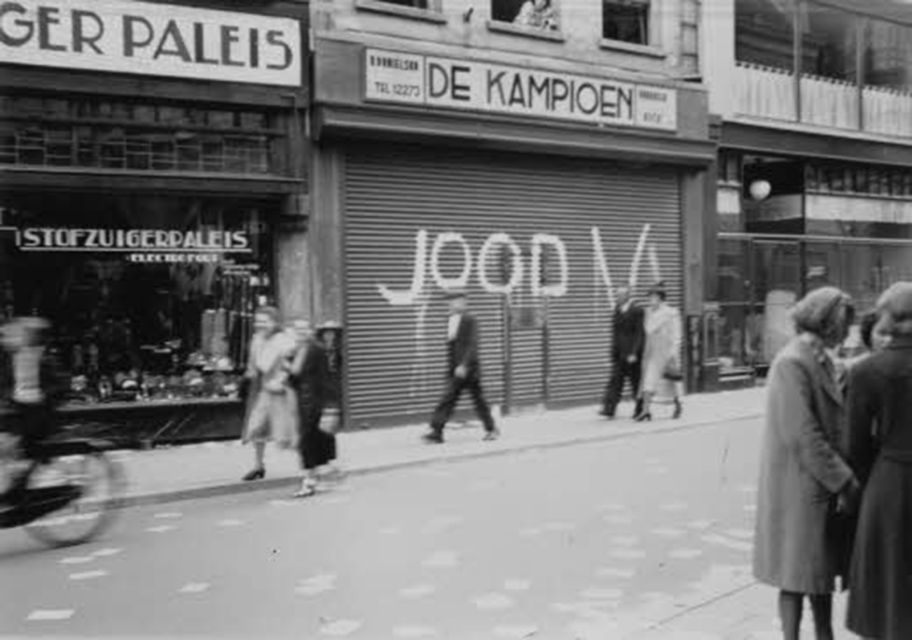
As you move onward, the tour shifts into the occupation years. You’ll learn about the Nazi occupation of Amsterdam and how deportations unfolded. The information you get is focused on the connection between Amsterdam’s Jewish district and what happened later—so you don’t just hear about “the Holocaust” in general terms.
Instead, you see the city as a map of consequences. Streets and neighborhoods stop being neutral. They become places where decisions were made, where people were forced into impossible situations, and where communities were dismantled.
It’s serious content, but the pacing is built for comprehension. You don’t just get names and dates; you get the relationship between events and the city’s layout. That’s valuable because it makes your later visit to the Anne Frank area feel less like a single landmark and more like the final chapter of what you’ve already understood.
You can also read our reviews of more historical tours in Amsterdam






Crossing the city to the hiding-place area: the walking part really matters
One of the most “you are in Amsterdam” moments comes when the tour crosses the city to reach the area connected to where Anne Frank and her family stood in hiding for about two years, before deportation.
Even without going inside during the tour, walking to that area gives you something important: spatial context. You begin to understand how close or far the hiding place was from the rest of the city’s movement, commerce, and daily rhythms. That contrast can be chilling. It’s one thing to read about secrecy. It’s another to look at the street-life and remember it coexisted with confinement.
The guide’s goal here is also emotional clarity. The tour uses Anne Frank’s writings to help the story “take life,” but in a way tied to place and time rather than dramatic performance. In other words: the street becomes the frame, and her words become the lens.
Outside the Anne Frank House: what you get and what you’ll miss
The tour ends at the entrance of the Anne Frank House, and you will see it from the outside as part of the walk. That’s the trade-off. The price you pay covers the walking tour and guide, but Anne Frank House entry isn’t included.
The upside is that you arrive with context. Instead of walking up cold, you’ve already learned about Amsterdam’s Jewish community beginnings, the occupation, and the route toward the hiding-place area. Standing outside the house feels different when you understand what came before and what came after.
The downside is also simple: if you want to go inside, you’ll need to plan that separately. The information provided says that an audio guide is supplied for an independent visit, but the entry ticket is not included. So treat this tour as the preface. It sets the stage; it doesn’t replace the interior experience.
If you’re short on time, decide your priority early:
- If you want the “story first,” do this tour, then line up the interior visit.
- If you’re only interested in the house itself, you might feel the walking stops are a lot of setup.
Italian-language guidance: best for clarity, not for speed-running
This tour is guided in Italian. That matters if you’re planning with mixed-language friends or if Italian isn’t your strongest language.
The practical advantage is that a live guide keeps the story coherent as you walk. The downside is obvious: if you don’t understand Italian well, you’ll miss nuance even if you catch the main points.
That said, the praised element in the feedback is engagement—guides described as prepared and passionate, and comments noting people discovered things they didn’t know before. Good guiding can make a subject feel manageable, even when the material is brutal.
Price and value: is $28 worth it?
At $28 per person for a 2-hour walking tour, this is priced as a guided experience rather than a museum ticket. That’s a fair model because you’re paying for a local guide, a structured route, and the interpretation that makes memorial sites and neighborhood history meaningful.
You’re also not paying for an Anne Frank House entrance ticket, which is a real distinction. If you compare “tour price” to “tour + entry,” the math changes. But if your goal is to understand Amsterdam WWII history in a walkable, human scale, the value can be strong—especially because the itinerary covers more than the Anne Frank House headline.
For me, the key value signals are:
- You get city context (Jewish district origins and relationship to Amsterdam)
- You get occupation era framing (Nazi occupation and deportations)
- You get a specific endpoint (Anne Frank House entrance) that feels earned
Practical tips so you enjoy it (and not just endure it)
This is a walking tour with emotionally heavy themes. A few practical choices can make it smoother.
Wear comfortable shoes. You’ll be on foot for two hours, and the best part of the experience depends on reaching each stop without rushing.
Come prepared for a serious mood. The memorial reference—120,000 deaths among Jewish people, Sinti, and Roma—sets a tone. You don’t need to bring anything “special,” but you do want a mental pace that matches the content.
If you plan to visit inside the Anne Frank House later, think ahead about timing. The tour gives you the outside experience and context, and it notes that entry is separate. The audio guide part is only relevant if you do the interior visit on your own schedule afterward.
Finally, keep your expectations honest: this tour is about understanding and place-based storytelling, not about classroom lectures or theater.
Who should book this (and who might not)
This tour fits best if you:
- love WWII history tied to real neighborhoods
- want the Jewish district context rather than a single landmark tour
- prefer a guided walk where the guide connects places to events
- appreciate Anne Frank’s story but want broader Amsterdam context too
You might reconsider if you:
- mainly want only the Anne Frank House interior and don’t want a longer walk beforehand
- need the tour in a language other than Italian
- feel you’ll struggle with Holocaust and deportation topics during a short, concentrated outing
Should you book? My call
If you’re coming to Amsterdam for more than one postcard moment, I think this is a smart booking. The combination of neighborhood history, a major memorial stop, and a final approach to Anne Frank’s house entrance makes the experience feel coherent. You arrive with context and leave with a clearer map of how the city changed under occupation.
Book it if you want a guided route that helps Anne Frank’s story make sense inside Amsterdam’s WWII reality. Skip it only if your number-one priority is the house interior itself and you’re not interested in walking through the context first.
FAQ
How long is the Amsterdam Anne Frank and WWII history walking tour?
The tour lasts 2 hours.
Where does the tour start?
It starts at the entrance of the H’ART museum (ex Hermitage) on the Amstel part.
Where does the tour end?
The tour ends at the entrance of the Anne Frank House. The activity information also notes it ends back at the meeting point, so the final area you return to is in the same part of town.
Is entry to the Anne Frank House included?
No. The tour includes the walking guide experience, but Anne Frank House entry is not included.
Is an audio guide provided for the Anne Frank House?
Yes. If you visit the Anne Frank House on your own afterward, an audio guide is supplied, but the entry ticket is separate.
What is included in the price?
Included are a local guide and the walking tour.
What language is the tour guide?
The live tour guide speaks Italian.