REVIEW · AMSTERDAM
Private Walking Tour of Amsterdam
Book on Viator →Operated by The Forbidden Tour · Bookable on Viator
Amsterdam can feel like a maze—until you walk it with a plan. This private walking tour strings together the city’s most memorable landmarks at a human pace, with a licensed guide who can tailor the route to what you care about. Expect street-level Amsterdam and plenty of context, not just photos.
I especially like how this tour balances big-name sights with street stories. You’ll spend time in de Wallen learning what the area is really known for beyond the windows, and then you’ll move into central landmarks like Dam Square and the station zone with explanations that make them click.
One thing to consider: the route covers a few heavier topics (including WW2 memorials and the darker sides of city life), and you’ll be walking the whole time. If you’re looking for museums or a long canal cruise, this 2-hour format may feel focused rather than expansive.
In This Review
- Key things I’d plan for
- Why Amsterdam works best on foot in 2 hours
- Starting at Prins Hendrikkade: pickup and route flow
- De Wallen street-level context (de Wallen)
- Waag and Dam Square: trade, rule, and the city’s heartbeat
- Rembrandt links and the Netherlands’ first pretty station
- Churches tied to big art names and the clubbing core
- Anne Frank house pass, Jordaan streets, and an old city gate
- Amsterdam’s tallest tower and WW2 reminders
- Price, value, and who should book this tour
- Should you book this Private Walking Tour of Amsterdam?
- FAQ
- How long is the private walking tour?
- Is this tour really private?
- Where do we meet, and where does it end?
- Is pickup available from my hotel?
- What language is the tour offered in?
- What is included in the price?
- Do I get a ticket on my phone?
- What is the cancellation timeframe?
Key things I’d plan for
- A true private group: only your party, so you can ask questions and adjust what you do.
- Two hours, lots of ground: a highlight checklist without turning it into a sprint.
- De Wallen context: street-level stories about de Wallen that go beyond headlines.
- Rembrandt and art connections: you’ll connect buildings to the people who lived and worked in them.
- Central-city route logic: major landmarks plus a pivot into quieter neighborhoods.
- Smart variety: churches, squares, a city gate, a courtyard, and WW2 reminders in one loop.
Why Amsterdam works best on foot in 2 hours
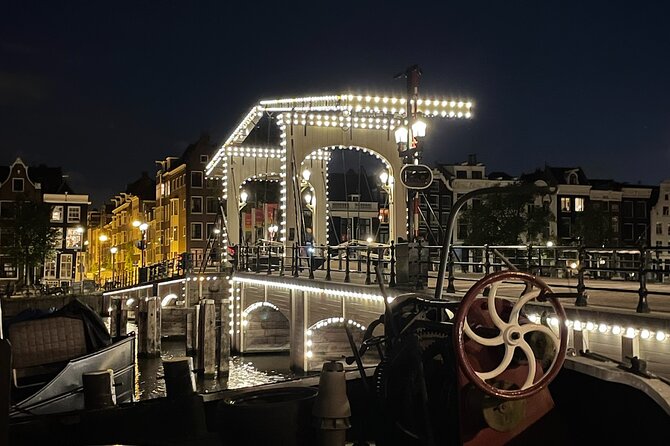
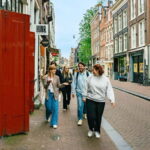
Amsterdam is gorgeous, but it’s also compact and layered. In two hours, you can’t do everything. What you can do is get your bearings and understand how the city is organized: squares that act like “centers of gravity,” canals that shape movement, and neighborhoods with distinct personalities.
This tour is built for that. You’re walking at a steady pace and seeing the city in the order that makes sense for first-time orientation: start in the historic center, hit the major civic square, then thread through art, religion, nightlife areas, and memorial spots. The “private” part matters too. If you’re curious about architecture, you can lean that way. If you want cultural context, you can steer there. It’s not a rigid script.
The other advantage is the guide time. With a private format, you get personal attention during the walk, not just at a few photo stops. That’s how you end up understanding why a building matters, why a square feels important, and what specific streets were for.
You can also read our reviews of more walking tours in Amsterdam



Starting at Prins Hendrikkade: pickup and route flow
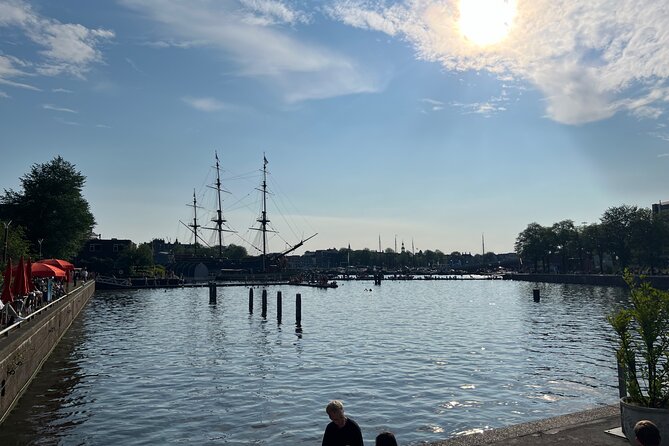
Your tour begins at the Basilica of Saint Nicholas on Prins Hendrikkade 73 (1012 AE). The good news is that you’re starting in a central, walkable zone, so you’re not spending your time “getting to Amsterdam” before the real sightseeing starts.
Pickup is offered, which is a big practical win in Amsterdam. If you share your inner-city hotel, the meeting is arranged at your lobby. If your hotel isn’t in the city center, you’ll meet in front of the St. Nicolaas Basilica instead. Either way, you should plan to arrive a bit early so the whole tour can start on time.
This is also designed as a loop. The activity ends back at the meeting point, which helps you avoid the classic “where do I end up now?” feeling that can happen with point-to-point tours. If you’re pairing this with dinner plans or another daytime activity, that matters.
One more planning note: the tour is listed as having a moderate fitness level. It’s walking throughout, so comfortable shoes are non-negotiable.
De Wallen street-level context (de Wallen)
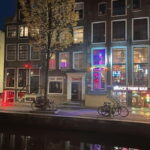
The tour’s first “big swing” is de Wallen, Amsterdam’s red light district. This area is famous for a very specific reason, but it’s also a real neighborhood with a lot of street-level character and history. The guide’s focus is on what de Wallen means beyond the windows—how the area developed, how it operates, and what’s distinctive about it culturally.
I like this stop because it’s not just sightseeing for shock value. You’re being guided through the district with explanations that help you read what you’re seeing. At walking pace, you can notice details you’d miss if you were rushing through: street scale, building placement, and the way the neighborhood feels active even when you’re simply standing there.
Possible drawback: if you’re sensitive to adult-industry topics, this part of Amsterdam may not feel comfortable. That said, the structure of the walk keeps it contextual and informative, and it’s one of the clearest ways to understand why de Wallen is such a defining part of Amsterdam.
Waag and Dam Square: trade, rule, and the city’s heartbeat
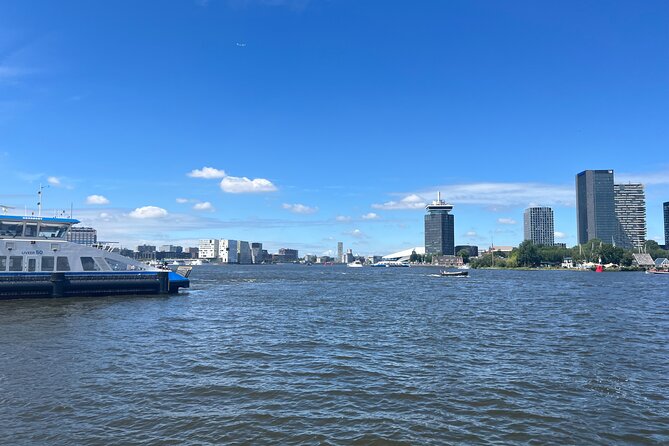
From de Wallen, the tour moves you toward two anchors of central Amsterdam: the Waag area and then Dam Square, which the guide calls the beating heart of the city.
At the Waag stop, you’re looking at a historic structure associated with trade and civic life. What makes it especially memorable in this tour is the mention of a secret in the attic. Even without getting lost in mystery for mystery’s sake, the key value here is learning how buildings like this connect to real economic and city-life roles—turning a photo stop into a “wait, that makes sense” moment.
Then comes Dam Square. This is where Amsterdam flexes its identity. You’ll see the royal palace area, the New Church, and a war monument, plus other major references that surround the square. The guide also explains why this square is such a focal point—how it functions as both a landmark and a gathering space.
Why this part works in a short tour: Dam Square is a hub. If you understand what you’re looking at here, everything you do later in Amsterdam becomes easier. You’ll start noticing relationships between landmarks instead of seeing them as isolated must-sees.
Rembrandt links and the Netherlands’ first pretty station
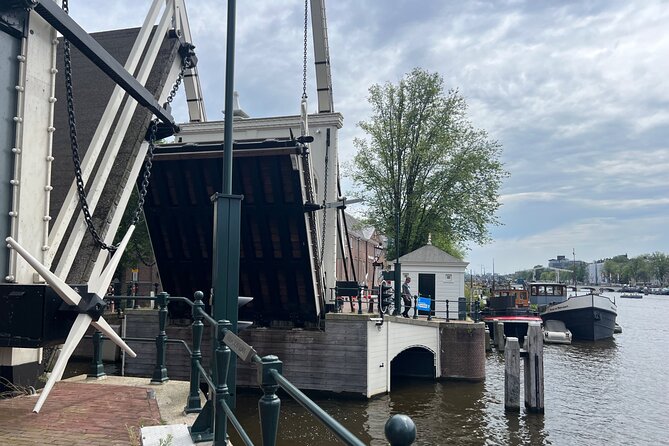
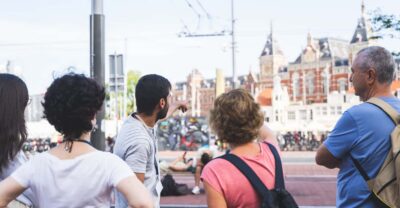
Next, you head to a standout architectural and practical junction: the train station building described as the first pretty train station in the Netherlands. The tour frames it as more than a transport hub. From here, you can take trains across the country, and even to places like Paris and London. Even if you never take those international trips, the building is a symbol of Amsterdam’s reach and connection.
Then the walk turns toward Rembrandt’s world. You’ll pass buildings connected to where he lived and worked, and the guide ties those places to what matters in his story. I like this approach because it makes you read the street as a timeline. Instead of thinking of Rembrandt as something that lives only in museums, you see how he moved through a neighborhood.
Stop “type” matters here. Walking past sites that connect to Rembrandt gives you a sense of place. You’re not just learning facts; you’re learning geography. And in Amsterdam, geography is half the fun.
One practical note: the route is dense. You’ll be moving from art stories to civic ones quickly, so if you love art history, bring your curiosity. If you don’t, the guide’s ability to tailor the emphasis is what keeps the tour enjoyable.
You can also read our reviews of more private tours in Amsterdam






Churches tied to big art names and the clubbing core
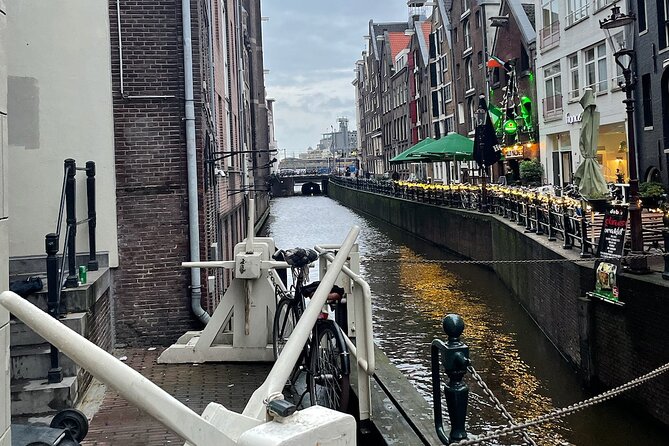
Amsterdam’s religious buildings can feel abstract if you only view them from the outside. This tour helps by connecting them to the big art names that people associate with the city.
You’ll visit a famous church that played a big part in Rembrandt’s life. On top of that, the tour mentions it was painted by Monet. That combination does two useful things: it ties Rembrandt-era life to later artistic interpretation, and it gives you a reason to look closely at the building instead of rushing past it.
Then the route shifts into a different Amsterdam mood: the heart of clubbing. The tour notes that this area is also home of statues, history, and sometimes even a little art market. This is a smart change of pace in a short tour. You’re not stuck in one “theme” for two hours. You’re seeing Amsterdam as it actually feels on different levels—historic, artistic, and social.
Possible drawback: if nightlife themes aren’t your thing, this stop might feel like a “what is the point” moment at first. The guide’s context is what saves it. It’s worth asking what the statues or the street history represent, because that’s the difference between walking through a scene and understanding it.
Anne Frank house pass, Jordaan streets, and an old city gate
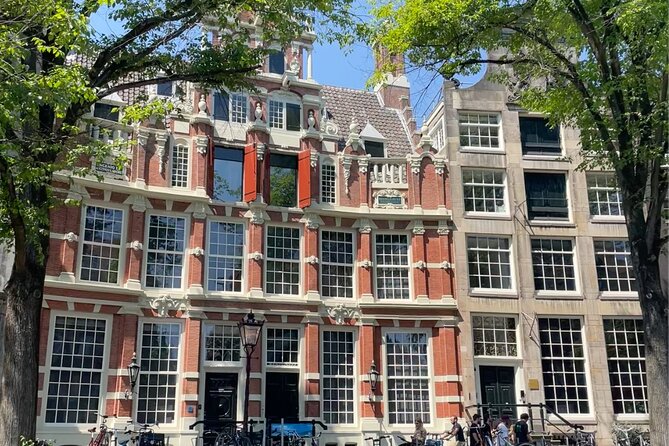
Next you’ll pass the Anne Frank house on your way toward the Jordaan district. Passing the house rather than going deep into it still gives you something valuable: context while you’re already moving through the surrounding central neighborhoods. It also keeps the tour within the two-hour time window while still touching a site that almost every first-timer expects to see.
Then you pivot into Jordaan vibes. The Jordaan is known for a more neighborhood-feeling Amsterdam, and walking there helps you feel the shift from big-center landmarks to human-scale streets.
Before you move fully into the next “chapter” of the walk, you’ll also see an old city gate. The guide explains why Amsterdammers don’t use its original name. This is the kind of detail I love because it’s small but revealing. It shows how a city changes what it calls things over time, based on how people actually live with the structures.
Amsterdam’s tallest tower and WW2 reminders
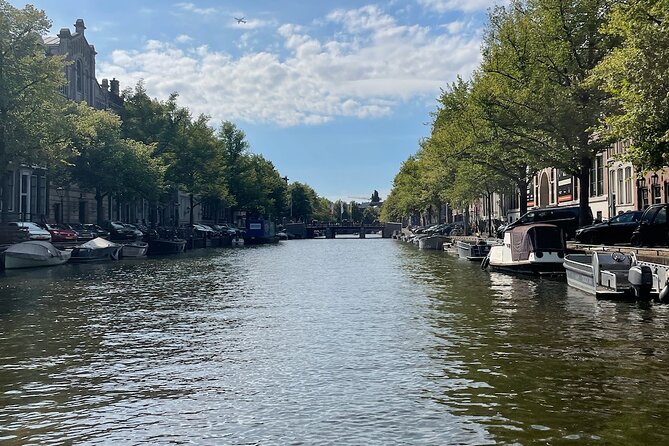
By now, you’ve seen the civic center, art connections, and neighborhood flow. The tour then turns toward height and memory—two things Amsterdam does with seriousness.
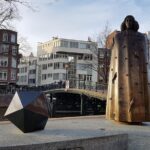
You’ll visit the highest church tower in Amsterdam and learn about it as the final resting place of a very famous person. Even without going into a museum setting, the tower stop works because you can understand what prominence looks like in a flat city. Height is a landmark tool here, not just a design choice.
After that, you’ll head to an impressive monument for a dark time in history, with more sights on the east side of town reminding you about WW2. This part matters because it provides perspective. Amsterdam’s beauty is real, but the city also carries the weight of the 20th century. In a compact walking tour, these memorial stops keep the experience grounded.
If you prefer a lighter tour, this is the segment to mentally prepare for. You’re walking through reminders of war, not just scenery. That said, the way it’s integrated into the route helps it feel like a natural part of understanding Amsterdam rather than an added lecture.
Finally, the walk ends with a calmer, quietly fascinating stop: a hidden courtyard in the center of town. The guide explains why only women were living in most courtyards in Amsterdam. I find this detail so useful because it turns “pretty” architecture into social history you can picture.
Price, value, and who should book this tour
At $198.26 per person for about 2 hours, this is not a budget street-walk. But private guides in central Amsterdam often land in this zone. The value comes from four things that matter in a short visit:
- It’s private, so you’re not sharing your questions or pace with strangers.
- You get licensed guide time for a full highlight loop, not a brief stop-and-go.
- The content is multi-theme: de Wallen, Dam Square, Rembrandt ties, churches, a city gate, memorials, and a courtyard with social context.
- You can customize the emphasis based on your interests and needs, which is where a fixed group tour often disappoints.
I’d also think about group size. This tour notes group discounts, which can make a private format much more reasonable if you’re traveling with friends or colleagues.
This tour is a strong match if you:
- Want to get oriented fast in central Amsterdam
- Like architecture and connections between people and places
- Prefer a walking pace with explanations you can ask questions about
- Are short on time and want a “best of” route that still has meaning
It’s less ideal if you want:
- Museum time (this is walking outside)
- A long, slow neighborhood exploration without major sights packed in
Should you book this Private Walking Tour of Amsterdam?
Yes, I think you should book it if your top goal is to understand Amsterdam, not just collect landmarks. The route is built to connect the city’s famous names and squares to what they actually mean in daily life and in the historical record.
Book it especially if you’re the kind of person who enjoys the “why” behind buildings. The tour’s strongest points are the explanatory stops: de Wallen with context, Dam Square as the city’s focal point, and Rembrandt-related streets that turn art into lived geography. Add in the memorial sites and that courtyard detail about women living in courtyards, and you get a well-rounded picture in two hours.
If you’re easily uncomfortable with topics tied to de Wallen or you dislike WW2 memorials, you should weigh whether those segments fit your comfort level. Otherwise, this private walk is a smart way to make your first hours in Amsterdam feel clear and purposeful.
FAQ
How long is the private walking tour?
The tour runs for about 2 hours.
Is this tour really private?
Yes. It’s a private tour/activity, and only your group participates.
Where do we meet, and where does it end?
You start at the Basilica of Saint Nicholas (Prins Hendrikkade 73, 1012 AE Amsterdam). The tour ends back at the meeting point.
Is pickup available from my hotel?
Yes. You can let the operator know your inner city hotel, and they will meet you in the lobby. If your hotel is not in the city centre, you meet in front of the St. Nicolaas Basilica.
What language is the tour offered in?
The tour is offered in English.
What is included in the price?
A licensed tour guide is included.
Do I get a ticket on my phone?
Yes. There is a mobile ticket.
What is the cancellation timeframe?
You can cancel for a full refund up to 24 hours in advance of the start time.