REVIEW · AMSTERDAM
Private Amsterdam Red Light District and Coffee Shop Tour
Book on Viator →Operated by Trigger Tours · Bookable on Viator
Amsterdam’s oldest streets meet adult reality. This private walk is built to explain Amsterdam’s tolerant approach to prostitution laws and marijuana policy, while also tying it to the city’s older layers you’ll otherwise miss. You’re not just doing a shock-and-awe stroll—you’re learning why this neighborhood looks the way it does, how it changed over time, and how coffee shop culture fits into modern rules.
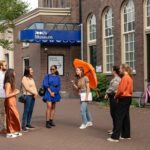
I especially like the inside perspective you get from your guide, with names like Saskia, Robin, Ben, Guido, Luis, and Catherine showing up in past tours as guides who keep things respectful and practical, even when the topic can feel tense. The pacing is relaxed and personal, and the tour doesn’t stop at the obvious neon corners—it adds Old Town stops that help you understand the setting, not just the controversy.
One consideration: it’s still a short walking tour. You’ll see key streets and landmarks, but you won’t get a full, street-by-street deep exploration of every side lane in the Red Light District. If you’re hoping for maximum time inside every doorway, plan to treat this as an orientation and history lesson, not an all-day browse.
In This Review
- Key takeaways before you go
- Why this tour makes sense for Amsterdam
- Meeting at Damrak and how the 2-hour walk plays out
- Red Light District stops: history, laws, and what you’re actually seeing
- The Dam: wooden-pole foundations and Amsterdam’s hidden engineering
- Old Town history: Pub The Ape and why Amsterdam changed after fire
- Waag and the defensive wall era you can still see
- Smallest house and Condomerie: from VOC storage to modern retail
- Optional upgrades: Erotic Museum or coffeeshop visit with your guide
- Price and value: what $41.60 buys you
- Respect, comfort, and who this tour is right for
- Smart tips to get the most from your guide
- Should you book this private Amsterdam Red Light District and coffee shop tour?
- FAQ
- How long is the private Amsterdam Red Light District and coffee shop tour?
- Where does the tour start and end?
- Is this tour private or shared?
- Is the tour offered in English?
- What is included in the price?
- Is there free cancellation?
Key takeaways before you go
- Respect-first storytelling that keeps the tone educational, not awkward
- Private group pacing, so questions don’t get buried
- Old Town history checkpoints like Waag and Pub The Ape alongside the district sites
- Clear context on Dutch law around prostitution and drug tolerance
- Optional upgrade paths for an Erotic Museum visit or a coffeeshop visit with your guide
- Good value for 2 to 2.5 hours when you want both history and modern culture
Why this tour makes sense for Amsterdam
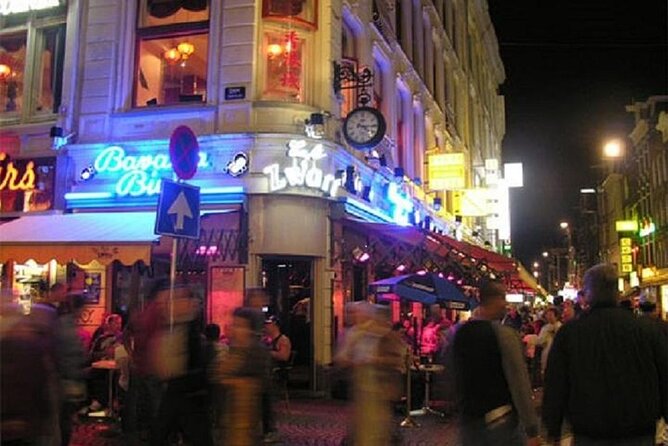
Amsterdam is famous for being laid-back—until you hit the Red Light District. Then a lot of people get stuck between rumors and what they actually see. This tour earns its keep by explaining the difference between street-level impressions and the bigger system: local law, how coffee shop culture works in practice, and why the city treats these topics differently than many places.
I like that it doesn’t pretend the area is the same as everywhere else. Instead, your guide frames it as part of Amsterdam’s history and governance, so the streets feel less random. That matters because the Red Light District is visually overwhelming: lights, crowds, signage, and quick judgments. A good guide slows your brain down and gives you a map for what you’re looking at.
You also get something many quick tours skip: meaningful historical stops around the Old Town core. That means you’re not only learning about modern policy and coffee shops—you’re learning why Amsterdam developed the way it did, including the city’s wooden-pole foundation roots and surviving historical buildings.
Finally, the private setup is a real quality-of-life upgrade. In a big group, you often end up watching from the back. Here, it’s easier to ask questions and keep the pace comfortable—especially if you’re visiting in cooler weather or want time to take photos.
You can also read our reviews of more private tours in Amsterdam

Meeting at Damrak and how the 2-hour walk plays out
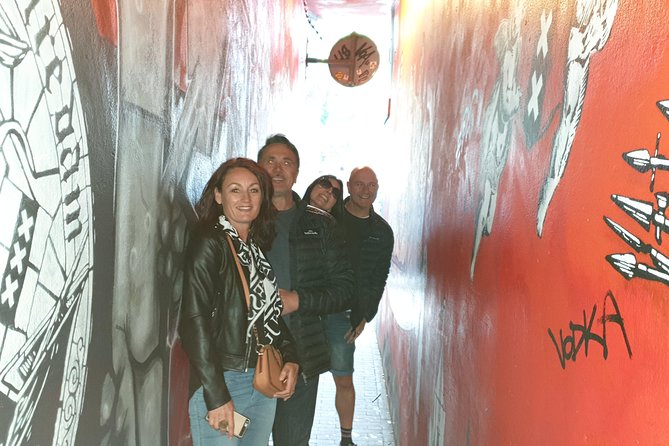
The tour starts and ends at Damrak (1012 Amsterdam). That’s a handy location because you’ll usually find it easier to get there than to a tucked-away corner. It also helps if you’re arriving from central train stations or moving between other parts of your trip.
Expect about 2 hours, with the walking tour described as around 2.5 hours depending on pace and how many questions your guide takes. Either way, this is a night-or-evening-style experience: you’ll walk, you’ll stop, and you’ll learn through conversation rather than a strict museum timetable.
Because it’s a guided walking tour, comfort matters. Wear shoes you can walk in for repeated city blocks and plan for a jacket. One of the best things about this kind of tour is that it works even when the weather is nasty—past guests noted they had a great time in a cold rainy evening, and the guide kept things moving without turning the stroll into a misery festival.
You should also know what you’re stepping into: adult-themed subject matter is central. Your guide’s job is to keep it professional. That’s why the tone often comes down to the individual guide; guides like Robin and Ben have been praised for being funny in a light way while still keeping the story grounded.
Red Light District stops: history, laws, and what you’re actually seeing
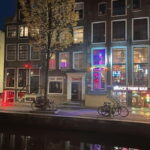
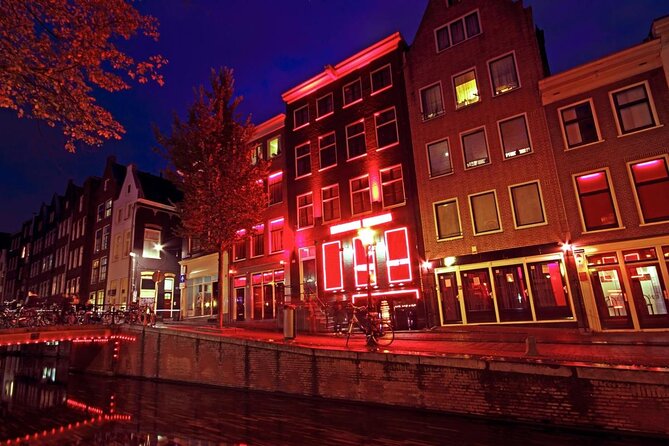
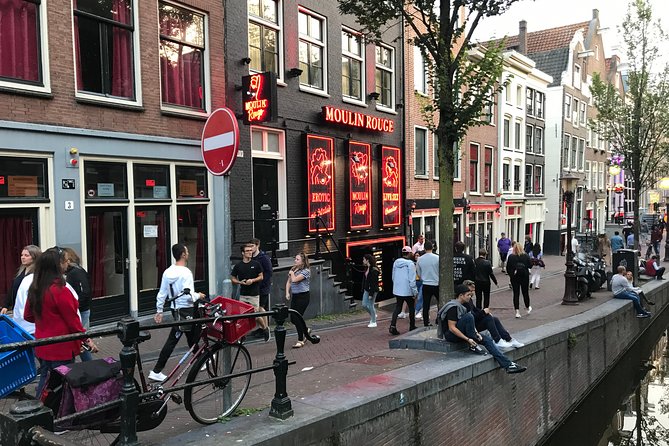
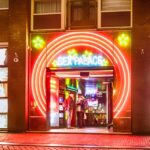
Stop 1 is the Red Light District itself. This is where your guide explains the neighborhood’s history and how the city’s tolerant approach works. You’ll hear how prostitution is legal in the Netherlands and how marijuana is tolerated, and you’ll connect those points to what you see on the street.
Here’s the real value: laws are easier to understand when they’re connected to the environment you’re standing in. Instead of asking yourself What is going on here?, you’ll have a framework. That framework can take some of the edge off the experience, because it shifts you from judging to understanding.
Your guide also brings in coffee shop culture, so the district isn’t treated like a single-issue topic. In Amsterdam, coffee shops are part of a broader approach to policy and public life. Hearing how that culture fits into the city’s laws helps you avoid the all-or-nothing thinking that often clouds first visits.
In some options, there’s an upgrade to visit the Erotic Museum or to visit a coffeeshop with your guide. That matters if you want more than a walk-by explanation. If you choose the upgrade, the story becomes more hands-on and less theoretical.
One small drawback to consider: for many people, the Red Light District can feel overwhelming fast, especially at peak times. The tour helps, but it still can’t control the street environment. The best mindset is to treat this as orientation plus history—use it to understand what you’re seeing, then decide what, if anything, you want to do later on your own.
The Dam: wooden-pole foundations and Amsterdam’s hidden engineering
After the Red Light District portion, the tour pulls you back into the oldest logic of Amsterdam: why the city looks like it does, built on ground that doesn’t want to hold buildings.
You’ll learn about the Dam and the idea of Amsterdam as the city built on trees. The city’s soil includes layers of fen and clay, so early builders used wooden poles fixed deep into a sandy layer about 11 meters down. It’s a strange detail until you realize it explains why Amsterdam’s old buildings can exist where they do.
This kind of stop changes your experience. When you only focus on nightlife and controversy, you miss the fact that the Red Light District sits inside a much older urban story. Learning the foundation technique makes the city feel less like a postcard and more like a real engineered place.
I also like the way this stop reframes the neighborhood. It’s not only about present-day rules; it’s about how Amsterdam developed over time and how old structures shaped where life happens now.
If you’re the type who likes facts you can carry into conversations later, this stop delivers. It’s short, but it sticks.
Old Town history: Pub The Ape and why Amsterdam changed after fire
From there, you’ll hit some of the district’s oldest surrounding landmarks, including Pub The Ape, also known as Int Aepjen. This building dates to around 1540 and is one of only two remaining wooden buildings in Amsterdam.
The reason that’s important is the 1452 fire. After that major fire, the government pushed for brick facades. So when you see a surviving wooden structure, you’re looking at a rare remnant from a different building era.
That’s the theme on this tour: the city is layered. You don’t just get modern policy. You get the why behind what survived and what got replaced. Pub The Ape works well as a mental reset. You go from the emotionally charged Red Light District to a tangible piece of 1500s architecture.
Past guests have praised guides for keeping the tone respectful and making small stories actually make sense. If your guide includes humor, this stop is where that humor often lands best, because the building itself is inherently memorable.
Practical note: this is still a walking tour. If you want to linger, keep an eye on your group’s pace so you don’t fall behind.
You can also read our reviews of more tours and experiences in Amsterdam



Waag and the defensive wall era you can still see
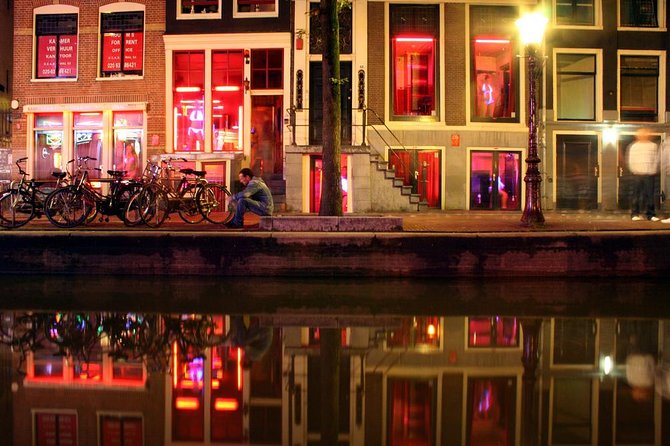
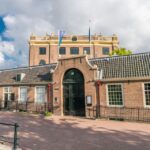
Next comes the Waag. You’ll learn it used to be one of Amsterdam’s city gates, part of the defensive wall system. Built around the 1400s, the Waag is described as Amsterdam’s second oldest building.
Later, it served as a place for guilds and craftsman’s organizations. That detail turns the building into more than a pretty stop. You start seeing Amsterdam as a place where trade, regulation, and civic organization shaped daily life.
This kind of stop is especially helpful on a tour that otherwise covers contentious topics. It reminds you that the Red Light District is not floating in space; it’s inside a city with governance traditions and old-school economic structure.
When you combine Waag with the Dam foundation lesson, your brain gets two big anchors:
- Amsterdam had to solve engineering challenges early.
- Amsterdam also organized trade and professions with institutions.
Those two anchors make everything else easier to interpret.
Smallest house and Condomerie: from VOC storage to modern retail
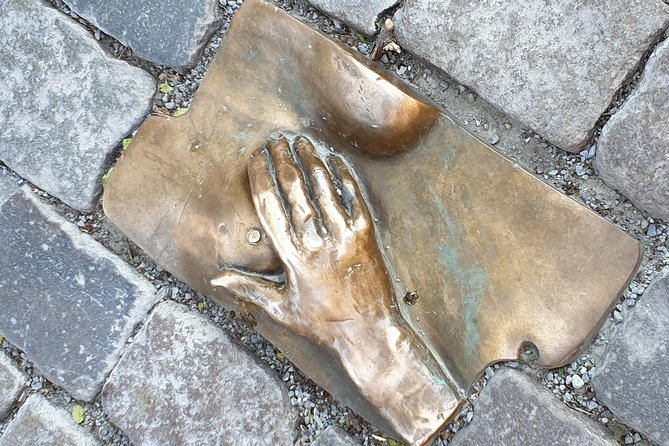
The tour includes a stop at Amsterdam’s smallest house, built around the 1700s. It originally served as storage connected with the VOC trading company. Later, people lived there for a very long time.
This is a great stop for understanding scale. Amsterdam’s old center is full of size contrasts: grand facades next to cramped interiors. The smallest house makes you think about the daily reality behind the wealthy-looking exterior streets.
Then you’ll reach the Condomerie, described as the world’s first condom shop focused specifically on condoms. It’s been there since 1987, and it offers customized sizes plus special condom options.
That jump— from VOC storage space to a modern condom shop—might sound random on paper. In practice, it’s a smart contrast. The tour is about how Amsterdam handles adult topics openly. Condomerie gives a retail, normal-life side to that openness. It’s less about shock value and more about public health and frank availability.
For some people, this part of the route feels like the tour’s best proof that Amsterdam’s attitude isn’t purely underground. It’s also visible in plain storefronts.
Optional upgrades: Erotic Museum or coffeeshop visit with your guide
The tour includes an upgrade option to either visit the Erotic Museum or visit a coffeeshop with your guide. The base walking tour focuses on history, laws, and culture. The upgrade is for people who want a more direct experience beyond explanations.
If you’re deciding what upgrade fits you, think about your goal:
- If you want context and interpretation of adult culture through exhibits, the Erotic Museum option may appeal to you.
- If you want to understand coffee shop culture more directly, choosing a coffeeshop visit with your guide is the logical move.
Either way, ask yourself how comfortable you are with adult themes. Your guide will keep the tone respectful, but this is still adult territory.
One more practical tip: if you choose an upgrade, it can shift pacing. Plan your evening with buffer time for that extra stop, especially if you’re also trying to fit in dinner.
Price and value: what $41.60 buys you
At $41.60 per person, this is not a bargain if all you want is a casual walk. But it can be strong value when you consider what you’re buying:
- A private group experience (only your group participates)
- A local guide for the full walk
- Multiple stops that combine the Red Light District with Old Town historical landmarks
- The chance to optionally add the Erotic Museum or a coffeeshop visit with your guide
The timing also helps. Around 2 to 2.5 hours is long enough to make connections between topics. That matters because Amsterdam’s Red Light District is easier to understand when it’s tied to city history instead of being treated like a standalone attraction.
One other value clue: this tour is commonly booked about 46 days in advance on average. That suggests it’s popular enough that you shouldn’t wait until the last week of your trip if your schedule is fixed.
If you’re traveling with 2 to 4 people, private tours usually feel easier to justify—everyone shares the cost, but you still get more personal attention than you would in a large public group.
Respect, comfort, and who this tour is right for
This tour is designed for an educational, respectful tone. Past guests have specifically praised guides for explaining sensitive material without making it awkward. Guides such as Guido, Luis, Robin, Ben, Esther, Saskia, Aare, Catherine, and Fia have been highlighted for strong storytelling and a comfortable atmosphere for all kinds of groups—including families with teenagers.
That said, you still need to choose with your own comfort level. Adult themes are central, and this is a neighborhood where people may be visually and emotionally affected by what they see. If you’re easily embarrassed, anxious in crowded nightlife streets, or visiting with younger kids, you might want to consider whether adult topics fit your trip goals.
If you’re the kind of traveler who likes to understand rules—how things work, what’s legal, and why society tolerates certain behaviors—this is a smart fit. It’s also a good choice when you want coffee shop culture explained in a way that doesn’t rely on myths.
And if you enjoy historical details, you’ll like the added stops: wooden foundations at the Dam, surviving wooden architecture at Pub The Ape, the Waag gate and guild use, and the quirky but telling smallest house and Condomerie.
Smart tips to get the most from your guide
Here are a few things that tend to improve the experience immediately:
- Go in with curiosity, not judgment. Your guide’s job is to translate street scenes into context.
- Ask questions about laws and daily life. The tour is built for that, and guides respond best when you want more than facts.
- Bring a camera-ready mindset, but keep it respectful. One review noted good photo opportunities, but be mindful of what’s appropriate to photograph in a lived-in neighborhood.
- If you’re choosing an upgrade, pick based on what you want most: museum context or coffeeshop culture.
Also, take advantage of the private format. If your group has different comfort levels, speak up at the start. A good guide can adjust pacing and framing so everyone stays comfortable.
Should you book this private Amsterdam Red Light District and coffee shop tour?
Book it if you want more than a “walk through the lights” experience. This tour works best as a respectful orientation: how the district evolved, how laws and tolerance function, and how coffee shop culture fits into Amsterdam’s rules. The extra Old Town stops give you context you can carry into the rest of your trip.
Skip it (or be cautious) if you want a long, exhaustive exploration of every street detail. It’s built for a focused walk, not an all-day wandering permit. Also consider your comfort level with adult topics—this isn’t a subtle theme.
My bottom line: for first-timers who want to understand the area instead of just seeing it, this private tour is a solid choice at $41.60 per person. If you want to take the next step, the upgrade options to the Erotic Museum or a coffeeshop visit with your guide can turn a good history walk into a more complete Amsterdam experience.
FAQ
How long is the private Amsterdam Red Light District and coffee shop tour?
The tour runs about 2 hours, with the historical walking portion described at roughly 2.5 hours depending on pacing.
Where does the tour start and end?
It starts at Damrak, 1012 Amsterdam, Netherlands and ends at the same location.
Is this tour private or shared?
This is a private tour/activity. Only your group participates.
Is the tour offered in English?
Yes, the tour is offered in English.
What is included in the price?
The tour includes a local guide and a guided walking tour. Food and drinks, as well as hotel pickup and drop-off, are not included.
Is there free cancellation?
Yes. You can cancel for a full refund up to 24 hours before the experience’s start time.