REVIEW · AMSTERDAM
Amsterdam Private Historical Walking Tour
Book on Viator →Operated by 360 Amsterdam Tours · Bookable on Viator
Follow the clues of old Amsterdam. This private walk ties together the big landmarks you’ve heard of with smaller stops that explain why Amsterdam looks and feels the way it does, from Dam Square to the Bloemenmarkt floating flower market.
I love the tight, practical route: it gets you familiar with the city layout fast, so your next hours on your own feel easier. And I love the guide-led storytelling, especially when guides like Henk and Sylvia keep it lively and connect sites to politics, art, and everyday life.
The main drawback to keep in mind is time. This is about 2 hours and several stops are brief, so if you want long indoor time at major attractions, you’ll need a follow-up visit on your own.
In This Review
- Key highlights at a glance
- A 2-hour route that makes Amsterdam feel navigable
- Meeting on Dam Square: where the story starts
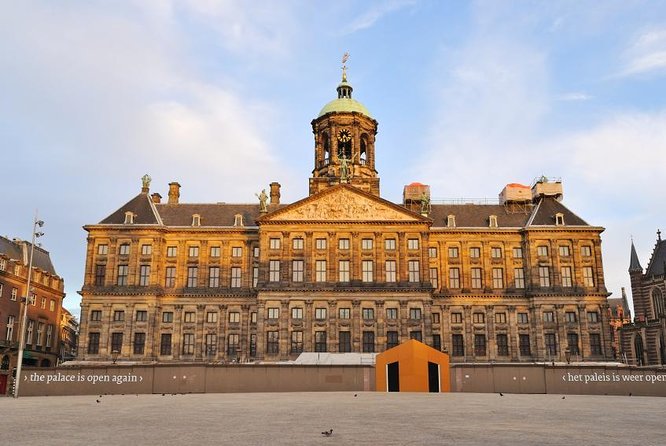
- Royal Palace and the New Church: power, ceremony, and quick context
- Begijnhof: the calm courtyard stop you’ll remember
- Multatuli statue stop: fair trade and a cheese-tasting moment
- Munt Tower (Munttoren): a short stop with a bigger payoff
- Nieuwmarkt and de Waag: Rembrandt’s link to the square
- Bloemenmarkt: the floating flower market you can’t fake
- Spui: book-market energy and the miracle mention
- Finishing near Koningsplein and the Anne Frank House area
- Price and value: when a private guide is worth the spend
- What you should ask the guide on this walk
- Who this tour suits best (and who might want a different plan)
- Should you book the Amsterdam Private Historical Walking Tour?
- FAQ
- How long is the Amsterdam Private Historical Walking Tour?
- Where does the tour start and end?
- Is this tour private or shared with other groups?
- What language is the tour offered in?
- What is included in the tour price?
- Are there admission tickets for the stops?
- Is food included?
- Is tipping included?
- Can I cancel for a full refund?
Key highlights at a glance
- A true private format for your group, so questions don’t get squeezed out
- Dam Square to the Jordaan route that helps you understand Amsterdam’s layout quickly
- Bloemenmarkt on the water: the world’s largest floating flower market
- Begijnhof’s quiet courtyard feel that changes the pace from the streets
- Multatuli + fair trade connection, including a cheese-tasting moment
- Nieuwmarkt and de Waag, tied to Rembrandt’s early painting days
A 2-hour route that makes Amsterdam feel navigable
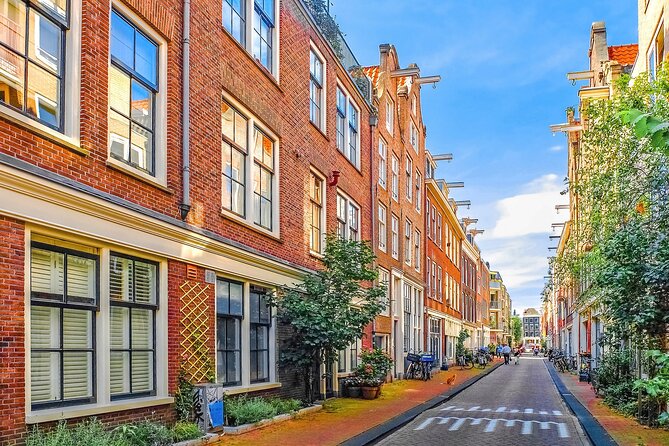
A lot of “historical” walks in Europe dump you in front of monuments and rush you off. This one does the opposite. The focus is on stitching together what you see with what it meant, so you’re not just collecting photos—you’re building a mental map.
The pacing also matters. You hit the core landmarks early, then work toward calmer, more local corners. By the time you reach areas around Nieuwmarkt and the Bloemenmarkt, you’re walking with a sense of why each street is shaped the way it is.
And because it’s private, the guide can steer the conversation. If you care more about how people lived, they’ll lean that way. If you’re more into art and civic change, you’ll get the angle that makes the buildings click.
You can also read our reviews of more walking tours in Amsterdam


Meeting on Dam Square: where the story starts
You begin at Dam Square, right by some of Amsterdam’s most recognizable anchors: the Royal Palace area and the New Church. This is the kind of starting point that’s easy to orient from, and it sets the tone for the rest of the walk.
The best part of starting here is that it acts like a timeline marker without doing a lecture. The guide points out how this is tied to the start of Amsterdam’s history, and you get enough context to understand what you’re looking at before you move on.
Expect a quick, focused stop—about 15 minutes at Dam Square—so use that time to ask your first big question. I like doing that early, because later you’ll understand the answers faster when you’re standing in the exact spot the guide is describing.
Royal Palace and the New Church: power, ceremony, and quick context
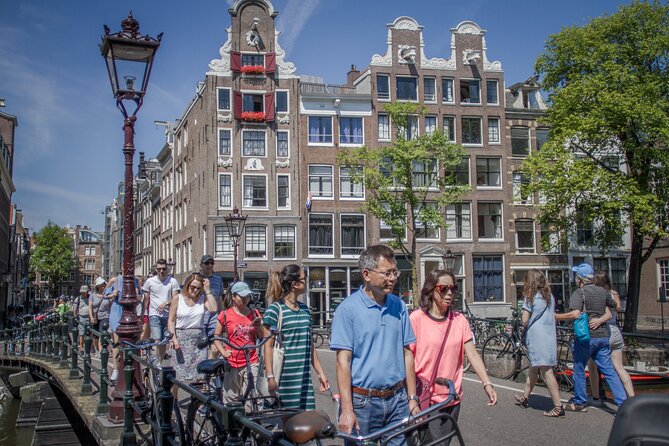
Next come two landmarks that often get treated like background scenery. Here, they’re treated like key actors.
At the Royal Palace, you get a short look (about 10 minutes) and a guide-led explanation of why the area matters. At the New Church, you get an even tighter stop (about 5 minutes), but the point isn’t to linger inside—it’s to understand what these sites represent in the city’s center.
If you’ve been to other European capitals, you might think you already know “royal building, old church, move along.” Don’t. The value is in the guide’s linking of place to the larger Amsterdam story, plus the way the stops are spaced so you’re not overwhelmed.
One small consideration: these are brief stops by design. You’ll leave with clarity, but not with the kind of deep “read every panel” experience you’d get from a museum-style visit.
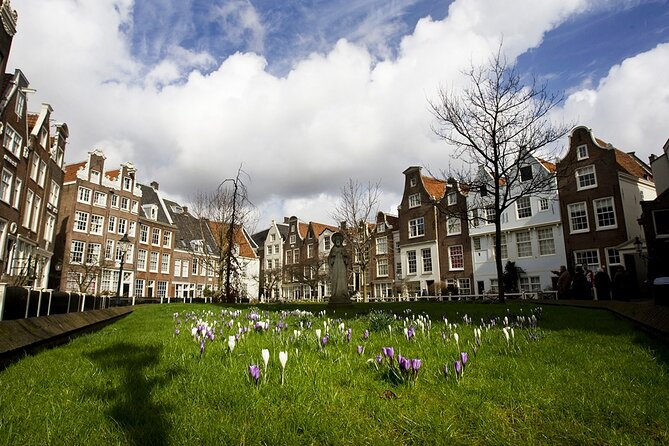
Begijnhof: the calm courtyard stop you’ll remember
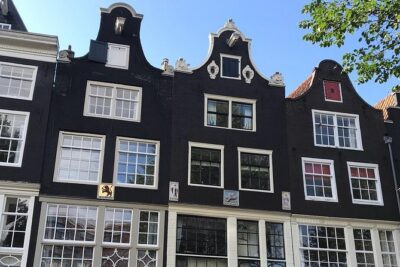
Then the walk pivots. You move from the main sights into Begijnhof, where the feel changes fast. Even when a stop is only about 5 minutes, Begijnhof tends to leave a mark because it’s a quiet pocket, tucked into the city fabric.
This is the kind of place where you’ll benefit from a guide who can translate the atmosphere. The conversation here isn’t only about facts—it’s about what the space suggests and why people found it meaningful.
If you like pauses on walking tours, this is one of the best places to take them. Don’t rush your photos. Even if you’re standing for just a moment, give your eyes 30 seconds to adjust—courtyards like this are meant to be looked at slowly.
Multatuli statue stop: fair trade and a cheese-tasting moment
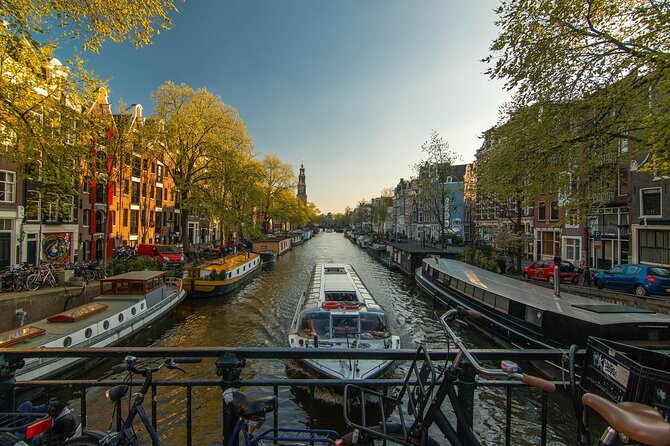
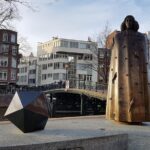
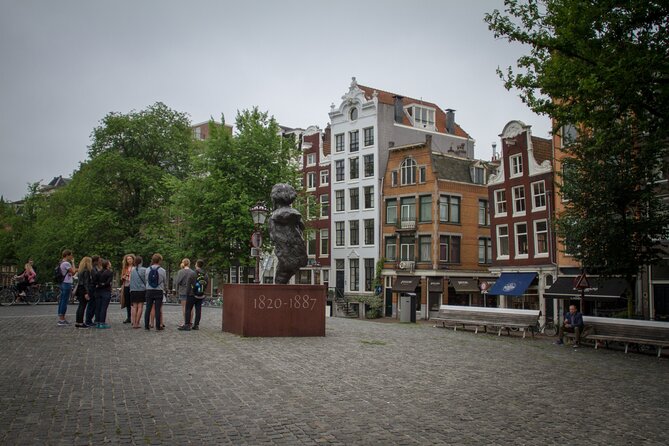
One of the most memorable stops is the Statue of Multatuli. The tour pairs it with information about the start of the fair trade movement, and there’s also mention of cheese tasting right there.
That combination is smart. It turns a statue into a story you can feel, not just something you point at. And it helps if your idea of “history” is only wars and kings—you get a different kind of past: ideas, trade, and social change.
A practical note: since the tour says food or beverages aren’t included generally, treat any tasting as a small included moment rather than a meal replacement. If you’ve got a sensitive schedule, plan to eat before or after the tour, not during.
You can also read our reviews of more private tours in Amsterdam



Munt Tower (Munttoren): a short stop with a bigger payoff
Next up is Munt Tower (Munttoren), another quick stop (about 5 minutes) with a guide who explains why it’s worth noticing.
This is one of those “don’t ignore the small stuff” moments. Towers often feel like skyline decoration until you know what they’re tied to in city life. When a guide gives you that quick explanation, the tower stops looking random on your mental map.
If you like architecture, this is a good time to ask one targeted question: what should I look for on it, and how does it relate to the city around it? Short stops go best when you use them like that.
Nieuwmarkt and de Waag: Rembrandt’s link to the square
At Nieuwmarkt, you get a bit more time—about 10 minutes—and a payoff that’s specific and memorable.
The highlight is de Waag in the middle of the square, tied to Rembrandt coming to paint there back in the day. That detail matters because it turns a “nice square” into a real anchor for art history you can picture.
I also like that the tour doesn’t keep you locked in big monuments only. Nieuwmarkt gives you a chance to see Amsterdam as people lived it: squares, movement, and practical spaces where culture could happen.
If you’re the type who likes to understand where famous artists worked, this stop will stick. If you’re not, ask the guide to connect the de Waag story to what this area represented at the time.
Bloemenmarkt: the floating flower market you can’t fake
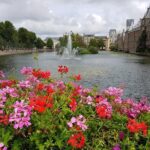
Then you reach Bloemenmarkt, billed as the largest floating flower market in the world. The stop is brief (about 5 minutes), but it’s exactly the kind of place where a short stop works.
Why? Because the visuals do half the teaching. You can see what makes it different right away, and the guide can add context so it’s not just a tourist photo.
Here’s my practical advice: bring your timing expectations. You’ll get a look, a quick explanation, and enough orientation to return on your own for deeper browsing if you want. If you visit during peak flower buying hours, it can be busy, so keep your wallet ready and your attention flexible.
Also, if you’re traveling with luggage, plan how you’ll handle any purchases later. Flowers and souvenirs are wonderful—but they’re also heavy and perishable.
Spui: book-market energy and the miracle mention
The walk rounds out with Spui, another square stop (about 5 minutes). The tour calls out two things: a bookmarket held at this square, and the note that the miracle of Amsterdam happened close by.
Even without long explanations, this is a useful stop because it reminds you that “local Amsterdam” isn’t only museums and historic buildings. It’s daily culture—books, conversations, and street-level life.
If you love books, this is also a great moment to slow down by 60 seconds and let the guide point out what to notice. Small market details are where you’ll feel like you’ve stepped into the city rather than watched it.
Finishing near Koningsplein and the Anne Frank House area
The tour ends at Koningsplein, near the Jordaan area and close to where people often plan their next visit around the Anne Frank House. The guide also gives local food recommendations, which is a smart way to turn the walk into a full experience.
This ending matters because it prevents the usual letdown: you finish your tour feeling informed, then you have no idea where to go next. Having a direction toward local food in the Jordaan keeps the day moving in a satisfying way.
Practical tip: plan your next stop with shoes and energy in mind. You’ll likely have walked a fair amount, even in only 2 hours, and Jordaan streets reward comfortable pacing.
Price and value: when a private guide is worth the spend
At $156.88 per person for a private 2-hour walk, this is not the cheapest way to see Amsterdam. So ask yourself what you’re paying for.
You’re paying for:
- A guide who can answer your questions in real time
- A pace that stays focused instead of stretched
- Extra attention on the meaning behind specific stops—like the fair trade thread tied to the Multatuli statue and the Rembrandt/de Waag connection at Nieuwmarkt
If you’re comfortable walking on your own and you love self-guided history, you might find a less expensive group option easier. But if you want your time to feel useful—not just scenic—private usually pays off fast.
Also, the guide’s name recognition from real experiences matters. When you hear that both Henk and Sylvia delivered lively, detailed, educational storytelling, it’s a good sign that the “value” here is in communication, not just route planning.
What you should ask the guide on this walk
If you want to get the most from those short stops, go in with 2 or 3 questions ready. Examples that fit this route:
- Which stop best explains how Amsterdam changed over time?
- What should I look for at de Waag that most people miss?
- How does the fair trade story connect to the city today?
- Where would you send me for local food in the Jordaan right after Koningsplein?
Guides can adjust on the fly, especially on private tours. That’s where the experience becomes yours.
Who this tour suits best (and who might want a different plan)
This private Amsterdam historical walk is ideal if you:
- Want a guided route that helps you get oriented fast
- Like stories tied to real places—Dam Square, Begijnhof, Nieuwmarkt, Bloemenmarkt
- Enjoy learning about art and ideas (the Rembrandt and fair trade threads are strong here)
It may not be the best fit if you:
- Want long museum time or indoor visits that take hours
- Prefer a slow wandering style with minimal structure
- Have no interest in walking multiple central-city squares
Should you book the Amsterdam Private Historical Walking Tour?
Yes—book it if you want a focused, guide-led way to understand Amsterdam without spending the whole day in transit or indecision. The route gives you a smart sweep from Dam Square toward the Jordaan, and the standout connections—Rembrandt at de Waag, fair trade tied to Multatuli, and the Bloemenmarkt floating market—give the photos context.
If your goal is purely sightseeing with no story, you might feel it’s more structured than you want. But if you like learning while you walk, this is one of the best ways to turn a short Amsterdam day into something that actually sticks.
FAQ
How long is the Amsterdam Private Historical Walking Tour?
It runs for about 2 hours.
Where does the tour start and end?
The start is Dam Square, Dam, 1012 Amsterdam, Netherlands, and the tour ends at Koningsplein, Amsterdam, Netherlands.
Is this tour private or shared with other groups?
This is a private tour/activity, meaning only your group participates.
What language is the tour offered in?
The tour is offered in English.
What is included in the tour price?
A private guide is included, along with all fees and taxes.
Are there admission tickets for the stops?
The stops listed are marked as admission ticket free.
Is food included?
Food or beverages are not included.
Is tipping included?
Tips and gratuities are not included.
Can I cancel for a full refund?
Yes. Free cancellation is available up to 24 hours in advance for a full refund.