REVIEW · AMSTERDAM
Amsterdam: Sex, Drugs, and Freedom Walking Tour
Book on GetYourGuide →Operated by Trigger Tours · Bookable on GetYourGuide
Amsterdam’s rules are weirder than you expect. This 2-hour Amsterdam sex and drugs walking tour gives you the big picture behind the Red-light District and the Dutch approach to sexual freedom, explained by a real local guide in a way that actually sticks.
I especially like how the tour is built around practical, human stories—not just headlines. You get clear context on prostitution legalization and the coffeeshop system, plus you can ask questions as you walk (guides like Martin and Jesse are praised for answering everything). The one thing to consider: the topics are adult and the route is not suitable for mobility impairments, so you’ll want to be comfortable with both the subject matter and the walking.
In This Review
- Key things I’d watch for on this tour
- A 2-hour walking tour that frames the adult themes
- Where the walk takes you: Dam Square to the canals
- Why these stops are more than sightseeing
- A practical watch-out
- Prostitution legalization: what it changed in practice
- What makes this section useful for first-timers
- Coffeeshops and soft drug rules, explained without the hype
- Why this matters beyond curiosity
- Seeing how equality and sexual liberty shaped the city
- The guide makes or breaks it: Martin, Jesse, Stan, David
- What the pacing feels like (and who should go)
- It’s a strong fit if you:
- You might want to think twice if you:
- Price and value: is $31 worth 2 hours?
- What to bring and how to prepare
- Should you book this Amsterdam Sex, Drugs, and Freedom Walking Tour?
- FAQ
- How long is the Amsterdam Sex, Drugs, and Freedom walking tour?
- What’s included in the price?
- Do I need to buy food or drinks separately?
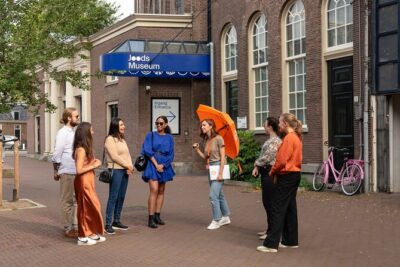
- Where do I meet the guide?
- What languages are available for the live guide?
- Is there a private group option?
- What should I bring, and is it suitable for everyone?
Key things I’d watch for on this tour
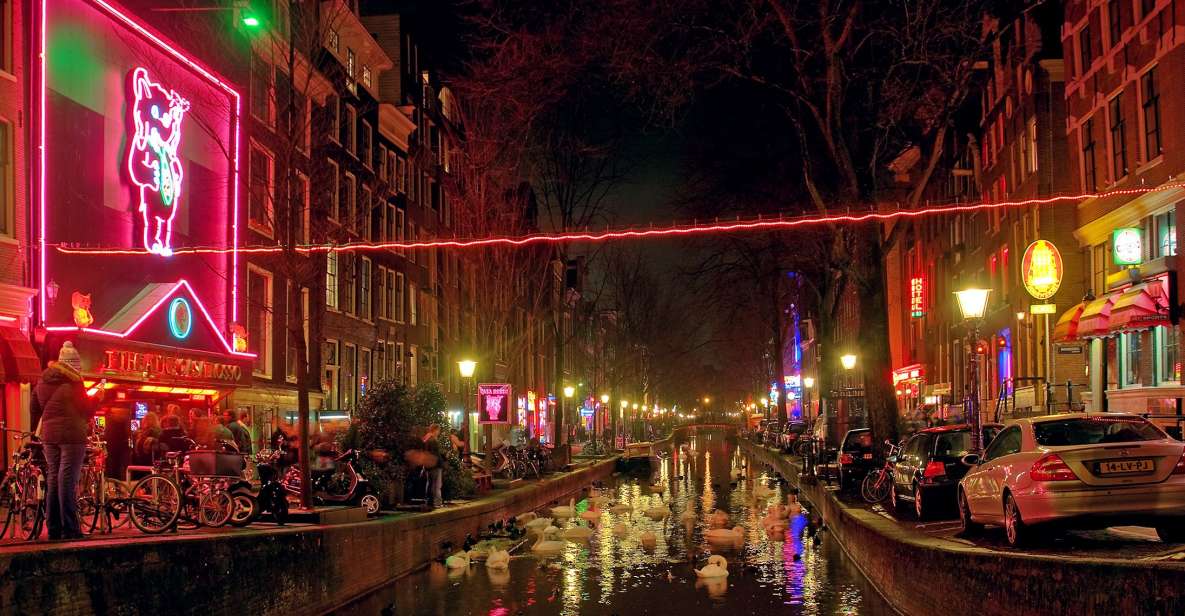
- Local eyes on Amsterdam’s alternative scenes, not a lecture from far away
- Drug and sex laws explained in plain language, including coffeeshop origins
- Real street stops like Dam Square, the Royal Palace area, and the Old Church zone
- Side streets you’re unlikely to find on your own, with guides pointing out what locals notice
- Strong Q&A energy, with guides described as engaging and calm with mixed group moods
A 2-hour walking tour that frames the adult themes
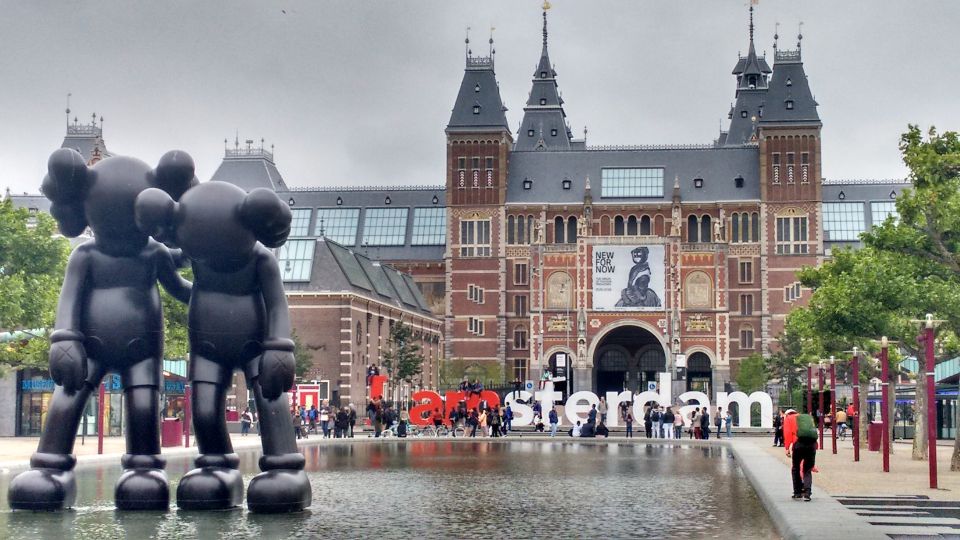
Amsterdam’s most talked-about areas come with a lot of noise. This tour tries to separate the myth from the day-to-day rules—politics, culture, and the way the city manages behavior without turning it into a farce.
What makes it work is the pacing and the “walking classroom” format. In two hours, you’re not expected to agree with everything. Instead, you’re helped to understand why the Netherlands took a different path on equality, sexuality, and so-called soft drugs. That context matters, because Amsterdam’s tolerance isn’t random. It’s tied to a long-running social debate about safety, public order, and human rights.
The guide mix also helps. This tour runs in Spanish, Dutch, English, and German, so you’re not stuck translating your own way through complicated history. And yes, you’ll get names dropped—guides such as Martin, Jesse, David, and Stan show up in feedback for being engaging and prepared.
You can also read our reviews of more walking tours in Amsterdam



Where the walk takes you: Dam Square to the canals
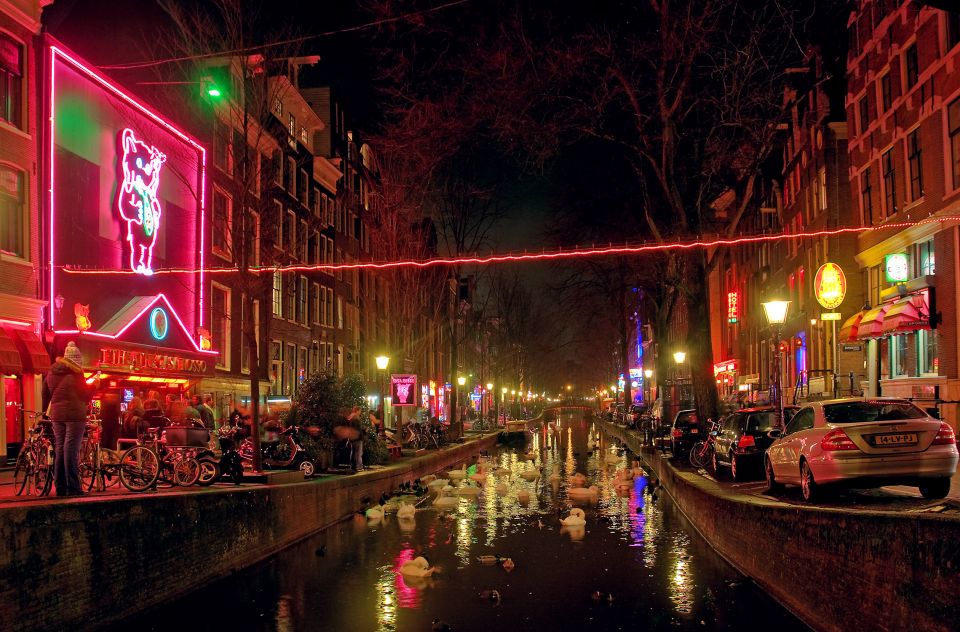
Even when a tour is famous for one district, it still needs good orientation. This one gives you that by threading major landmarks into the story.
Here’s what you can expect as you move through the center:
- Dam Square: You start with a public, high-energy square that anchors the city’s official image. It’s a useful contrast point for everything you’ll hear next.
- Royal Palace area: The grandeur helps you feel the juxtaposition. Amsterdam can look extremely traditional, while its social rules in certain areas are anything but.
- Old Church: This is the kind of stop that reminds you the city has been changing for centuries. The point isn’t to make you memorize dates. It’s to give the stories roots.
- Condomerie: A name like that is memorable for a reason. It signals Amsterdam’s comfort with sex as a normal topic rather than a taboo.
Then the route shifts into the kind of narrow streets and canal-area lanes where you slow down and actually look. That’s where the tour leans into the promise of showing places known more to locals than to first-timers.
Why these stops are more than sightseeing
Most red-light tours jump straight to what you came for. This one spreads things out. That makes it easier to understand how legal systems, social attitudes, and neighborhood life overlap. If you’re the type who likes seeing how a city’s “rules on paper” show up in real streets, you’ll feel the value quickly.
A practical watch-out
Because the tour covers adult topics and walks through central areas, keep your expectations grounded. Comfortable shoes matter more than you think, and you’ll want water on hand—this is a 2-hour walk, not a sit-down museum visit.
Prostitution legalization: what it changed in practice
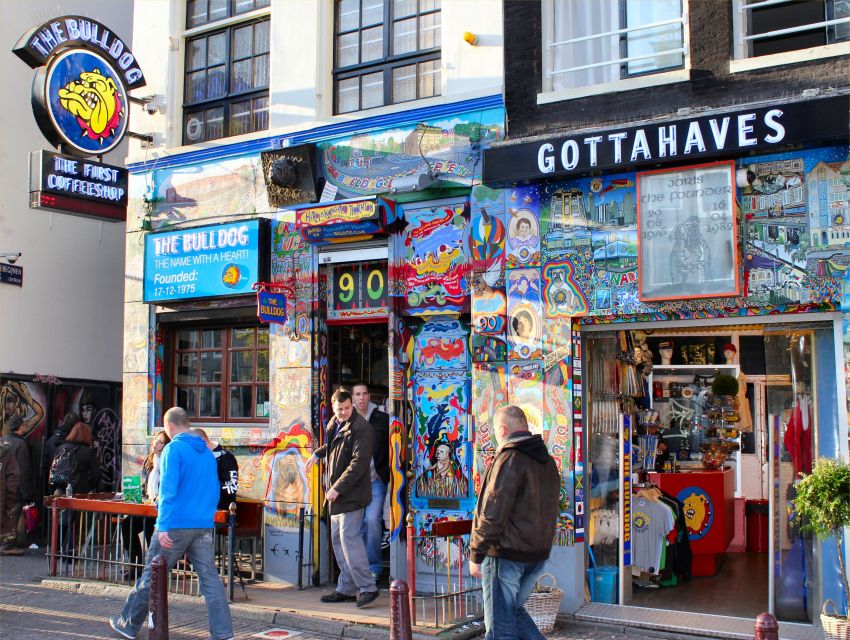
One major theme is how the Netherlands legalized prostitution and how that shaped the red-light district over time. The tour doesn’t ask you to treat the system like a movie set. It frames it as policy—and then as a lived reality.
You’ll hear about:
- how legalization influenced how the red-light district operates
- why the district became structured differently than you’d expect if prostitution were only handled through policing
- how guides explain both the issues and the ongoing social debate
The goal isn’t to sugarcoat. Instead, you’ll get the logic behind Amsterdam’s approach: reduce harm, regulate what can be regulated, and keep the city functional while addressing a complicated industry.




What makes this section useful for first-timers
If you’ve only heard slogans, this tour helps you translate them into systems. You’ll be better at reading what you see—whether it’s storefronts, the street atmosphere, or the way the district is managed. And since guides will answer questions, you can ask the specific things that worry you most, like safety, consent, and how laws affect workers.
Coffeeshops and soft drug rules, explained without the hype
Amsterdam’s drug reputation is famous, but the details are where confusion starts. This tour focuses on the “peculiar drug regulations,” including where coffeeshops come from and how soft drugs are used and manufactured.
You can expect an explanation of:
- the history and origins of coffeeshops
- how Amsterdam treats certain soft drugs under a regulated model
- the difference between what people assume and what the system actually tries to do
Guides also try to keep the conversation grounded. One review notes a guide kept the talk within a timeframe, so you might get less on the Netherlands economy than you’d hoped—but you still leave with a clearer model of how the rules work.
Why this matters beyond curiosity
A lot of Amsterdam visitors want either a warning or a permission slip. This tour aims for something more useful: understanding the middle. You learn why the Netherlands became a pioneer on tolerance and how that social thinking shows up in laws and street life.
If you want to be able to discuss Amsterdam’s approach intelligently—especially if you’re comparing it to home—this is one of the tour’s strongest reasons to book.
Seeing how equality and sexual liberty shaped the city
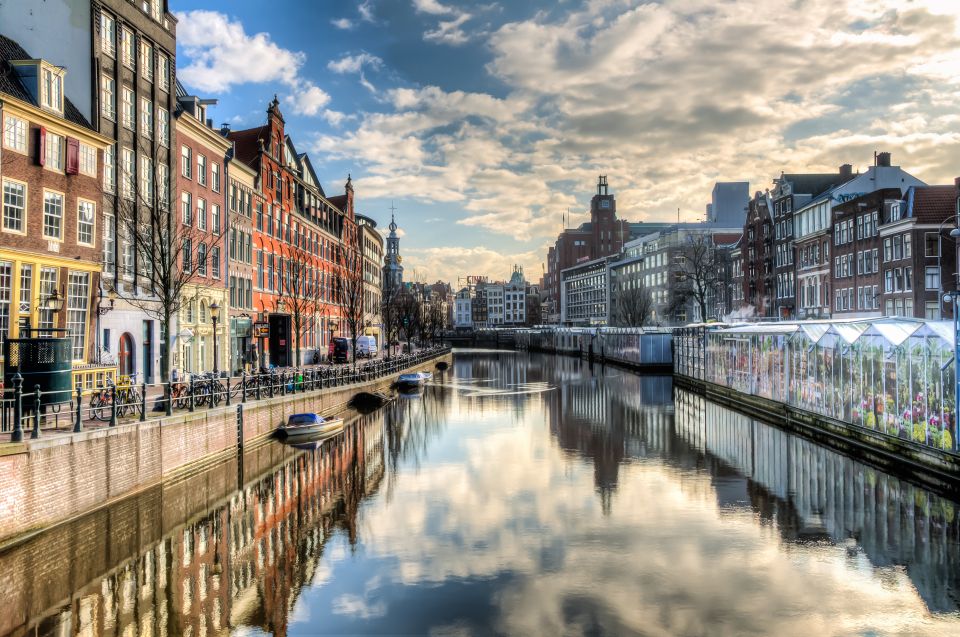
The tour connects the dots between tolerance and broader social progress. You’ll hear about the Dutch fight for gay rights, social awareness, and sexual liberty. That part isn’t just trivia. It helps you understand why Amsterdam can be openly frank in some neighborhoods while still having strong boundaries in others.
This framing can change the way you read the entire city. Instead of seeing adult culture as a separate tourist spectacle, you start to see it as part of a wider attitude about rights, visibility, and regulation.
The guide makes or breaks it: Martin, Jesse, Stan, David
A good tour guide doesn’t just recite facts. They make complex topics digestible and respectful—especially when a group has different comfort levels.
Based on what you’ll hear in the tour itself, the best guides bring:
- an easy-to-follow storytelling style
- answers to your questions instead of rushing past them
- calm handling of group energy
For example, guides have been praised for staying patient and motivated when someone in the group wandered off while tipsy. Others—like Martin and Jesse—were described as engaging and friendly, with lots of fascinating stories and direct answers. David is highlighted for giving city highlights with family history, while Stan is noted for being especially informative about sex workers, coffeeshops, and the red-light district.
You may also hear quirky local anecdotes, such as the story about sleeping in the monkey. The point of these stories isn’t shock. It’s how locals talk about everyday routines and atmosphere in the district—details that never make it into brochures.
What the pacing feels like (and who should go)
This is a focused 2-hour walk. That’s short enough to keep things lively, but long enough for real context if your guide explains clearly.
It’s a strong fit if you:
- want an intro to Amsterdam’s red-light district that includes legal and cultural context
- like Q&A and prefer explanations you can react to in real time
- are curious about coffeeshops as a system, not just a stereotype
You might want to think twice if you:
- dislike adult subject matter in close quarters
- need step-free or low-mobility routes, since the tour isn’t suitable for mobility impairments
- want a heavily food-and-drink style afternoon—this is walk-and-talk, not a tasting tour
Price and value: is $31 worth 2 hours?
At about $31 per person for a 2-hour guided walking tour, the value comes from three places.
First, you’re paying for context. Amsterdam’s sex and drug reputation can be misunderstood in minutes; good interpretation saves you from guessing. Second, you’re getting an expert guide experience with Q&A, in multiple languages, which is a practical advantage if you want to ask real questions. Third, you’re paying for access to the “how it works” angle—legal origins, the role of coffeeshops, and the way legalization affected the red-light district.
Is it expensive? Not really for central Amsterdam. Is it cheap? Also not the kind of tour where you expect zero substance. If you show up expecting to learn and you wear comfortable shoes, it’s a solid deal for what you get.
What to bring and how to prepare
This tour is simple in what you need, but it’s not the time to underpack.
Bring:
- Comfortable shoes (you’ll be walking through streets where you can’t just switch to sightseeing sandals)
- Water (especially if it’s warm or you’re walking fast)
- Comfortable clothes that let you move easily
Also, mentally prepare for adult topics and sensitive issues. That doesn’t mean you’re in trouble. It just means you should treat the tour like a serious cultural walk, not a party.
Should you book this Amsterdam Sex, Drugs, and Freedom Walking Tour?
Book it if you want a structured introduction that explains the logic behind Amsterdam’s tolerance—sex work legalization, coffeeshops, and equality movements—while still showing you iconic spots like Dam Square and the Old Church area.
Skip it if you’re only after a quick look without context, or if adult topics will stress you out. And if mobility is an issue, plan another option since this one isn’t suitable for mobility impairments.
If you’re arriving in Amsterdam and want to get your bearings fast—socially, historically, and practically—this tour is one of the more useful ways to start.
FAQ
How long is the Amsterdam Sex, Drugs, and Freedom walking tour?
It lasts 2 hours.
What’s included in the price?
The tour includes a 2-hour expert-guided walking tour.
Do I need to buy food or drinks separately?
Food and drinks are not included.
Where do I meet the guide?
The meeting point may vary depending on the option booked.
What languages are available for the live guide?
The live tour guide is available in Spanish, Dutch, English, and German.
Is there a private group option?
Yes, private group availability is offered.
What should I bring, and is it suitable for everyone?
Bring comfortable shoes, water, and comfortable clothes. It is not suitable for people with mobility impairments.