REVIEW · AMSTERDAM
Amsterdam: Private Anne Frank and Jewish History Tour
Book on GetYourGuide →Operated by Amsterdam Experiences · Bookable on GetYourGuide
The streets have a way of hitting hard. This private tour links 16th-century Jewish Amsterdam, Nazi persecution, and Anne Frank’s world in a tight 3 hours. You start at the Portuguese Synagogue and finish at the Anne Frank House, with stories of resistance and survival woven into what you can still see today.
Two things I really like: you get both the big picture and the street-level details, and the Anne Frank House part isn’t treated like a separate checklist. The included apple pie and drink also give you a real breather while the guide keeps the WWII stories moving. One possible drawback: the Anne Frank House has very narrow, steep stairs and no lift, so your comfort level matters if you have mobility concerns.
In This Review
- Key things to know before you go
- Why this tour begins at the Portuguese Synagogue
- Walking the former Jewish Quarter: refuge to persecution
- Dutch resistance stories you’ll feel in your bones
- Westerkerk and the Anne Frank connection in real space
- Anne Frank House: tickets when planned ahead, VR when not
- Optional tram ride: when walking is part of the point
- Price and value: what $261 per person is buying
- Who this private tour fits best (and who should rethink it)
- Quick checklist before you go
- Should you book this Amsterdam Anne Frank and Jewish History tour?
- FAQ
- Where do I start and where does the tour end?
- How long is the tour?
- What language is the tour guide?
- Is the Anne Frank House included with the tour?
- What if I book less than 7 weeks ahead?
- What’s included in the price besides the guide?
- Is it suitable for people with mobility impairments?
Key things to know before you go
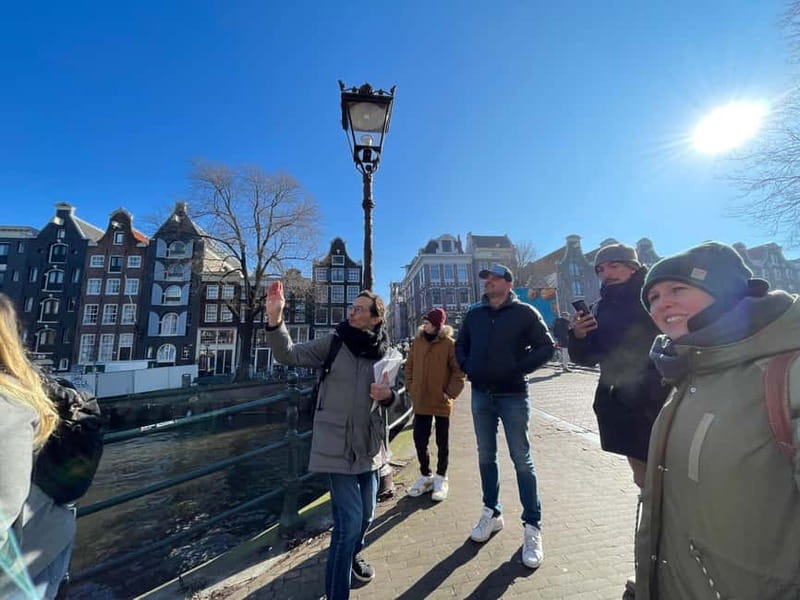
- Private pacing with a live guide (English or Spanish), so questions don’t get brushed off.
- Start at the Portuguese Synagogue and connect that setting to what followed in later centuries.
- Holocaust memorial stops and resistance stories that explain what fear looked like in everyday life.
- Anne Frank House tickets depend on booking timing: included if booked at least 7 weeks in advance.
- Plan B for last-minute tickets: you may get a VR experience instead of entry.
- Apple pie and a drink are built into the tour, not tacked on after.
Why this tour begins at the Portuguese Synagogue

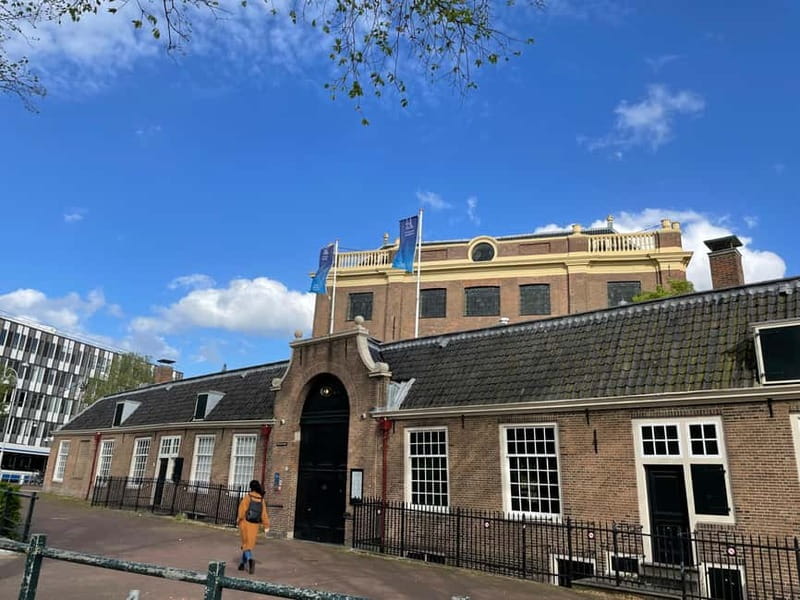
Amsterdam’s Jewish story didn’t start in 1940. It starts with places like the Portuguese Synagogue, where Jewish communities found ways to practice, gather, and create life in a new country. Meeting outside the synagogue sets the tone right away: you’re not just touring tragic history. You’re also seeing how community, identity, and culture took shape long before the Nazis.
What I like about starting here is that it keeps the tour grounded. Instead of jumping straight to the Holocaust, your guide frames Jewish Amsterdam as something more layered—something that grew, adapted, and held onto traditions while political winds shifted.
If you want a smooth photo-and-understanding rhythm, this is also a smart opening. You begin in a recognizable, central landmark area before you move through the older neighborhood fabric.
You can also read our reviews of more private tours in Amsterdam



Walking the former Jewish Quarter: refuge to persecution
The core of the experience is a guided walk through the area associated with Amsterdam’s historic Jewish quarter. Your guide brings you back to 16th-century Amsterdam, when the city became a refuge for Jewish families fleeing Southern and Eastern Europe. You’ll hear how that safe-haven idea changed over time—because refuge never stays refuge forever.
As you wander, the tour focuses on what it meant to be Jewish under Hitler’s Nazi regime. That’s not just names and dates. You’ll be guided through the tension and fear that sat over daily life, and you’ll also learn how the community was affected by the machinery of persecution during World War II.
This part is valuable because it gives you something to hold onto while you’re looking at buildings and street patterns. The city becomes more legible. You start noticing how people could move, hide, meet, and—later—how those same spaces could trap them.
You may also pick up memorable “street markers” your guide points out. In one highlight from past tours, guides have included things like Stolpersteine (stumbling stones) and an Auschwitz memorial in a nearby park area. Even if your route varies slightly by departure, the goal stays the same: connect stories to physical reminders you can actually see.
Dutch resistance stories you’ll feel in your bones
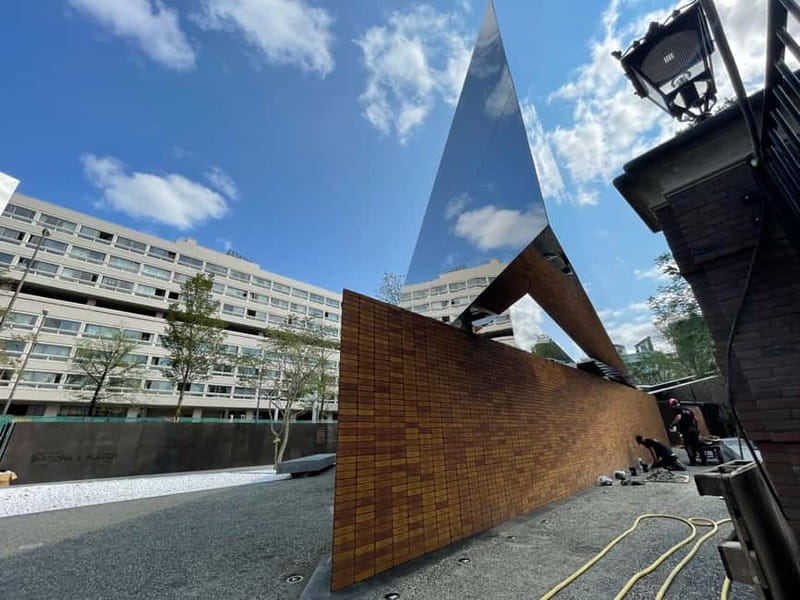
One reason this tour earns a strong reputation is that it refuses to treat the Holocaust as something that only happened to others. You’ll hear about Dutch resistance—people who chose to oppose Nazi control at huge personal risk.
The guide’s focus isn’t only on resistance as a concept. It’s on what resistance looked like on the ground: courageous choices, coordinated help, and the effort to protect people who were being targeted. One of the most striking story arcs is how hundreds of Jewish children were saved from deportation through actions taken by resistance networks and others willing to help.
If that sounds heavy, it is. But the tour handles it in a way that’s practical for your understanding. Instead of overwhelming you with tragedy only, the guide keeps returning to what people did, how they did it, and why it mattered. That’s the difference between history you memorize and history you actually process.
And yes, there’s a small, human moment built in. You get Dutch apple pie and a drink while the stories keep rolling. It works because it breaks the walk up, giving your brain time to absorb what you just heard.
Westerkerk and the Anne Frank connection in real space
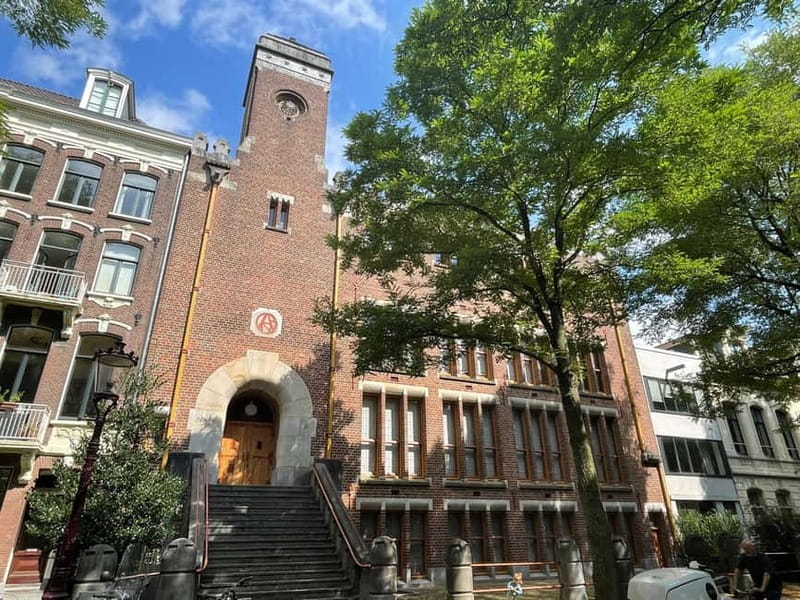
At some point during the tour, you’ll run into the threads that connect Amsterdam’s wider Jewish neighborhood life to Anne Frank’s story. A key stop in this connection is the Westerkerk and how it fits into the broader Anne Frank setting.
This isn’t a lecture that floats above the street. You’re shown how specific locations tie into the narrative. That matters because Anne Frank House isn’t just a museum. It’s a place tied to a real sequence of events and the constraints that shaped what people could do—or could not.
So as you walk, try to do one simple thing: look around, not just forward. Notice where you’d expect a person to hide, where there’s visibility, and how movement works in the streets. Your guide’s explanations make those questions feel less random and more meaningful.
Also, you’ll likely get details that add texture beyond what you might find in a textbook—past guides have mentioned practical neighborhood features such as how certain sites were used during WWII and references like a nearby zoo area (Artis) while weaving the story through the city.
Anne Frank House: tickets when planned ahead, VR when not
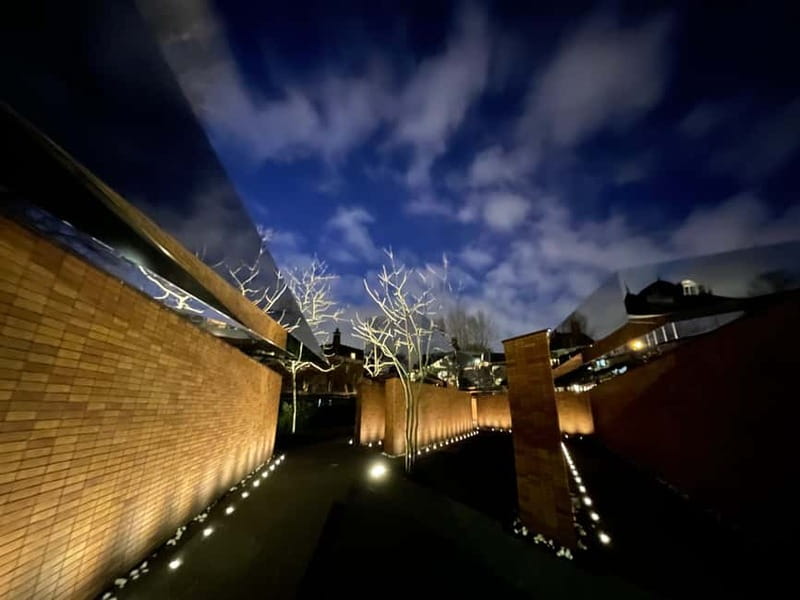
The last stretch ends at the Anne Frank House, and what happens next depends on your booking timing.
If you book at least 7 weeks in advance, tickets are provided for you to enter the Anne Frank House on your own (unguided). That’s a big deal because the Anne Frank House has timed entry, and getting your slot as part of the tour value removes a chunk of planning stress. You’ll still visit at your own pace once there, which helps if you prefer quiet time or if a specific room hits you hardest.
If you book less than 7 weeks ahead, the approach changes. When Anne Frank House tickets aren’t available, you may be offered a virtual reality experience of the house instead. For very last-minute bookings, tickets can’t be provided when they’re too close to the tour date, and VR is then the substitute.
Here’s how I’d think about it as a traveler: the “core” of the walking portion is meaningful even without house entry. But the Anne Frank House portion is usually the main reason people book this tour. If you want real entry, build in booking time. If your schedule is tight, treat VR as a consolation that still gives you a way to understand what you’d otherwise see.
One more practical note you should take seriously: the staircases are very narrow and steep, and there is no lift. If you’re okay with stairs, great. If not, you’ll want to consider that before you rely on the in-person entry.
You can also read our reviews of more historical tours in Amsterdam






Optional tram ride: when walking is part of the point
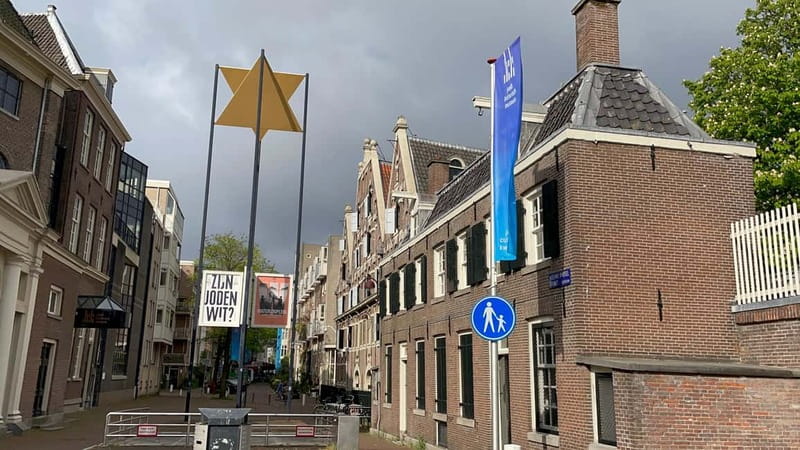
The tour includes a tram ride (optional). That’s a useful detail because it means you can get a break without losing the guiding context. In Amsterdam, a tram hop can save time and legs, while still keeping you in the historical corridor the guide is describing.
It also helps with pacing. A 3-hour private tour can feel like a lot if you’re continuously on foot. The option lets the experience match your energy level—especially helpful if you’re doing other museum stops later the same day.
Price and value: what $261 per person is buying
This tour costs $261 per person and runs about 3 hours with a private group. At that price, you’re not only paying for walking plus a ticket.
Here’s what you actually get that justifies the cost (when you book at the right time):
- A live guide in English or Spanish who shapes the story to what you’re seeing on the street.
- Apple pie and a drink built into the experience, not tacked onto a random cafe stop.
- Anne Frank House tickets included when you book at least 7 weeks in advance.
- A private format, which usually means less friction. You’re more likely to get direct answers and smoother timing than on a larger group.
The “gotcha,” if you can call it that, is the ticket timing. If you book too late and tickets aren’t available, VR is the fallback. VR can still be meaningful, but it’s not the same as standing inside the place where Anne Frank lived in hiding. So the real value question is: how important is in-person house entry to your trip?
If it is essential, plan ahead. If your schedule is fixed, you can still enjoy the walk and take VR as the compromise.
Who this private tour fits best (and who should rethink it)
I’d especially recommend this tour if you want:
- A structured walk through Jewish Amsterdam that connects 16th-century refuge to WWII persecution.
- Clear explanations of Dutch resistance and how people helped others.
- A guided path to Anne Frank House that doesn’t turn into a scramble of ticketing and timing.
It might be less ideal if:
- You can’t handle steep, narrow stairs (no lift) at Anne Frank House.
- You’re booking last minute and expect guaranteed entry—tickets aren’t guaranteed without the 7-week window.
If you’re the kind of traveler who likes asking questions and wants the guide to steer you through what you’re seeing, a private tour is a strong match. It’s also a good fit for couples, solo travelers, and small groups who don’t want to fight for space in a larger crowd at key moments.
Quick checklist before you go

Bring rain gear. Amsterdam weather can change fast, and you’ll be walking. Also, wear shoes that work on city sidewalks. One more thing: the Anne Frank House part is stair-heavy, so wear clothing/shoes that make that easier if you’re entering in person.
Should you book this Amsterdam Anne Frank and Jewish History tour?
Yes, if you can book early enough to get Anne Frank House tickets and you want a guided walk that gives you context, not just a museum drop-off. The mix of Jewish quarter storytelling, resistance narratives, and the built-in food stop makes it feel like a thoughtful morning or afternoon rather than a rushed checklist.
If your schedule is tight, don’t ignore it—still consider it for the walking portion and the way the guide links locations to story. Just go in with eyes open: Anne Frank House entry may turn into VR when tickets can’t be secured in time.
If you want one practical move: confirm your booking includes house tickets for your date, and if stairs are an issue for you, plan accordingly. That one check will tell you whether this will feel powerful and accessible—or frustrating.
FAQ
Where do I start and where does the tour end?
You meet outside the main entrance of the Portuguese Synagogue of Amsterdam. The tour finishes at the Anne Frank House.
How long is the tour?
The tour duration is about 3 hours.
What language is the tour guide?
The live tour guide offers English and Spanish.
Is the Anne Frank House included with the tour?
Anne Frank House tickets are included if you book at least 7 weeks in advance. If tickets aren’t available for later bookings, you may receive a virtual reality experience instead.
What if I book less than 7 weeks ahead?
If Anne Frank House tickets aren’t available, you will be able to explore via a virtual reality experience of the house. For very short notice bookings, tickets can’t be provided and VR is used instead.
What’s included in the price besides the guide?
The included items are the guide, an optional tram ride, apple pie and a drink, and Anne Frank House tickets when eligible.
Is it suitable for people with mobility impairments?
The activity is listed as wheelchair accessible, but the Anne Frank House has very narrow, steep staircases and no lift. If mobility is a concern, you should factor that in for the house visit.