REVIEW · AMSTERDAM
Amsterdam: Highlights & History Walking Tour
Book on GetYourGuide →Operated by Trigger Tours · Bookable on GetYourGuide
Old-town Amsterdam can feel like a puzzle at first. This walking tour helps you piece it together fast, with stops like Dam Square and Anne Frank House plus canals and back-street surprises.
What I really like here is the small group feel (up to 8 people) and the way your guide turns buildings and street quirks into real context, not just dates. In past tours, guides like Robin, Aaron, and James kept the pace lively, with history plus humor, and even made time for questions.
One heads-up: the route ends at Dam Square, not where you start at the Park Plaza Victoria Hotel, so plan your next stop accordingly. And like any walking tour in the inner city, you’ll be on your feet for the full 2 hours.
In This Review
- Key things that make this tour worth your time
- A tight 2-hour route that covers the Amsterdam you actually want to know
- Meeting at Park Plaza Victoria, then walking straight into the Old Town
- Old Town + Anne Frank House area: seeing the big names without feeling rushed
- Canals and the Flower Market: the fun Amsterdam part, timed right
- Royal Palace, Dam Square, and Begijnhof: where the story shifts from streets to power
- Crooked houses, Chinatown, and the narrowest street: why Amsterdam looks the way it does
- The red-light district context: history you can’t get from signs alone
- Amsterdam’s origin story: from fishing village to trade center
- Price and value: how $32 for a 2-hour walk stacks up
- Who should book this tour, and who might want a different plan
- Should you book this Amsterdam highlights & history tour?
- FAQ
- How long is the Amsterdam highlights and history walking tour?
- What sights are included?
- Where do I meet the guide?
- How big is the group?
- What’s included in the price?
- Is the tour wheelchair accessible?
Key things that make this tour worth your time
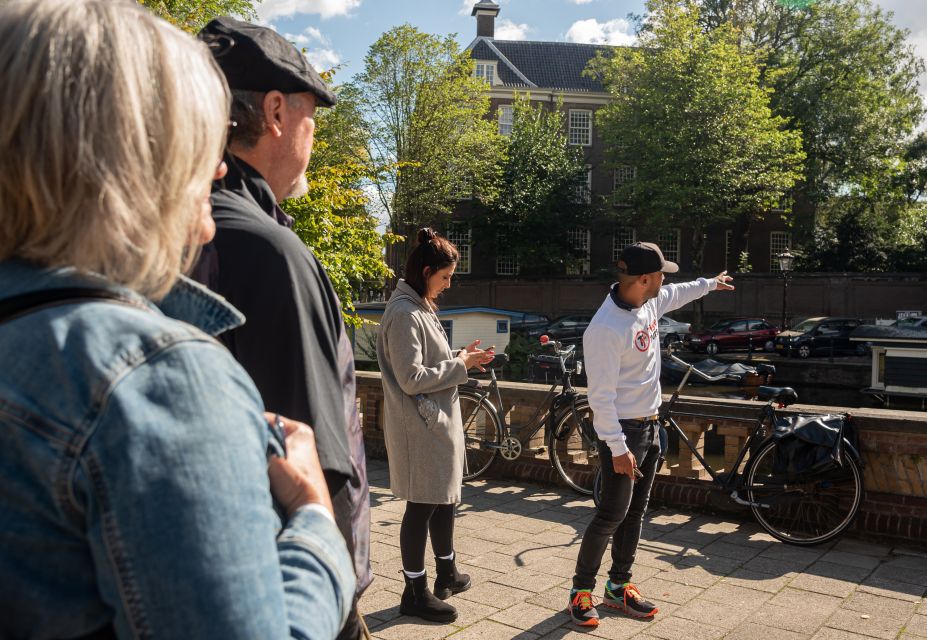
- Up to 8 people means you get more than head-nods and a rushed script
- Anne Frank House, Dam Square, Royal Palace, Begijnhof pack big landmarks into a short walk
- Canals + Flower Market stops give you a classic Amsterdam feel, not just postcard walls
- Back streets with crooked houses and the narrowest street help you understand why the city looks the way it does
- Red-light district context explains how Dutch laws shaped the area over time
- Guides like Robin, Aaron, Arie, and Gio have a track record for story-driven pacing and strong Q&A
A tight 2-hour route that covers the Amsterdam you actually want to know
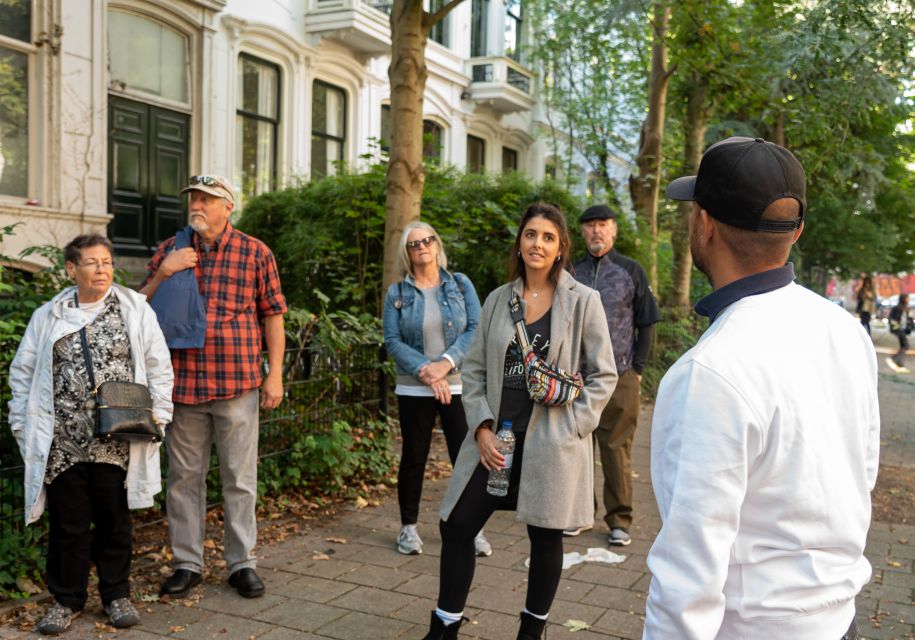
Amsterdam is one of those cities where the “highlights” are also the “confusing parts.” You’ll see landmark after landmark—yet without context, it’s easy to miss what matters. This tour is designed for exactly that first-day problem. In just 2 hours, you get an orientation tour that also includes real history and street-level details.
The small-group format (limited to 8 people) changes the energy. You’re not stuck behind a wall of other tourists, and it’s easier to ask questions. That’s a big deal here because the stories aren’t just facts—they connect what you’re seeing to how Amsterdam grew, traded, governed itself, and built neighborhoods that still feel unusual today.
The guide also matters. In the experiences I reviewed, names came up again and again: Robin, Aaron, Arie, James, Scarlett, Kevin, Lukas, David, Gio, Agapios, Andrea, and Michael. People consistently described the same pattern: upbeat storytelling, a good mix of history and cultural oddities, and guides who explain why something looks the way it does—not just what it is.
You can also read our reviews of more walking tours in Amsterdam



Meeting at Park Plaza Victoria, then walking straight into the Old Town
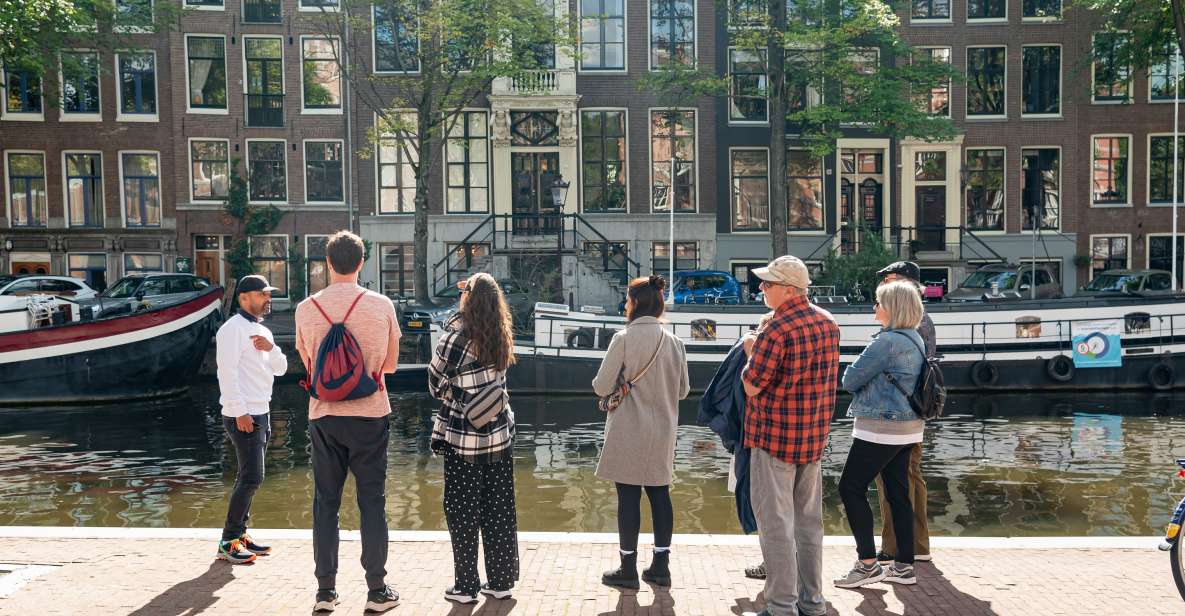
You meet your guide at the main entrance of the Park Plaza Victoria Hotel. That’s a useful anchor point because Amsterdam’s streets can be maze-like, especially around the center.
Once you start, you’ll move through the city’s older core. The tour is built to feel like a guided stroll with stops that explain the “why” behind Amsterdam’s layout. You’ll also get a sense of direction fast, which helps a lot for the rest of your trip.
One practical thing to watch: this is not a loop. The tour finishes at Dam Square, which is common for city-center walking routes, but it can catch you off guard if you assumed you’d end near the hotel. If you’re planning museum tickets or a dinner reservation right after, check the timing and location so you’re not sprinting across the center.
Old Town + Anne Frank House area: seeing the big names without feeling rushed
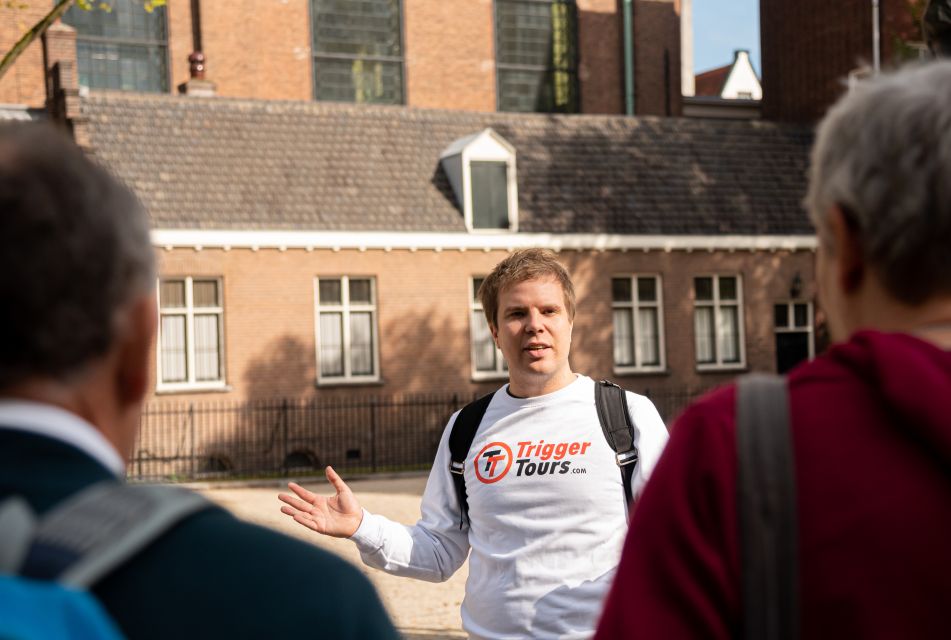
The route includes major stops such as the Old Town, Dam Square, and Anne Frank House. Even if Anne Frank House is already on your must-see list, a guided walk helps you understand how the surrounding streets and buildings shaped the experience of living here historically.
You’ll also pass through smaller, older parts of the inner city where the “Amsterdam look” starts to make sense. Think tight streets, historic church buildings, and neighborhood details that you would likely walk past on your own without realizing they’re telling you something.
From the way the tour is described, it’s not a single-file march. Your guide leads you through winding streets and alleyways and fills the walk with stories you’d probably never hear if you were just using a map app. That’s where guides like Robin, Aaron, and James seem to win people over—stops feel connected, not random.
Canals and the Flower Market: the fun Amsterdam part, timed right
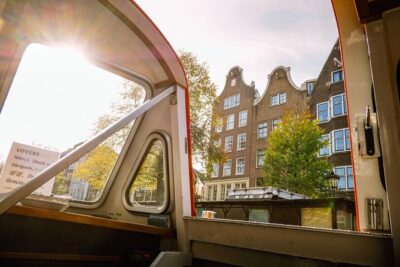
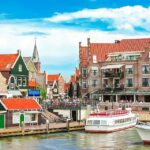
Amsterdam’s canals are famous for a reason, but they’re also easy to reduce to a photo stop. This tour helps you see them as part of how the city functioned and how people moved and traded through the inner neighborhoods.
After the Old Town section, you’ll also make time for Amsterdam’s canals and then head to the Flower Market area. The tour describes a floating street market, which is exactly the kind of place you might miss if you only have one or two afternoons and you’re trying to tick boxes.
What’s good about this stop: it’s colorful and practical. If you want a small souvenir, it’s a natural place to buy something flower-related without turning the tour into a shopping mission. If you’re not buying anything, you’ll still get that “this is Amsterdam in one scene” feeling.
Two tips for making this part of the walk work for you:
- Keep your wallet ready. The market area is easier to browse if you decide quickly if you want something.
- Don’t plan a strict timed commitment right after the Flower Market stop, since you’ll likely want a few minutes to look around.
Royal Palace, Dam Square, and Begijnhof: where the story shifts from streets to power
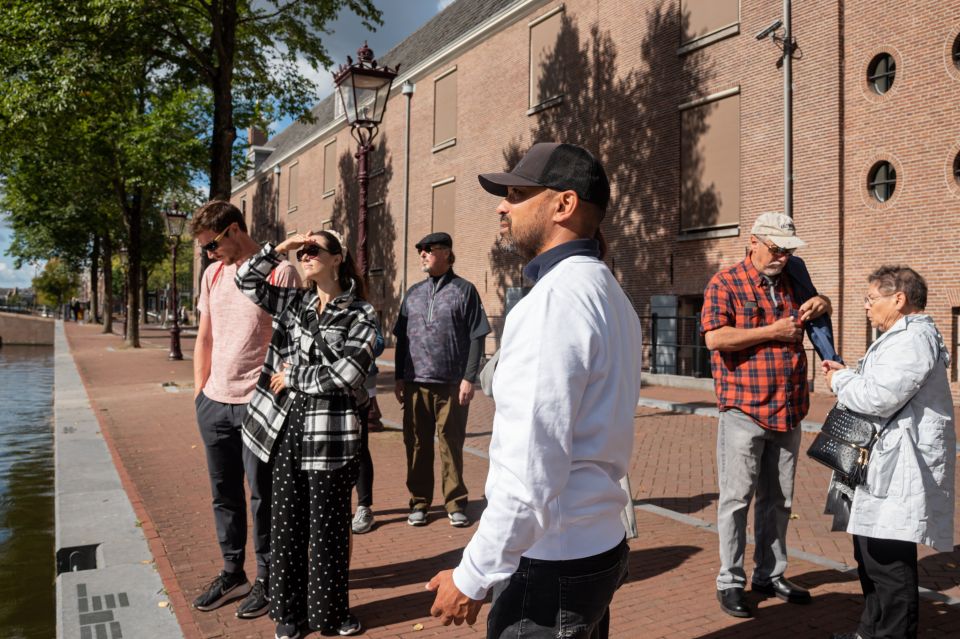
A big chunk of your walk connects Amsterdam’s everyday streets to its civic and historical center. After the Old Town portion, you’ll move toward the Royal Palace, Dam Square, and Begijnhof.
This is valuable because it prevents the tour from being just atmosphere. When you reach Dam Square and the Royal Palace area, you’re seeing locations tied to the city’s governance and public life. Begijnhof adds another layer, because it’s an older, quieter contrast to the open square energy.
In the guide style described in past experiences, this part tends to land best when your guide can explain what’s around you in plain language. People repeatedly highlighted guides who kept the walk fun and engaging while still answering questions. That matters on this stretch because it’s where you might otherwise wonder, So what exactly am I looking at here?
You can also read our reviews of more historical tours in Amsterdam






Crooked houses, Chinatown, and the narrowest street: why Amsterdam looks the way it does
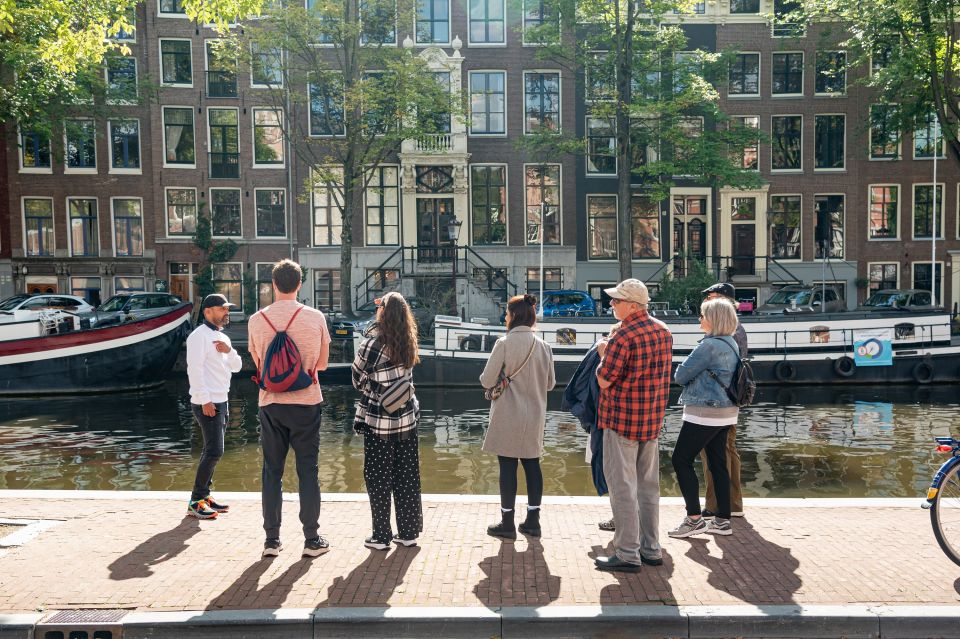
This tour doesn’t only hit the postcard buildings. It also includes the “why is this street like that?” Amsterdam.
You’ll hear about and see:
- Crooked houses
- Chinatown
- The narrowest street of Amsterdam
- The Old Church (as part of the inner-city story)
These details are more than quirky trivia. They’re clues about Amsterdam’s growth, property changes, and how the city evolved over time. A crooked façade isn’t just random; it often reflects how plots were shaped and rebuilt as the city expanded. The narrowest street isn’t just a fun fact; it shows how space and development patterns worked in the older center.
This kind of stop is also where smaller-group pacing helps. You can actually pause, look around, and ask questions without feeling like you’re slowing down a giant crowd. It’s exactly the kind of tour moment people associated with guides who have a strong storytelling style—like Aaron’s mix of history and humor, or Gio’s standout political-history angle.
The red-light district context: history you can’t get from signs alone
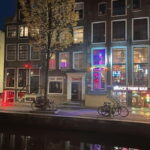
One part of the tour tackles the legalization of prostitution in the Netherlands and how that shaped Amsterdam’s red-light district over the years. This is one of those topics that’s easy to misunderstand if you only rely on street-level impressions or sensational media.
In a walking-tour setting, this theme works because you’re not just looking at the present; you’re hearing about the policy and social background that helped create what you see today. If you’ve ever wondered why something is allowed here in a way that feels different from other European cities, this is where the tour tries to answer that in a grounded way.
Practical note: if you’d rather keep your sightseeing strictly family-friendly and avoid adult-focused topics, tell your guide upfront. The tour description shows this topic is part of the planned narrative, so it’s smart to align expectations before you start.
Amsterdam’s origin story: from fishing village to trade center
Another theme running through the walk is Amsterdam’s growth—from a small place of fishing to a major center of trade and commerce. That context matters because Amsterdam’s buildings and canals don’t appear out of nowhere. They’re physical evidence of a city that attracted money, merchants, and people.
Your guide ties these origins to what you see in the center: streets that reflect older layouts, civic buildings, and neighborhoods that feel layered rather than uniform. This is the difference between a “what to see” list and a tour that helps you understand what you’re seeing.
This theme also matches what people praised in the past: guides who can explain how politics, economics, and culture shaped the city. If you’re the type who likes your sightseeing with cause-and-effect, this should feel like a strong use of your time.
Price and value: how $32 for a 2-hour walk stacks up

At $32 per person for a 2-hour tour, you’re paying for one thing above all: a guided narrative with a real local voice. The tour includes a local guide and a 1.50€ city tax per passenger.
Is it a bargain? In Amsterdam, guided walking tours are common, but what makes this one feel like good value is the combination of:
- major stops in a short time,
- a small group cap (up to 8),
- and a guide-led style that repeatedly shows up in strong customer feedback.
You’re also getting language options—English, German, and Spanish—which is helpful if your group has mixed preferences. If you want a first-day “connect the dots” experience without paying for separate tickets and hopping between far-flung neighborhoods, this price point tends to make sense.
What’s not included is food and drinks, so plan on grabbing a snack afterward. Bring water if it’s warm; inner-city walking can add up faster than you think.
Who should book this tour, and who might want a different plan
This tour fits best if you want:
- a fast orientation to central Amsterdam,
- a walk that covers several top sights (including Dam Square and Anne Frank House area),
- and a guide who explains the city’s odd details—crooked houses, narrow streets, Chinatown—so they don’t feel random.
It’s also a good match if you like Q&A. Many people highlighted guides who answered questions and adjusted to group interests. And because it’s small-group, you’re more likely to have your questions heard.
It may be less ideal if:
- you’re expecting lots of time inside museums or sites (this is a walking tour, not an entry-ticket marathon),
- you’re very sensitive to adult-topic history (the tour includes red-light district context),
- or you need a slower pace than 2 hours of city-center walking.
Should you book this Amsterdam highlights & history tour?
If it’s your first or second day in Amsterdam and you want a guided walk that turns landmarks into context, I’d book it. The small group size, the smart mix of big-name stops and street-level oddities, and the fact that the guide narrative includes topics like Amsterdam’s origins and legal history all help the time feel well spent.
If you hate walking, need museum time, or prefer to explore without any adult-topic history, you might choose a different kind of tour. But for most people trying to get their bearings quickly and learn how Amsterdam actually works—this is a strong way to start.
FAQ
How long is the Amsterdam highlights and history walking tour?
The tour lasts 2 hours.
What sights are included?
You’ll see highlights such as the Old Town, Dam Square, Anne Frank House, the Royal Palace, Begijnhof, and you’ll also walk around Amsterdam’s canals and visit the Flower Market area.
Where do I meet the guide?
Meet your guide in front of the main entrance of the Park Plaza Victoria Hotel.
How big is the group?
It’s a small-group tour limited to 8 people.
What’s included in the price?
The tour includes a local guide and 1.50€ city tax per passenger. Food and drinks are not included.
Is the tour wheelchair accessible?
Yes, the tour is listed as wheelchair accessible.