REVIEW · AMSTERDAM
Amsterdam: Allard Pierson Heritage Collections Entry Ticket
Book on GetYourGuide →Operated by Allard Pierson · Bookable on GetYourGuide
Maps, books, and ancient faces in one museum. The Allard Pierson Heritage Collections takes you through humankind’s curiosity, from writing and early print to Amsterdam’s own ties with distant goods and ideas. I especially love the map and atlas room, which makes cartography feel physical, and the plastercast attic with Greek and Roman statues. The one thing to plan around is that it’s a one-day ticket with start times, so check what slots are available before you assume you can just drop in.
No matter when you go, there’s also a temporary stop: Face to Face: The People Behind Mummy Portraits runs from 6 October to 25 February. I like how the exhibition doesn’t just show Fayum mummy portraits; it connects the painted faces (Roman Egypt, 1st to 4th century AD) to the people who studied, collected, and researched them long after the originals were made.
For the permanent presentation, the museum is built around the interaction between the ancient and modern world, and it tells a story through objects you can actually see. The ticket includes an audioguide for the plaster collections, which helps you get more from the statues without feeling stuck reading every label.
In This Review
- Key Highlights That Make This Ticket Worth Your Time
- Allard Pierson Ticket: What You Actually Get for Your $18
- Permanent Presentation: How Ancient and Modern Talk to Each Other
- Book History of Amsterdam: Local Story, Big Themes
- Cartography at Full Scale: Maps and Atlases That Change Your Sense of Space
- The Attic of Classical Plaster Casts: Where the Audioguide Helps
- Egypt and Sudan in One Visit: More Than One Stereotype
- Temporary Exhibition: Face to Face and the People Behind Fayum Portraits
- How to Plan a One-Day Visit Without Missing the Best Parts
- Value Check: Is This Ticket Worth It for You?
- Should You Book the Amsterdam Allard Pierson Heritage Collections Ticket?
- FAQ
- What does the Amsterdam Allard Pierson ticket include?
- Is the temporary exhibition included, and what dates is it running?
- How long is the ticket valid?
- Is there an audioguide included?
- What languages are available?
- Is the museum wheelchair accessible?
- What about cancellation and payment flexibility?
Key Highlights That Make This Ticket Worth Your Time

- Book history of Amsterdam you can spot in real items, from manuscripts to early industrial-style production
- One of the world’s largest map and atlas collections, with a scale that changes how you look at geography
- Plaster casts in an attic setting, including a plastercast collection of famous classical statues
- Ancient Egyptian and Sudanese collections that broaden what Egypt means in museum form
- A temporary exhibition with Roman-period mummy portraits focused on the people behind the portraits, not just the art
Allard Pierson Ticket: What You Actually Get for Your $18
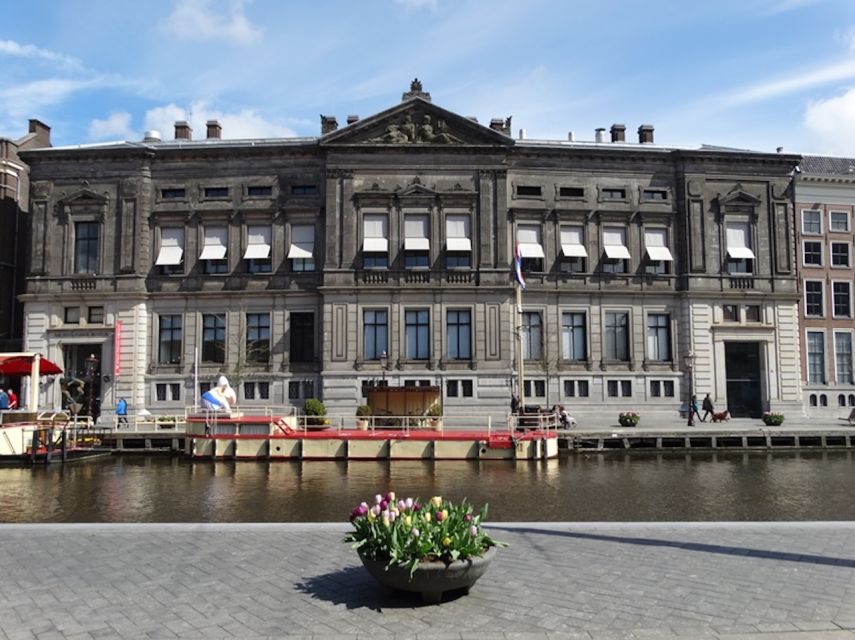
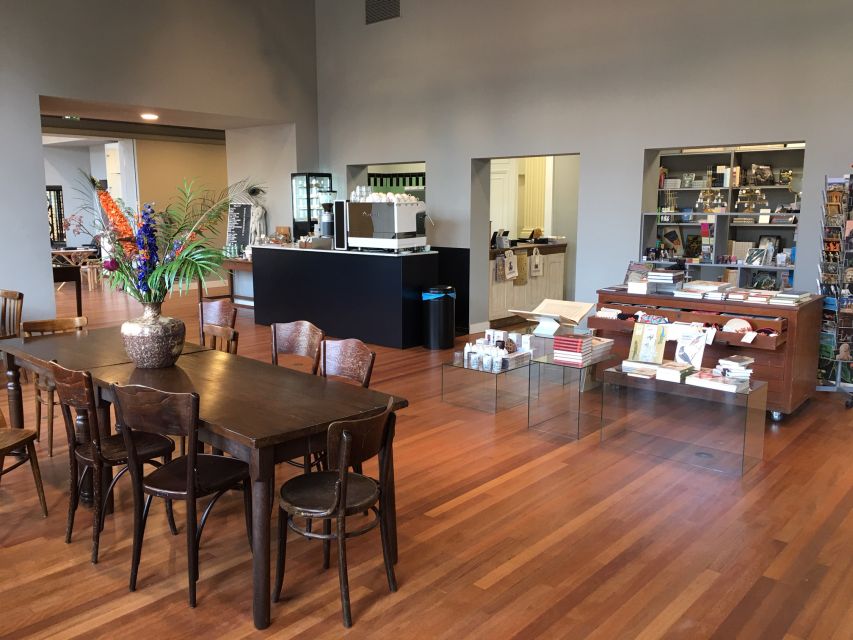
This is a straightforward museum-entry experience. Your ticket covers access to both the permanent presentations and the current temporary exhibition. It also includes the museum shop and café access, so you can break the day up instead of treating the visit like a sprint.
At around $18 per person, you’re paying for a full day of heritage collections across several big themes: archaeology, cartography, book history, church history, zoology, and more. That mix matters. Instead of one subject that you either love or tolerate, you can follow the parts that pull you in most, then let the rest fill in the gaps.
You can also go in English, and you’ll have access to an audioguide for the plaster collections. If you’re the kind of visitor who likes objects plus explanation, this setup fits well.
You can also read our reviews of more tours and experiences in Amsterdam



Permanent Presentation: How Ancient and Modern Talk to Each Other
The permanent displays are designed as a conversation, not a static timeline. You’ll see how the museum links origins of writing, early industrial book production, trade connections (including Assyrian merchants and the movement of goods), and how Amsterdam fits into the story of makers, users, and curators of culture.
What I like about this approach is that it gives your brain something to do while you walk: you’re constantly comparing how people in different eras solved similar problems. How did knowledge get recorded? How did images get reproduced? Who paid, who sold, who collected, and who kept objects alive long enough to reach us?
This can be a plus if you enjoy seeing connections. It can also be a drawback if you’re expecting a museum that stays strictly in one era. Here, you’re moving between ancient worlds and later systems of collecting and publishing.
Book History of Amsterdam: Local Story, Big Themes
One of the most interesting parts of the Allard Pierson setup is the way it frames book history as something Amsterdam actually did, not just something that happened far away.
You’ll encounter medieval manuscripts and other printed materials that show changing methods over time—how writing spread, how books were made, and how production shifted as cities and trade grew. The museum also references 17th-century atlases and books, which is a neat bridge between “reading” and “seeing the world.”
If you’ve ever wondered why maps, books, and libraries feel connected, this is where the connection starts making sense. A book isn’t only for text; it’s also a delivery system for images, ideas, and authority. Watching that evolve through objects helps you understand why Amsterdam became part of the European story of scholarship and publishing.
Cartography at Full Scale: Maps and Atlases That Change Your Sense of Space
The museum’s map and atlas collection is a headline for a reason. You’re not looking at a few decorative items. The collection is described as one of the largest in the world, and it shows through the sheer presence of the materials.
In practical terms, that means you should expect to spend time standing still. With large maps and atlases, your eyes need a moment to adjust: you scan for the regions, then you notice the style, then you start reading the logic behind how the information is presented.
My advice: don’t treat this room like a quick glance. If you rush, you’ll miss the details that make cartography feel like a form of storytelling. If you slow down, you’ll start seeing patterns—how mapmakers framed the world, what they emphasized, and how changing knowledge showed up on paper.
The Attic of Classical Plaster Casts: Where the Audioguide Helps
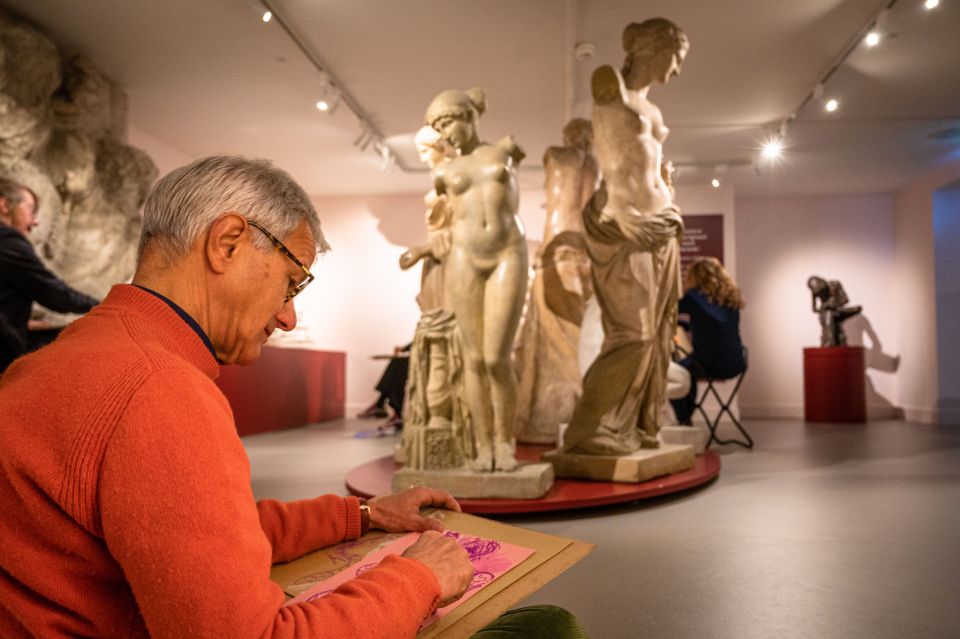
One of the most atmospheric elements is the attic with the plastercast collection from the Greek and Roman era. Plaster casts can sound like “copies,” but at the Allard Pierson they feel like a bridge. You’re looking at recognizable classical sculpture styles, and you’re seeing how institutions preserved and taught classical art through reproduction.
The ticket includes an audioguide for the plaster collections, and that’s a big help here. A few labels can only do so much. An audioguide helps you understand what you’re looking at and why the plaster casts matter in the museum’s broader story about collecting knowledge.
Practical tip: give yourself a little buffer time. This area is visual and sensory in a different way from text-heavy galleries. Even if you’re not a sculpture person, you’ll likely enjoy the quiet, “step inside the collection” feeling.
You can also read our reviews of more historical tours in Amsterdam






Egypt and Sudan in One Visit: More Than One Stereotype
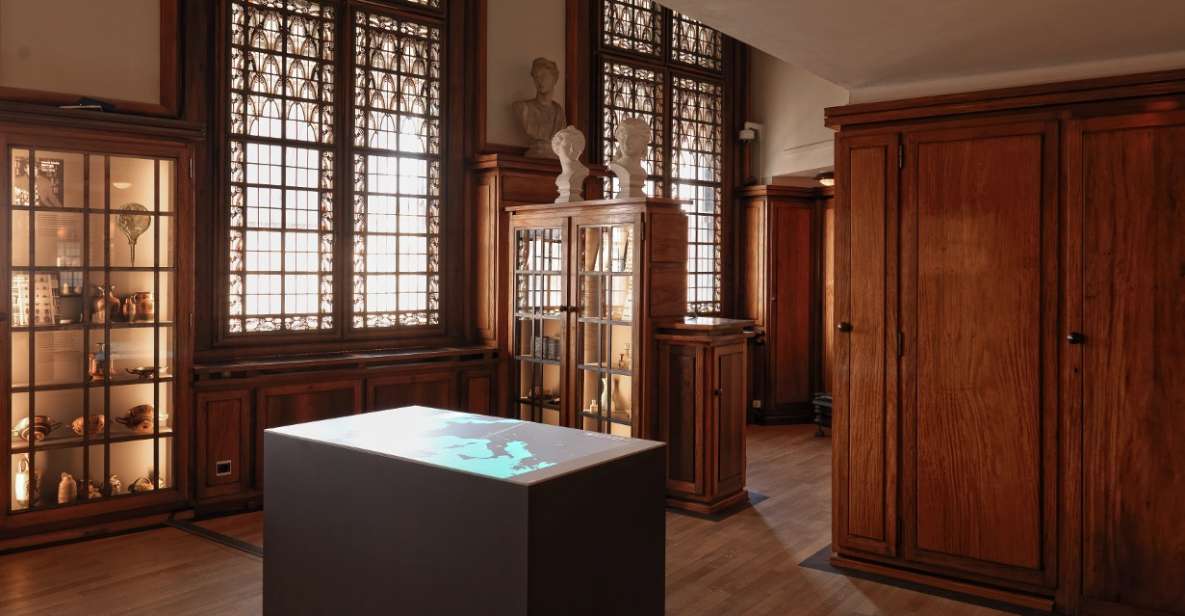
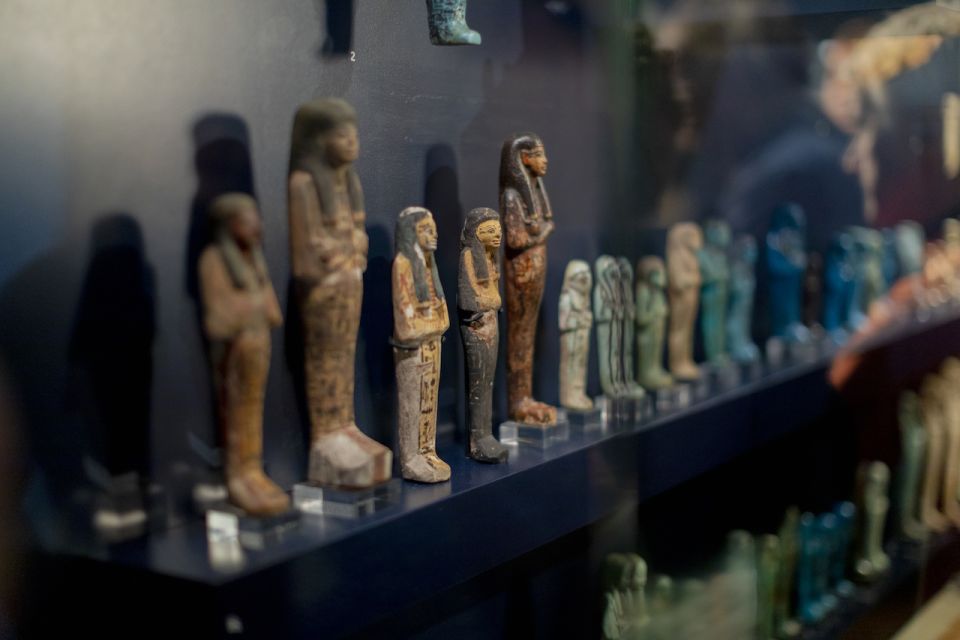
The Allard Pierson also includes Ancient Egyptian and Sudanese collections. That’s important because many museums treat Egypt as a single, fixed idea. Here, you’re more likely to notice how varied the materials and contexts can be.
I like that the museum places these alongside other world collections rather than isolating them in a separate silo. When you move from Egyptian and Sudanese objects into different themes, the museum makes you think about how people categorized, studied, and displayed cultures over time.
This isn’t the kind of visit where you just “check off” a famous civilization. You’re being encouraged to see how museum collections are built—how objects enter collections, how they’re interpreted, and how the ancient world connects to the modern systems that preserve it.
Temporary Exhibition: Face to Face and the People Behind Fayum Portraits
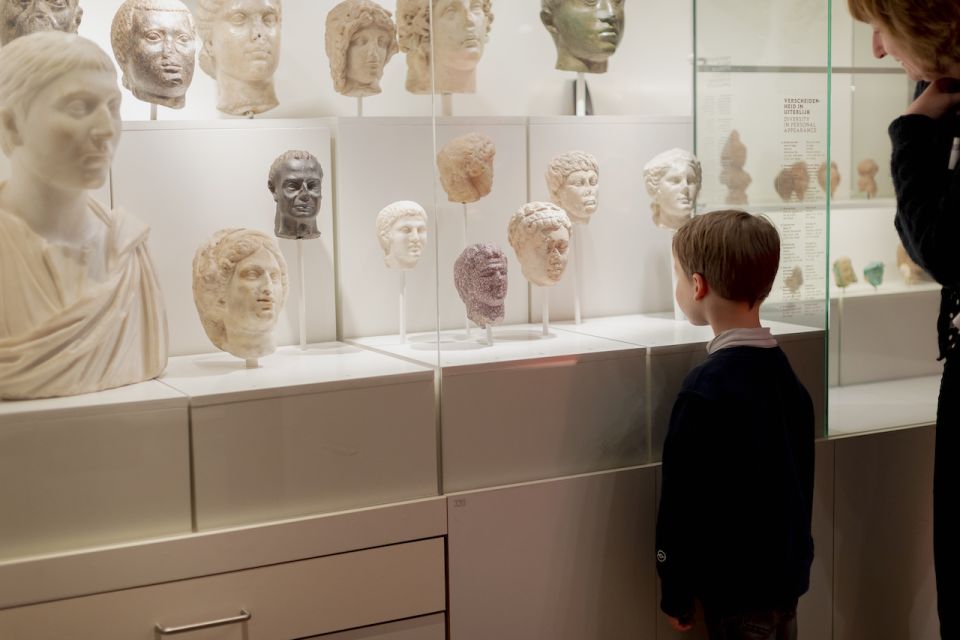
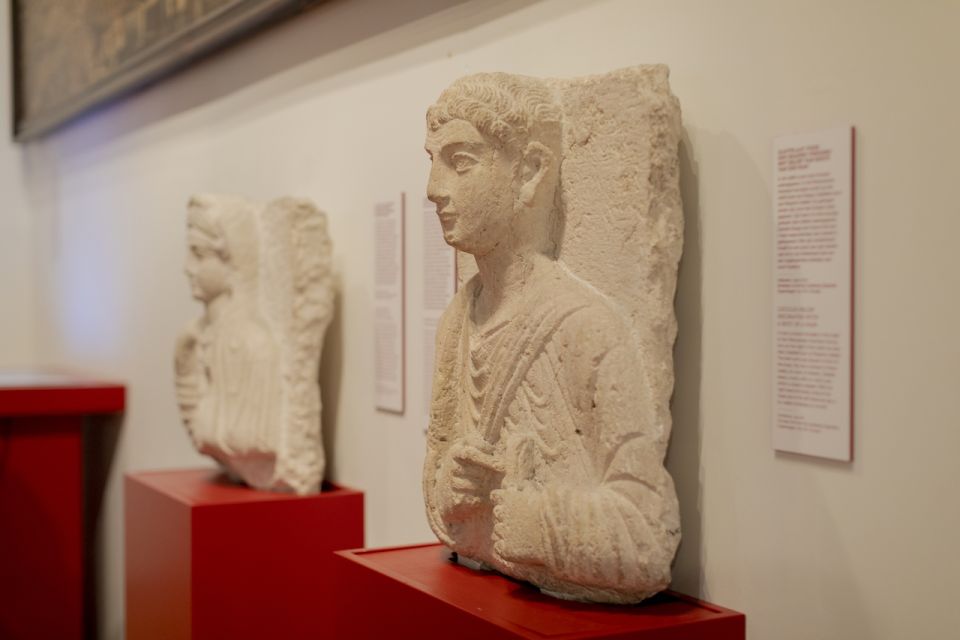
From 6 October to 25 February, your ticket adds Face to Face: The People Behind Mummy Portraits. This is the first exhibition about ancient Egyptian mummy portraits in the Netherlands, which makes it a strong draw if you want something more specific than general museum browsing.
Here’s what the exhibition focuses on: mummy portraits painted on wooden panels during the Roman period in Egypt, from the 1st to 4th century AD. These portraits are also known as Fayum portraits, named after the region where many were excavated.
The key difference is how the exhibition teaches you to see the portraits. It doesn’t stop at the faces. It connects the portrayed individuals to the people around them across time, including creators, descendants, followers, collectors, archaeologists, and researchers. The idea is simple: the portraits didn’t just survive; they were found, gathered, studied, and turned into knowledge in later centuries.
If you’re sensitive to the emotional weight of portraiture, you might want to pace yourself here. Standing in front of a face that was meant to last can hit harder than you expect.
How to Plan a One-Day Visit Without Missing the Best Parts
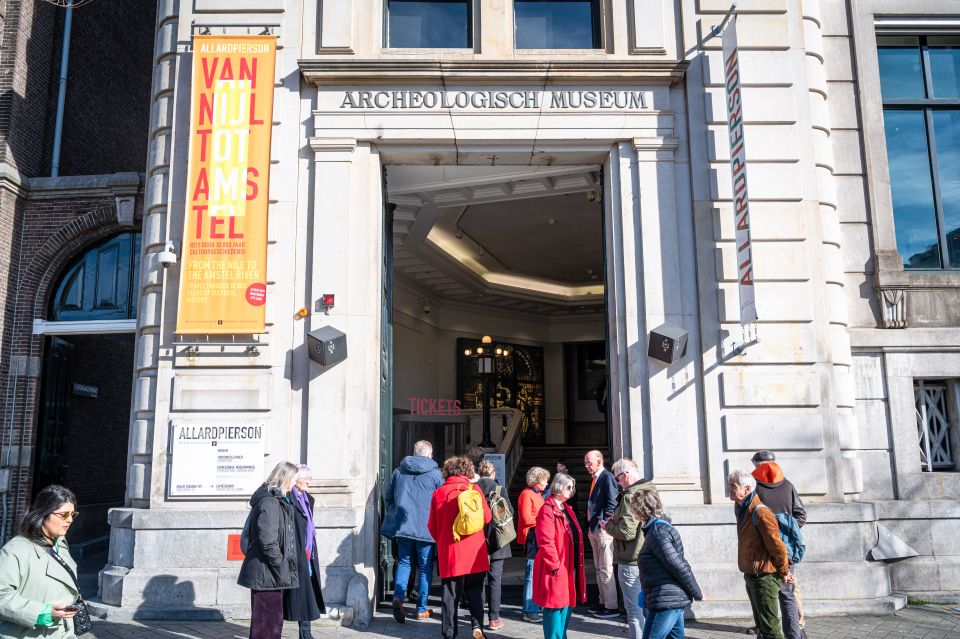
You’re working with a “valid 1 day” ticket, and the museum indicates you should check availability to see starting times. So the best plan is to commit to a slot and build the visit around that.
A simple order that works well in one day:
1) Start with the permanent sections that match your main interest (book history and maps are usually the biggest time sinks).
2) Add the plastercast attic next, while you’re still in “objects and craft” mode.
3) Use the Egyptian and Sudanese collections as the emotional or reflective pause in the middle.
4) Finish with the temporary exhibition Face to Face, so you end on something face-focused and story-heavy.
How long should you budget? The ticket supports a full day, but you’ll enjoy it more if you plan for slow looking in the maps and plaster areas. If you only have a short window inside your one day, your best bet is to prioritize maps/atlases first, then pick the other sections based on interest.
One more tip: use the café and shop break. It’s included, so take it. It keeps you from burning out before you reach the exhibitions you actually came for.
Value Check: Is This Ticket Worth It for You?
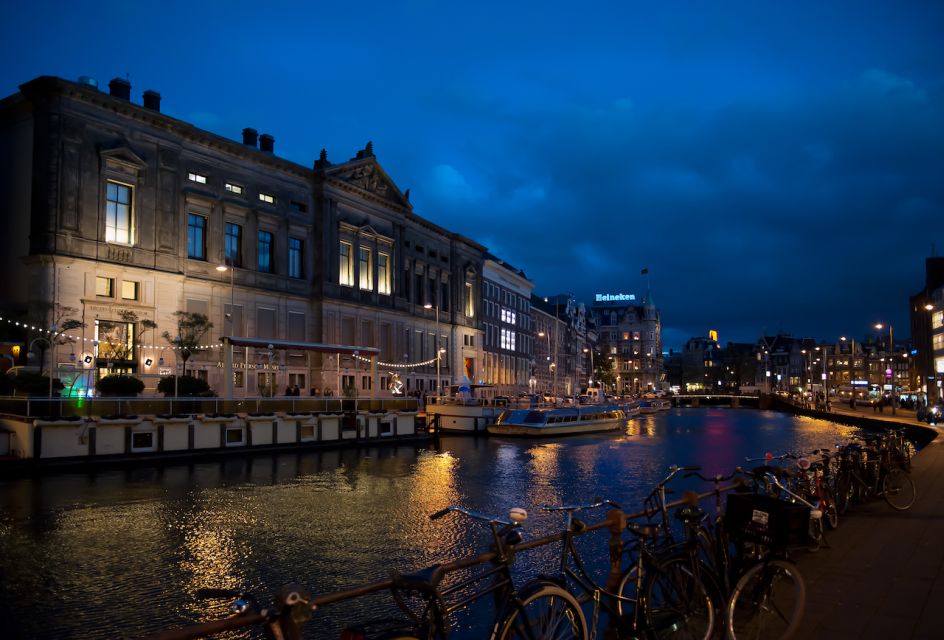
At $18, this ticket is a good value if you like museum experiences that mix disciplines. You’re not just paying for one theme. You’re paying to walk through archaeology-related objects, cartography material, book-history artifacts, and classical plaster casts—all in the same museum day.
It’s also good value because it supports different learning styles. You get normal gallery interpretation, and the audioguide is specifically included for the plaster collections. If you like reading, you’ll do fine. If you prefer hearing context, you’ll get a helpful layer for at least one of the most visually demanding parts of the museum.
Where it may not match your expectations: if you want a museum that stays narrowly focused on one era or one kind of object, the Allard Pierson’s “ancient meets modern” framing can feel broader than you want. In that case, choose your routes carefully so the bigger picture doesn’t flatten your experience.
Who this suits best:
- You enjoy maps, books, printing, and how knowledge travels
- You like museum storytelling that connects collections across time
- You want a temporary exhibition with a clear human angle (the people behind the mummy portraits)
Should You Book the Amsterdam Allard Pierson Heritage Collections Ticket?
I’d book it if you want an Amsterdam museum day that feels specific, not generic. The combination of world-scale cartography, book history, classical plaster casts, and a mummy-portrait exhibition creates a visit with both visual impact and story structure.
Choose it with confidence if you enjoy comparing how people recorded and preserved knowledge—whether on maps, in books, or through preserved faces. Skip or reconsider if you only want one narrow theme and dislike museums that connect multiple eras and disciplines.
If you’re going during the exhibition run (6 October to 25 February), the Face to Face component is a strong reason to choose this ticket over a simple permanent-collections only visit.
FAQ
What does the Amsterdam Allard Pierson ticket include?
Your ticket includes entry to the permanent presentation and the temporary exhibition, plus access to the museum shop and café.
Is the temporary exhibition included, and what dates is it running?
Yes. The temporary exhibition Face to Face: The People Behind Mummy Portraits runs from 6 October to 25 February.
How long is the ticket valid?
The ticket is valid for 1 day. You should check availability to see starting times.
Is there an audioguide included?
Yes. The audioguide included with the ticket is for the plaster collections.
What languages are available?
The host/greeter is listed as English, and the language noted is English.
Is the museum wheelchair accessible?
Wheelchair access is listed as available.
What about cancellation and payment flexibility?
Free cancellation is available up to 24 hours in advance for a full refund, and there is an option to reserve now and pay later.