REVIEW · AMSTERDAM
History & culture tour in Amsterdam with a local
Book on Viator →Operated by Guidance Travel · Bookable on Viator
Amsterdam tells its story in two hours. This local-led walk connects city origins to today’s Amsterdam in a tight route you can actually finish, not a marathon of stops. I like the small group feel, and I’m a fan of the classic Dutch Stroopwafel that makes the learning stick.
The only real consideration is that it’s still a walking tour. Expect roughly 2 to 2.5 hours outdoors on city streets, so wear shoes you trust on uneven ground.
If you want context for the places you’ll see anyway, this is a smart first-day style plan. English is offered, the route is capped at 15 people, and guides like Manouk and Malik are known for tailoring when you book in a private format.
In This Review
- Quick hits: What makes this Amsterdam walk worth it
- Beursplein to Dam Square: Origins of Amsterdam and the Dam’s big moments
- Begijnhof: A quiet courtyard that teaches Amsterdam tolerance
- House on the Three Canals: Where bicycles and engineering meet
- Nieuwmarkt: Waag’s gatehouse past, guild power, and the dancing houses
- Zeedijk: Chinatown’s 1970s danger to today’s favorite street
- Centraal Station: Why Amsterdam’s connection symbol still works
- Price and practical expectations: Is $30.07 good value?
- Who should book this Amsterdam history walk
- Should you book this Amsterdam history tour?
- FAQ
- How long is the walking tour?
- What is the price per person?
- Is the tour offered in English?
- Where does the tour start?
- How many people are in the group?
- Are there admission tickets required for the stops?
- Is a Stroopwafel included?
- Do I get a mobile ticket?
- Can I cancel for free?
- Is the tour near public transportation and are service animals allowed?
Quick hits: What makes this Amsterdam walk worth it
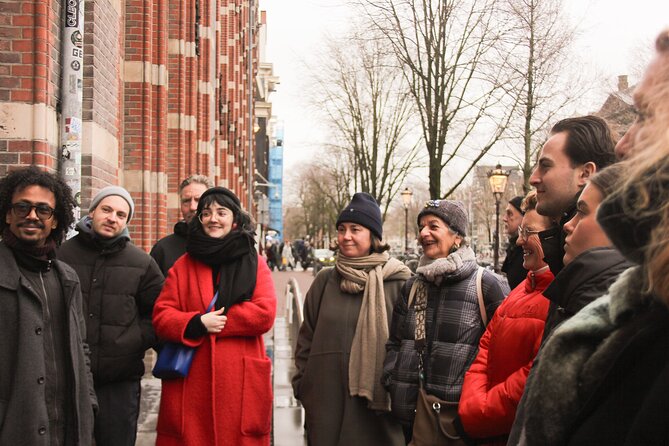
- 7 focused stops that move from origins to landmarks to neighborhood history
- Stroopwafel included, so you get a quick Dutch break during the story
- Small group size (max 15) keeps the pace friendly and questions possible
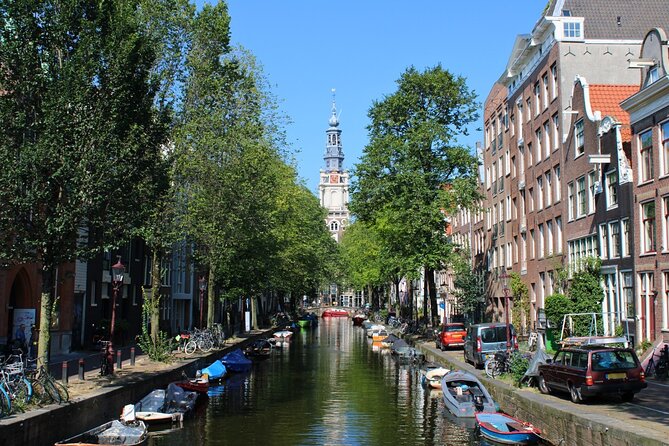
- Canal-area details like a house on three canals and a bicycle bridge moment
- Clear WWII and tolerance themes, not just dates and names
- Beautiful architecture at the end at Centraal Station, where the city’s connections feel real
Beursplein to Dam Square: Origins of Amsterdam and the Dam’s big moments
You start at Beursplein, a practical launch point that quickly sets the tone. From here, you get the behind-the-scenes idea of how Amsterdam grew: it began as a fishing village, then shifted into a center of global trade by the 17th century. The story matters because it explains why Amsterdam feels built for movement—money, goods, and people all flowed through this place.
Then you move to Dam Square, and the energy changes. This is where Amsterdam’s civic power shows up in stone and ceremony. You’ll learn what Dam Square meant for the city’s formation, and you’ll get a closer look at the Royal Palace on the Dam. If WWII is part of your Amsterdam questions, this stop adds context for the square’s role during the conflict—so the landmark feels historical, not just decorative.
A nice bonus here is that both stops are short. Each one is designed as a “you’ll get the main idea fast” moment, which is great if you don’t want your first Amsterdam morning to turn into a history lecture marathon. If you’re arriving with that classic first-day feeling—too many canals, too little time—this section helps you get your bearings fast.
You can also read our reviews of more historical tours in Amsterdam



Begijnhof: A quiet courtyard that teaches Amsterdam tolerance
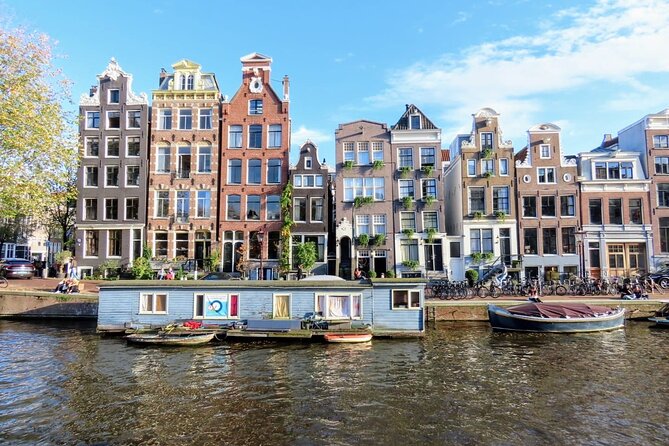
Begijnhof is the palate cleanser in the middle of the walk. You’ll step into a serene courtyard setting that makes the religious and social story easier to absorb. This stop is all about religious history and what it reveals about Amsterdam’s tolerance—the idea that the city could hold different beliefs and communities within its walls.
You’ll also see some of the oldest surviving residential character in the area, including one of the oldest houses in Amsterdam and the presence of two wooden cottages. These details help the courtyard feel lived-in, not museum-like. And that’s the trick with Begijnhof: it’s not only a place to look; it’s a place to slow down and notice how architecture and community worked together.
One small drawback: because it’s quiet, it can feel like a “respect the space” stop. Keep your voice down and give yourself a minute to stand back and take it in. If you’re the type who loves photos, you’ll still get plenty—but plan to pause and not just snap and move on.
House on the Three Canals: Where bicycles and engineering meet
Next you’ll hit the House on the Three Canals area, and this is the kind of Amsterdam detail that makes you look twice. The whole point of the stop is the house itself—positioned where three canals meet—plus the story behind the nearby bicycle bridge.
This is one of those moments where Amsterdam’s practical genius shows up. The tour doesn’t just say canals are important. It points you toward how everyday movement worked (and still works) in a city where water is everywhere. The bicycle bridge detail also helps you connect the city’s design with modern life, so your walk feels like it covers both the past and the present.
Time here is short, so you’ll want to stay alert. Stand where your guide tells you and watch the lines of the canals. It’s the kind of stop where you can either pass through and miss the point—or spend a few focused minutes and come away with a clear mental image.
Nieuwmarkt: Waag’s gatehouse past, guild power, and the dancing houses
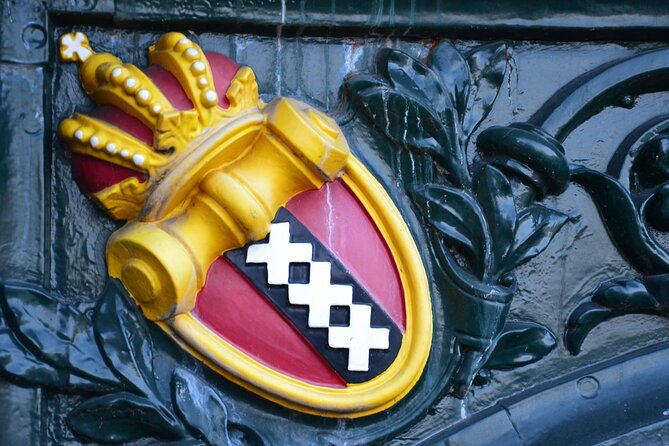
At Nieuwmarkt, the story pivots toward how Amsterdam ran its economy. You’ll learn about the Waag, which started as one of the old city gates and later became a guild hall. That guild angle matters because it explains how craftsmanship and organized trades shaped city life. In other words: Amsterdam wasn’t only powered by merchants; it was shaped by systems that organized work and reputation.
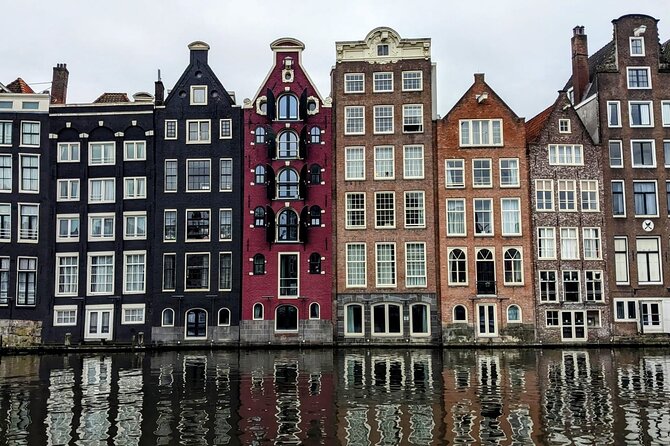
You’ll also look at the dancing houses—an Amsterdam-famous visual oddity—and connect it back to the street’s character. These buildings are the kind of thing you can spot from a distance, but the tour helps you understand why they matter in context, not just why they’re interesting to look at.
There’s another reason this stop works well for value: it ties history to visible things you can keep noticing after the tour. Once you learn what the Waag represents and why guilds mattered, you start reading the city differently on your own—street corners feel like they have jobs and identities, not just views.
If you’re short on time in Amsterdam, the Nieuwmarkt section is a strong mid-walk anchor.
Zeedijk: Chinatown’s 1970s danger to today’s favorite street
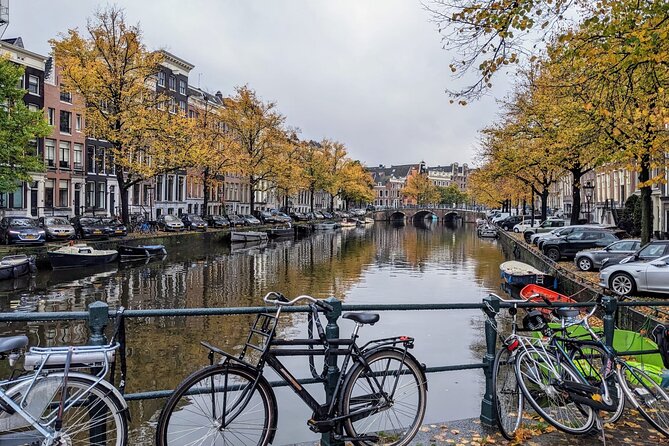
Then you go to Zeedijk, where Amsterdam’s history gets personal and uncomfortable—in a useful way. You’ll discover Chinatown here and learn that it was once considered the most dangerous area in Amsterdam during the 1970s. The tour doesn’t leave it there. You’ll also hear about the neighborhood’s decline and how the street transformed into one of the favorite spots for many Amsterdammers.
What I like about this stop is that it treats neighborhood history like a real story, not a trivia footnote. It helps you understand that city areas change due to social forces, not because of magic or luck. That’s exactly the kind of context that makes your later wandering more meaningful.
A small practical note: this is also a lively street setting. Stay aware of your surroundings and keep your group together while your guide gives you the background. If you plan to grab food or coffee afterward, you’ll be ready—because you’ll know what you’re standing on and why people keep returning.





Centraal Station: Why Amsterdam’s connection symbol still works
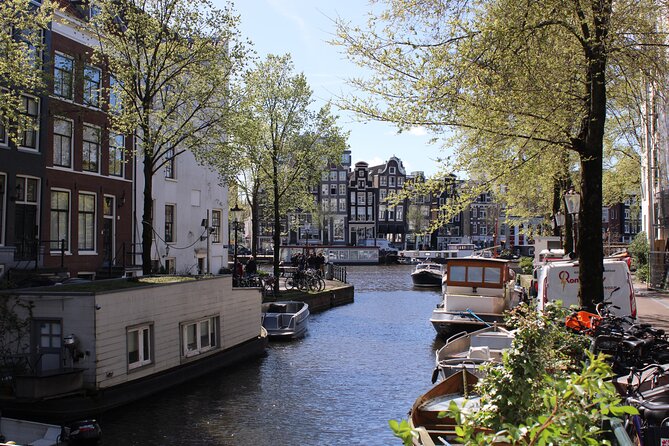
You wrap up at Centraal Station, and it’s a strong finish. The building is stunning, but the tour makes it more than a pretty backdrop. You’ll hear why the station’s location played a crucial role for centuries as a transportation hub, and why it became a historical symbol of connection and prosperity.
This stop is useful if you want a final “so what?” to close the loop. The earlier stops covered how Amsterdam became a global economy and how movement shaped the city. Centraal Station brings that theme into one place you can actually imagine working every day.
Also, the timing here fits the flow. After a couple hours of standing, learning, and walking, you end at a landmark where you can pause, look around, and feel like you’re done in the best way possible. If you’re continuing your day, you’re also in a practical position to move on.
Price and practical expectations: Is $30.07 good value?
At $30.07 per person for about 2 hours (often described as 2 to 2.5), this is the kind of price that works for people who want depth without paying museum ticket prices. The stops you visit are listed as admission ticket free, so most of what you’re paying for is the guide’s storytelling and the route design.
The small group matters here. With a maximum of 15 people, you’re less likely to feel like you’re shouting over a crowd, and you can actually follow the thread of the explanation. If you’re the type who likes to ask one question and get a real answer, that group size helps.
A couple details that make the experience easier on your life: it uses a mobile ticket, confirmation comes at booking, and it’s near public transportation. Service animals are allowed too. In real terms, that means less fuss before you start and fewer logistics headaches once you arrive.
One more value factor: the Stroopwafel. A sweet break might sound small, but it turns the tour into something you’ll remember with your senses, not only your brain. In the guide feedback I’ve seen, people mention a thoughtful treat at the end or along the way—either way, it gives the route a “finish feeling” instead of a stop-and-go experience.
Who should book this Amsterdam history walk
This walk is a great fit if you want an organized way to see Amsterdam’s highlights without relying on guidebooks alone. I’d especially recommend it if you’re:
- a first-timer who wants the city’s big themes in a manageable time window
- someone who likes canal-area details and neighborhood history, not only royal monuments
- a history lover who also wants a human, readable pace
It’s also good for people planning a longer day after the tour. You end at Centraal Station, which gives you an easy way to continue.
If you hate walking or you only want museum-style indoor stops, this might feel too outdoorsy. And if you’re already an Amsterdam history expert, you may crave longer stops or deeper reading elsewhere. But for most visitors trying to balance time and meaning, this hits a very practical sweet spot.
Should you book this Amsterdam history tour?
Yes—if your goal is to understand Amsterdam fast and you like a guide who connects landmarks to real stories. For the price, the combination of seven free, meaningful stops, a Stroopwafel break, and a small-group walking format is a solid deal.
I’d book it especially on your first or second day, when you still need structure to make the city click. Then you can wander later with better instincts—knowing which streets are worth slowing down on and what you’re actually looking at.
FAQ
How long is the walking tour?
It takes about 2 hours (roughly 2 to 2.5 hours).
What is the price per person?
The price is $30.07 per person.
Is the tour offered in English?
Yes, it’s offered in English.
Where does the tour start?
The tour starts at Beursplein, 1012 JW Amsterdam, Netherlands.
How many people are in the group?
The tour has a maximum of 15 travelers.
Are there admission tickets required for the stops?
No. The listed stops are admission ticket free.
Is a Stroopwafel included?
Yes. You’ll enjoy a classic Dutch Stroopwafel as part of the experience.
Do I get a mobile ticket?
Yes, you receive a mobile ticket.
Can I cancel for free?
Free cancellation is available up to 24 hours in advance for a full refund.
Is the tour near public transportation and are service animals allowed?
It’s near public transportation, and service animals are allowed.