REVIEW · AMSTERDAM
Financial History Tour
Book on Viator →Operated by Historical Amsterdam Tours · Bookable on Viator
Money talks in Amsterdam. This Financial History Tour uses real places around the Dam to explain how trade, credit, and even tulip speculation shaped the city’s culture—and how that money brain kept evolving long after the first coins were minted. You start with the exchange-era landmark Beurs van Berlage, then keep moving into the places where Amsterdam stored records and stories about making fortunes.
My favorite part is the guide factor: Tijs de Boer brings the ideas down to street level, with insights and practical local hints that make the rest of your trip easier. I also like that you get plenty of chances to stop for photos, because the walk includes photo stops at recognizable landmarks and the kind of corners you’d miss if you were just speed-walking on your own.
One drawback to consider: it’s built for people with moderate walking fitness. You’ll be on your feet for about 2.5 hours, so bring comfortable shoes and don’t expect a sit-down, lecture-in-a-room style tour.
In This Review
- Key highlights worth planning for
- Following Amsterdam’s money trail from Beurs van Berlage
- Stadsarchief Amsterdam: where archives meet the financial mindset
- The financial heart of Amsterdam: merchants, bubbles, and blame
- Hidden gems and iconic photo moments (without feeling staged)
- Private, flexible, and easy to fit into a day
- Price and logistics: what $390.50 per group really means
- What you’ll learn (and how it changes the way you see Amsterdam)
- Getting the most from the walking route (and where it lets you keep exploring)
- Who should book this Financial History Tour?
- Should you book it?
- FAQ
- How long does the Financial History Tour last?
- How many people can join my group?
- Is the tour offered in English?
- Where do we meet and where does the tour end?
- Is admission included for the stops?
- Do I need to bring a printed ticket?
- What if I need to cancel?
Key highlights worth planning for
- Private and flexible for your group only, with time for questions and photo moments
- Tijs de Boer’s storytelling—clear explanations, plus local tips that go beyond the route
- Beurs van Berlage as a smart starting point for understanding Amsterdam’s exchange culture
- Stadsarchief Amsterdam’s archive setting—bank-building vibes with stories in the basement
- Tulip Mania and the floating flower market connection for the “financial bubble” moment
- A route that ends near Rokin and leaves you well-placed to keep exploring
Following Amsterdam’s money trail from Beurs van Berlage
The tour kicks off at Bistro Berlage, right by Beursplein, and that’s a good move. Beurs van Berlage isn’t just an attractive building—it’s a perfect launchpad for the whole theme. Amsterdam grew powerful because people here figured out how to trade, fund voyages, insure risks, and move ideas around faster than most cities. Starting at an exchange building gives you instant context: you’re not just learning dates and names, you’re standing where money culture became architecture.
Expect the guide to set the tone early, with a simple idea that keeps paying off as you walk: in Amsterdam, money wasn’t only about wealth. It shaped what the city built, how it organized information, and how it attracted merchants who needed trust and paperwork.
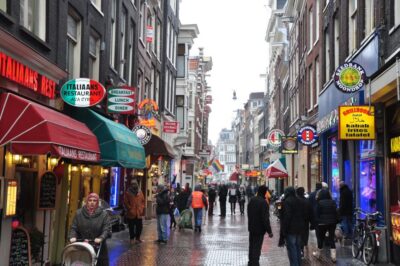
Also, this is a walking tour, not a museum-only day. You’ll get “hidden gem” style views along the way, which is exactly how Amsterdam works best—by moving through the streets and seeing how neighborhoods and institutions sit next to each other. It’s a city where finance is part of the background noise, and the tour turns the volume up.
You can also read our reviews of more historical tours in Amsterdam



Stadsarchief Amsterdam: where archives meet the financial mindset
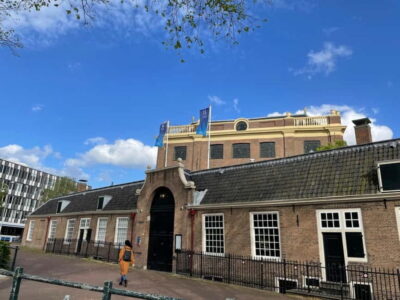
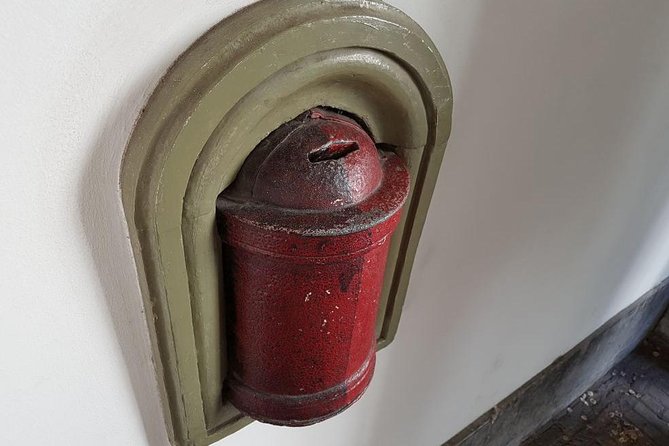
Next you head to Stadsarchief Amsterdam. This stop is short—about 10 minutes—but it’s carefully chosen. The idea isn’t to linger in a hallway. It’s to show you that in a place like Amsterdam, money leaves a trail. And the city learned that if you want deals to last, you need records.
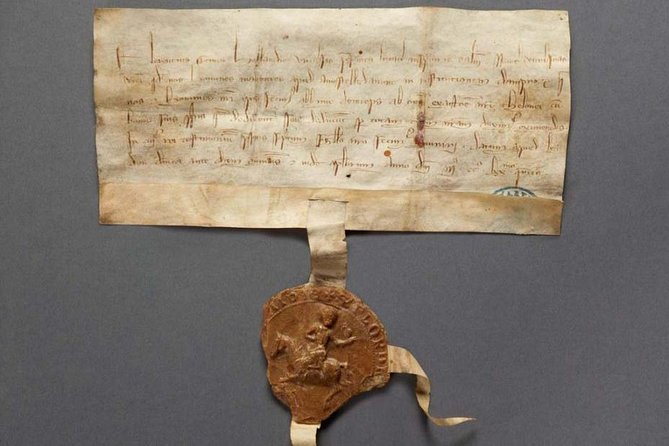
You also get a neat contrast: Stadsarchief Amsterdam is described as the basement revealing a treasury of the city’s archives. That “basement reveal” matters because it changes how you think about history. Instead of history being something behind velvet ropes, here it’s stored, cataloged, and preserved like a working tool.
And yes, admission is included for this stop, which is always a nice practical win. You’ll finish this phase with a clearer picture of who held power—often people who could read, write, verify, and document the money world.
If you’re wondering why this is useful, here’s the travel value: when you later see canals, warehouses, church-related wealth, or old merchant homes, you’ll have an extra lens. You’ll be able to ask, What made their system work? Who kept the paperwork? Who controlled information?
The financial heart of Amsterdam: merchants, bubbles, and blame
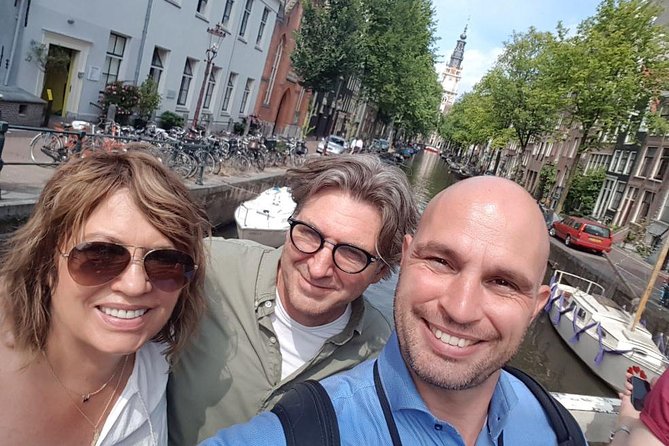
After the archive stop, the tour shifts into storytelling. This is where you get answers to the questions that sit behind the buildings: who were the rich merchants, how did they make their money, and why did people keep believing in big promises?
The tour frames Amsterdam as the historical—and financial—heart of the system. That doesn’t mean it was perfect. It means Amsterdam became a place where innovation and risk-taking were normal, and where the line between smart investing and speculation could get thin.
One of the big “how did this happen?” moments is the first economic bubble. You’ll learn about Dutch Tulip Mania, tied to the Amsterdam floating flower market. Even if you’ve heard the basic story before, the tour format helps because you’re connecting the idea to place. When speculation gets explained while standing in a city where trade traditions still show up in daily life, it lands differently than a textbook version.
This section is also where you’ll likely get the most conversation with your guide. A good guide doesn’t just recite the “bubble” headline. He’ll connect it to human behavior—why people chase gains, how belief spreads, and what happens when the market turns.
Hidden gems and iconic photo moments (without feeling staged)
The tour promises hidden gems, and you’ll feel that in the pacing. It’s not only grand monuments. It’s the mix: one moment you’re near a recognizable landmark, the next you’re turning onto calmer streets where you can actually see how Amsterdam functions day to day.
Expect plenty of opportunities for photos at some of Amsterdam’s most iconic locations. The best part is that you’re not getting yanked around on a rigid schedule. Since it’s private, you can take a beat, step aside, and shoot without the “move along” pressure you get on group tours.
If you like photos but hate wasting time, here’s how to use the structure: keep your phone ready during the iconic-location moments, but don’t forget to look down as well. Old Dutch buildings show their age in details—brickwork, canal-side edges, signage, and the way the streets curve. The tour’s walking style makes it easier to catch those small, satisfying shots.
Private, flexible, and easy to fit into a day
This is a private tour/activity. Only your group participates, which gives you two practical advantages: you move at a pace that works for you, and you can ask follow-up questions without feeling like you’re holding up 20 strangers.
The duration is about 2 hours 30 minutes. That’s long enough to build a coherent story (exchange buildings → archives → merchants and bubbles), but short enough that you won’t feel like you’ve committed your entire afternoon to the topic.
Language is English, and you’ll get a mobile ticket. That matters more than it sounds. In Amsterdam, where you’re constantly hopping between streets and transit stops, having everything in your phone keeps the day smoother.
You’ll also see that the tour is near public transportation. That’s a quiet benefit: even if you’re running a bit late from a museum or a café stop, getting back on track is usually easier when you’re close to transit options.
One more planning note: this tour is commonly booked about 28 days in advance. If this theme is high on your priority list, it’s smart to grab a slot earlier rather than hoping for last-minute availability.






Price and logistics: what $390.50 per group really means
The price is $390.50 per group (up to 10) for the whole tour. That means the “real” cost depends on how many people are in your group. If you max it out at 10, it works out to about $39 per person. If you’re just a couple, it’s more like the whole cost spread across fewer people—but in exchange you get true private pacing.
So I’d think of the value like this:
- You’re paying for a guide who can tailor the conversation (private format).
- You’re paying for a route built around specific financial storytelling stops (not generic sightseeing).
- You’re not paying extra entry fees at least at Stadsarchief Amsterdam, and Beurs van Berlage start is described as free admission for the stop.
There’s also the built-in time value. A well-guided 2.5-hour walk can beat piecing together your own “finance-themed Amsterdam” day, because you don’t have to connect the dots yourself. The guide does it for you, and you get the context while standing in the right places.
What you’ll learn (and how it changes the way you see Amsterdam)
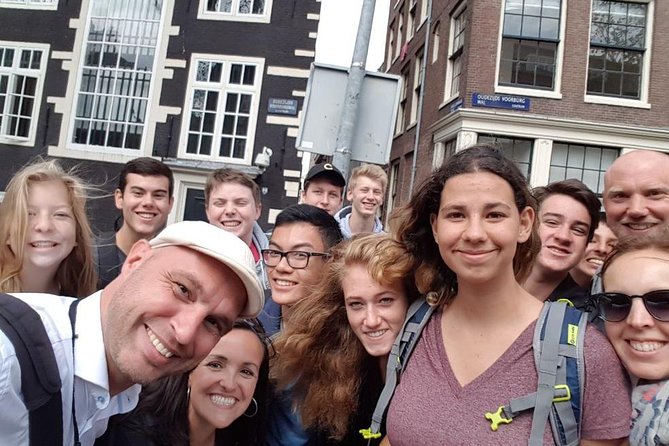
If you’re into culture that runs on systems—trade networks, information flow, risk, and trust—this tour fits nicely. It takes financial ideas and makes them spatial. Instead of thinking of Amsterdam as just canals and bikes, you’ll start noticing how the city’s institutions are built to support deal-making.
Here are the concepts the route is built to reinforce:
- Exchange culture: money needs a place and a structure, not just a bank account.
- Archives and verification: records turn speculation into something that can be tracked.
- Merchant power: wealth wasn’t random; it grew through trade and connections.
- Bubbles as a repeatable human story: Tulip Mania shows the psychology of overconfidence.
A nice touch from the guide quality (especially with Tijs de Boer) is that the tour doesn’t stop at facts. You get local hints on “any and everything,” which often means recommendations that help you keep exploring after the tour ends.
Getting the most from the walking route (and where it lets you keep exploring)
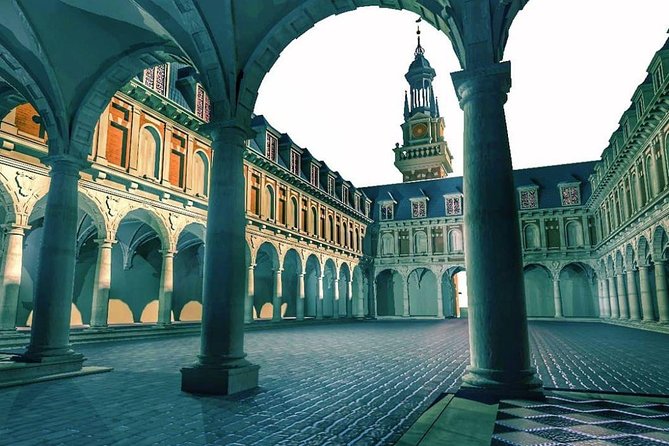
The meeting point is Bistro Berlage, Beursplein 1, 1012 JW Amsterdam. The tour ends at Rokin 24HS, 1012 KS Amsterdam, and it’s about 500 meters from where you started, on the other side of the Dam.
That end point is practical. Rokin is a major thread through central Amsterdam, so after the tour you can keep moving—shopping, wandering toward the canal areas, or linking up with whatever museum or neighborhood you planned next.
For the best experience, I’d suggest:
- Wear comfortable shoes. Even “moderate fitness” still means real walking time.
- Bring a charged phone or camera. The tour is built with iconic photo moments in mind.
- Keep a question ready. The money theme is broad, and your guide can steer it toward what you care about most.
Who should book this Financial History Tour?
Book it if you:
- Love Amsterdam and want a deeper explanation than just architecture and street views
- Like stories that connect money to everyday city life
- Want a private format with an English guide and room for questions
You might skip it if:
- You’re not in the mood for finance-focused storytelling
- You prefer long museum stops over a walking format
- You want a purely visual, minimal-explanation tour (this one is built around ideas)
The guide-driven element really helps here. When you get someone like Tijs de Boer—clear, insightful, and generous with local advice—the topic feels more like a city walkthrough than a lecture.
Should you book it?
If you’re curious about why Amsterdam became a financial powerhouse—and how that power shaped culture, records, and even famous speculation stories—this is a smart way to spend 2.5 hours. The private setup is a real advantage, the route connects key stops without dragging, and the guide quality is clearly the standout.
My call: I’d book this if you want Amsterdam with explanations that stick. It’s not just sightseeing. It’s a money story told in the streets, where the buildings help you understand the plot.
FAQ
How long does the Financial History Tour last?
It runs for about 2 hours 30 minutes.
How many people can join my group?
It’s priced per group for up to 10 people, and it’s private, so only your group participates.
Is the tour offered in English?
Yes, it’s offered in English.
Where do we meet and where does the tour end?
You meet at Bistro Berlage, Beursplein 1, 1012 JW Amsterdam. The tour ends at Rokin 24HS, 1012 KS Amsterdam, about 500 meters from the starting point across the Dam.
Is admission included for the stops?
Beurs van Berlage is listed as free admission for the stop. Stadsarchief Amsterdam has admission included.
Do I need to bring a printed ticket?
No. You get a mobile ticket.
What if I need to cancel?
You can cancel up to 24 hours in advance for a full refund. If you cancel less than 24 hours before the start time, the amount paid is not refunded.