Cracks turn to gold in Amsterdam. In this Kintsugi workshop, you’ll repair broken pottery using gold leaf glue, turning damage into something intentional and beautiful. You’ll also follow a process inspired by wabi-sabi, so it’s not just a craft class.
I especially love the way the session starts serenely and then shifts into real, practical hands-on work. The symbolic plate break is simple, but it sets the tone fast: you’re creating a fresh start, not covering up a mistake. Another standout for me is the small group size, which keeps the attention focused on your pace and your hands.
One thing to consider: you should be ready for careful, steady fine-motor work, and it’s not suitable for children under 10. If you’re expecting a casual walk-through, this workshop asks for a bit of patience.
In This Review
- Key highlights at a glance
- Kintsugi in Amsterdam: Why This 2-Hour Class Feels Different
- Where to Meet and How the Timing Works (Paleisstraat is the key)
- What Happens First: The Quiet Introduction and the Plate-Break Moment
- The Hands-On Part: Reassembling Shards with Golden Leaf Glue
- Why Wabi-Sabi Lessons Land in Your Daily Life
- What You Get (and What You Don’t): Materials Included, Tea Not Included
- Price and Value: Is $90.11 Worth It?
- Who This Workshop Fits Best (and Who Should Skip It)
- Practical Tips to Get the Best Experience in 120 Minutes
- The Real Test: Should You Book This Kintsugi Workshop in Amsterdam?
- FAQ
- FAQ
- Is the Kintsugi workshop in English?
- How long is the workshop?
- What is included in the price?
- Where does the workshop start?
- What days and times does it run?
- Is there a group limit?
Key highlights at a glance
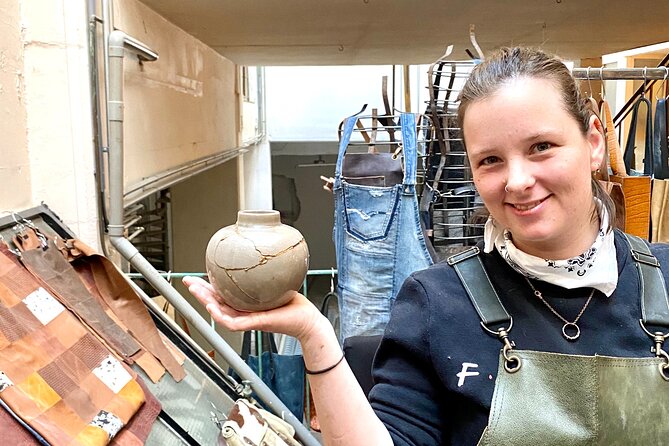
- Guided by Annelies with a calm, welcoming approach that helps you focus
- Small group of up to 6 so you actually get hands-on help
- Symbolic break, then repair to match the wabi-sabi theme
- Golden leaf glue used to emphasize cracks as part of the design
- All materials provided so you can show up and start immediately
Kintsugi in Amsterdam: Why This 2-Hour Class Feels Different
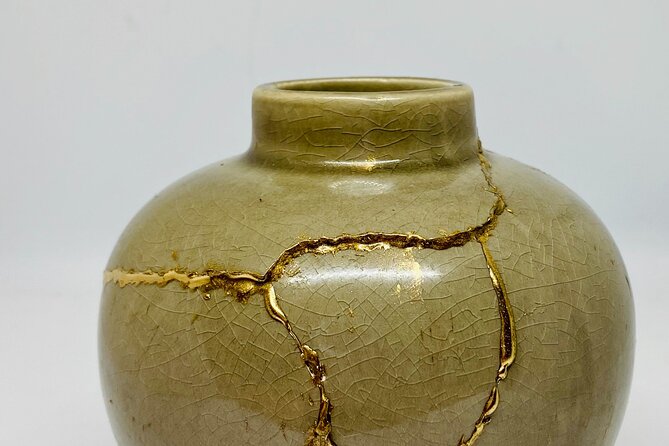
Kintsugi is famous for one reason: it treats breakage as part of the object’s story. Instead of hiding cracks, the repair becomes visible—often with gold accents that make the damage look deliberate. In this Amsterdam workshop, that idea lands quickly because you’ll do the steps yourself rather than just watching a demo.
The wabi-sabi angle matters here. You’re not only learning technique; you’re practicing a mindset: slow down, re-align the pieces, and treat what happened as material you can work with. That’s why the experience tends to stick with people after the workshop ends.
It’s also a nice fit for today’s design taste. The look is minimal, warm, and honest: natural materials, visible joins, and craftsmanship you can actually see. For $90.11, you’re buying time with an art form, the tools to try it, and a guided process that makes it feel achievable—not mysterious.
You can also read our reviews of more tours and experiences in Amsterdam


Where to Meet and How the Timing Works (Paleisstraat is the key)
You’ll meet at Paleisstraat 107, 1012 ZL Amsterdam. The class ends back at the same meeting point, so you’re not hunting across town after your hands are sticky with glue and leaf.
This is offered in English, and it’s a mobile-ticket setup. So if you’re used to smartphone check-ins while traveling, you’re in familiar territory.
The schedule provided is for Wednesdays, 2:00 PM to 4:00 PM in two date ranges:
- 11/09/2025 to 01/31/2026
- 11/09/2026 to 01/31/2027
If you like planning ahead, take note of the booking pattern too: this workshop is on average booked about 90 days in advance. That’s a good sign that it’s popular and that dates can fill up.
What Happens First: The Quiet Introduction and the Plate-Break Moment
The workshop tone is intentionally calm at the start. You’re not thrown into chaos. Instead, you get set up with an understanding of what Kintsugi is doing emotionally and artistically—repair as a form of meaning, not erasing.
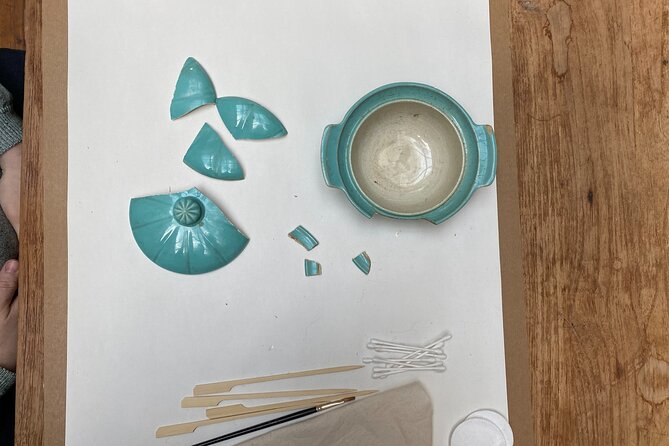
Then comes the key moment: you’ll break a plate symbolically. It sounds dramatic, but it’s part of the concept. You’re essentially stepping into the mindset shift right away: the break is the starting point. That matters because it changes how you think about the repair stage. Instead of trying to undo something, you’re building something new from what’s already there.
If you’re the type who hates wasting things, this can surprise you—in a good way. The class frames the break as respectful and purposeful, like turning attention toward imperfection rather than away from it. You might walk in bracing for a messy experience; you’ll likely find it’s structured and controlled.
The Hands-On Part: Reassembling Shards with Golden Leaf Glue
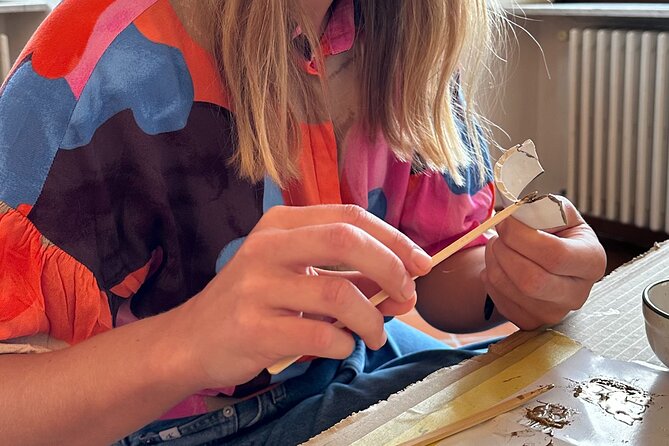
After the symbolic break, you’ll move into the physical work: patiently reassemble shards and create a visible repair line. This is the heart of the class, and it’s where Kintsugi stops being a story and becomes a skill.
You’ll use gold leaf glue to build the connection between the pieces. The gold is not just decoration—it’s the design choice that makes the repaired crack look intentional. It also changes the feel of the finished object. Rather than looking fragile, it can look like it was made that way.
Because the class is capped at a maximum of 6 travelers, the instructor can help as you go. That’s important for fine-motor tasks. You don’t just need to know what to do; you need to do it at the right pace while glue and leaf work with you.
You’ll also get the kind of guidance that helps you avoid common craft frustrations: rushing too quickly, misaligning pieces, or expecting perfection from a medium that celebrates irregular lines. In Kintsugi, a little asymmetry isn’t a mistake; it’s part of the aesthetic.
Why Wabi-Sabi Lessons Land in Your Daily Life
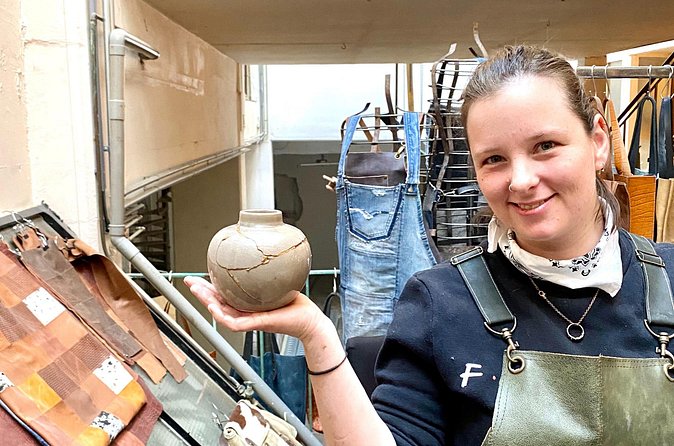
This workshop isn’t presented as therapy, but it carries that practical emotional logic. The idea is simple: fractures happen. You can respond by trying to hide them, or you can respond by integrating them.
During the session, you’ll likely feel that shift in real time. You start with broken pieces, then you reassemble them slowly, then the gold makes the result look meaningful instead of damaged. That sequence teaches a repeatable way of thinking: don’t freeze at what went wrong—start building from it.
I also like that the workshop ties the craft to deep focus. Working carefully with small fragments naturally forces you into attention mode. For many people, that calm focus is part of the value, even if you never plan to become a Kintsugi artist at home.






What You Get (and What You Don’t): Materials Included, Tea Not Included
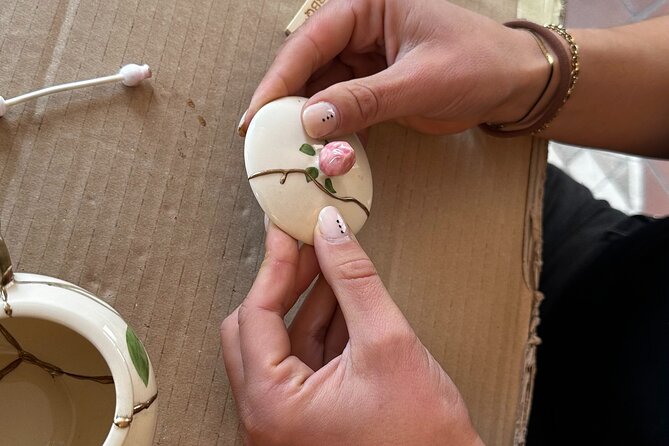
The class includes all materials needed. That’s a big deal because the upfront cost and hassle of tracking down tools can be the barrier for DIY Kintsugi.
What’s not included is coffee and/or tea. If you’re coming straight from sightseeing, you might want to grab a drink beforehand near Paleisstraat or plan a quick stop before class. Two hours goes fast when you’re concentrating.
Service animals are allowed, and the workshop is near public transportation, which makes it easier to plug into a day of Amsterdam walking.
Price and Value: Is $90.11 Worth It?
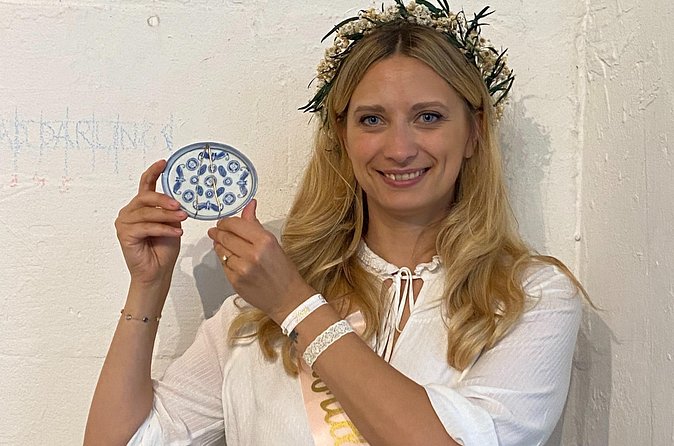
At $90.11 per person for about 2 hours, this isn’t the cheapest activity in Amsterdam. But it’s also not just a passive attraction. You’re paying for:
- a guided, hands-on process (not watching from the sidelines)
- materials provided, including the elements tied to the gold finish
- small-group attention (maximum 6 people)
- an English-led session, which broadens who can comfortably participate
When you compare it to typical craft experiences, value improves because you’re learning a technique tied to a strong visual payoff: repaired cracks with gold accents. And because you’re doing the steps with instruction, it’s easier to imagine trying a version at home later—especially if you want a mindful, design-forward project.
If you’re a design nerd, this also scratches a particular itch. The workshop connects traditional Japanese repair values with contemporary appreciation for honest materials and visible craftsmanship.
Who This Workshop Fits Best (and Who Should Skip It)
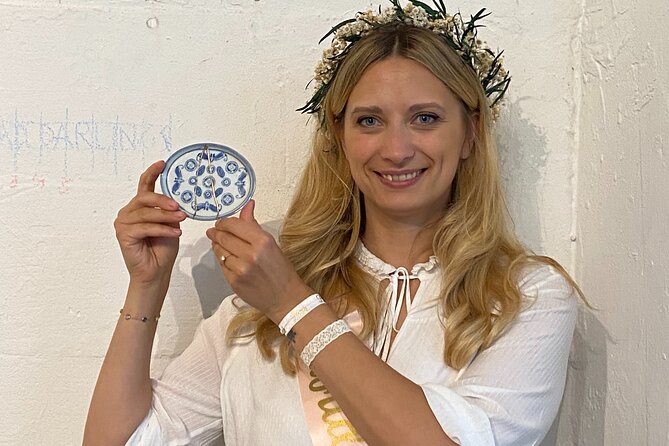
This is best for adults and older teens who want a thoughtful craft that still feels doable. It’s also a great fit if you like activities where you leave with something you understand—not just something you bought.
It’s not suitable for children under 10, and it asks for moderate physical fitness. That doesn’t mean it’s athletic, but it does mean you should be comfortable sitting/working with care and doing fine-motor tasks for the full session.
You also need to enjoy hands-on work. Kintsugi rewards patience. If you’re hoping for a quick photo-op and then out the door, you may find the pace a little too slow—in the best and most authentic way.
Practical Tips to Get the Best Experience in 120 Minutes
You won’t need special gear because materials are included, but you’ll do better if you come ready to focus.
Here’s how I’d prep:
- Arrive a few minutes early so your first ten minutes aren’t spent rushing.
- Wear something you don’t mind getting a little craft-y during careful repair work.
- Expect that you’ll need to slow down for alignment and patience. That’s not a problem—it’s the point.
- If you’re someone who likes making things at home, you may find yourself wanting to try again after seeing how the process turns breakage into design.
And if you’re thinking about bringing something of your own to repair, don’t assume. It can be worth asking ahead of time whether that’s allowed for your session, since the workshop provides materials.
The Real Test: Should You Book This Kintsugi Workshop in Amsterdam?
Based on the score—4.8 out of 5 with 94% recommended—this is clearly a popular, satisfying experience. It’s also one of those activities where the price makes sense because you get instruction, materials, and a structured process that leads to a meaningful result.
I’d book it if you want:
- a creative activity with a mindful theme
- a small-group, English-friendly class
- something more memorable than a standard museum stop
I’d pass if:
- you want only light participation and no careful fine-motor work
- you’re traveling with kids under 10
- you need coffee-on-arrival as part of the experience
FAQ
FAQ
Is the Kintsugi workshop in English?
Yes. The workshop is offered in English.
How long is the workshop?
The duration is about 2 hours.
What is included in the price?
The workshop includes all materials needed. Coffee and/or tea are not included.
Where does the workshop start?
It starts at Paleisstraat 107, 1012 ZL Amsterdam, Netherlands and ends back at the meeting point.
What days and times does it run?
It runs on Wednesdays from 2:00 PM to 4:00 PM during the listed seasonal date ranges.
Is there a group limit?
Yes. The workshop has a maximum of 6 travelers. It’s also not suitable for children under age 10.