REVIEW · AMSTERDAM
Amsterdam: Dutch WWII Resistance Museum Entry Ticket
Book on GetYourGuide →Operated by Verzetsmuseum Amsterdam · Bookable on GetYourGuide
Occupation history comes alive fast. The Dutch Resistance Museum in Amsterdam turns Nazi-occupied Holland into real stories backed by audio guide details you can follow at your own pace. I especially like how it keeps the focus on what ordinary people did—strikes, hiding neighbors, forged documents—so the museum feels human, not just historical.
One thing to think about: this is emotionally weighty, and you’ll want 2–3 hours (or more) to take it in without rushing.
In This Review
- Key Points You Should Know Before You Go
- Your Ticket, Your Pace: What You Get at Verzetsmuseum Amsterdam
- Where the Stories Start: The Occupation and the “Everyday Heroes” Approach
- Resistance in Practice: Strikes, Forged Papers, Escape Routes, and Underground Media
- The Power of Objects and Documents: When History Becomes a Choice You Can Feel
- Audio Guide Setup: How to Listen Without Missing the Details
- Beyond Amsterdam: The Dutch East Indies and Japanese Occupation
- A Layout That Helps You Keep Moving (Without Running)
- Practical Details That Make Your Visit Smoother
- Who This Museum Fits Best
- Is It Worth $21? A Value Check
- Should You Book This Amsterdam WWII Resistance Museum Ticket?
- FAQ
- How much is the Amsterdam Dutch WWII Resistance Museum entry ticket?
- How long is the experience?
- What’s included with the ticket?
- Is the audio guide available in English?
- What languages are offered for the audio guide?
- Do I need a guide with this ticket?
- Where do I check in when I arrive?
- Are meals included?
- Can I cancel and get a refund?
Key Points You Should Know Before You Go
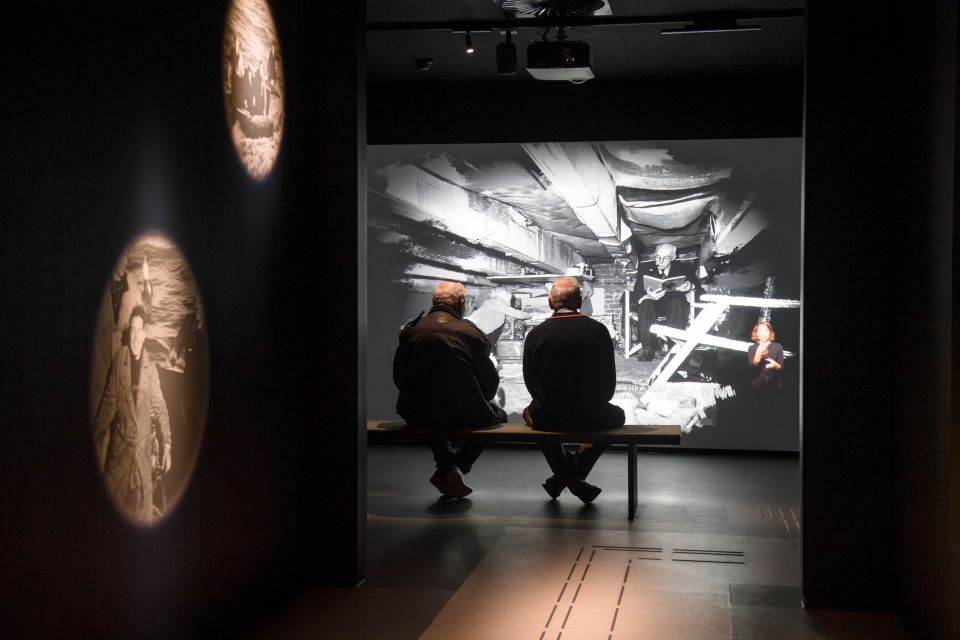
- Audio guide in multiple languages: Dutch, English, French, German, Italian, Spanish, Portuguese
- Resistance shows up in every form: strikes, forged paperwork, underground newspapers, escape routes, espionage
- You walk through war memories: walls of photos and objects recreate the feel of the 1940s
- A second chapter goes beyond Europe: a dedicated section on the Dutch East Indies under Japanese terror
- Interactive listening setup: handheld devices and QR codes help you choose what to hear
- The museum covers choices, not just hero stories: documents and dilemmas show how people navigated occupation
Your Ticket, Your Pace: What You Get at Verzetsmuseum Amsterdam
This is an entry-ticket visit to the Dutch WWII Resistance Museum, run by Verzetsmuseum Amsterdam. For about $21 per person, you get the basics that matter most: entry and an audio guide in several languages. You’re not tied to a group tour tempo, which is a big deal in a museum like this, where you may need a minute at certain stations.
This visit is designed to be self-guided. You’ll be shown the counter-entry flow: simply show your ticket(s) at the museum counter when you arrive. Then you pick your pace—listen to everything, or selectively jump around as your mood and attention allow.
Also note what you don’t get. No food or drinks are included, and there’s no guide bundled with the ticket. Translation: plan on museum time first, and sort out meals separately.
You can also read our reviews of more tours and experiences in Amsterdam



Where the Stories Start: The Occupation and the “Everyday Heroes” Approach
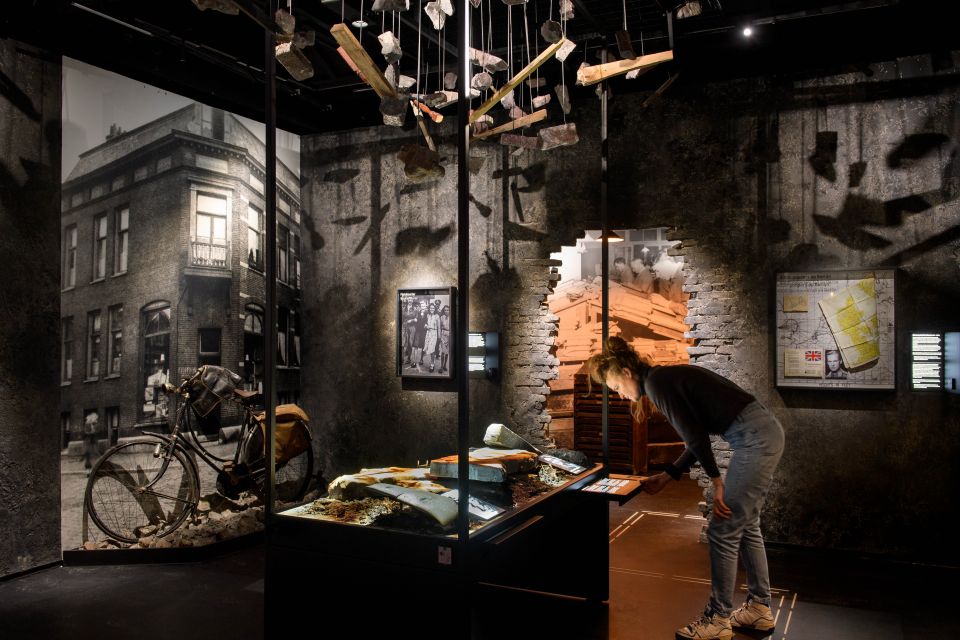
The museum’s core strength is its decision to focus on Dutch life under occupation, not only on military events. You’ll see how Nazi control reshaped daily routines and how people responded once normal life broke. That’s what makes the experience so gripping—resistance isn’t presented as a movie plot. It’s framed as the kind of action people had to choose in real time.
Expect lots of first-person feeling even though you’re moving through exhibits. The museum uses personal documents and physical objects to make the stakes tangible. You’ll also run into spaces that use photo walls to evoke the atmosphere of the war years, which helps your brain stop treating WWII like an abstract lesson.
Two things I really like in this approach:
1) It takes resistance seriously even when it’s “small” on the surface—like helping someone go into hiding.
2) It balances the dramatic with the ordinary, so you understand why resistance could be both brave and risky.
Resistance in Practice: Strikes, Forged Papers, Escape Routes, and Underground Media
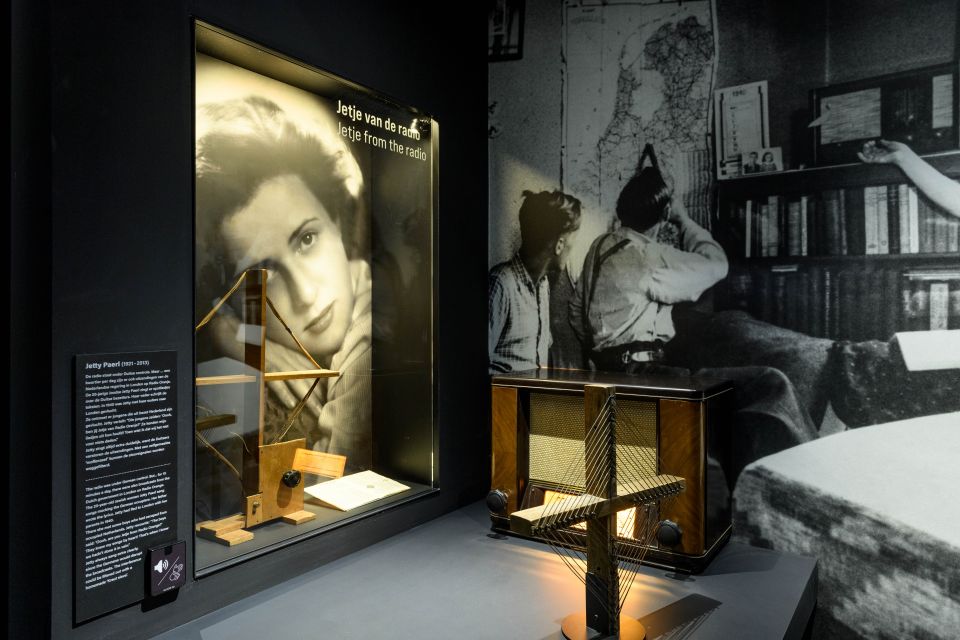
In many WWII museums, resistance can feel like a single category: “the good guys.” Here, resistance is shown as a whole toolbox of tactics, and you’ll see that across multiple exhibit themes.
You should expect clear coverage of:
- Strikes and organized refusal
- Forging documents to alter someone’s chances of surviving
- Underground newspapers and information-sharing
- Escape routes and assistance with leaving danger
- Armed resistance and espionage
What this means for you as you visit is simple: you can tailor your attention. If you’re fascinated by how information moved, you’ll gravitate toward the media and propaganda elements. If you’re more drawn to “how do people actually survive,” you’ll focus on hiding, escape routes, and documentation.
This museum also doesn’t pretend choices were easy. Several exhibits emphasize that people faced dilemmas under occupation, and the consequences could be immediate. That tone matters because it pushes you away from a neat good-vs-evil read.
The Power of Objects and Documents: When History Becomes a Choice You Can Feel
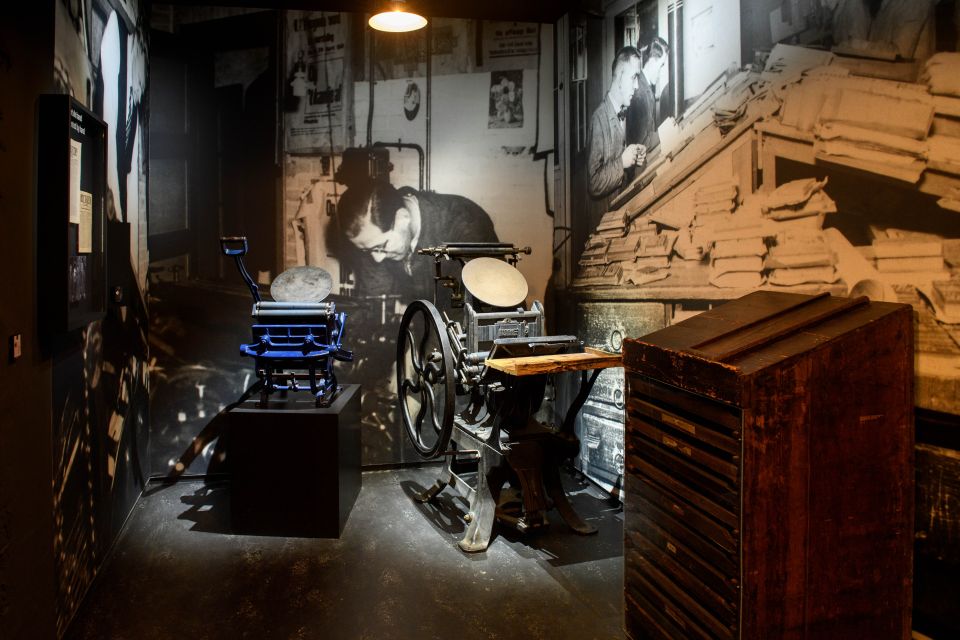
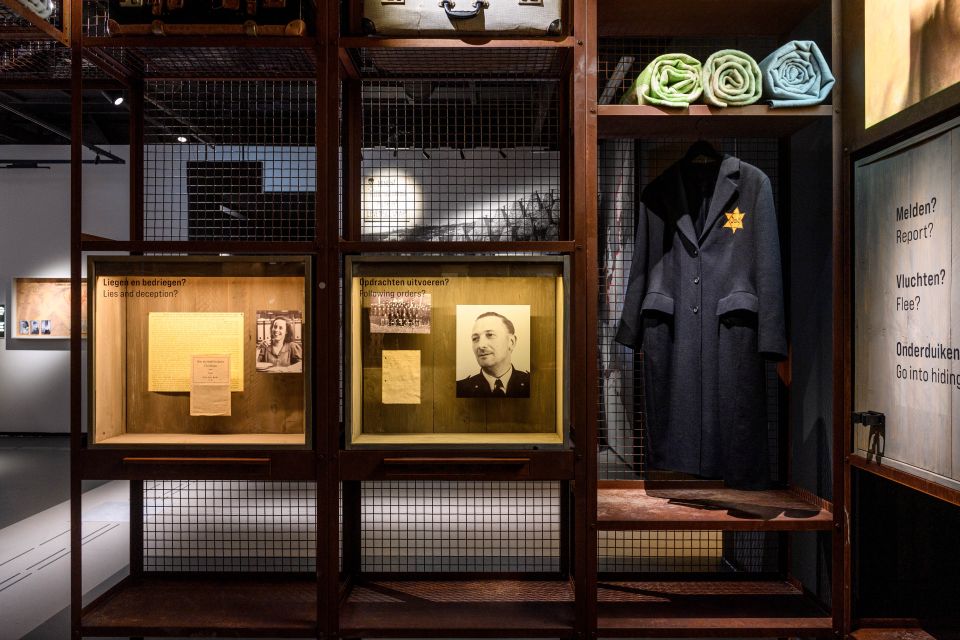
A standout feature here is the way the museum uses documents and artifacts to show what pressure looks like. You’ll encounter personal materials that make it clear how occupation forced people into trade-offs. The message isn’t just what happened—it’s what it cost to do the right thing.
I find this section one of the most thought-provoking parts of the visit. It turns WWII into a set of decisions—some made by resistance networks, some made by individuals under fear, and some made by those who collaborated. Even when you don’t agree with every action taken, you understand the terrifying logic behind certain choices.
If you like museums that respect your intelligence—rather than spoon-feeding simple conclusions—you’ll probably enjoy how this place stays grounded in evidence. The tech and presentation are modern enough to follow easily, but the content stays anchored in real-world paperwork, photos, and objects.
Audio Guide Setup: How to Listen Without Missing the Details
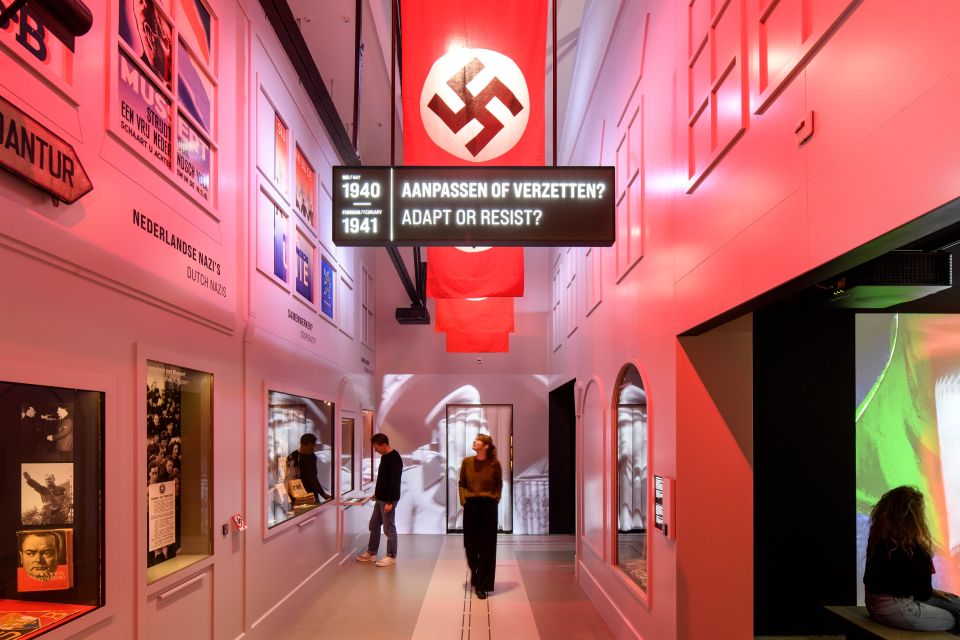
The audio guide is included, and it’s available in a lot of languages. You can choose from Dutch, English, French, German, Italian, Spanish, and Portuguese. That’s helpful if you’re traveling with mixed-language groups or if you want to match your listening comfort level.
On top of the audio guide, the museum uses an exhibit-by-exhibit listening system. In practice, you’ll see setups that let you scan QR codes tied to specific stations and use handheld devices for audio playback. That’s a smart system in a museum this full of stations, because it prevents you from feeling locked into one long track.
You can also control what you hear. If a particular story grabs you, you can stay with it longer. If you’re pacing yourself, you can skip ahead. A lot of visitors also like the option to sit when needed while listening, so your visit doesn’t have to be an endurance test.
One practical tip: keep your language settings consistent. It sounds obvious, but it’s easy to accidentally jump between audio tracks if you’re moving quickly. Slow down for the first station, get your language sorted, then go.
You can also read our reviews of more museum experiences in Amsterdam






Beyond Amsterdam: The Dutch East Indies and Japanese Occupation
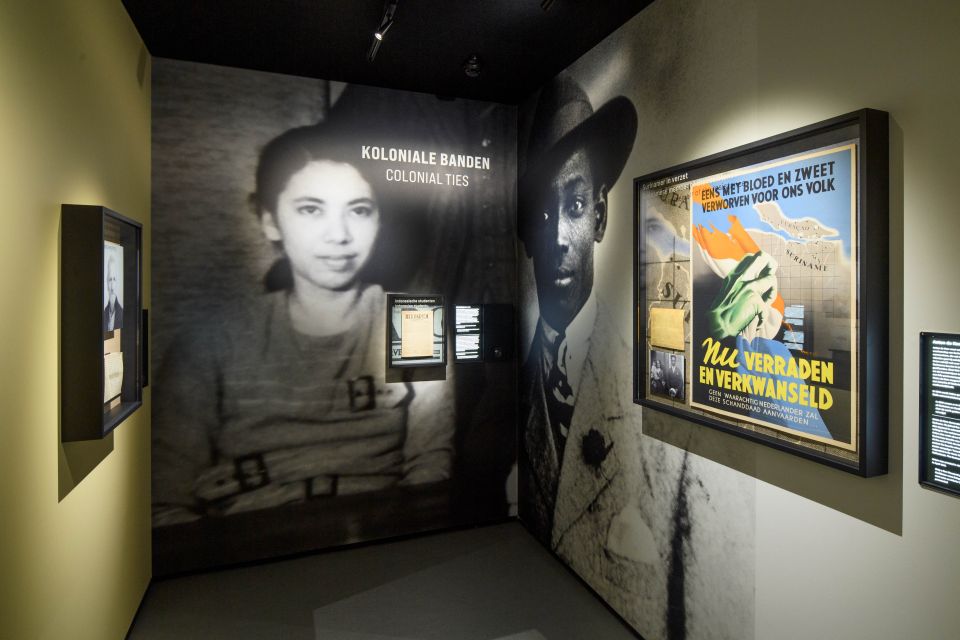
A dedicated section covers the Dutch East Indies, and that part is a key reason to include this museum on your Amsterdam list. Instead of stopping with the story of Europe, it connects Dutch wartime history to the wider colonial experience during WWII.
Here’s what you can expect in this section:
- the former colonies in the Dutch East Indies
- people’s harrowing experiences under Japanese rule
- a clear shift in tone from occupied Europe to terror under another regime
This isn’t just a side note. It changes the shape of your understanding of WWII. If you only know the European front, you’ll likely find this segment adds important context about how Dutch history played out far beyond the Netherlands.
If you’re traveling with someone who only wants “the highlights,” I’d still encourage you to see this portion. It’s the section that helps the museum feel bigger than one city’s story.
A Layout That Helps You Keep Moving (Without Running)
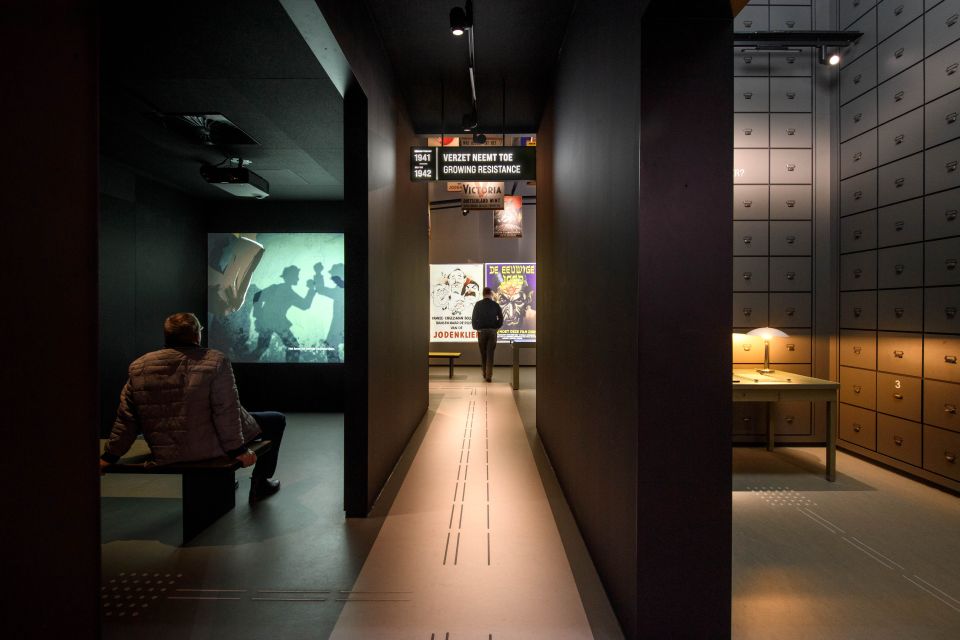
Even if you don’t love museums, this one is built for forward motion. The flow moves you from theme to theme as you go deeper into the collection. You’re never stuck trying to figure out what to look at next, because the exhibits are clearly presented in sequence and supported with audio guidance.
A lot of visitors end up staying around the 2–3 hour mark. If you like listening carefully and reading station text, plan longer. If you’re traveling during a packed schedule and want the museum’s core message, you can cover the main areas, but you’ll still need time to do the audio justice.
A quick “don’t sabotage yourself” tip: if you’re seeing other Amsterdam sights the same day, schedule a buffer afterward. This museum deals with fear, persecution, and moral compromise. You may need time to reset before heading straight into something upbeat.
Practical Details That Make Your Visit Smoother
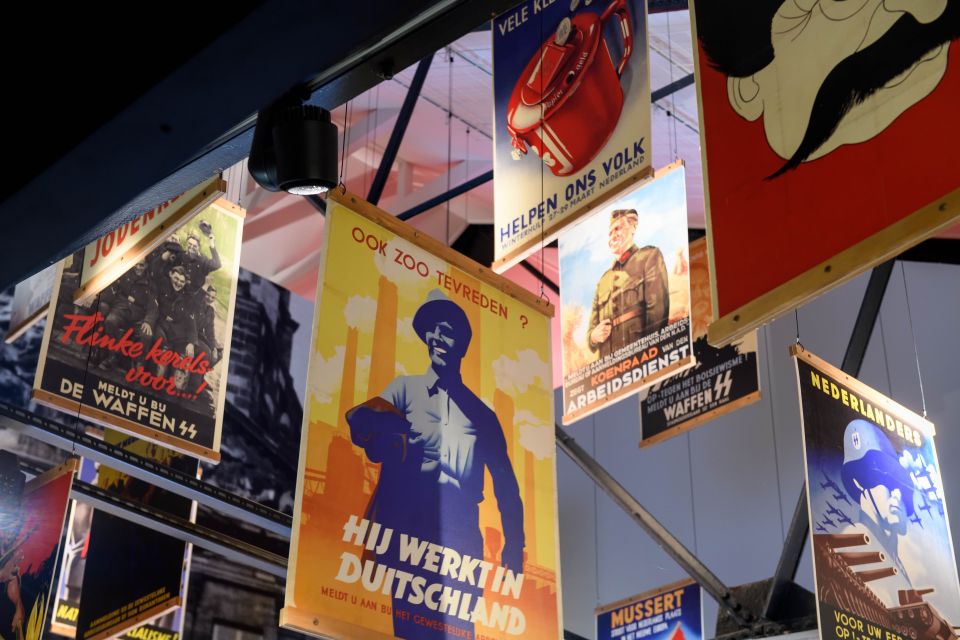
Here are the small practical things that matter most with this ticketed entry.
Bring your ticket, then show it at the counter. The process is straightforward: show your ticket(s) when you arrive. No complicated meeting point hunt.
Wheelchair accessibility is built in. The museum is wheelchair accessible, so you can plan a visit that works for mobility needs.
Expect light interpretation, not heavy guiding. A guide isn’t included, and that’s not a bad thing here. The audio guide and exhibit design do the teaching. You’ll get more value if you let yourself wander slower than you would in a gallery of paintings.
No food and drinks are included. Plan your meal timing around your museum session so you’re not trying to negotiate hunger during a heavy exhibit. A snack stop nearby can be a lifesaver.
If you’re the type who likes comfort breaks, don’t wait until the end. Take them when you’re between rooms.
Who This Museum Fits Best
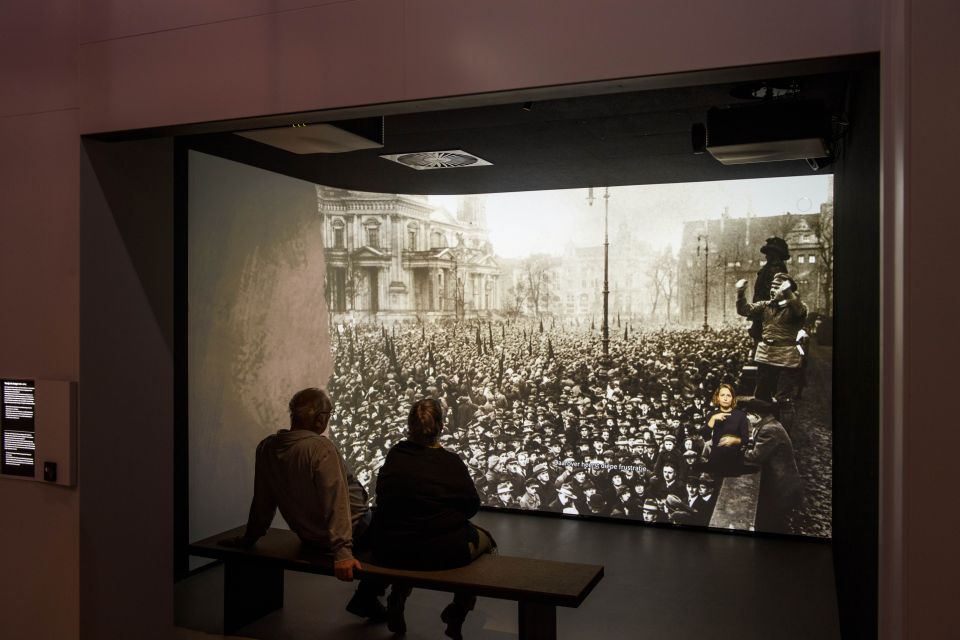
This is a strong fit for:
- WWII history lovers who want a focused Netherlands angle
- anyone interested in how resistance can look ordinary
- travelers who like museums that use artifacts and documents, not only videos
- people who appreciate audio guides and language flexibility
It also fits well for visitors who need control over pace. Since the audio setup is designed for station-by-station listening, you can pause, restart, and choose what to linger on.
If you’re traveling with kids or teens, this museum can still work, but you’ll want to calibrate expectations. The material is serious, and the emotional tone isn’t light. Consider going with a plan for shorter listening segments and plenty of breaks.
Is It Worth $21? A Value Check
At around $21 per person with the audio guide included, this museum is priced like a serious museum experience, not a quick stop. The value comes from two places.
First, you’re getting more than entry. You’re getting language support across multiple major European and world languages. That reduces the “I can’t understand fast enough” problem that ruins museum time.
Second, you’re getting depth in multiple directions. You start with resistance in occupied Holland and then you get the Dutch East Indies angle under Japanese terror. That breadth matters, especially if Amsterdam is your main base and you want one museum that gives you more context than a single-city snapshot.
If you’re the type who usually skips smaller museums, this is one that’s worth breaking that habit for.
Should You Book This Amsterdam WWII Resistance Museum Ticket?
Book it if you want a museum that treats WWII as lived reality, not a list of battles. The standout advantages are the audio guide in many languages and the way the exhibits connect resistance to everyday choices through documents and objects. Plan for a longer visit than you think, because the emotional weight and the number of stations reward slow listening.
Skip it only if you’re looking for light or purely entertainment-style history. This is honest, serious content, and you’ll feel it.
If your schedule can handle 2–3 hours of absorbing, you’ll probably leave with a much sharper sense of what resistance looked like when the odds were crushing.
FAQ
How much is the Amsterdam Dutch WWII Resistance Museum entry ticket?
The price is listed as $21 per person.
How long is the experience?
The ticket is valid for 1 day. A typical visit is often around 2–3 hours, depending on how much you listen to and read.
What’s included with the ticket?
Your ticket includes entry and an audio guide.
Is the audio guide available in English?
Yes. The audio guide is available in multiple languages including English.
What languages are offered for the audio guide?
The audio guide is available in Dutch, English, French, German, Italian, Spanish, and Portuguese.
Do I need a guide with this ticket?
No guide is included. The visit is designed to be self-guided using the audio guide.
Where do I check in when I arrive?
Show your ticket(s) at the museum counter.
Are meals included?
No. Food and drinks are not included.
Can I cancel and get a refund?
Yes. Free cancellation is available up to 24 hours in advance for a full refund.