REVIEW · AMSTERDAM
Amsterdam: Private World War Two History Walking Tour
Book on GetYourGuide →Operated by Slagveldreizen.nl · Bookable on GetYourGuide
History hits harder when the city walks with you. This private Amsterdam World War II history walk gets you close to the real places of the Nazi occupation, with retired historians guiding the story on foot (no audio headset needed).
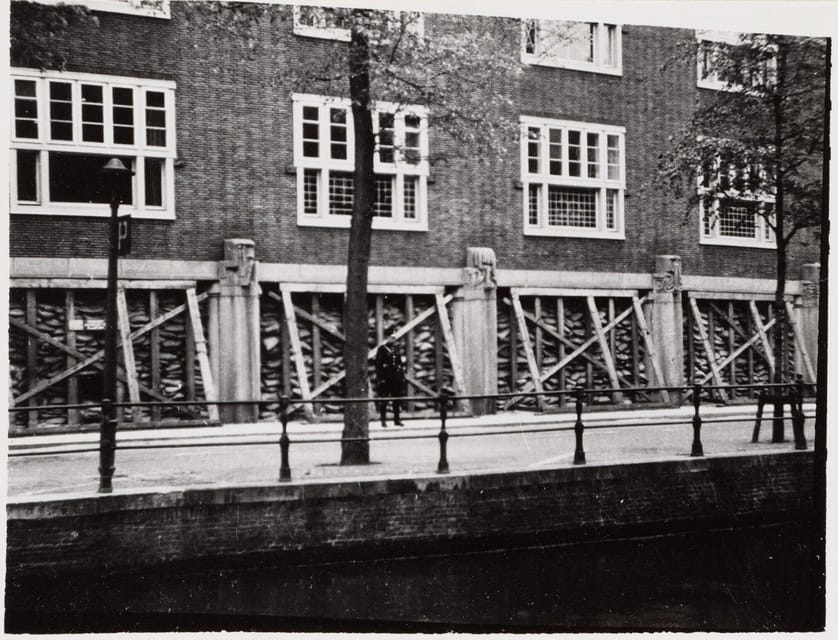
I really like how specific it is—photos, monuments, and printed notes tie the trauma to exact corners of the city, not vague talking points.
The second thing I like: the group stays tiny (up to 4), so you can ask questions and keep a pace that works for you. You’ll focus on heavy moments like the Wehrmacht’s entry, the Dam Square shooting on May 7, 1945, and the deportations that followed.
One possible drawback to plan for: the tour does not include entry to major related sites like the Anne Frank House, the Resistance Museum, or Hollandsche Schouwburg, and museum tickets plus coffee/drinks are not included.
In This Review
- Key highlights at a glance
- Entering the Occupation Story at Street Level
- Meeting at Prinsengracht and Getting Your Bearings Fast
- German Army Arrival: Welcoming, Propaganda, and the Shift to Occupation
- Dam Square on May 7, 1945: The Shooting Incident You Won’t Forget
- Winter of Hunger: Food Drops and Survival Under Pressure
- Following the Names: One Amsterdam Street’s Deportation Story
- Auschwitz and Sobibor Connections, Plus the Violin Player Statue
- What the Tour Skips (and Why That’s a Good Thing)
- Your Tour Guide Team: Retired Historians and Personal Attention
- Price and Value for a Private Group Up to 4
- Who Should Book This War-Time Amsterdam Walk
- Should You Book This Tour?
- FAQ
- How long is the Amsterdam World War II walking tour?
- What is the group size?
- Where does the tour start?
- Is the tour private?
- Does this tour visit the Anne Frank House or other museums?
- Are museum tickets included?
- Are drinks included during the coffee stop?
- Is the tour wheelchair accessible?
Key highlights at a glance
- Up to 4 people for real discussion time, not a big-group shuffle
- Dam Square on May 7, 1945: the shooting incident is a core stop
- Winter of hunger details, including food drops and how people survived
- A whole Amsterdam street’s names: a small book with photos and names of Jewish victims
- Auschwitz connections on the ground, including a statue of the famous violin player
Entering the Occupation Story at Street Level
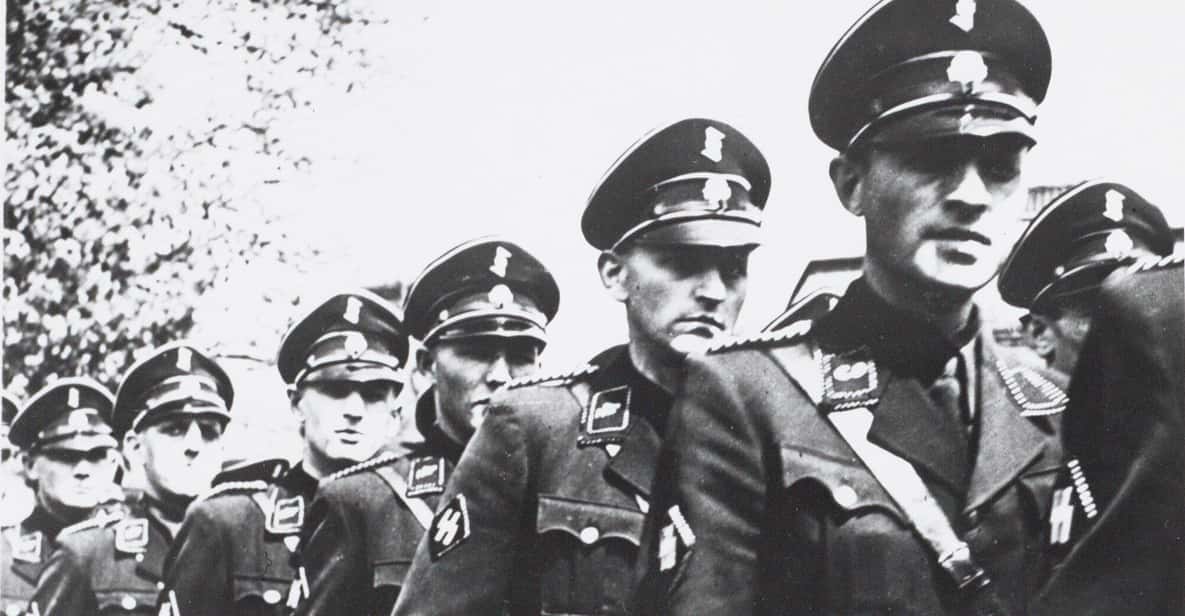
Amsterdam can feel graceful and calm. This walk brings it back to the hard years—1940 to 1945—when the city’s daily life was forced to change under Nazi occupation. Instead of sweeping commentary, you get the story attached to particular monuments, street corners, and preserved visuals.
I like that the guides use a personal, direct method. You’ll see period photos shown in the same locations where the events connect, and you’ll get paper information you can keep after the tour. That turns the walk into something you can review later, which matters with a topic like this.
The tour also doesn’t try to do everything. It focuses on the occupation sites in Amsterdam and the fate of Jewish residents, while intentionally not including certain museums. That makes the route feel purposeful rather than crowded with ticketed stops.
You can also read our reviews of more walking tours in Amsterdam

Meeting at Prinsengracht and Getting Your Bearings Fast
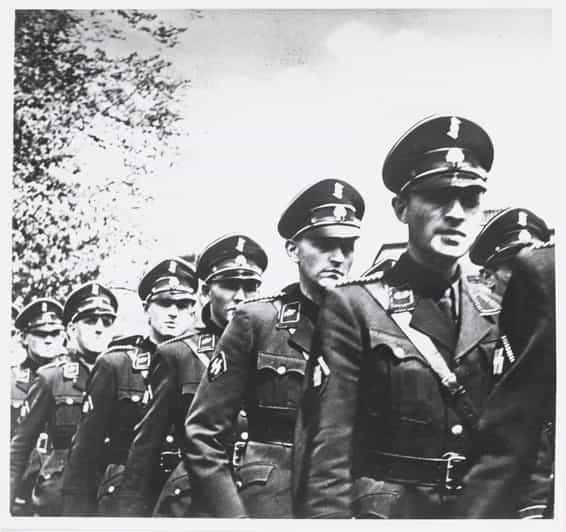
You start at 9:30 A.M. in front of the old Anne Frank House on Prinsengracht 263. The meeting point note is practical: they’ll be holding a big notebook, and the location is between the museum and the Lunch Cafe—there’s even a plate marker for Spot A on the map. If you can touch the number plate 263, you’re in the right place.
Because this is on foot, the start matters. Early in the morning, you can get into the mindset of a walking tour quickly—especially here, where the goal is to read the city like a document. You’ll also want to bring an umbrella, since Amsterdam weather has opinions and the tour happens outdoors.
Another practical bonus: there’s a short break about halfway through the walk for coffee and/or a restroom. If you want something to eat, you can often grab a late breakfast during that stop. Just know refreshments at the cafe are not included.
German Army Arrival: Welcoming, Propaganda, and the Shift to Occupation
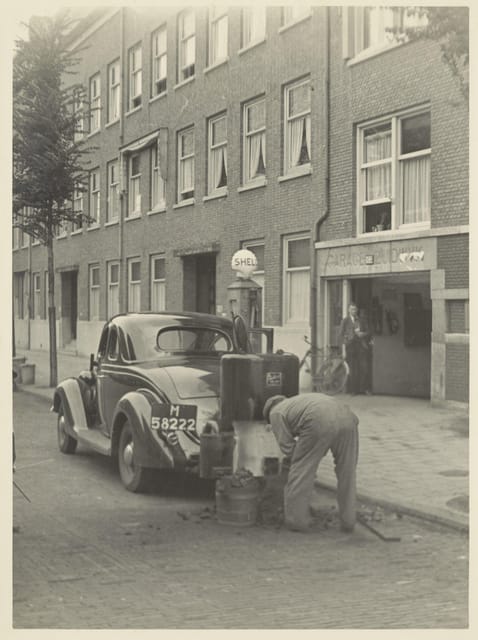
One of the most striking parts of the tour is how it handles the German army’s entry into Amsterdam. You don’t just hear that they arrived—you see and discuss what the city looked like at that moment and what it meant.
A key location in the story is the former town hall, now the Grand Hotel. The walk includes the contrast between the initial public response—described through photos—and later events when Allied forces were celebrated there. The guide connects the atmosphere to propaganda and fear, and then to what followed for Amsterdam’s residents.
You’ll also reflect on resistance monuments and the stories behind them as you move. This is important because it keeps the timeline from feeling like a straight line. Occupation in a city is layered: compliance, resistance, hiding, betrayal risks, and the slow tightening that people could feel even when they couldn’t fully name what was coming.
Dam Square on May 7, 1945: The Shooting Incident You Won’t Forget
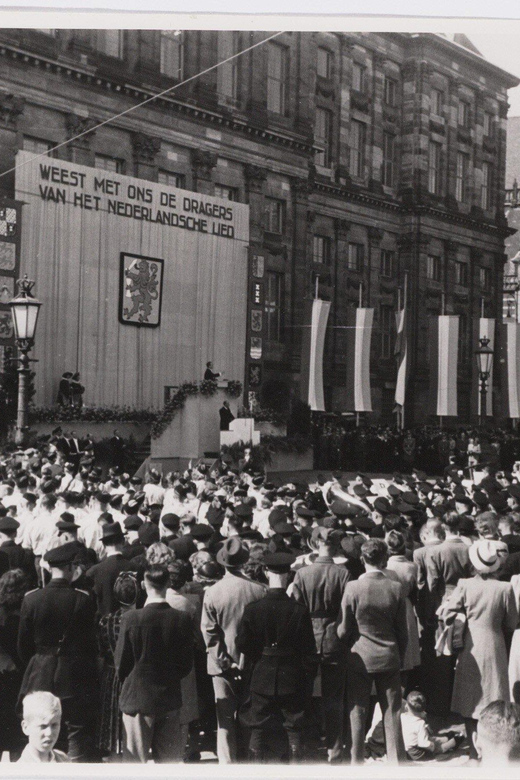
Dam Square is one of the easiest places to lose focus in—crowds, cameras, and everyday life. This tour uses it for the opposite reason: it points you to what happened there on May 7, 1945.
You’ll pay attention to the shooting incident in the square and how it fits into the ending years of the war. The guide slows down the moment so it doesn’t become a quick fact. Instead, you connect the location to the lived confusion of liberation and the messy reality of war’s final days.
This stop is also where the tour’s balance shows. It doesn’t paint a simple good-versus-bad picture. It acknowledges what people were up against, and it shows how quickly the tone of history can change in a single public place.
Winter of Hunger: Food Drops and Survival Under Pressure
The occupation story isn’t only about mass deportations. It’s also about hunger—how it tightened daily routines and shaped choices. The tour includes the winter of hunger and discusses the food situation, including the idea of food dropping during that period.
This is where you start to understand the occupation as a system, not a single event. Food shortages were not an accident; they were part of the control. And survival wasn’t just about courage—it was also about access, chance, and what people could do to stay alive for one more week.
If you’re the type of traveler who likes to understand what ordinary people endured, this segment will land well. The guide’s job here is to keep the topic grounded in real life, not just big historical labels.
You can also read our reviews of more private tours in Amsterdam




Following the Names: One Amsterdam Street’s Deportation Story
The most emotionally direct part of the tour is the section that follows Jewish residents from a specific Amsterdam street. The tour includes a small book made for you, with photos and names of those residents and where they died.
This isn’t presented as an abstract statistic. It’s built for recognition: you’re meant to see the people as people. That’s why the format matters so much here. A small book with names and photos gives you something tangible to carry away, like a remembrance you can revisit later.
You’ll also see how the deportations unfolded, with the discussion connected to extermination camps such as Auschwitz and Sobibor. The guide links Amsterdam to what happened after deportation—without turning it into sensational storytelling.
The effect is different from museum-only learning. A museum can show you artifacts and displays; this walk shows you that the city itself holds the memory in street-level details.
Auschwitz and Sobibor Connections, Plus the Violin Player Statue
The tour doesn’t treat Auschwitz as a distant place. It brings the connection back into Amsterdam through visible memorial elements and discussions tied to the occupation years.
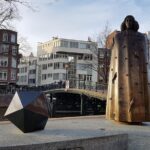
One highlight is seeing a statue of the famous violin player from Auschwitz. It’s the kind of detail that can feel small at first glance, but the guide explains why it matters and how public remembrance works.
This is also where you’ll hear about the fate of deported victims, and how resistance-era documentation helped preserve evidence. The tour notes that many photos survived that were taken by Dutch resistance fighters, and you’ll see several of these photos shown at the locations linked to the moment they captured.
If you’re trying to understand how memory stays alive, pay attention here. The guide connects the act of documenting and memorializing to a larger purpose: keeping names and stories from vanishing.
What the Tour Skips (and Why That’s a Good Thing)
It’s worth knowing what’s not included. The walk does not visit the Anne Frank House, the Resistance Museum, or Hollandsche Schouwburg (the deportation center). Tickets for those museums are not included.
For some people, that will feel like a gap. But for others, it’s exactly why the tour can stay focused and manageable. If you cram too many sites into one day, you lose the chance to connect the story tightly to specific outdoor locations.
Also, the tour avoids drinks being included, so you’ll pay for coffee or food at the break yourself. The halfway pause is still helpful—especially since the pace is designed around your comfort rather than a set stampede schedule.
Your Tour Guide Team: Retired Historians and Personal Attention
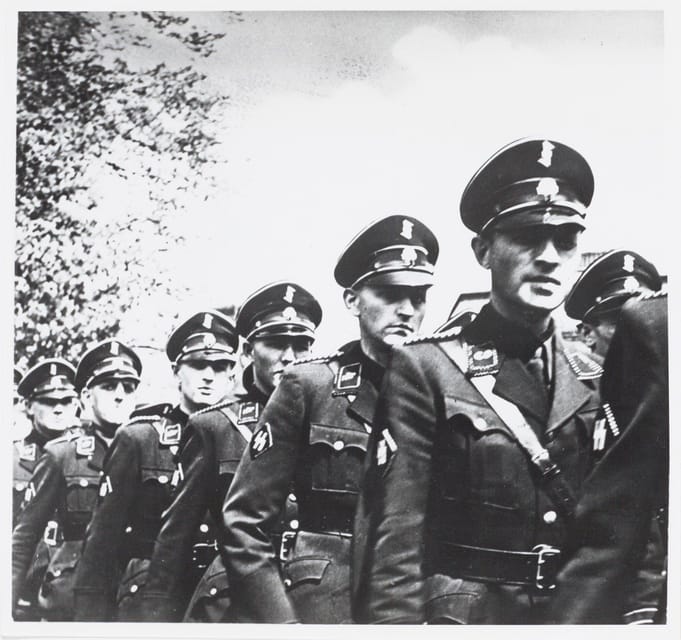
The guide team is built for depth and conversation. Tours are given by three retired historians with a passion for the history of the German occupation in World War II. That matters, because you’re not just hearing a script—you’re getting answers.
One review highlights Peter Schaapman by name and praises the guide’s extensive knowledge and storytelling. The consistent theme across the experience is that the guides keep the tone human and the information grounded, with room for questions.
The lack of an audio system is part of the same idea. You’re not stuck listening to a speaker over street noise. Instead, you’re in real conversation with a guide who can respond directly when you want clarity.
Price and Value for a Private Group Up to 4
The price is $188 per group for up to 4 people for a duration of about 3 hours. That pricing can be a big deal in Amsterdam, where per-person costs often climb for “private” experiences.
Here’s how the value usually shakes out:
- If you book as a pair, you’re effectively paying less than the typical per-person rate for a guided historical tour.
- If you fill all 4 spots, it becomes strong value for the level of attention you get.
The tour’s best value isn’t only in the price. It’s in the format: small group, personal questions, printed materials you can keep, and a route that links locations to specific events like Dam Square and the deportation story tied to an Amsterdam street.
Who Should Book This War-Time Amsterdam Walk
I think this tour fits best if you want a focused, street-level understanding of Nazi occupation and Jewish deportations in Amsterdam. It’s a good match if you like going off the beaten track and you care about connecting history to real places.
It’s also a strong option if you dislike large audio tours. This one is designed to work at your pace, without pushing you through with headphones and timers. If you want a wheelchair-friendly route, the tour is wheelchair accessible.
One note: if you’re bringing a wheelchair, it’s smart to email ahead so the guide can account for the coffee stop and the route.
Should You Book This Tour?
Book it if you want your Amsterdam history with names attached, not just dates on a sign. The small group size, the paper booklet with photos and names, and the way the guide ties the story to specific locations (including Dam Square, Auschwitz references, and the violin player statue) make this a tour that stays with you.
Skip it if you mainly want museum-style learning with ticketed indoor stops like the Anne Frank House or the Resistance Museum. This is more about the street and memorial landscape of occupation-era Amsterdam than about visiting those specific buildings.
If your goal is to understand what happened to real people in real places, this private walk is a solid choice.
FAQ
How long is the Amsterdam World War II walking tour?
The tour lasts about 3 hours. It may extend a bit, and there is a coffee/restroom break about halfway through.
What is the group size?
The group size is never more than 4 people, so you get personal attention and can ask questions.
Where does the tour start?
The meeting point is in front of the old Anne Frank House on Prinsengracht 263, at 9:30 A.M., with a big notebook.
Is the tour private?
Yes, it’s listed as a private group tour.
Does this tour visit the Anne Frank House or other museums?
No. The tour does not visit the Anne Frank House, the Resistance Museum, or Hollandsche Schouwburg.
Are museum tickets included?
No. Tickets for museums (and related entry) are not included.
Are drinks included during the coffee stop?
No. Refreshments during the coffee stop are not included.
Is the tour wheelchair accessible?
Yes, it is wheelchair accessible. If you’re using a wheelchair, it’s advisable to email so the guide can account for the coffee stop and the route.