REVIEW · AMSTERDAM
Amsterdam Private Walking Tour of Famous Painters
Book on Viator →Operated by Snurk.Travel · Bookable on Viator
Dutch art tells stories you can walk through. This private Amsterdam tour is built around the painters of the Dutch Golden Age, using real streets and landmarks so the art feels like it belongs to the city. You can steer the focus toward themes like maritime trade routes or women’s rights, and you’ll hear it in English or Russian with a guide for just your group.
I love the street-level context: key stops are chosen to connect artists like Rembrandt, Frans Hals, and Jan Steen to what was happening around them. I also love the pace, with short visits that keep you moving while still letting the meaning land—especially once the tour shifts into the darker myths and consequences of the era.
One thing to consider: most places are free to view, but Portuguese Synagogue admission isn’t included, and there’s no coffee or snacks provided—so plan on grabbing water before you go.
In This Review
- Key things I’d focus on
- How this private 3-hour format actually feels
- Amsterdam Centraal: starting with the Golden Age power map
- St. Nicholas Basilica and the religion conflict behind the paint
- In ’t Aepjen: how drinking culture shows up in Dutch paintings
- Chinatown and the city’s side streets
- Nieuwmarkt and De Waag: myths, punishment, and family leisure
- Rembrandt House: what you should look for while the story lands
- Portuguese Synagogue and the quiet Jewish neighborhood
- Price and value: is $231.52 worth it?
- Best match: who this painters tour suits
- Should you book this Amsterdam painters walking tour?
- FAQ
- What languages is the tour offered in?
- How long is the Amsterdam private walking tour of famous painters?
- Is this a private tour?
- Where do I meet the guide, and where does the tour end?
- Are there any admission tickets included?
- What’s included in the tour price?
- Is coffee or snacks included?
Key things I’d focus on
- Private, own-group format for a calmer pace and more back-and-forth questions
- Dutch Golden Age stories tied directly to places you’ll actually walk past
- Rembrandt House time set aside so you understand the man, not just the murals
- Jan Steen and Frans Hals through everyday life, including drink culture at an old wooden house bar
- Eighty Years’ War and religion explained at a stop that still shows the Catholic-Protestant divide
- Jewish neighborhood visit that connects diaspora, traditions, and rights to specific sites
How this private 3-hour format actually feels
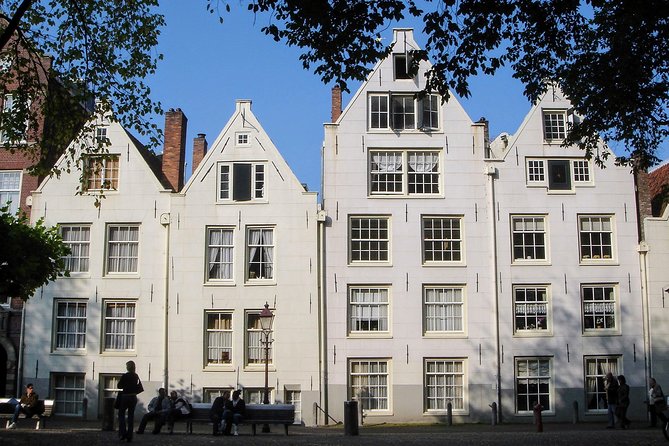
This is a compact walking tour—about 3 hours—with a guide who keeps the story flowing. Because it’s private and restricted to your own group, you’re not stuck listening over other people’s conversations, and you can adjust the tone. Want more art talk? Want more social history? You can usually steer the tour toward what pulls you in—art market life, moral rules, trade, or women’s roles in society.
The route ends at a different place than it starts, at the Portuguese Synagogue of Amsterdam. That’s handy if you like finishing near a museum district and continuing your day. Also, you’ll use a mobile ticket, and most stops are free to enter—so you avoid that awkward moment of scrambling for cash just to get started.
The best way to enjoy a tour like this is to walk in with two questions ready: what kind of world produced this art, and what did artists risk (or fail) when public taste shifted? The tour is designed to answer those questions without making it a lecture.
You can also read our reviews of more walking tours in Amsterdam



Amsterdam Centraal: starting with the Golden Age power map
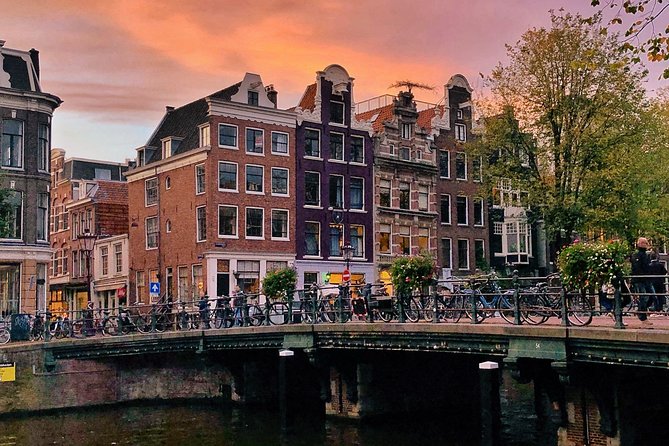
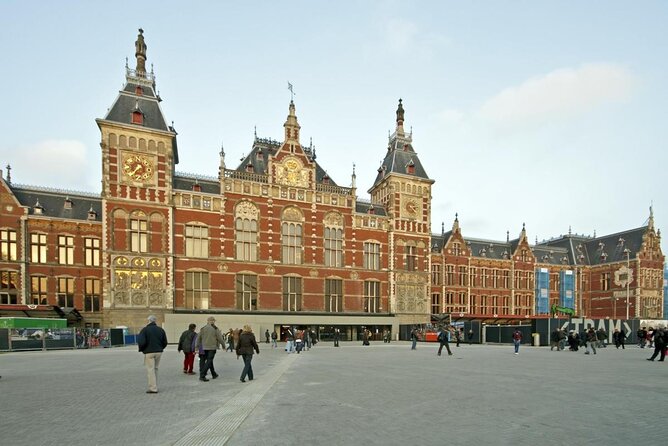
You begin at Amsterdam Centraal Station, the obvious gateway to the city’s story. The guide uses this meeting point to frame the Netherlands during the Golden Age—how wealth from trade helped shape culture, and why art became a public language. It’s not just about ships and canals; it’s about why certain images were worth commissioning and how audiences looked for meaning.
This start is practical, too. Centraal is easy to reach by public transport, and you get to settle into the tour theme before you start crossing neighborhoods on foot. If you’re the kind of person who likes to know the “why” before the “what,” this first stop will work.
If you’re short on time later in your trip, I’d still do this part. It sets up what you’ll see next—churches, street corners, and even taverns—so they stop feeling like random scenery.
St. Nicholas Basilica and the religion conflict behind the paint
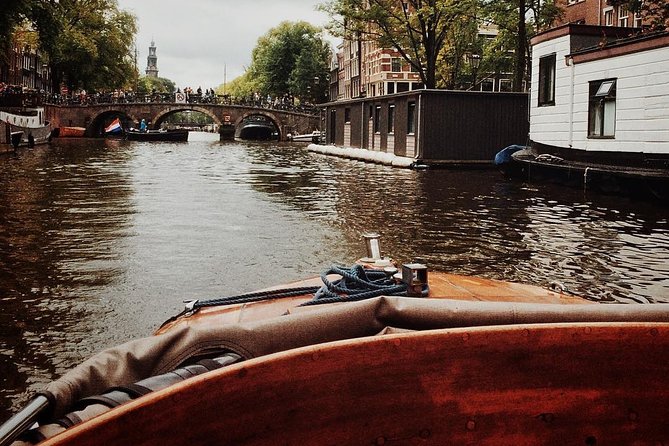
Next up is St. Nicholas Cathedral (St. Nicholas Basilica). Here’s the interesting twist: even though this church was built after the Golden Age, it’s still a strong place to understand the Catholic and Protestant divide. The guide connects it to the Eighty Years’ War and the consequences that followed.
This matters for art because Dutch painting didn’t develop in a vacuum. Religious tension influenced what people thought was appropriate to show, what themes stayed popular, and how artists navigated patronage. Standing in a church tied to those shifts helps you connect the political story to the visual one.
One drawback: because the church is not from the Golden Age itself, you won’t see a period building that directly matches the painters’ lifetime. Still, it’s a smart stop for understanding the era’s fault lines.
In ’t Aepjen: how drinking culture shows up in Dutch paintings
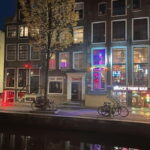
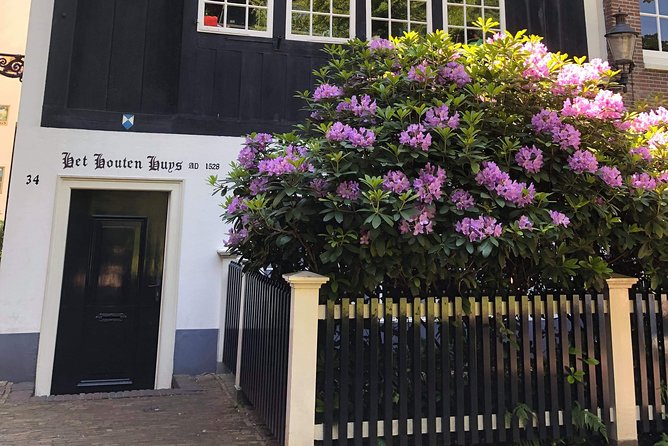
Then you’ll head to ’t Aepjen, an authentic bar in what’s described as the oldest wooden house in Amsterdam. This is where the tour gets fun. The guide talks about Dutch favorite drinks and drinking traditions, then connects that everyday social world to the paintings of Jan Steen and Frans Hals.
I like this stop because it avoids the museum-bubble problem. Instead of treating painting like something that only lives behind glass, you see how artists captured group life—celebrations, habits, and the messy comedy of human behavior. Jan Steen is especially associated with scenes that feel like they’re mid-joke, and this kind of setting helps you understand why those images resonated.
Practical note: since coffee and snacks aren’t included, consider grabbing a bite before or after. Also, expect this to be more of a quick storytelling moment than a full tasting experience.
Chinatown and the city’s side streets
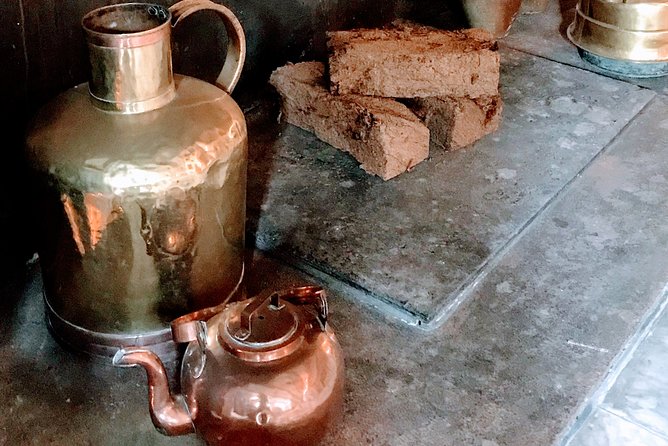
After that, you pass through Chinatown. The stop is shorter, and it works best as a breather between heavier historical themes. Think of it as a reminder that Amsterdam is layered—art, war, religion, and migration all overlap in real neighborhoods.
Even with a brief Chinatown moment, the tour doesn’t treat Amsterdam as one straight timeline. That keeps the Golden Age from feeling like a single chapter. The city keeps adding pages.
If you’re the type who loves street-level contrasts—old and new, local and immigrant—you’ll probably appreciate how this stop resets your brain.
You can also read our reviews of more private tours in Amsterdam



Nieuwmarkt and De Waag: myths, punishment, and family leisure

Next is Nieuwmarkt and De Waag, with a longer stop that focuses on the square’s mysteries. The guide talks about why this area was popular for families during leisure time, even while it sits near darker subjects tied to the era.
A big part of the story is the anatomical theatre connection—plus the guide’s talk about witches, prisoners, and punishments connected to Golden Age beliefs and practices. This is not the cheeriest angle, but it helps explain why Dutch art sometimes carried moral commentary as well as entertainment.
The Rembrandt link here is especially important. Rembrandt wasn’t only a painter of polished portraits; he also excelled at expressing human drama. Pairing his work with talk about fear, punishment, and rumor makes his images feel more grounded in lived reality.
If you don’t enjoy spooky or harsh history, this is the portion where you’ll have to decide how much intensity you want. Still, it’s handled as part of how society thought, not as sensational theater.
Rembrandt House: what you should look for while the story lands
The tour gives special attention to Rembrandt House. This is the moment that turns “famous painter” into something more personal and specific: his life, talent, and fate—framed around what mattered for a successful artist in the Golden Age.
I like that the tour doesn’t just point at facts. The focus on fate and success is the right balance, because artists then faced shifting tastes and complex patronage. Rembrandt’s career is a good example of how brilliance and luck don’t always move together.
When you’re at Rembrandt House, keep an eye out for the idea the guide is pushing: this man’s art grew from a world with money, judgment, and changing public appetite. If you walk in expecting only biography, you’ll miss the art-logic part. Walk in thinking about how an artist survives—and you’ll get much more out of it.
Portuguese Synagogue and the quiet Jewish neighborhood
The final segment heads into the Jewish neighborhood. You’ll hear about Jewish diaspora in the Netherlands, including traditions, lifestyle, and rights. You’ll also have a look at key sites in the area, including the Portuguese synagogue and the Jewish Historical Museum, with mention of a famous flea market.
This stop feels calmer by design. The guide ties community life and identity to real locations, so it doesn’t read like distant history. If the earlier parts of the tour leaned into war and social conflict, this ending gives you a counterweight: how communities built daily rhythms, kept traditions, and navigated their legal and social standing.
Important practical point: admission for this stop is not included. Plan on adding that cost if you want to go in fully. The stop is timed at about 20 minutes, so it’s not designed to become an all-day museum visit.
Price and value: is $231.52 worth it?
At $231.52 per person for an approximately 3-hour private walk with a guide, the value depends on two things: whether you want a customized, own-group pace, and whether you like your art history mixed with social context.
Here’s why the price can make sense:
- You’re paying for a guide plus the structure that links multiple cultural topics—art, religion, trade culture, and community life—into one coherent route.
- Many stops are free to view, which keeps your out-of-pocket costs lower than tours that constantly hit paid attractions.
- The private format can be a big win if your group includes mixed interests. One person can focus on Rembrandt, another on religious history, another on drinking culture, without the tour getting derailed by group mismatch.
What might not make it feel worth it:
- You still need to budget for Portuguese Synagogue admission since it’s not included.
- No coffee or snacks are provided, so you may spend a bit on refreshments anyway.
- If your group wants a lot of museum time and quiet, a walking tour may feel a little “too light.” This is about context and orientation, not long galleries.
My take: it’s best when you treat it like an art-and-society primer. If that’s your mindset, the cost starts to look reasonable fast.
Best match: who this painters tour suits
This is a strong pick if:
- You want Dutch Golden Age painting explained through the city’s real geography.
- Your group includes different tastes (history, architecture, social stories, art).
- You like guides who connect big themes—religion, trade culture, gender roles—to what artists painted.
It may be less ideal if:
- You want only painting technique and brushwork with minimal social history.
- You hate walking for three hours even when the stops are frequent.
- You dislike darker topics like punishments and witchcraft beliefs, which come up as part of the era’s mythology.
Should you book this Amsterdam painters walking tour?
If you’re planning an Amsterdam trip where you want your art experience to make more sense, I’d book it. This tour does a solid job connecting Rembrandt, Frans Hals, and Jan Steen to everyday life and to the social pressures behind the art—so later museum visits can feel more specific, not just impressive.
If you want to keep costs predictable, go in knowing the Portuguese Synagogue admission isn’t included and plan your refreshment stop yourself. With that in mind, you’ll get a private, story-driven route that turns Amsterdam into a living art book.
FAQ
What languages is the tour offered in?
The tour is offered in English and Russian.
How long is the Amsterdam private walking tour of famous painters?
It lasts about 3 hours.
Is this a private tour?
Yes. It’s a private activity restricted to your own group.
Where do I meet the guide, and where does the tour end?
You meet at Amsterdam Central Railway Station, Stationsplein 13a, 1012 AB Amsterdam, and the tour ends at the Portuguese Synagogue of Amsterdam, Mr. Visserplein 3, 1011 RD.
Are there any admission tickets included?
Most stops mention free admission tickets. Portuguese Synagogue admission is not included.
What’s included in the tour price?
The guide is included.
Is coffee or snacks included?
No. Coffee and/or tea and snacks are not included.