REVIEW · AMSTERDAM
Amsterdam: Private Red Light District and Food Tour
Book on GetYourGuide →Operated by Trigger Tours · Bookable on GetYourGuide
Red Light District stories meet real street food. This private 2-hour walk blends Red Light District context with a hands-on Dutch food tasting of three classics like kroket and stroopwafel. You also get a local guide who explains the law and the city’s coffee shop culture in plain terms.
I especially like the mix of street-level details (you’ll see major landmarks as you go) and the food stops that translate Dutch comfort snacks into something you can actually taste. The guide-led pace helps you ask questions without feeling rushed, and you’ll move between places like Dam Square and the Oude Kerk with commentary along the way.
One consideration: you’re still on your feet for the full 2 hours, and the food portion is designed as tasting-size, not a full meal. Also, while the tour is set up for three tastings, one experience shared that they ended up with only two, so it’s worth being clear at the start what’s included that day.
In This Review
- Key highlights at a glance
- Why this Red Light District + food combo actually makes sense
- Meeting near Park Plaza Victoria Hotel and the rhythm of a 2-hour walk
- Dam Square and the Oude Kerk: your shortcut to “why Amsterdam looks like this”
- Oude landmarks meet the Red Light District: what your guide explains on the way
- China Town, the narrow streets, and the city’s oddball geography
- Warmoesstraat, Grachtengordel, and Nieuwmarkt: the walk turns from “shock” to “understanding”
- Finishing at the Amsterdam Flower Market: a softer landing
- The three Dutch tastings: what you’ll likely taste and what it means
- Price and value: is $112 per person worth it?
- Who this tour fits best (and who should skip it)
- Should you book this private Red Light District and Food Tour?
- FAQ
- How long is the Amsterdam private Red Light District and food tour?
- Where do we meet the guide?
- Is this tour private?
- What food is included?
- What parts of the city will we see?
- What languages are available?
- Is there free cancellation?
Key highlights at a glance
- Private guide for your group, with English plus Dutch, German, and Spanish options
- Red Light District education: law, tolerance, and coffee shop culture explained step-by-step
- Classic Dutch snack tasting: kroket, Dutch cheese, and stroopwafel are the usual lineup
- Central Amsterdam landmarks on a walk: Dam Square, Oude Kerk, and more
- Coffee shop culture stops built into the story, not just photo ops
Why this Red Light District + food combo actually makes sense
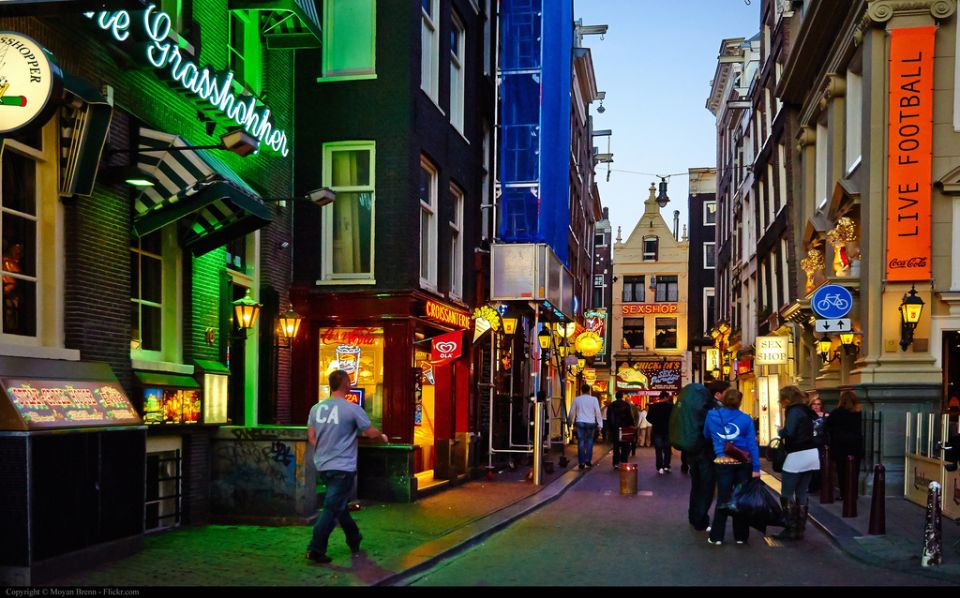
Amsterdam has a way of turning stereotypes into something more complicated. This tour leans into that. You’re not just trying to shock yourself in the Red Light District; you’re learning why Amsterdam’s approach to prostitution and marijuana is written into the city’s modern rules and rhythms. That matters, because it changes how you interpret what you see on the street.
Then the food part shows you a different side of “Amsterdam culture”: the everyday, comforting snacks people eat without needing a translator. A kroket is not a museum object. Stroopwafel is basically a sweet ritual. And Dutch cheese is the kind of thing you can taste and instantly understand. Mixing those two parts keeps the tour from feeling one-note.
And yes, it’s private. That’s a real advantage here, because the Red Light District is sensitive territory. A good guide makes it feel like an educational walk, not an awkward gauntlet.
You can also read our reviews of more food & drink experiences in Amsterdam

Meeting near Park Plaza Victoria Hotel and the rhythm of a 2-hour walk
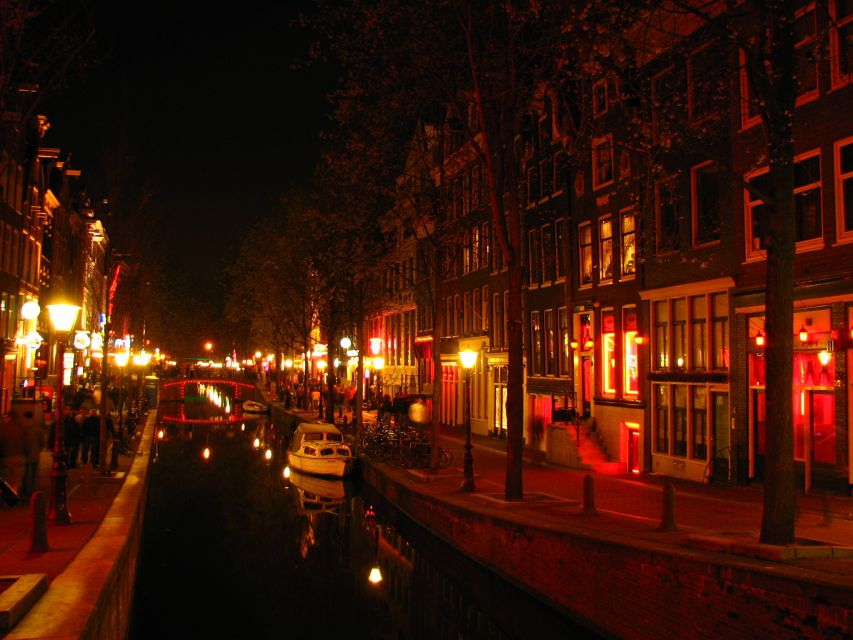
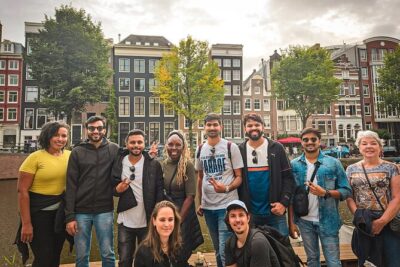
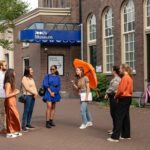
You meet your guide in front of the main entrance of the Park Plaza Victoria Hotel. From there, you get going in Central Amsterdam. The tour is designed as a compact loop: you’ll walk through the core sights, then end back near the same area (around Prins Hendrikkade).
Two hours sounds short until you’re actually on Amsterdam sidewalks. In this case, it’s a manageable length because the guide keeps the pace purposeful—turning each stop into a quick story, then moving you along. You’re also not stuck figuring out what to look at. The route is planned so you pass major landmarks like Dam Square and the Oude Kerk, plus Red Light District streets and nearby character zones.
If you’re visiting in colder or wetter months, plan for that. This is a walking tour first. Bring shoes you trust, and you’ll enjoy the day more.
Dam Square and the Oude Kerk: your shortcut to “why Amsterdam looks like this”
You start with Dam Square, which gives you instant orientation. It’s one of those places where the city feels both historic and practical—busy enough to feel alive, but central enough to anchor the rest of the walk.
From there, you head toward the Oude Kerk. Seeing the Old Church early is a smart move, because Amsterdam’s identity sits on top of layers: old trade-era power, later modern changes, and today’s tourism. Even if you’re not the kind of person who loves churches for their own sake, the setting helps you understand why the city developed the way it did.
This is also where the guide’s style becomes important. Guides like Andrea and Catherine are repeatedly praised for turning facts into stories—so you don’t just read history in your head. You get a mental movie running while you’re walking.
Oude landmarks meet the Red Light District: what your guide explains on the way
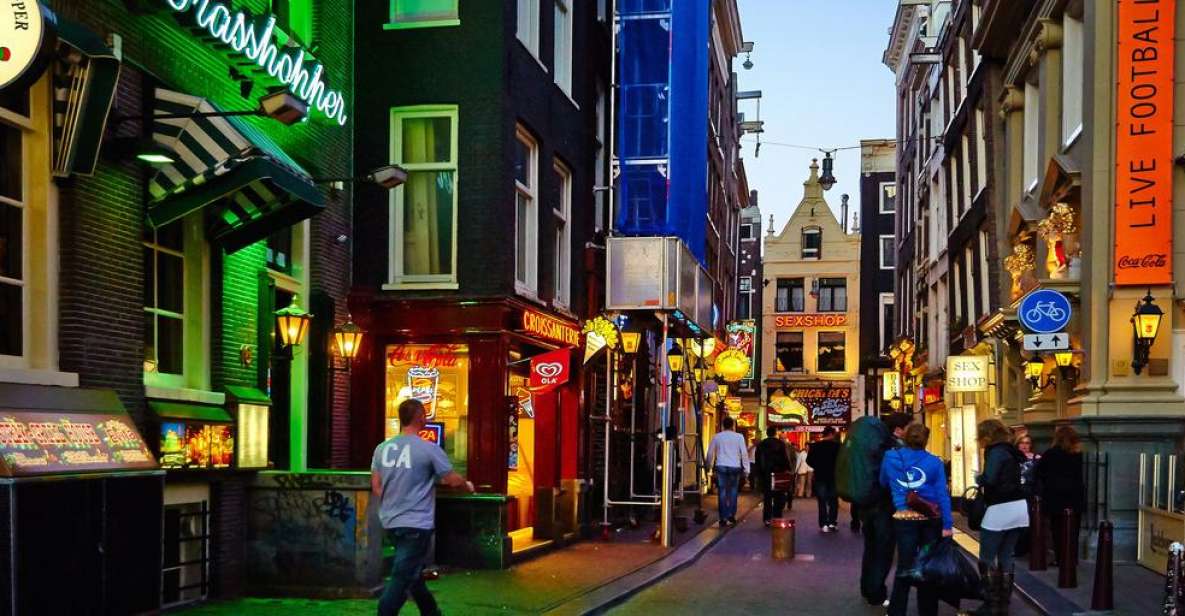
Once you’re in the Red Light District area, the tour’s tone becomes the main attraction. Instead of treating the neighborhood like a scandal, your guide frames it as a regulated part of the city. That includes the legal side: how prostitution is legalized and how marijuana is tolerated under Dutch policy.
This kind of commentary can go two ways. It can either feel preachy or awkward. The guides associated with this tour tend to land closer to clear and human. People describe guides as making the information feel comfortable and approachable, and as answering questions without making anyone feel weird.
You’ll also hear about coffee shop culture as part of the neighborhood story—not just as a buzzword. That’s useful because Amsterdam’s coffee shop scene is one of the big cultural references tourists bring home. Getting the basic framework from a local guide helps you understand what’s behind the headlines.
One practical tip: since this is also a “learn first, then look” kind of walk, give yourself permission not to stare at every storefront. If you follow the guide’s cues, you’ll get more meaning out of what you’re seeing.
China Town, the narrow streets, and the city’s oddball geography
The tour doesn’t stop at the obvious streets. You’ll also pass through areas like Amsterdam Chinatown, which gives you a more rounded view of what the city is doing right next to the most famous nightlife corner.
And then there’s the fun geometry of Amsterdam: streets that feel like they were folded by hand. You’ll visit the narrowest street of Amsterdam and see the Narrowest House in Europe. These stops sound like quick photo moments, but they’re actually good teaching tools. The city’s layout helps explain why certain neighborhoods feel compressed, why sightlines are different, and why some buildings look the way they do.
Guides such as Jay, Aarre, and Agapios are highlighted for humor and storytelling. That matters here, because Amsterdam’s smallest streets can feel confusing without a human pointing out what to notice.
You can also read our reviews of more tours and experiences in Amsterdam






Warmoesstraat, Grachtengordel, and Nieuwmarkt: the walk turns from “shock” to “understanding”
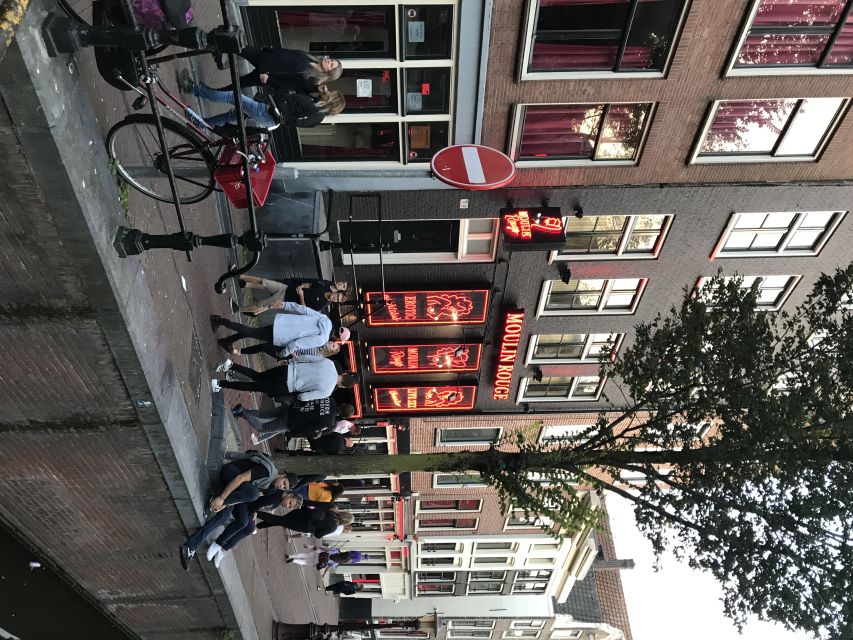
As the tour continues, the pace shifts from tension and stereotype toward texture. Warmoesstraat is one of those streets that feels like a hinge between eras—packed with activity and surrounded by layers of city life.
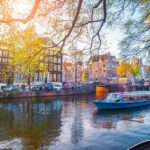
Then you move through the Grachtengordel, the canal belt. Even on a walking tour, the canals change your perception. They’re not just scenery; they show how Amsterdam organized its space, wealth, and movement. When you compare canal-belt regularity to the Red Light District’s tighter street pattern, you get a clearer picture of how different parts of the city developed.
Nieuwmarkt Square adds another layer of the city’s “everyday Amsterdam.” Instead of focusing only on one famous district, you get to watch how the center functions like a neighborhood system. That’s a big part of why this tour feels more grounded than a pure nightlife walkthrough.
Finishing at the Amsterdam Flower Market: a softer landing
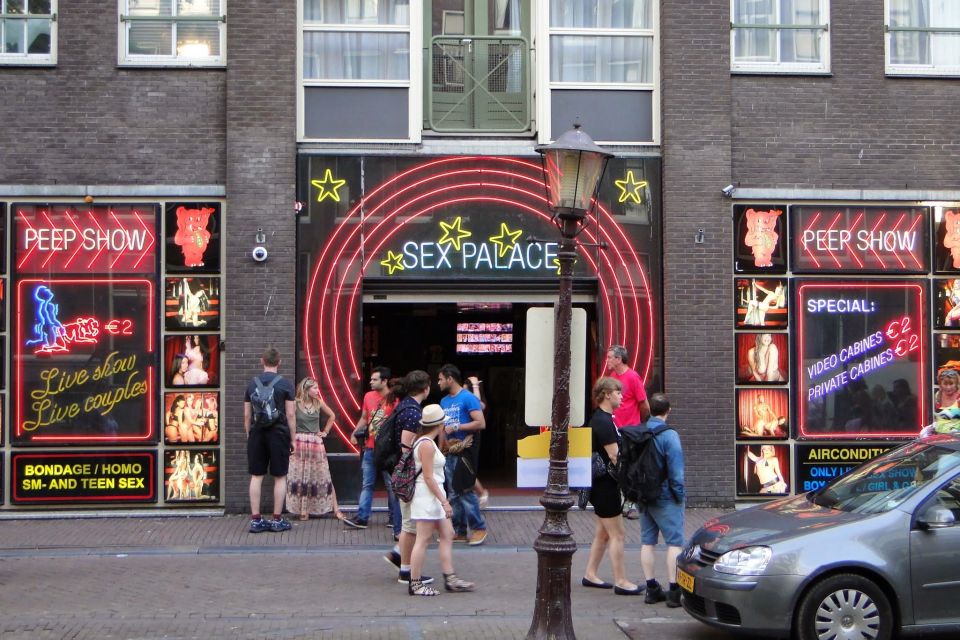
Near the end, you’ll reach the Amsterdam Flower Market. It’s a classic stop, but in the context of this tour it feels like a release valve. You’ve been dealing with heavy subject matter and Dutch policy explanations, then you’re suddenly back in a sensory, colorful Amsterdam scene.
This ending is also practical. It gives you an easy place to pause, grab a drink, and decide what you want to do next—whether that’s exploring nearby streets on your own or heading toward your next stop without feeling like you’re still “in the tour.”
The three Dutch tastings: what you’ll likely taste and what it means
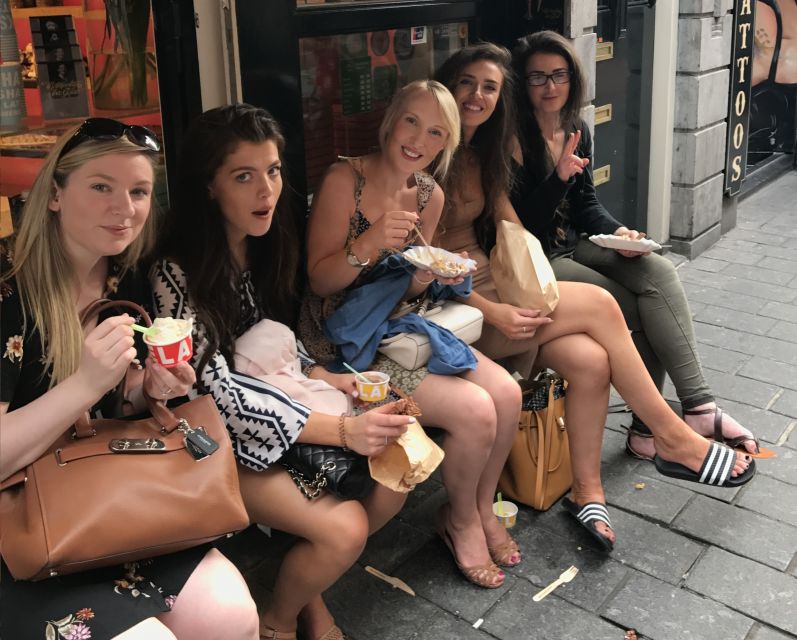
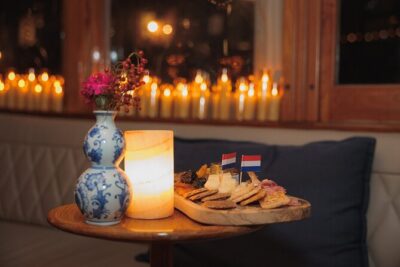
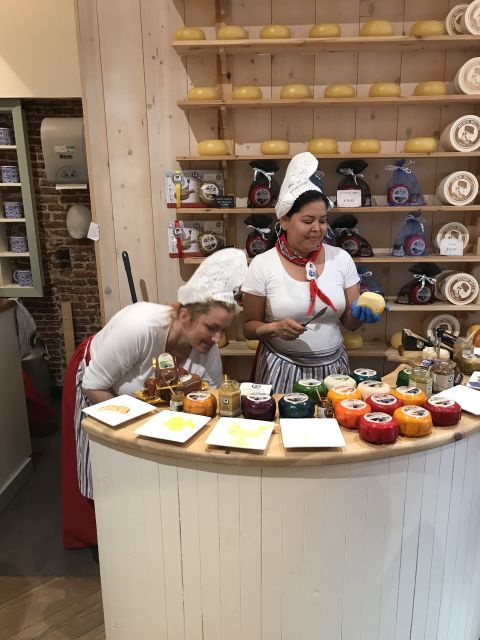
The tour includes tastings of three traditional Dutch foods. The examples given—kroket, Dutch cheese, and stroopwafel—are exactly the kind of foods that teach you something fast.
- Kroket: a fried comfort food that hits with crunchy outside and savory inside. It’s a classic Dutch snack you can treat like street food, but it’s still distinctly local.
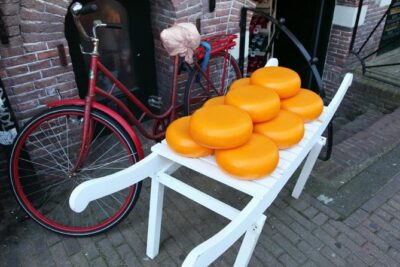
- Dutch cheese: you taste how Dutch cheese culture is less about fancy presentation and more about flavor. Even if you’re not a super-cheese person, this is usually easy to appreciate once you try it.
- Stroopwafel: sweet, sticky, and comforting. It’s famous for a reason, and it’s a quick way to understand why Dutch dessert culture can feel warm and everyday.
Now, a heads-up. The tour is designed to include three items, but one account mentioned only receiving two. That’s not something I can predict for your day, but it’s worth paying attention to. If you’re expecting three tastings, ask your guide early what the three will be and check in if the count seems off.
Also remember: this is a tasting tour, not a full dinner. If you’re hungry enough to want a meal afterward, plan for it. That’s not a negative—it’s the right format for a short, story-heavy walk.
Price and value: is $112 per person worth it?
At $112 per person for a 2-hour private walking tour with three food tastings, the value hinges on one thing: the quality and focus of the guide.
Here, you’re paying for two experiences that are hard to combine on your own:
1) a guided, sensitive explanation of the Red Light District and Dutch tolerance/legal approach, and
2) a curated food tastings sequence that pairs with the stories instead of competing with them.
If you tried to “DIY” this, you’d end up piecing together info from multiple sources, and you still might miss the cultural context that helps you interpret what you see. With a private guide, you can ask questions right away. That can be worth a lot in a topic like this.
The price also reflects time and labor: you’re not just paying for food. You’re paying for the walk and the commentary as it connects street sights to Dutch culture.
Who this tour fits best (and who should skip it)
This is a great choice if you want Amsterdam in context. I think it suits:
- couples or small groups who like learning while walking
- food-minded travelers who enjoy classic snacks
- people who want the Red Light District explained in a careful, educational way
- anyone who’d rather have guidance than wander into sensitive areas without a plan
You might think twice if:
- you want a full meal experience rather than tastings
- you dislike walking long stretches in rain/cold
- you’re uncomfortable discussing legalization and tolerance topics, even in an educational format
Should you book this private Red Light District and Food Tour?
If you’re going to Amsterdam for your first or second time, and you want the city’s famous side explained instead of just photographed, I’d book it. The standout strength is the pairing: Red Light District context plus three classic Dutch tastings under a guide who can turn the neighborhood into a teachable story. The private format also helps you feel at ease in a sensitive place.
Just go in with realistic expectations: it’s a walking tour with tasting-size food, not a dinner. If you care a lot about getting all three tastings, ask what they are on the day.
If that sounds like your style, you’ll leave with a clearer picture of Amsterdam—both the street culture and the snacks people actually eat.
FAQ
How long is the Amsterdam private Red Light District and food tour?
It lasts 2 hours.
Where do we meet the guide?
Meet the guide in front of the main entrance of the Park Plaza Victoria Hotel.
Is this tour private?
Yes, it is a private group walking tour.
What food is included?
The tour includes tastings of 3 traditional Dutch foods. The listed examples include kroket, Dutch cheese, and stroopwafel.
What parts of the city will we see?
You’ll walk through central sights including Dam Square, the Oude Kerk, Amsterdam Chinatown, the narrowest house/street area, and you’ll also pass the canal belt and end near the Amsterdam Flower Market.
What languages are available?
The live tour guide is available in Dutch, English, German, and Spanish.
Is there free cancellation?
Yes. You can cancel up to 24 hours in advance for a full refund.