REVIEW · AMSTERDAM
Amsterdam: Food and Culture Walking Tour with Tastings
Book on GetYourGuide →Operated by Ollantay Food Tour · Bookable on GetYourGuide
Amsterdam smells like Dutch comfort. This 3.5-hour walk mixes classic tastings with real city landmarks, guided by Roman who turns snacks into stories you’ll remember.
Two things I love: you get 8 typical Dutch foods (savory to sweet), and you also see major sights without turning the day into a photo sprint. The route includes Flower Market energy plus older corners of town like Begijnhof and the areas near the Royal Palace.
One drawback to consider: this is a walking tour with no hotel pickup, and it isn’t suitable if you have mobility limitations. Also, don’t show up with big bags since luggage isn’t allowed.
In This Review
- Key highlights you should know
- Why this 3.5-hour Amsterdam food walk makes sense
- Starting point at Vijzelstraat: quick way to get going
- The Flower Market stop: where Amsterdam looks like it’s smiling
- Begijnhof and the Royal Palace: famous sights with food-world context
- Anne Frank House and Westerkerk Church: history you can walk past
- The Jordaan neighborhood: where local routine feels closer
- The eight Dutch tastings: what to expect, and how to order your day
- Savory first, then comfort
- Stroopwafel and the warm snack logic
- Bitterballen is the test
- How the guide experience changes everything
- Walking, timing, and food-day strategy
- Price and value: what you’re really paying for
- Who this tour is best for
- Should you book this Amsterdam Food and Culture tour?
- FAQ
- How long is the Amsterdam food and culture walking tour?
- What is the price per person?
- Where is the meeting point?
- What foods are included in the tastings?
- Is water included?
- What languages are the guides?
- Do I need hotel pickup?
- Are luggage or large bags allowed?
- Is the tour suitable for people with mobility impairments?
- Can I cancel for a full refund?
Key highlights you should know
- Flower Market start with that bright, busy local feel
- Begijnhof and Royal Palace sights folded into meal stops
- Small-group vibe (some groups report around 15 people), so it’s easier to hear and move
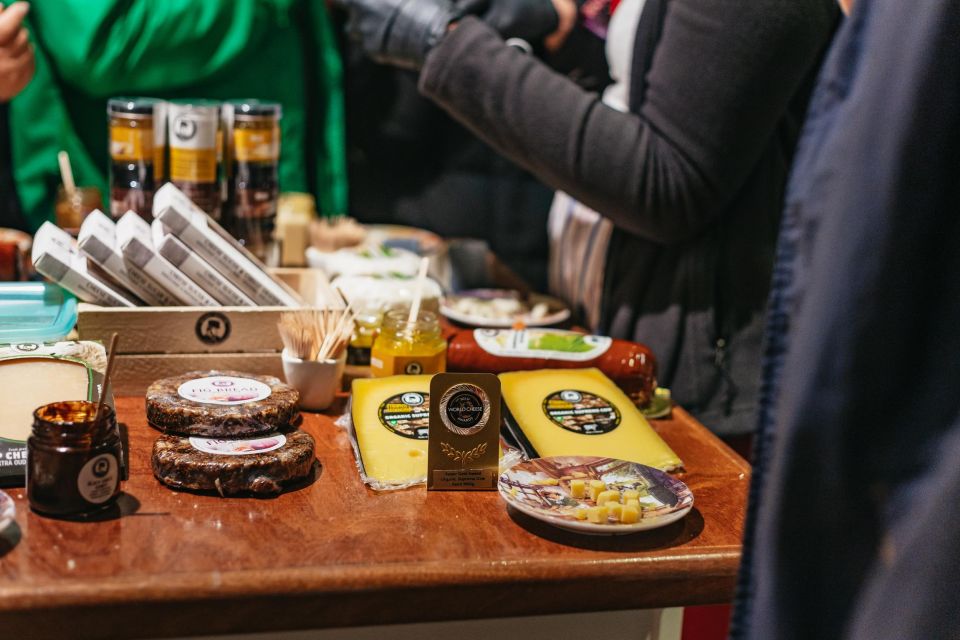
- 8 tastings that actually cover Dutch comfort food: from herring to bitterballen
- Sweet finish with apple tart to end the tour on a proper note
Why this 3.5-hour Amsterdam food walk makes sense
If you’re short on time in Amsterdam, this kind of tour does two jobs at once. You’re not just eating; you’re getting the why behind what you’re tasting. That matters here because Dutch food culture is tied to trade, sea routes, and long-standing habits of simple, satisfying ingredients.
The other reason this works is pacing. 3.5 hours sounds long until you realize it’s broken into walking chunks plus stops where you actually sit, taste, and ask questions. You’ll move through famous places like Begijnhof and the Royal Palace, but you’ll also get steered into the sort of streets and neighborhoods you might not pick on your own.
Now, the $93 price tag needs a reality check. You’re paying for a guided route plus multiple tastings that would add up quickly if you ordered everything separately. You also get bottled water, and the tour stays focused on classic Dutch items rather than turning into a snack parade.
The tour is run by Ollantay Food Tour, and the guide experience is a big part of why it scores so high. Roman shows up as funny, friendly, and very tuned in to the group. One thing you’ll notice from descriptions is that he doesn’t treat the tour like a script. He asks after people, keeps it moving at a comfortable pace, and is big on remembering names.
You can also read our reviews of more walking tours in Amsterdam
Starting point at Vijzelstraat: quick way to get going
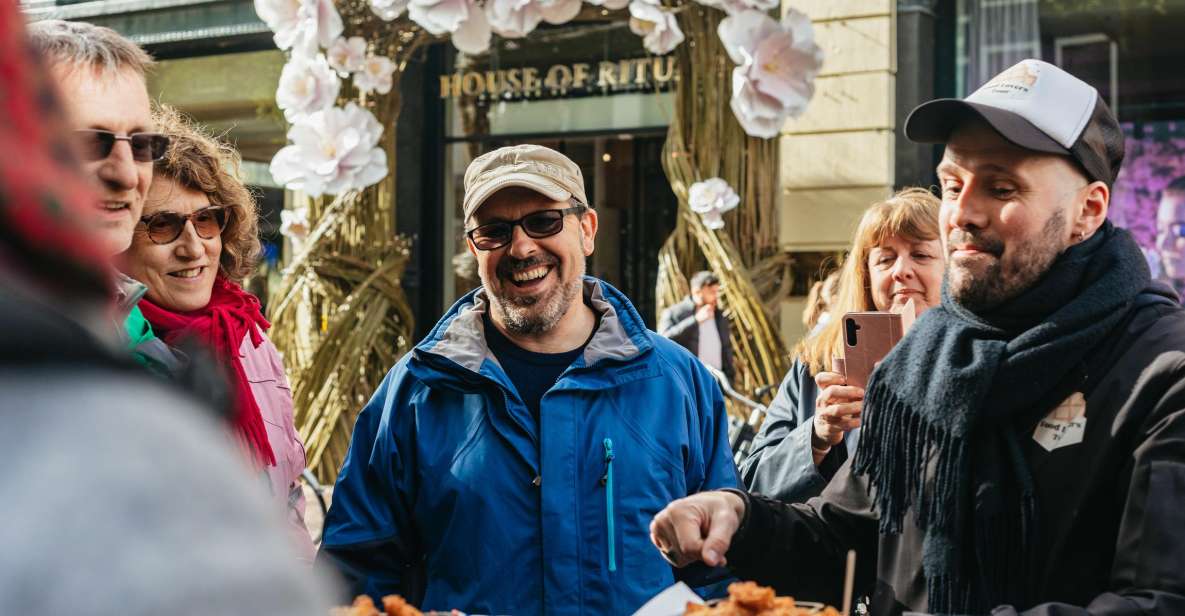
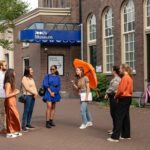
You meet in front of Asian Kitchen at 5-A Vijzelstraat, right in the center, with the Flower Market entrance nearby. It’s a good setup because it puts you close to where the action starts, and it cuts down on wasted “getting there” time.
A small but practical tip: wear comfortable shoes and go light with your bag. The tour doesn’t allow luggage or large bags, so plan for a daypack at most.
Also, since there’s no hotel pickup, you’ll want to be on time. In a walking tour like this, being late can mean you arrive after the first food stop starts, and then you’ll feel rushed instead of relaxed.
The Flower Market stop: where Amsterdam looks like it’s smiling
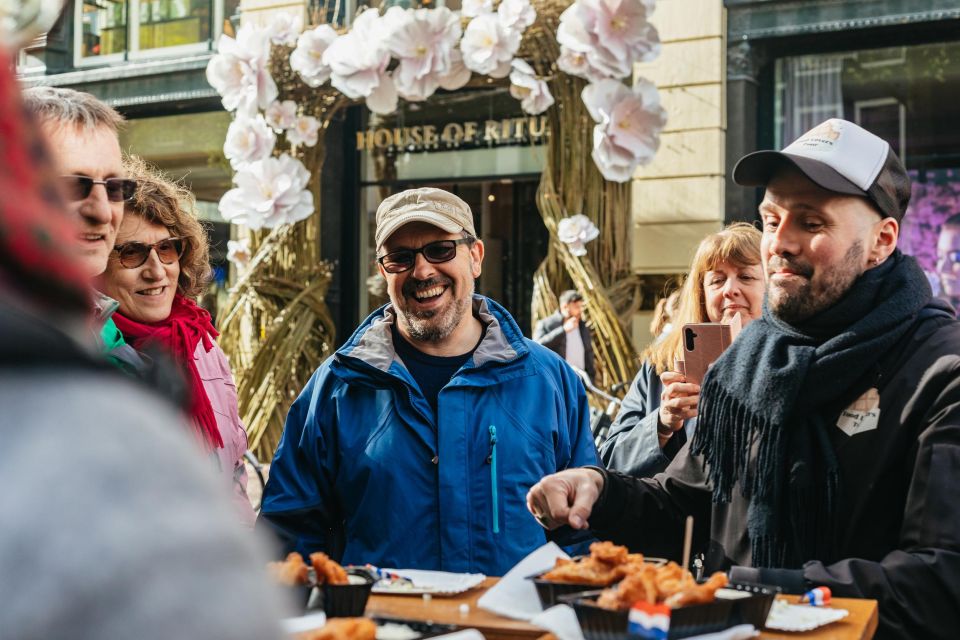
The tour kicks off with a stroll through the Flower Market. Even if you’ve seen photos of Amsterdam’s blooms, the in-person version feels different because it’s about people and daily commerce, not just flowers. Color hits you fast. Sellers and shoppers bring a rhythm to the streets.
This first stop also does a smart job. You start with a sensory “anchor” before the tour becomes history-and-food. After you’ve tasted and smelled your way into the day, the walking parts feel easier.
One thing Roman seems to bring into the experience is comfort in real life. In some descriptions, he even provides extras like umbrellas if weather turns, plus small hygiene items like hand sanitizer. That means you’re less likely to lose the afternoon to a sudden drizzle.
Begijnhof and the Royal Palace: famous sights with food-world context
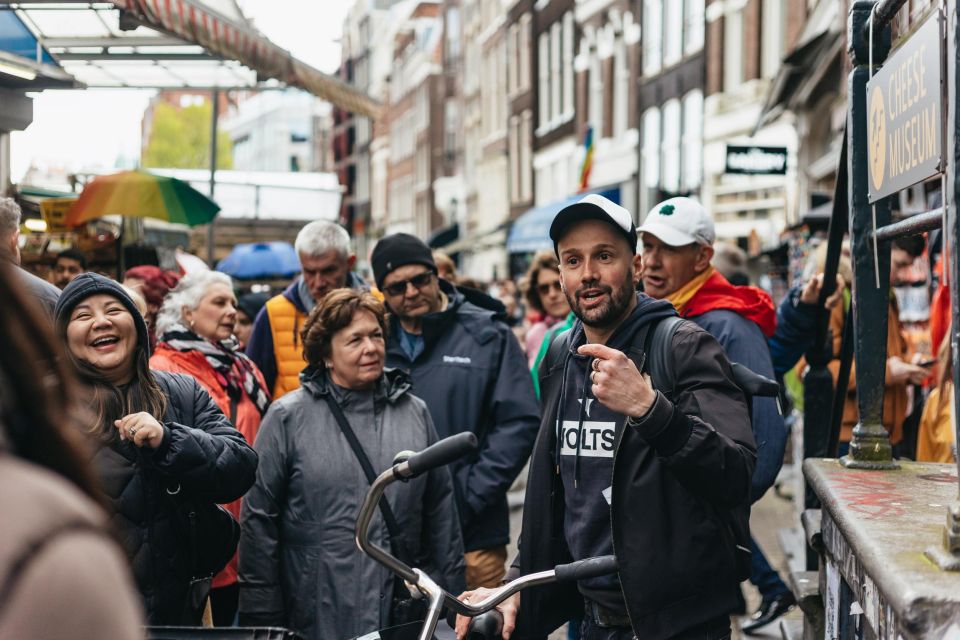
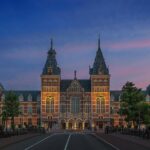
After the market energy, the route moves toward older Amsterdam. You’ll get to see Begijnhof and the Royal Palace. These are big, recognizable landmarks, but what makes them interesting on this tour is the way they fit into the larger story of the city.
Amsterdam’s food culture didn’t develop in a vacuum. The same trade routes that shaped the city’s growth also shaped what ended up on plates. When your guide links the walking history to what you’re going to eat later, the landmarks stop being just “checkpoints.”
Begijnhof in particular is one of those places where the atmosphere changes quickly. Even when the street is active, you get a sense of quieter, older Amsterdam around you. It’s a good contrast to the market area, and that contrast helps you stay mentally engaged during the tour.
Anne Frank House and Westerkerk Church: history you can walk past
The itinerary also includes the Anne Frank House area and the Westerkerk Church. You won’t get a slow museum-style experience in a 3.5-hour walk, but you do get a way to place these sites in the map and the city’s timeline.
For many people, this is a practical approach. You might visit one of these places later at a deeper level. Doing the walking tour first helps you understand the neighborhoods and street layout, so your later visit feels more connected instead of random.
Westerkerk is another helpful stop because churches in Amsterdam often reflect the city’s architecture and civic priorities across different periods. Even if you’re not a hardcore architecture person, you’ll likely come away with better instincts for what you’re seeing while walking through town on your own later.
You can also read our reviews of more food & drink experiences in Amsterdam



The Jordaan neighborhood: where local routine feels closer
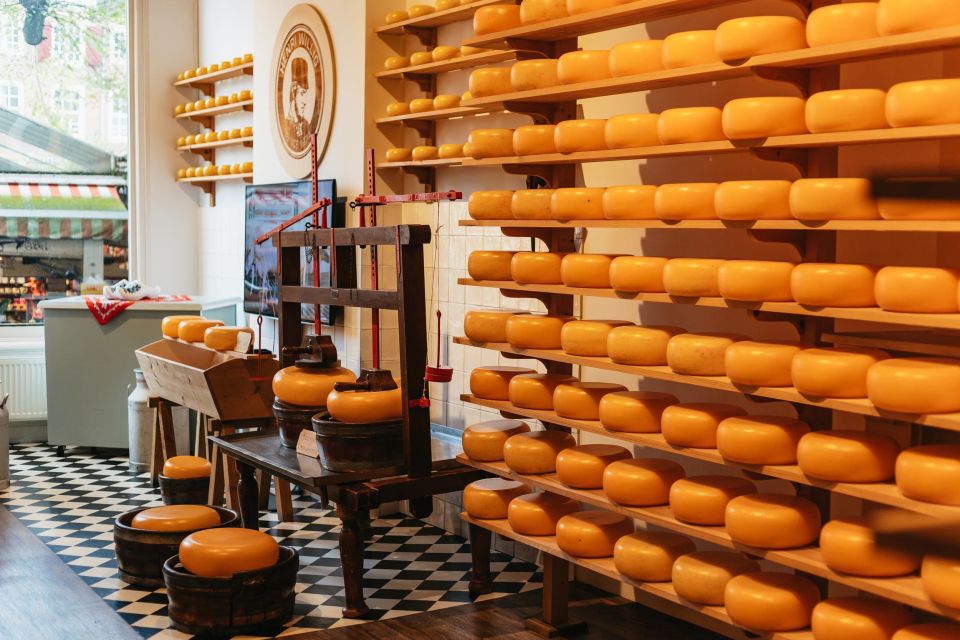
You’ll also spend time in the Jordaan neighborhood. This matters because Jordaan has a different vibe than the most tourist-heavy strips. It’s more about lived-in streets, smaller channels, and a sense of everyday Amsterdam.
On a food tour, neighborhoods like this are where the difference shows. If the tastings happen in normal places people actually use, you’ll get a better feeling for how Amsterdam eats, not just how it performs for visitors.
Jordaan is also a good “breather” between major landmarks. You’ll feel less like you’re on rails, and more like you’re moving through a real part of the city where food and daily life overlap.
The eight Dutch tastings: what to expect, and how to order your day
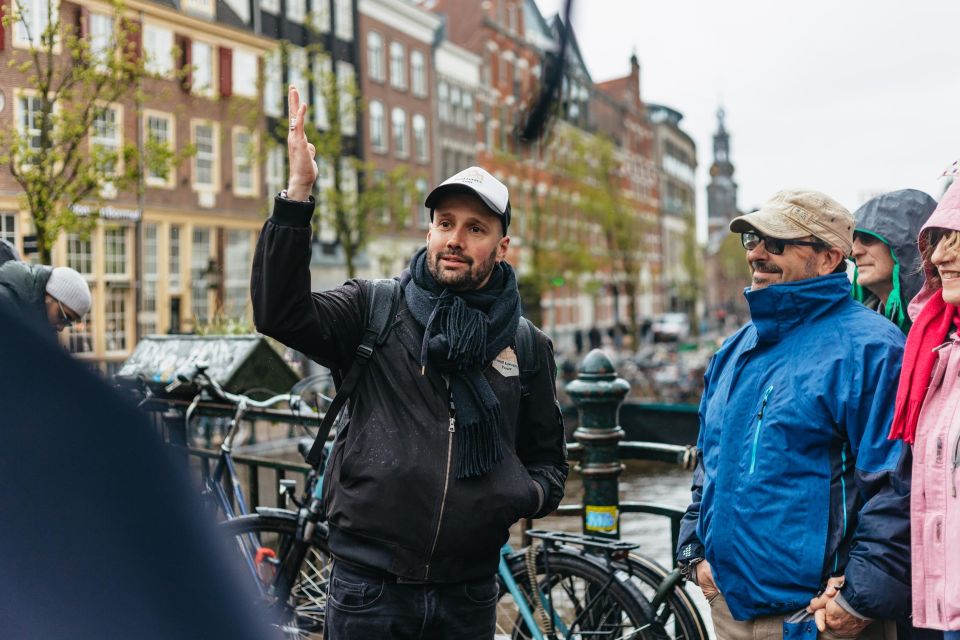
This is the heart of the tour: eight tastings of Dutch staples. That’s a lot to pack into 3.5 hours, so the tour is built to keep you from waiting around too long. You’ll go from one stop to the next with short walking segments, and each food stop is tied to what makes it Dutch.
Here’s what you should expect to try:
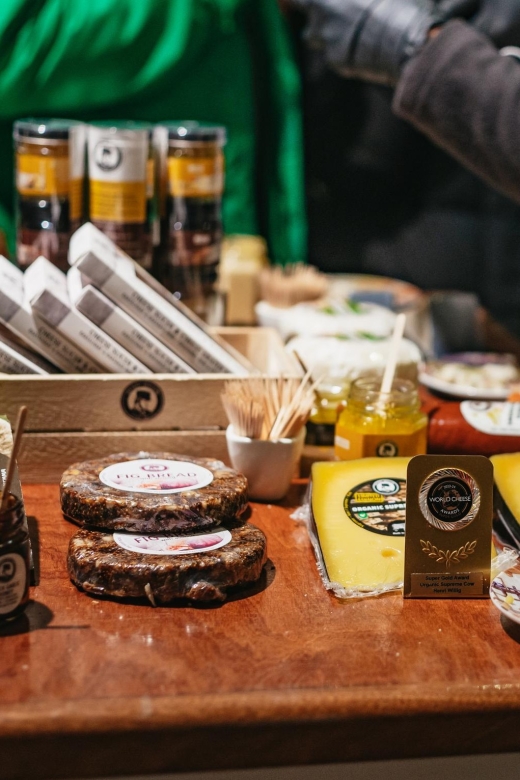
- Local cheese (a classic start point because Dutch cheese culture is huge and surprisingly varied)
- Herring (salty, briny, and definitely not everyone’s first choice in a restaurant)
- Kibbeling (a battered-fry comfort food vibe)
- Stroopwafels (the warm caramel waffle snack that smells like you’re in a bakery dream)
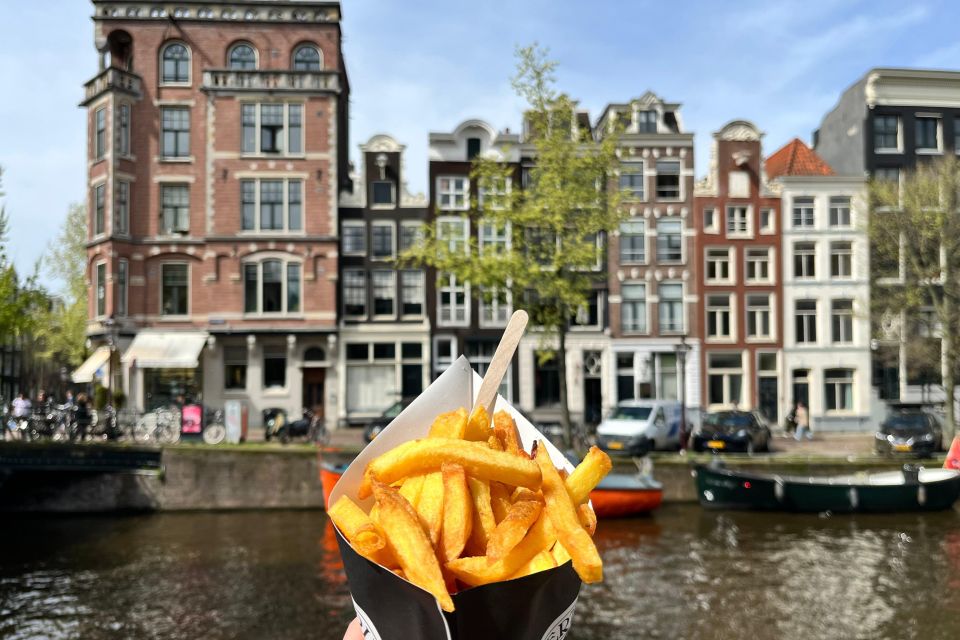
- Dutch fries (simple, snacky, and perfect for mid-walk refueling)
- Bitterballen (deep-fried meat-based bites, often paired with a mustard-ish sauce)
- Grilled cheese (a savory stop that helps balance the fried and salty items)
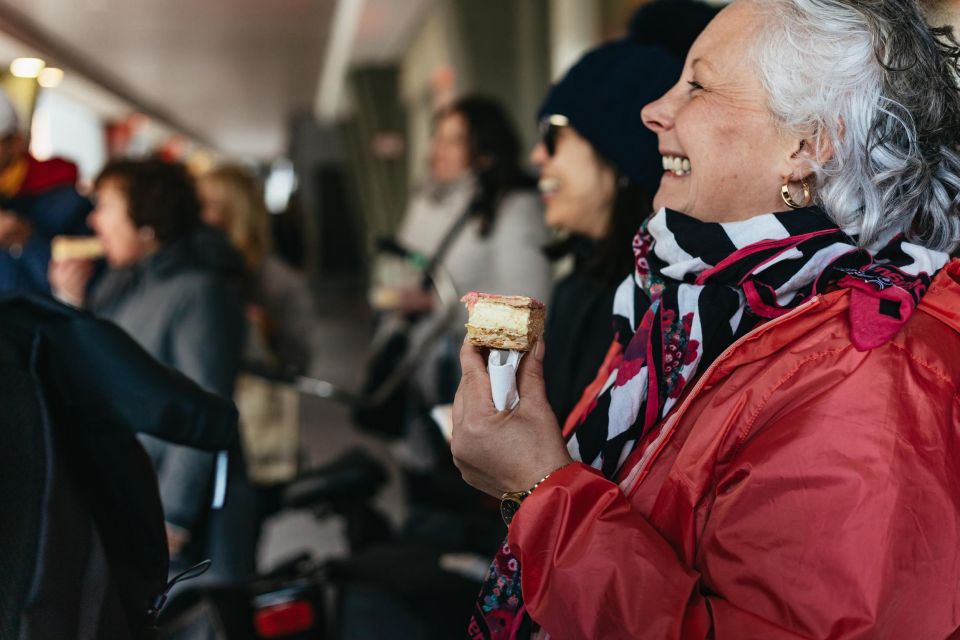
- Apple tart at the end (sweet finish that brings the whole day together)
Savory first, then comfort
One pattern you’ll likely notice from the way it’s described: the stops move you through savory hits that feel familiar in structure, even when the flavors are distinctly Dutch. That includes fried things like bitterballen and kibbeling, plus seafood like herring.
If you’re curious but cautious with stronger flavors, don’t stress. Herring is often the “I didn’t think I’d like this” food. In some descriptions, people were glad they tried it on the tour rather than ordering it randomly later.
Stroopwafel and the warm snack logic
Stroopwafels work well as part of a walking itinerary. They’re handheld, sweet, and quick to eat, so you don’t lose momentum. Warm caramel and waffle layers are also a nice contrast to the heavier fried items earlier.
If you’re someone who tends to get overwhelmed by lots of food stops, pacing matters. The tastings are set up so you’re consistently eating, but not constantly shoving food into your face without breaks. Roman’s style is described as keeping the tour comfortable, not hurried.
Bitterballen is the test
Bitterballen are one of the most iconic Dutch pub-style snacks, and they’re also a good “taste the culture” moment. Fried, bite-sized, and built for social eating, they show up in the Netherlands for a reason: they’re easy to share, and they’re satisfying.
How the guide experience changes everything
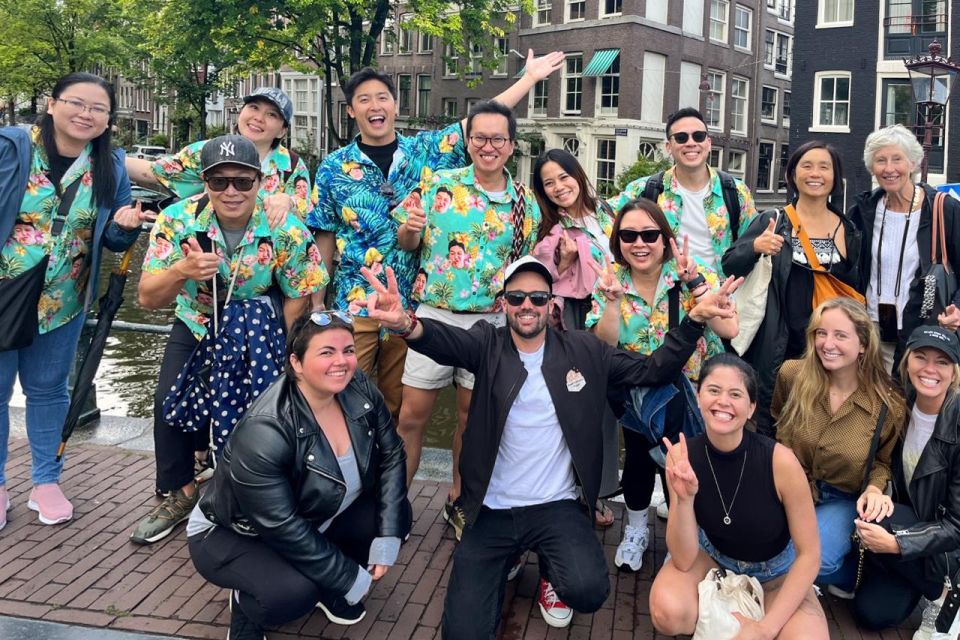
For tours like this, the guide isn’t a minor detail. It changes the value of the whole day.
Roman is repeatedly described as funny, open, friendly, and highly invested in the city. The consistent theme is that he blends facts with humor and makes each stop feel connected to what you’re eating. People also note that he remembers names and makes a real effort to check in with the group so it doesn’t feel like you’re just following along.
There are also practical touches in some accounts. For example, some groups mention umbrellas, hand sanitizer, and even small cleaning items for the tables where food is served. That’s not a marketing bullet. It’s the difference between an unpleasant rain moment and a tour that keeps its rhythm.
If you prefer a guide who talks like a human and not like a lecture, this is a strong fit.
Walking, timing, and food-day strategy
No hotel pickup. No luggage. Comfortable shoes. That’s the basic deal, and it’s sensible.
As you plan your day around it, think of this as your early-trip Amsterdam primer. Many people like doing it near the beginning because it gives you a map of what neighborhoods and foods they’ll want to revisit. You’ll also learn what order to think about street sights. After the walk, your self-guided strolling gets easier because you’ve already moved through the city once with context.
Because it’s a walking tour, you should also plan for a light morning snack. You’ll be tasting eight items, including salty fried foods and sweet dessert. If you arrive truly hungry, great. If you arrive overfull, you may feel overfed by the midpoints.
Price and value: what you’re really paying for
For $93 per person, you’re buying three things:
- A guide who connects food to place and history
- Multiple tastings that cover a broad slice of classic Dutch food
- A structured route that hits major sights and neighborhood streets in one afternoon
Compared to shopping à la carte, it often feels like the smarter choice. Even if you know you like Dutch snacks like stroopwafels or bitterballen, you still might not choose the full set on your own. This tour gives you variety without forcing you to commit to a whole meal at each stop.
And because bottled water is included, you avoid the small but annoying expenses that add up during a walk with lots of food.
Who this tour is best for
This works best if you:
- Want a food-first introduction to Amsterdam, not just sightseeing
- Prefer a mix of landmarks and neighborhood walking
- Like Dutch classics such as herring, cheese, and fried snacks
- Value a guide who pays attention and keeps energy up
It may not be ideal if you:
- Need an accessible route due to mobility limits
- Don’t want to eat multiple tastings in one sitting window
- Travel with large luggage and hate strict rules
Should you book this Amsterdam Food and Culture tour?
Yes, if you want your Amsterdam time to feel organized without feeling like a checklist. The best reason to book is the combination of 8 tastings plus major sights, led by Roman, who seems to make the experience fun and personal.
Skip it if you’re purely sightseeing-focused and don’t care about food, or if mobility is an issue for you. Also, if you already planned to eat a similar set of Dutch snacks on your own, you might feel it overlaps with your restaurant plan.
If you’re trying to decide what to do first, I’d treat this as a high-leverage start: you’ll get oriented fast, eat well, and leave with a clear sense of where you want to go next.
FAQ
How long is the Amsterdam food and culture walking tour?
The tour lasts 3.5 hours.
What is the price per person?
The price is $93 per person.
Where is the meeting point?
Meet just in front of Asian Kitchen at 5-A Vijzelstraat in central Amsterdam, in front of the entrance of the Flower Market.
What foods are included in the tastings?
The tour includes tastings of 8 typical Dutch foods, including local cheese, harring (herring), kibbeling, stroopwaffle, Dutch fries, bitterballen, grilled cheese, and apple tart.
Is water included?
Yes. A bottle of water is included.
What languages are the guides?
The live tour guide is available in English and French.
Do I need hotel pickup?
No. Hotel pickup and drop-off are not included.
Are luggage or large bags allowed?
No. Luggage or large bags are not allowed.
Is the tour suitable for people with mobility impairments?
No. The tour is not suitable for people with mobility impairments.
Can I cancel for a full refund?
Yes. Free cancellation is available up to 24 hours in advance for a full refund.