REVIEW · AMSTERDAM
Amsterdam: Anne Frank and World War II Walking Tour (TOP RATED)
Book on Viator →Operated by Trigger Tours · Bookable on Viator
Anne Frank and WWII come into focus in the streets. This 2-hour Amsterdam walking tour pairs major memorial stops with clear context, so the story is more than dates on a page. You’ll move through the Jewish Quarter area, finishing near Dam Square and the Royal Palace area for an easy mental reset after the heavier moments.
I love how this tour gives you short stops with real atmosphere, not a long, exhausting slog that leaves you checking your watch. I also like that you get background on Amsterdam’s Jewish life in the 1930s and WWII, with guides who can answer questions beyond the basics—names like Aaron and James show up in guide feedback, along with Misha, Keese, Peter, and Stan.
One consideration: the tour title can make some people expect the Anne Frank House visit, but entrance to the Anne Frank House isn’t included. Also, it’s still a walking tour, so comfy shoes matter—especially if you’re traveling with kids.
In This Review
- Key highlights that make this tour worth your time
- Why this Jewish Quarter walk hits hard in two hours
- Portuguese Synagogue: from Amsterdam’s Golden Age to worship today
- Auschwitz Monument and the deportation focus you can’t ignore
- Verzetsmuseum Amsterdam: how resistance reshapes the story
- Hollandsche Schouwburg: deportations in the middle of everyday city geography
- De Plantage and the Spinoza Monument: where ideas and community lived
- Dam Square and the Royal Palace area: a reset at Amsterdam’s famous crossroads
- Price and what you’re actually paying for
- Guide style and pace: why names like Aaron, James, and Misha keep showing up
- Logistics that matter on a walking tour like this
- Who should book this tour (and who might want a different option)
- Should you book it? A quick decision checklist
- FAQ
- How long is the Anne Frank and World War II walking tour?
- Where does the tour start?
- Is the Anne Frank House ticket included?
- How many people are on the tour?
- What language is the tour offered in?
- Is food and drinks included?
- Can I cancel for a full refund?
Key highlights that make this tour worth your time
- Jewish Quarter + WWII memorial pacing: multiple stops, each around 10 minutes, so you don’t get numb from standing in one place too long
- Portuguese Synagogue context: a living synagogue tied to the Dutch Golden Age Jewish community
- Resistance to deportation storyline: you’ll connect the dots from resistance (Verzetsmuseum) to deportations (Hollandsche Schouwburg and memorials)
- Small group size (max 15): easier questions and less getting separated at busy street corners
- Ends near Dam Square and the Royal Palace area: ideal timing to carry your new context into the city’s most famous square
Why this Jewish Quarter walk hits hard in two hours

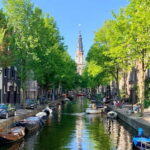
Amsterdam can be gorgeous in a very normal, postcard way. Then this walk changes the temperature. You’re not just reading about WWII—you’re seeing how the Jewish Quarter looks today, pausing at sites tied to deportation and remembrance, and hearing the surrounding context that helps you understand why this area mattered.
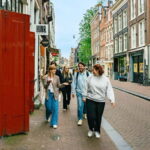
What I like about the format is the built-in rhythm. Stops are brief—about 10 minutes each at the listed points—so you keep moving, you can take photos, and you don’t spend the whole tour in one emotionally heavy spot. Guides keep things engaging, and the pacing tends to fit a quick two-hour window, which is useful if you only have a day or two in Amsterdam.
Another big plus: you’re capped at 15 travelers. That number sounds small because it is. It tends to make the tour feel more like a conversation with local context than a headcount exercise.
You can also read our reviews of more walking tours in Amsterdam


Portuguese Synagogue: from Amsterdam’s Golden Age to worship today
Your first stop is the Portuguese Synagoge (Portuguese Synagoge). This is a smart opener because it anchors the story in something real and lived, not only tragedy. You’ll hear how the Sephardic Jewish community was among the largest and richest in Europe during the Dutch Golden Age, and how their synagogue reflected that.
That background matters. Without it, WWII history can feel like it drops out of nowhere. With it, you understand that there was a full community with culture, status, and religious life—before persecution tightened its grip.
You’ll also be told the synagogue remains an active place of worship while still being a popular tourist site. That combination is powerful: you’re visiting a landmark, yes, but it also keeps the sense of continuity.
Practical note: since this stop is listed as free admission ticket, you’re not juggling ticket logistics right at the start. The tour just gets to work.
Auschwitz Monument and the deportation focus you can’t ignore
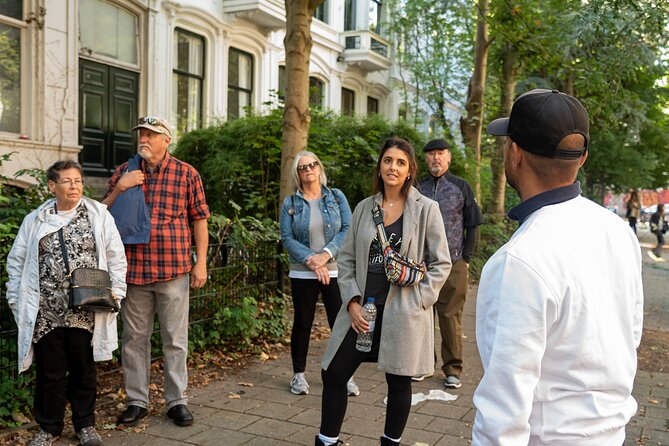
Next comes the Auschwitz Monument, with a pause centered on Jewish deportation. It’s the kind of stop where the goal isn’t long speeches—it’s clarity and gravity. You’ll learn what the monument represents and how deportations fit into the wider WWII story.
This is one of those moments where a good guide earns their fee. Even with a brief stop, the difference between a vague explanation and a pointed one is huge. The tour’s overall design leans toward specific context, so by the time you reach the next memorial-style locations, you’re not starting from scratch.
If you’re the type who gets overwhelmed easily, take your time with breathing here. It’s completely okay to step back a half-step and let the words land at your pace.
Verzetsmuseum Amsterdam: how resistance reshapes the story
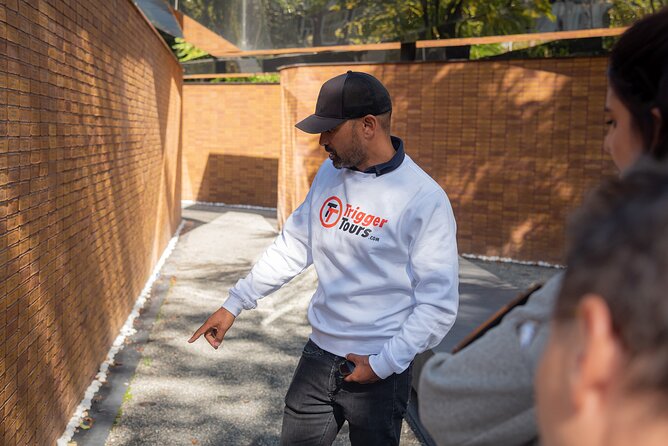
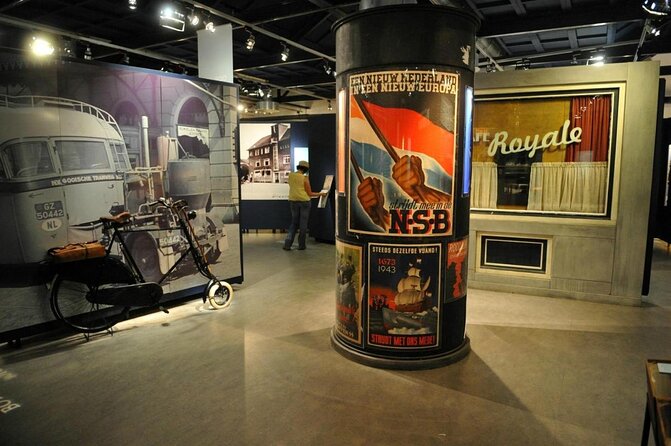
After the deportation focus, you move into Verzetsmuseum Amsterdam. This stop adds something crucial: the Jewish community’s resistance.
A lot of WWII tours can unintentionally flatten history into only one chapter. Resistance breaks that pattern. It forces a more human story: people responding, protecting each other, making choices under extreme pressure.
Even though your stop is listed as about 10 minutes, it’s still an effective bridge. If you walk through these sites in order, the story builds: community life → persecution → resistance → deportation → remembrance.
If you like your history with names, dates, and a clear cause-and-effect timeline, this is the part that usually clicks.
Hollandsche Schouwburg: deportations in the middle of everyday city geography
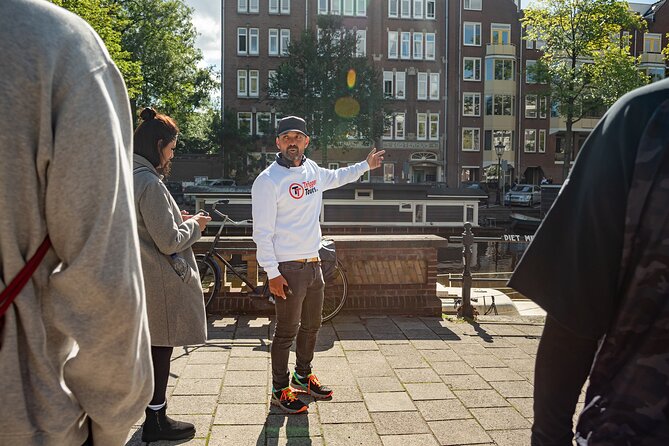
The next key stop is Hollandsche Schouwburg, where you’ll hear about deportation camps. This is another emotionally charged location, but the tour frames it in a way that helps you place it geographically. You’re in Amsterdam, walking among streets and buildings you can picture in modern life—and that’s part of the point.
One practical benefit of the walking-tour approach: you start to see how memory is embedded in the city’s layout. You don’t just visit a museum in isolation. You move between sites where the city itself becomes a map of what happened.
If you want to be thoughtful rather than rushed, ask your guide a question here. In small groups, you usually have a better chance to get a direct, specific answer.


De Plantage and the Spinoza Monument: where ideas and community lived
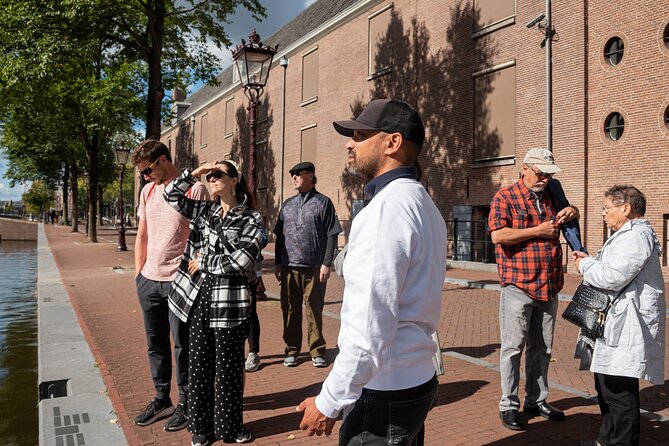
Not every stop is only about WWII trauma. The tour also spends time on De Plantage and the Spinoza Monument.
At De Plantage, you’re shown the area’s beauty along with historical context. It helps you reconnect with the idea that this wasn’t an empty stage for catastrophe. People lived here, built routines here, and carried culture here.
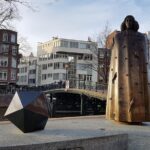
Then you reach the Spinoza Monument, where you’ll hear about Spinoza and the significance of his ideas in the broader story of Jewish life and thought. This stop can be a welcome shift, but don’t treat it like a break from meaning. It’s still part of what you’re learning—how culture and identity persisted even as danger grew.
If you’re the kind of traveler who likes history to include intellectual and cultural threads (not only events), these two stops are especially satisfying.
Dam Square and the Royal Palace area: a reset at Amsterdam’s famous crossroads
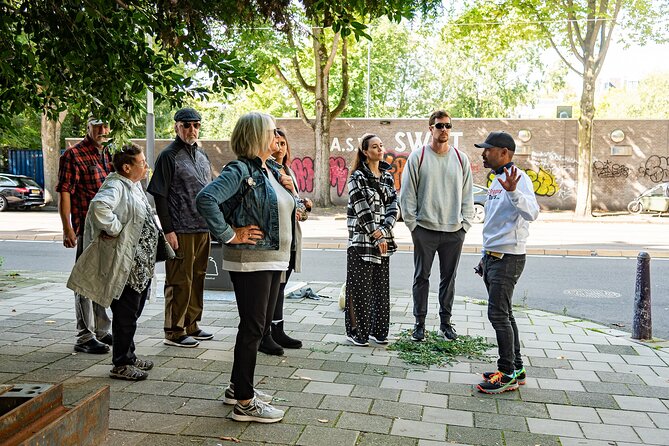
After the Jewish Quarter sites, the route includes a walk to Dam Square and the Royal Palace monument area. You’ll explore Dam Square itself for about 10 minutes.
This ending spot is useful because it’s so central. You finish near one of Amsterdam’s most recognizable places, which helps you plan the rest of your day without feeling stuck miles away. Also, after emotionally heavy stops, a major public square gives your brain a little room to re-orient.
Photo-wise, Dam Square is a straightforward win. Just remember: your brain will still be processing what you heard earlier in the walk. If you’re taking pictures, do it gently—don’t let the camera turn your emotions off.
Price and what you’re actually paying for
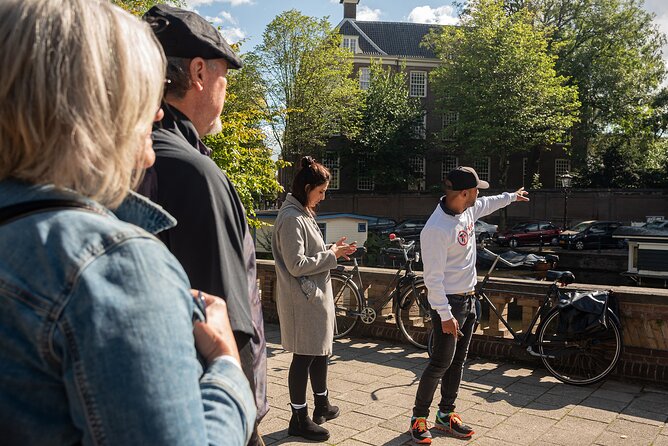
The price is listed at $29.45 per person for about 2 hours. For Amsterdam, that’s often what you want from a history-focused walking tour: enough structure and guidance to make the story coherent, without turning your day into a budget-buster.
Here’s the value breakdown in plain terms:
- You’re paying for a local guide and story structure across multiple sites.
- You’re getting a small group (max 15), which tends to improve the quality of questions and attention.
- You’re getting a route that covers multiple key WWII-related points without requiring you to line up separate ticketed activities (other than what you may choose to do separately).
One cost caveat: food and drinks aren’t included. Also, Anne Frank House entrance ticket is not included. The tour is strong for context around Anne Frank and WWII, but if your priority is specifically going inside the Anne Frank House, you’ll need to plan that separately with its own ticket.
If you’re trying to do the Anne Frank story in a cost-smart way, this tour can be a great first step—just don’t assume it replaces the House visit.
Guide style and pace: why names like Aaron, James, and Misha keep showing up
The reviews point to one consistent theme: guides who can connect facts to human stories and keep people engaged.
You’ll see repeated mentions of guides such as Aaron and James for clarity and depth, while others like Keese, Masha, Misha, Peter, and Stan are highlighted for making the history feel personal and understandable. Some guides are described as energetic, with a pace that keeps the group together and moving.
In practical terms, what that means for you is: you’re less likely to get a dry recitation. You should expect clear explanations of the sites you pass, plus room for questions—especially in a group capped at 15.
Two quick pacing tips from the way this tour is set up:
- Expect to walk between stops. If you’re sensitive to long city walks, plan your rest later.
- The emotional intensity rises quickly once you start hitting memorial points. Bring your attention, not your autopilot.
And yes, the tone is meant to be respectful. This is a remembrance-focused route, not a casual sightseeing stroll with jokes every other minute.
Logistics that matter on a walking tour like this
You’ll start at Amstel 51C, 1018 EJ Amsterdam and the tour ends back at the meeting point. The route is listed as near public transportation, so you can work it into a day without needing a car.
The tour uses a mobile ticket, which is handy in Amsterdam where you’re often on and off transit and trying not to carry extra paper.
Since the experience requires good weather, you’ll want to keep an eye on forecasts—especially if you’re visiting in a shoulder season when rain can show up. If it gets canceled due to poor weather, you’ll be offered a different date or a full refund.
Accessibility note from the data: most travelers can participate, and service animals are allowed. If you have specific mobility needs, it’s worth double-checking what “walking tour” means for your situation, because even short stops still add up.
Who should book this tour (and who might want a different option)
This tour is best for you if:
- You want the Jewish Quarter and WWII story connected in one route.
- You like a guided narrative rather than bouncing between sites alone.
- You’re short on time and still want real context—2 hours is a manageable commitment.
It may be a less perfect fit if:
- You specifically want to enter the Anne Frank House during this booking. Entrance to the House isn’t included here, and a few disappointed comments in the reviews make that risk clear.
- You’re traveling with young children who may tire out on a walk. The tour is listed as a walking tour, and the time outdoors with multiple stops can feel like a long day for smaller legs.
If you’re a first-time Amsterdam visitor, this also works well because it gives you a “why this area is important” layer before you see the city’s famous squares.
Should you book it? A quick decision checklist
Book this tour if you want:
- A focused 2-hour Jewish Quarter walk with strong WWII and Anne Frank context
- A route that includes memorials and resistance, not just one storyline
- Small-group attention (max 15) and enough time for photos
Consider booking something else or planning extra tickets if:
- Your main goal is the Anne Frank House visit itself, because that entrance ticket is not included
- Walking distance is a deal-breaker for your group
If you’re able to do a respectful walk, I think this is one of the more efficient ways to understand Amsterdam’s WWII-era story without turning your itinerary into three separate days of ticket lines and guesswork.
FAQ
How long is the Anne Frank and World War II walking tour?
It lasts about 2 hours (approx.).
Where does the tour start?
The meeting point is Amstel 51C, 1018 EJ Amsterdam, Netherlands.
Is the Anne Frank House ticket included?
No. Entrance ticket to Anne Frank House is not included.
How many people are on the tour?
The tour has a maximum of 15 travelers.
What language is the tour offered in?
The tour is offered in English.
Is food and drinks included?
No, food and drinks are not included.
Can I cancel for a full refund?
Yes, you can cancel up to 24 hours in advance for a full refund. Cancellation cut-off is based on local time, and if you cancel less than 24 hours before the start time, the amount paid is not refunded.