REVIEW · AMSTERDAM
Diamond Museum Amsterdam Admission Ticket
Book on Viator →Operated by Royal Coster Diamonds · Bookable on Viator
A few museums teach you how something priceless is made. The Diamond Museum Amsterdam uses a clear story line, from 200 kilometers below the surface to the sparkle on royal crowns. I love how it connects diamonds to real Amsterdam cutting history through Coster Diamonds, including the famous Cullinan and Koh-I-Noor.
You also get a practical, hands-on feel for the craft: watch professionals polish stones and work as goldsmiths while you learn how value is judged. The one caution I’d flag is that the audio-visual and listening devices can be spotty, so not every part will feel perfectly smooth.
In This Review
- Key things to know before you go
- Where the Diamond Museum fits in your day (Museumplein convenience)
- Ticket value: what you actually get for $72
- The museum experience: how the story unfolds
- Stop inside: the opening film and first walk-through
- The underground origin concept (200 kilometers down)
- From formation to cutting: how diamonds become objects
- The royal jewelry rooms: seeing why crowns still matter
- The Amsterdam craft factor: polishers and goldsmiths at work
- The smallest diamond and the “diamond heist” game for energy
- Things to watch for: audio, replicas, and how long you’ll want to stay
- Audio-visual might not be fully dependable
- You may see reproductions, not every piece is a direct original
- The building feels tight
- Best fit: who will love this visit
- Practical tips to make the most of your time
- Should you book the Diamond Museum Amsterdam?
- FAQ
- Where is the Diamond Museum Amsterdam located?
- How long should I plan for the visit?
- What does the admission ticket include?
- What are the opening hours?
- Is this suitable for most visitors?
- Can I cancel for a refund?
- What if I’m hungry during the visit?
Key things to know before you go
- Amsterdam’s diamond story in one place: the only museum of its kind
- A formation journey: how diamonds form over billions of years, starting deep underground
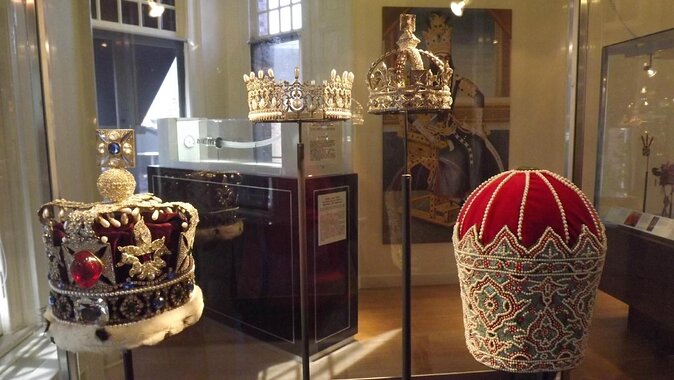
- Royal jewelry and crowns: impressive artifacts that explain why stones became symbols of power
- The tiny stuff matters: you can see the smallest diamond ever cut
- Watch the work being done: professional polishers and goldsmiths at their craft
- Top-floor diamond heist game: a playful add-on that helps families and group visits stay engaged
Where the Diamond Museum fits in your day (Museumplein convenience)
If you’re planning a classic Amsterdam museum day, this one is easy to slot in. The Diamond Museum Amsterdam sits on Museumplein, between the Rijksmuseum and the Van Gogh Museum. That matters because you can plan your day around big landmarks, then add a totally different topic without lots of transit time.
You’re looking at about 1 to 2 hours for the experience. For many people, that’s perfect for a mid-day break: long enough to feel like you got something, short enough that you’re not rushing or burning your whole afternoon.
It also helps that it’s open daily from 9am to 5pm, including weekends and holidays. In a city where museums often keep to similar schedules, this gives you flexible options.
You can also read our reviews of more tours and experiences in Amsterdam



Ticket value: what you actually get for $72
At $72, you’ll want to think of this as a themed museum ticket, not a short showroom stop. The admission includes the entrance ticket, and that’s it. There’s no food or hotel pickup bundled in.
What you do get for your time is a guided-feeling experience without needing to join a long group tour. The flow is built around displays and explanations, plus a film that sets the stage before you wander through the rooms. If you enjoy learning how craftsmanship and materials work, the cost starts to make sense, because you’re not just looking at pretty stones—you’re looking at how they become objects of value.
If you’re visiting mainly for “wow, look at jewels” and you don’t care about the technical side, you may feel the museum is more informative than thrilling. A few visitors also felt the museum can feel short on excitement. So for the best value, go in knowing you’re there for education plus sparkle.
The museum experience: how the story unfolds
The museum takes you along a clear path, and it’s designed so you can follow it without needing prior diamond knowledge.
Stop inside: the opening film and first walk-through
Expect a brief film first, then you move through the main displays at your own pace. This is a good setup because it means you can slow down where you’re interested and skip what’s less relevant.
From there, the museum starts connecting dots: where diamonds come from, why they’re rare, and how professionals think about grading and valuation. Even if you can’t memorize all the terms, you’ll come away understanding that diamond “value” isn’t just size—it’s a bundle of features and judgments.
The underground origin concept (200 kilometers down)
One of the most intriguing parts is the “start far below ground” idea. The museum frames diamond formation as a process tied to deep Earth conditions, with a journey concept that begins 200 kilometers below the surface.
Even if you’re not a geology person, this helps. It moves diamonds out of the realm of magic and into the realm of science and time—diamonds take billions of years to form. That long timescale is a big reason diamonds are treated like rare natural materials rather than just luxury accessories.
You can also read our reviews of more museum experiences in Amsterdam






From formation to cutting: how diamonds become objects
As the story moves forward, you’ll see how diamonds are shaped into the finished gem forms used in jewelry. This is where the museum earns its keep: it shows that cutting and polishing aren’t just decoration. They affect how light moves through the stone—so the way a diamond is worked is tied directly to the way it looks.
You also get to see both outcomes and tools-related explanations. Some visitors liked the display style but still felt parts leaned more on movie or written explanations rather than live demonstrations of cutting. If you want action like a real-time cutter at work, plan to treat the watching sections as the main “live” moment rather than expecting full cutting steps on display in every room.
The royal jewelry rooms: seeing why crowns still matter
This museum isn’t only about science. It also leans hard into the human side of diamonds: status, power, and the theater of wealth.
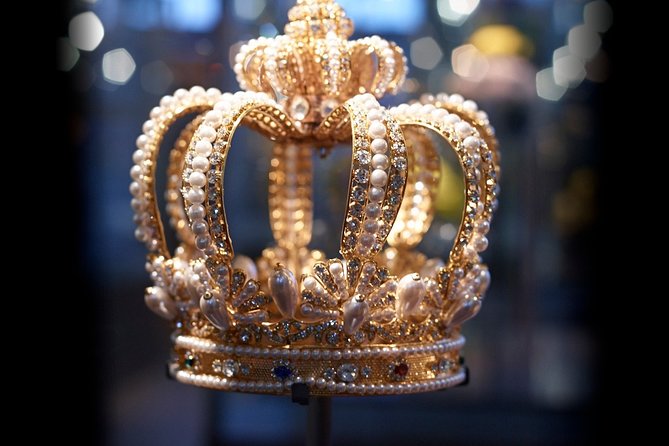
You can admire a collection of royal jewels and crowns, which is a smart way to teach value. When you see diamonds placed into crown-like settings, it becomes easier to understand why certain stones became famous. Diamonds weren’t just sold as luxury items; they were used as symbols of authority and lineage.
For many people, this is the most memorable section of the visit. Even if you’re tired after a big museum morning, the crown displays tend to reset your attention. They’re also a great photo zone if you like images that feel like history rather than plain product shots.
The Amsterdam craft factor: polishers and goldsmiths at work
One of the strongest reasons to choose this museum is that it includes seeing professionals do the work. The Diamond Museum Amsterdam features watchable craft activity where stone polishers and goldsmiths work creating modern jewelry pieces.
That matters because it changes your role as a visitor. Instead of just reading labels, you’re watching people whose job is to shape precision. You get the sense that diamond sparkle is engineered—formed by cutting choices and refined by polishing.
It also helps answer a question you might have before you walk in: How does a rough stone become something wearable and high-impact? Watching craft work makes the process feel real, even if you’re only there for an hour.
The smallest diamond and the “diamond heist” game for energy
This museum makes an effort to keep the visit from becoming a pure lecture. You can see the smallest diamond ever cut, which is a clever contrast to the big, crown-style artifacts. It reminds you that diamonds don’t have to be enormous to be significant; craftsmanship and rarity still count.
And on top of that, there’s a playful add-on called a diamond heist game. Several visitors described it as a fun distraction that adds energy without turning the museum into a gimmick. If you’re coming with kids or you just know you’ll lose patience in too many static rooms, this kind of activity helps you finish the visit with a smile.
Things to watch for: audio, replicas, and how long you’ll want to stay
Here’s the balanced part, because diamonds are great, but museums are still museums.
Audio-visual might not be fully dependable
A key concern from past visitors is that parts of the presentation can feel outdated, especially listening devices. If you rely on audio guides or interactive screens, I’d walk in with a backup mindset: read the display text, watch the craft work, and don’t assume every gadget will be working at full power.
You may see reproductions, not every piece is a direct original
Some visitors described an exhibit that uses glass imitations or replicas. That doesn’t automatically make it a bad experience. Replicas can help you see designs clearly, and they can also help with comparison. Still, if your expectation is that every single item is an original jewel, adjust that in your mind. Look at the museum as a storytelling display of diamond concepts, not a vault of one-of-a-kind originals in every room.
The building feels tight
A couple of remarks pointed out that the building can feel small and cramped. If you’re someone who moves slowly, travels with mobility needs, or prefers wider corridors, you might want to plan for extra time to navigate comfortably.
Best fit: who will love this visit
This is a good match if:
- You like materials and how things are made, not just the final product
- You want a diamond museum experience that connects science, craftsmanship, and symbolism
- You’ll enjoy a crown-heavy section paired with craft demonstrations
- You’re visiting with kids or teens and want a built-in fun break from the serious stuff
This may not be the best fit if:
- You want only live, hands-on cutting demonstrations with constant action
- You expect a huge museum with many hours of content
- You hate audio/interactive elements if they don’t work smoothly (since some audio devices have reportedly had issues)
Practical tips to make the most of your time
- Plan for 1 to 2 hours and don’t overschedule. This museum is compact, and crowding or screen issues can eat time.
- Start with the film, then use the craft areas as your “reset” moment. Watching polishers and goldsmiths is a highlight for a reason.
- If you’re into photography, prioritize the crown rooms and any display areas that show diamonds in settings. They tend to deliver the most visual punch.
- If you’re sensitive to tight spaces, keep a slower pace and leave a little buffer before your next stop.
Should you book the Diamond Museum Amsterdam?
I’d book this if you want a focused, high-sparkle museum hour or two that explains diamonds in a way you can actually follow. For value, the price makes more sense when you care about the story: deep-earth formation, why cutting and polishing matter, and how royal jewelry created cultural meaning around diamonds.
Skip it only if you’re mainly after spectacle and would rather spend your museum time elsewhere, or if you get frustrated when audio-visual elements don’t work perfectly. If you can handle a compact space and lean into the displays plus the watch-the-craft sections, this is a good use of a Museumplein day.
FAQ
Where is the Diamond Museum Amsterdam located?
It’s located in Amsterdam on Museum Square, between the Rijksmuseum and the Van Gogh Museum, and it’s near public transportation.
How long should I plan for the visit?
Plan for about 1 to 2 hours.
What does the admission ticket include?
The included item is the entrance ticket.
What are the opening hours?
The museum is open daily from 9am to 5pm, including weekends and holidays.
Is this suitable for most visitors?
Most travelers can participate.
Can I cancel for a refund?
Yes. You can cancel up to 24 hours in advance for a full refund.
What if I’m hungry during the visit?
Food and drinks are not included, so you’ll want to plan to eat elsewhere.