REVIEW · AMSTERDAM
Small Group LGBTQ+ History Tour in Amsterdam
Book on Viator →Operated by Badass Tours · Bookable on Viator
Amsterdam’s queer past is written in streets. This small-group walk uses famous squares and quiet canal corners to tell LGBTQIA+ stories you won’t catch on a standard sightseeing loop. You’ll move fast enough to stay fun, but slow enough to actually understand what you’re seeing.
What I like most is the guide’s style: a local storyteller who treats these places like living chapters, not dusty facts. I also like the value setup—about 2 hours, English-language narration, and admission tickets free at each stop—so you’re paying for the human connection, not entrance fees.
One thing to consider: the tour requires good weather, and you’ll be outside for the whole route. Bring a real rain layer and shoes you trust on wet cobblestones, just in case the sky decides to join the plot.
In This Review
- Key highlights you’ll feel on the walk
- Why Amsterdam’s LGBTQIA+ story works better than a museum
- Small group touring: the difference between hearing and just moving
- Rembrandtplein: nightlife, power, and the first legal gay marriage
- Munt Tower (Munttoren) and Koningsplein: ordinary bravery under pressure
- Keizersgracht (Emperor’s Canal): the Pope of the Gays and a legal aftereffect
- Gay Monument on a mission: celebration, mourning, and a lesbian hero
- Herengracht: queer resistance in an inconspicuous canal house
- Torensluis: ending with a trans soldier’s story in the 18th century
- Price and what you’re really paying for ($47.34 for about 2 hours)
- Logistics that help: where to start and how the route feels
- Should you book this LGBTQIA+ Amsterdam history tour?
- FAQ
- How long is the Small Group LGBTQ+ History Tour in Amsterdam?
- Is the tour offered in English?
- How big is the group?
- Where does the tour start and end?
- Is the admission ticket included for the stops?
- Does the tour run in bad weather?
Key highlights you’ll feel on the walk
- Max 8 people means you’ll hear everything and you’re not stuck behind strangers
- Story-first guiding turns landmarks into people, choices, and consequences
- Free admission at each stop helps keep the price focused on the tour itself
- 7 stops across central Amsterdam shows both big squares and overlooked canal-side spaces
- A finish at Torensluis bridge gives you a strong, memorable ending point with a final story beat
Why Amsterdam’s LGBTQIA+ story works better than a museum
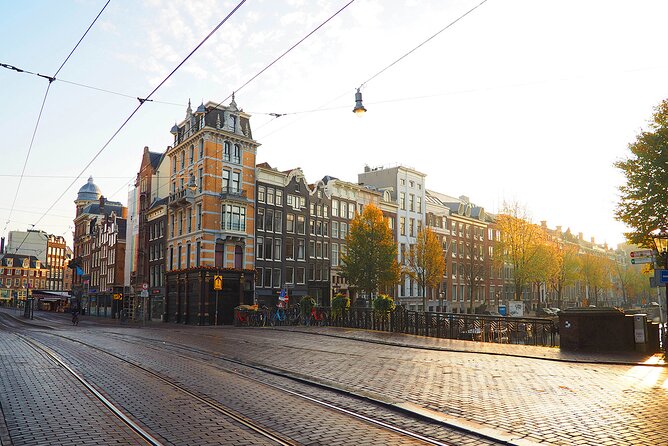
A museum is great. But this tour does something museums can’t: it lets you read the city. Amsterdam’s LGBTQIA+ past isn’t only in archives—it’s embedded in the squares, tower neighborhoods, canals, and bridges where real people had to navigate risk, gossip, love, and law.
The route also helps you understand how history changes over time. You start with public nightlife energy, then you move into places where safety was fragile and survival depended on community. By the end, the story pulls in trans history and military service, which gives the whole walk a broader shape than you might expect.
You can also read our reviews of more historical tours in Amsterdam



Small group touring: the difference between hearing and just moving
This is capped at eight travelers, which matters more than you’d think in a loud city like Amsterdam. In a small group, you don’t just catch the main points—you catch the details the guide adds to keep people oriented: what to notice in the streetscape, why a specific name matters, and how one era’s attitudes collide with another.
Two guide names came up in past participants’ experiences: Guus and Elyzabeth. While you can’t count on a particular guide, the shared theme is clear: the best part is a guide who sounds like a history fan and not a lecturer. You’re more likely to feel like you’re walking with a smart friend than doing a school field trip.
Timing is also built for attention. At about 2 hours, you get enough time for seven stops without the slow fatigue that can hit longer city walks. It’s a good way to get your bearings fast, especially if Amsterdam feels like a puzzle of canals and neighborhoods.
Rembrandtplein: nightlife, power, and the first legal gay marriage
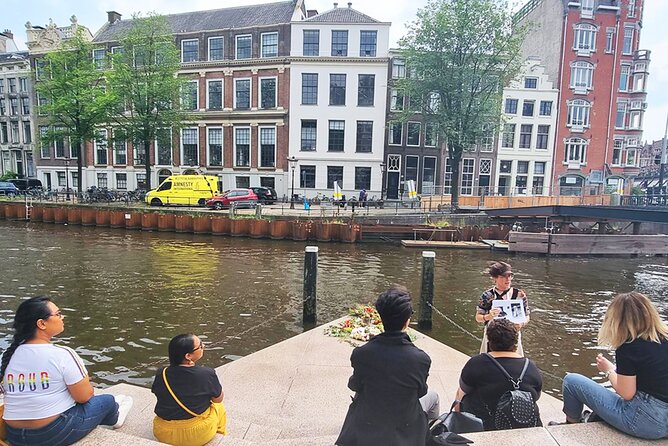
Your walk kicks off at Rembrandtplein, a central nightlife hub. The stories here start big and dramatic: LGBTQIA+ clubgoers, a married king connected to affairs with men, and the milestone of Amsterdam being tied to what the tour frames as the world’s first legal gay marriage.
This stop works because it puts queer history in a place people already recognize. You don’t have to “find the past” in a far-off museum. Instead, you look at a familiar busy square and learn that public culture has always had hidden layers.
A practical note: Rembrandtplein is a lively area. On weekends or busy times of day, the noise can rise. The tour’s small-group structure helps here, but if you’re sensitive to crowd levels, you’ll want to show up ready to focus.
Munt Tower (Munttoren) and Koningsplein: ordinary bravery under pressure
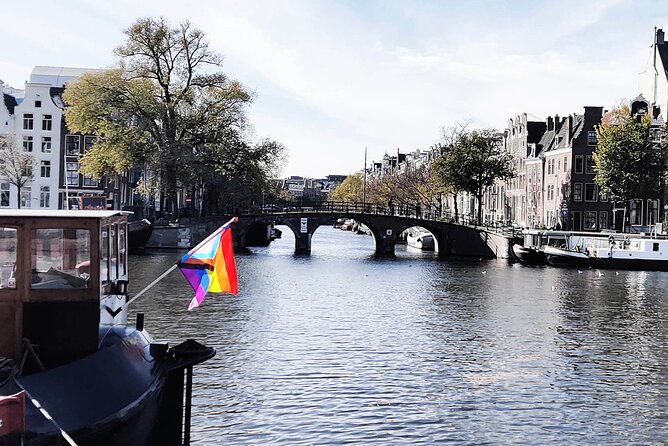
Next you head toward Munt Tower (Munttoren). Here, the story centers on a shopkeeper who tried to protect friends in the face of state violence. It’s a reminder that LGBTQIA+ history isn’t only about celebrities or landmark dates. It’s also about people who made dangerous choices in everyday settings.
From there, the route moves to Koningsplein, where a familiar name is connected to LGBTQIA+ history in a way the Catholic church tried to keep hidden. This stop adds an important texture: how institutions shaped what could be spoken, written, or acknowledged.
Why these two stops work well back-to-back is that they shift the emotional temperature. You go from public square energy to the quieter, higher-stakes reality of protecting someone when the state is watching. If you care about the social mechanics of history—who had power, who had fear, who took risks—this segment is a highlight.
Keizersgracht (Emperor’s Canal): the Pope of the Gays and a legal aftereffect

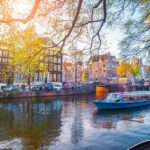
Then comes Emperor’s Canal (Keizersgracht), and the tour leans into its most cinematic storytelling. You’ll hear about the so-called Pope of the Gays, a 17th-century literary lesbian love triangle, and a tale about a pompous doctor whose actions may have accidentally helped lesbians gain legal cover.
You might be tempted to treat this as legend. The smarter move is to let it show you how law and culture can collide in strange ways. Even when stories are dramatic, they point to a serious theme: legal recognition often comes from routes no one plans to be a “rights movement.”
This stop also helps you see the canal-side Amsterdam that many visitors rush past. It’s not just water and architecture—it’s where social networks formed, where rumor traveled, and where writers and thinkers left traces through their relationships and texts.
You can also read our reviews of more tours and experiences in Amsterdam

Gay Monument on a mission: celebration, mourning, and a lesbian hero
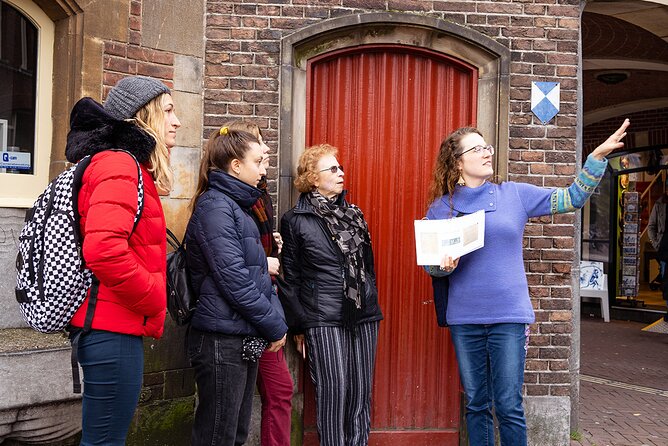
Next you reach the Gay Monument, a place that has held both celebration and mourning for Amsterdam’s LGBTQIA+ community since it was unveiled. The tour uses this moment to celebrate a badass lesbian hero, which matters because it keeps the focus on real people rather than only on institutions.
Monuments can become background noise if you don’t pause. Here, the stop gives you a reason to pause. You’re encouraged to think about how public memory is built: who gets commemorated, what emotions are allowed, and how a city decides what to remember out loud.
If you’re visiting on a day with ceremonies or crowded public events, you may get less quiet time at the monument. Still, the intention stays the same—this is a reflective stop, not a photo stop only.
Herengracht: queer resistance in an inconspicuous canal house
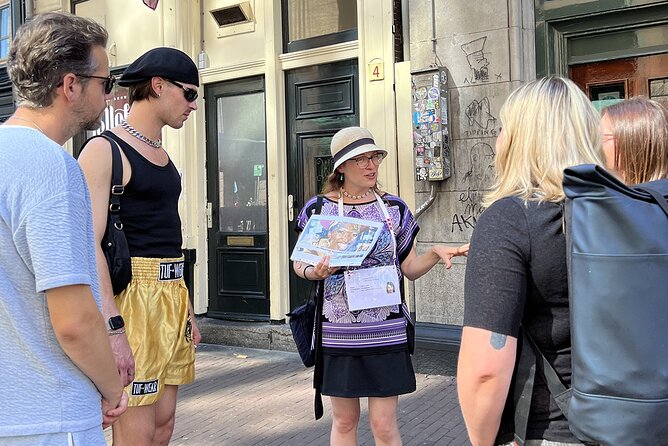
The tour continues to Herengracht, where the emphasis is on queer Resistance fighters operating out of an inconspicuous canal house. This is one of those moments that changes how you look at a neighborhood. If you’ve ever thought Amsterdam feels too pretty to contain real hardship, this stop answers that with the truth: beauty and survival can coexist in the same street.
What I like about ending a “public memory” stop with a “quiet resistance” story is the balance. You don’t just learn how people were celebrated later. You learn what they had to do to survive earlier.
Even if you’re not a wartime-history person, this stop is valuable because it shows patterns: community support, secrecy, and courage often played out in plain sight, depending on who was watching.
Torensluis: ending with a trans soldier’s story in the 18th century
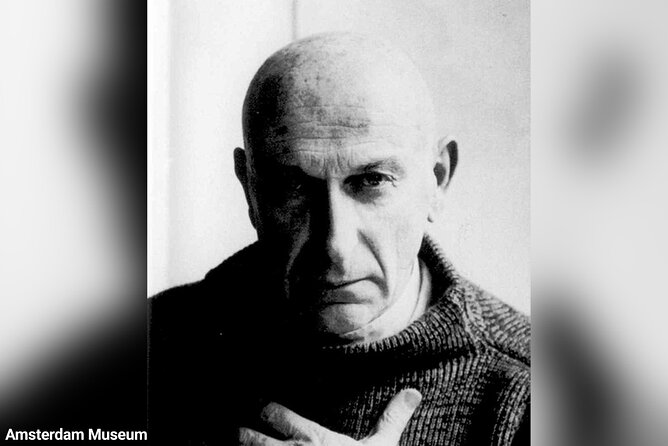
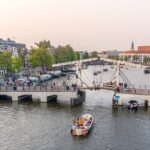
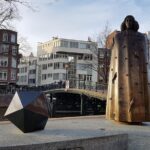
The walk finishes at Torensluis, ending on the bridge by the Multatuli sculpture. The final story beat centers on a trans soldier who served in 18th-century Amsterdam’s militia—surprising, specific, and not the kind of fact you usually pick up from a general city overview.
This ending works because it broadens the timeline. If your mental map of LGBTQIA+ history is mostly 20th-century activism and modern rights battles, the tour reminds you that gender diversity and complex identities are not new stories. They’re part of longer human histories, even when official records wanted them hidden.
It’s also a strong “walk-off” moment: you end in a place where you can look around, take your last photos, and feel like you connected the story threads instead of just collecting facts.
Price and what you’re really paying for ($47.34 for about 2 hours)
At $47.34 per person, this tour isn’t a bargain-price filler. But it also isn’t priced like a premium, all-day special event. For the money, you’re paying for two things that actually matter: a local guide who tells stories in an engaging way, and a route that packs multiple themed stops into a short walking window.
You also get mobile tickets and admission-ticket-free stops, which means you’re not surprised by extra costs at each location. And because it’s English-language and designed for small groups, you’re less likely to feel like you’re being rushed through big themes without context.
The best value is for people who want a distinct angle on Amsterdam—history with identity at the center—without sacrificing quality to sheer volume. If you prefer general sights only, you might feel the price is harder to justify. But if you like walking-and-talking tours, the setup makes sense.
Logistics that help: where to start and how the route feels
You start at Utrechtsestraat 4 (1017 VN Amsterdam) and end at Torensluis (1012 VK Amsterdam). Ending on a bridge near the Multatuli sculpture is a nice reset point for leaving the area or continuing your day elsewhere.
The tour runs in English and is offered as a mobile ticket experience. It’s also near public transportation, so you can build it into a half-day plan without feeling trapped by a remote meetup point.
One reality check: since the experience depends on good weather, plan layers. The route is compact, but it’s still outdoors the whole time. If you go in rain, treat it like a chance to wear practical shoes and get a city-walking workout.
Should you book this LGBTQIA+ Amsterdam history tour?
Yes—if you want Amsterdam history with a sharper lens, and you like the feeling of learning from a guide who turns places into people. The small group size is a big win, and the route design keeps the story moving from nightlife landmarks to quieter canal corners and ending with a trans-history payoff.
I’d skip it or reconsider if you hate walking in the weather or you only want general sightseeing with minimal emotional weight. This tour has celebration, mourning, state pressure, and resistance, so it isn’t “light and fluffy.”
If you’re the kind of person who enjoys noticing what’s around you—names, towers, canals, monuments—this walk gives you a practical, memorable way to see Amsterdam differently.
FAQ
How long is the Small Group LGBTQ+ History Tour in Amsterdam?
The tour is approximately 2 hours.
Is the tour offered in English?
Yes, it’s offered in English.
How big is the group?
The tour has a maximum of 8 travelers.
Where does the tour start and end?
It starts at Utrechtsestraat 4, 1017 VN Amsterdam, and ends at Torensluis, 1012 VK Amsterdam, on the Torensluis bridge by the Multatuli sculpture.
Is the admission ticket included for the stops?
The tour notes that admission ticket entry is free for the stops.
Does the tour run in bad weather?
The experience requires good weather. If it’s canceled due to poor weather, you’ll be offered a different date or a full refund.