REVIEW · AMSTERDAM
LGBTQI+ History Tour of Amsterdam
Book on Viator →Operated by Special Amsterdam Tours · Bookable on Viator
Two hours can change how you see Amsterdam. This walk turns city landmarks into living LGBTQI+ history, with Henk guiding you from the Gay Monument to the bar scene in central Amsterdam.
What I like most is how welcoming the tone feels, even if you’re not LGBTQI+. Straight allies are warmly welcomed, and the pace fits a real conversation, not a lecture.
One possible drawback: you’re outdoors most of the time and you won’t tour the Royal Palace inside. You’ll hear its origin and links to gay life in the 17th century, but it’s no Palace visit.
In This Review
- Key highlights at a glance
- Walking the Center: Westermarkt start, Zeedijk finish, and why the route makes sense
- Gay Monument: the start of Amsterdam’s LGBTQI+ story in one powerful stop
- Canals and 17th-century houses: learning city planning as a way to understand community
- Dam Square and the Royal Palace area: where power, space, and identity intersect
- Red Light District and leather street: history you can’t learn from postcards
- China town street corners and ending at Bet van Beeren
- Price and time: what you’re really paying for at $42.33
- Practical tips for a comfortable, respectful walk
- Should you book this LGBTQI+ History Tour of Amsterdam?
- FAQ
- What language is the tour offered in?
- How long is the LGBTQI+ History Tour of Amsterdam?
- Where is the meeting point?
- Where does the tour end?
- What time does the tour start?
- What is the maximum group size?
- Are admission tickets included?
- What should I bring?
- Do you provide a mobile ticket?
- What is the cancellation situation?
Key highlights at a glance
- A guide with firsthand experience living through the beginning of the gay movement in Amsterdam
- Small group size (max 15) for questions, context, and attention
- Gay Monument start with the story of the Netherlands and its first monument of its kind
- Dam Square focus plus time spent learning what ties this area to LGBT life
- Red Light District and leather street context explained with care, not shock
- Finish at Bet van Beeren after China town and the oldest gay bar story
Walking the Center: Westermarkt start, Zeedijk finish, and why the route makes sense
This is a 2-hour, English-language walking tour in central Amsterdam. It starts at 11:00 am at Westermarkt 2L, 1016 DW Amsterdam, and ends at Café ’t Mandje, Zeedijk 63, 1012 AS Amsterdam. It’s near public transportation, and the finish is walking distance from Central Station, which makes it easy to pair with the rest of your day.
The group stays small, with a maximum of 15 travelers. That matters more than you’d think. When you’re dealing with history that includes violence, discrimination, and grief, a larger crowd can turn the moment into “information only.” Here, the format keeps it human and lets you ask questions without shouting down 30 strangers.
You get a mobile ticket, and you’ll receive confirmation at booking time. Service animals are allowed, and the tour is marked as suitable for most travelers. The main thing you should plan for is walking. It’s not a sit-and-stare museum tour.
One more practical note: the tour requires good weather. So if your trip is in a rain-heavy stretch, pack accordingly and have a flexible mindset.
You can also read our reviews of more historical tours in Amsterdam



Gay Monument: the start of Amsterdam’s LGBTQI+ story in one powerful stop
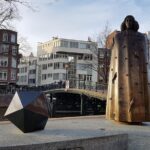
The tour opens at the Gay Monument, a dedicated start point for gay victims in the past, present, and future. You spend about 30 minutes here, and an admission ticket is included for this stop.
This isn’t just a marker to photograph. The guide explains how the Netherlands reached the milestone of having the first monument in the world for this specific purpose. In practice, that changes how you walk the rest of the route. When you start by grounding the story in commemoration, you stop treating later landmarks like backdrop—and you start seeing how public space can carry memory.
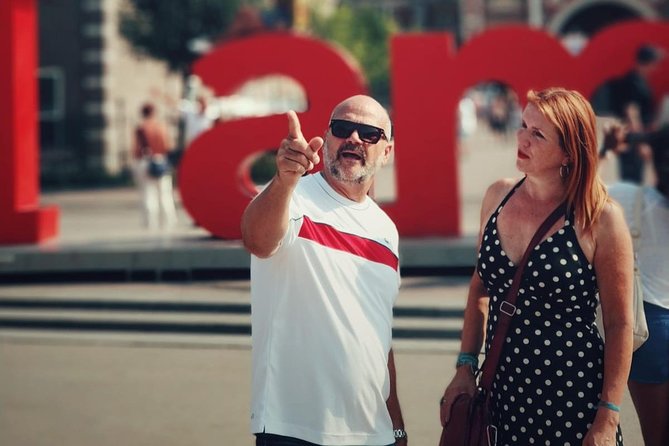
You also get something special that isn’t replaceable with a facts-only audio guide. Henk’s perspective includes living through the beginning of the gay movement in Amsterdam. That personal connection shows up in the way he frames the transition from persecution to activism, and in how he balances hope with hard truths.
One detail that really comes through in the tone of the tour is the attention to loss. Some guests mention tears over the impact of AIDS on the community, which tells you the guide doesn’t dodge painful chapters. If you want a tour that feels honest—not sanitized—that’s exactly what you’re getting at the start.
Canals and 17th-century houses: learning city planning as a way to understand community
After the monument, you move on a canal-side walk toward Dam Square. Along the way, the guide points out 17th-century houses and explains how Amsterdam’s layout connects to the city’s early approach to planning—described as the first example of city planning in the world.
This section may sound “architectural,” but it’s not random. The point is to help you understand Amsterdam as a lived-in network, not just a collection of photo spots. Streets, canals, and neighborhoods shape how people move, meet, hide, and organize. When you understand the bones of the city, the LGBTQI+ story lands differently.
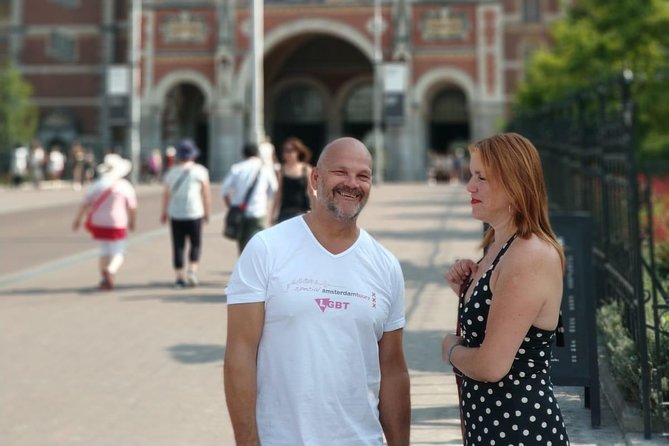
You’ll be walking between key points in the center, so you don’t need to add extra transit. And because the group is small, Henk can steer the conversation depending on what you care about—history, politics, or the way public space changes over time.
If you prefer very structured stops with lots of time inside buildings, this part may feel more “walk + talk.” But for most people, it’s the right tempo. You’re getting context while the city is literally around you.
Dam Square and the Royal Palace area: where power, space, and identity intersect
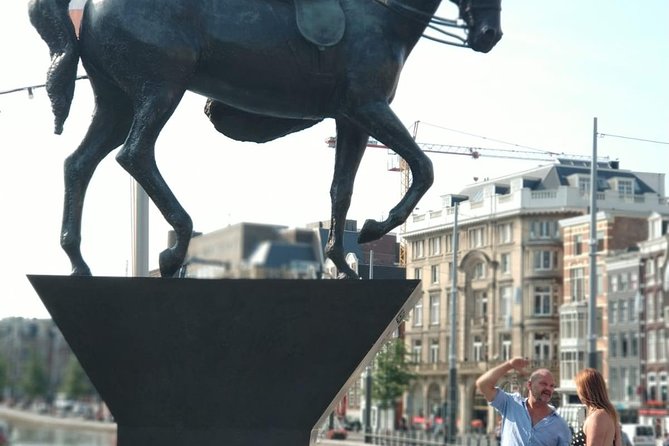
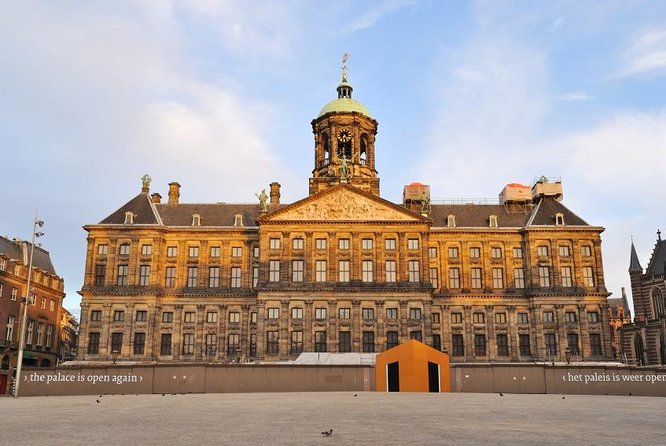
Dam Square is the center of Amsterdam’s story—both literally and historically. The tour spends time here explaining the square’s long history and what it means for LGBT related topics. An admission ticket is included for this segment, and the stop lasts about 10 minutes.
Right before that, you get time on Royal Palace Amsterdam. You’ll see and hear the origin of the palace on Dam Square and what it connects to gay life in the 17th century. You do not have time to visit the palace itself, and an admission ticket is not included for that.
That timing is the main tradeoff of this part of the route. On one hand, you get the story and the link. On the other, you don’t get a full interior visit. If the palace matters to you, you’ll probably want to schedule a separate visit later using your own time.
Still, skipping the inside tour makes sense in a 2-hour format. It keeps you moving to later stops, where the narrative shifts from monuments and squares to street-level life.
Red Light District and leather street: history you can’t learn from postcards
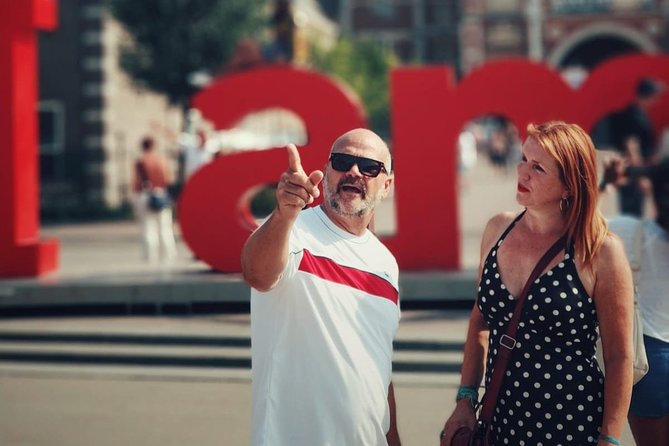
At some point the tour turns into the red light district area. You walk through, and the guide explains details about the leather street of Amsterdam, with an invitation to ask questions if you’re interested.
This is where the tour earns its credibility. In many travel moments, this area gets treated like a spectacle. Here, you’re guided to connect what you see with social history—how neighborhoods develop, how rules shift, and how LGBTQI+ life can exist in the middle of complicated, sometimes harsh urban realities.
A key benefit of having a small group here is comfort. Even if you’re not into adult districts, you can engage at your own level. And if you are interested, this is the part where questions can lead to useful background instead of awkward guessing.
One consideration: if you’re extremely sensitive to that kind of street environment, you may find this segment stressful. The tour framing is respectful and story-driven, but you can still be uncomfortable just based on the setting. If that worries you, you can pace yourself and focus on the guide’s explanations rather than the surroundings.
China town street corners and ending at Bet van Beeren
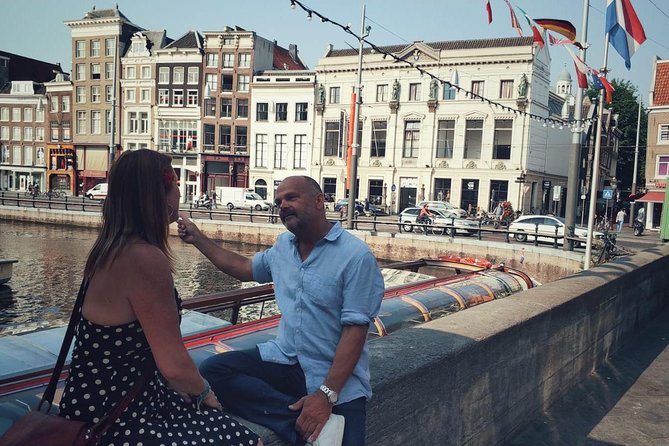
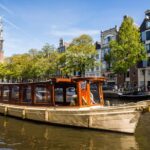
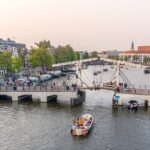
After the red light district context, you head to what’s described as China town, once noted as one of Amsterdam’s roughest streets. The guide then ties that street past to LGBTQI+ life, including the claim that it’s home to the oldest gay bar in Amsterdam.
You’ll also hear a darker historical thread: why German soldiers in World War II were not allowed in this part of the city. That detail matters because it shows resistance and exclusion moving in real-world directions, not just on paper.
The tour ends at Bet van Beeren. Ending at an actual bar gives the story somewhere to land. Instead of wrapping up with abstract conclusions, you finish in a place connected to community life and local memory. It’s a natural point to slow down, look around, and decide what you want to explore next in the neighborhood.
Price and time: what you’re really paying for at $42.33
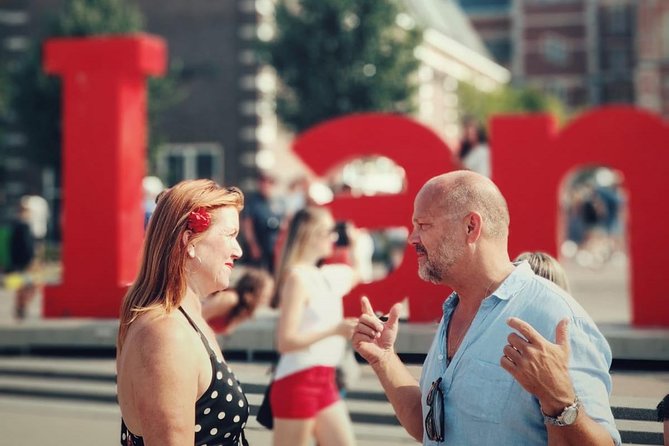
The price is $42.33 per person, and the tour runs about 2 hours. That’s not a bargain in the sense of “cheap,” but it also isn’t trying to be a premium art or museum ticket. In value terms, the ticket price buys you:
- a live guide with personal context, including having lived through the beginning of the gay movement in Amsterdam
- a small group size that supports real questions
- a route that links multiple landmark types: monument, palace exterior, Dam Square, and neighborhood street life
- admission tickets included for the Gay Monument and the Dam Square segment (and not included for the palace)
If you’ve done lots of standard sightseeing walks, you might notice the difference right away: this isn’t just “what you’re seeing.” It’s “why this mattered,” and it’s tied to identity, rights, and the cost of changing society.
So for me, the best value case is simple: if you care about understanding Amsterdam beyond the usual tourist scripts, this tour helps you connect streets to people and public memory. It’s the kind of experience that changes how you look at the city the rest of your trip.
Practical tips for a comfortable, respectful walk

This tour is outdoors and weather-dependent, so your comfort plan is basic but important.
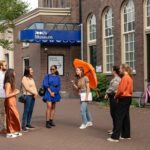
Bring walking shoes and your own water. The tour includes only the guide/escort, so you’re responsible for the practical stuff. If rain shows up, a rainbow umbrella story is already part of the tour’s vibe—just don’t treat that as guaranteed kit from the sky.
Wear layers. Amsterdam weather loves surprises. And because you’re covering central areas on foot—Canals, Dam Square, red light district streets, and then Zeedijk—you’ll want feet that can handle cobbles and quick changes in pace.
Start time is 11:00 am, so you’ll likely want a solid breakfast and a quick plan for the rest of the day after you finish at Zeedijk. Since the finish is walking distance from Central Station, you can pivot quickly to museums, transit, or dinner.
Should you book this LGBTQI+ History Tour of Amsterdam?
Book it if you want your Amsterdam story grounded in lived experience, not just dates and architecture. I’d also choose it if you like tours that welcome straight allies while still taking LGBTQI+ history seriously—and if you enjoy a guide who mixes history with personal perspective, even when the topics get heavy.
Skip it if you mainly want inside visits and museum time. The Royal Palace gets explained, but you won’t tour it during this walk. And if street scenes in the red light district would put you off, know that this tour does pass through that area.
If you’re deciding last-minute, take the timing into account. This tour is often booked about 26 days in advance on average, so reserving ahead helps you lock in the day you want.
FAQ
What language is the tour offered in?
The tour is offered in English.
How long is the LGBTQI+ History Tour of Amsterdam?
It runs for about 2 hours.
Where is the meeting point?
The meeting point is Westermarkt 2L, 1016 DW Amsterdam, Netherlands.
Where does the tour end?
The tour ends at Café ’t Mandje, Zeedijk 63, 1012 AS Amsterdam. It’s also noted as walking distance from Central Station.
What time does the tour start?
The start time is 11:00 am.
What is the maximum group size?
The tour has a maximum of 15 travelers.
Are admission tickets included?
Admission tickets are included for the Gay Monument stop and for the Dam Square segment. Admission for the Royal Palace Amsterdam is not included (the tour doesn’t visit inside).
What should I bring?
Bring your own water and wear walking shoes.
Do you provide a mobile ticket?
Yes. The tour includes a mobile ticket.
What is the cancellation situation?
Cancellation is free up to 24 hours in advance for a full refund. The tour also requires good weather, and if it’s canceled due to poor weather, you’ll be offered a different date or a full refund.