REVIEW · AMSTERDAM
Historical tour of Amsterdam with Italian guide
Book on Viator →Operated by AmsterdamViaggi · Bookable on Viator
Amsterdam turns into a story fast.
This historical walk through central Amsterdam is built for your first hours in the city: an Italian mother-tongue guide brings you street-level context and lots of curiosity stops while you learn how Amsterdam works. I especially liked the way the route mixes big themes like wars of religion, Erasmus, Martin Luther, and the lasting meaning of Anne Frank, without turning it into a lecture.
I also like the practical pacing: you get guided highlights like Dam, Singel, the Red Light district area, the Jordaan, and Museumplein, and the tour ends so you can decide what to do next. A good value note is that museum entrances are excluded, so you’re not forced into expensive ticket times mid-walk—perfect if you want flexibility right after. One possible drawback: places like Anne Frank’s house and the Van Gogh Museum are viewed from the outside, so if you want inside access, you’ll need separate tickets.
In This Review
- Key things I think you’ll care about
- A 3.5-Hour Walk That Helps You Read Amsterdam Fast
- Your Italian-First Guide: Clear Stories, Real Personality
- From Central Amsterdam to the Spice Customs House: How Trade Shapes Streets
- Dam, Singel, and the Red Light District Area: History Where You Stand
- Anne Frank From the Street: The Outside Stop That Still Lands
- Flower Market Time and Vondelpark Breaks: Real Amsterdam Pace
- Museumplein and the Van Gogh Museum Area: Finish With Options
- Price and Value: What $28.81 Buys You in Real Terms
- When This Tour Fits Best (and When It Doesn’t)
- Should You Book This Amsterdam Historical Walk?
- FAQ
- How long is the Amsterdam historical tour?
- What’s included in the price?
- Which museum entrances are excluded?
- Where does the tour start and end?
- What areas are covered during the walk?
- How big is the group?
- What if the weather is bad?
Key things I think you’ll care about
- Italian guide experience that focuses on history, customs, and city habits in a clear, people-first way
- Outside-the-building stops at major landmarks like Anne Frank’s house and Van Gogh Museum, with history on the street
- A first-day-friendly route that connects classic areas from the center to Museumplein
- Small-ish groups with a maximum of 50 people, so questions and flow feel more human
- Ending at Museumplein at 1:30 pm so you can head straight into museums you choose
A 3.5-Hour Walk That Helps You Read Amsterdam Fast
At about 3 hours 30 minutes, this tour works like a fast orientation map made of stories. You’re not stuck with one neighborhood either; you’re guided across multiple classic areas, so you start to recognize the city’s layout and mood.
The route is also timed for your day. You start in the early part of the day and finish at Museumplein around 1:30 pm, which is a smart move if you want museums later without rushing. It’s the kind of tour that helps you stop seeing Amsterdam as random canals and start seeing it as connected decisions—trade, faith, power, and daily life.
Because it’s mostly walking, wear shoes you can trust. Amsterdam surfaces can be uneven around historic cores, and you’ll be happier if your feet are ready for a steady pace.
You can also read our reviews of more guided tours in Amsterdam



Your Italian-First Guide: Clear Stories, Real Personality
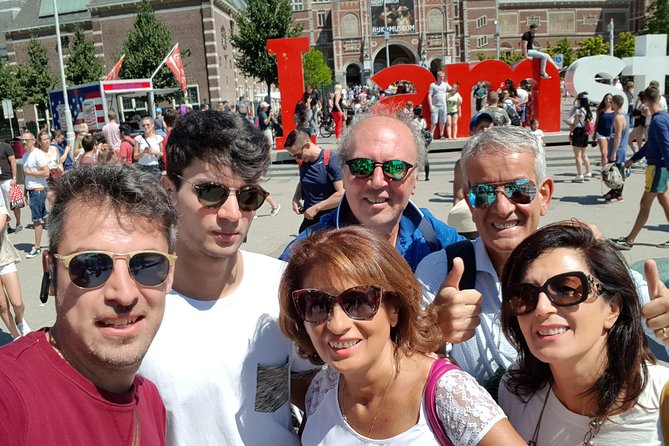
One standout here is the guide setup: Italian mother tongue operators with a professional, friendly approach. In the recent experiences I’m basing this on, guides like Fabio and Lara were specifically praised for being prepared, available, and genuinely pleasant—so the information feels tied to people, not just facts on a clipboard.
If you’re traveling from Italy or you simply prefer Italian narration, this matters. You’ll catch more nuance when the guide can explain tone, comparisons, and small details without slowing down for language gaps.
Even if you’re not Italian, the guide’s style can still help you follow along. The tour is designed around real-world landmarks—so you’re learning while looking, not only listening.
From Central Amsterdam to the Spice Customs House: How Trade Shapes Streets
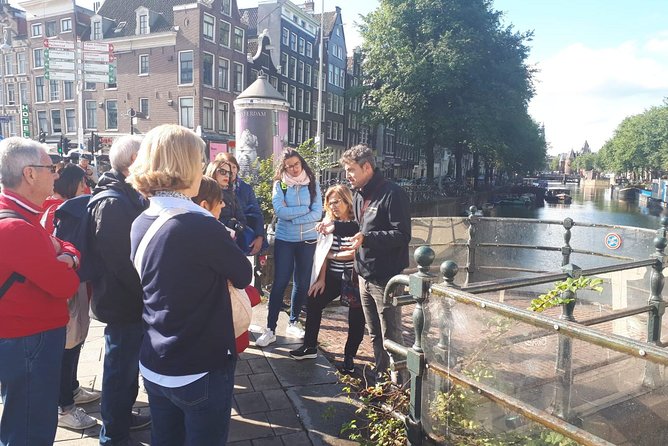
The walk begins in central Amsterdam and quickly steers you into areas tied to commerce and city functions. You’ll pass through spots around Singel and the spice customs house, plus the king’s warehouses.
What I like about these stops is that they explain why Amsterdam looks the way it does. Instead of only admiring buildings, you’re getting the logic behind why certain places existed and what roles they played. The city’s trade culture is not abstract here—it’s linked to specific locations you can point at afterward.
This is also where the tour earns its curiosity label. You’ll get little historical angles that make the walk feel like you’re spotting hidden meaning as you go. It’s the sort of guidance that makes you want to look up at a facade again later.
Dam, Singel, and the Red Light District Area: History Where You Stand
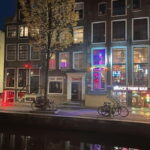
The tour’s route threads through some of Amsterdam’s most famous central zones, including Dam Square, Singel, and the Red Light district area. It also connects into the Jordaan, so you’re moving between iconic and atmospheric streets rather than only one photo-perfect pocket.
The historical thread matters here. The guide covers shifts like the wars of religion and how larger European ideas landed locally. You’re not just learning what happened; you’re learning how those events were lived into city life—through power, rules, and daily routines.
A practical note: the Red Light district area can be a lot for some people, even when it’s handled as a historical context stop. If you’d rather avoid that topic completely, consider whether this tour’s mix is your style. If you’re okay with it, you’ll likely appreciate that the tour treats it as part of Amsterdam’s broader story.
Anne Frank From the Street: The Outside Stop That Still Lands
One of the key moments is a pass in front of Anne Frank’s house, where you learn about its history and significance. The tour does this with the key detail that entrance is excluded, so you’re not spending your guided time in line or inside.
In my view, this approach makes sense on day one. You get the meaning and context from your guide while you’re right at the location, and then you can decide later whether you want to commit to the full museum-style visit with separate tickets. That saves time and keeps your day from getting trapped by fixed entry schedules.
You’ll also get a sense of how the Second World War is remembered here. Even without going inside as part of the tour, you leave with a stronger understanding of why the location matters.
If you already know you want to enter Anne Frank’s house later, plan to add that on your own after the walking tour ends. This experience gives you the why; you control the how and when.
You can also read our reviews of more historical tours in Amsterdam






Flower Market Time and Vondelpark Breaks: Real Amsterdam Pace
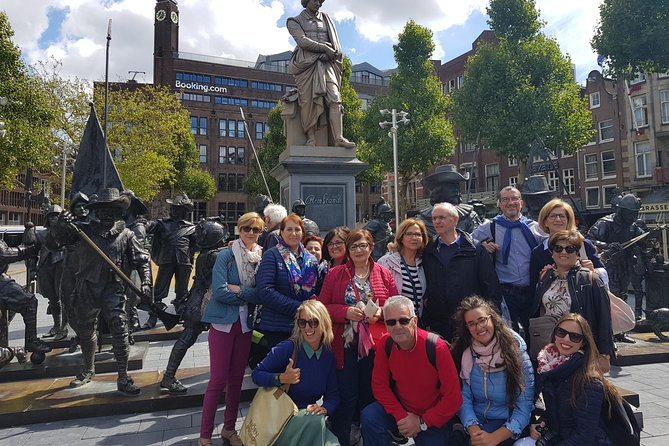
You’ll also spend time in places that show Amsterdam’s everyday rhythm. There’s a short stop connected to the Residence Flower Market, plus time along the way around Vondelpark and other major squares.
These segments are useful because they shift the tour from heavy theme history into lived city life. You’re not just walking from one landmark to another; you’re also seeing the kind of public spaces Amsterdam keeps at the center of daily movement.
The Vondelpark moment is brief, but it helps you calibrate what you’re seeing. You move from historic commercial and political areas into a more open, park-based setting, which changes the feel of the walk. It’s a good reset for your brain before you head toward Museumplein.
Museumplein and the Van Gogh Museum Area: Finish With Options
The tour ends at Museumplein around 1:30 pm, which is a strong practical design. Instead of ending in a random spot and forcing you to plan from scratch, you finish where multiple top museums cluster.
You’ll also get guided viewing near areas tied to the Van Gogh Museum, but again with entrance excluded. The guide uses the outside context to connect you to what you’ll see if you choose to go inside after.
This matters for value. You can decide based on your energy and interests, not on what someone else booked for you. If you want museums, you can go straight from the tour. If you don’t, you’re still in a high-activity area for walking, browsing, and people-watching.
Price and Value: What $28.81 Buys You in Real Terms
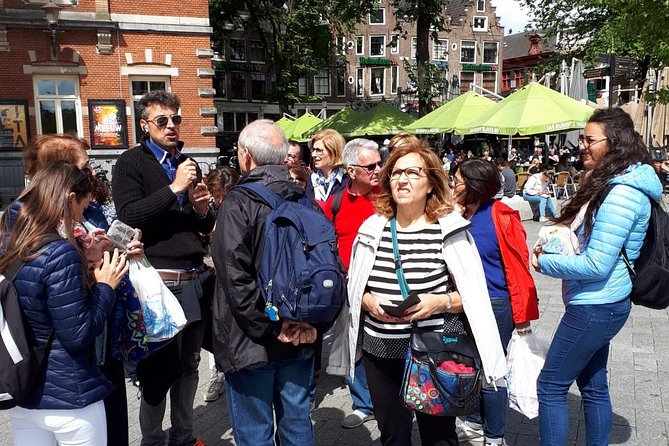
The price is $28.81 per person, and the tour duration is about 3 hours 30 minutes. For that money, you’re paying mainly for the guided expertise and the route design that stitches together major areas without requiring you to buy multiple museum tickets during the walk.
What makes this feel like value is that the tour saves you decision time. You get a guided thread through central districts, and the key museum-type locations are handled as context stops, not forced entries. That’s helpful when you’re still figuring out what you want to prioritize on a short visit.
Another value point: the tour uses a mobile ticket, and it’s set up with a maximum group size of 50. Smaller groups aren’t automatically better, but a cap like this usually helps keep the pacing smoother and more conversational.
One more practical point: it’s best booked ahead if your schedule is tight, since the average booking window is about 21 days in advance.
When This Tour Fits Best (and When It Doesn’t)
This is a great match if you want a history-and-customs introduction that covers a lot of ground without a museum ticket binge. It also suits you if Italian storytelling feels comfortable, or if you like guides who explain meaning along the way.
You should also consider it if you like mixed stops: major squares, trade and customs-related sites, and moving into calmer spaces like Vondelpark. The balance keeps the walk from feeling like only one theme.
It might be less ideal if your #1 goal is inside museum time. Since museum entrances are not included, you’ll still need to plan separate entry tickets if you want to go inside Anne Frank’s house or the Van Gogh Museum.
Should You Book This Amsterdam Historical Walk?
Yes—if you’re visiting Amsterdam for the first time and you want to get your bearings fast with an Italian guide and a story-led route. The finishing point at Museumplein at 1:30 pm is especially useful, because you can turn that guided context into a self-planned museum choice immediately after.
I’d skip it only if you strongly prefer long museum visits over outside landmark context, or if you’d rather avoid the Red Light district area entirely. Otherwise, this is the kind of tour that helps your day feel organized without feeling scripted.
FAQ
How long is the Amsterdam historical tour?
It lasts about 3 hours 30 minutes.
What’s included in the price?
The tour includes the guides. Museum entrance fees are not included.
Which museum entrances are excluded?
The tour excludes entrance to Anne Frank’s house and the Van Gogh Museum (and other museums are also excluded).
Where does the tour start and end?
It starts at Park Plaza Victoria Amsterdam, Damrak 1-5, 1012 TM Amsterdam and ends at Museumplein, 1071 Amsterdam, around 1:30 pm.
What areas are covered during the walk?
You pass through Central Amsterdam, Singel, the spice customs house, king’s warehouses, Dam Square, the Red Light district area, the Jordaan, Flower market, Leidseplein, Hard Rock Café area, Vondelpark, and Museumplein.
How big is the group?
The maximum group size is 50 travelers.
What if the weather is bad?
The tour requires good weather. If it’s canceled due to poor weather, you’ll be offered a different date or a full refund. You can also cancel up to 24 hours in advance for a full refund.