REVIEW · AMSTERDAM
Amsterdam: The Life of Anne Frank Walking Tour
Book on GetYourGuide →Operated by Tour Company · Bookable on GetYourGuide
Anne Frank’s streets still tell the story. This 1.5-hour walking tour reconnects her famous diary to the everyday Amsterdam of her childhood, not just the Secret Annex. You’ll start in the neighborhood where she lived, then move through Amsterdam-Zuid, a calmer area most first-timers skip.
What I love most is how the guide brings the before the hiding years into focus. You get to see the schools and neighborhoods Anne knew as a young girl, and the context makes those places feel personal rather than like random stops on a map.
One consideration: this walk does not include entry to the Anne Frank House. You’re viewing key areas from outside, so plan a separate visit if you want to go inside.
In This Review
- Key things to know before you go
- Merwedeplein 61: where the walk begins in Anne’s neighborhood
- The point of the tour: Anne’s life before the Secret Annex
- Seeing the schools and neighborhoods where she grew up
- The bookstore connection: where the diary began
- Miep Gies’ home area: learning how help worked in real life
- Amsterdam-Zuid: the quieter side of the city you’ll actually remember
- The pacing: a 1.5-hour walk that stays focused
- Price and value: $18 for the walk, plus one important limitation
- Guide quality: the best tours handle questions well
- What to expect at the key stops (and what to watch for)
- Starting at Anne’s square
- Moving through school and neighborhood areas
- Diary bookstore stop
- Passing Miep Gies’ home area
- Ending back where you started
- Who this tour is best for
- Quick practical tips before you go
- Should you book this Anne Frank walking tour?
- FAQ
- Where does the tour start?
- How long is the walking tour?
- Is the tour in English?
- Does this include entry to the Anne Frank House?
- What should I bring?
- Are pets allowed on the tour?
- What is the cancellation policy?
Key things to know before you go
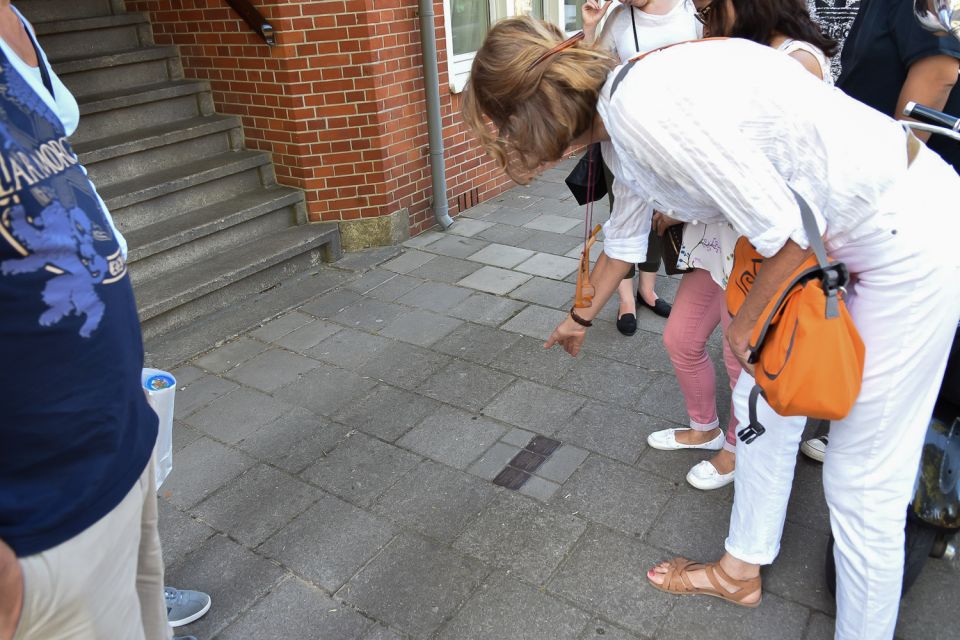
- Anne’s statue start point at Merwedeplein 61 sets the tone right away.
- Schools and everyday streets help you understand her life before going into hiding.
- A diary-buying bookstore connection puts the famous text into a real setting.
- Miep Gies’ home area adds the story of the helpers who protected the family.
- Amsterdam South, built in the 1920s–1930s offers a less tour-bombed look at city life and housing.
Merwedeplein 61: where the walk begins in Anne’s neighborhood
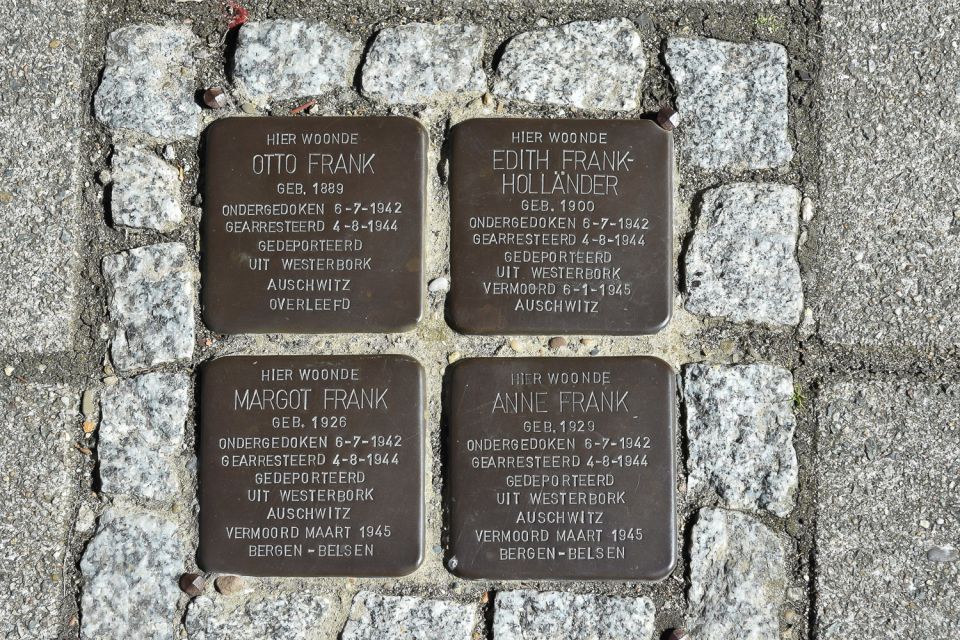
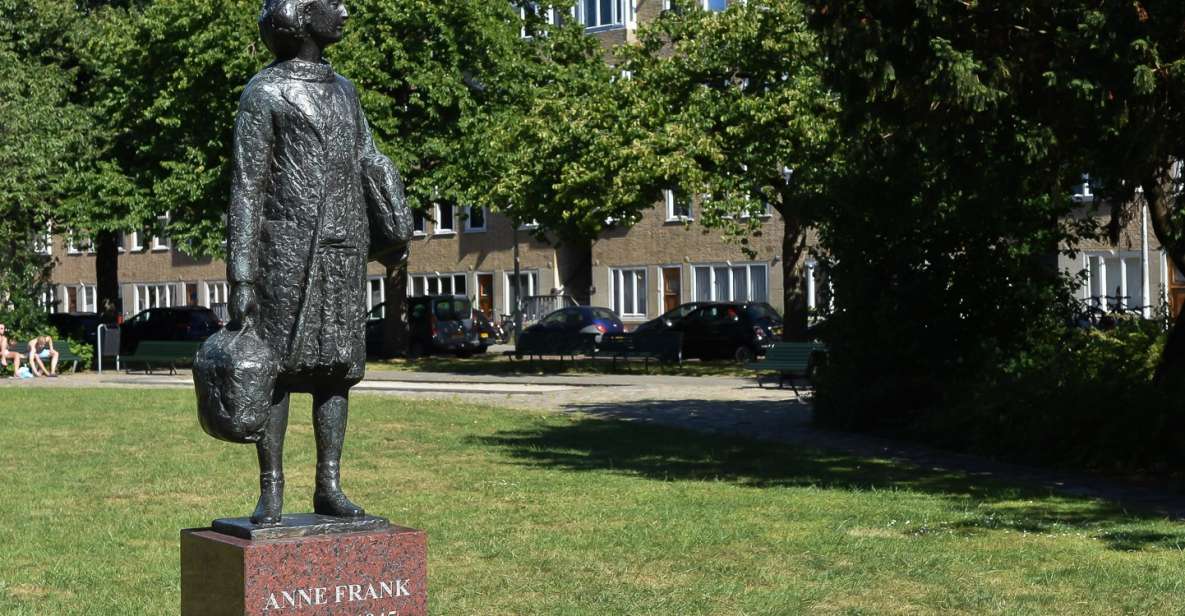
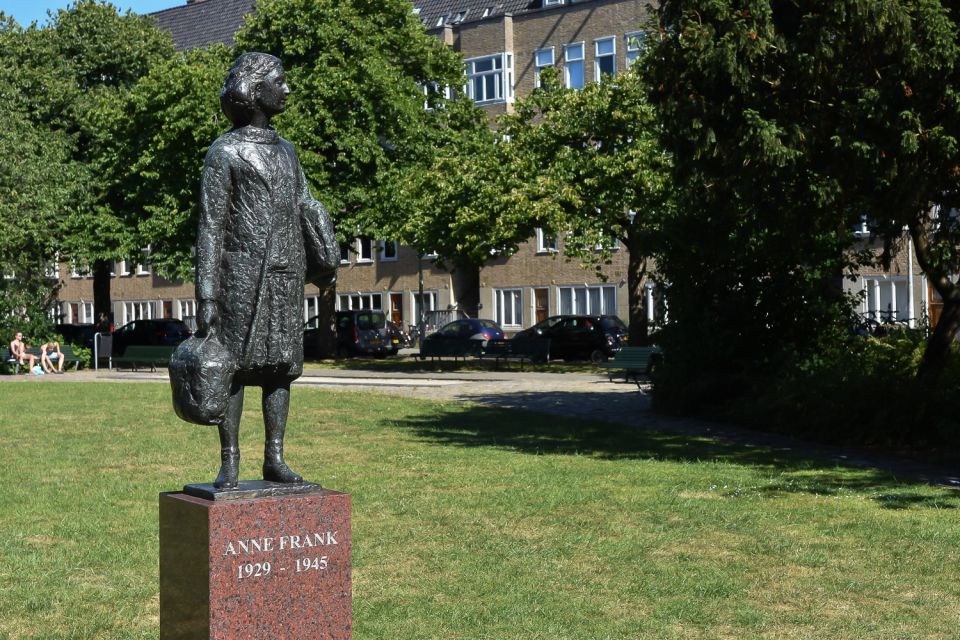
The tour kicks off at Merwedeplein 61, in Amsterdam South, at Square Merwedeplein, in front of the statue of Anne. That matters more than it sounds. Starting at a recognizable, dedicated place helps you get your bearings quickly, and it puts you in the right emotional frame: this is about a child in a real neighborhood, not just a page in a history book.
From the first minutes, you’re also set up for a different kind of Amsterdam experience. Most visitors chase the historic-center highlights. This walk shifts you to a residential part of town where the city feels more like daily life. Expect small changes in pace and scenery as you move through streets shaped by earlier urban planning choices.
You can also read our reviews of more walking tours in Amsterdam



The point of the tour: Anne’s life before the Secret Annex
Anne Frank’s story is famous for a reason. The diary became one of the most widely read books in history, and it’s impossible to discuss her without the Nazi occupation and the years in hiding. But what this tour does well is step back to show how her childhood in Amsterdam formed the person who wrote those lines.
You’ll hear the timeline that leads to her move from Germany to the Netherlands. Anne was born on June 12, 1929, in Frankfurt am Main. Her family relocated in 1933 when her father, Otto Frank, sought safety as antisemitism rose in Germany. That background isn’t just trivia. It helps you connect why Amsterdam mattered to the Frank family before the situation worsened.
You also get a clearer sense of the moment she was living in. This is not a “then the hiding happened” format. It’s more about what she was experiencing day to day: schools, local routines, friendships, and the normal rhythms that would soon be cut short. That’s where the tour becomes more than a set of sights.
Seeing the schools and neighborhoods where she grew up
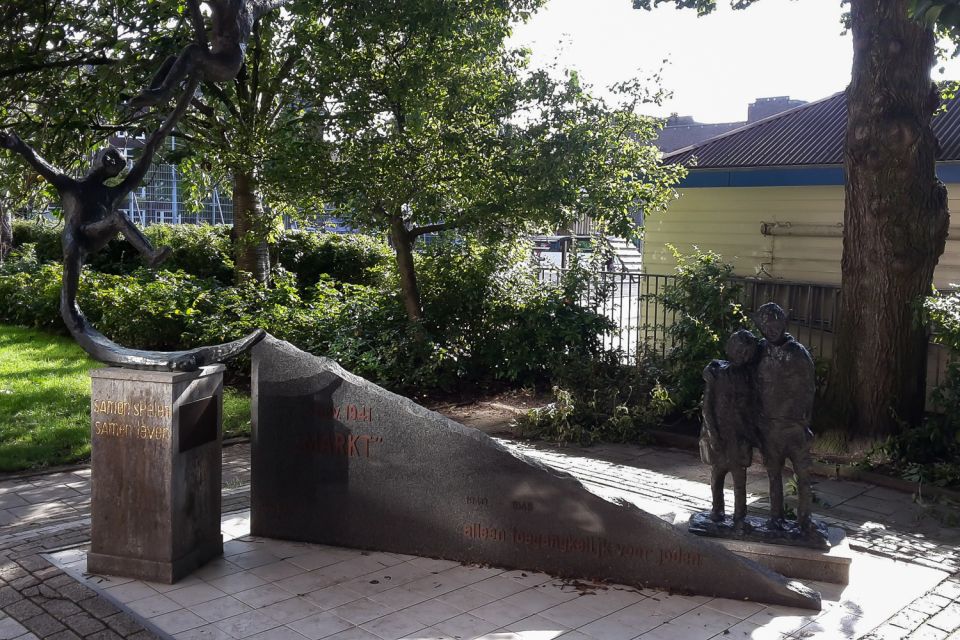
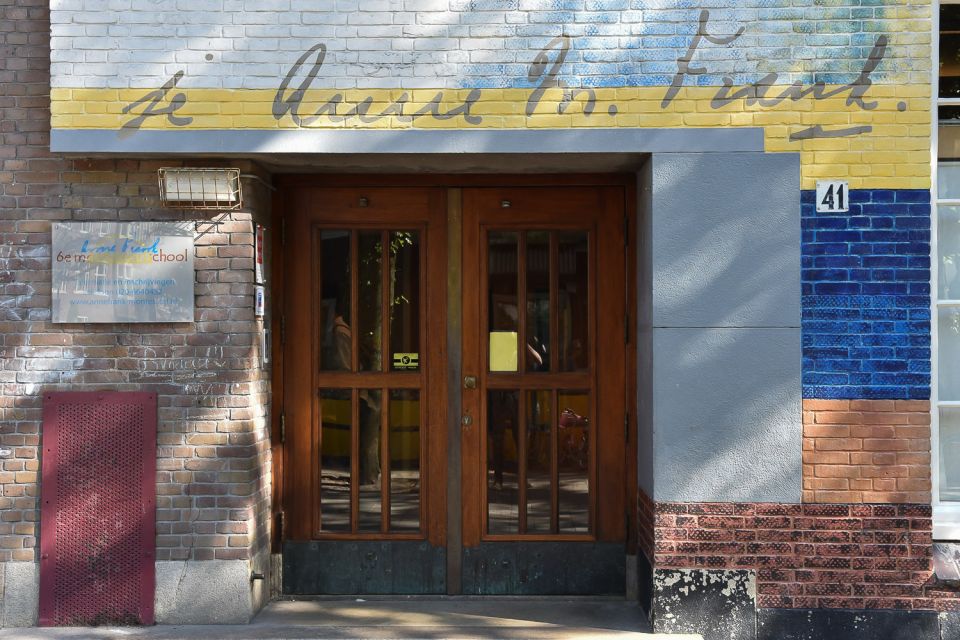
A major highlight is visiting the schools and areas tied to Anne’s early life. You’re not wandering randomly. The guide points out what these places suggest about her world.
Here’s what I think you’ll appreciate most: schooling in this story isn’t an abstract detail. It’s part of Anne’s development. You’ll connect her curiosity and voice to a young girl who was studying, learning social rules, and building a sense of self in the city.
The neighborhoods aspect does something similar. Instead of treating Amsterdam as one uniform backdrop, you start noticing differences in street character and layout. That’s useful because it helps you picture where she might have walked, waited, studied, and found comfort before hiding became the central reality.
The bookstore connection: where the diary began
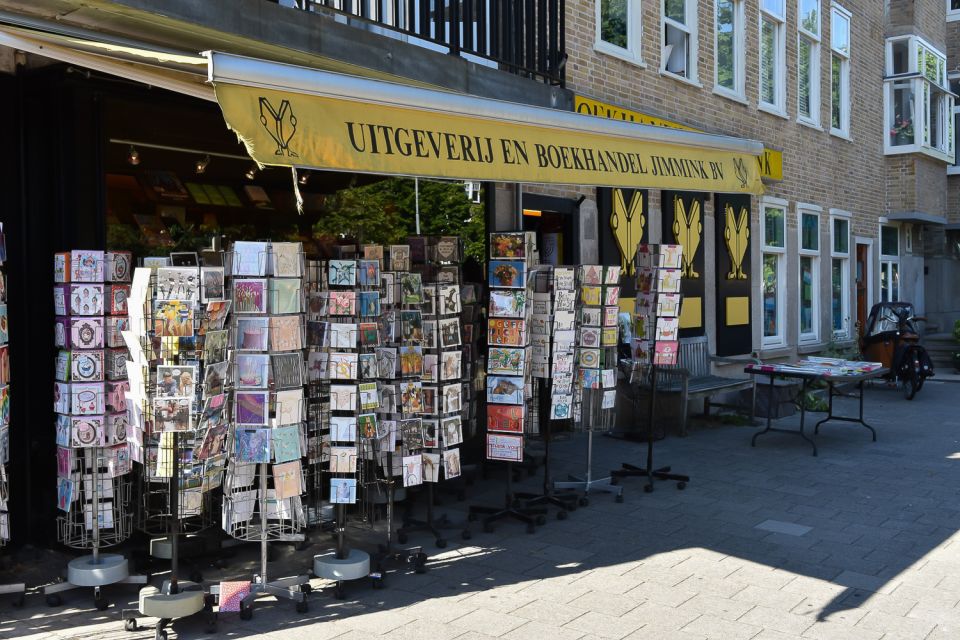
One of the stops centers on the bookstore where Anne bought her diary. This is a small detail, but it’s a big one for how you understand the diary itself.
The guide frames the diary as something Anne actively started, not just something that appeared out of nowhere. Seeing the bookstore area makes the beginning feel concrete. It also helps you remember that Anne was a person making choices and plans even as circumstances tightened around her.
This stop is also a reminder about Otto Frank’s role. After the arrest, the diary survived because of the actions of people who helped the family. You’ll hear that thread later as well, when you encounter Miep Gies’ connection.
Miep Gies’ home area: learning how help worked in real life
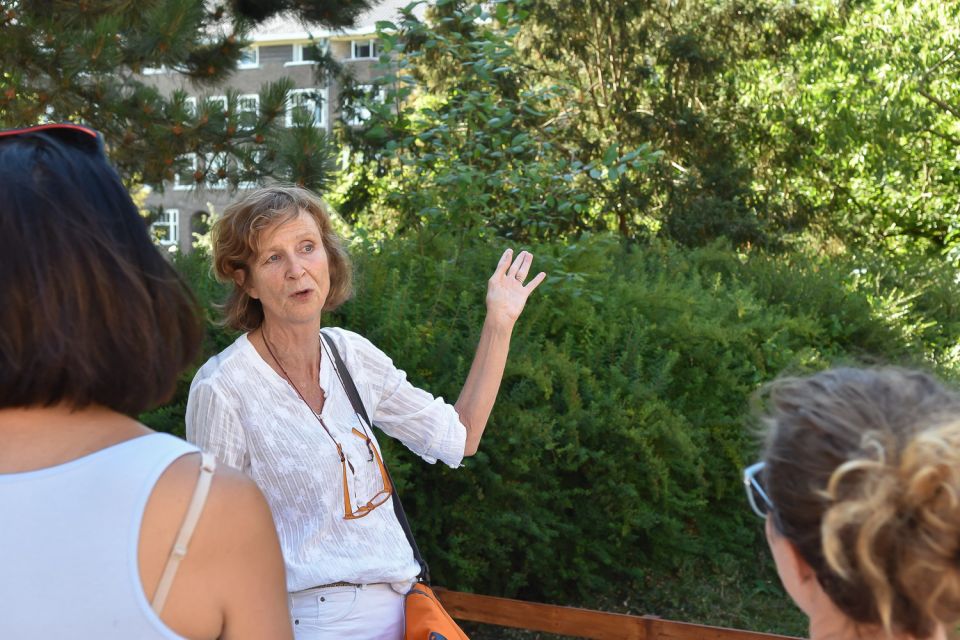
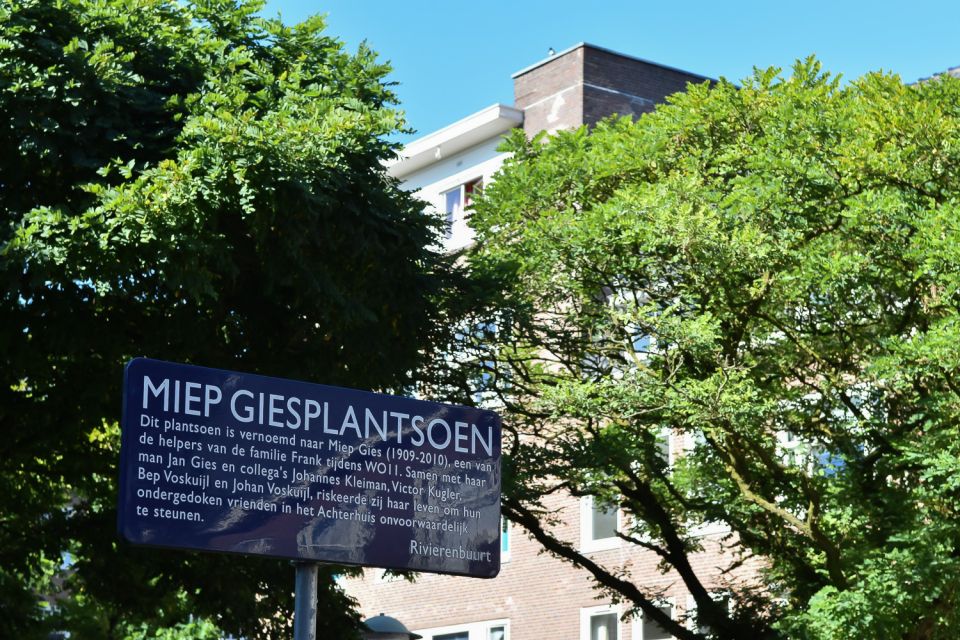
The tour includes time around the home of Miep Gies, one of the helpers who played a courageous role. If the diary is the record we’re reading today, the helpers are the reason it could be preserved and shared.
This is where you get more than emotion. You get a practical understanding of how resistance and rescue often worked: by people who were willing to take risks and provide protection in ordinary places. Passing the home area gives the story a grounded feel. It’s not only about dramatic events. It’s about who lived nearby, who noticed, who offered assistance, and how those decisions mattered.
I also like that this stop balances the narrative. It doesn’t turn the story into a single hero versus villains pattern. Instead, it shows a network of people responding with courage when the stakes were deadly.






Amsterdam-Zuid: the quieter side of the city you’ll actually remember
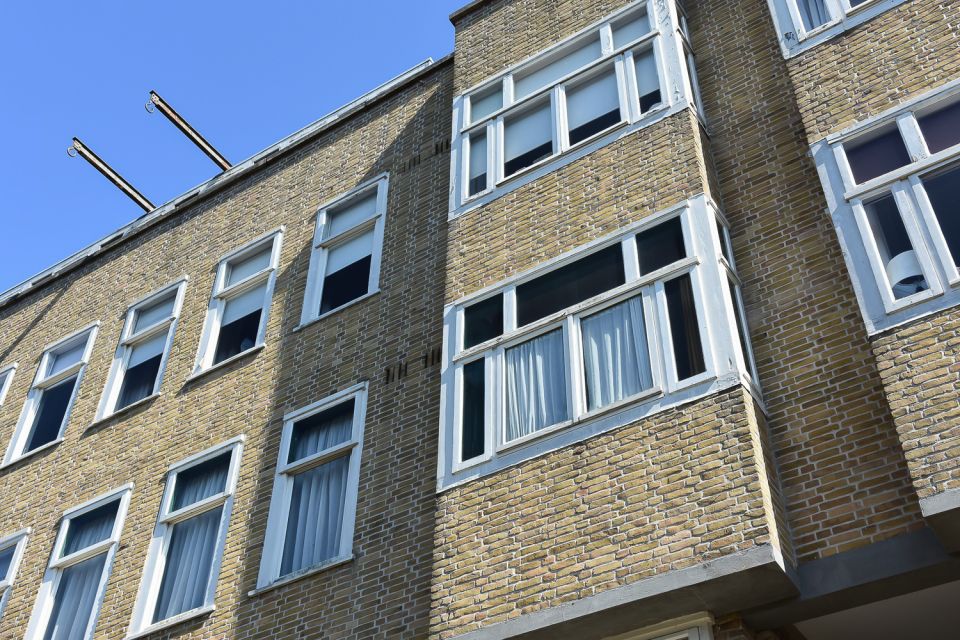
You’ll spend the walk in Amsterdam-Zuid, a beautiful area off the main tourist route. The tour description also calls out the neighborhood’s broader identity: built in the 1920s and 1930s, reflecting ideas in urban planning, architecture, and social housing.
This matters because it changes how you experience Amsterdam overall. If you’ve only seen the canal-ring postcard corners, Amsterdam-Zuid can feel like a fresh lesson. You begin to notice how the city is designed for real people, not just day-trippers with cameras. You may even find yourself comparing how different parts of town prioritize space, light, and community life.
And it’s not just a setting. Amsterdam’s layout and neighborhood character influenced daily life in the 1930s. When you walk through a well-planned district, the idea of Anne moving through that kind of environment becomes easier to picture.
The pacing: a 1.5-hour walk that stays focused
The whole experience is about 1.5 hours, with walking and passing stops along the way. That time window is long enough to make the story feel connected, but short enough that you’re not stuck in “history lecture” mode for half a day.
Because you’ll be outdoors and doing some walking, comfortable shoes are a must. Also bring an umbrella. On rainy days, it’s advised, and with Amsterdam weather, you’ll be happier if you’re prepared rather than improvising.
A camera also helps. Not because you’ll snap perfect photos every second, but because you’ll want something to remember the streets and specific stop locations once you’re back in your hotel.
Price and value: $18 for the walk, plus one important limitation
At $18 per person for roughly 1.5 hours, you’re paying for a guided story and an efficient route through the places tied to Anne’s early years. For many visitors, that’s good value because the guide gives meaning to what you’d otherwise see as ordinary buildings and streets.
Still, it’s important to be clear about what you’re not getting. This tour does not grant access to or entry into the Anne Frank House. You’re seeing the area where she grew up, not stepping into the famous site itself.
So I’d think of this tour as two-part planning:
- If you want the context and the “where she lived” feel, this is a strong choice.
- If you also want the museum-style interior visit, you’ll need a separate ticket for the Anne Frank House.
For people who have limited time, this walk can be a smart way to deepen your understanding quickly without committing to a longer, ticketed attraction schedule. For people who want full access everywhere, you’ll just need to pair it with that additional entry plan.
Guide quality: the best tours handle questions well
The live guide in English is a big part of why this works. The reviews highlight that guides are energetic and well-versed, with a style that keeps things moving. They also mention that questions are welcome and answered with sufficient detail.
That’s exactly what you want in a story like this. It’s easy to cover facts, but harder to answer the “wait, how do we know that?” questions that pop up when you’re looking at real places. If you like learning through small back-and-forth moments, you’ll likely enjoy this format.
If you’re the type who likes context more than dates, come prepared to ask your own questions. The tour format seems designed to make that possible.
What to expect at the key stops (and what to watch for)
Here’s the practical reality of what you’ll encounter as you walk, and what you should look for.
Starting at Anne’s square
At Merwedeplein 61, you’ll begin at a point that ties directly to her neighborhood life. Focus on what the guide says about why this area mattered before the Annex. That’s the tone-setter.
Moving through school and neighborhood areas
As you pass the schools and surrounding neighborhoods, listen for the human angle. The guide’s goal is to connect place to person, including what those early routines meant.
Diary bookstore stop
When you reach the bookstore-related location, the point is the diary origin. You’re building a “before the world knew her” mental image.
Passing Miep Gies’ home area
This part tends to shift emotion into meaning. Watch for how the guide explains the helper role and why it was so risky and consequential.
Ending back where you started
You’ll arrive back at the original meeting point after the route through Amsterdam-Zuid. Since it loops back, it’s easy to plan your next activity without scrambling for transport immediately after.
Who this tour is best for
This is a good fit if you want:
- A focused Anne Frank early-life perspective rather than only the famous confinement story.
- An Amsterdam experience that includes Amsterdam-Zuid instead of only the usual central sights.
- A guided walk that stays readable and time-efficient.
It may not be ideal if you:
- Need mobility access. This tour isn’t suitable for people with mobility impairments or wheelchair users, and it involves small amounts of walking.
- Want an interior visit to the Anne Frank House. This walk is outside-looking-in, so plan that separately if it’s important to you.
Also note: pets aren’t allowed.
Quick practical tips before you go
A few small choices will make the tour more comfortable and more meaningful.
Bring:
- Comfortable shoes
- Umbrella
- Camera
Plan around weather. Amsterdam weather can shift quickly, and you’ll want to keep moving without being soaked.
If you’re combining this with other Anne Frank–related plans, consider scheduling it earlier in your day so the context helps you process any later visits.
Should you book this Anne Frank walking tour?
If your goal is to understand Anne Frank as a real kid in a real Amsterdam neighborhood, this walking tour is a strong booking. For $18 you get a clear, guided sense of her early life: schools, neighborhoods, the bookstore connection, and Miep Gies’ helper role, all wrapped into a manageable 1.5-hour route in Amsterdam-Zuid.
Book it especially if you feel you know the diary story already but want the missing “where” behind the words. Just don’t expect entry to the Anne Frank House from this tour alone. If you want the interior experience, plan that ticket separately and use this walk to put everything into place.
FAQ
Where does the tour start?
The meeting point is Merwedeplein 61, in Square Merwedeplein, in Amsterdam South, in front of the statue of Anne.
How long is the walking tour?
The tour lasts about 1.5 hours.
Is the tour in English?
Yes, the live tour guide provides the experience in English.
Does this include entry to the Anne Frank House?
No. This tour does not grant access or allow you to enter the Anne Frank House.
What should I bring?
Bring comfortable shoes, an umbrella (rainy days), and a camera.
Are pets allowed on the tour?
No, pets are not allowed.
What is the cancellation policy?
You can cancel up to 24 hours in advance for a full refund, and the booking offers a reserve-now and pay-later option.