REVIEW · AMSTERDAM
Amsterdam Small-Group Walking Tour
Book on GetYourGuide →Operated by Guides and Tours · Bookable on GetYourGuide
A single walk can change how you see Amsterdam. This 2.5-hour small-group tour strings together the city’s famous landmarks and the human stories behind them, from trade-boom wealth to the darker chapters of the 20th century. It’s built to be both informative and fun, so you come away with sharper instincts for where to go next.
One thing I really like is how the guide-driven storytelling covers the big themes you’ll actually hear Amsterdam talk about: the Dutch Golden Age, the Red Light District evolution, and drug policy history. Another standout is the small-group format, limited to 10, which usually makes questions feel welcome instead of lost in a crowd.
The main drawback to plan for is simple: it’s still a walking tour, and parts of it are outdoors and paced for groups. If you have mobility limitations, be extra careful, since it’s listed as wheelchair accessible yet also noted as not suitable for people with mobility impairments.
In This Review
- Key things to know before you go
- A smart way to get your bearings in Amsterdam
- Beursplein and Dam Square: from trading hub to civic center
- Nieuwe Kerk and the Royal Palace: quick stops that still teach you something
- Zeedijk and Nieuwmarkt: everyday streets where the hard chapters show up
- Jewish Cultural District and the WWII connection: history you can’t ignore
- Zuiderkerk, Begijnhof, and the pace shift to quiet wonder
- Amsterdam Flower Market and Muntplein: finishing with something you can use
- Guides, humor, and why the stories feel doable
- Price and value: why $20 is actually a bargain here
- It’s built for first-timers, but it still works later
- Who should skip it (or choose a different format)
- My straight answer: should you book this Amsterdam walk?
- FAQ
- How long is the Amsterdam Small-Group Walking Tour?
- Where does the tour meet, and where does it end?
- How many people are in the group?
- What languages are the guides?
- Is the tour wheelchair accessible?
- What should I bring?
- What’s included in the price?
- Are food, drinks, or museum entrance fees included?
- Is transportation included?
- Can I cancel for a full refund, and can I pay later?
Key things to know before you go
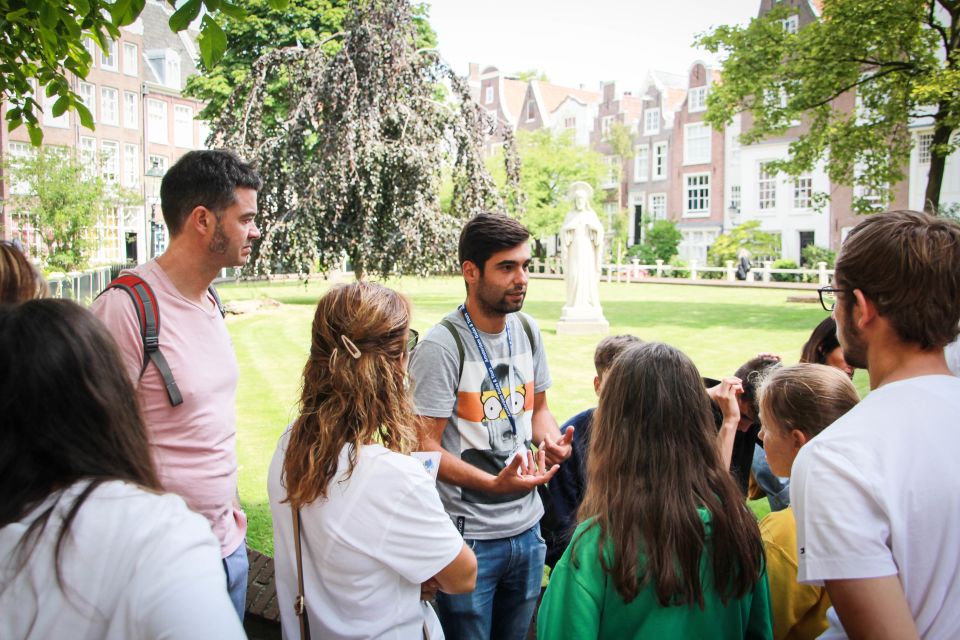
- Small group (up to 10): better pacing and more chance to ask questions.
- Iconic-and-meaningful route: Dam Square, Royal Palace area, and the Begijnhof stop are there for a reason.
- Stories with real contrast: prostitution and drug policy history sit side-by-side with Amsterdam’s more famous achievements.
- Jewish Cultural District focus: the tour includes WWII-era context, including the story of Anne Frank.
- Practical local tips: you’ll get guidance for what to do after the tour, including where to eat and drink.
- Short photo pauses: several stops are quick snapshots, so keep your camera ready and your expectations clear.
A smart way to get your bearings in Amsterdam
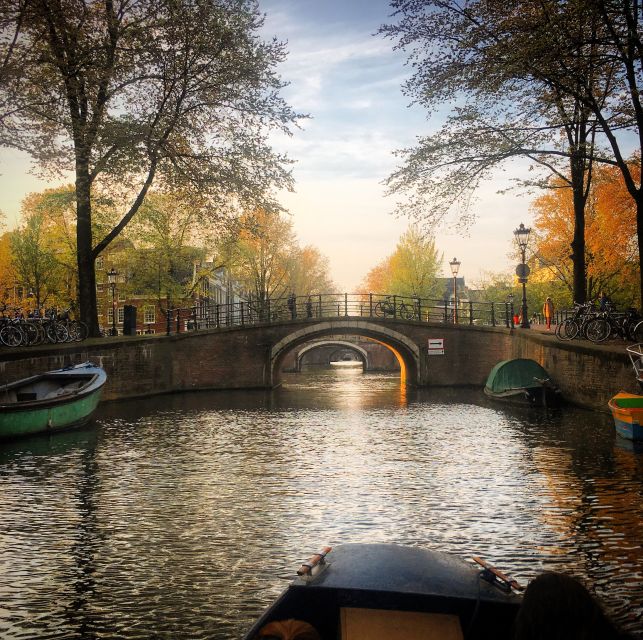
Amsterdam can feel like a maze at first. You’re surrounded by canals, narrow streets, and landmarks that look similar until you learn what matters. This tour is designed to compress a lot of orientation into a manageable 2.5-hour walking loop, which is exactly what you want on day one.
The tour also has a clear advantage: it mixes “what you see” with “why it exists.” You start near Beursplein and move through Dam Square and the historic center, but the guide’s stories connect those places to bigger themes like trade, power, tolerance, and conflict. That gives your photos a context, not just a pretty background.
You can also read our reviews of more walking tours in Amsterdam



Beursplein and Dam Square: from trading hub to civic center
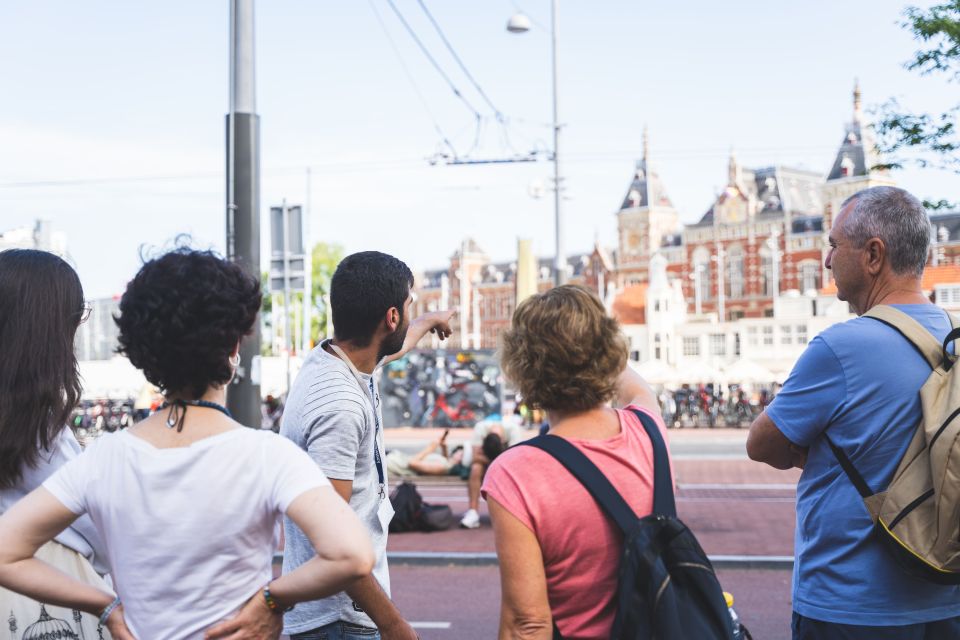
You begin at Beursplein 1, right where the energy of the city’s commercial past is close by. The guide starts you with a guided introduction at Beursplein, which helps explain how Amsterdam grew from a settlement into a trading powerhouse during the Dutch Golden Age. Think of it as your mental framework for everything you’ll see later.
Then you head to Dam Square, a central stage for Amsterdam’s public life. Even if you’ve only seen it from postcards, it helps to have a guide put it into perspective: who used this space, what it symbolized, and why it became such a gravity point for the city. It’s a short stop, but it sets the tone.
What you gain here is direction. After this segment, you’re less likely to wander in circles, because you understand the “main story” of the center.
Nieuwe Kerk and the Royal Palace: quick stops that still teach you something
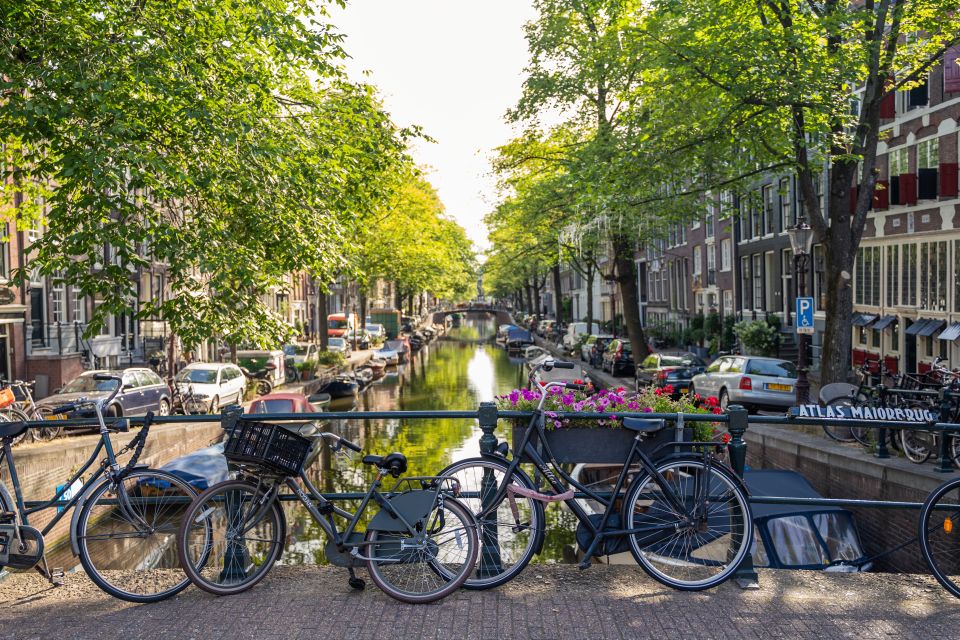
Next come two photo stops: Nieuwe Kerk, Amsterdam, and then the Royal Palace area. These pauses are brief, so you’ll want to have your camera ready and your questions saved for later moments.
Still, the value is that the guide uses these landmarks as anchors. Rather than giving you a checklist of facts, the guide tends to connect the church and the palace to the city’s historical identity and social structure. Even a five-minute photo pause can be useful when you know what you’re looking at.
If you prefer long explanations at every stop, this might feel fast. But if you want an efficient first pass through the classics, it fits.
Zeedijk and Nieuwmarkt: everyday streets where the hard chapters show up
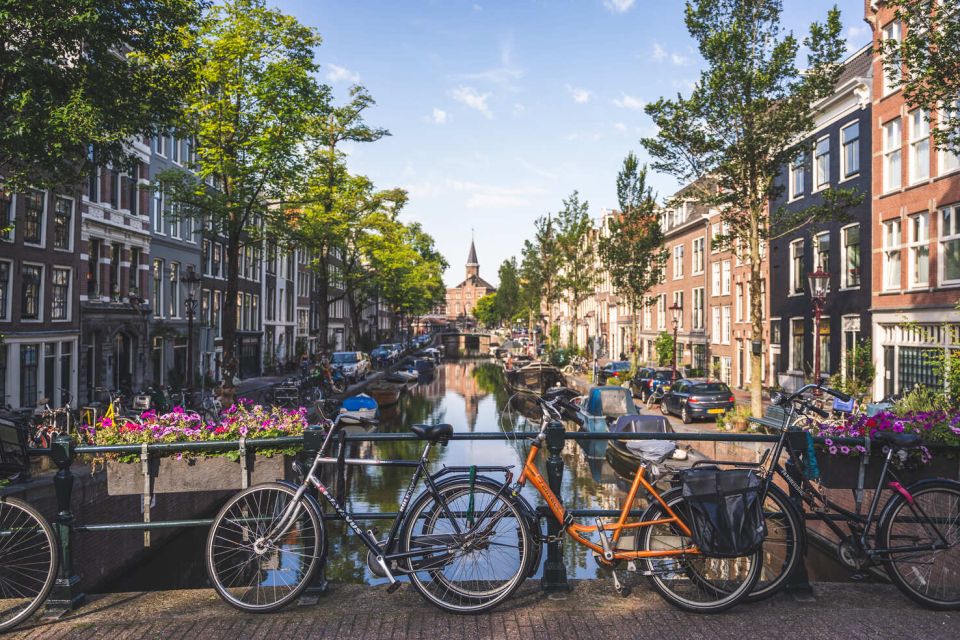
The route continues onto Zeedijk Street and then Nieuwmarkt Square, with guided time at both. These are the kinds of Amsterdam streets you’ll actually walk again later, so you benefit from hearing what the guide wants you to notice while you’re there.
This is also where the tour’s more controversial threads start to surface in a way that feels grounded rather than sensational. The highlights explicitly include stories about prostitution history and Amsterdam’s liberal approach, along with context on drug decriminalization policy. That means the tour doesn’t just treat these topics as “late-night trivia.” It frames them as part of how the city tried to manage society.
A consideration: if you’re sensitive to adult-topic history, the guide may talk about prostitution in an educational way. The good news is that you’re getting it as context for the city’s past and present, not as shock value.
Jewish Cultural District and the WWII connection: history you can’t ignore
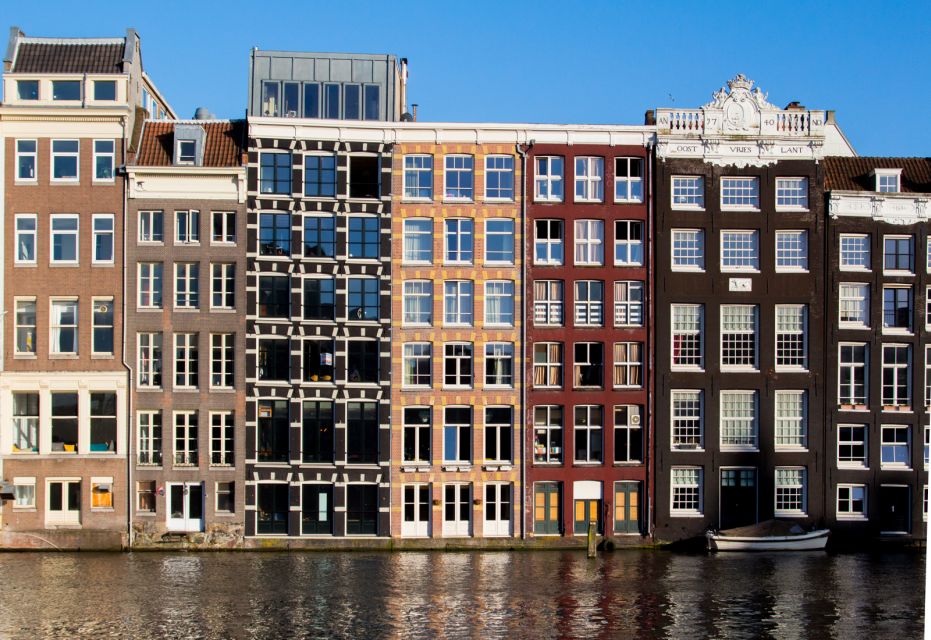
One of the most meaningful parts of the walk is the section covering the Jewish Cultural District, followed by a broader historical thread. The tour specifically includes the darkest chapters of the 20th century, including the Nazi occupation, and it includes the moving story of Anne Frank.
This matters because Amsterdam’s historic identity isn’t only about commerce and canals. The city’s streets carry memory. When a guide brings that into the walking flow, it changes the way you read the city: you start looking at places as witnesses, not just scenery.
Time is limited, so you won’t get a full lecture on every topic. But the structure helps you take away something actionable: you’ll know what themes to search for later in museums or books, and you’ll understand why those stories belong in Amsterdam’s main conversation.






Zuiderkerk, Begijnhof, and the pace shift to quiet wonder

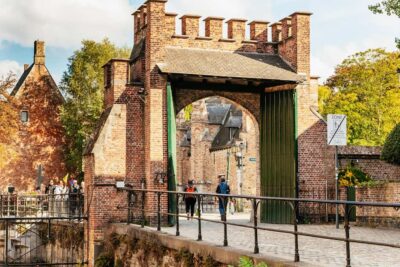
After the more heavy history, the tour gives your brain a breath. There’s a photo stop at Zuiderkerk, then you move to Begijnhof with a longer guided visit.
Begijnhof is one of those places where Amsterdam’s character changes tone. Instead of a wide view, you get a tucked-in sense of calm and continuity. For me, that contrast is a big part of why walking tours work here: you see the full emotional range of the city, not just the postcard angle.
Also, this is a longer stop (20 minutes), so it’s a chance to slow down and ask questions. In several guide experiences mentioned in feedback, guests appreciated not being rushed, and that’s exactly what you want at a place like this.
Amsterdam Flower Market and Muntplein: finishing with something you can use

The final major activity is a visit to the Amsterdam Flower Market, with about 20 minutes there. This is the part where Amsterdam turns practical. You can buy something small, take in color and market life, and enjoy a change of pace after the historic heavy lifting.
Then there’s a photo stop at Muntplein to close out the outward visuals. You end by returning to Beursplein 1, so you’re not stuck trying to figure out where you are on your own. That loop matters, especially if it’s your first time in town.
Guides, humor, and why the stories feel doable
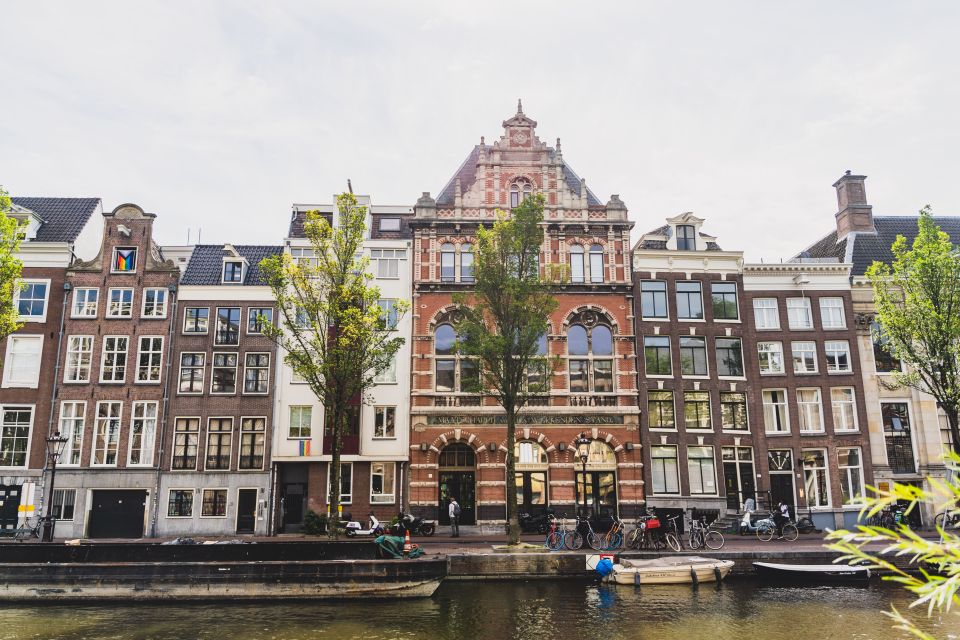
The biggest pattern in the guide experiences is that the best guides make difficult material easier to follow. You’ll see this in how guides use humor and pacing, including dry wit and even foreshadowing style that keeps you listening. People also mention that the tour doesn’t feel tiring, and that’s usually because the guide keeps information moving at a human speed.
Another highly praised factor: guides often make time for questions. Even when the route is structured, the tour experiences you’ll read about tend to highlight answers that feel personal, not rehearsed. That’s especially helpful in Amsterdam, where you’ll want to connect dots between what you just saw and what you want to do later.
And yes, there’s a practical side. Many guides provide tips on where to eat and drink, and some even help with small needs like knowing where to warm up. Those details can make your next hour in Amsterdam feel smoother.
Price and value: why $20 is actually a bargain here
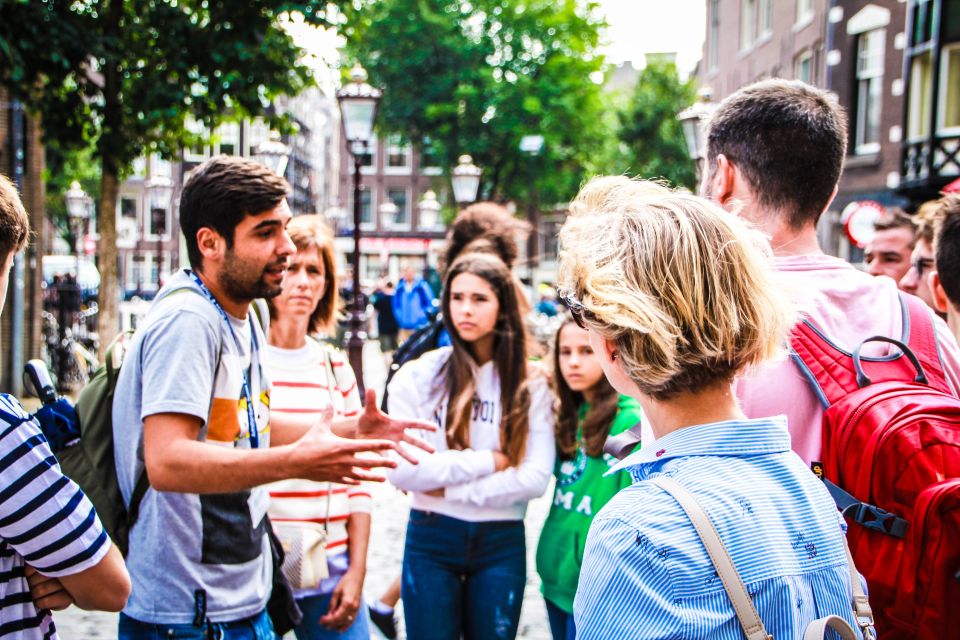
At $20 per person for about 2.5 hours, this sits in the “buy once, save time” category. Amsterdam has a lot going on, and a first-time visitor usually pays in confusion rather than money. This tour gives you orientation, historic context, and a sense of what Amsterdam is about beyond canals and bikes.
What you get for the price:
- An expert local guide who blends stories with real-world tips
- Walking access to major historic sights in the center
- A small-group format that makes questions manageable
- Practical recommendations so you don’t waste your first day figuring out what’s good
You should still expect to handle your own food and drinks. Entrance fees aren’t included. But for $20, you’re paying for the guide’s brain and the route’s organization, not for museum tickets.
It’s built for first-timers, but it still works later
This tour is ideal when it’s your first visit, because it helps you get your bearings and start making smart choices for the rest of your trip. But it can also work if you’ve been in Amsterdam for a day and feel like you’ve only scratched the surface. The guide’s contrast between the celebrated and the controversial can help you see new angles even on repeat streets.
Where it fits best:
- You want a fast, structured intro without a long time commitment
- You like history that connects to real city issues
- You want local tips you can act on the same day
Who should skip it (or choose a different format)
If you can’t comfortably do a walking tour, don’t assume you’ll be fine just because it’s marked as wheelchair accessible. The information provided also states it’s not suitable for people with mobility impairments, which tells me the route and walking time may be challenging.
Also, if you hate crowds and prefer totally silent sightseeing, this small-group walking format might not match your style. It’s meant to be interactive, not a quiet head-in-your-guidebook walk.
My straight answer: should you book this Amsterdam walk?
If you’re visiting Amsterdam for the first time, this is an easy yes. The $20 price is strong value when you consider you’re buying guided orientation, major landmark context, and real cultural history in one compact route. The guide-driven storytelling and small-group limit make it feel personal enough to matter.
If you’re traveling with someone who only wants light sightseeing, you may need to balance expectations because the tour includes serious historical and adult-topic context. But even then, the way it’s presented is designed to help you understand the city’s contradictions, not just shock you with them.
FAQ
How long is the Amsterdam Small-Group Walking Tour?
It lasts about 2.5 hours (the tour length is approximate).
Where does the tour meet, and where does it end?
It starts and ends at Beursplein 1. The guide waits in front of the Cafe Bistro next to the bull figure, with a blue umbrella or a tag with the Amsterdam Guides & Tours logo.
How many people are in the group?
The group is limited to 10 participants.
What languages are the guides?
The live tour guide offers Spanish and English.
Is the tour wheelchair accessible?
It is listed as wheelchair accessible, but it is also stated as not suitable for people with mobility impairments, so it’s worth checking carefully before you book.
What should I bring?
Bring comfortable shoes and drinks.
What’s included in the price?
You get the 2.5-hour walking tour, an expert local guide, and personalized tips to continue exploring.
Are food, drinks, or museum entrance fees included?
No. Food and drinks are not included, and entrance fees to museums or other attractions are also not included.
Is transportation included?
No transportation to and from the meeting/end point is included.
Can I cancel for a full refund, and can I pay later?
Free cancellation is available up to 24 hours in advance for a full refund. You can also reserve now and pay later.