REVIEW · AMSTERDAM
Amsterdam Rijksmuseum PRIVATE TOUR with a Local Private Guide
Book on Viator →Operated by Withlocals · Bookable on Viator
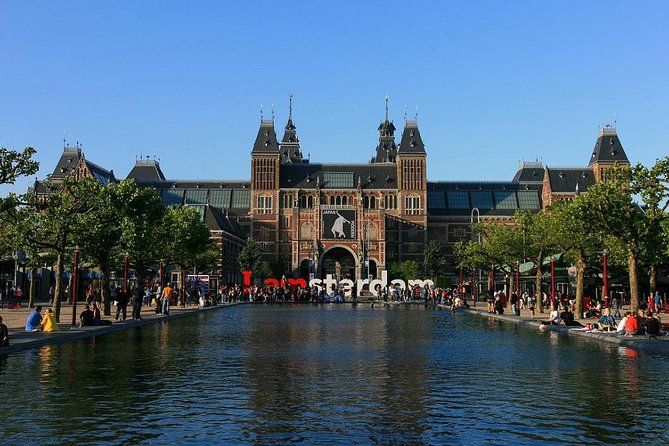
A museum can feel huge and loud. This private Rijksmuseum tour helps you focus, from medieval scenes to the big Golden Age names, with a local guide guiding the pace and the questions. It also includes skip-the-line entry planning through your guide, so you lose less time stuck waiting.
I love the way this tour strings the collection together like a timeline you can actually follow. One reason it works so well is the human touch: guides such as Rolf, Anna, and Martin have been highlighted for bringing paintings, artists, and Dutch history into one clear story (and often tailoring it to your interests and even family needs).
One thing to consider: the museum ticket itself is not included in the tour price. You pay 20 EUR per person in cash, and while the guide handles prebooking, there have been rare reports of ticket trouble that can affect the visit.
In This Review
- Key highlights you’ll feel right away
- Why a private Rijksmuseum tour beats wandering (even if you love museums)
- Price and value: what you pay for the guide, then pay for entry
- Meeting at Hobbemastraat and timing: how to avoid the common headaches
- Rijksmuseum in eras: what you’ll see during the 2-hour guided path
- Medieval Times: faith, symbolism, and the Tree of Jesse
- Renaissance Era: how the groundwork leads toward the Golden Age
- Golden Age: Hals, Vermeer, and Rembrandt as the core experience
- 18th Century: clocks, furniture, vases, and life-size porcelain animals
- 19th Century: scale and a major canvas, Battle at Waterloo
- What you get after the museum: local Amsterdam pointers
- Guides like Rolf, Anna, and Martin make the difference
- The one part I’d handle carefully: tickets and rare last-minute issues
- Who should book this Rijksmuseum private tour
- Should you book it
- FAQ
- What’s included in the private tour price?
- Are the Rijksmuseum entrance tickets included?
- Does the guide help with skip-the-line access?
- How long is the tour?
- Is this a private experience?
- Where do we meet the guide?
- Is it convenient to reach the meeting point by transit?
- When will I get confirmation?
- Can I get a refund or change the booking if plans change?
Key highlights you’ll feel right away
- Skip-the-line style entry arranged by your guide so you start viewing sooner
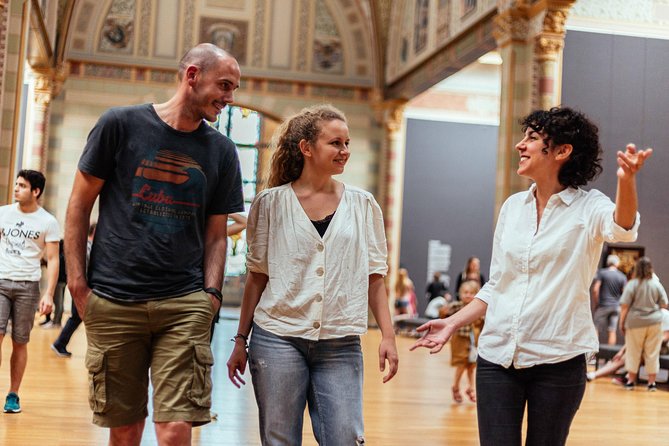
- Private, just-you-and-your-guide walking format, so you can ask questions without rushing
- A guided sweep of eras from medieval through the Golden Age and beyond
- Big-name Dutch Masters attention on Hals, Vermeer, and Rembrandt, plus supporting artists
- Artwork “how to look” guidance that turns paintings into stories you can repeat later
Why a private Rijksmuseum tour beats wandering (even if you love museums)
The Rijksmuseum is famous, but that fame can be a trap. If you show up alone, you may spend your time deciding where to go instead of understanding what you’re seeing. This private format fixes that. You get a dedicated guide, and the pacing is yours. If you want to linger on one painting, you can. If you’d rather get the big picture fast, you can do that too.
Another win is the way your guide can connect dots across time. The museum collection isn’t random; it’s organized so you can see how Dutch art changed as religion, wealth, and ideas changed. A good guide turns that into a story you follow, not a room-by-room checklist.
And yes, it’s still a museum visit, meaning you’ll do real walking. But because it’s private, you’re not trapped with a group pace that doesn’t match your energy.
You can also read our reviews of more guided tours in Amsterdam



Price and value: what you pay for the guide, then pay for entry
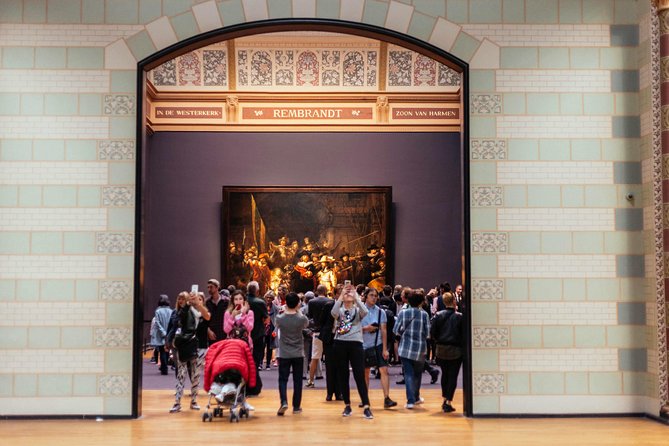
This tour lists at $141.87 per person and lasts about 2 hours. That price covers the private walking tour with a local guide and a carbon neutral experience.
The part that matters for budgeting is entry: museum tickets are not included. You’ll need to pay 20 EUR per person in cash to the host/guide for admission. Your guide takes care of prebooking, which is the practical difference between “skip the line” as a nice phrase and “skip the line” as a real time-saver.
So your all-in cost is basically the tour price plus the 20 EUR per person ticket. If you’re traveling as a couple, or you want a structured path through a huge museum with less wasted time, this tends to make sense. If you’re the type who loves drifting freely and picking only a few works, you might prefer museum admission plus a less structured plan. But when time is tight, paying for a private guide is one of the cleanest ways to buy back hours.
Meeting at Hobbemastraat and timing: how to avoid the common headaches
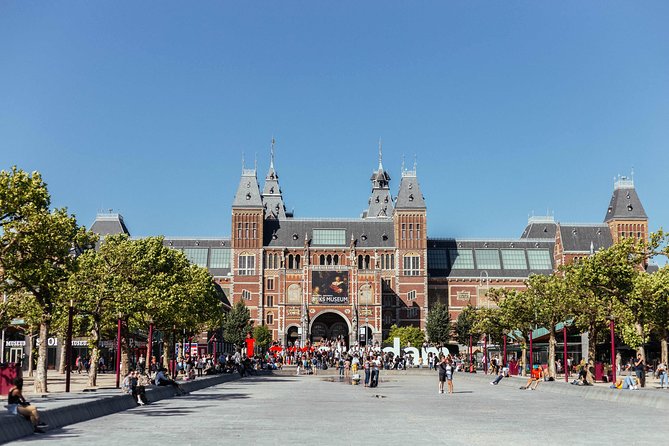
Your meeting point is Hobbemastraat 18, 1071 ZB Amsterdam. The activity ends back at the meeting point, and it’s noted as near public transportation, which is helpful if you’re mixing this with other Amsterdam stops.
Here’s what I’d watch closely: multiple reports mention that meeting details can feel unclear and that tour timing can run past the listed window. That doesn’t mean it’s always chaotic, but it does mean you should do two simple things:
- Arrive a bit early, not right on the clock
- Keep your expectations flexible for how the 2-hour plan unfolds inside a busy museum
Also, remember: this is private, so the “pace” is still guided. The guide should tailor the route, but the museum crowd levels and where lines form can affect the flow.
Rijksmuseum in eras: what you’ll see during the 2-hour guided path
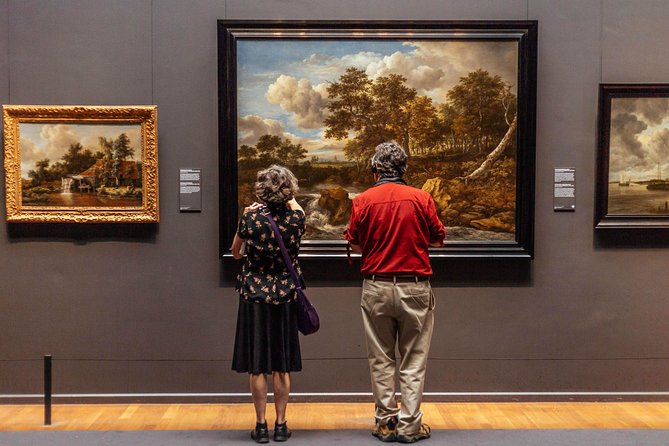
Think of the tour as a guided route through the museum’s story arc. You’re not just looking at famous paintings—you’re learning what changed between eras and why the art looks the way it does.
Medieval Times: faith, symbolism, and the Tree of Jesse
You start with Medieval Times, where the mood turns very religious and very symbolic. One specific highlight mentioned is Geerten tot St. Jans and a standout work called Tree of Jesse.
What you’ll get here is more than subject matter. A good guide helps you read the painting like a message. Medieval Dutch art often feels intense because it’s packed with meaning. When someone explains the connections, the work stops being mysterious and starts being readable.
A small drawback: this opening section can feel heavy if you’re expecting only famous names. But if you like seeing how artistic ideas begin, this part is the foundation for what comes next.
You can also read our reviews of more private tours in Amsterdam




Renaissance Era: how the groundwork leads toward the Golden Age
Next comes the Renaissance Era, where your guide explains how this period sets up the later Golden Age. You’ll also see a focus on Lucas van Leyden, described as the Rembrandt of the 16th century.
This stop is where the tour’s “why it matters” value really shows. The museum can feel like a lineup of masterpieces. But in the Renaissance section, you’ll start seeing why the Golden Age wasn’t random success—it was built.
If you’re a bit new to Dutch art, this section can be your orientation compass. If you’re already a fan, it’s still useful because it gives historical reasons behind the styles.
Golden Age: Hals, Vermeer, and Rembrandt as the core experience
Then you hit the big one: the Golden Age, anchored by the “big three” names—Hals, Vermeer, and Rembrandt.
This is the part many people want most. The value of doing it with a guide is that you’re not just viewing famous faces and scenes. You’re learning the differences in style, mood, and technique—and how those differences reflect the world the artists lived in.
Also, Golden Age art can be deceptively complex. A guide can help you notice what your eye might skip: how light is handled, how realism is used, and how scenes communicate status, work, and daily life.
A practical note: the museum is large, so you won’t see everything in 2 hours. This tour is designed to focus. If you want a tour that hits the greatest hits with context, this part delivers.
18th Century: clocks, furniture, vases, and life-size porcelain animals
The tour keeps expanding beyond paintings. In the 18th Century segment, you’ll encounter fascinating objects like clocks, handmade furniture, marble vases, fireplaces, and even life-size porcelain animals.
This is a smart inclusion because it shows how art isn’t only canvas. Dutch culture expressed taste and technology through objects, interiors, and decorative craftsmanship. If you’ve ever visited museums and thought, why do I need to care about an object, this section gives you a reason.
Potential drawback: if you came for paintings only, this portion may feel like a detour. But it’s usually quick and highly engaging if your guide ties the objects to broader taste and wealth.
19th Century: scale and a major canvas, Battle at Waterloo
Finally, you reach the 19th Century, including the biggest painting mentioned in the tour: Battle at Waterloo.
Large paintings can be overwhelming on your own because you don’t know where to look first. A guide helps you approach scale like a map—where the action sits, what the composition is doing, and what the work signals in that era.
In short: by the time you finish, you’re not only seeing famous artworks. You’re feeling how the museum’s story changes from religious symbolism to worldly realism to later grandeur.
What you get after the museum: local Amsterdam pointers
After the main gallery time, your private guide provides local recommendations for Amsterdam. You’re essentially buying a mini planning session with someone who lives nearby and understands what fits your interests and time.
This part can be surprisingly useful if your schedule is tight. If you only have a day or two in the city, having a local suggest a sensible next move saves you from random guessing.
Guides like Rolf, Anna, and Martin make the difference
One theme in the high ratings is that the guide matters. People specifically praised guides such as Rolf, Anna, and Martin/Marten for mixing art history with clear storytelling.
What you should look for in your own match is not just facts, but how those facts get delivered:
- Turning paintings into context you can understand
- Connecting art to Dutch commerce, architecture, and the times
- Tailoring the route to your background or your family’s pace
If you’re bringing kids, look for a guide who can explain without talking down. Several positive notes describe family-friendly tailoring that kept the visit engaging.
The one part I’d handle carefully: tickets and rare last-minute issues
A private guide can make everything smoother—but museum ticket availability can still be the limiting factor.
There are reports of ticket trouble where the visit didn’t happen as planned because tickets became unavailable. There are also reports of a no-show situation or meeting-point confusion that caused delays.
You can’t control whether tickets sell out. But you can control how you reduce risk:
- Double-check the meeting instructions you receive
- Be early and ready to identify your guide
- Stay flexible and keep a backup plan if the museum is at capacity
This is still a well-reviewed tour overall (high recommendation rate and strong star ratings), but it’s smart to go in knowing that entry is the one variable you’ll feel most.
Who should book this Rijksmuseum private tour
This tour fits best if you:
- Have limited time and want maximum understanding in about 2 hours
- Want Dutch Masters with context, not just surface-level viewing
- Prefer a private pace where you can ask questions freely
- Are traveling as a family and want the route tailored to younger attention spans
It may not be ideal if you:
- Only want to focus on a few specific paintings and hate structured routes
- Want a long museum session with lots of browsing time on your own
- Are very sensitive to any chance of timing friction (given real reports about meeting clarity and ticket issues)
Should you book it
Yes, if your priority is to leave the Rijksmuseum feeling like you understand what you saw, not just that you walked through it. The private format plus the era-by-era path is a strong value when your schedule is tight.
One more practical tip: treat this as a two-part purchase—your guide + paid museum entry. If you budget for the 20 EUR cash ticket per person and you arrive early at Hobbemastraat 18, you’ll set yourself up for the kind of visit people rave about: a focused museum experience powered by a guide who turns paintings into stories you can actually remember.
If you’re deciding between “go on your own” and “pay for context,” this tour leans hard toward context, and that’s often the difference between a good trip and a trip that sticks.
FAQ
What’s included in the private tour price?
The tour price includes a private walking tour with a local guide and a carbon neutral experience.
Are the Rijksmuseum entrance tickets included?
No. Admission tickets are not included in the price. You must pay 20 EUR per person in cash.
Does the guide help with skip-the-line access?
Yes. The guide handles prebooking for your admission, which is intended to save time waiting in line.
How long is the tour?
The duration is listed as about 2 hours.
Is this a private experience?
Yes. It’s private, so only your group participates.
Where do we meet the guide?
The meeting point is Hobbemastraat 18, 1071 ZB Amsterdam, Netherlands. The tour ends back at the meeting point.
Is it convenient to reach the meeting point by transit?
Yes. The meeting area is described as near public transportation.
When will I get confirmation?
You should receive confirmation at the time of booking.
Can I get a refund or change the booking if plans change?
No. This experience is non-refundable and cannot be changed for any reason.