REVIEW · AMSTERDAM
Amsterdam: Private Bike Tour
Book on GetYourGuide →Operated by Orange Adventures · Bookable on GetYourGuide
Amsterdam by bike turns shortcuts into stories. A private ride like this shows you the neighborhoods you miss on foot, using Amsterdam’s famous bike culture and lanes to move quietly and safely through the city. I especially like the mix of everyday local scenes and historic stops, from the 15th-century De Waag area to a visit at Albert Cuyp street market.
The big thing to plan for: bike rental isn’t included, so you’ll want to arrange a rental ahead of time if you don’t already have one set.
In This Review
- Key points that make this tour worth your time
- Why Amsterdam’s bike culture is the perfect way to tour
- Meeting at the right spot: hotel pickup in central Amsterdam
- Getting comfortable in city traffic without the stress
- De Waag and the old city walls: history you can map with your own eyes
- The warehouse district on three sea-reclaimed islands
- Albert Cuyp street market: local shopping energy, not a tourist set
- The old industrial port turned residential: a satisfying contrast
- Tailorable interests: history, culture, architecture, or monuments
- Duration and timing: how 2–3 hours fits your Amsterdam day
- Price and value: what $227 per group really buys you
- What to budget besides the tour
- Who this tour suits best
- Should you book this Amsterdam Private Bike Tour?
- FAQ
- What is included in the Amsterdam private bike tour?
- Is bike rental included in the price?
- Where does the tour start?
- How long is the tour?
- What languages does the live guide speak?
- Is this a private group?
- Can I choose my start time?
- What is the cancellation policy and payment option?
Key points that make this tour worth your time
- Private guide experience with a calm, low-key coaching style for riding in real city traffic
- Bike lanes first, so you’re not stressed trying to figure out streets on your own
- Old Amsterdam, on two wheels: De Waag, old city wall remnants, and bulwarks you can actually trace
- Warehouse district on reclaimed islands, built on land wrestled from the sea
- Albert Cuyp street market for a true neighborhood vibe and local shopping energy
- Former industrial port turned residential, a satisfying contrast to the older landmarks
Why Amsterdam’s bike culture is the perfect way to tour
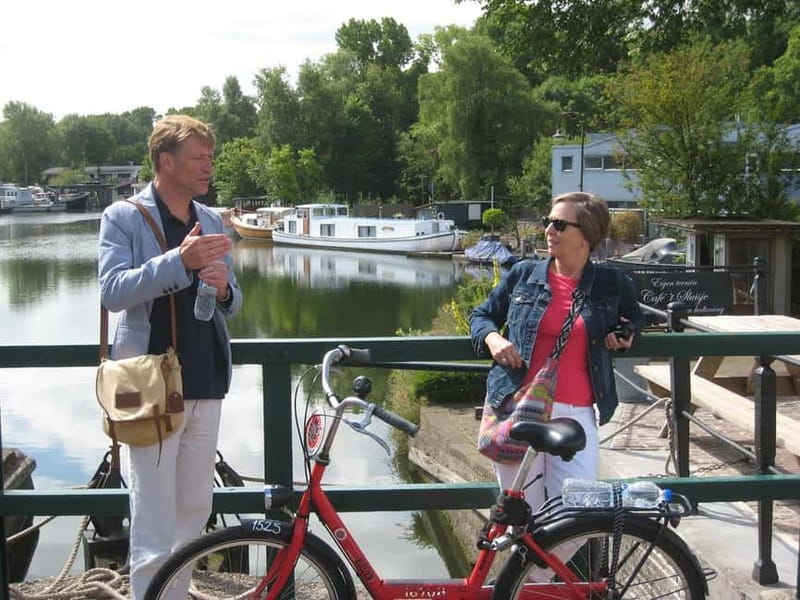
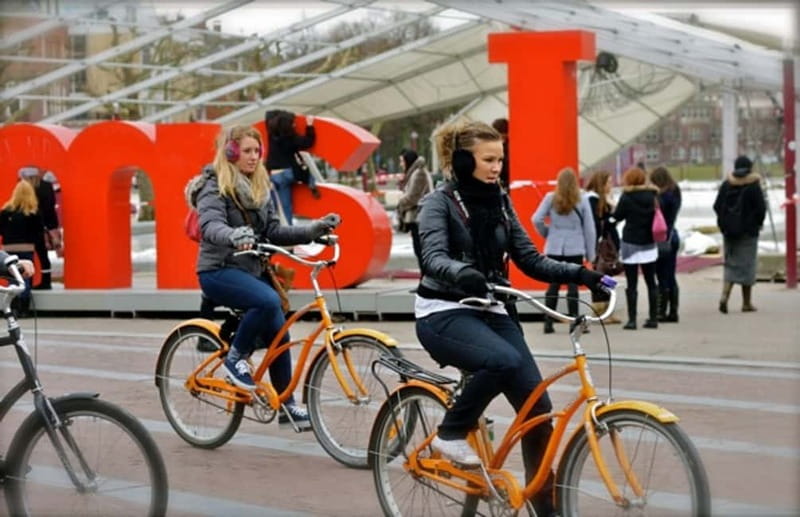
Amsterdam is one of those rare cities where bicycles aren’t a niche. They’re the default. With around 881,000 bikes in the city, you don’t just see cyclists—you feel how the city is designed for them. That matters on a tour, because it changes the pace. You cover ground fast, but you’re still outside in the neighborhoods, not inside a bus with windows that blur the details.
This private setup also works well because it lets you ride like someone who lives here: move in straight lines, pause where it makes sense, and follow the flow of cycle infrastructure. You’ll get off the usual tourist paths and see quieter areas where daily life is the main attraction.
And since it’s a private tour, you’re not stuck watching other people lag behind or rush ahead. You can ask questions when something catches your eye—like why a street feels different here than it does a few canals over.
You can also read our reviews of more cycling tours in Amsterdam


Meeting at the right spot: hotel pickup in central Amsterdam
The tour starts with pickup included from your hotel in central Amsterdam. That’s a big deal in a city where “meet here” can turn into 30 minutes of walking in the wrong direction. If you’re staying outside the center, you’ll choose a central pickup point.
From a practical standpoint, this makes the tour easier to plug into your day. You don’t need to figure out bike parking, transit routes, or how to reach a guide meeting point. You just show up, get matched with the bike you’ll be riding (or the rental you arrange), and roll.
The tour runs for 2 to 3 hours, and you can pick a start time between 9AM and 6PM (you’ll confirm timing with the operator after booking). That flexibility helps if you’re juggling museum hours or you want to avoid the midday crush.
Getting comfortable in city traffic without the stress
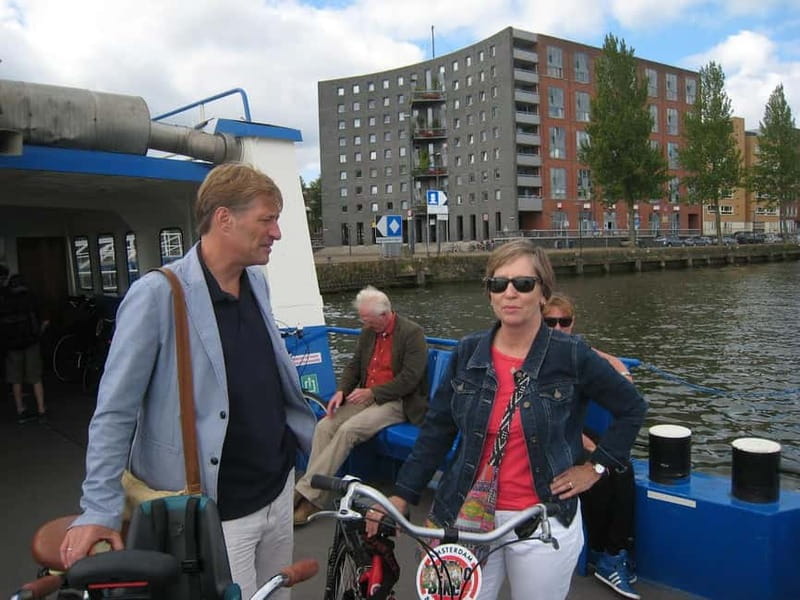
One of the most praised parts of this experience is the way the guide helps you feel at ease. People highlight a guide who’s low-key and informative, with tips that make riding in Amsterdam’s busier zones feel manageable.
That coaching piece is more important than it sounds. Amsterdam has tons of bike lanes, but you’re still riding alongside other cyclists, navigating junctions, and passing through areas where traffic compresses. A good guide keeps you from overthinking it. You get confidence fast, and you learn what matters—where to position yourself, how to handle stop-and-go moments, and when to relax and let the lane do its job.
If you’re an experienced cyclist, you’ll probably enjoy the ride as a smooth route with smart context. If you’re less experienced, the calm instruction is what turns the trip from intimidating into doable.
De Waag and the old city walls: history you can map with your own eyes
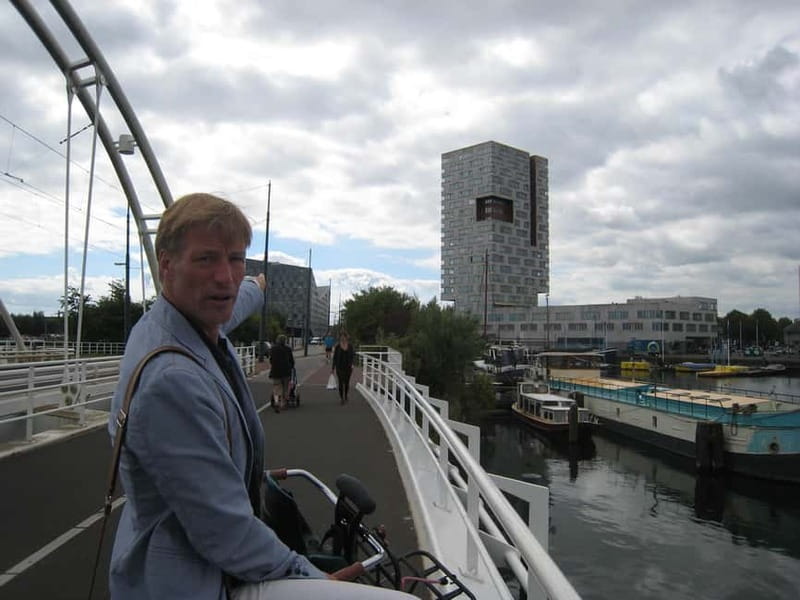
A highlight on this tour is cycling to historic landmarks like De Waag, a 15th-century building area. The value here isn’t just seeing a famous structure—it’s understanding why it sits where it does. When you ride up to places like this, you can better “read” the city layout: canals, streets, walls, and how the city once defended itself.
The tour also includes remnants of Amsterdam’s older fortifications—old city walls and the bulwarks that helped protect the city. These features are easy to miss if you’re walking quickly or only scanning postcard corners. On a bike route, you can track the shapes and lines of the past more clearly.
What you’ll feel as you pass these areas is the contrast between then and now. Defensive earthworks and wall traces are blunt and practical. Modern Amsterdam is designed for movement and flow. Riding through both layers makes the transition feel real.
You’ll also pass a few really old churches. The point isn’t a single “wow” interior. It’s the larger story: Amsterdam’s long timeline, visible in architecture you can spot without needing a ticketed museum stop.
The warehouse district on three sea-reclaimed islands
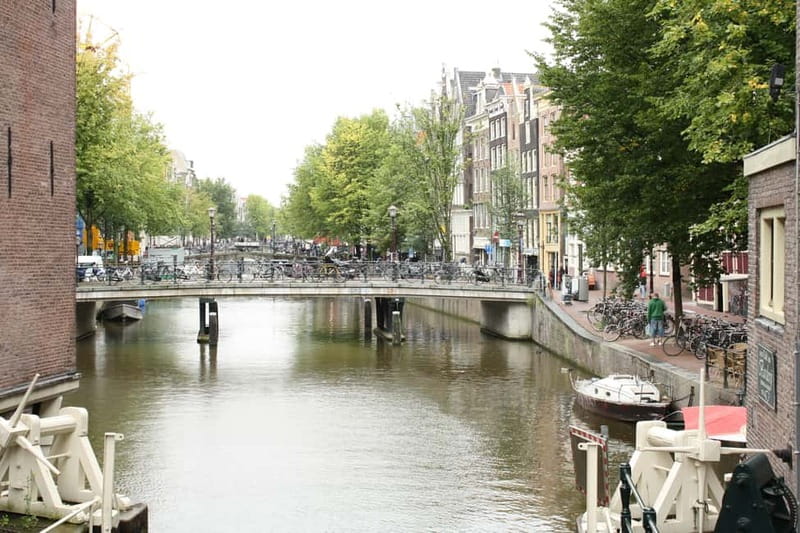
One of the most interesting parts of the route is the old warehouse district, built on three islands reclaimed from the sea. That detail is more than trivia. It helps you understand why this area looks and feels the way it does—why it exists at all, and how Amsterdam’s economy shaped its geography.
Warehouses belong to trade. And trade changes cities. So when you cycle through this district, you’re not just moving through pretty streets. You’re riding through an economic machine that once handled goods arriving by water, then getting distributed inland.
This is also a great example of what makes cycling valuable versus walking. On foot, you can cover the area, but you don’t get the same sense of scale and connection. By bike, you can stitch together sections of the district into a clearer mental map.
Also, the pace helps here. Warehouse districts can feel “industrial” and a bit visually heavy if you’re in rush mode. The bike route lets you slow down where it matters and keep moving when the streets start to blur.
You can also read our reviews of more private tours in Amsterdam





Albert Cuyp street market: local shopping energy, not a tourist set
Another standout stop is the Albert Cuyp street market. Markets in major European cities can turn into a performance for visitors. Here, you’re still walking through something used by local people—shopping, browsing, and moving through their day.
Even if you don’t plan to buy much, it’s worth going for the rhythm. The market is one of those places where you feel Amsterdam as a lived-in city, not a themed backdrop. You’ll be surrounded by the ordinary details locals handle without thinking: the stalls, the flow of people, the mix of goods, and the way sellers interact.
Practical tip: treat this as a place to look first and plan second. If you try to sprint through it, you’ll miss the variety. If you slow down, you’ll see the range and the micro-neighborhood vibe.
This stop also makes the tour feel balanced. You’ve got defensive walls and historic buildings, then you switch to a very present-day scene. That contrast is what makes a short tour feel longer and richer.
The old industrial port turned residential: a satisfying contrast
The tour also takes you through the old industrial port, now one of Amsterdam’s most desired residential areas. This is another “then and now” experience—one that works well when you’re traveling by bike.
On the street, you can spot how the city repurposed older functions. Instead of keeping everything strictly as museum space, Amsterdam often reinvents areas while leaving enough physical traces that you can still sense the past.
This section of the ride gives you a mental shortcut for understanding the city’s bigger pattern: older infrastructure isn’t just preserved or demolished. It often gets repurposed, and the result is a mix of old structure and modern living.
If you’re the kind of traveler who likes cities that change over time, you’ll appreciate this part. It’s not just pretty. It’s a real example of urban transformation.
Tailorable interests: history, culture, architecture, or monuments
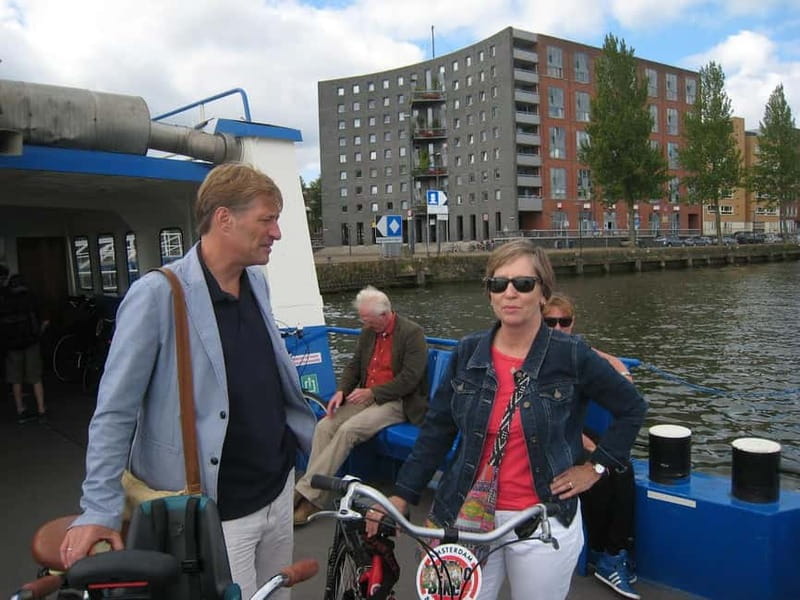
The guide can tailor the tour to your interests. That matters because Amsterdam can overwhelm you if you follow a standard list of highlights. With a tailored approach, you can spend more time where your curiosity actually is.
If you care more about history and culture, the guide can lean into the defensive past and trade-related landmarks. If you prefer architecture or landmark monuments, you can emphasize buildings like De Waag and the older church area. If you just want the best local-feeling neighborhoods with fewer tourist crowds, you can steer toward that quieter rhythm.
This flexibility is a big value-add for a private tour. You’re paying for a route and a guide, not for a scripted checklist.
Duration and timing: how 2–3 hours fits your Amsterdam day
A 2 to 3 hour tour is a sweet spot for Amsterdam. Long enough to feel like you saw a chunk of the city, short enough that you’re not exhausted afterward or forced to cram everything into the same day.
It also helps that you can choose your start time between 9AM and 6PM. In practice, I like morning and early afternoon for the calmer feel and easier riding conditions. Later in the day can still work, but you’ll want to be aware that you’re cycling in areas where the city tends to feel more active.
The pickup from central Amsterdam makes the timing easier. You don’t have to add transport time just to begin the experience.
Price and value: what $227 per group really buys you
The price is $227 per group up to 2 for a private tour with a guide. That isn’t cheap in the abstract, but it becomes clearer when you break down what you’re getting.
You’re paying for three things:
- a private guide who can coach you on riding in real city conditions
- a route that hits multiple meaningful areas in just a few hours
- the ability to tailor the focus to what you care about
If you’re traveling as a couple, or you want a personal pace, the per-group pricing can feel fair. If you’re solo, it’s still doable, but the value depends on whether you like the private format and whether you want cycling support rather than figuring out bike logistics yourself.
One more note: bike rental is not included. That’s the main budget catch. If you already have a bike or can easily rent one nearby, the tour cost makes more sense. If you’ll need to hunt down rental options last minute, it can add stress. The good news is the operator can help with nearest rental recommendations, and sometimes reservations can be arranged for group rentals.
What to budget besides the tour
You’ll want to plan for:
- bike rental (not included)
- any food or drinks you want during market time (also not included)
- rain gear if the forecast calls for it
Amsterdam weather can shift quickly. The simple move is dressing for the forecast and having a raincoat ready if there’s a chance of showers. A bike tour is only enjoyable when you feel comfortable, not when you’re freezing or soaked.
Who this tour suits best
This private bike tour is a strong fit if:
- you want to see Amsterdam beyond the most obvious walking circuits
- you’re comfortable riding in a city or you want a guide to help you get comfortable fast
- you like a mix of history, architecture, and real daily life
- you’re traveling with a partner (since it’s priced for a group up to 2)
It may be less ideal if you’re not willing to rent a bike, or if you need a fully flexible route based on mobility needs. This experience is built around cycling as the main mode.
Should you book this Amsterdam Private Bike Tour?
I’d book it if you want an efficient, local-feeling way to experience multiple layers of Amsterdam in under half a day. The standout reason is how the ride is handled: guides who stay calm, give clear coaching, and keep things informative without turning the trip into a lecture.
You should think twice if you’d rather travel without dealing with bike rentals. Since rental isn’t included, you’ll want a plan. If you already know how to get a bike and you’ll dress for weather, the rest is straightforward.
Best decision rule: if you want Amsterdam to feel lived-in and you like moving by bike, this tour is a good match.
FAQ
What is included in the Amsterdam private bike tour?
The guide is included. Bike rental and food and drink are not included.
Is bike rental included in the price?
No. Bike rental is not included, so you’ll need to arrange it separately.
Where does the tour start?
Pickup is included from your hotel in central Amsterdam. If you aren’t staying in the city center, you’ll enter your preferred central pickup point.
How long is the tour?
The tour lasts about 2 to 3 hours. Check availability to see the starting times.
What languages does the live guide speak?
The guide speaks English, Dutch, and German.
Is this a private group?
Yes, it’s a private group. The pricing is listed per group up to 2.
Can I choose my start time?
You can choose your own start time between 9AM and 6PM, then confirm the time with the tour operator after booking.
What is the cancellation policy and payment option?
You can cancel up to 24 hours in advance for a full refund. You can also reserve now and pay later to keep travel plans flexible.