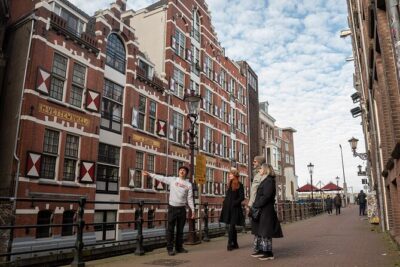
Amsterdam has secret doors if you look. This small-group walk is built to help you find them, starting at Beursplein and winding through Dam Square, the Canal Ring, and the Jordaan with courtyards, side streets, and time in quieter shopping lanes.
I love the way the tour mixes big landmarks with small, street-level details. You also get a local guide who keeps things casual but packed with facts, so you understand what you’re seeing instead of just collecting photos.
One heads-up: you’ll do about 2.5 hours of walking (around 2.5 miles / 4 km). If your idea of sightseeing is mostly sitting in museums, this route may feel like more city stroll than ticketed attractions.
In This Review
- Key Highlights You’ll Feel Fast
- Starting at Beursplein: Origins of Amsterdam and the First Stock Market
- Dam Square to the Canal Ring: Medieval Expansion You Can See
- The Nine Streets and Antique Market Lanes, Away From the Usual Crush
- Jordaan Hidden Streets: The Neighborhood That Still Feels Like Amsterdam
- Karthuizerhof Courtyard and the Westerkerk Story With Rembrandt
- What You Get From the Guides: Michael and Christian’s Styles
- Walking Comfort for 2.5 Hours: What to Expect on Your Feet
- Price and Value: Why $52.81 Can Work Well
- Should You Book Hidden Streets With Friends in Amsterdam?
- FAQ
- How long is the tour?
- Where does the tour start and end?
- Is the tour offered in English?
- How many people are in the group?
- What kind of walking is involved?
- Can I cancel and get a full refund?
Key Highlights You’ll Feel Fast
- Start at Beursplein and learn why Amsterdam became a merchant powerhouse, including the world’s first stock market
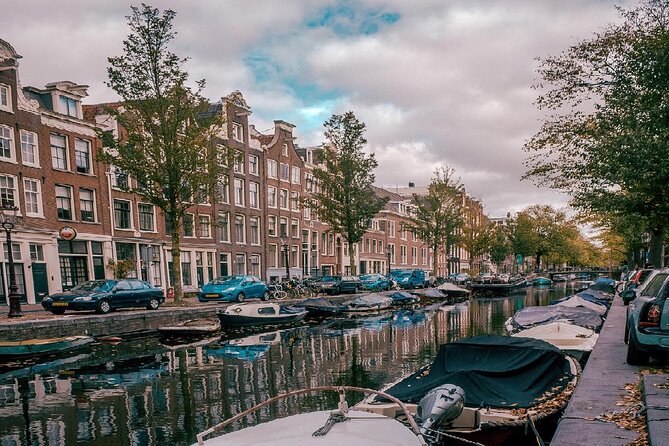
- Cross the Canal Ring and connect canals to the city’s medieval growth
- Stroll the Nine Streets (De Negen Straatjes) for shopping that feels calmer than the usual tourist routes
- Explore Jordaan hidden squares and lanes while hearing how the neighborhood stayed lived-in
- Visit Karthuizerhof, a 1650 courtyard built for widows and recognized as early social housing
- Finish with Westerkerk context, including the link to Rembrandt and why merchants funded that church
Starting at Beursplein: Origins of Amsterdam and the First Stock Market
The walk kicks off at Beursplein 1-3, and the opening sets the tone in a smart way: instead of starting with canals or coffee shops, you begin with how the city grew. Your guide ties Amsterdam’s rise to trade and money—then brings it down to street corners you’ll actually walk past later.
One standout moment is the explanation around the world’s first stock market. Hearing that here matters. Beursplein is not just a “meeting point” plaza; it’s a reminder of why Amsterdam attracted merchants and capital in the first place. Once you get that frame, the rest of the city starts to make sense: canals as logistics, churches as civic branding, and neighborhoods as housing for workers and families.
You’ll also move from that business center toward Dam Square, with a clear sense of why it became the civic heart. The tour then points out a key building tied to Amsterdam’s municipal past—originally serving as the town hall—so you can spot the “this is where decisions got made” energy even when you’re standing on a sidewalk.
If you’re visiting for the first time, this first stretch is a big win. You’re getting context early, so later, in the Jordaan, the stories don’t feel random.
You can also read our reviews of more tours and experiences in Amsterdam.



Dam Square to the Canal Ring: Medieval Expansion You Can See
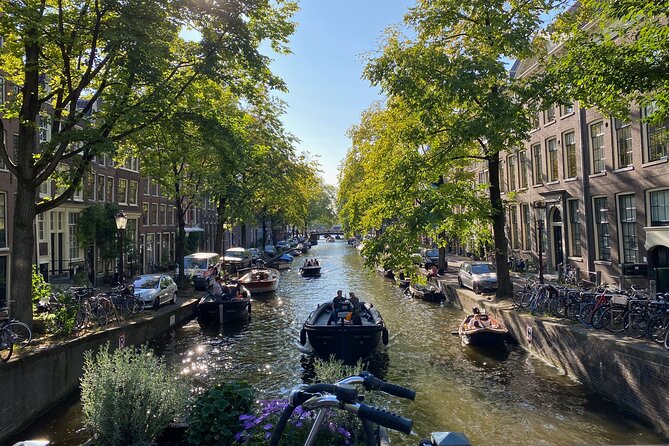
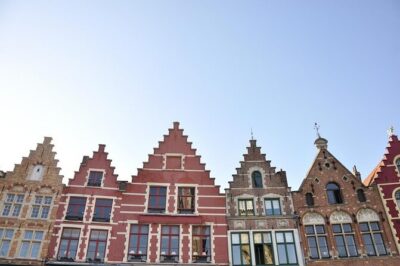
After the civic center, the tour shifts into “watch the city change” mode. You’ll cross the Canal Ring, and your guide explains how the city extended during medieval times. This is one of those details that’s hard to appreciate if you only take canal photos—because the canals are not just scenery. They’re part of how the city organized movement and wealth.
The key is how your guide connects the dots as you walk. You’re not asked to memorize dates. Instead, you learn what to look for: where canals sit relative to neighborhoods, how the street grid feels “planned,” and why certain areas developed into more commercial zones while other parts became more local and residential.
This section also works well because it keeps you moving without rushing. The pace stays steady enough that you can look up at facades, check the spacing of streets, and still follow the conversation. It’s an easy way to get bearings fast, especially when Amsterdam’s streets start looking like one long maze.
One practical note: even when the guide keeps things smooth, Amsterdam sidewalks can be uneven. If you’re sensitive to foot fatigue, bring shoes with good grip and be ready for a true walking tour feel.
The Nine Streets and Antique Market Lanes, Away From the Usual Crush
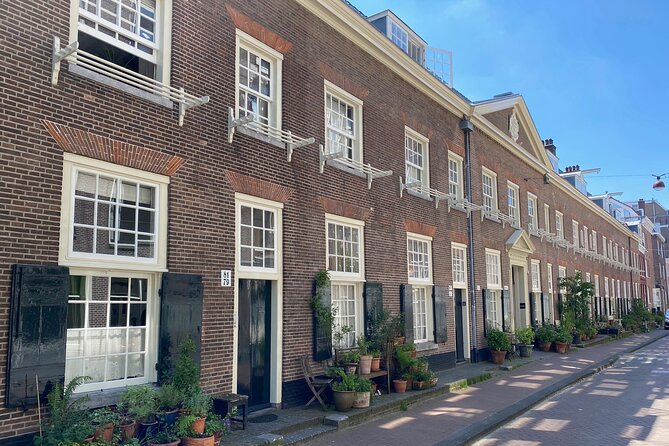
Then you head into the Nine Streets—De Negen Straatjes—and this is where the tour really earns its name. You’ll learn how these nine streets became a more cozy shopping area, tucked away from the busiest tourist routes. It’s not just shopping talk, either. Your guide frames the area as part of the city’s everyday fabric: small businesses, side streets that feel human-scaled, and places that locals actually use.
You’ll also visit an antique market as part of this roaming section. Since it’s integrated into the walking flow, it feels less like a set-piece stop and more like a natural “while we’re here” experience. That matters because it keeps the tour grounded. You’re not dragging yourself from attraction to attraction. You’re learning how Amsterdam spaces work—what’s central, what’s tucked back, and why some corners stay quieter.
One of my favorite things about this kind of neighborhood shopping route is that it teaches you how to return later on your own. After the tour, you can say, I know where this zone starts, I know which streets peel off, and I know where to look for calmer cafés instead of forcing your way through crowded shopping streets.
Jordaan Hidden Streets: The Neighborhood That Still Feels Like Amsterdam
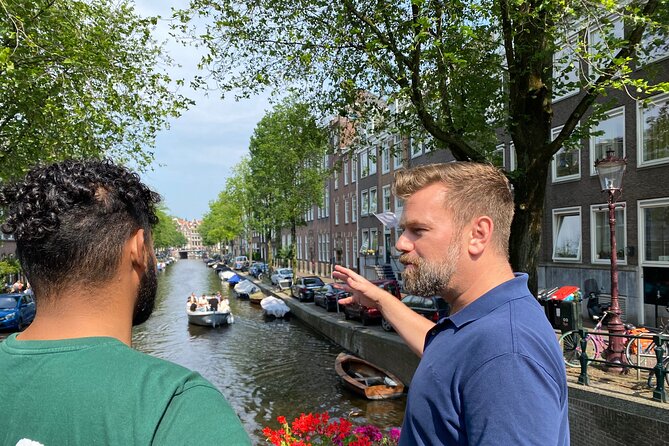
Next comes the Jordaan, and you’ll spend about 1 hour 20 minutes with the guide focusing on hidden streets and squares. This is the part where Amsterdam feels most like a local day, not a checklist. Your guide explains how the Jordaan remains authentic as a neighborhood—one where community life shows up in the street layout and in the rhythm of daily movement.
A good walking tour can point at buildings. A great one helps you understand how the neighborhood “works” as a place. Here, you get both: explanations about what you’re seeing, plus plenty of time to walk at a comfortable pace and notice details you’d otherwise skip.
You’ll also pass meaningful sights tied to the city’s religious and social landscape. One stop focuses on a church for the poor, including why it was constructed exactly where it is. That kind of “why here” detail is worth it. It turns architecture into social history, and it makes the Jordaan feel less like a pretty district and more like a place built around real needs.
And yes, you’ll pass by the Anne Frank House during your stroll through the Jordaan. The tour doesn’t treat it like a simple photo stop. Instead, it places it in context with what you’ve already learned about Amsterdam’s neighborhoods and community life—so it lands with weight, not just attention.
Karthuizerhof Courtyard and the Westerkerk Story With Rembrandt
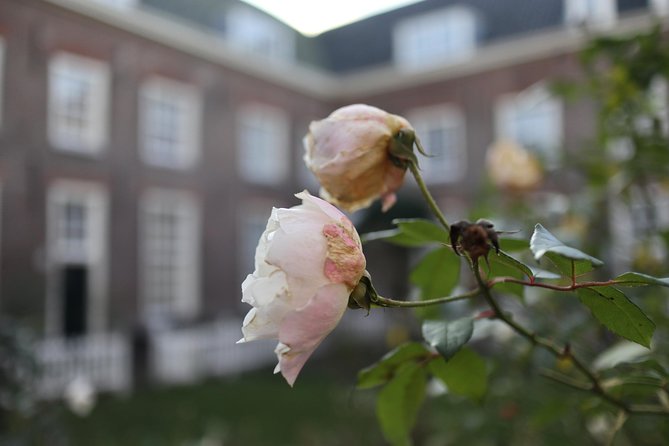
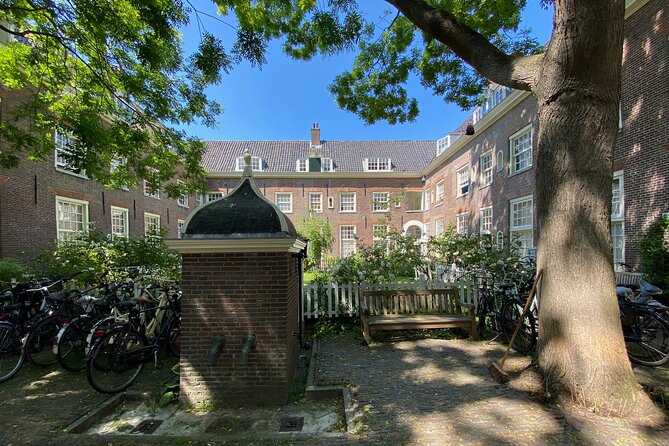
After the Jordaan lanes, the route takes you to Karthuizerhof, a beautiful courtyard constructed in 1650 for widows. The guide also explains why it matters in a global context—as one of the first social housing projects in the world. Even if you’re not a history person, this stop is memorable because it’s so tangible. You’re standing in a space designed for people who needed shelter and stability, not just aesthetics.
The courtyard format is also a smart tour choice. It lets you step out of traffic noise and into a quiet pocket of the city. You feel the difference between Amsterdam’s open streets and its semi-private interiors. That contrast is part of what makes hidden-street tours special: you get to experience both the public and the tucked-away layers.
From there, you keep moving toward the grand church moment: Westerkerk. This is described as a marvel of a church, built by the rich merchants of Amsterdam. Your guide also notes that Rembrandt was buried here. Those two facts connect power, faith, and civic status in a way that feels very Amsterdam. In other cities, you might see churches tied to kings. Here, merchant wealth plays a starring role.
What makes this end section satisfying is the “build-up” effect. You start with trade and money, you walk through civic space, and then you arrive at a church shaped by merchant ambition. The stories click because the route is designed to keep themes consistent.



What You Get From the Guides: Michael and Christian’s Styles
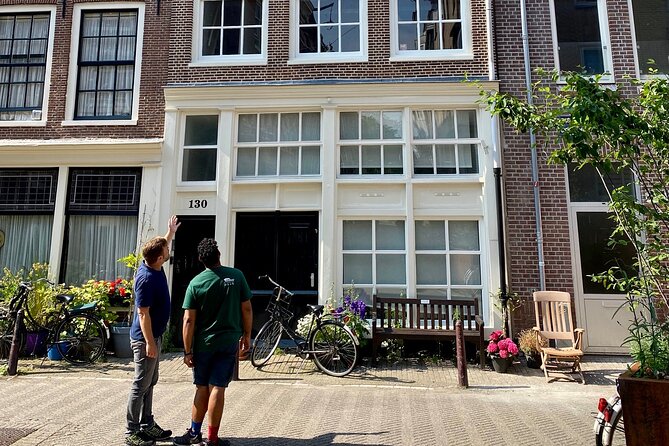
The tour is led by local guides, and the reviews highlight two names again and again: Michael and Christian. The common thread in their approach is the tone: informal, conversational, and still packed with details.
Michael’s style comes through as calm and personal, with lots of answers and a way of connecting broad Dutch history to street-level observations. Christian is described as equally generous with information, bringing you to places not usually found in guidebook circuits and staying flexible if the group wanders with questions.
This matters because the best parts of the experience aren’t only the stops—they’re the way the guide handles your curiosity. If you ask something mid-walk, you’re not brushed off. Instead, the guide folds it back into the story, sometimes even adjusting the pace to your group’s needs.
You’ll also get practical takeaways. More than once, guides are praised for adding useful suggestions for what to do next in Amsterdam, after you’ve finished this route.
Walking Comfort for 2.5 Hours: What to Expect on Your Feet
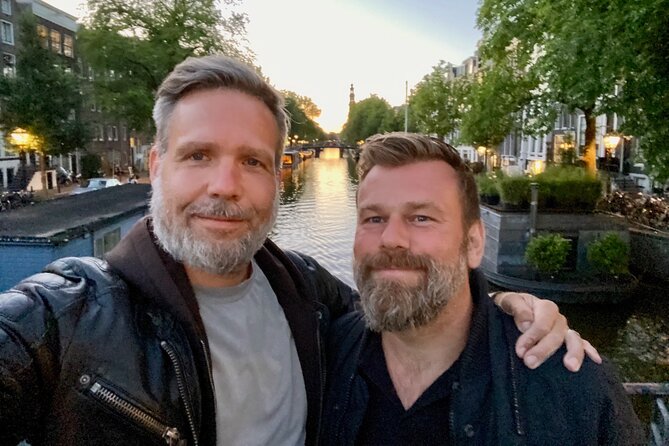
This is rated as suitable for most travelers, but it does involve real walking: about 2.5 hours over 2.5 miles / 4 km. The tour also caps at 10 travelers, which helps keep the group manageable on narrower streets and inside courtyards.
Because the route includes side streets and courtyards, you’ll likely spend time slowing down to look and listen. That’s good. It’s not a “march through the city” kind of walk. It’s more of a steady stroll with frequent context stops.
A simple way to set yourself up for an easier walk:
- Wear comfortable shoes you trust on uneven sidewalks
- Bring a light layer if you’re out in cool weather, since you’ll be moving continuously
- Keep water handy, since you’re out for the better part of the afternoon or morning
Also, service animals are allowed, and the meeting area is near public transportation, so getting there is straightforward.
Price and Value: Why $52.81 Can Work Well
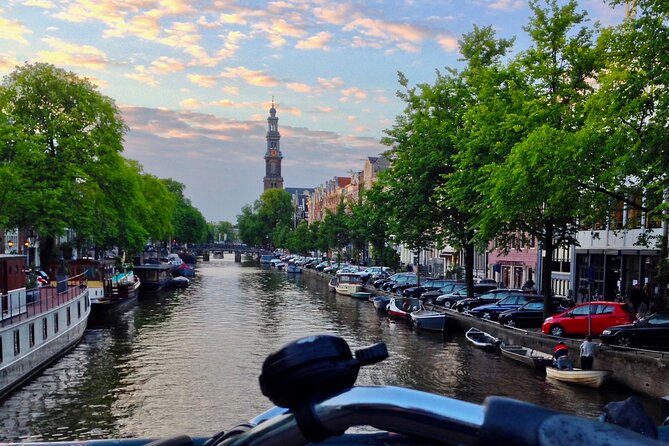
At $52.81 per person, this isn’t a budget “just walk around” option. But it’s also not priced like a museum ticket day. The value comes from three things you can feel right away:
- A small group (max 10) means you’re not stuck listening from far away
- Story-first guiding means you understand what you’re seeing, especially at places like Beursplein and Westerkerk
- Several parts of the route are marked as admission ticket free, including key segments like the Canal Ring crossing and courtyard/side stops
There’s also a timing clue baked into demand. It’s commonly booked about 65 days in advance, which usually means people like the format. This tour is a good pick when you want orientation and local flavor in a single afternoon block.
If your Amsterdam plan is short, the price starts to make more sense. You’re buying clarity and pacing, not just distance walked.
Should You Book Hidden Streets With Friends in Amsterdam?
If you like Amsterdam for more than canals and coffee lines, I think this tour is a strong match. It’s especially good for:
- First-time visitors who want context fast without feeling rushed
- Couples and solo travelers who prefer quieter neighborhood streets over the central crowds
- People who enjoy history when it’s explained through real places—like Karthuizerhof’s widows courtyard and Westerkerk’s merchant-backed story
Skip it if your priority is mostly indoor attractions, long museum stops, or hours of ticketed sites. This route is built for walking, looking, and listening. The trade-off is that you’ll spend your time on streets and courtyards rather than inside major venues for extended periods.
My practical verdict: book this when you want to understand Amsterdam, not just pass through it. The small-group format and the guide-driven storytelling make it feel like walking with someone who genuinely knows how the city got made.
FAQ
How long is the tour?
The tour lasts about 2 hours 30 minutes.
Where does the tour start and end?
It starts at Beursplein 1-3, 1012 JW Amsterdam, Netherlands and ends at Elandsgracht, Amsterdam.
Is the tour offered in English?
Yes, this tour is offered in English.
How many people are in the group?
The tour has a maximum of 10 travelers.
What kind of walking is involved?
You should be able to walk about 2.5 hours over a distance of 2.5 miles / 4 km.
Can I cancel and get a full refund?
Free cancellation is available. You can cancel up to 24 hours in advance for a full refund.