REVIEW · AMSTERDAM
Amsterdam: Must-See Attractions Guided Walking Tour
Book on GetYourGuide →Operated by Guydeez Tours · Bookable on GetYourGuide
Canals and secrets in just three hours. This walking tour hits the big Amsterdam markers fast, starting around Dam Square, while a live guide connects the dots with local context. I like that you can steer it—your guide works with your interests—so the walk doesn’t feel like a rigid checklist. You’ll also get a classic look at the UNESCO-listed canals and 17th-century streetscape views that are best when you’re on foot.
One possible drawback: the overall feel depends on your guide and how specific you are about what you want to learn. Even among strong reviews, I saw one guest say they got limited city information and felt little excitement. If you want more depth (architecture, trade history, Jewish heritage, or just best nightlife), say it upfront so your route and pacing match your expectations.
In This Review
- Key Things That Make This Tour Worth It
- How a 3-Hour Walking Tour Gives You Real Understanding
- Starting Point: Getting Oriented Around Oudekerksplein
- Dam Square, Royal Palace, and the Dutch East Indies Story
- Kalverstraat Street: A Quick Photo Stop That Sets the Mood
- Westerkerk: A Landmark Moment With Perspective
- Red Light District: Seeing It Without the Carnival Vibe
- Begijnhof Courtyard: Amsterdam’s Quiet Reset
- Canals and 17th-Century Gabled Houses: What to Look For
- Portuguese Synagogue and Jewish Amsterdam Context
- Nieuwmarkt Square: Public Life and Cultural Crossroads
- Maison Descartes (Salle André Citroën): Culture in the Mix
- Royal Palace Area to Dam Square Again: Closing With Perspective
- Price and Value: Is $32 for Three Hours a Good Deal?
- Guide Quality: What the Best Reviews Emphasize
- Who Should Book This (And Who Might Skip)
- Should You Book This Amsterdam Walking Tour?
- FAQ
- How long is the Amsterdam guided walking tour?
- Where does the tour start?
- Is it a private tour or a group tour?
- What languages are offered?
- Is the tour wheelchair accessible?
- What’s included in the price?
- What’s not included, and what does the tour cost?
Key Things That Make This Tour Worth It

- Dam Square to the canal network: you’re not just passing by landmarks—you’re putting them in context.
- Begijnhof courtyard time: a quiet pocket with a concealed church vibe, perfect for slowing down.
- Canal views with photo stops: you see the “UNESCO postcard” angles while still learning what you’re looking at.
- Multiple landmark types in one loop: churches, synagogue area, major squares, and the Red Light District from the outside.
- Guide-led local recommendations: you get practical ideas for bars, restaurants, and clubs after the walk.
How a 3-Hour Walking Tour Gives You Real Understanding
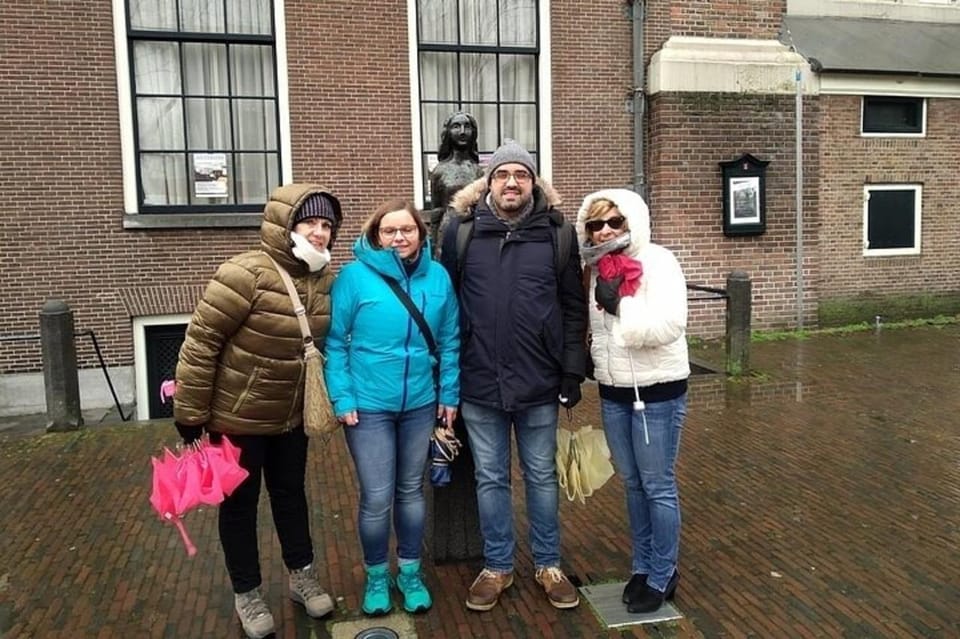
Amsterdam works differently on foot. The city is made of short streets, sudden viewpoints, and buildings that change character every few blocks. This tour is a smart length—3 hours—because it’s long enough to make sense of what you’re seeing, but short enough that you’re not stuck when your feet get tired.
What I like most is the “guided understanding” approach. Instead of treating sights as photos, you’re given stories you can actually use while you roam later. And since the tour is customizable, you can nudge the guide toward what matters to you—whether that’s how Amsterdam grew through trade, why certain neighborhoods look the way they do, or how to read the canal-side architecture.
The format is also efficient: expect frequent photo stops and guided segments as you move from one key area to the next. It’s not a slow, museum-style experience. It’s more like a tight, guided city orientation that still leaves room to look up, look around, and ask questions.
You can also read our reviews of more walking tours in Amsterdam



Starting Point: Getting Oriented Around Oudekerksplein

You meet at Oudekerksplein 4 (outside Quartier Putain). This matters because it sets you up right near some of the most walkable central streets. You’ll start moving through core areas quickly—so come ready for city walking from the first minutes.
Also, double-check language expectations before you start. The guide is available in English, French, Italian, and Spanish, so you should be able to get a smooth explanation rather than half-understanding through guessing.
If you’re traveling with others, you can choose a private or group tour, and there’s also a private group available. That matters for pacing: a private setup tends to be easier when you want more back-and-forth questions or you want the route tweaked to match your style.
Dam Square, Royal Palace, and the Dutch East Indies Story

The heart of downtown is the kind of place where you either rush through—or use it to anchor your whole day. Here, you begin at Dam Square, then work your way toward the Royal Palace area.
This stop is valuable because it connects Amsterdam’s public face with its economic muscle. Your guide covers the legacy of the Dutch East Indies company, which gives you a new lens for why the city looks so confident and how its wealth shaped city life and buildings. Even if you’ve seen Royal Palace photos before, hearing the trade context while standing in the plaza changes how you interpret the scene.
Practical note: Dam Square is busy, and photo angles can be tricky when crowds swell. The guide’s pacing helps here—so you can still get a look without spending half the tour fighting for a corner.
Kalverstraat Street: A Quick Photo Stop That Sets the Mood
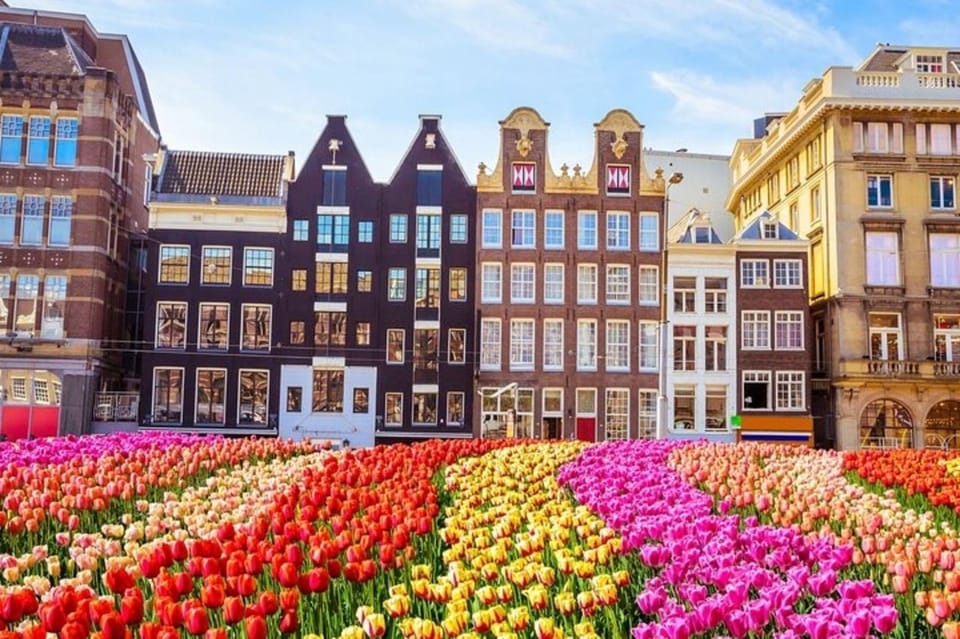
You’ll pass through Kalverstraat Street, with a photo stop and guided sightseeing time built in. This is less about one “must-see monument” and more about street-level orientation.
Think of it as the moment you calibrate your eyes: where the energy is concentrated, what kinds of buildings you’re going to keep noticing, and how the streets funnel you toward the next landmark. If you’re new to Amsterdam, this early section helps you stop walking blindly and start moving with purpose.
Westerkerk: A Landmark Moment With Perspective
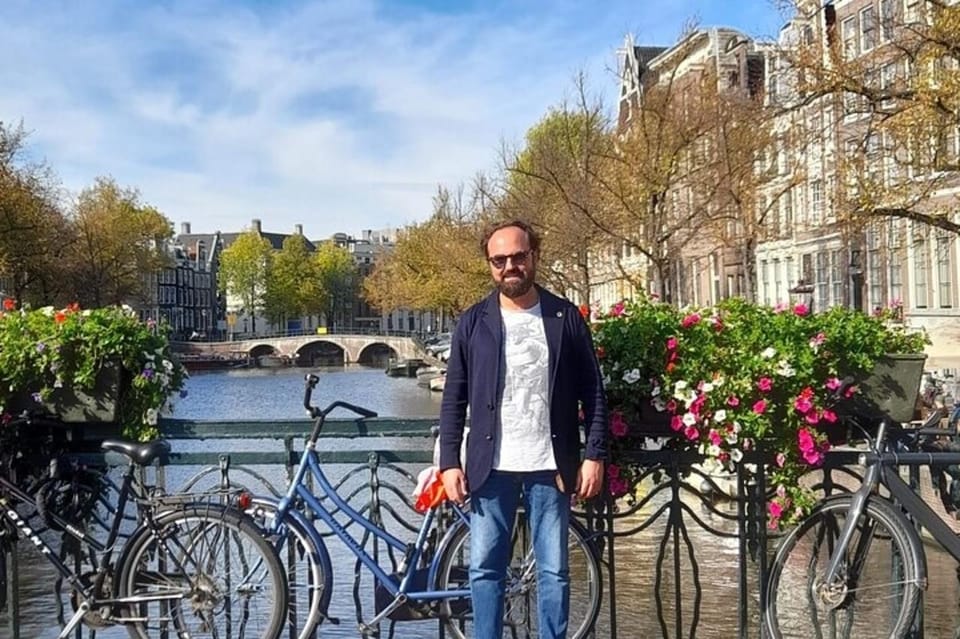
Next up is Westerkerk, another spot designed for photos plus guided context. It’s one of those Amsterdam structures that can look like a simple skyline feature until you understand what role it played in the city’s layout and identity.
I like this kind of stop because it’s not only about the exterior view. You also get explanations that make it easier to recognize what you’ll see later—more steeples, more church silhouettes, and more architecture shaped by historical priorities.
If you’re the type who likes to know what you’re looking at before you take the picture, this stop is a good match.
You can also read our reviews of more guided tours in Amsterdam





Red Light District: Seeing It Without the Carnival Vibe
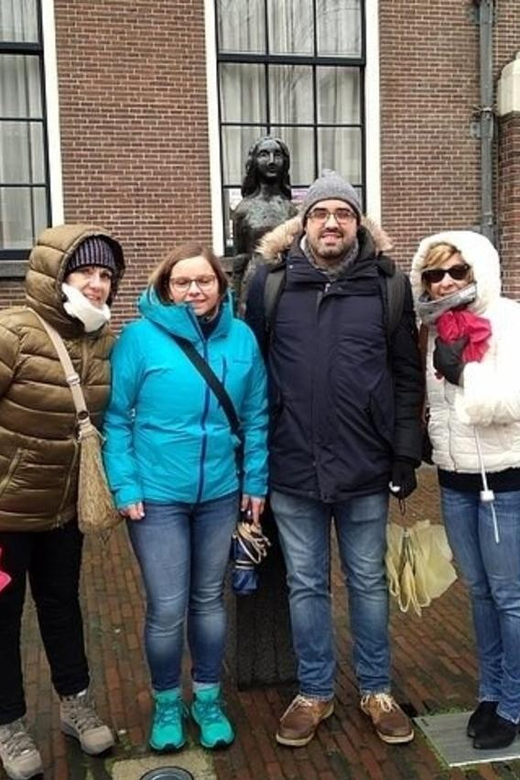
You’ll walk past the Amsterdam Red Light District with a photo stop and guided tour time. This is where a good guide can really change your experience.
The value here is basic context and boundaries—what you should notice, what you should ignore, and how to keep the walk respectful. Since this tour focuses on landmarks and history from a local guide’s angle, you’re less likely to treat it like pure spectacle.
One consideration: if you’re sensitive to that area’s atmosphere, decide early whether you want to spend extra time there or just keep moving. A private tour can make this easier because you can adjust your time on each stretch with your guide.
Begijnhof Courtyard: Amsterdam’s Quiet Reset
This tour includes a stop at the Begijnhof courtyard, known for its calm, tucked-away feel and a concealed church. It’s one of the best “contrast moments” you can get in central Amsterdam.
From the busy streets and landmark-heavy route, Begijnhof acts like a reset button. You step into a courtyard that feels removed from the street noise, and it helps you remember that Amsterdam wasn’t always “theme-park city” energy. The guide’s descriptions of the hidden-church aspect make the experience more than just a pretty courtyard photo.
I’d call this the emotional high point of the walk for most people—because it’s a reminder that the city hides quiet spaces in plain sight.
Canals and 17th-Century Gabled Houses: What to Look For
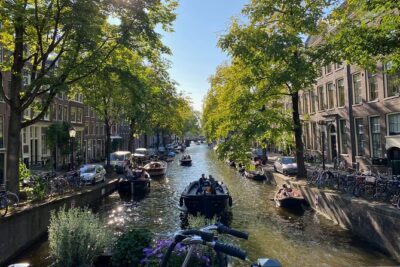
One of the tour’s biggest draws is time around the Canals of Amsterdam, described as UNESCO-listed. This is where you want a guide because the canal system is one of those things you can easily admire without understanding.
You’ll see classic canal views and 17th-century gabled house styles. That detail matters: gabled facades, canal-side design, and the street widths aren’t random. They connect to how Amsterdam grew and how people built around water for commerce, transport, and daily life.
Practical tip: use the photo stops to look beyond the “pretty water” view. Ask your guide what design details you should notice. If you do that, you’ll leave with an eye for patterns—and then later, when you wander on your own, you’ll spot the same features repeatedly and understand why they matter.
Portuguese Synagogue and Jewish Amsterdam Context

Next is the Portuguese Synagogue, another landmark stop with photo, visit, and guided tour time. This is a meaningful shift from the canal-and-church-heavy vibe.
Even if you know Amsterdam for canals and bicycles, learning about the city’s Jewish heritage adds a whole extra layer to what you’re seeing. The synagogue stop is one of the better places on this route to ask questions, because the history tied to the building and its community context gives you more than just architecture trivia.
If you want your tour to feel more than sightseeing—if you want it to feel like you’re learning how communities formed—this is where you’ll likely appreciate the guided explanation most.
Nieuwmarkt Square: Public Life and Cultural Crossroads
You’ll reach Nieuwmarkt Square next. This area works well in a walking tour because it’s a place where urban life shows itself: open space, street energy, and a sense that many different eras overlap.
For me, squares like this matter because they help you “read” the city. After a few landmark stops, you start to understand how Amsterdam organizes movement—where people gather, how streets connect, and why the city feels both compact and spread-out at the same time.
The guide’s commentary helps you see the square as part of the broader history rather than just another stop.
Maison Descartes (Salle André Citroën): Culture in the Mix
The itinerary also includes Maison Descartes Salle André Citroën for a photo stop and guided sightseeing segment. This is a more cultural, modern-feeling stop compared with churches, synagogues, and royal spaces.
Why it’s valuable: Amsterdam isn’t only old stone and canals. Even on a “classic must-see” tour, including a cultural center gives you a better sense of how the city keeps moving forward. It also helps break the pace so you don’t feel like you’re trapped in one style of architecture the whole time.
If your group loves mixing eras, this stop is a nice balance.
Royal Palace Area to Dam Square Again: Closing With Perspective
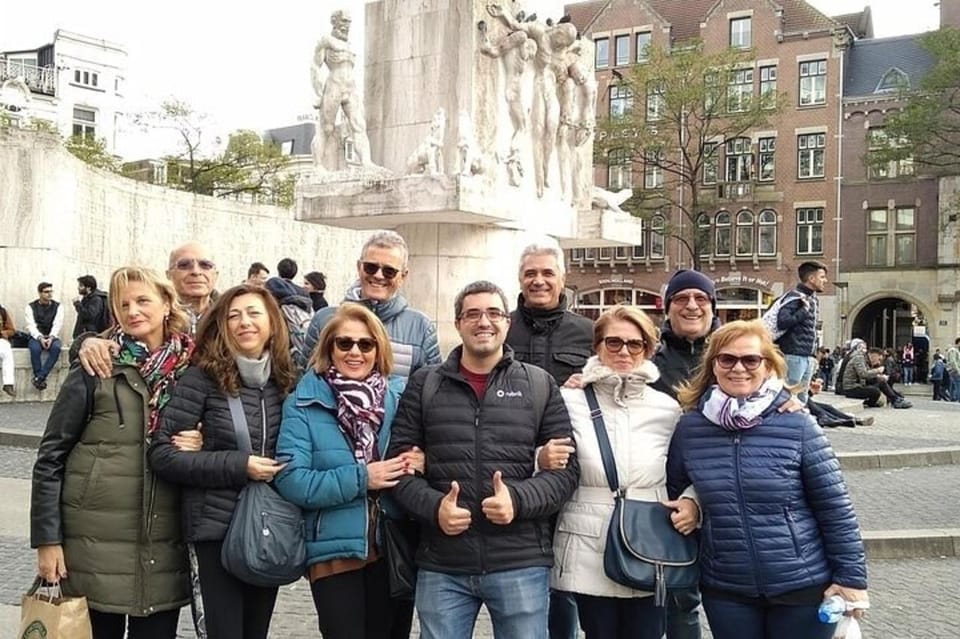
You’ll spend time at the Royal Palace, Amsterdam, then circle back to Dam Square for a final photo stop and guided segment.
I like this because it lets you compare “before and after.” Earlier you’re seeing places as standalone sights. By the end, you’ve been given enough context to interpret them as part of a bigger story—trade wealth, city growth, neighborhood patterns, and what Amsterdam chooses to display in public spaces.
At this point, your questions usually get sharper too. If you want recommendations for your next steps—like where to go afterward—this is the time to ask. The tour is designed to include local tips about the best bars, restaurants, and clubs, which can save you a lot of guesswork when you’re trying to keep your plans moving.
Price and Value: Is $32 for Three Hours a Good Deal?
At $32 per person for a 3-hour guided walking tour, the value comes down to two things: how much you’ll actually use the guide’s context, and whether you’ll benefit from the personalization.
This isn’t a barebones “walk and point” experience. You can work with the guide to create a personalized tour based on your preferences, which is often where you feel the difference between cheap and worthwhile. If you care about hearing why places look the way they do, a guide at this price can pay off quickly.
What’s included is also practical:
- Walking tour with a live guide
- Private or group option
- Customization
- Public transport costs if that option is selected
- Help booking entry tickets
What’s not included is just as important for budgeting: food and drinks are on you. The good news is that the guide provides local ideas afterward, so you’re not left wandering around hungry with no plan.
One last value note: some reviews mention the walk “flying by” thanks to pacing. When a tour is paced well, you spend more of your time seeing and learning, and less waiting around.
Guide Quality: What the Best Reviews Emphasize
I’m glad this tour comes with clear guide feedback across languages.
In Italian, Martina praised the guide Emanuele for being well-prepared and helpful, describing it as a beautiful experience. In Spanish, Francisco highlighted Carlos as a great conversational guide with strong knowledge of Amsterdam history and the most interesting places. Louise noted that Sunil set a good pace and shared lots of interesting, amusing anecdotes—and that having a personal guide helped the three hours pass fast.
And then there’s the caution: one guest felt the tour had limited city information and didn’t deliver much emotion. That’s not a dealbreaker, but it’s a reminder to take personalization seriously. Walk in with 2–3 priorities (for example: canals + architecture, or nightlife tips + historical context), and your guide is more likely to deliver what you want.
Who Should Book This (And Who Might Skip)
You’ll likely love this tour if you:
- Want a fast orientation to major Amsterdam landmarks without planning each stop
- Prefer walking with a guide over reading alone
- Enjoy canals, landmark architecture, and historical context
- Like ending with practical local recommendations (bars, restaurants, clubs)
It may not be the best fit if you:
- Already know Amsterdam’s basics and want a very deep, specialist-level lecture
- Hate walking unless the pace is tailored tightly (private can help here)
Should You Book This Amsterdam Walking Tour?
I’d book it if you want a well-paced, guide-led highlights walk that also gives you something to carry into the rest of your trip. The combination of Begijnhof courtyard, canal views, and major landmarks is a strong trio for first-timers and return visitors alike. Add the customization option and the guide’s local recommendations, and you’re getting more than a sightseeing stamp.
My advice for the best outcome: before you meet, decide what you want most—architecture cues, trade history, Jewish Amsterdam context, or nightlife guidance—and tell your guide right away. That’s the lever that turns a good tour into your tour.
FAQ
How long is the Amsterdam guided walking tour?
The tour lasts 3 hours.
Where does the tour start?
You meet at Oudekerksplein 4, outside Quartier Putain.
Is it a private tour or a group tour?
You can choose a private or group tour, and a private group option is available.
What languages are offered?
The live guide is available in English, French, Italian, and Spanish.
Is the tour wheelchair accessible?
Yes, the tour is wheelchair accessible.
What’s included in the price?
The tour includes a walking tour with a live guide, private or group option, customization, and public transportation costs if you select that option. It also includes help booking entry tickets.
What’s not included, and what does the tour cost?
The tour costs $32 per person, and food and drinks are not included.