REVIEW · AMSTERDAM
Amsterdam Jewish Quarter walking tour
Book on GetYourGuide →Operated by Silver Tours · Bookable on GetYourGuide
Amsterdam has a way of keeping stories in plain sight. This Jewish Quarter walking tour pairs cobbled streets and canal views with stops that connect Amsterdam to Anne Frank’s world. I especially like how the route gives both big context (Golden Age to wartime to revival) and specific, place-based details, like the Westerkerk and the bells she wrote about. One thing to keep in mind: the experience depends on the guide showing up on time, so arrive a few minutes early and be ready for day-of city timing.
You also get a well-paced format for $29: two hours is long enough for real understanding, but short enough that you can keep exploring Amsterdam the same day. The main drawback for some people is the focus. If you want only fast sightseeing photos with minimal historical framing, this one may feel heavier than you expected.
In This Review
- Key Things to Know Before You Go
- Why Amsterdam’s Jewish Quarter Works Best on Foot
- Meeting at H’ART Museum: Fast Start, Clear Location
- What the Guide Actually Does: Context, Anecdotes, and Direction
- Anne Frank in the City: How the Story Gets Placed
- The Westerkerk Stop and the Bells Anne Frank Mentioned
- Historic Monuments and What They Mean in Amsterdam Culture
- How the 2-Hour Pace Works (and Who This Fits)
- Price and Value: Why $29 Makes Sense for This Format
- A Note on Service Reliability (And How to Protect Your Day)
- Best Ways to Get More From the Jewish Quarter Walk
- Should You Book This Amsterdam Jewish Quarter Walking Tour?
- FAQ
- Where is the meeting point for the Amsterdam Jewish Quarter walking tour?
- How long is the tour?
- How much does the tour cost?
- What language is the live guide?
- Is the tour refundable if my plans change?
- Is a private group option available?
Key Things to Know Before You Go
- Anne Frank is anchored to real locations, not just general background
- Westerkerk is a highlight, tied directly to diary bells
- A local, live English guide keeps the story moving with context and anecdotes
- You’ll walk through the Jewish Quarter’s streets and canal views, so you see the neighborhood, not just a museum
- The tour connects eras—flourishing community life, wartime impact, and later revival
- It’s 2 hours, which works well for a first-day neighborhood orientation
Why Amsterdam’s Jewish Quarter Works Best on Foot
The Amsterdam Jewish Quarter is one of those places where the city itself does half the storytelling. You get cobblestones underfoot, canals that shape how you move, and streets that feel built for walking rather than rushing in a car or tram. That’s what makes a walking tour here different from simply reading about history.
This tour’s strength is that it doesn’t treat the neighborhood like a backdrop. It uses the setting to explain how Jewish life took shape in Amsterdam, how the war changed everything, and how the community’s presence continued afterward. In practice, that means you’re not just hearing dates—you’re learning what certain places meant to everyday people and what their absence or damage represented.
And yes, Anne Frank is the emotional centerpiece. The guide connects the diary to the city view in front of you, so the name becomes less abstract and more specific. When you’re standing in the right spot and hearing the right explanation, it lands.
You can also read our reviews of more walking tours in Amsterdam



Meeting at H’ART Museum: Fast Start, Clear Location

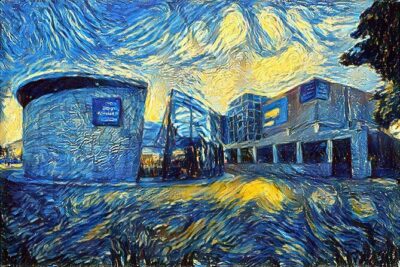
You meet at the boat platform in front of the entrance of the H’ART Museum, Amstel 51C, 1018 DR, Amsterdam. That’s a smart choice for two reasons. First, it’s easy to find by landmark, which matters in Amsterdam when street names and canals can make you second-guess yourself. Second, a boat-platform meeting point usually means you’re near the routes people naturally walk, so you’re not spending the tour’s first minutes figuring out how to get going.
I like that the meeting point sits in a central, recognizable zone. It also makes it easier to plan the rest of your day: after the tour, you can keep exploring nearby without committing to a long commute.
Practical tip: wear comfortable walking shoes. Even with a 2-hour duration, Amsterdam cobbles add up fast, especially if you’re stopping for photos.
What the Guide Actually Does: Context, Anecdotes, and Direction
A good guided walk isn’t a lecture. This one aims for the kind of storytelling that helps you visualize how the neighborhood functioned across time. The guide is a live, English-speaking local, and the format is built around explanations, context, and anecdotes as you move between sites.
That matters because the Jewish Quarter story has multiple layers: community life during Amsterdam’s prosperity, cultural creativity, the wartime rupture, and what came after. A place-based tour gives you the right mental structure. You’re hearing history in the sequence that makes sense, while your eyes track the neighborhood.
You’ll also notice the tour stays focused on the kind of details that help you remember: what buildings or spaces represented, and why the diary connection matters when you stand near the landmark tied to it.
Anne Frank in the City: How the Story Gets Placed
Anne Frank’s story is often told like it happened in a world of its own. Here, the emphasis is on how her experiences are linked to Amsterdam as a real city with identifiable places and sounds. The tour frames her diary not just as writing, but as a way to understand how daily life existed around her.
As you walk, you’re guided through the Jewish Quarter’s streets and the kind of architecture that gives the area its classic feel. The goal is to show you the neighborhood as it was, and then to explain how the war affected residents and the community’s future.
A practical way to get more out of this part: listen for the guide’s cause-and-effect. When the tour talks about “Golden Age to wartime,” it’s not meant as vague storytelling. You should be able to connect the idea of flourishing community life with what was lost or forced to change, and then understand why revival afterward matters.
The Westerkerk Stop and the Bells Anne Frank Mentioned
One of the most concrete highlights is standing in front of the Westerkerk—the church whose bells Anne Frank described in her diary. This is the kind of stop that makes a walking tour worth it, because it turns a diary detail into a physical, local experience.
Even if you’ve heard the Westerkerk name before, being there with an explanation changes the scale. You can see how the city’s landmarks shaped everyday sensory life—sound included. And when the guide ties the bell references to the neighborhood and the broader Jewish experience in Amsterdam, you get a fuller sense of what the diary captured.
Drawback to consider: since this tour is history-forward, you may spend more time standing and listening than you do moving fast for photos. If you want lots of quick snapshots, come ready to trade some spontaneity for understanding.






Historic Monuments and What They Mean in Amsterdam Culture
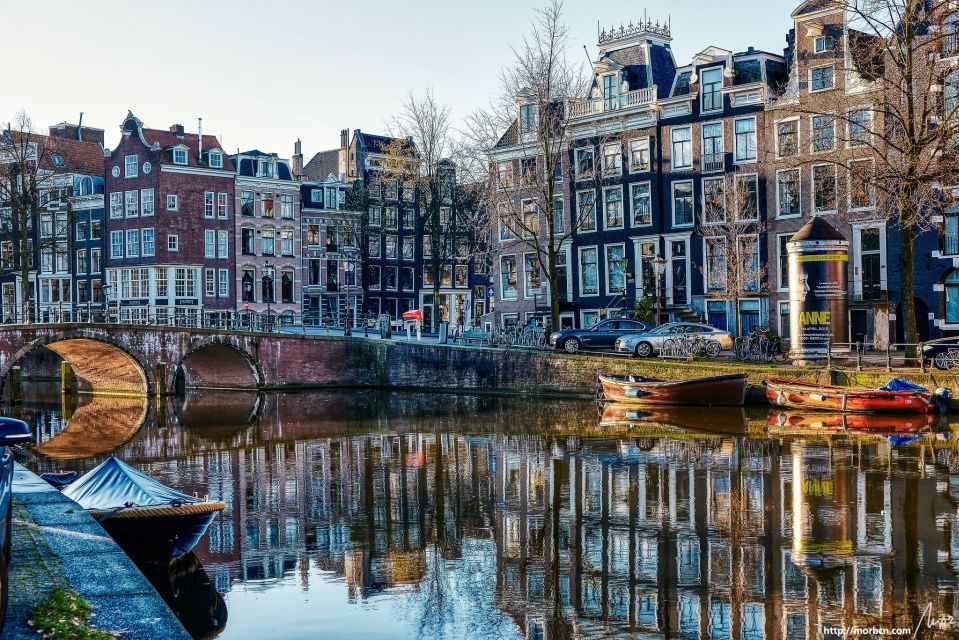
Beyond Anne Frank and the Westerkerk, the tour focuses on historic monuments connected to the Jewish Quarter and explains their place in Amsterdam’s culture. The specific monuments aren’t listed here, but the intent is clear: you’re meant to understand how these sites fit into the city’s identity, not just to check off names.
This is where a guided walk earns its ticket. Monuments can look like architecture to you at street level. With the guide’s context, you start seeing them as markers—of community presence, of cultural contributions, and of wartime consequences. You also learn how the Jewish Quarter’s story doesn’t stop at the war years; it continues into later rebuilding and community revival.
I like this approach because it avoids turning history into a single sad chapter. You get the full arc: flourishing community life, the challenges of wartime, and the subsequent return of Jewish life and influence in Amsterdam.
How the 2-Hour Pace Works (and Who This Fits)
At two hours, this tour hits a sweet spot. It’s long enough to cover multiple themes—Jewish Quarter overview, Anne Frank, wartime impact, and later revival—without pushing you into a full half-day commitment.
This pace is great if:
- You want a first structured introduction to the Jewish Quarter
- You’re visiting Amsterdam for a few days and want “one guided story” you can build on
- You enjoy history that’s tied to streets you can revisit later
It might be less ideal if:
- You mainly want a light photo walk with minimal context
- You dislike stopping frequently to listen (there are listening moments, especially at the Westerkerk)
Also, this is an English-language tour with a live guide, which helps if you want questions or if you prefer getting explanations out loud rather than reading on your phone.
Price and Value: Why $29 Makes Sense for This Format
The price is $29 per person for a 2-hour walking tour with a local guide. On paper, that’s not a “museum ticket” kind of cost. In practice, what you’re paying for is the guide’s ability to connect place and story—especially for something as specific as the Westerkerk bells tied to Anne Frank’s diary.
If you tried to recreate this route alone, you could probably find walking directions and general background. But you’d miss the connective tissue: why certain stops matter, how eras fit together, and what to notice as you look around. That’s the value a live guide adds, and it’s what makes a guided walking tour feel more efficient than a self-guided day of research.
So the value equation here is simple: you’re not buying just views. You’re buying interpretation in a time-efficient package.
A Note on Service Reliability (And How to Protect Your Day)
The tour is run by Silver Tours. Like any live service in a busy city, things can go wrong—one confirmed issue reported a guide no-show. I can’t predict your day, but you can reduce stress with two small habits:
- Arrive early enough to get settled at the meeting point.
- Keep your booking confirmation handy in case you need to verify details on the spot.
If you’re planning tight connections later that day, it’s smart to schedule something flexible after the tour.
Best Ways to Get More From the Jewish Quarter Walk
If you want the experience to stick, treat it like a guided reading with your feet. Here’s how:
- Pay attention to sound-related references when the guide brings them up. The Westerkerk focus is a clue that sensory details matter here.
- Ask yourself what changes across time. The tour’s arc goes from community flourishing to wartime challenges to revival. Keeping that “then and now” filter makes the story easier to follow.
- Slow down at listening stops. If you’re half-scrolling and half-walking, you’ll lose the thread.
Also, since the tour is designed to be a walking experience through historic streets and canals, plan to keep moving. If you’re expecting a perfectly flat route, remember Amsterdam cobbles can be uneven.
Should You Book This Amsterdam Jewish Quarter Walking Tour?
I’d recommend booking if you want a structured, emotionally grounded introduction to the Jewish Quarter that links Anne Frank to specific places—especially the Westerkerk—and gives you context for what Amsterdam’s Jewish community endured and rebuilt. The two-hour length is practical, the guide is English-speaking, and the focus on monuments and the diary connection gives you something you can’t easily replace with a casual walk.
Skip it (or pair it with something else) if you’re after mostly scenery with minimal history, or if you’re the type who hates standing and listening for longer moments at key landmarks.
If you book, go in ready to think about the city as a set of meaningful locations—because that’s exactly how this tour is meant to land.
FAQ
Where is the meeting point for the Amsterdam Jewish Quarter walking tour?
You meet at the boat platform in front of the entrance of the H’ART Museum, Amstel 51C, 1018 DR, Amsterdam.
How long is the tour?
The tour lasts 2 hours.
How much does the tour cost?
The price is $29 per person.
What language is the live guide?
The tour is led by a live guide in English.
Is the tour refundable if my plans change?
Yes. Free cancellation is available up to 24 hours in advance for a full refund.
Is a private group option available?
Yes, private group availability is offered.