REVIEW · AMSTERDAM
Amsterdam: Jewish Quarter and History Guided Tour
Book on GetYourGuide →Operated by Trigger Tours · Bookable on GetYourGuide
Amsterdam has layers, and this tour puts them in order. You’ll walk through the Jewish Quarter with a guide who connects real streets and landmarks to what Jewish families faced during the Nazi occupation from 1940 to 1945. I especially love how the route uses specific sites to explain daily life, not just dates.
Second, I like the way the guides handle heavy material with care and clarity. Names like James, Aaron, Joshua, Jyry, Masha, Guido, and Marsha show up in guides’ styles, and the common thread is a calm, respectful approach that answers questions even when they feel personal. One possible drawback: with only two hours, the pacing can feel a bit quick at memorial stops, and some people find it hard to absorb every moment before moving on.
In This Review
- Key Things I’d Watch for Before You Go
- How This 2-Hour Walk Turns the Jewish Quarter Into a Timeline
- Starting by the Amstel River: Occupation Rules and Everyday Pressure
- The Portuguese Synagogue and the Jewish Historical Museum: More Than Landmarks
- The Headquarters of the Jewish Council: Institutions Under Stress
- Auschwitz Monument and the Dokwerker: Facing the Machinery
- Retracing the Darkest Moments Through Meaningful Stops
- Anne Frank House Finish: Otto Frank, Publication, and Worldwide Fame
- Guides, Group Size, and the Comfort of Asking Questions
- Is It Worth $23? The Value Behind the Price
- Who Should Book This Jewish Quarter Tour
- Should You Book This Amsterdam Jewish Quarter Walking Tour?
- FAQ
- How long is the Amsterdam Jewish Quarter and History Guided Tour?
- How much does the tour cost?
- Is the tour a walking tour?
- What is included in the price?
- Are food and drinks included?
- Where does the tour start?
- Where does the tour end?
- What landmarks are part of the tour?
- What languages are offered?
- Can I cancel and get a refund?
Key Things I’d Watch for Before You Go
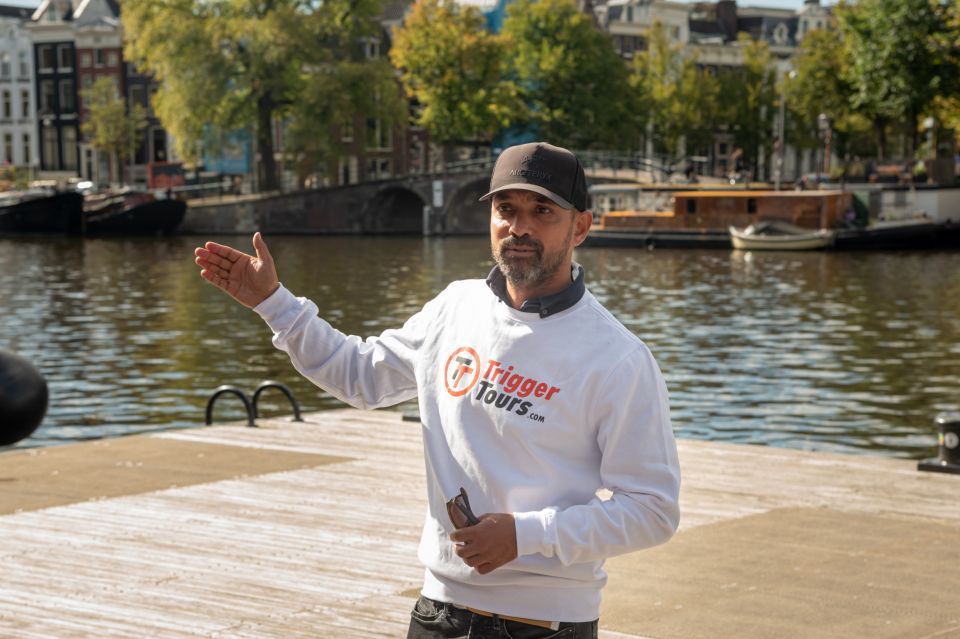
- A 2-hour timeline walk: you start near the Amstel River and move through WWII-era Amsterdam landmarks at walking speed
- Memorial stops with context: guides explain the meaning of the Auschwitz Monument and the Dokwerker, not just where they are
- Major Jewish landmarks on the route: the Portuguese Synagogue, Jewish Historical Museum, and the Headquarters of the Jewish Council are part of the story
- Anne Frank House as the finish: the tour ends in front of Anne Frank’s House, with Otto Frank’s role in publishing the diary and its worldwide fame
- Small-group feel: private or small groups mean you can ask questions without shouting over the rest of the group
How This 2-Hour Walk Turns the Jewish Quarter Into a Timeline
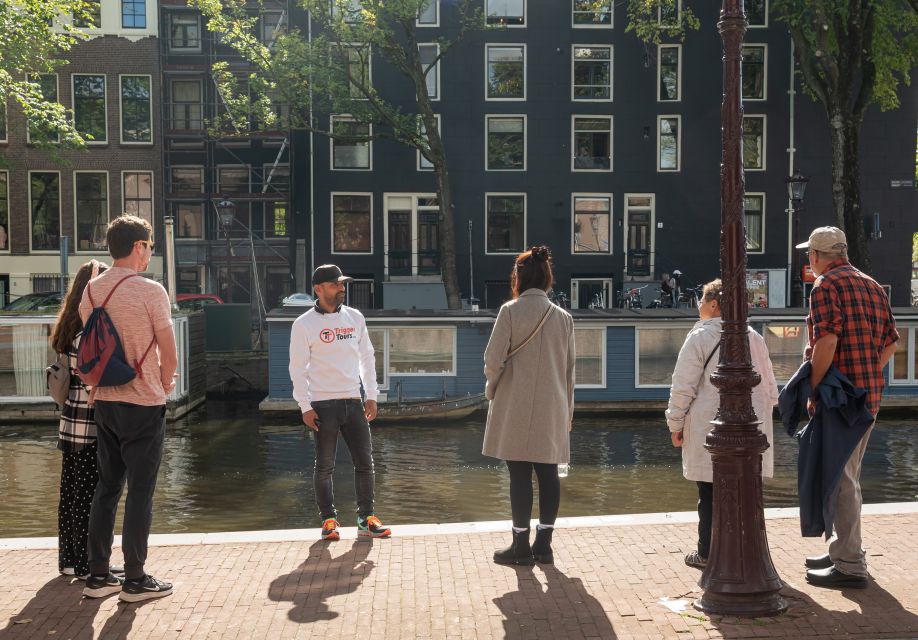
This is a guided walking tour of Amsterdam’s historic Jewish Quarter, sized for real attention: 2 hours, walking, with a live guide (English or Spanish). The big value is how the tour turns a neighborhood you can easily pass through into a clear timeline you can remember.
You’ll begin with the Nazi occupation of the Netherlands (1940–1945) and what it meant in the capital. Instead of treating WWII like a textbook chapter, the guide ties the occupation to daily pressure on Amsterdam’s Jewish community. That matters, because the Jewish Quarter isn’t only about tragedy. It’s also about community life, institutions, and routines that were disrupted and dismantled.
The tour then guides you through landmark after landmark: Anne Frank’s House, the Dokwerker, the Auschwitz Monument, plus key Jewish sites like the Portuguese Synagogue, the Jewish Historical Museum, and the Headquarters of the Jewish Council. The format is simple, but the impact depends on the guide’s delivery. The best part here is that guides keep the story factual and sensitive, with an impartial tone that respects victims and avoids turning the experience into spectacle.
You can also read our reviews of more guided tours in Amsterdam



Starting by the Amstel River: Occupation Rules and Everyday Pressure
Your walk typically starts by the Amstel River area. That early orientation is practical: you’re not just wandering, you’re getting a sense of where the story sits in Amsterdam’s geography. From there, the guide sets the stage for Nazi rule and how it reshaped life between 1940 and 1945.
This is where you’ll notice the tour’s focus. The goal isn’t only to point at sites connected to the Holocaust. It’s to help you understand the day-to-day reality for Jewish residents in occupied Amsterdam. The guide explains how the occupation affected people in the capital and what Jewish institutions were forced to deal with under pressure.
One detail I found especially useful: you also hear about how Dutch society behaved toward Jewish people during the occupation. The tour doesn’t treat this as a side note. It’s part of the story you’re walking through, and it helps make sense of why certain places were what they were.
The Portuguese Synagogue and the Jewish Historical Museum: More Than Landmarks
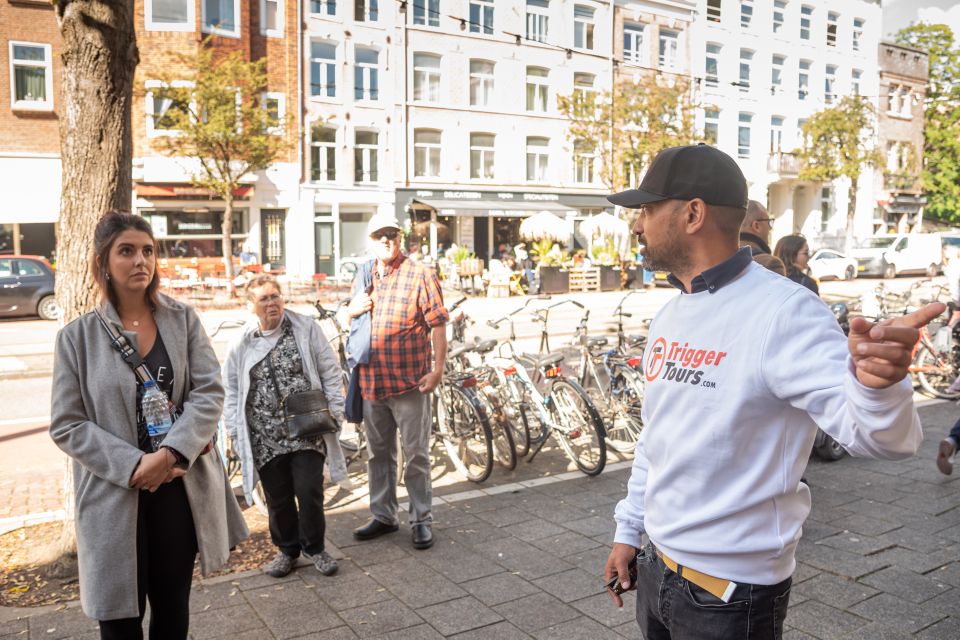
As you move through the Jewish Quarter, you’ll hit major Jewish landmarks that anchor the story in community life. Two of the most important stops are the Portuguese Synagogue and the Jewish Historical Museum.
Why these work on a walking tour: they let you see how community identity had a physical, public presence before WWII. Even when the guide later turns to Nazi occupation, these stops give you a contrast you can feel. You’re not only learning about persecution; you’re also seeing that Jewish life in Amsterdam had structure, culture, and institutions.
The Portuguese Synagogue also adds a sense of continuity. It’s a reminder that this wasn’t some abstract group in history books. This is a neighborhood where people worshipped, gathered, and built community over generations. Then the tour shifts from that everyday baseline to what occupation did to Jewish residents.
At the Jewish Historical Museum, the guide’s job is to connect the building and the surrounding area to the people who lived there and the choices they faced. You’ll come away with a better sense of how historical memory is preserved, and why that matters when you later reach memorials tied to deportations and persecution.
The Headquarters of the Jewish Council: Institutions Under Stress
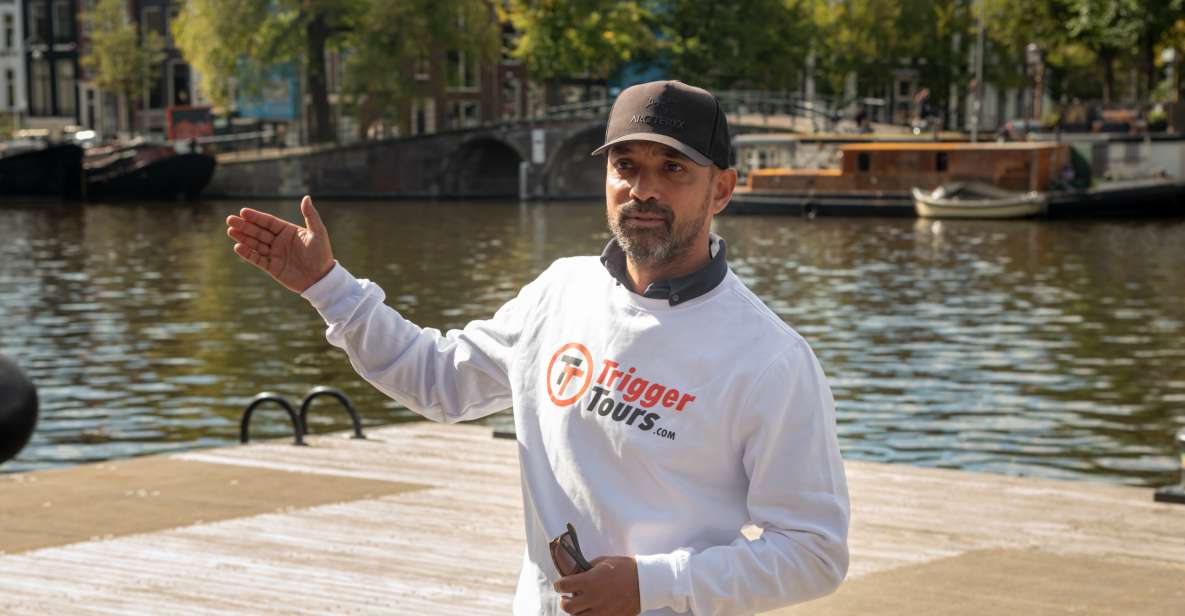
Another stop on the route is the Headquarters of the Jewish Council. Even if you’re not an organizational-history fan, this site helps the tour make a key point: community leaders and Jewish institutions had to function under extreme, shrinking options.
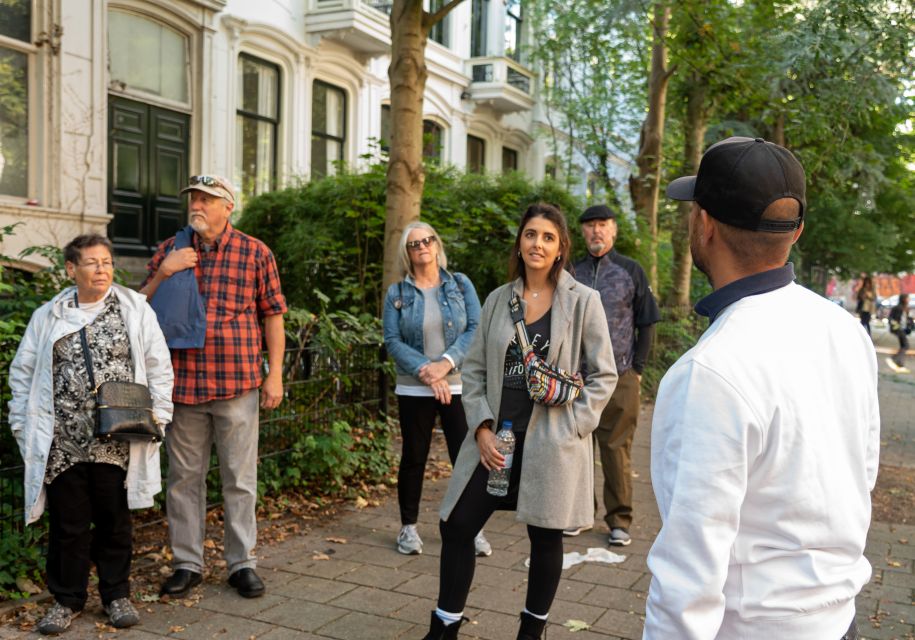
This is the part of the tour where the guide’s tone matters. In the best runs, you can feel the balance the guides aim for: describing events and responsibilities without turning real suffering into a lesson in blame or moral theater. Guides like James and Aaron are often praised for handling sensitive topics in a calm, factual, impartial way, and that approach really fits this stop.
For you, this translates into better understanding. When you see how institutions were involved, you understand why life under occupation wasn’t only about laws from far away. It was also about real decisions made in buildings like this, under conditions where control was slipping away.
Auschwitz Monument and the Dokwerker: Facing the Machinery
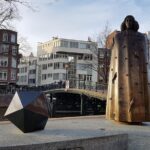
Two stops carry a heavy weight: the Auschwitz Monument and the Dokwerker. You’re not just told that these places relate to the Holocaust. The guide explains their meaning and why they matter to understanding Nazi-occupied Netherlands.
The Auschwitz Monument is part of the emotional center of the tour. The Dokwerker is another key site, and the guide uses it to connect history to specific locations within Amsterdam. This pairing helps you understand the difference between general WWII history and the particular path that brought victims from everyday life to systematic destruction.
I appreciate that the guide doesn’t rush these parts into a blur. Still, two hours is two hours. That’s where the potential drawback comes in: if you’re the type who wants time to stand still, read every detail, and take a breath, you might feel the tour moves on quickly. One helpful tactic: if a stop hits you hard, don’t try to “keep up.” Stay near the group, but give yourself a moment to absorb before the guide moves to the next location.
Also note: one record indicates a mismatch between the listed finish point and what happened on at least one run, where the tour ended at the Holocaust memorial rather than in front of Anne Frank’s House. That’s unusual, but it’s a good reminder to expect a tour that may vary slightly depending on the day and route flow. If Anne Frank’s House is a must, keep that in mind and ask the operator which exact endpoint applies to your departure.
You can also read our reviews of more historical tours in Amsterdam






Retracing the Darkest Moments Through Meaningful Stops

What makes this tour more than a list of sights is the way the guide stitches them into a narrative. You start with occupation and its effects, you pass through Jewish landmarks that show community life, then you move toward memorials tied to Nazi persecution and deportation.
You’ll also hear how resilience showed up even when conditions were unbearable. That theme of resilience isn’t added like a motivational poster. It’s embedded in what the guide describes about Jewish life during occupation: daily routines, institutions trying to survive, and the importance of remembrance.
And yes, it’s dark. The guide is frank about the grim reality of WWII living in the Netherlands. But the strength of the experience is that the tour keeps respect at the center. People can be thoughtful, emotional, and still learn. In several guide comments, you see praise for being sensitive to the subject and for being patient with personal questions. That quality matters in a tour like this, where curiosity and emotion often collide.
Anne Frank House Finish: Otto Frank, Publication, and Worldwide Fame
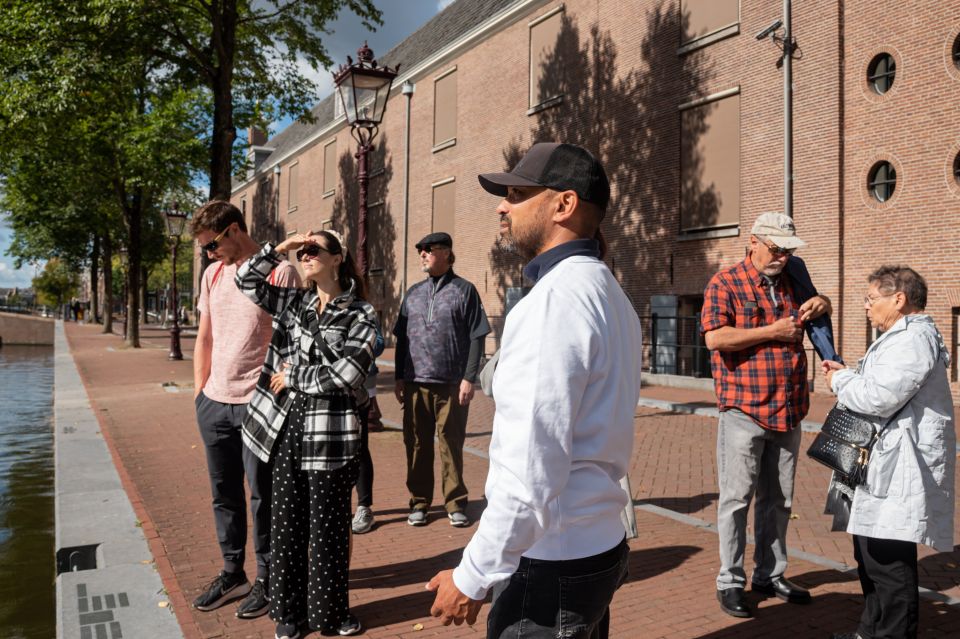
The tour usually ends in front of Anne Frank’s House. This finish works well because it turns a neighborhood story into a global story you already recognize, and then explains how it got there.
Here’s what the tour focuses on: Anne Frank’s best-selling diary, how it was published by Otto Frank, and how it gained worldwide fame. That thread matters because it’s the bridge between a local Amsterdam tragedy and the global memory that grew from it.
For me, the best way to handle this ending is to let it be both personal and historical. If you know the diary story, the guide can help you see it again through place and context. If you don’t know the details well, the tour gives you enough background to understand why people treat this site with such seriousness.
Again, based on one noted discrepancy, some departures may end at a Holocaust memorial instead. So if you specifically want the Anne Frank House wrap-up, confirm your endpoint when you book your exact time slot.
Guides, Group Size, and the Comfort of Asking Questions
This tour can be private or shared (small groups). That choice changes the experience in a very practical way: more time for questions, less feeling rushed, and a better chance to tailor the emphasis to what you care about.
In the feedback patterns, guides like James and Aaron come up often, with repeated praise for answering questions patiently even when they were personal or sensitive. You’ll also see notes about friendliness and an engaging style that keeps the experience moving while still honoring the topic.
If you value conversation, you’ll likely like the smaller-group setup. One account specifically mentions getting lucky with a small group of just two people and enjoying the ability to ask lots of questions. That’s the real payoff of a private or small-group format on a subject like this: you’re not stuck silently absorbing while someone else dominates the talk.
Is It Worth $23? The Value Behind the Price
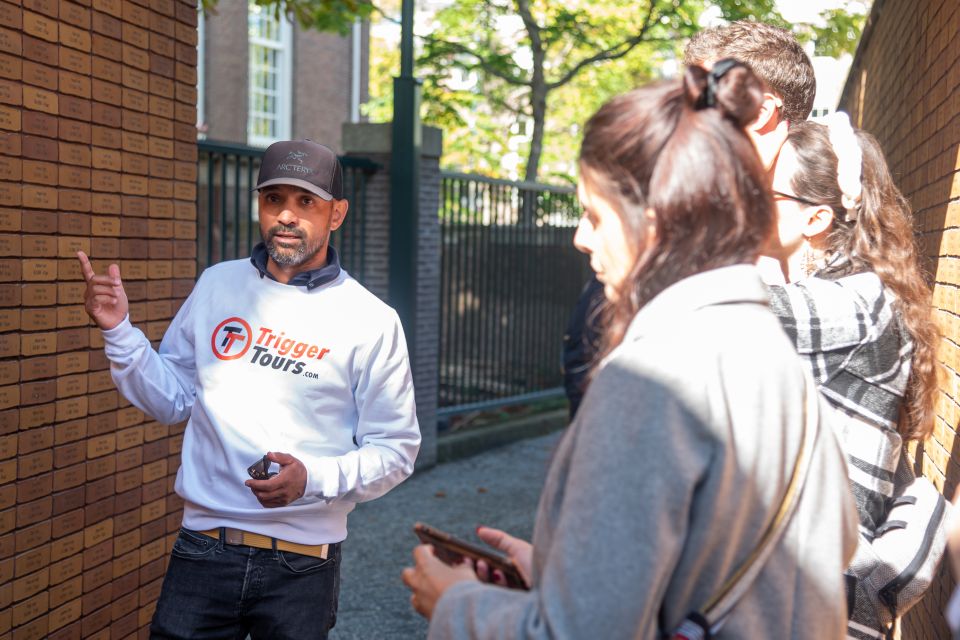
At $23 per person for a 2-hour guided walking tour, the price is reasonable, especially for what you get: a live guide, multiple major landmarks, and an explanation that connects occupation, community institutions, memorials, and the diary story.
This isn’t a tour where you pay for photos and a route you could guess on your own. The value comes from interpretation. You could walk past the Portuguese Synagogue, the museum area, and memorials with no context. You’d still be in the Jewish Quarter, but you’d miss why each site matters and what the guide wants you to understand about daily life under occupation.
Also, the guides’ repeated strengths show up in how they teach: calm handling of a sensitive subject, factual explanations, and willingness to respond when people ask questions. That’s not something you get from reading signs alone, especially when you want the bigger picture of how Nazi occupation reshaped life in Amsterdam.
One more value factor: no food and drinks are included. That’s normal for a walking tour, but it means you can keep the price focused on the guide and the walk. Plan to grab a snack afterward if you need it.
Who Should Book This Jewish Quarter Tour
This tour is a good fit if you want:
- A guided way to understand the Jewish Quarter’s WWII story, centered on everyday life under occupation
- A sensitive, factual approach to difficult history
- A route that includes both community landmarks (like the Portuguese Synagogue and Jewish Historical Museum) and memorials (like the Auschwitz Monument and the Dokwerker)
It’s also ideal for couples or small groups who want time for questions. If you’re traveling with someone who knows little about Amsterdam’s Jewish history, this tour can give you both a strong shared foundation.
If you’re the kind of person who needs long moments at memorial sites to fully absorb, you might feel the two-hour structure is tight. That’s not a dealbreaker, but it’s something to plan for emotionally. You can always extend your day by returning to one stop on your own afterward.
Should You Book This Amsterdam Jewish Quarter Walking Tour?
I think you should book it if you want a guided, landmark-based understanding of Amsterdam’s Jewish Quarter during Nazi occupation, ending with the Anne Frank House diary story. The format is focused: start near the Amstel River, move through Jewish Quarter sites tied to community life and WWII, and finish with Anne Frank’s lasting global legacy.
I’d also book it if you care about tone. The strong theme from guide styles is respect and careful explanation, with patience for questions. At this price and duration, you’re paying for context you can’t easily get from signage.
Just go in with one expectation set: in two hours, you’ll cover a lot. If memorial stops hit you hard and you want extra time to stand still, plan to revisit your favorite site after the tour. That way you get both the guided structure and the slower personal reflection.
FAQ
How long is the Amsterdam Jewish Quarter and History Guided Tour?
It lasts 2 hours.
How much does the tour cost?
The price is $23 per person.
Is the tour a walking tour?
Yes, it’s a walking tour.
What is included in the price?
The tour includes the walking tour and a guide.
Are food and drinks included?
No. Food and drinks are not included.
Where does the tour start?
The meeting point may vary depending on the option booked, but the walk begins by the Amstel River.
Where does the tour end?
It finishes in front of Anne Frank’s House, though one account notes that a specific run ended at the Holocaust memorial instead.
What landmarks are part of the tour?
You’ll see landmarks including Anne Frank’s House and the Auschwitz Monument, and you’ll pass sites such as the Portuguese Synagogue, the Jewish Historical Museum, and the Headquarters of the Jewish Council. The Dokwerker is also included.
What languages are offered?
The live tour guide is available in English and Spanish.
Can I cancel and get a refund?
Yes. Free cancellation is available up to 24 hours in advance for a full refund.