REVIEW · AMSTERDAM
Amsterdam: Guided Off-The-Beaten-Track Walking Tour
Book on GetYourGuide →Operated by Herzblut Amsterdam Stadtführungen · Bookable on GetYourGuide
Amsterdam can feel like a story map. This guided off-the-beaten-track walking tour threads the famous canal sights with lesser-visited neighborhoods like the Jordaan and the newer Westerdoks, so you get context, not just photos. You also cover big landmarks around Dam Square (Royal Palace, National Monument, Nieuwe Kerk) while still ending up in the places that feel like everyday Amsterdam.
What I really like is the balance: classic center sights plus real city life along smaller canals and market streets. I also like that the route focuses on how Amsterdam grew into a trading power, using the canal belt and architecture as the lesson plan. One consideration: the guide speaks German, so if you do not feel comfortable with German, your experience may be less detailed than you want.
In This Review
- Key highlights worth your attention
- Starting at Beursplein: the easiest way to get your bearings
- Dam Square: Royal Palace, National Monument, and Nieuwe Kerk with meaning
- Torensluis and the canal belt: why the city is shaped like this
- Haarlemmer Buurt and the Western Islands: older shipyard vibes, real life energy
- Westerdoks and houseboats: modern Amsterdam beside older canals
- Brouwersgracht and Prinsengracht: from converted warehouses to the outer canal edge
- The Jordaan + 9 Straatjes energy, plus Noordermaarkt on market days
- Anne Frank House and Westerkerk: finishing with iconic sights in a calmer canal zone
- Price and what you actually get for $46 in 2.5 hours
- Should you book this Amsterdam off-the-beaten-track walk?
- FAQ
- What is the duration of the Amsterdam walking tour?
- Where do we meet the guide?
- What language is the live guide?
- Is the tour wheelchair accessible?
- What should I bring for the walking route?
- Do we stop at Noordermaarkt?
Key highlights worth your attention
- Dam Square in one walk with Royal Palace, National Monument, and Nieuwe Kerk built into the story
- Torensluis and the canal belt explanation tied to how the city expanded and why
- Westerdoks contrast where new design, houseboats, and everyday harbor life show up together
- Jordaan feels like the main event with canals, architecture, and a neighborhood pace that is easy to enjoy
- Noordermaarkt market moment for a quick stroll on market days (and possible snack stops like haring or ice cream)
- Finishing near Anne Frank House and Westerkerk while still staying in the calmer canal network
Starting at Beursplein: the easiest way to get your bearings
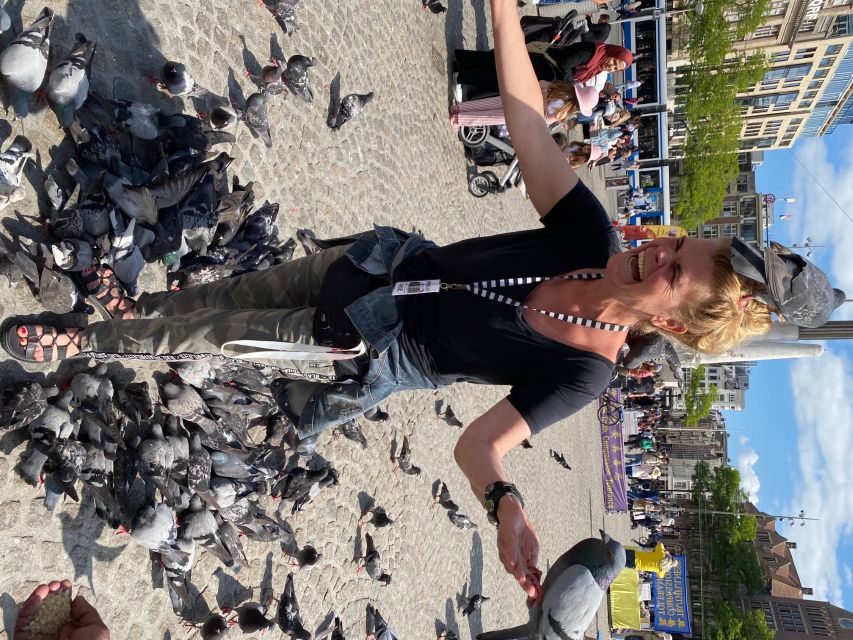
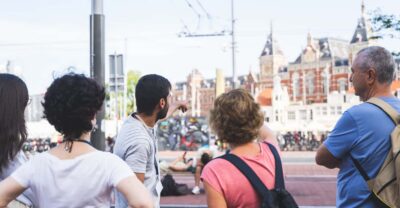
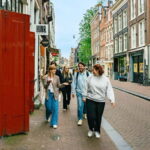
The tour starts at BEURSPLEIN / Damrak, about 350 meters from Amsterdam Centraal. That’s a smart choice because you can arrive from the station without doing a complicated transfer puzzle. You’ll spot the guide wearing a black-and-white striped band around their neck, which makes regrouping simple even if it is crowded around the station area.
This start also matters for the pacing. You’re not being rushed into the most iconic spots only for photos. Instead, you begin in the center and the guide immediately frames what you’re seeing: why Amsterdam’s power and wealth show up where they do, and how the city’s canals connect to that.
A small-group format helps here. You’re less likely to get ignored when you ask something, and you can hear explanations without shouting over a parade crowd. The tour is described as very small—limited to 6 participants—which matches the idea that this walk should feel personal, not like a moving lecture hall.
You can also read our reviews of more walking tours in Amsterdam



Dam Square: Royal Palace, National Monument, and Nieuwe Kerk with meaning
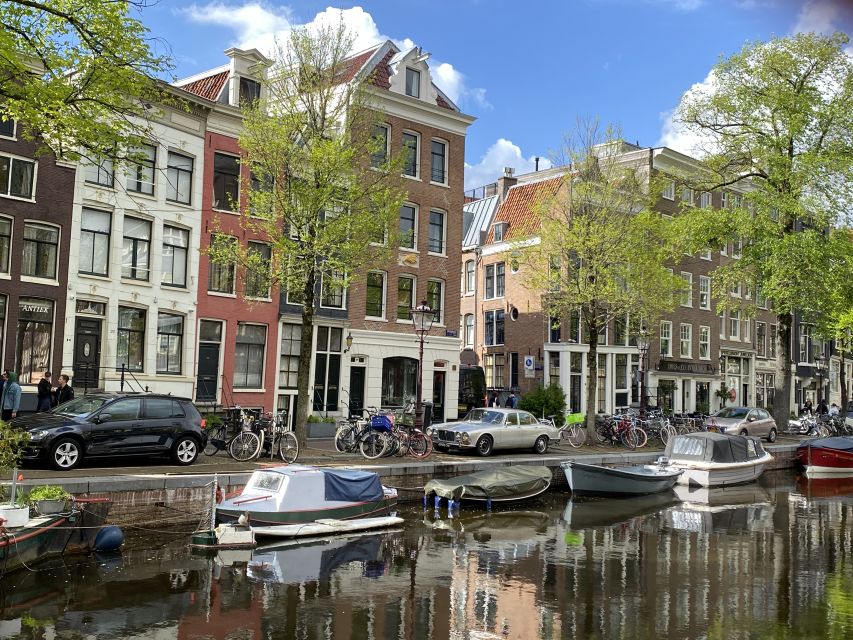
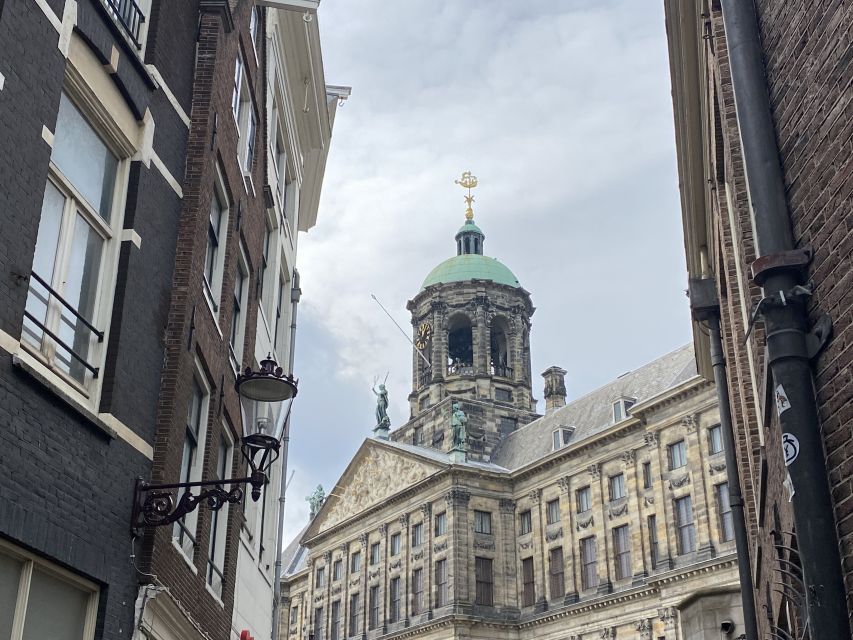
From Beursplein you head toward Dam square, and the guide begins with the core trio. You’ll see the Royal Palace, the National Monument, and the Nieuwe Kerk. Even if you only catch quick views from the outside, the guide’s focus is on what these places represent: the Dutch monarchy, national memory, and the kind of authority that comes with a prosperous trade city.
If Nieuwe Kerk or other relevant interiors are open to the public, you may be able to look inside. That matters because the architecture and the atmosphere can change depending on what’s accessible that day. When interiors are available, it’s usually a fast boost in understanding compared to relying on street-level views only.
Dam Square is also a good place to notice how “important Amsterdam” and “lived-in Amsterdam” overlap. Right around some of the city’s formal landmarks, the streets still pulse with daily movement. That contrast is part of why I like beginning the tour here: it gives you a map of priorities before you start walking toward calmer canal corners.
Torensluis and the canal belt: why the city is shaped like this
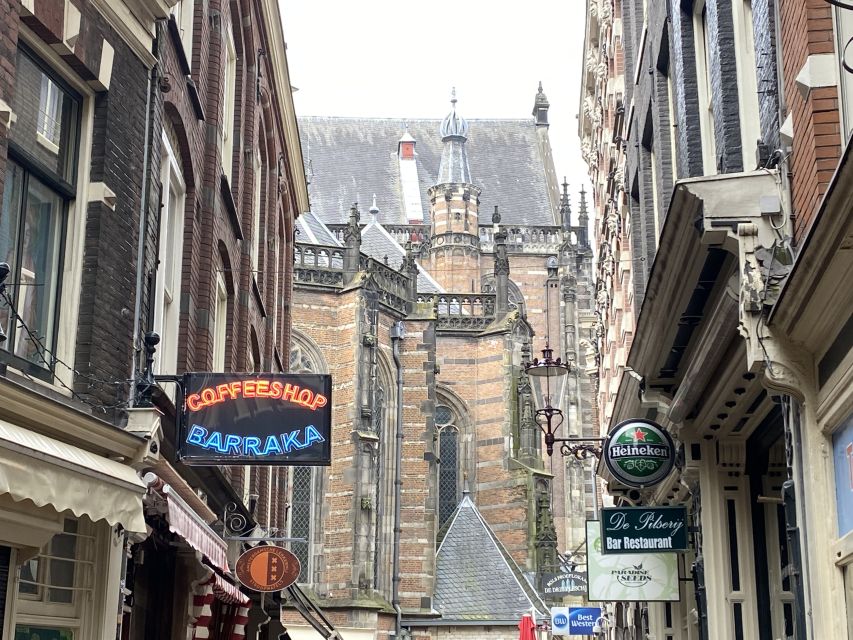
Next you pass Magna Plaza to reach Torensluis, described here as Amsterdams former Maut bridge. The key isn’t the bridge name alone. It’s the timing and location: you’re in the right spot for the guide to explain how the canal belt was created and developed.
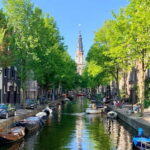
Amsterdam’s canals can look like pure aesthetics until someone connects them to trade, expansion, and urban planning. This tour makes that connection right where you’re standing. You’re not memorizing dates; you’re watching the city’s “system” appear in real geography—how canals, crossings, and neighborhoods link to each other.
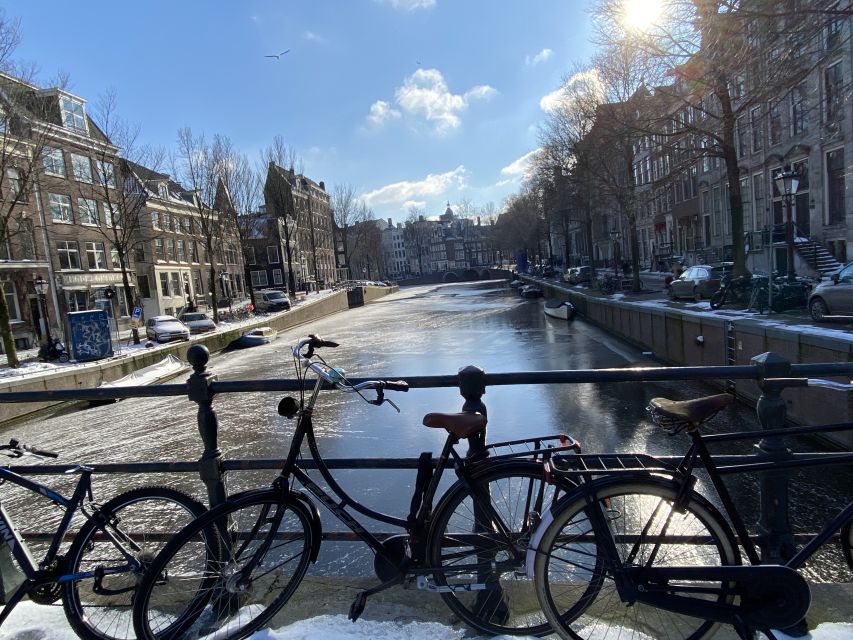
I also like that this part of the route keeps the attention on details. The guide points out architecture and the little “loving details” in the canal houses, especially the kind you associate with the seventeenth-century Golden Age. You’ll walk away noticing things you usually miss: window rhythms, the shapes and materials that show wealth, and the way buildings face the water like they expect you to look closely.
Haarlemmer Buurt and the Western Islands: older shipyard vibes, real life energy
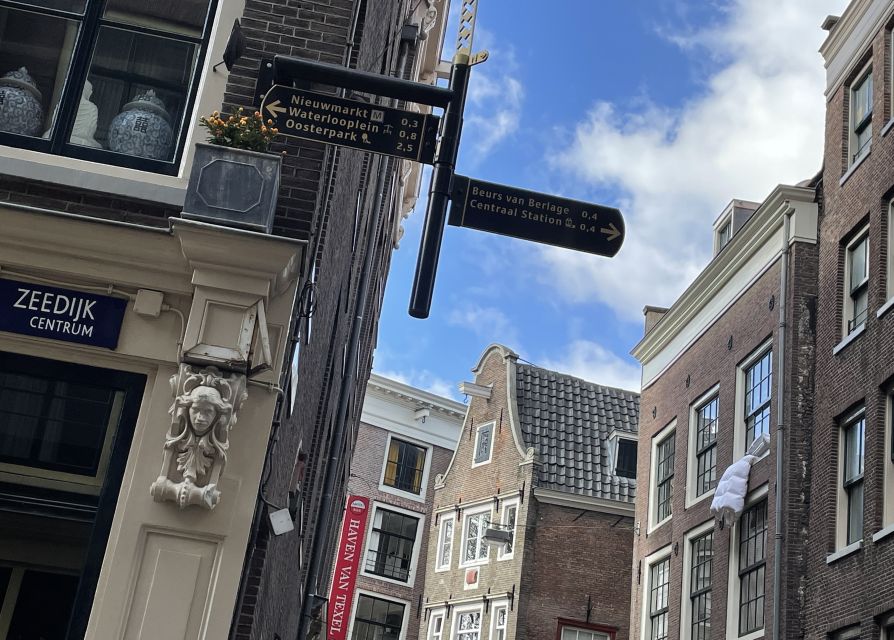
After that, you move toward Haarlemmer Buurt and the Western Islands. This is where the tour starts feeling more off-script. You’re not just circling the most Instagram-famous waterfront. Instead, the guide points out former small shipyards and the day-to-day life that feels less staged.
There’s even a playful note that you can swim if you want on this stretch, which tells you the guide is aiming for a more relaxed, human Amsterdam view—not just sightseeing cardboard cutouts.
One practical consideration here: Western canal routes and island edges can feel breezier, and you’re still walking on foot. Wear shoes you trust for long, steady surfaces. If you planned a tight schedule, this mid-tour segment is a good reminder that Amsterdam isn’t about running between highlights. It’s about moving at a walking pace that lets you notice where you are.
Westerdoks and houseboats: modern Amsterdam beside older canals
Then the route curves back and introduces the Westerdoks, described as newly designed. This is a smart contrast point. Amsterdam often gets taught as if it’s all old canals and old buildings. Here, you get a more modern angle without abandoning what makes the city special.
You also see houseboats along this modern-canal bend. That combination—new design plus floating homes—helps you understand Amsterdam as a living city, not a museum of itself. The guide’s style is to link these sights to how the city keeps changing while still using water and canals as core infrastructure.
If you like architecture, this is a strong zone for observation. The tour keeps steering you back to details rather than letting you drift into autopilot. You’ll be more likely to catch what makes Westerdoks feel different: the way the area looks planned, while the canals and waterline still give it that Amsterdam identity.
You can also read our reviews of more guided tours in Amsterdam





Brouwersgracht and Prinsengracht: from converted warehouses to the outer canal edge
As you continue, you hit Brouwersgracht, including converted warehouses. That’s a useful kind of stop because it shows reuse. Amsterdam’s canal houses and skyline are only part of the story. Warehouses turned into something else tell you how the city repurposes buildings as its economy evolves.
Then you reach the outermost canal, Prinsengracht, before heading into the Jordaan district. Prinsengracht can feel like a shift from the central “must-see” orbit into a more local rhythm. The guide keeps the route tied to architecture and city development, so it doesn’t become a random canal walk. It feels like a sequence.
This is also the section where the tour earns the promise of charm. The Jordaan is repeatedly framed as the most lively and charming neighborhood of Amsterdam, and you’ll feel it in the pedestrian flow. Even when you’re not stopping for a meal, you’ll likely notice more storefront energy, more small-street interactions, and a more intimate scale.
The Jordaan + 9 Straatjes energy, plus Noordermaarkt on market days
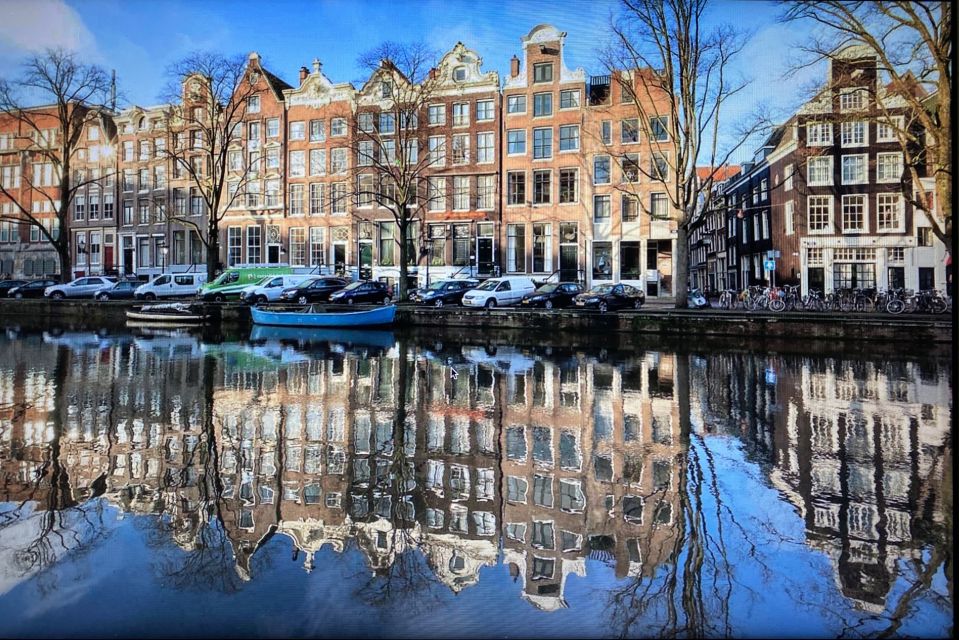
The tour’s time in the Jordaan is where it clicks for many first-timers. You’re not just ticking off canals—you’re learning how Amsterdam neighborhoods work. The guide also sets you up for solo wandering after the tour, including the 9 Straatjes shopping area.
Then there’s a bonus depending on timing: a short visit at Noordermaarkt if it’s a market day. If it is, you stroll along the stalls, and the guide may suggest classic market snacks like haring and a great ice cream option. The goal here is simple: make the market part of your experience, not just a pass-through.
This is also where the guide tends to offer practical food and drink ideas around dinner time, including what they consider the best appeltaart and tasty local drink recommendations. It’s not about stuffing you with suggestions. It’s about giving you a direction so you don’t spend your night hunting.
Anne Frank House and Westerkerk: finishing with iconic sights in a calmer canal zone
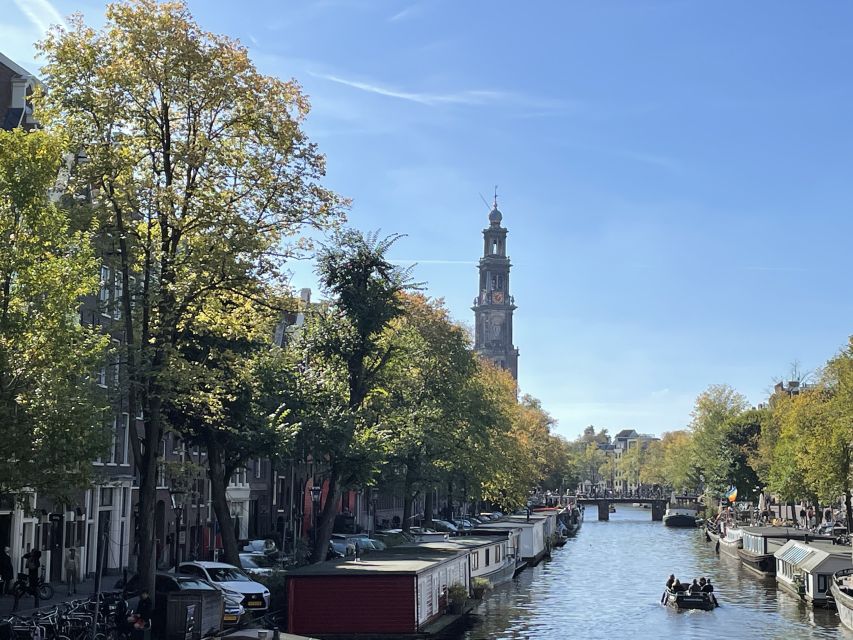
Toward the end, you reach two of the most famous anchors: the Anne Frank House and Westerkerk. The Westerkerk tower is part of the stop, and the guide ties it to its eventful history, while you’re surrounded by the smaller canal atmosphere that makes the Jordaan feel quieter and more human than the center.
One of the smartest things about ending here is that you don’t just get the highlight and leave. You arrive at these landmarks from the neighborhood side, not from the main tourist funnels. That makes the area feel more connected to daily Amsterdam life.
If you want, you may also get accompaniment back toward the meeting area after seeing the Homomonument. Even if you choose to continue on your own, the tour’s ending gives you options: keep exploring the Jordaan, browse the 9 Straatjes, or head into shopping and dining areas nearby with more confidence.
Price and what you actually get for $46 in 2.5 hours
At $46 per person for about 2.5 hours, the value comes from three things: the small-group feel, the German-speaking live guide, and the way the route teaches city logic rather than just showing landmarks.
In a short walking window, you still cover a lot: Dam Square, canal belt areas like Torensluis, Western Islands, Westerdoks, canal lines like Brouwersgracht and Prinsengracht, plus Jordaan and market energy at Noordermaarkt when it’s open. That density is possible because the guide is steering you between meaningful points, not random detours.
Also, the guide’s focus on architecture and city expansion makes it feel like more than a sightseeing circuit. If you like learning while you walk, this is the kind of tour that helps you remember Amsterdam in shapes and systems: water first, then buildings, then neighborhoods.
A couple of practical notes matter for your comfort. Bring comfortable shoes, water, and sunscreen. The tour runs rain or shine, so pack for weather. And keep it sensible: alcohol, drugs, and intoxication are not allowed.
Finally, since it’s German, check your comfort level before booking. The guide style seems friendly and very informative in German, with guides such as Anna, Natascha, and Fred praised for being warm, teaching lots about Amsterdam, and connecting history and architecture in a way that helps you orient yourself early in your trip.
Should you book this Amsterdam off-the-beaten-track walk?
I’d book it if you want more than the “big icons only” Amsterdam route. This tour is a strong fit if you like canals, architecture details, and neighborhood pacing—especially the Jordaan and the areas around the Westerdoks that feel like the city moving forward while still tied to water.
You should think twice if you do not speak German, because the guide experience is German-only and that can change how much you absorb. Also plan for real walking time: 2.5 hours sounds easy until you’re on canalside streets with weather and lots of looking.
If you’re trying to understand Amsterdam fast—how it grew, why its wealth left fingerprints on the canal belt, and how neighborhoods fit together—this one gives you that in a single, manageable afternoon.
FAQ
What is the duration of the Amsterdam walking tour?
The tour lasts about 2.5 hours.
Where do we meet the guide?
You meet at BEURSPLEIN / Damrak, about 350 meters from Amsterdam Centraal. Look for the guide with a black-and-white striped band.
What language is the live guide?
The live guide speaks German.
Is the tour wheelchair accessible?
Yes, it is listed as wheelchair accessible.
What should I bring for the walking route?
Bring comfortable shoes, sunscreen, water, and comfortable clothes.
Do we stop at Noordermaarkt?
Yes, there is a short visit at Noordermaarkt if it’s a market day, with time to stroll the stalls.