REVIEW · AMSTERDAM
Amsterdam: Anne Frank Walking Tour
Book on GetYourGuide →Operated by Trigger Tours · Bookable on GetYourGuide
Anne Frank’s story has streets now. In just 2 hours, you walk Amsterdam’s Jewish neighborhoods and pick up the WWII context behind the diary. It’s not a museum marathon; it’s a guided route through places where history still shows through the buildings and street layout.
What I like most is how the tour threads together the family story and the wider city story, from Amsterdam’s WWII life to what happened after the war. I also like that you’re not limited to the big-name sites: you’ll see stops tied to Jewish life, including the Portuguese Synagogue area and the Jewish quarter landmarks.
One thing to consider: this tour does not include admission to the Anne Frank House, so if that’s the main goal, you’ll need a separate ticket.
In This Review
- Key takeaways before you go
- Why this walking tour works in Amsterdam
- Getting started at Waterlooplein and the WWII setting
- Portuguese Synagogue stop: why it matters beyond the postcard
- The Jewish Quarter: narrow streets, real pressure, and the local map
- Jewish Historical Museum: a short stop with big context
- Nieuwmarkt and Lastage: reading Amsterdam like a timeline
- Plantage district: how the tour expands from the quarter
- Auschwitz Monument: the moment the story turns to remembrance
- Anne Frank House area: what you’ll see and what you won’t
- The $21 value question: is it worth it?
- Who should book this tour
- Quick practical tips to get more out of the walk
- Should you book this Amsterdam: Anne Frank Walking Tour?
- FAQ
- Is this tour only about the Anne Frank House?
- How long is the Amsterdam: Anne Frank walking tour?
- Where do we meet?
- Does the tour include entrance to the Anne Frank House?
- What stops are included on the walk?
- What language is the tour guide?
- Is the tour good for people who need wheelchair access?
- What should I bring?
Key takeaways before you go
- A tight 2-hour route that balances story, place, and context
- Jewish Quarter focus plus Plantage and Nieuwmarkt/Lastage for a fuller map of life
- WWII reality on the streets with references to the February strike and the Hunger Winter
- Memorial stop payoff at the Auschwitz Monument area
- Anne Frank diary context with what happened after the war and her father’s role in publication
- Great value at $21 because it’s guided and location-based, not just a talk
Why this walking tour works in Amsterdam
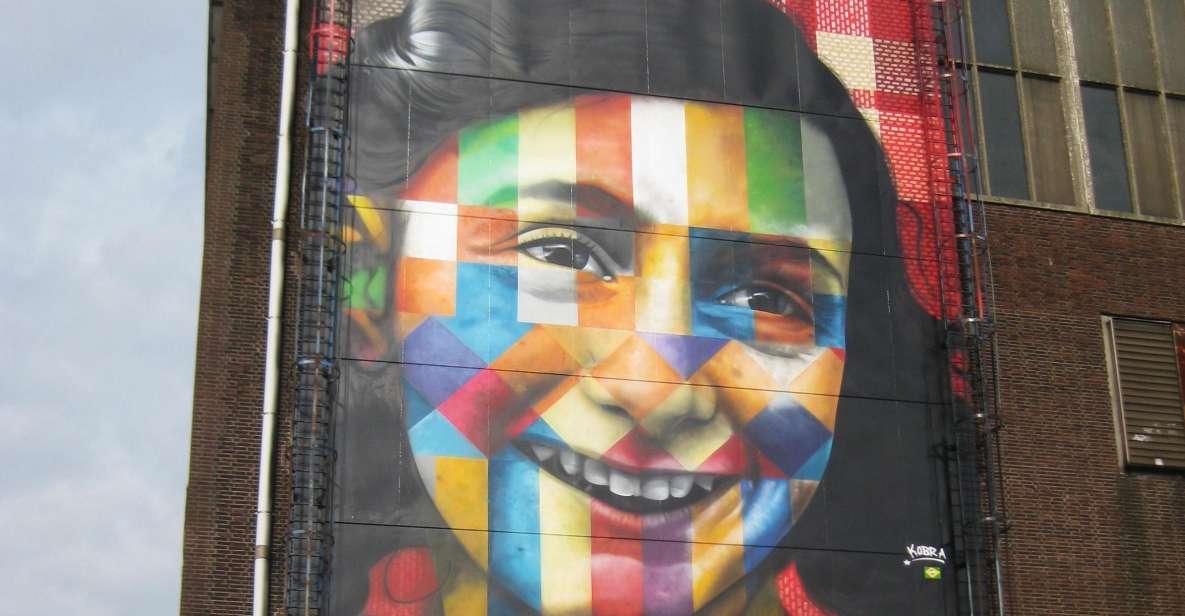
Amsterdam is a city you can over-plan. The canals are famous, but the backstreets are where the meaning lives. This Anne Frank walking tour turns the map into a story, so you understand what the Frank family’s world looked like and how Amsterdam’s Jewish community was shaped by centuries of life.
You’ll also get the emotional rhythm right. The tour spends time on the long view: Jewish life in Amsterdam, what changed under occupation, and how daily survival tightened. Then it anchors the timeline to Anne Frank, including her diary and what happened after the war.
The best part for me is pacing. Two hours is short enough to feel doable on a full day, but long enough for the guide to connect the dots across multiple neighborhoods.
You can also read our reviews of more walking tours in Amsterdam


Getting started at Waterlooplein and the WWII setting
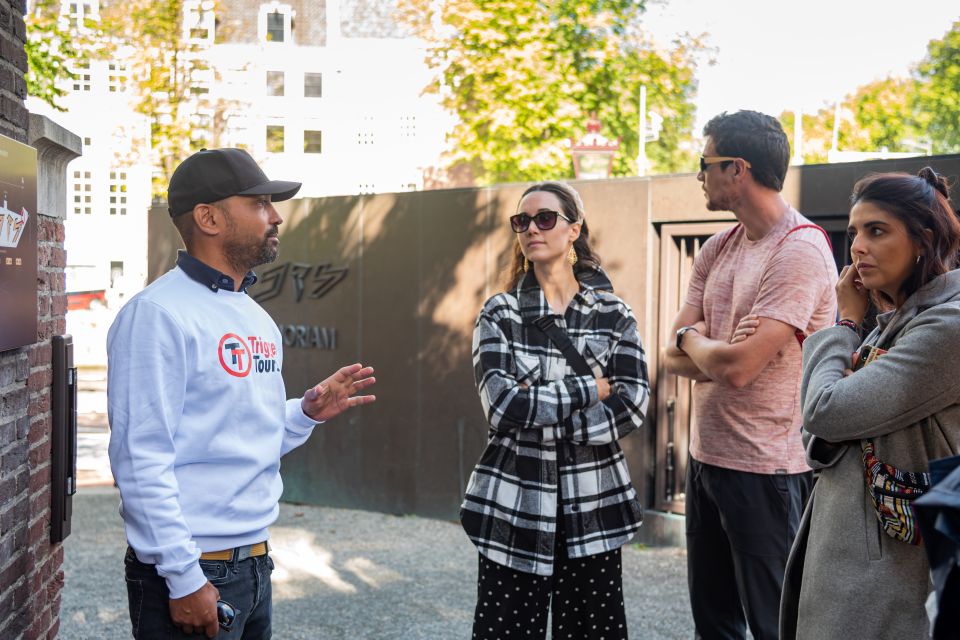
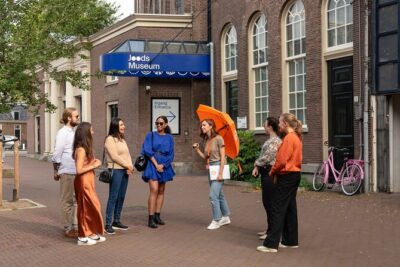
The tour meets near Waterlooplein, a sensible launch point because it helps you orient fast. From there, your guide sets the context for the Second World War in Amsterdam before the route starts feeling heavy.
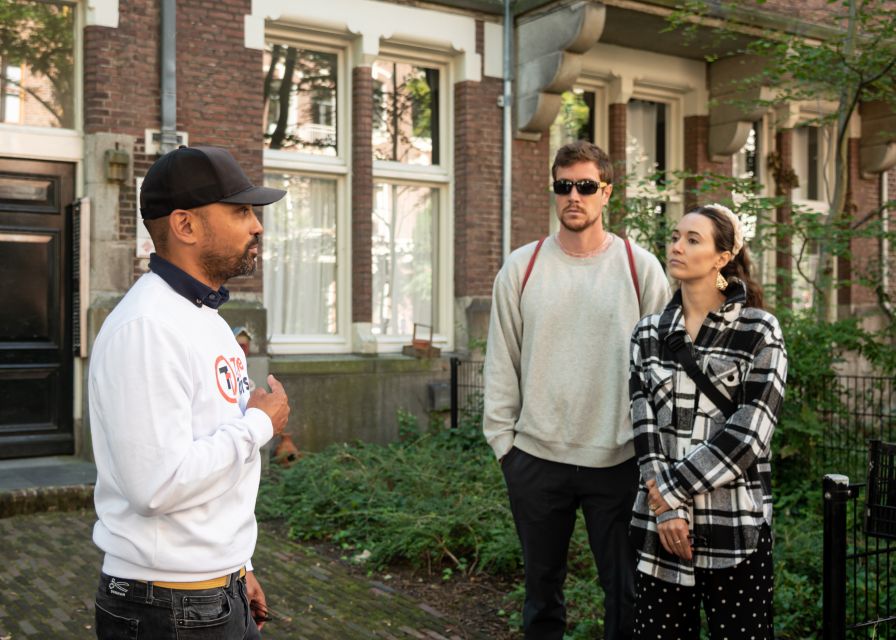
You’ll then move into the Jewish neighborhoods by foot, using the street layout to help you picture how people would have traveled, hidden, and lived under pressure. That location-based storytelling is the real value here. You’re not just collecting facts; you’re learning how the city functioned when everything was strained.
Comfort tip: wear shoes you trust. This is a walking route with narrow streets and historic parts of town, so your feet will notice it even if the pace feels steady.
Portuguese Synagogue stop: why it matters beyond the postcard

One of the early highlights is the stop around the Portuguese Synagogue. Even if you’ve seen photos of the building, the tour helps you understand why it’s more than an architectural landmark. It’s tied to the story of Jewish life in Amsterdam over many generations.
Your guide also uses this area to frame the broader WWII experience for Amsterdam’s Jews. That’s important because Anne Frank is one story, but the route is really about how a whole community’s life was reshaped by occupation policies.
Time on this stop is brief (about 10 minutes), so think of it like a spotlight moment: quick, focused, and meant to prepare you for the next stretch of streets.
The Jewish Quarter: narrow streets, real pressure, and the local map
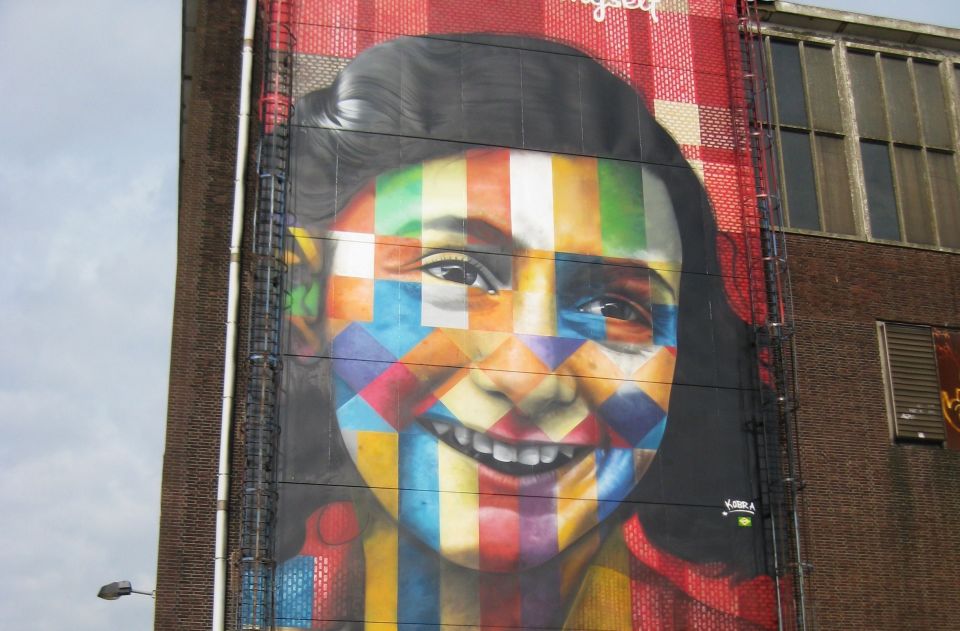
The route’s centerpiece is the Jewish Quarter segment, with roughly 40 minutes spent walking and discussing. This is where the tour feels most grounded, because you’re moving through the kinds of alleys and street patterns where anonymity and proximity can both be imagined.
Here’s what I found useful: the guide doesn’t treat the Holocaust as an abstract chapter. Instead, you hear how the community lived day-to-day, how the city looked during the war, and how people coped as conditions worsened. You’ll also hear references to events like the February strike and the Hunger Winter, which helps explain how occupation hit ordinary life, not just institutions.
This section is also where the guide mentions major Jewish landmarks and institutions, including the Jewish Historic Museum and the Jewish Council headquarters area as part of the story. If you like understanding the city as a system—who had power, who was targeted, who had support—this part clicks.
Jewish Historical Museum: a short stop with big context
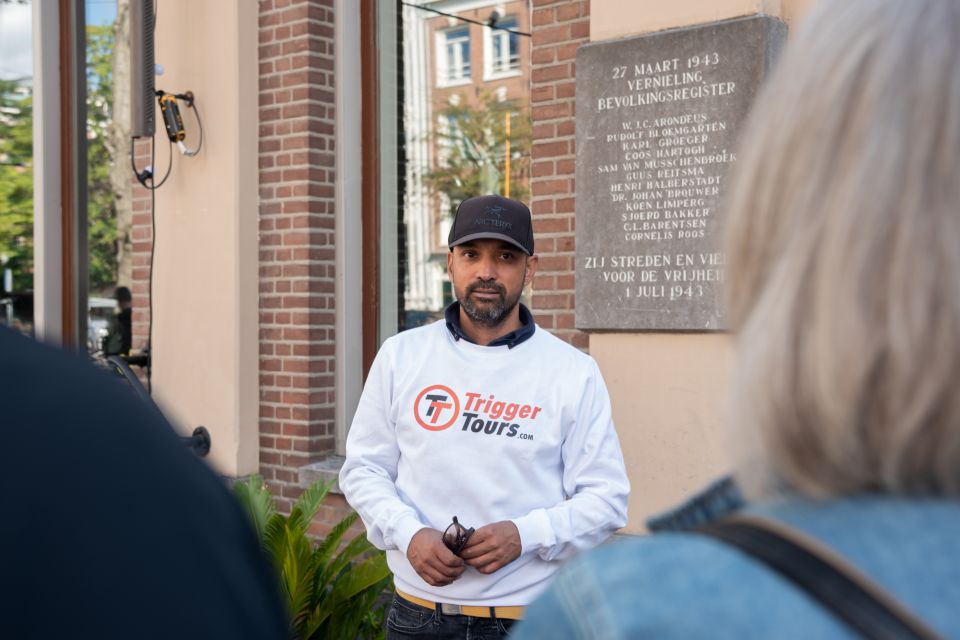
The Jewish Historical Museum is another quick guided moment, about 10 minutes on this route. Don’t expect a full museum visit here. Instead, the guide uses the location as a story anchor, helping you understand why the neighborhood has deep historical layers.
If you want to go deeper later, this stop helps you decide what to return for. When you’re walking, a museum can feel like a separate trip, but here it feels like part of a wider narrative of Amsterdam’s Jewish life.
Even during the short time, the point is clear: the war left marks, and the city still holds them.





Nieuwmarkt and Lastage: reading Amsterdam like a timeline
After the main quarter walk, you’ll continue toward Nieuwmarkt and Lastage (another short guided segment). This is one of those sections that can feel like “just streets” if you’re on your phone, but it’s worth staying present because the guide uses it to extend the WWII timeline.
This is also where the tour’s value shows for first-time visitors. Amsterdam neighborhoods can blend visually, but your guide helps you distinguish them historically—where Jewish life was concentrated, where institutions mattered, and where you can still sense continuity.
So if you’re the type who likes to see more than one “side” of a story, this section adds variety without derailing the theme.
Plantage district: how the tour expands from the quarter
The tour includes the Plantage district, again with guided time set aside. Plantage is often associated with a calmer residential vibe today, so it’s a useful contrast point. The guide brings that contrast back to the WWII era, helping you understand how the same streets could hold very different meanings depending on the period.
This is also a practical advantage: it gives you a broader sense of where people lived and moved. The Anne Frank story becomes less like a standalone tragedy and more like a specific event within a mapped geography of community life.
If you’re doing other tours in Amsterdam later, Plantage helps you feel less like you’re jumping around. It’s part of the same story route.
Auschwitz Monument: the moment the story turns to remembrance
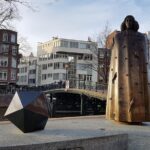
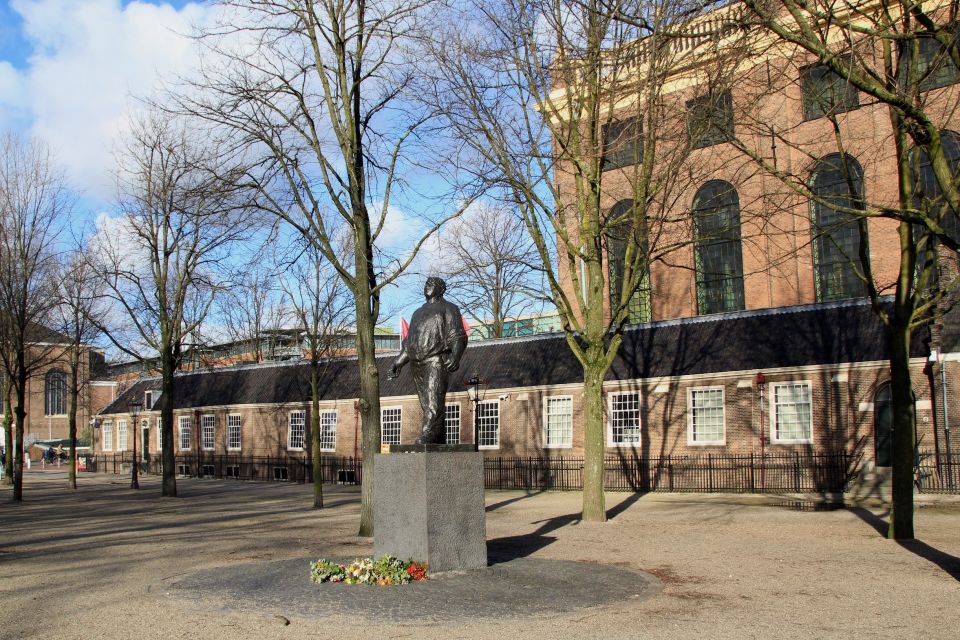
A key stop is the Auschwitz Monument in Amsterdam. The tour keeps this part appropriately serious, and it’s one of those places that tends to land with you even if you’re not a museum person.
I also like that the route ends up here because it gives emotional closure. The earlier stops are about life, institutions, streets, and the pressure building over time. The memorial is the place where that pressure becomes remembrance.
If you’re sensitive to heavy topics, pace yourself here. Bring your attention, not your phone camera, because it’s the kind of site where stillness helps.
Anne Frank House area: what you’ll see and what you won’t
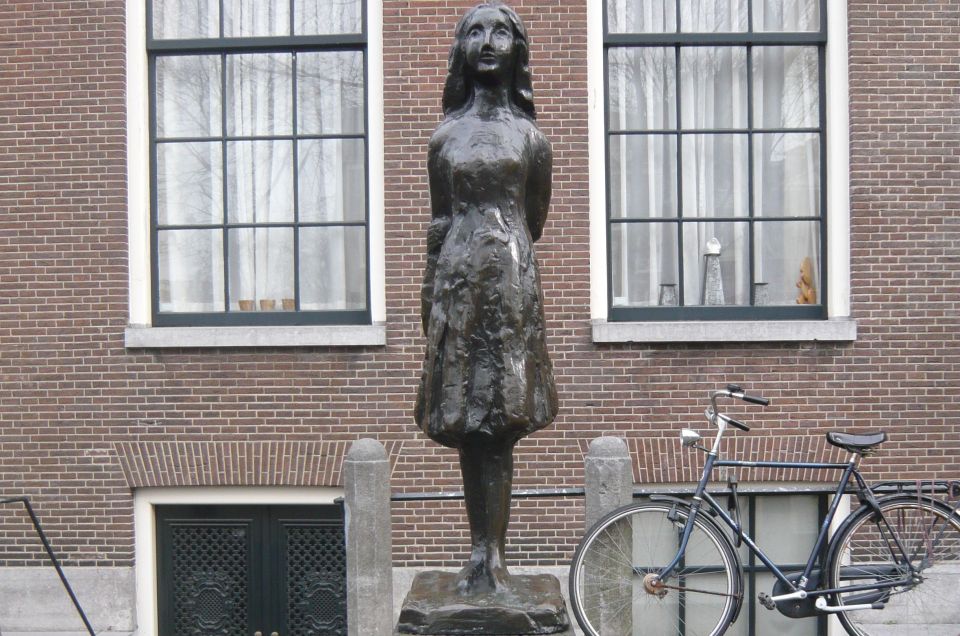
The route includes a stop by the Anne Frank House with guided time (but no admission). This is important to say plainly: you won’t be entering the house through this tour.
That doesn’t make it less worthwhile. You get guided story context—Anne Frank’s move from Germany, the time her family spent hiding, and the fact that her father published the diary after the war. The tour also emphasizes how the diary became one of the world’s best-selling books, which helps explain why the story resonates globally.
Think of this stop as the bridge between neighborhood history and personal narrative. If you want the full Anne Frank House interior experience, plan a separate ticket for that.
The $21 value question: is it worth it?
At $21 per person for about 2 hours, this tour is priced like a smart “experience add-on” rather than a full-day commitment. You’re paying for two things: a guide who can connect locations into a timeline, and the convenience of having a curated route through places you might not choose on your own.
The biggest value move is that it’s not just Anne Frank. You’re also learning about Amsterdam during WWII, including how Jewish life was shaped by centuries of community presence and then by occupation-era cruelty.
The main cost is time on your feet, not money. If you can spare two hours and you want context, $21 can feel like a bargain. If your only goal is Anne Frank House admission, then you’ll still need to buy tickets separately.
Who should book this tour
I’d steer you toward this tour if you:
- Want an Anne Frank-focused experience without spending a whole day in one building
- Enjoy walking tours that connect history to real city geography
- Care about understanding WWII in Amsterdam, not just the diary story
- Like the mix of neighborhood history, institutions, and memorial sites
It’s also a good fit for families, including teens who can handle serious topics. The guide format gives room for questions, which makes the experience feel less like a lecture and more like a guided conversation.
Quick practical tips to get more out of the walk
- Bring comfortable shoes. You’ll be on foot through older streets.
- Ask questions early if you want more detail on WWII Amsterdam events like the February strike and the Hunger Winter.
- If you’re planning to visit the Anne Frank House later, treat this walk as your “orientation + story” layer.
Should you book this Amsterdam: Anne Frank Walking Tour?
If you’re deciding between doing nothing and doing something meaningful, I’d book it. For $21 and 2 hours, you get a structured route through the Jewish neighborhoods of Amsterdam, the city’s WWII context, and a guided path that ends where remembrance matters.
You should book it especially if you like learning history through place. The tour’s strength is that it helps you see Amsterdam as a timeline, not just as scenery.
The only real reason to skip is if you specifically want Anne Frank House interior tickets as the main event. In that case, pair this walk with a separate Anne Frank House visit instead of expecting entry included here.
FAQ
Is this tour only about the Anne Frank House?
No. The tour focuses on Anne Frank and her family, but it also covers Amsterdam during WWII and key locations connected to Jewish life.
How long is the Amsterdam: Anne Frank walking tour?
It lasts about 2 hours.
Where do we meet?
The meeting point may vary depending on the option booked, but the tour starts around Waterlooplein.
Does the tour include entrance to the Anne Frank House?
No. Entrance to the Anne Frank House is not included.
What stops are included on the walk?
The tour includes stops around the Portuguese Synagogue, the Jewish Quarter, the Jewish Historical Museum, Waterlooplein, Nieuwmarkt and Lastage, the Auschwitz Monument, the Anne Frank House area, and Plantage.
What language is the tour guide?
The live tour guide is available in English and Spanish.
Is the tour good for people who need wheelchair access?
The tour is listed as not suitable for wheelchair users.
What should I bring?
Wear comfortable shoes for the walking route.