REVIEW · AMSTERDAM
Red Light District tour in Amsterdam
Book on Viator →Operated by Guidance Travel · Bookable on Viator
Want the real story behind De Wallen? This Amsterdam Red Light District tour helps you make sense of De Wallen’s past and present without needing a philosophy degree. I especially like the steady 90-minute walking pace and the fact that you get a map to keep exploring afterward at your own speed. One big consideration: since city rules started in 2020, the tour does not go inside the Red Light District itself.
The guide experience is usually the win here. You may meet guides like Carlos, Nadav, Valeria, Manouk, or David, and the tone tends to be friendly, fun, and question-ready, not preachy. With a maximum of 15 people and an English mobile ticket, it’s easy to follow along, even if you’re visiting at night.
In This Review
- Key things that make this tour worth your time
- Why this Red Light District tour feels different from a normal walk
- Price and timing: what $31.44 buys you in Amsterdam
- Logistics that matter: meeting point, route flow, and group size
- The rule since 2020: what you can and can’t see
- Your 90-minute route, stop by stop (what you’ll learn at each place)
- De Wallen (Stop 1): why sex work became part of the neighborhood
- Dam Square (Stop 2): where the coffee shop idea took root
- Warmoesstraat (Stop 3): old street, modern entertainment, and the Old Church
- Zeedijk (Stop 4): Chinatown’s rise and change since the 1970s
- Nieuwmarkt (Stop 5): legalization and today’s challenges
- Kloveniersburgwal (Stop 6): coffeeshops and their legal status
- Paulusbroederssluis (Stop 7): get a map, then explore on your own
- Coffee shops, tolerance, and why this matters more than you think
- The guide experience: what you should look for in your English-speaking host
- The small gift and the tour’s slightly cheeky sense of humor
- Who should book this tour (and who might prefer something else)
- Should you book this Red Light District tour?
- FAQ
- How long is the Red Light District tour in Amsterdam?
- What does it cost?
- Is the tour offered in English?
- Where does the tour start and end?
- Does the tour include admission tickets?
- Can the guided group enter the Red Light District?
- What’s included in the price?
- Is there a limit on group size?
- Is free cancellation available?
Key things that make this tour worth your time
- Outskirts access (with a map for later): you learn from the perimeter and finish with self-guided options
- Real focus on coffee houses: not just sex-and-drugs trivia, but how the city’s tolerance formed
- Tons of street-level context fast: Dam Square, Warmoesstraat, Zeedijk, Nieuwmarkt, and more
- Small group size: up to 15 people keeps it human-scale
- Guides who answer questions: you can ask what you actually want to know
Why this Red Light District tour feels different from a normal walk
Amsterdam’s Red Light District is one of those places people think they already understand. They’ve seen photos. They’ve heard rumors. But De Wallen isn’t a theme park. It’s a neighborhood with rules, economics, and politics that changed over time.
What I like about this tour is that it doesn’t rely on shock value. You get the why behind the reputation, including how Amsterdam’s approach to tolerance took shape and how that affected the area. You also get context around nearby streets that often get lumped together, even though each one has its own story.
And because it’s a guided walk (not a lecture in one spot), it helps you build orientation quickly. You’ll leave knowing where you are and what you’re looking at, even if you decide not to go deeper on your own.
You can also read our reviews of more tours and experiences in Amsterdam.
Price and timing: what $31.44 buys you in Amsterdam
At $31.44 per person for about 1.5 hours, this is priced more like a focused neighborhood orientation than an all-day activity. The value is in three places: pacing, interpretation, and the follow-up map.
You’re not paying just for points on a route. You’re paying for an on-the-street explanation that connects dots between De Wallen, nearby squares, and the city’s coffee house culture. That’s why people book it fairly far ahead—on average 37 days in advance—so it’s smart to lock in a time if you’re traveling in peak season.
There’s also practical value in the structure. The route moves through multiple streets, but it doesn’t feel like you’re sprinting. The walking is moderate, and Amsterdam is famously flat, which helps a lot.
Logistics that matter: meeting point, route flow, and group size
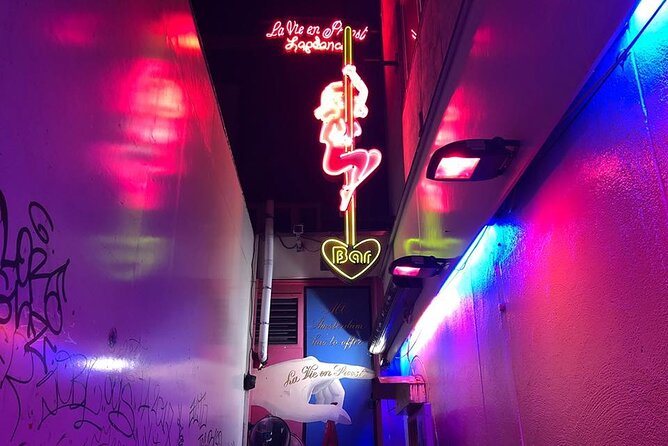
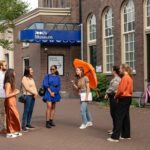
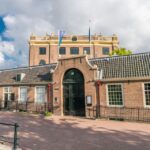
This tour starts at Bistro Berlage, Beursplein 1 (1012 JW Amsterdam), and ends back at the same meeting point. The group is capped at 15 travelers, so you’ll feel less like a number and more like you can actually ask a question without shouting.
It’s offered in English, and you’ll use a mobile ticket. Since it’s near public transportation, you can usually connect to it without wrestling with a long commute. Confirmation is sent at booking time, so you’re not left guessing.
One small thing to keep in mind: a few people note that the exact meetup point can be a bit tricky to find. If you arrive early, take a moment to look around Beursplein rather than assuming your app will point you to the front door.
The rule since 2020: what you can and can’t see
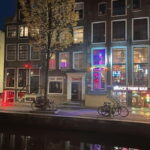
Here’s the key expectation setter: tours are prohibited from entering the Red Light District itself, starting in 2020. So you won’t be going down the busiest alleys as a group.
Instead, you’ll explore the surrounding area—what you’re doing is learning what’s historically there, while staying on the perimeter and moving through adjacent streets. You’ll also get a map at the end to help you see more on your own, if you choose to. That matters because it keeps the experience respectful and aligned with city regulations.
You can still learn a lot from the outside. You’ll understand why De Wallen became the center it did, how prostitution was legalized, and how coffee shops fit into the broader tolerance story.
Your 90-minute route, stop by stop (what you’ll learn at each place)
Think of this as seven short chapters. Each one is quick, but together they build a clear picture.

De Wallen (Stop 1): why sex work became part of the neighborhood
You’ll start in the Red Light District area (De Wallen) and get an overview of its development: how prostitution became established there and why sex workers chose to settle in that specific place. The guide also connects the dots to Amsterdam’s reputation for liberal attitudes toward sex, showing how social rules and local politics shaped daily life.
Even without entering the inner streets, you’ll come away understanding the district as a historical decision—not just a modern spectacle.
Dam Square (Stop 2): where the coffee shop idea took root
Next up is Dam Square, where the tour points to the origins of the concept of the coffee shop in Amsterdam. This stop is useful because it ties the Red Light District reputation to a larger city pattern: tolerance as policy and practice, not just a vibe.
You’ll get the sense that Amsterdam’s “anything-goes” reputation has an origin story. That helps you interpret what you see later around coffeeshop streets.
Warmoesstraat (Stop 3): old street, modern entertainment, and the Old Church
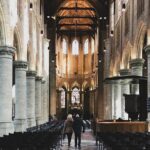
At Warmoesstraat, you’ll learn about one of the city’s oldest streets and how it became an entertainment corridor. You should also catch a glimpse of the Old Church, which helps you see how the neighborhood layers old Amsterdam with the more modern nightlife energy.
This is a good stop for perspective. Instead of treating De Wallen as isolated, you start noticing how it blends into older parts of the city.
Zeedijk (Stop 4): Chinatown’s rise and change since the 1970s
Then you’ll head to Zeedijk, where the tour shifts to the area’s changing identity. You’ll hear how Chinatown became part of the neighborhood and how it was once seen as one of the most dangerous parts of Amsterdam in the 1970s, then declined and transformed into a favorite spot for many Amsterdammers.
This stop is a reminder that cities move on. Neighborhood reputations are historical snapshots, not permanent labels.
Nieuwmarkt (Stop 5): legalization and today’s challenges
At Nieuwmarkt, the guide explains the legalization of prostitution and what that process meant for sex workers—plus the challenges they still face today. This is where the tone often turns more human and less general.
If you want to understand the difference between a myth and a reality, this is the stop that helps the most. It’s not just history; it’s policy meeting lived experience.
Kloveniersburgwal (Stop 6): coffeeshops and their legal status
On Kloveniersburgwal, you’ll focus on coffeeshops: their cultural importance and, importantly, their legal status. This is where the tour tries to answer the question people quietly carry in their heads: How does Amsterdam allow certain behavior while keeping rules?
You’ll leave here better equipped to notice what’s real, what’s marketing, and what the city is actually permitting.
Paulusbroederssluis (Stop 7): get a map, then explore on your own
The final stop is Paulusbroederssluis, where you receive a map with information about the Red Light District and are encouraged to explore the famous area yourself after the guided portion. You’re finishing with tools, not just facts.
This last step is smart. It lets you decide what level of curiosity you want to follow, while keeping your visit private and respectful.
Coffee shops, tolerance, and why this matters more than you think
A lot of tours mention coffee shops as background noise. This one treats them as part of the same story that shaped De Wallen.
By connecting the origin concept (Dam Square) to the legal status and cultural role (Kloveniersburgwal), you start understanding why Amsterdam has that reputation for tolerance. It’s not only about what people do in the streets. It’s about how the city draws lines and then builds everyday life around them.
That’s useful for you because it changes how you walk through the area afterward. Instead of feeling like you’re watching a stereotype, you see a neighborhood shaped by compromise.
The guide experience: what you should look for in your English-speaking host
The guides are often the reason people rate this tour so high. Names like Carlos show up with comments about being funny and answering questions well. Nadav has been praised for a manageable pace and helpful explanations, including what to expect. Valeria and David also come up in feedback for being engaging and for handling questions smoothly.
What’s consistent across guides is a question-friendly approach. You’ll be encouraged to ask what you actually care about—history, customs, how the coffee shop culture works, or what’s permitted.
Tone check: this is not a hard sell. One of the nice things is that the talk tends to stay respectful and not overly graphic. Still, expect adult themes to be part of the discussion because this is Amsterdam’s Red Light District.
The small gift and the tour’s slightly cheeky sense of humor
This tour includes a small gift guaranteed to bring a smile. One person mentions receiving gummies shaped like genitalia, which tells you the operator understands the mood of the neighborhood: playful, a bit awkward, and definitely not pretending the topic is “clean and simple.”
That gift isn’t a reason to book on its own. But it adds a light touch that matches the overall balance of the experience.
Who should book this tour (and who might prefer something else)
This tour fits best if you want:
- A structured way to understand De Wallen and nearby streets in about 90 minutes
- Clear context on prostitution legalization and what it means day to day
- A focus on coffee shops and legal status, not just nightlife gossip
- A group size small enough to ask questions
You might want to think twice if you strongly dislike adult topics, or if you’re expecting an inside-the-alleys tour with full access. The regulations since 2020 are real, and this tour stays on the outskirts.
Should you book this Red Light District tour?
I’d book it if you want a facts-plus-context orientation that helps you interpret what you’re seeing across multiple streets in a short time. The value comes from the guide’s explanations, the small group size, and the fact that you finish with a map so you control how far you want to go.
Skip it if your main goal is to walk directly through the busiest Red Light District streets during the tour. City rules mean you won’t. Also, if your tolerance for uncomfortable street-level topics is low, you’ll still be exposed to the subject matter—even when it’s handled respectfully.
If you’re curious, open-minded, and ready for Amsterdam’s complicated mix of policy and people, this is a smart way to start.
FAQ
How long is the Red Light District tour in Amsterdam?
The tour lasts about 1.5 hours, with a walking pace that includes stops for about 10 minutes at most locations and shorter time at the last stops.
What does it cost?
The price is $31.44 per person.
Is the tour offered in English?
Yes, the tour is offered in English.
Where does the tour start and end?
It starts at Bistro Berlage, Beursplein 1, 1012 JW Amsterdam and ends back at the same meeting point.
Does the tour include admission tickets?
The tour notes admission tickets are free for the stops listed in the route.
Can the guided group enter the Red Light District?
No. Tours have been prohibited from entering the Red Light District since 2020, so this tour goes to the outskirts and provides a map for you to explore on your own afterward.
What’s included in the price?
You get a 1.5-hour walking tour, a map with information for the last stretch, and a small gift guaranteed to bring a smile.
Is there a limit on group size?
Yes. The group has a maximum of 15 travelers.
Is free cancellation available?
Yes. You can cancel for a full refund up to 24 hours before the experience starts. If you cancel less than 24 hours before, the payment is not refunded.