REVIEW · AMSTERDAM
Rijksmuseum & Amsterdam City Center Semi-Private Tour 12ppl Max
Book on Viator →Operated by Babylon Tours Amsterdam · Bookable on Viator
You get world-class art without the crowd crush. The Rijksmuseum is the anchor, and the small group keeps the pace human. I also like that the plan covers major Amsterdam landmarks in one day. One thing to consider: you’ll be on your feet for much of the 5.5 hours, and the tour is not set up for wheelchair users.
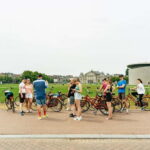
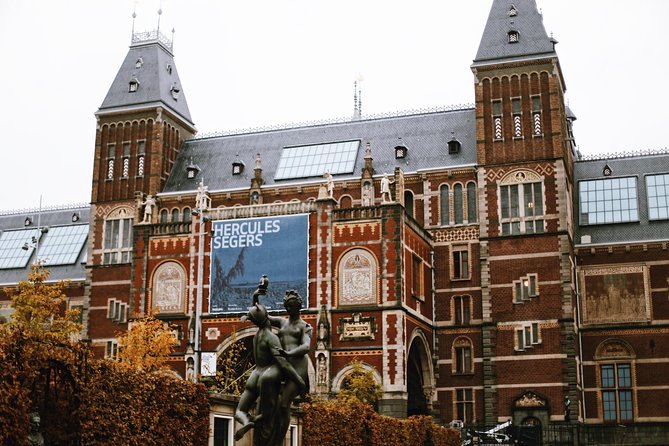
This is a semi-private setup capped at 8 guests, so you’re not getting herded from one photo spot to the next. You’ll start at the Rijksmuseum, skip the usual long line, then switch into a historical walk through the city center with plenty of brief stops that actually help you connect the dots between buildings, streets, and eras. If you end up with a guide like Diana, who’s specifically praised for being accommodating and strong on Rijksmuseum details, the museum portion tends to land extra well.
The best tradeoff here is also the main one: the schedule is packed. Expect a smart overview (not a slow stroll through every single room), and plan to treat the lunch break as your time to recharge and refuel.
In This Review
- Key Things That Make This Tour Work
- Semi-Private Amsterdam With a Real-World Pace
- Rijksmuseum Start: Skip the Line and Focus on What Matters
- The museum rules you should plan for
- If the Rijksmuseum is delayed
- After the Museum: Lunch Break That Lets You Choose Your Own Amsterdam
- St. Nicholas Basilica: A Church With a Specific Story
- The Weeping Tower (Schreierstoren): A Medieval Wall Relic With a Legend
- Chinatown Streets and Nieuwmarkt Markets: Zeedijk and Nieuwmarkt
- De Waag and Trippenhuis: City Power in Stone
- The Dutch East India Company Courtyard: Oost-Indisch Huis
- Canal Culture Hits Hard: Zuiderkerk, Hofjes, and Three-Way Canal Houses
- Zuiderkerk and the Hendrick de Keyser tower
- Begijnhof: the hofje that feels like a secret courtyard
- Huis Aan De Drie Grachten: a façade trick with meaning
- Dam Square, Herengracht, and the Anne Frank House Pause
- Gable Stones, De Drie Hendricken, and Quiet Street-Ends
- Noorderkerk and Papeneiland: Finish at a Pretty Canal Corner
- Price and Time: Does $286.56 Feel Worth It?
- Who This Tour Is Best For (and Who Should Skip)
- Should You Book This Rijksmuseum + Amsterdam City Walk?
- FAQ
- How many people are on this semi-private tour?
- What time does the tour start, and where do we meet?
- Is the Rijksmuseum ticket included in the price?
- Is lunch included?
- Does the Rijksmuseum ticket work after the tour ends?
- Does the tour run in the rain?
- Is the tour suitable for wheelchair users or limited mobility?
Key Things That Make This Tour Work
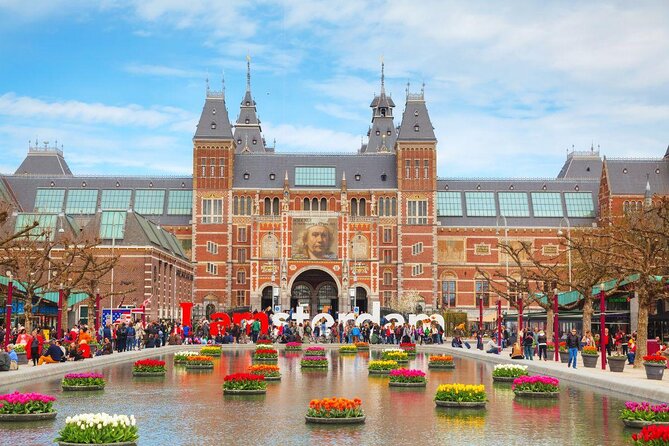
- Prebooked Rijksmuseum entry helps you skip the long line and start seeing art sooner
- Max 8 travelers keeps questions possible and answers clearer
- Skip-line museum timing + all-day validity means you can return after the walking tour
- City-center history stops include churches, canal mansions, hofjes, and landmark squares
- No large bags in the Rijksmuseum is a real rule worth planning around before you arrive
Semi-Private Amsterdam With a Real-World Pace
Amsterdam can feel like two cities: the one you see in postcards, and the one you fight through on a jammed canal-side sidewalk. This tour tries to solve the second problem by keeping the group small—never more than 8—and running it with a professional guide in English.
In practical terms, that means you’re less likely to be stuck behind the slowest person in the group when you’re trying to hear a key story about a building. You also get more room to ask the stuff you actually care about: what you’re looking at right now, why that place matters, and what to notice when you wander afterward.
It’s also listed as rain or shine, which matters in Amsterdam. The walking portion will still happen, so dress for cool, damp weather if that’s in the forecast.
One more practical note: the tour is not recommended for guests with walking disabilities or for wheelchair users. This isn’t just “some walking”—it’s a route through cobblestones and city streets, with lots of short stops.
You can also read our reviews of more city tours in Amsterdam



Rijksmuseum Start: Skip the Line and Focus on What Matters
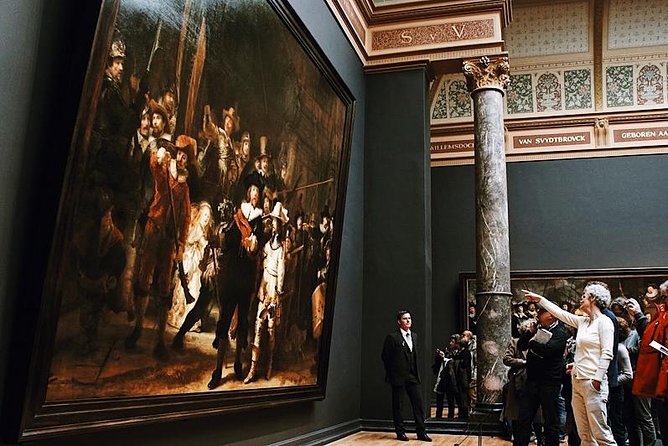
The day begins at 10:00 am, meeting at the Cobra Café area (Hobbemastraat 18). From there, you go straight to the museum start point outside the Rijksmuseum near the giant I am Amsterdam sign, letter I. The key promise is simple: prebooking helps you avoid the often-long line.
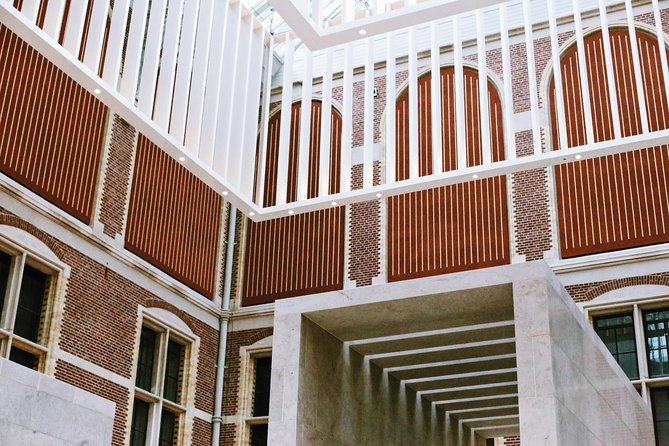
Inside, you’ll spend about 2 hours 30 minutes with the guide. This is plenty of time to get your bearings in a museum that holds more than 8,000 objects—but not enough to see everything. That’s okay, because the guide is meant to point you toward the works and themes that make the collection click.
Here’s what you’ll focus on:
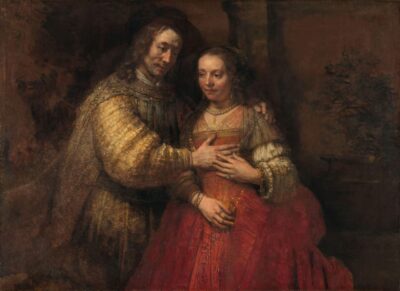
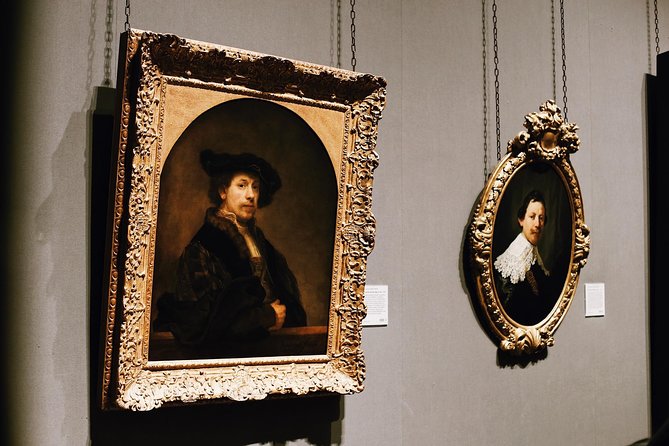
- Dutch masters, especially Rembrandt
- Vermeer, including The Milkmaid (a famous portrait of domestic life)
- Smaller, surprising details too—like 17th-century dollhouses, which are easy to miss if you’re just doing a quick first visit
- A 19th-century library inside the museum with Dutch and international literature, which adds a different kind of storytelling beyond paintings
The big value for first-timers is context. If you’ve never studied Dutch culture, you might expect a museum of random famous names. Instead, you’ll start seeing how the collection links art to daily life, faith, trade, and the way people lived in different centuries.
The museum rules you should plan for
Rijksmuseum security limits what you can carry. No large bags or suitcases are allowed inside—only handbags or small, thin bag packs through security. If you’re traveling light, great. If not, this rule can slow you down if you show up with the wrong bag.
Also, there can be quiet or restricted areas where speaking is limited. The guide will tell you what to expect before those rooms.
If the Rijksmuseum is delayed
Sometimes museums change schedules. If Rijksmuseum opening is delayed by more than 1 hour from the tour start time, you’ll be offered an appropriate alternative. In those cases, the info says refunds or discounts aren’t provided. That’s not a guarantee that nothing goes wrong—but it is a heads-up that this is still a real live-venue day, not a controlled set.
After the Museum: Lunch Break That Lets You Choose Your Own Amsterdam
Lunch is not included as food, but you do get a break within the tour’s total timing. That’s important because after art, you’ll want something practical: a quick meal, a bathroom break, and a reset before the walking portion.
Since the tour is designed to be efficient, I’d treat lunch as your flexibility window. Grab something simple close to the city center route, or keep it casual and use the break to plan how you want to spend your remaining hours after the tour ends.
And because your Rijksmuseum ticket is valid all day, you’re not forced to cram everything into those 2.5 museum hours. You’ll get a strong guided start, then you can decide later whether you want to see extra rooms at your own pace.
You can also read our reviews of more private tours in Amsterdam




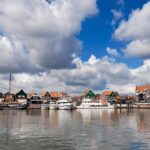
St. Nicholas Basilica: A Church With a Specific Story

After the museum, the walking tour moves into Amsterdam’s older layers. One of the first major stops is St. Nicholas Basilica—the city’s primary Roman Catholic church.
What makes it interesting here is its timing. The building was constructed at the end of the 19th century, when Roman Catholics could once again practice their faith publicly after a long prohibition. The church blends multiple architectural styles and artistic movements, so even if you’re not a church-history person, you’ll likely notice the “why does this look like more than one style” effect.
There’s no paid entry expectation for this stop in your tour plan, and the time here is short—about 10 minutes—so think of it as a quick orientation moment: you’re learning what kind of religious Amsterdam you’re walking through.
The Weeping Tower (Schreierstoren): A Medieval Wall Relic With a Legend

Next you’ll reach the Schreierstoren, often called the Weeping Tower or the Tower of Tears. It’s connected to the medieval city walls, originally part of Amsterdam’s fortifications.
The story attached to the tower is the reason it gets attention: a belief that women wept there for their husbands heading off from the port to go to war or to fish. Even if you take the legend lightly, it’s a useful way to feel Amsterdam’s relationship with the water—and how everyday life was tied to departures and long absences.
This stop is brief—around 10 minutes—and the tour plan notes that admission is not included here. It’s mostly about understanding what the structure represents.
Chinatown Streets and Nieuwmarkt Markets: Zeedijk and Nieuwmarkt
You’ll walk into the area known for Zeedijk, often associated with Chinatown in Amsterdam. The street is packed with Asian markets, restaurants, and shops, plus the Zeedijk Buddhist temple, described as the largest Chinese-style Buddhist temple in Europe.
You’re not spending long here—about 10 minutes—but it’s a smart change of pace after the medieval and church-focused bits. It reminds you Amsterdam is not stuck in a museum-like past.
Then comes Nieuwmarkt, a lively square that has been a commerce and socializing hub since the 17th century. The key historical detail: it sat just inside a city gate, so it was convenient for traders and shoppers bringing in fresh produce.
This part of the day is a good chance to look up. Amsterdam works best when you scan both street level and building façades. Even a short stop can teach you what to notice later on your own.
De Waag and Trippenhuis: City Power in Stone
On the Nieuwmarkt area, you’ll see De Waag, a 15th-century building that’s one of the oldest remaining non-religious structures in Amsterdam. It began as a city gate and part of the walls, then served multiple roles over time—including guildhall, museum, and firestation.
A short time here can still give you a mental map: Amsterdam didn’t just build pretty canals—it built practical infrastructure that served trade, security, and civic life.
Then you’ll move to the famous home structures: Trippenhuis and Klein Trippenhuis.
- Trippenhuis is described as Amsterdam’s widest home, spanning about 22 meters.
- Klein Trippenhuis is across the way and among the narrowest houses in Amsterdam.
This is a great place to connect architecture with economics. Tall, narrow forms weren’t just a design trend—they link to land taxes that encouraged that shape. Even without going inside, the guide’s explanation can make the façades feel less random.
The Dutch East India Company Courtyard: Oost-Indisch Huis

One of the more “big-picture” stops is the Oost-Indisch Huis, described as the Dutch East India Company’s headquarters courtyard. The tour plan calls out that this is the birthplace of what’s described as the first multinational corporation.
That’s a heavy sentence for a quick stop—so treat it as a moment to think about how trade money shaped Dutch architecture and power. You’ll likely look at the courtyard and think: people didn’t build these places just to look nice.
Admission here is not included in the plan, and the time is short—about 5 minutes—but the story gives you a reason to remember it.
Canal Culture Hits Hard: Zuiderkerk, Hofjes, and Three-Way Canal Houses
As you keep walking, you’ll hit a mix of landmarks that show different sides of Amsterdam: religion, wealth, and quiet living.
Zuiderkerk and the Hendrick de Keyser tower
The Zuiderkerk is Amsterdam’s first purpose-built Protestant church, designed by Hendrick de Keyser. The elegant tower is one of the city’s defining landmarks.
Even if you don’t go inside, you’re getting a snapshot of how the city’s religious landscape changed across centuries.
Begijnhof: the hofje that feels like a secret courtyard
Then you’ll see Begijnhof, described as one of Amsterdam’s oldest hofjes—almshouses built around a secluded courtyard and garden. It was home for the Beguines: unmarried women who lived together under vows of chastity.
Today it includes two churches. The reason this matters in a walking tour is that it interrupts the street noise with a different tempo: enclosed, calm, and very different from the main streets you’re crossing.
Huis Aan De Drie Grachten: a façade trick with meaning
You’ll also spot Huis Aan De Drie Grachten, a rare 17th-century canal house located at the junction of three canals, with façades facing in three directions.
This is one of those stops where you’ll want to look up and then rotate your head as you walk. It’s a visual lesson in how tightly designed Amsterdam’s waterfront space really is.
Dam Square, Herengracht, and the Anne Frank House Pause
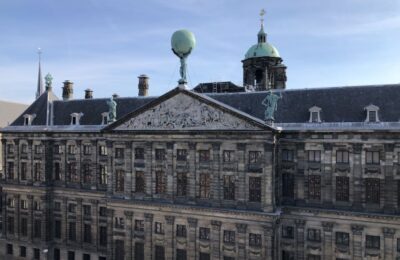
No Amsterdam highlights list feels complete without Dam Square, and the tour includes a short visit there. You’ll see it as a hub with major buildings and events, including the Royal Place, the New Church, and the National Monument.
Next comes Herengracht, also known as the “Golden Bend.” This is where you’ll see ornate canal mansions from the Dutch Golden Age. You’re not touring them; you’re getting the visual lesson: Amsterdam’s wealth wasn’t abstract. It was built into bricks and façades.
You’ll also pause outside the Anne Frank House. The tour plan notes she hid there during WWII. Next door, you’ll see the Westerkerk, described as having the tallest church tower in Amsterdam. That juxtaposition—personal story plus skyline landmark—can hit harder than you expect during a general sightseeing day.
Gable Stones, De Drie Hendricken, and Quiet Street-Ends
You’ll have another chance to look up at De Drie Hendricken aan de Bloemgracht 87–91, where gable stones are carved with allegories and trade emblems. It’s an example of how Amsterdam ties art into everyday architecture.
Then it’s on to Karthuizerhof, described as the largest hofje in Amsterdam. It was built as almshouses around a tranquil courtyard for the city’s poor and elderly.
This stop gives the tour a useful emotional contrast. After the big-skyline moments, you’re reminded that Amsterdam has always had both grand power and everyday care.
Noorderkerk and Papeneiland: Finish at a Pretty Canal Corner
The tour ends with Noorderkerk, a 17th-century Protestant church built for the Jordaan district. The plan notes it has an unusual cross-shaped floor plan tied to Reformation worship ideas.
Then you reach the final canal corner: Papeneiland. The tour plan mentions Het Papeneiland, a brown café from 1642, and says it serves the best apple pie in town.
Even if you don’t stop for pie, this ending point is a nice reward. You’ve walked through churches, gates, markets, and canal houses—ending at one of the city’s prettiest corners feels like a clean wrap-up.
Price and Time: Does $286.56 Feel Worth It?
At $286.56 per person for about 5 hours 30 minutes, the price can look steep at first glance. Here’s how to judge the value using what’s included.
You’re paying for:
- Semi-private guiding (max 8)
- Professional guide in English
- Rijksmuseum entry included
- All entrance fees called out as included
- A prebooked, skip-the-line museum start
- Plus a long historic walking route with many notable stops
The biggest value lever is the Rijksmuseum part. Rijksmuseum tickets alone can be pricey, and the skip-the-line benefit matters when you’re trying to make the most of a first visit. Also, since your ticket is valid all day, you can extend the museum experience beyond the guided window.
The other factor is time efficiency. You’re not just seeing a couple of sights—you’re building a mental map of Amsterdam’s core neighborhoods and architectural styles in one day. That’s useful if you have limited time.
The main “price risk” is that the tour is structured and time-boxed. If you want to linger for long inside museums beyond the 2.5-hour guided session, you’ll need to plan extra time to roam on your own. The all-day ticket helps here, but the walking tour pace still matters.
Who This Tour Is Best For (and Who Should Skip)
This tour fits best if you:
- Want a calm, small-group Amsterdam intro
- Like history tied to buildings rather than just facts on a sign
- Need prebooked Rijksmuseum entry without spending time in long lines
- Enjoy short stops where the guide explains what you’re seeing right now
You might want a different option if you:
- Have mobility limits and can’t handle cobblestones and sustained walking
- Prefer total freedom with no scheduled stops
- Want a museum day that’s purely museum-only, with lots of time to wander rooms without a tight guide structure
Also, plan your bag. The Rijksmuseum rule about no large bags can be a bigger deal than people expect.
Should You Book This Rijksmuseum + Amsterdam City Walk?
If you’re doing Amsterdam for the first time and you want both top-tier art and a guided city orientation, I think this is a strong booking. The combo of skip-the-line Rijksmuseum entry, small-group pacing, and a well-chosen set of city-center stops (churches, hofjes, canal houses, and major squares) makes it a smart “see the best, understand it faster” day.
Book it if your schedule can handle walking and you’re okay with a structured route. If you’d rather go slow, or if your mobility limits are significant, look for a more accessible or less walking-heavy option.
FAQ
How many people are on this semi-private tour?
The tour is semi-private with a maximum of 8 travelers.
What time does the tour start, and where do we meet?
The start time is 10:00 am. The meeting point is listed as Cobra Café, Hobbemastraat 18, 1071 ZB Amsterdam. The Rijksmuseum portion starts at the letter I of the giant I am Amsterdam sign outside the Rijksmuseum.
Is the Rijksmuseum ticket included in the price?
Yes. Rijksmuseum admission is included, and the Rijksmuseum entry is part of the tour plan.
Is lunch included?
Lunch is not included as a paid meal. You’ll have a lunch break (own expense) during the tour.
Does the Rijksmuseum ticket work after the tour ends?
Yes. After the walking tour portion concludes, your Rijksmuseum ticket remains valid all day, so you can return to the museum.
Does the tour run in the rain?
Yes, it runs rain or shine.
Is the tour suitable for wheelchair users or limited mobility?
No. The tour is not recommended for those with walking disabilities or using a wheelchair.