REVIEW · AMSTERDAM
Red Light District private tour with a local
Book on Viator →Operated by Guidance Travel · Bookable on Viator
Amsterdam’s Red Light District tells stories. This private, local-guided walk around the area is interesting because it uses local guide Manouk and personal anecdotes to turn stereotypes into everyday context about sex work, policy, and street life. You also get a clear sense of why Amsterdam became known for a more tolerant approach, not just slogans.
I like that the tour is practical, not preachy. You’re shown how the neighborhood’s reputation formed and how it has changed over time, including the legal backdrop and the real-world challenges today. One consideration: because tours inside the Red Light District are prohibited (since 2020), you’ll visit the outskirts only, not the window area itself.
In This Review
- Key highlights at a glance
- Why this Red Light District tour stays on the outskirts
- Price and logistics for a $231.72 private group
- Getting started at Beursplein with a local like Manouk
- Stop-by-stop: De Wallen and the city’s tolerance story
- Warmoesstraat and Zeedijk: old streets that changed roles
- Nieuwmarkt and Kloveniersburgwal: law, legalization, and coffeeshop reality
- Ending at Paulusbroederssluis: your map and how to use it
- What I think you’ll enjoy most (and what to watch for)
- Who should book this private walk
- Should you book this Red Light District outskirts tour?
- FAQ
- How long is the tour?
- What does it cost, and how big is the group?
- Is the tour private?
- Do you go inside the Red Light District?
- Which stops are included?
- What’s included besides the guide?
- Where do you meet, and where does the tour end?
- Can I bring a service animal, and what about cancellation?
Key highlights at a glance
- Meet Manouk and get stories from someone who knows the neighborhood in real life
- Outskirts route due to 2020 rules keeps expectations realistic while you still learn a lot
- Coffee shop origins and legal status come up in multiple places, including Dam Square and Kloveniersburgwal
- Seven focused stops connect De Wallen, Warmoesstraat, Zeedijk, Nieuwmarkt, and more
- You leave with a map and a small gift to keep exploring after the walk
Why this Red Light District tour stays on the outskirts
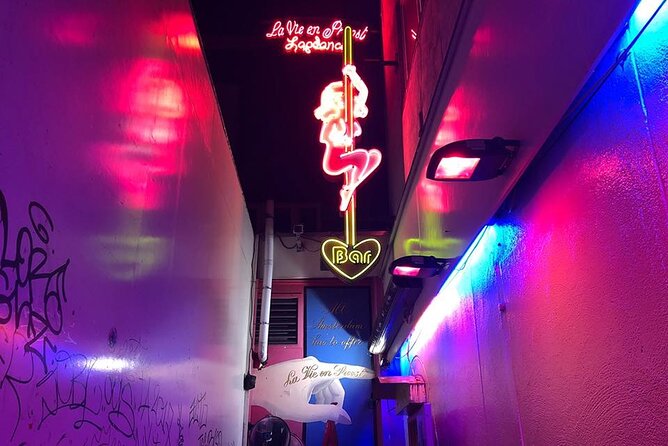
This tour is built around a key reality: guided tours inside the Red Light District are no longer allowed. So instead of trying to crowd the window streets, you get a respectful, educational route around the edges of the neighborhood.
That actually helps you understand the area without the usual rush. You can listen, look at the street layout, and hear how the district fits into the broader city. Just go in knowing the goal isn’t to “tour the windows.” The goal is to understand why the district developed here in the first place, how it gained its reputation, and what legalization and public policy mean in day-to-day terms.
If you’re expecting a behind-the-scenes peek that takes you deep into the district, you might feel slightly limited. But if you want the bigger picture—with less awkwardness—this format makes sense.
You can also read our reviews of more private tours in Amsterdam


Price and logistics for a $231.72 private group
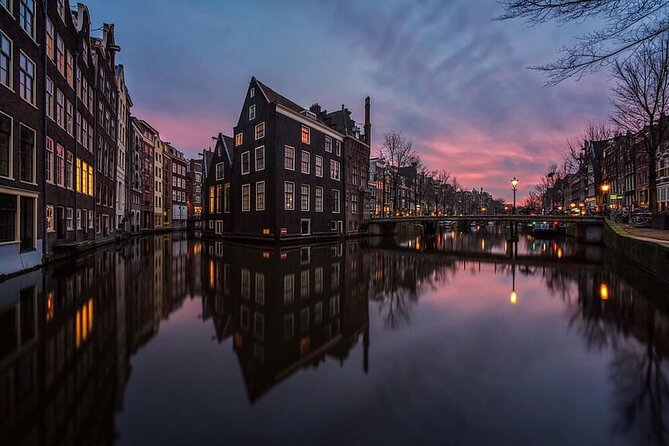
The price is $231.72 per group, up to 15 people, for about 1 hour 30 minutes of walking. That matters, because a private setup usually feels pricey. Here, the math is friendlier if you’re a small group, a family, or even a handful of friends who want a guided explanation instead of wandering and guessing.
The timing also works. Ninety minutes is long enough for real context, short enough that you’re not stuck on the street all day. And because it’s a mobile ticket, you won’t be hunting paper confirmations at the start.
Your route is mostly on foot with city stops built in. Between passing the highlights, your guide talks through the history and the practical side of the neighborhood. Plan to wear shoes you trust—this is an active walking tour, even though each stop is brief.
Getting started at Beursplein with a local like Manouk
The tour meets at Beursplein, 1012 Amsterdam and ends back near where you began. That loop is handy: you can start in a central spot and finish without needing extra planning or transit right away.
The real engine of the experience is the guide. Manouk leads with local street knowledge and personal stories, and that comes through in the kind of questions she answers. In one case, even with rain, the tone stayed warm and curious, and the guide was still able to share history plus practical details—exactly what you want for a topic that can feel heavy or confusing.
When a guide lives close to what they’re explaining, you get more than dates and facts. You get texture: why certain streets became known, how Amsterdam’s tolerance plays out in daily life, and where people’s assumptions often miss the mark.
Stop-by-stop: De Wallen and the city’s tolerance story
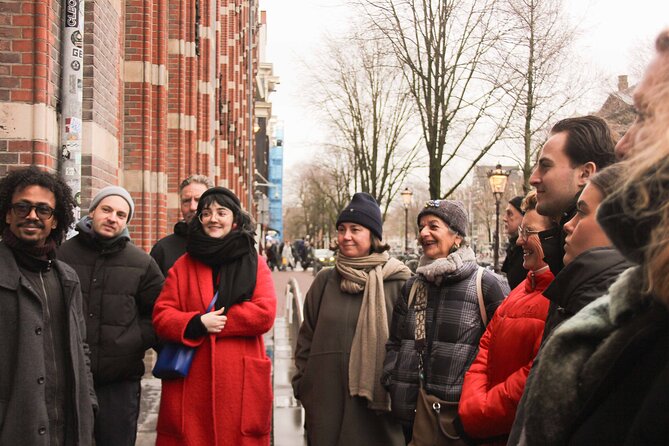
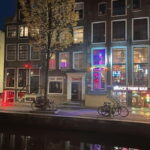
Your first stop is De Wallen, the Red Light District itself. You’ll hear why sex workers chose to settle in this “sacred” location and how Amsterdam’s reputation grew from there. This is where the tour sets the tone: it frames the district as a centuries-old profession and a neighborhood that developed for specific social and urban reasons, not just a modern tourist label.
From there, you move to Dam Square. This stop focuses on Amsterdam’s tolerant reputation and includes a specific detail: the concept of the coffee shop is traced back here. That’s useful because it connects the Red Light District conversation with the cannabis culture part of Amsterdam’s identity. In other words, you’re not just learning about prostitution—you’re also learning how the city’s approach to drugs and public behavior became part of the same conversation.
A quick note on what makes these stops work: they’re short, but the guide’s storytelling ties them together. You’ll start to see patterns instead of collecting random facts.
Warmoesstraat and Zeedijk: old streets that changed roles
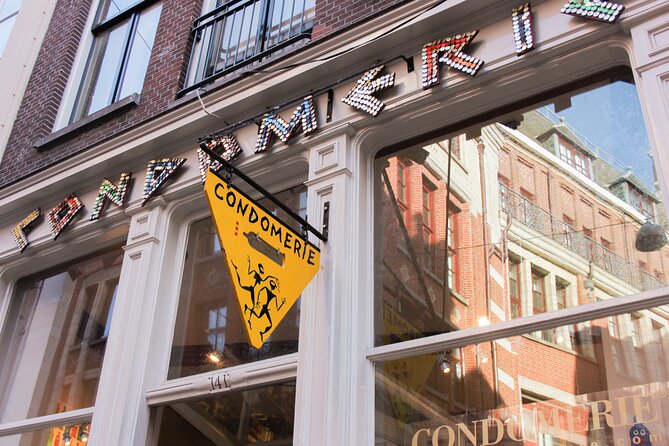
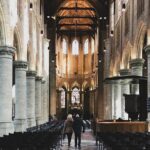
Next up is Warmoesstraat, one of Amsterdam’s oldest streets. Today, it functions as an entertainment center, so you’re looking at how an area’s purpose can shift while the street itself stays put. You also get a glimpse of the Old Church, which helps you stay oriented in the city’s long timeline rather than treating this neighborhood as a separate universe.
Then you head to Zeedijk. This stop turns the spotlight to a different layer of Amsterdam’s social history: Chinatown and the way the area was once considered dangerous in the 1970s. The tour explains how that changed over time, and how Zeedijk became a favorite spot for many Amsterdammers.
That contrast is one of the reasons I think this tour is valuable. It doesn’t freeze the Red Light District in one mood. It shows neighborhood change—often faster than you’d guess—driven by community shifts, reputation, and policy.



Nieuwmarkt and Kloveniersburgwal: law, legalization, and coffeeshop reality
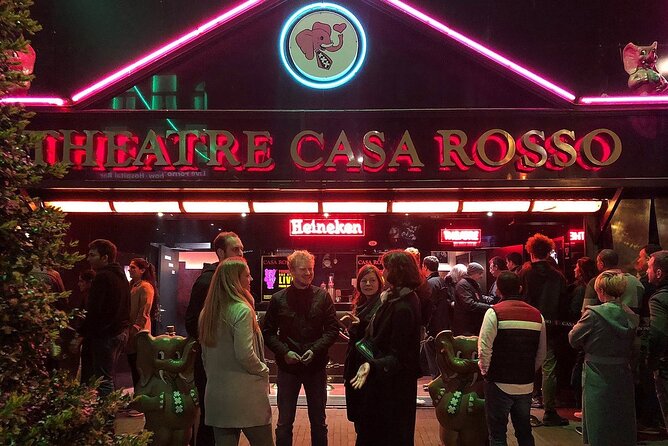
At Nieuwmarkt, the focus becomes legalization and the challenges sex workers face today. This is where the conversation gets most grounded. Instead of only discussing the district’s fame, the guide ties the topic to real constraints and practical realities that come with being part of a legal framework.
Then the tour moves to Kloveniersburgwal, where the story connects to coffeeshops. You’ll learn about the renowned coffeeshops and their cultural significance, plus the legal status of coffeeshops—an important distinction in Amsterdam, where the idea people repeat online can be simplified too much.
This section is especially helpful if you plan to wander on your own after the tour. Amsterdam’s reputation for tolerance is real, but the details are nuanced. Learning the legal status and how it’s understood locally helps you avoid awkward moments and makes your next steps feel more confident.
Ending at Paulusbroederssluis: your map and how to use it
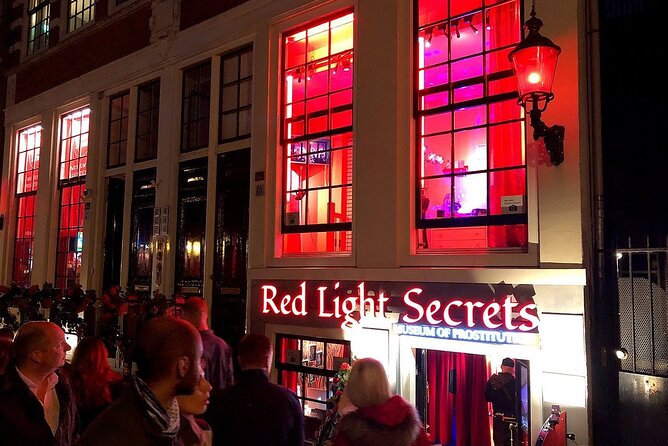
The tour wraps at Paulusbroederssluis. This is where you receive the map that’s designed to help you explore the final stretch on your own.
That map is more than a souvenir. It gives you a way to keep moving without turning your curiosity into aimless wandering. Since you’re only seeing the outskirts on this tour, the map helps you decide where your attention should go next—within what you’re comfortable exploring.
You also get a small gift guaranteed to bring a smile, which adds a light touch to a topic that can feel intense. It’s a nice reminder that Amsterdam doesn’t treat this area as only dark or only sensational. It’s also a neighborhood inside a city full of ordinary life.
What I think you’ll enjoy most (and what to watch for)
If you take this tour, you’ll probably get the most out of it when you’re open to context. The guide’s strength is connecting history, policy, and neighborhood change in a way that feels human. The best reviews for this experience highlight that local, story-driven approach—plus the fact that it stays educational and fun even when the weather isn’t cooperating.
Here’s what to watch for so you don’t feel misled:
- Outskirts only: no guided entry into the window streets since 2020
- A real-world topic: the tour covers sex work, prostitution policy, and drug policy, so it’s not a casual joke-and-pictures stop
- Short stops: each highlight is brief, so if you want long Q&A at one single location, you may need to ask for it during walking segments
If you’re the type who likes to understand how a place works—socially and legally—this tour is built for you.
Who should book this private walk
This is a smart choice if you want:
- A private setting where you can ask questions without feeling rushed
- A local resident perspective, not a generic script
- A connection between Red Light District history and Amsterdam’s broader tolerance approach
It’s also a good fit if you’re visiting for the first time and want one guided route that gives you bearings for the rest of your day.
If you want a tour that physically goes inside restricted areas, or you mainly want photos and shock value, you’ll likely find the outskirts approach too indirect.
Should you book this Red Light District outskirts tour?
I’d book it if you’re curious and you want context you can actually use. The combination of a local guide like Manouk, short stop-by-stop storytelling, and a map to keep exploring afterward makes this feel like a real introduction rather than a vague walk.
Skip it if your priority is specifically accessing the interior window streets. Since tours there are not allowed, this experience is about understanding the edges—and doing that well.
If you’re ready to trade stereotypes for street-level reality, this one is worth your time.
FAQ
How long is the tour?
The walking tour lasts about 1 hour 30 minutes.
What does it cost, and how big is the group?
It’s $231.72 per group, for groups of up to 15 people.
Is the tour private?
Yes. Only your group participates.
Do you go inside the Red Light District?
No. Tours in the Red Light District have been prohibited since 2020, so this tour visits the outskirts.
Which stops are included?
The tour includes stops at De Wallen, Dam Square, Warmoesstraat, Zeedijk, Nieuwmarkt, Kloveniersburgwal, and Paulusbroederssluis.
What’s included besides the guide?
You get a map with information for the last stretch, a small gift, and the guided walking tour. A mobile ticket is also provided.
Where do you meet, and where does the tour end?
You meet at Beursplein, 1012 Amsterdam, Netherlands, and the tour ends back at the meeting point.
Can I bring a service animal, and what about cancellation?
Service animals are allowed. You can cancel up to 24 hours in advance for a full refund.