REVIEW · AMSTERDAM
Liberal Amsterdam: Small-Group Walking Tour & Anne Frank VR
Book on GetYourGuide →Operated by EcoEcho tours · Bookable on GetYourGuide
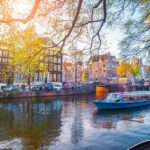
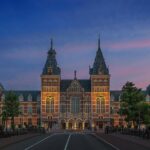
Amsterdam has a liberal side.
On this small-group walk, guide Antonis turns WWII streets, canal quirks, and quiet corners of the Red Light District into a lived-in story you can actually picture. You’ll stop at meaningful sites, hear why the Dutch story is tied to water, and end with optional Anne Frank VR that works like a conversation starter, not a scripted show.
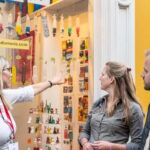
Two things I like a lot: Antonis brings the city to life with books, chalk drawings, and real questions (not just dates on a slide). I also love the finish: warm coffee, a local sweet, bottled water, and take-home souvenirs like a Polaroid and a postcard with a handwritten message and official stamp.
One consideration: this tour is not suitable for wheelchair users. It’s a relaxed pace, but it still involves a good chunk of walking and bridge areas where comfort matters.
In This Review
- Key highlights worth your attention
- Liberal Amsterdam in 3 hours: a tour that feels like a chat
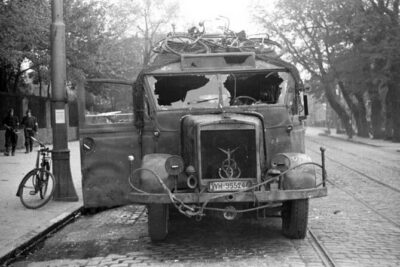
- Starting at Kattengat and the WWII tone-setting moments
- Chocolate, canals, and why Amsterdam can be practical and weird
- Bridges that teach: Aluminium Bridge and Staalmeestersbrug
- Jewish Quarter and the Holocaust Names Memorial: respectful and clear
- A quiet walk through Red Light District corners, without the spectacle
- Anne Frank VR at the end: optional, ticket-free, and passed around
- Coffee, chocolate, bottled water, and the souvenirs that stick
- Value for $33: why this feels more personal than typical tours
- Logistics that matter: pace, weather, and what to bring
- Who should book Liberal Amsterdam and who might skip
- Should you book this tour?
- FAQ
- How long is the tour?
- Is the Anne Frank VR included, and do I need a ticket?
- Do I have to do the VR part?
- How many people are in the group?
- Where does the tour start?
- Where does the tour end?
- What’s included in the price?
- Is this tour wheelchair accessible?
- What should I bring?
Key highlights worth your attention
- Antonis storytelling style uses chalk drawings, books, and lots of questions
- WWII focus in real places including the Jewish Quarter and Holocaust memorial stops
- Water-management explanations tied to canals, leaning houses, and houseboat life
- Bridges as history lessons with stops that make Amsterdam feel physical
- Optional Anne Frank VR with one headset, passed around only if you want
- Souvenirs with heart: mini Polaroid photo plus a handwritten, stamped postcard
Liberal Amsterdam in 3 hours: a tour that feels like a chat
If you only know Amsterdam through postcards, this will adjust your mental map fast. In about 3 hours, I love how the walk keeps moving between big themes (freedom, resistance, compassion) and small, human details (how people lived, what they hid, what they feared). It’s the kind of pacing that lets questions land, then answers arrive naturally.
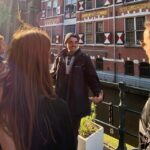
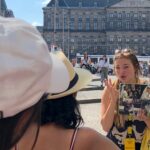
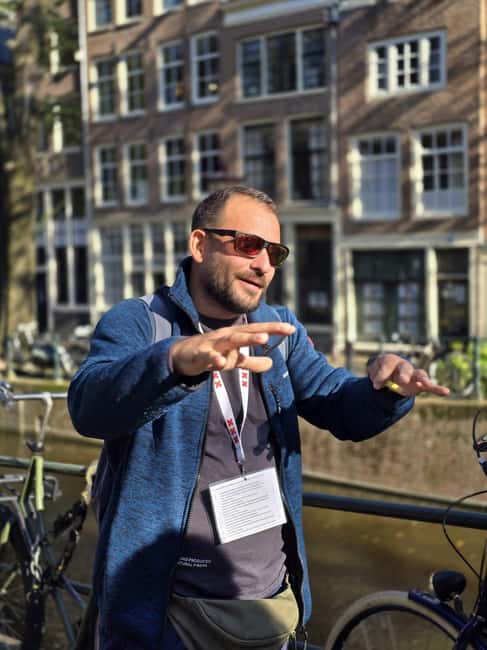
You’re also not stuck in a classroom voice. The guide, Antonis, is the main ingredient: funny when it fits, serious when it counts, and always ready to connect the past to what you’re standing next to. The group size is small (limited to 6 participants), so the vibe stays personal instead of crowd-control.
The tour includes a coffee pause and an optional VR finish at the end. That structure is smart: you walk the meaning in, then you process it with a warm drink, a sweet, and a virtual visit to the Secret Annex.
You can also read our reviews of more walking tours in Amsterdam
Starting at Kattengat and the WWII tone-setting moments
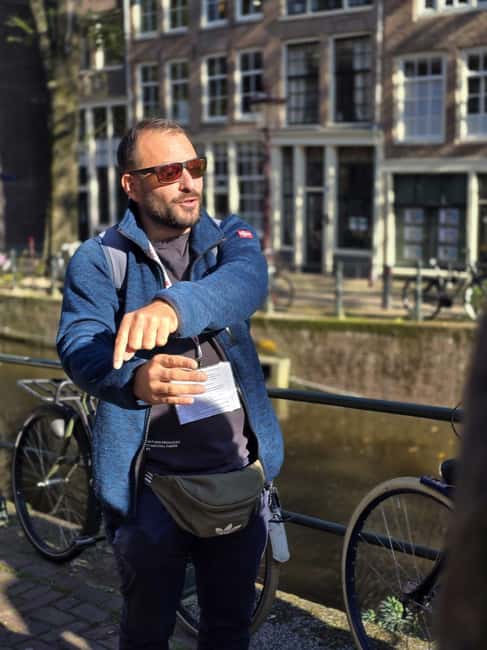
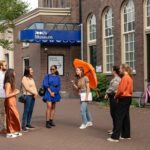
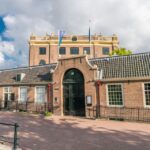
The tour begins at Kattengat 4-6, outside the restaurant De Silveren Spiegel. Even before the WWII theme gets heavy, you get the feeling you’re going somewhere quieter than the usual “big sights only” route.
Early on, you’ll make a photo stop at the HIV/AIDS monument. It might seem like a curveball, but that’s part of the point. The tour threads together different eras of human vulnerability and human rights, not just one conflict, so the WWII material doesn’t land like a disconnected museum lecture.
Then you shift toward the city’s center with Amsterdam Centraal Station. It’s quick, but it matters: Centraal is where modern Amsterdam feels loud and practical, which helps you contrast it later with the careful, hidden logic of wartime life.
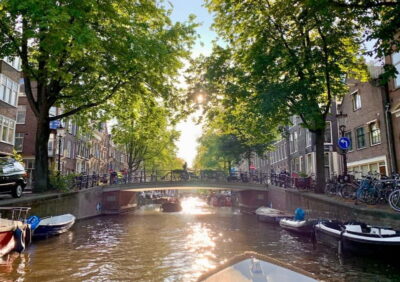
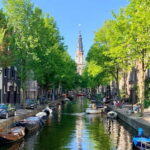
After that, you get into the canal-and-street rhythm. Bridges show up often, and each one becomes a place to talk about how Amsterdam works as a city: engineering, community, and daily life layered on top of history.
Chocolate, canals, and why Amsterdam can be practical and weird
Yes, there’s time for a stop at Tony’s Chocolonely Super Store. It’s short, but it’s a clever example of modern Amsterdam values—how brands and everyday choices reflect ethics and messaging, not just packaging.
This tour also pays attention to the stuff you’d normally walk right past. You’ll hear about the Dutch attention to systems—especially water management—and why that shows up everywhere: in how buildings hold up, how canals function, and why the city’s relationship with water is more than scenery.
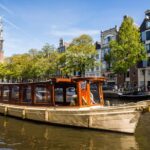
You’ll also hear why Amsterdam’s houses can look like they’re leaning. That story isn’t told as a spooky trick; it’s explained as a practical outcome of how the city developed and how people built and lived on unstable ground. The guide also connects that to the charm of houseboat life, so you don’t just see boats—you understand why they exist and what they mean.
And if you’re curious about the city’s oddities, you’ll likely enjoy the way Antonis handles details like weird practical features (the tour explicitly calls out strange city quirks). You end up learning Amsterdam through its everyday logic, not only its tourist highlights.
Bridges that teach: Aluminium Bridge and Staalmeestersbrug
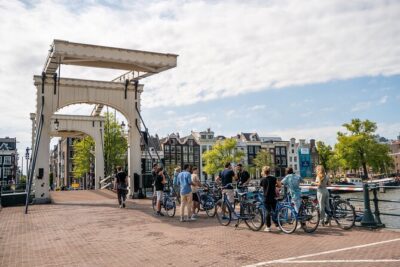
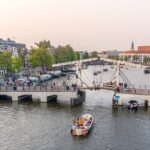
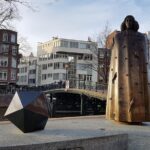
One of the tour’s best tricks is using bridges as pauses for meaning. You’ll cross or stop near the Aluminium Bridge and Staalmeestersbrug. These aren’t just photogenic moments. They’re used like small stages to explain how Amsterdam connects neighborhoods and how movement across water shaped daily life.
When you’re on a bridge in Amsterdam, you’re naturally positioned to understand scale. You can see canals stretch out, and you can look down at how everything is arranged. That’s the perfect setting for the guide’s explanation of water management and the city’s engineering mindset.
It also gives you room to shift from history mode into human mode. WWII stories later will feel more personal because, right now, you’re learning how the city physically supported daily routines—and how those routines could be disrupted.
The walking pace is relaxed, but you’ll want good shoes. Bridge areas can mean cobblestones, uneven footing, and lots of small turns. Nothing extreme, but it’s not a sit-and-smile tram tour either.
Jewish Quarter and the Holocaust Names Memorial: respectful and clear
This is where the tour turns serious. You spend time in the Jewish Quarter, with a guided focus that stays grounded in real places and real choices. Instead of getting lost in a long lecture, you get short, pointed context that helps you understand why these areas matter.
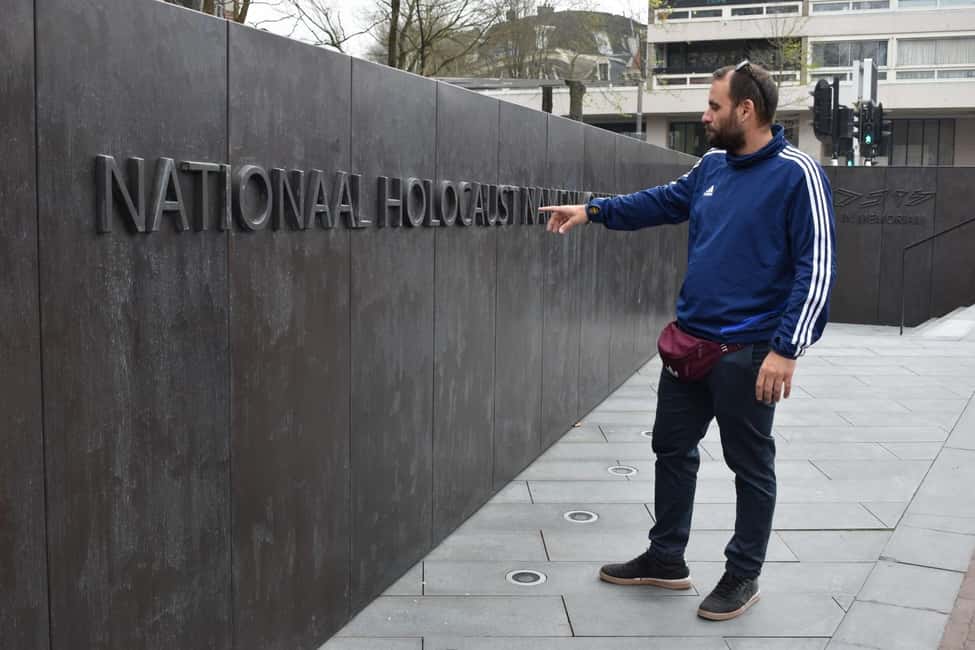
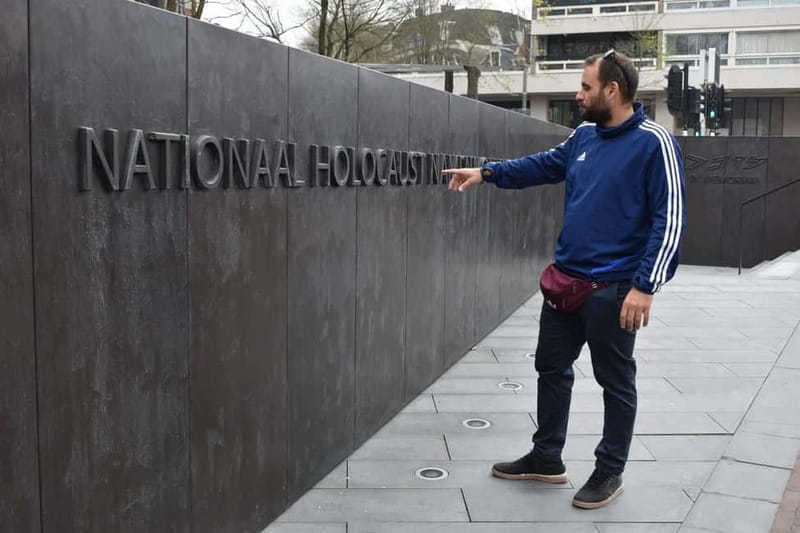
Then you reach the National Holocaust Names Monument. The tour builds toward this stop with earlier WWII framing, so it lands with more weight. You’ll reflect there, and the tone matters. This is not the kind of stop that rushes you for photos. It’s a moment for attention.
Nearby, you’ll also connect the memorial theme to the broader landscape you’re walking through. That includes reflections on the importance of compassion and resistance—ideas the guide threads through the whole experience, including the liberal values angle that gives the tour its name.
If you’re sensitive to heavy topics, it helps that the pacing isn’t nonstop. You get enough structure to stay present, and then you’re given space to absorb before moving on.


A quiet walk through Red Light District corners, without the spectacle
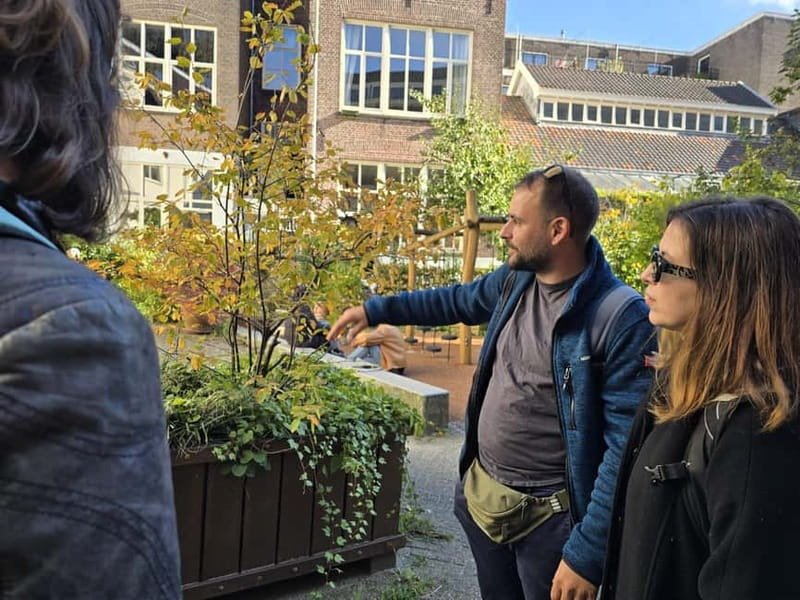
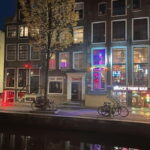
The tour includes quiet corners of the Red Light District, but it doesn’t feel like a thrill-seeking detour. Instead, it’s used as a context point: how Amsterdam’s society works, what freedoms look like, and how the city’s values show up in street-level reality.
This matters because Amsterdam gets stereotyped so easily. If you only know the nightlife image, you miss how deeply the city debates freedom and dignity in everyday life. Antonis’ approach keeps the focus on meaning, not gawking.
You can expect more humor than you might anticipate, but it stays appropriate. The guide’s “conversation” style helps here: you’re not herded, you’re engaged. That makes it easier to handle uncomfortable themes with a clear head.
Stops around the canal area also support this balanced tone. The guide’s explanations of Dutch education and how it supports progress are part of the same theme: people shaping society over time, not only responding to crisis.
Anne Frank VR at the end: optional, ticket-free, and passed around
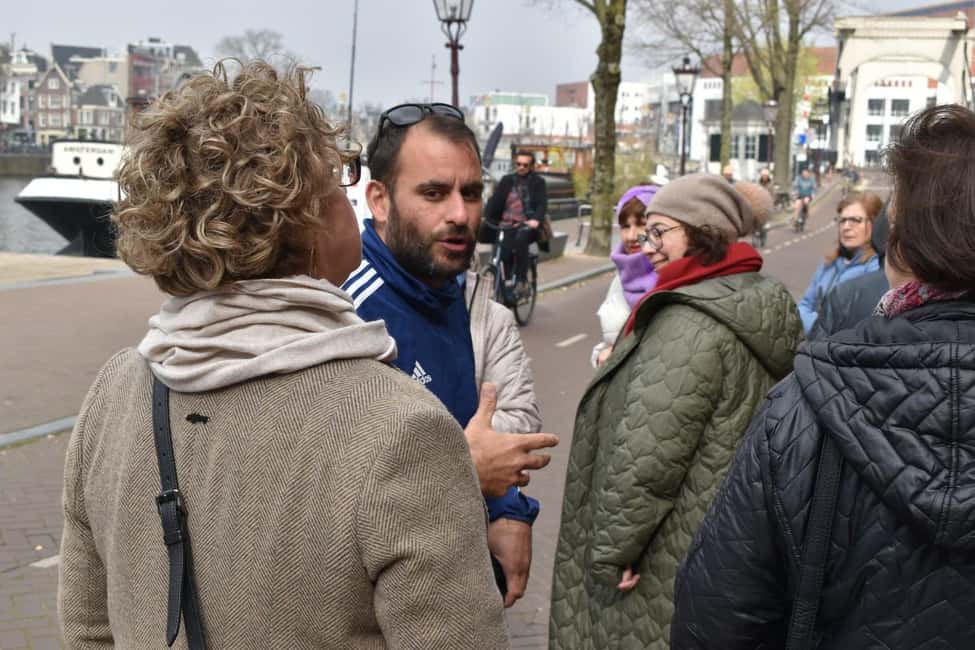
The final stretch is where you shift from walking history to experiencing a virtual one. The VR part is totally optional. There’s one headset, so it’s passed around, only if people feel like trying it. It’s not treated like a performance or a scheduled event. Instead, it works as a conversation starter while you hang out and unwind.
Best of all: you can do this without buying an Anne Frank House ticket. The VR is positioned as a way to step virtually into the Secret Annex when you might not have time for official entry.
A big practical point: because it’s optional and shared, the VR is less about getting every second and more about using it as a grounding tool. You’ll still get the human stories and the historical framing whether you try it or not.
After the VR, the overall arc makes sense. You’ve already visited memorial spaces and WWII-linked locations. The virtual piece adds emotional clarity, then the tour gives you time to reflect and ask questions.
Coffee, chocolate, bottled water, and the souvenirs that stick
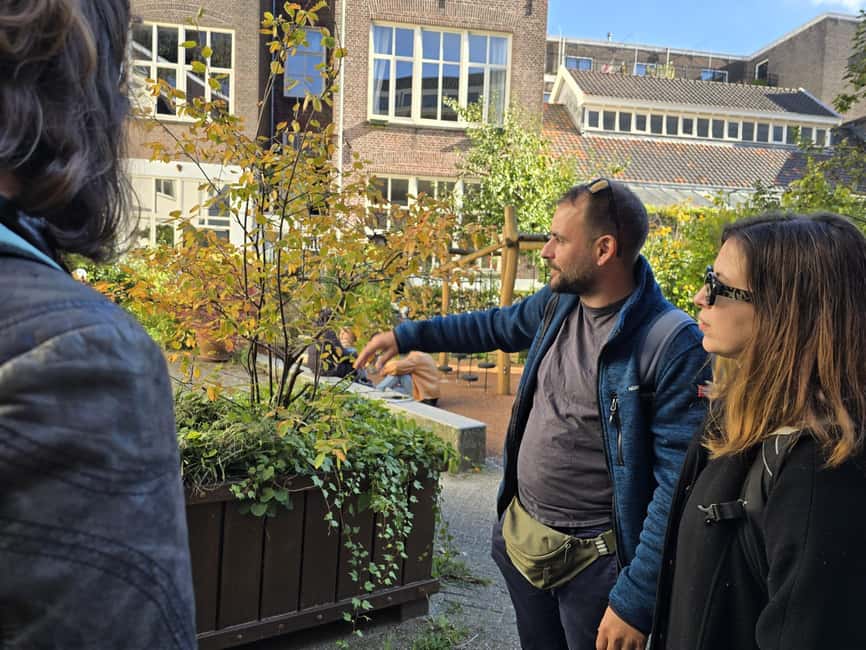
The tour includes a break with warm coffee and bottled water, plus a local sweet surprise (it can be chocolate or Dutch cookies, depending on the day). This pause is more than a snack stop. It gives you a reset point after WWII-heavy material so you can process without rushing.
Then come the take-home items that help the experience last longer than a memory. You’ll receive:
- a mini Polaroid taken during the tour
- a unique postcard that includes a personalized, handwritten message and an official stamp
- a list of recommendations from your guide for nearby bars and restaurants
That postcard detail is small, but it’s thoughtful. You get a piece of Amsterdam tied to your own trip, not a generic souvenir. And the restaurant tips matter because they’re given in the moment, after you’ve learned how the guide thinks about the city.
One practical bonus: the list of recommendations is the kind of tool that saves decision fatigue later. You’ll leave knowing where to go next, without spending half your evening googling.
Value for $33: why this feels more personal than typical tours
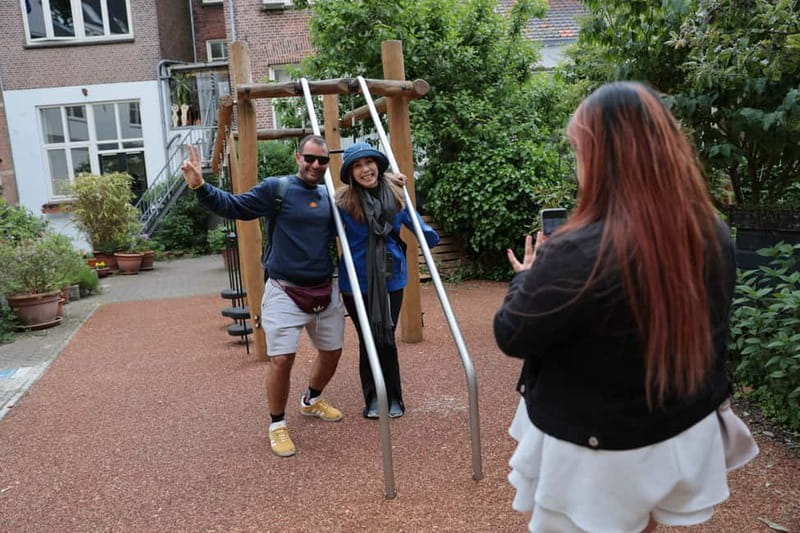
At about $33 per person for a 3-hour small-group tour, the value depends on your priorities. If you want a history walk that also gives you context, conversation, and emotional pacing, this pricing starts to look fair fast.
Here’s what you’re buying beyond the basic walking:
- a guide-led route with meaningful stops
- coffee, bottled water, and a sweet treat
- a high-quality VR experience option
- tangible souvenirs (Polaroid plus handwritten stamped postcard)
- personalized local recommendations
Most city tours can give you facts. This one tries to give you a worldview—Amsterdam as a place where liberal culture, education, and resistance show up in daily life. That kind of narrative glue is hard to get on your own without a guide who can connect the dots clearly.
The small group size is also part of the value. With limited participants, you’re more likely to ask questions and get real answers instead of waiting your turn.
Logistics that matter: pace, weather, and what to bring
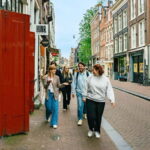
This is a relaxed walking tour, but plan for real streets and bridges. The tour includes pauses for guided explanations, photos, and questions. Still, it’s designed for people who can comfortably walk for the full experience window.
Bring:
- comfortable shoes
- a camera (especially for the Polaroid moment)
- water
- weather-appropriate clothing
Language is English, and the tour is led by Antonis. That’s important because the whole format relies on interaction, not just silent watching.
One more thing: the tour notes it’s not suitable for wheelchair users. If accessibility is a must, you’ll want to choose a different option.
Who should book Liberal Amsterdam and who might skip
This tour is a great match if you want Amsterdam beyond the obvious. I’d especially recommend it if:
- you care about WWII history but hate dry lectures
- you enjoy guided stories with humor and questions
- you like canal cities and want bridges explained in a human way
- you want a meaningful end moment with optional Anne Frank VR
It might not be the best fit if:
- you need fully accessible routes
- you dislike serious historical topics
- you expect a traditional, ticket-based museum visit with fixed VR timing
Should you book this tour?
If your goal is to understand Amsterdam’s liberal soul through WWII sites, canal logic, and a thoughtful ending, this is a strong choice. The guide-led conversation style, the pacing, and the mix of memorial reflection plus optional Anne Frank VR make it more memorable than a standard sightseeing walk.
Book it if you’re willing to walk, reflect, and ask questions. Skip it if you need maximum physical accessibility or if you want a fully scheduled, private VR experience.
FAQ
How long is the tour?
The tour lasts about 3 hours total, with roughly 2 hours of walking and about 1 hour for the coffee break plus the VR session.
Is the Anne Frank VR included, and do I need a ticket?
The tour includes a high-quality VR experience connected to Anne Frank House history, and it is described as possible without an Anne Frank House ticket.
Do I have to do the VR part?
No. The VR part is totally optional. The tour uses one headset that gets passed around only if people want to try it.
How many people are in the group?
The tour is a small group limited to 6 participants.
Where does the tour start?
You meet outside the restaurant De Silveren Spiegel at Kattengat 4-6.
Where does the tour end?
The tour information lists finishing at Waag, but it also notes the activity ends back at the meeting point. Check your booking confirmation for the exact end location.
What’s included in the price?
In addition to the guided walking, you get a coffee break with warm coffee, bottled water, a local sweet surprise (and chocolate), a mini Polaroid photo, and a unique postcard with a personalized handwritten message and official stamp. You also get a list of recommendations.
Is this tour wheelchair accessible?
No. It is not suitable for wheelchair users.
What should I bring?
Wear comfortable shoes, and bring a camera, water, and clothing appropriate for the weather.