Forget the usual canal loop.
This private “hidden streets” tour shows Amsterdam at walking pace, with courtyards and neighborhood corners that feel calmer than the big sightseeing routes. I especially love the stop-and-explain storytelling around the world’s first stock market and the town-square power plays, and I also love the courtyard history—like the Karthuizerhof built in 1650 for widows. The only real drawback is the distance: you’ll walk about 4 km (2.5 miles) over roughly 2.5 hours, so good shoes matter.
I like that you can choose a start time that fits your day, and that it’s genuinely private—just your group, not a crowd funnel. The guide I met in this style (often Christian or Michael from The Amsterdam Feeling) makes the route feel personal, and you’ll leave with practical recommendations for what to do after the walk.
If you want nonstop big-ticket landmarks and museum time, this tour may feel more like street history and local life than a greatest-hits sprint. Still, it hits plenty of recognizable Amsterdam—and then turns you onto quieter streets where the city actually shows its working rhythms.
In This Review
- Key reasons this tour works well
- Private walking with friends: why this beats the standard Amsterdam scramble
- Walking basics: distance, timing, and comfort tips that actually matter
- Beursplein to Dam Square: Amsterdam’s power story in plain language
- The Canal Ring edges: medieval expansion you can actually see
- Nine streets and the “shopping away from crowds” mindset
- Jordaan: hidden streets, squares, and the neighborhood that still feels real
- Courtyard history at Karthuizerhof: widows’ housing built in 1650
- Passing the Anne Frank House and ending at Westerkerk/Rembrandt
- What you’ll actually take away (beyond photos)
- Price and value: what $101.15 buys you in Amsterdam
- Who should book this (and who might want a different style)
- Should you book this hidden-streets tour?
- FAQ
- How long is the private tour?
- Where does the tour start and end?
- Is the tour in English?
- Is it a private tour?
- How much walking is involved?
- Are there admission tickets involved?
- What’s the meeting point address exactly?
- Can service animals join?
- Is free cancellation available?
- FAQ
- Is the tour suitable for most people?
- What if I’m using public transportation?
Key reasons this tour works well
- Private pace on quiet streets: you get your own group and can set the tempo without holding up a big tour pack.
- World finance origins, not just pretty buildings: the walk connects Amsterdam’s growth to real civic moments, including the world’s first stock market.
- Courtyards with a purpose: Karthuizerhof is time-stamped history, including housing for widows built in 1650.
- Jordaan beyond the postcard view: you’ll move through hidden squares and street corners that keep the neighborhood feeling authentic.
- Classic Amsterdam icons, used as story props: Dam-area institutions, the Canal Ring expansion, and the Westerkerk/Rembrandt link all make sense when placed in context.
- Actionable follow-up tips: you’ll get tailored ideas for the rest of your trip, so the tour doesn’t just end with a photo.
Private walking with friends: why this beats the standard Amsterdam scramble
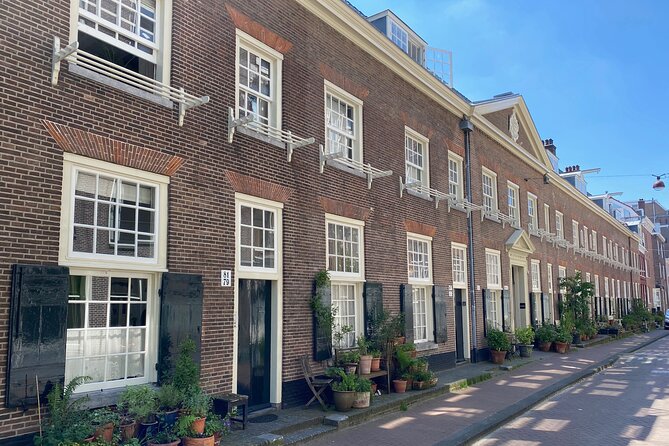
Amsterdam can be fun, but it’s easy to get boxed into the same routes over and over. This tour’s core idea is simple: you see the famous city moments, then you step into the slower lanes—courtyards, side streets, and neighborhood pockets where the city feels lived in.
Because it’s private, you’re not stuck with a rigid group rhythm. That matters when you want to pause for a better look at a canal edge, ask one extra question about a building’s original role, or linger in a square just long enough to absorb the atmosphere.
It’s also structured like a walk for people who like context. You’re not just ticking off sights—you’re getting the “why” behind them as the route moves from the central power zone into the Canal Ring and then into the Jordaan.
You can also read our reviews of more private tours in Amsterdam


Walking basics: distance, timing, and comfort tips that actually matter
The tour runs about 2 hours 30 minutes and includes walking of about 4 km (2.5 miles). That’s not a hike, but it is continuous enough that you’ll feel it if you’re in worn-out shoes or you’re carrying heavy bags.
There’s no mention of long indoor museum stops, so expect mostly outdoor walking and street-level observing. If you’re prone to low energy after a couple hours on your feet, plan a slower afternoon afterward.
The route is designed so that most travelers can participate, and service animals are allowed. It’s also near public transportation, which helps if you want an easy return plan or you’re coordinating with other parts of your trip.
Beursplein to Dam Square: Amsterdam’s power story in plain language
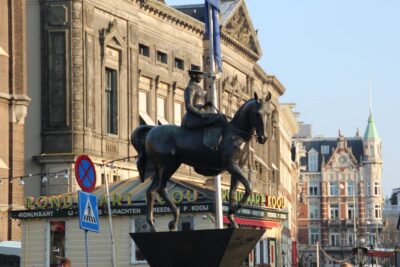
The walk starts at Beursplein 1-3, right where you can feel the city’s financial identity. The guide kicks things off with Amsterdam’s origins and, specifically, how the world’s first stock market shaped the city’s ambitions. It’s a strong opening because it frames what you’ll see later: Amsterdam built itself through trade, finance, and civic institutions—not just canals.
From there, you move into the area around the central square and learn why it mattered historically and how it functioned as a focal point for civic life. Then the route pivots to a key building that originally served as the town hall of Amsterdam. Even if you’ve passed by the area before, you’ll start spotting it with a new understanding of what it represented.
This section is valuable because it turns “big square + big building” into a coherent story. When you know the civic role, the architecture stops being background and starts acting like a time machine.
The Canal Ring edges: medieval expansion you can actually see
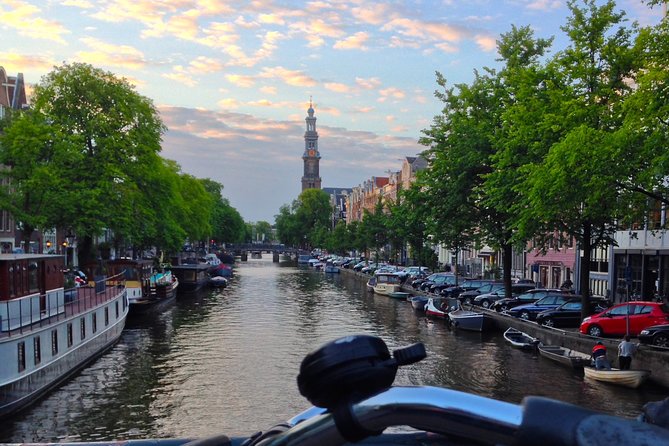
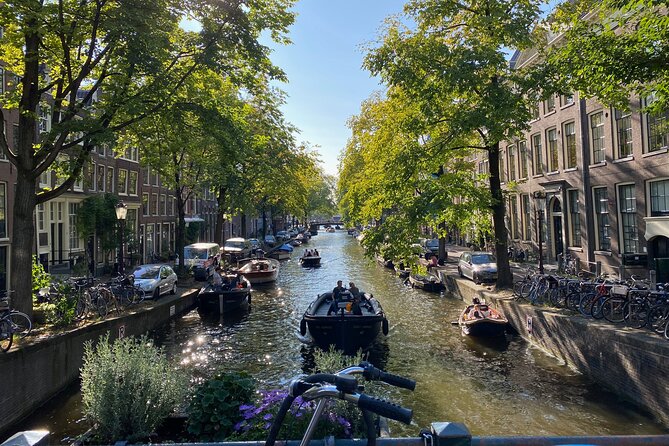
Next, you cross the Canal Ring of Amsterdam and connect what you’re walking across to how the city extended during medieval times. The Canal Ring isn’t just a pretty border—it’s part of how Amsterdam organized space as it grew.
One nice practical touch is that this portion is listed as admission ticket free, which keeps the pace moving. You’re guided through the logic of expansion while you still get the sensory payoff: canal views, street angles, and the feeling of Amsterdam’s layered city planning.
If you love architecture but hate reading plaques for 45 minutes, this part is a good match. You get the explanation while you’re still in motion, so the details stick.
Nine streets and the “shopping away from crowds” mindset
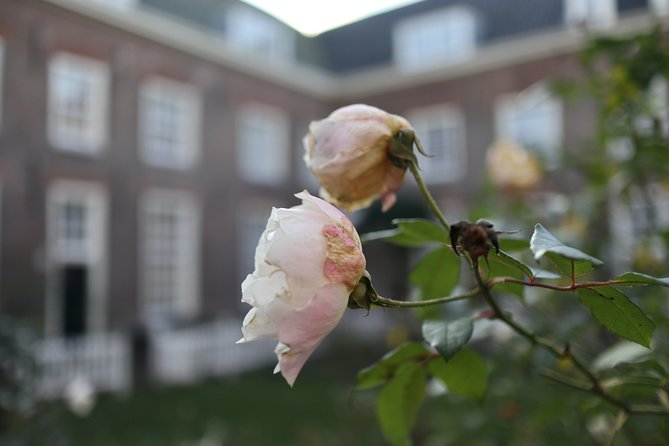
After the canal section, the tour shifts into a smaller-scale Amsterdam shopping zone—part of the city where you can wander without being crushed by mass-tour flow. The idea here is not luxury shopping. It’s more about texture: smaller streets, quieter storefront rhythm, and local commercial life.
This segment works best when you’re willing to look slowly. If you treat it like a quick walk-through, you’ll miss the point. But if you like small finds—books, design bits, artisanal items—this is where the city feels more personal.
Also, because you’re on a private tour, the guide can steer you based on what you’re into. You’re not stuck with one “shopper script.”






Jordaan: hidden streets, squares, and the neighborhood that still feels real
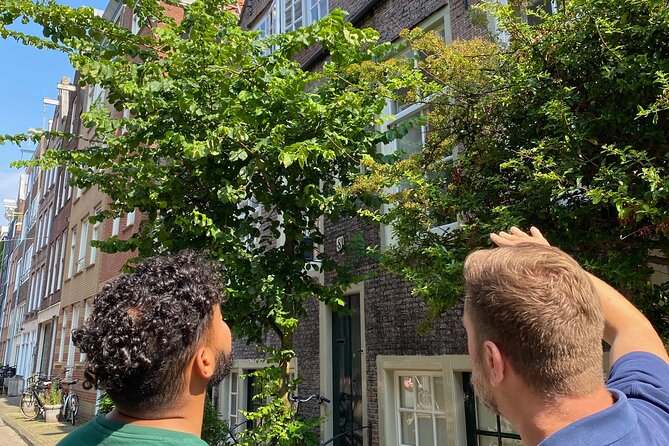
The Jordaan section is where the tour really leans into its theme: quieter Amsterdam with character. You’ll explore hidden streets and squares and learn why the Jordaan is considered an authentic neighborhood that has held onto more of its core identity.
Jordaan also tends to reward people who like micro-watching. You’ll notice the scale shifts, the street corners, and how daily life feels different from the central tourist zone. It’s a change of pace in the best way.
A particularly memorable moment in this area is the explanation around the church for the poor, including why it was constructed exactly here. That kind of detail makes you see a “church building” as a social decision, not just a landmark.
Courtyard history at Karthuizerhof: widows’ housing built in 1650
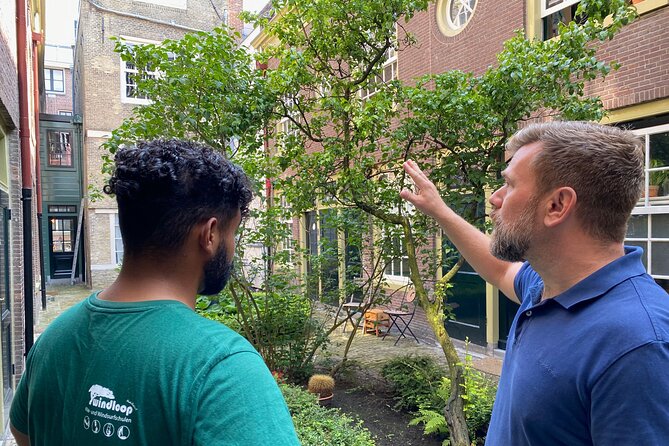
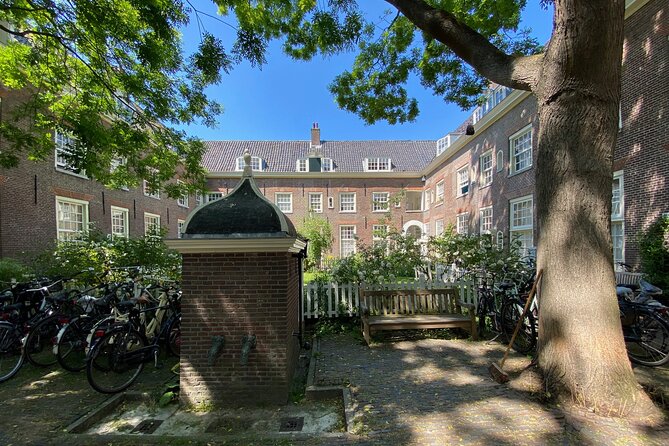
One of the most powerful stops is Karthuizerhof, a courtyard constructed in 1650 for widows. The guide ties it directly to early social housing—one of the first examples of that kind of project in the world.
Even if you’re not a “history person,” this stop lands because you can stand in the space and understand how it was meant to function. It turns a courtyard from a pretty pause into a human story: housing designed for people who needed protection and stability.
It’s also quick—about 10 minutes—so it doesn’t drag. You get the emotional weight and the historical context without losing the rest of the route to one long stop.
Passing the Anne Frank House and ending at Westerkerk/Rembrandt
During the Jordaan stroll, you’ll pass by the Anne Frank House. The tour doesn’t position this as a dramatic photo stop; it uses the location as a marker in the neighborhood’s layered story. If you want to go inside, you’ll have to plan that separately, since this tour is focused on walking and context.
The final stretch includes the Westerkerk, described as a marvel of a church, and you’ll learn that Rembrandt was buried there. This adds a big cultural connection to the end of the route, so the tour finishes with a strong sense of Amsterdam’s artistic and civic threads.
As a closing move, it works because you’ve already built context earlier. You’re not just ending at a famous spot—you’re ending with meaning.
What you’ll actually take away (beyond photos)
I love tours that change how I look at the city. This one does that by tying street-level sights to civic choices—finance, governance, social housing, and neighborhood development.
You’ll likely notice a pattern in your head after the walk: Amsterdam grew through systems. Trade money, civic squares, town hall authority, and housing solutions all feed into how neighborhoods formed and survived.
Then there’s the practical payoff: you should get tailored recommendations for what to do after the tour. That’s where a private guide earns their keep. Instead of generic “go here next,” you get suggestions shaped to your interests and your time.
Price and value: what $101.15 buys you in Amsterdam
At $101.15 per person, this isn’t the cheapest way to see Amsterdam on foot. But the pricing makes sense if you compare what you’re getting: a private experience, a structured route with multiple story-driven stops, and English guidance for about 2.5 hours.
It’s usually best value when you’re not traveling solo. If you have a small group of friends or family, the private format turns from luxury into “smart convenience.” You’re paying for time with a guide who can adjust to your questions and keep the route coherent.
Also, several parts are listed as admission ticket free (including the canal-ring crossing and major walking segments). That helps keep the total cost from ballooning with add-on tickets.
Who should book this (and who might want a different style)
Book this if you want:
- A quiet, story-led Amsterdam that’s not just canal selfies.
- Neighborhood walking, including the Jordaan and its side streets and squares.
- Courtyards and civic history like Karthuizerhof (widows’ housing, 1650) and the church for the poor.
Consider another option if:
- You need a tour that includes lots of long museum interiors or planned ticketed attractions.
- Your group struggles with continuous walking for around 2.5 hours.
Should you book this hidden-streets tour?
I’d book it if you want Amsterdam to feel like a city with systems, not just a backdrop. The mix of Dam-area civic history, Canal Ring context, and Jordaan street textures is a strong recipe for getting your bearings fast—then using your remaining time wisely.
If your travel style is “show me what I’d miss on my own,” this tour’s format is built for that. You’ll leave with a clearer sense of where the city’s identity comes from, plus a route-friendly plan for what to do next.
FAQ
How long is the private tour?
It lasts about 2 hours 30 minutes.
Where does the tour start and end?
It starts at Beursplein 1-3, 1012 JW Amsterdam, Netherlands, and ends at Elandsgracht, Amsterdam.
Is the tour in English?
Yes, it’s offered in English.
Is it a private tour?
Yes. It’s private, so only your group participates.
How much walking is involved?
You should be able to walk about 2.5 miles / 4 km during the tour.
Are there admission tickets involved?
The tour notes admission ticket free for parts of the experience, including the Canal Ring segment. Mobile ticketing is provided, but the overall plan is structured as a walking tour.
What’s the meeting point address exactly?
The start location is Beursplein 1-3, 1012 JW Amsterdam, Netherlands.
Can service animals join?
Yes, service animals are allowed.
Is free cancellation available?
Yes. You can cancel up to 24 hours in advance for a full refund.
FAQ
Is the tour suitable for most people?
Most travelers can participate, with the main requirement being that you can walk for the duration and distance.
What if I’m using public transportation?
The meeting point area is near public transportation, which should make it easier to arrive and leave.