REVIEW · AMSTERDAM
Amsterdam: Van Gogh Museum Guided Tour with Entry Ticket
Book on GetYourGuide →Operated by Orange Adventures · Bookable on GetYourGuide
Van Gogh makes more sense in a guide. This 2-hour Van Gogh Museum tour in Amsterdam pairs guided storytelling with included entry, so you don’t just see paintings—you understand the thinking behind them. I love the focus on Theo correspondence and the way the guide points out easy-to-miss details in works like The Potato Eaters and Sunflowers.
One possible drawback is the pace. With a tiny group (listed up to 2, and sometimes up to 4 depending on ticket availability), the session is built for highlights in about 2-hour time, not slow wandering through every room.
In This Review
- Quick hits for your Van Gogh Museum visit
- Inside the Van Gogh Museum with a real guide (not a headset)
- Where you meet and how the start keeps stress low
- A 2-hour plan built around Van Gogh’s life (and the big questions)
- The one trade-off
- Theo’s letters: the thread that makes the paintings click
- Spotlight works you’ll actually know how to look at
- What to do while listening
- Painting technique: how the guide connects method and emotion
- Small group reality: why it feels easier than big-tour pacing
- Meeting the museum’s busiest days with the right rhythm
- Price check: does $230 per person make sense?
- Booking flexibility and what to know before you go
- Practical tips to make your 2-hour tour feel worth it
- Should you book this Van Gogh Museum guided tour?
Quick hits for your Van Gogh Museum visit
- Skip-the-line express security with your entry ticket included
- Small group feel (typically up to 2, sometimes up to 4 depending on the day)
- Theo’s letters as a backbone for understanding Vincent’s ideas and struggles
- Hands-on viewing tips for noticing details in The Potato Eaters and Sunflowers
- A tour that connects life and technique rather than treating paintings like isolated objects
- Easy meeting point at the museum entrance, across from it under the Bathtub building nickname
Inside the Van Gogh Museum with a real guide (not a headset)
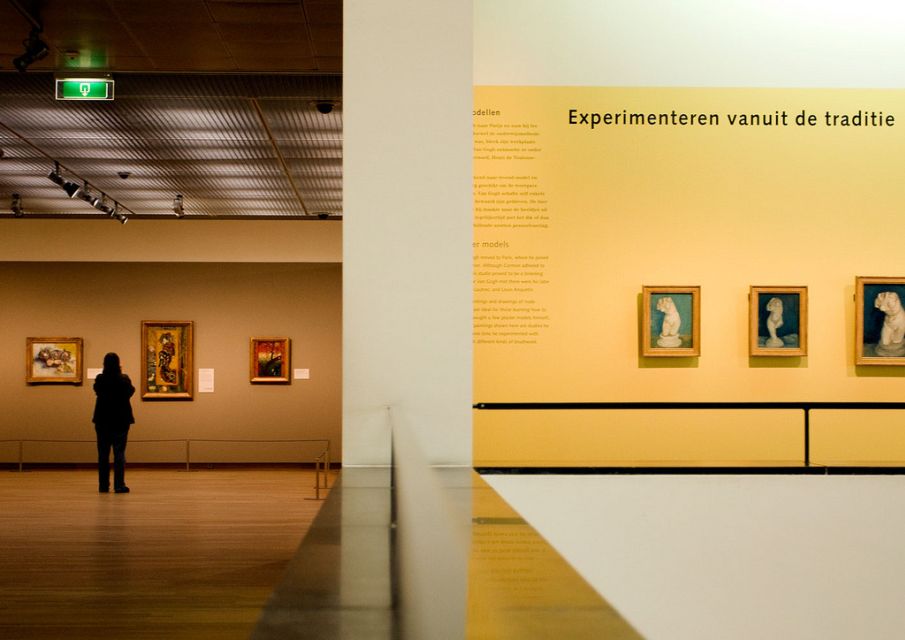
I like museums best when someone helps me see. This tour does that fast. You get a live guide plus admission, and you’ll cover Van Gogh’s life and work in a clear arc—how he struggled, how he worked, and how his ideas shaped what you see on the walls.
What makes the experience especially strong is the way it uses letters and context. Van Gogh’s correspondence—particularly with his brother Theo—isn’t treated like trivia. It’s used as a lens for how Vincent thought and painted, including why certain techniques show up the way they do.
You can also read our reviews of more tours and experiences in Amsterdam



Where you meet and how the start keeps stress low

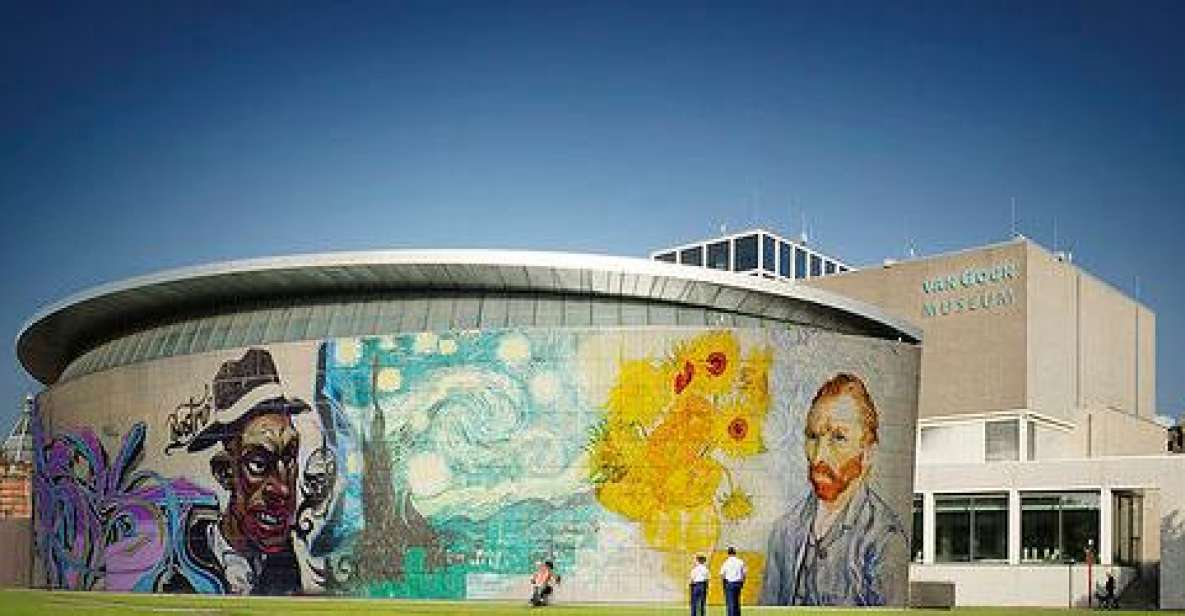
You meet your guide at the Van Gogh Museum entrance. Look across from the entrance under the odd-looking building nicknamed the Bathtub. It’s a practical meeting point, and that matters on a busy museum day.
Then you get express security. That small time-saver is a big deal at the Van Gogh Museum. Instead of losing your energy to queues, you can get your bearings and start listening while you’re still fresh.
A 2-hour plan built around Van Gogh’s life (and the big questions)
The tour is designed to fit in 2 hours, and that shapes the whole visit. The guide leads you through the museum highlights, using Vincent’s biography as the thread. You’ll hear about his struggles, his approach to painting, and why his work became so influential even though he sold only one painting during his lifetime.
A key part of the format is that you don’t just hear dates. You get explanations you can apply while looking. Expect conversations that connect:
- What Vincent was trying to do
- How his techniques supported his goals
- How his letters reveal the mindset behind the images
Some guides also adjust the pace based on where you’re starting. For example, guides like Rolf Schreuder are known for bringing a high-energy, art-history style and for being willing to answer lots of questions. Another guide highlighted in past experiences is Evert van Eijk, who’s described as patient and kind, with a sense of humor that keeps kids and adults engaged.
If you’re someone who likes a museum to feel chronological, this tour hits that note. One guide style described in experiences includes starting with portraits and then moving through Vincent’s life in a structured way.
The one trade-off
You’re seeing the museum’s highlights, not every single work in the building. If you’re the type who reads every label and re-reads every panel, you may find yourself wanting more time in certain rooms after the tour ends.
Theo’s letters: the thread that makes the paintings click
I didn’t expect letters to be so useful in a painting museum. But that’s exactly what the tour leans on. You’ll spend time on Vincent’s correspondence with Theo, and the guide uses those letters to show how Vincent processed his world—what he cared about, what bothered him, and what he wanted art to do.
This matters because Van Gogh can feel emotionally loud on first glance. Letters add structure to that emotion. They help you see the connection between what he believed and what he chose to paint.
This is also where the guide’s explanations tend to do the most work for you. If you’ve ever stood in front of a famous artwork and felt like you were missing the point, this format is designed to close that gap before you get overwhelmed.
You can also read our reviews of more guided tours in Amsterdam






Spotlight works you’ll actually know how to look at
The tour doesn’t treat masterpieces like museum trophies. It trains your eyes.
Two examples that are specifically called out include:
- The Potato Eaters
- Sunflowers
You’ll learn about easy-to-miss details in those paintings, and that’s the kind of tip that pays off for the rest of your visit. Once you know what to look for, you start noticing it everywhere—light choices, texture effects, and how the composition guides your attention.
You’ll also see major works and other key highlights around the museum. The guide ties each selection back to Vincent’s life or technique, so you’re not just memorizing titles. You’re building a mental map of why each piece exists.
What to do while listening
To get the most out of this part, keep one simple habit: look for the detail the guide names. Don’t just nod while walking. Stop where the guide stops, and then spend 30–60 seconds trying to spot the mentioned feature on your own. That’s where the tour becomes personal.
Painting technique: how the guide connects method and emotion
This is a tour that talks about struggle and painting technique side by side. You’ll hear about Vincent’s struggles—his persistent drive, his frustrations, and the realities of the life he lived. Then the guide brings it back to the canvas: how he painted, and what he was trying to achieve through his methods.
That combination is valuable because technique can feel dry when you read it in a label. In a guided format, technique becomes meaning. You can understand why a choice in brushwork or color shows up where it does, and what it might have been doing for Vincent at the time.
There’s also room for discussion. In past experiences, guides have been described as encouraging questions and linking ideas across paintings. One guide style even includes color-oriented conversation, such as complimentary and contrast, which can help you see why certain works feel intense even when you can’t name every ingredient.
Small group reality: why it feels easier than big-tour pacing
This is a small-group tour with a limit listed at 2 participants, and some times up to 4 depending on ticket availability. Either way, it’s far from the “herded through the museum” feeling.
That smaller size changes the whole experience in practical ways:
- You can ask questions without waiting in line
- The guide can slow down for confusion and move when you’re ready
- You’re more likely to get specific viewing tips, not just general comments
It also helps the guide manage the museum flow. One recurring theme from guide experiences is that they’re good at getting you through the crowds so you can focus on the art instead of fighting foot traffic.
Meeting the museum’s busiest days with the right rhythm
The Van Gogh Museum is one of the most popular tourist attractions in the Netherlands, so the days can feel packed. This tour’s structure helps. You’re using express security, and you’re following a plan that prioritizes highlights.
Still, your expectations should match the format. You’ll get a lot of ground covered in 2 hours. But you won’t have unlimited time in front of each artwork. Think of it as an art-history primer that also teaches you how to look.
If you want the full museum experience afterward, plan to return later (or spend extra time on the works the guide flags for you). The tour is best treated as a head start, not the whole destination.
Price check: does $230 per person make sense?
At $230 per person for a 2-hour guided tour with entry ticket, this isn’t a budget add-on. But it can be good value if you care about understanding what you’re seeing.
Here’s why the price can work:
- Entry is included, so you’re not paying that separately
- You get a live guide for 2 hours, not just a self-guided plan
- You skip regular hassle via an express security check
- The guide helps you notice details in specific paintings, like The Potato Eaters and Sunflowers
The best case for this tour is when you want more than images. If you’re coming with curiosity—about Vincent’s letters, his struggles, and why his technique looks the way it does—this format pays you back fast.
The main reason it may not be worth it is if you mainly want time to drift through the museum at your own speed. If that’s your style, you might prefer a self-guided visit where you can linger as long as you like.
Booking flexibility and what to know before you go
The tour notes flexibility options and cancellation terms, including free cancellation up to 24 hours in advance for a full refund. It also offers reserve now and pay later, so you can hold your spot while your Amsterdam plans firm up.
One more practical point: group size can vary by day. It’s listed as limited to 2 participants, but the schedule can run with a maximum of 4 pax on the indicated time depending on ticket availability. If you’re booking for a specific date and want the smallest possible group, it’s worth checking the available slots you’re considering.
Finally, this provider works directly with the Van Gogh Museum, and can sometimes offer the tour when the museum is sold out. That matters if you’re traveling during peak season.
Practical tips to make your 2-hour tour feel worth it
- Arrive a few minutes early and go straight to the exact meeting area at the entrance, across from it under the Bathtub building nickname.
- Wear comfortable shoes. Two hours in a museum, plus crowd navigation, adds up.
- If you already know a lot about Van Gogh, tell the guide early. Some guides are good at gauging where you’re starting so they can tailor the visit.
- If you know you’ll want follow-up, take note of any painting names your guide emphasizes, especially The Potato Eaters and Sunflowers.
Should you book this Van Gogh Museum guided tour?
I’d book this tour if you want a structured Van Gogh experience where the paintings are explained through Vincent’s life, his letters to Theo, and the techniques behind the work. It’s also a strong pick if you dislike standing around reading labels while other people bump into you.
I wouldn’t book it if you’re only after a slow, personal stroll through every room. The format is built for highlights and clarity, not for “spend 40 minutes in one gallery” pacing.
If you’re on the fence, use this rule of thumb: if you want to leave knowing how to look at Van Gogh instead of just having seen him, this tour is the efficient way to get there.