REVIEW · AMSTERDAM
Amsterdam: Red Light Secrets Museum Entry Ticket
Book on GetYourGuide →Operated by Tours & Tickets · Bookable on GetYourGuide
A museum behind the red-light glass. At the Red Light Secrets Museum of Prostitution, you learn how sex work became part of Amsterdam’s story, from 17th-century rooms to legalization in 2000. It’s not a street show or a gossip stop—it’s a guided, head-on look at the industry, told in plain language.
I love the former brothel rooms inside a 17th-century building. I also like the chance to sit in a sex-worker window, so the experience isn’t just something you read from a distance.
One thing to plan for: entry happens only during your time-slot, and the flow at the door can feel crowded.
In This Review
- Key things that make this museum worth your time
- Where Red Light Secrets fits in your Amsterdam day
- Getting in: tickets, time-slots, and the door flow
- Inside the former brothel: what the rooms actually do
- The window-seat perspective (and why it’s more than a photo op)
- Audio guide: how the stories are delivered in multiple languages
- Legalization in 2000: the context you’ll carry back to the streets
- Confession Wall: the funny parts, the hard parts, and the why
- Graphic moments: what to expect if you’re sensitive
- Time, pacing, and how to get the most out of a short visit
- Price and value: what $17 buys you in Amsterdam terms
- Who this is best for (and who should think twice)
- Practical details: what to know before you go
- Should you book the Red Light Secrets Museum entry ticket?
- FAQ
- What is the Red Light Secrets Museum of Prostitution ticket for?
- Where is the meeting point?
- Do I need to choose a time-slot?
- What’s included with the ticket?
- How long does the visit take?
- What languages are available on the audio guide?
- Is it suitable for kids?
- Is the museum wheelchair accessible?
- Can I cancel for a refund?
- Is there skip-the-line entry?
- What’s the best way to use the Confession Wall area?
Key things that make this museum worth your time
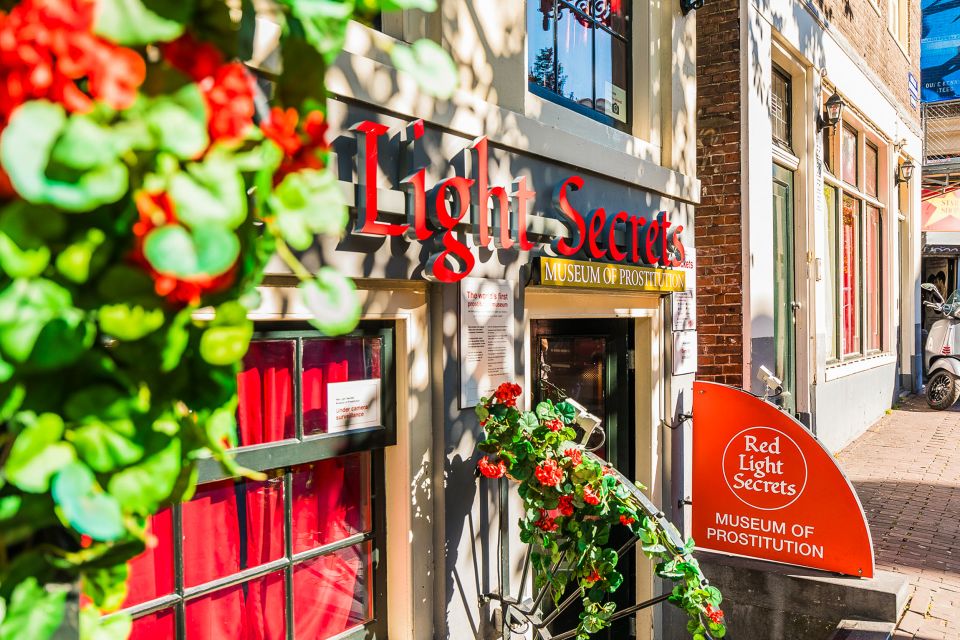
- 17th-century house, former brothel layout: you walk through spaces built for the work, not generic exhibits
- Sit in a window: you get a real sense of what it looks like from the street vs. inside
- The legalization timeline (2000): the museum frames Amsterdam’s approach in a historical way
- Audio guide in multiple languages: Dutch, English, French, German, Italian, Spanish
- Confession Wall: funny, blunt, and occasionally hard to read with a straight face
- Short visit window: the route is compact, often finished in about 15–30 minutes
Where Red Light Secrets fits in your Amsterdam day
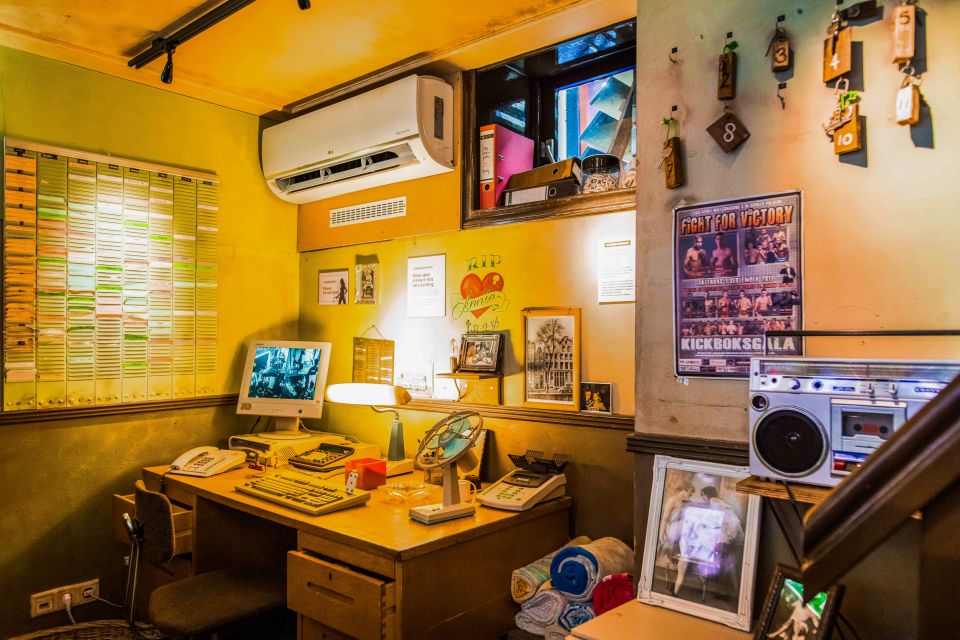
The Red Light Secrets Museum of Prostitution sits right where Amsterdam’s Red Light District starts to feel like a place you can’t ignore. People come for the windows, the neon, the whole theatrical vibe. This ticket gives you the context that’s usually missing: why this district looks the way it does, and how Dutch policy helped shape the sex-work reality.
Think of it as a focused stop you can build into a bigger walking plan. You’ll still be out in the streets afterward—but now you have a framework for what you’re seeing. And that changes the whole tone of the area.
The museum experience is also designed to be manageable. It’s not an all-day seminar. Once you’re in at your time, you move through the route at your own pace while listening to the audio guide.
You can also read our reviews of more tours and experiences in Amsterdam

Getting in: tickets, time-slots, and the door flow
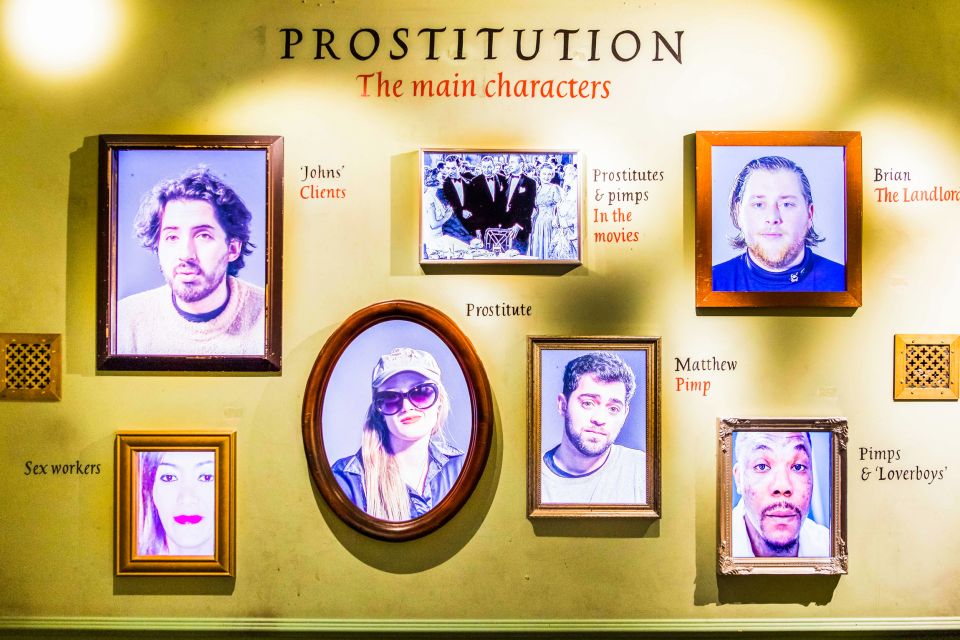
Your ticket is timed. You go to Oudezijds Achterburgwal 60h, 1012 DP Amsterdam, and you present your voucher for scanning. The museum only lets you access at your chosen slot, so don’t arrive half an hour early and expect to wander inside right away.
There’s a practical wrinkle: even with pre-booked tickets, you can still find yourself queued when lots of people arrive at the same time. The good news is that the museum itself feels efficient once you start. The not-so-fun part is the moment just before you enter—so try to time your arrival so you don’t get stuck waiting right at the busiest minutes.
A simple strategy: pick an early slot if you hate crowds, or a later slot if you’re comfortable sharing space. If you notice one line moving faster than another, follow what the staff are directing instead of second-guessing it.
Inside the former brothel: what the rooms actually do
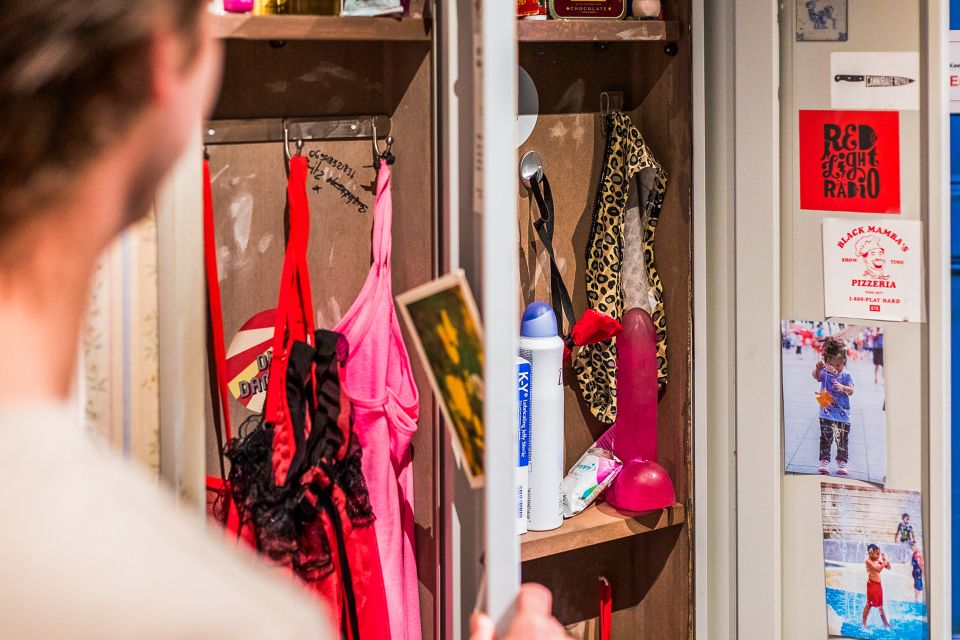
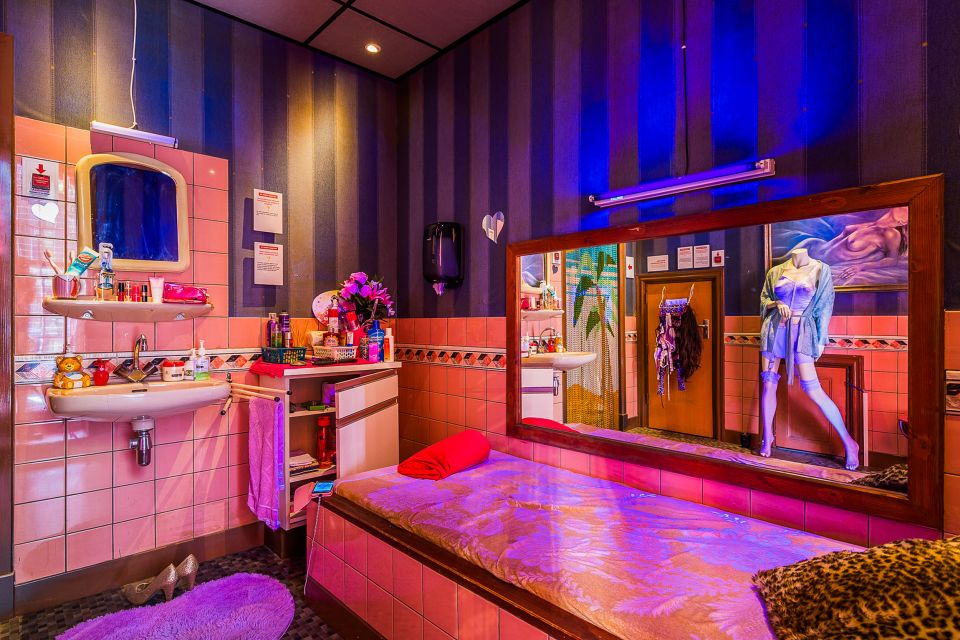
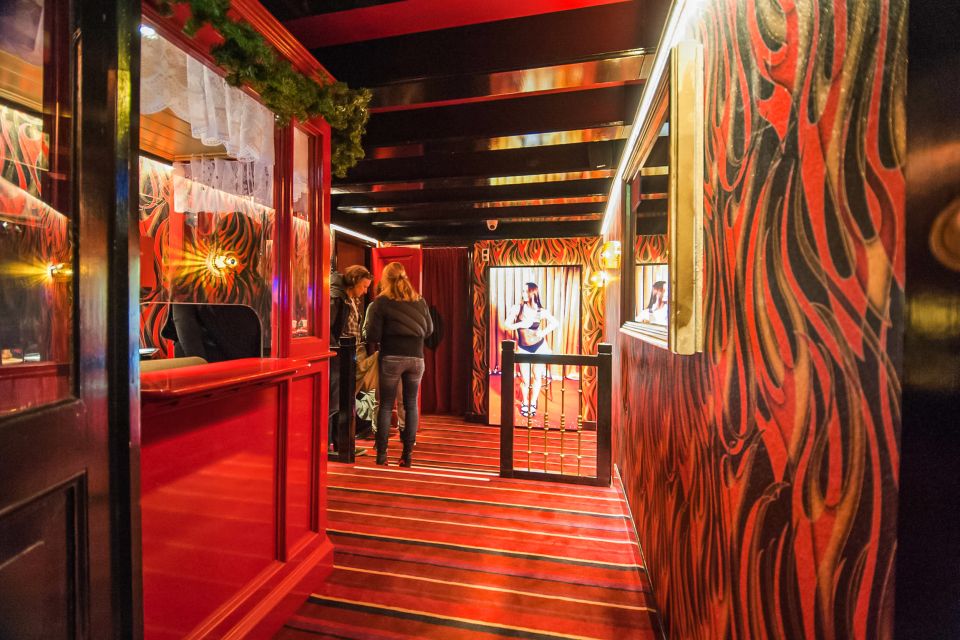
The star of this experience is the setting. The museum is housed in a 17th-century building that was once used as a brothel. That matters more than it sounds. You’re not looking at sex-work history in a glass case. You’re moving through spaces that feel like they were designed for privacy, viewing, and close contact.
As you walk, the museum frames the Red Light District not as a myth, but as a workplace shaped by rules and routines. You’ll see rooms where sex workers carried out their jobs, plus explanatory panels that connect those spaces to Amsterdam’s changing social attitudes.
One of the best moments is when you understand the layout of “see-through vs. stay-inside.” The museum turns this from voyeur curiosity into a perspective exercise. You aren’t just staring at windows; you’re being guided to imagine the full exchange from both sides.
The window-seat perspective (and why it’s more than a photo op)
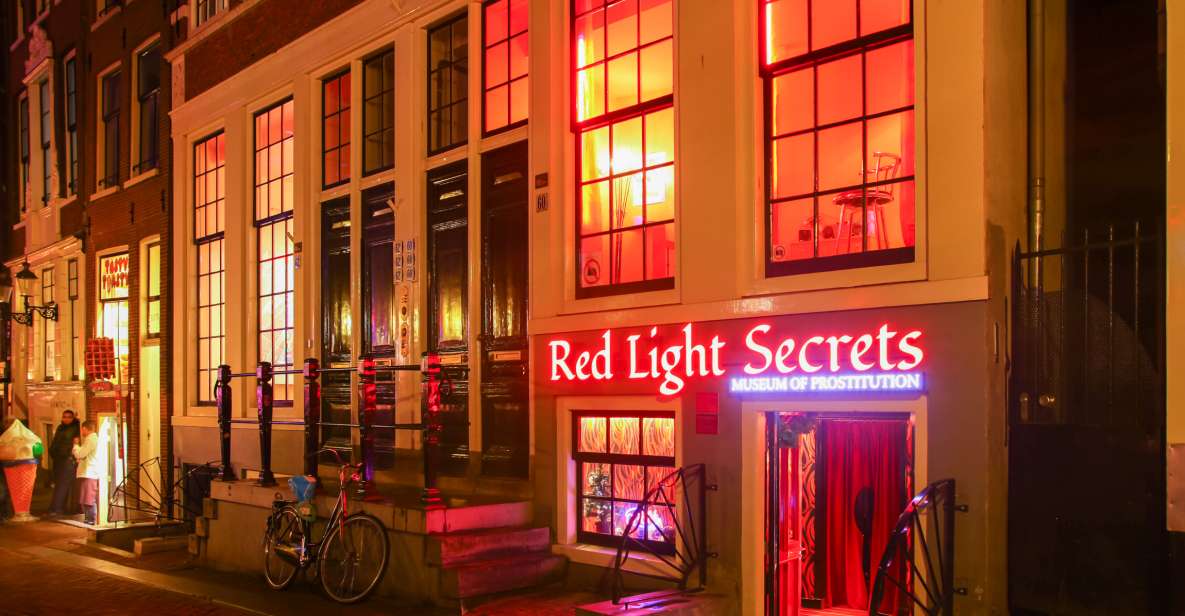
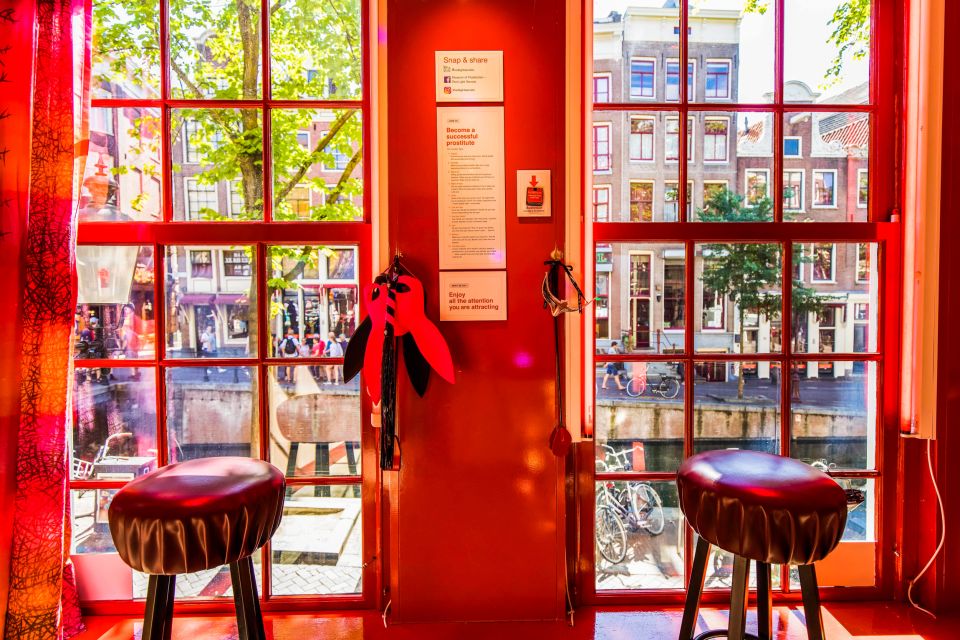
The museum includes a very specific experience: you can take a seat in a sex worker’s window. This is the point where the whole message clicks.
From the street, those windows look like a snapshot—light, silhouette, and quick judgment. In the museum, the window becomes an observation point with context. You feel the angle of the viewing, the feeling of being on display, and how distance changes what people think they know.
You’ll probably notice how the museum doesn’t rely on shock value alone. Yes, the subject is adult. But the tone stays focused on work, choices, and the lived reality behind the glass. That’s why the window-seat section lands harder than you might expect.
It’s also where you may catch yourself changing your posture—less like a tourist, more like a person trying to understand the situation. That’s the museum’s real trick.
Audio guide: how the stories are delivered in multiple languages
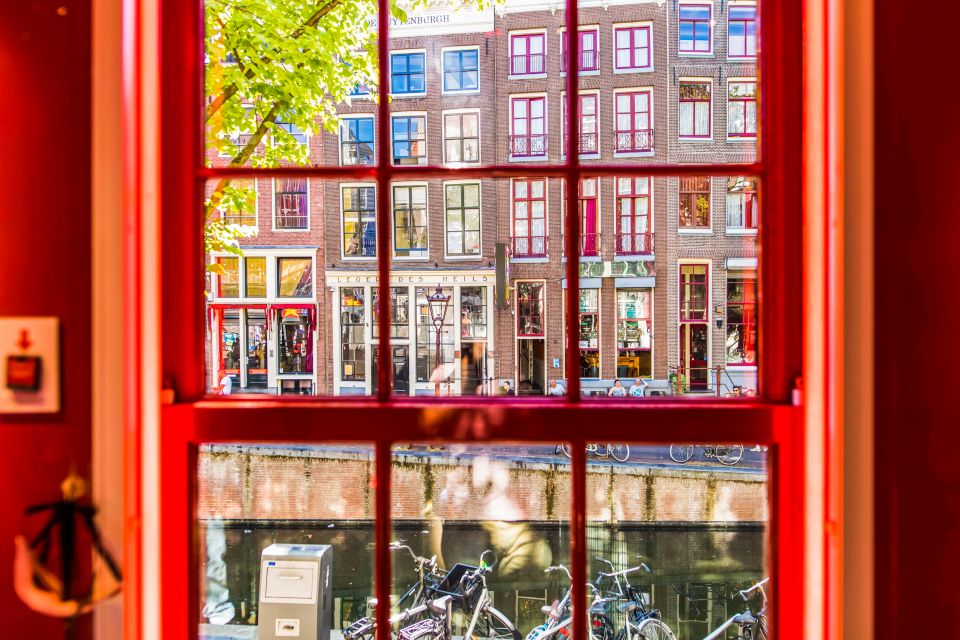
You’ll get an audio guide with several language options: Dutch, English, French, German, Italian, and Spanish. The audio is presented in a way that explains what you’re seeing as you go. You’re not left with a map and a wall text marathon.
In practice, many people finish the full route quickly—often around 15–30 minutes—because the museum itself is compact. The audio guide keeps the pacing from feeling rushed, though. You can pause, listen, and then move on when you’re ready.
A detail worth knowing: the audio can include frank, real-life stories told from the viewpoint of sex workers. One of the strongest points for me is the balance. It’s not written like a lecture. It comes across more like a personal explanation of a daily reality—work structure, privacy, and the emotional math of staying separate from public life.
Some people also mention that the audio adds both history and the business side of prostitution. That’s key: it reframes the topic from pure taboo to something governed by systems—regulated, structured, and experienced by actual humans.
You can also read our reviews of more museum experiences in Amsterdam




Legalization in 2000: the context you’ll carry back to the streets
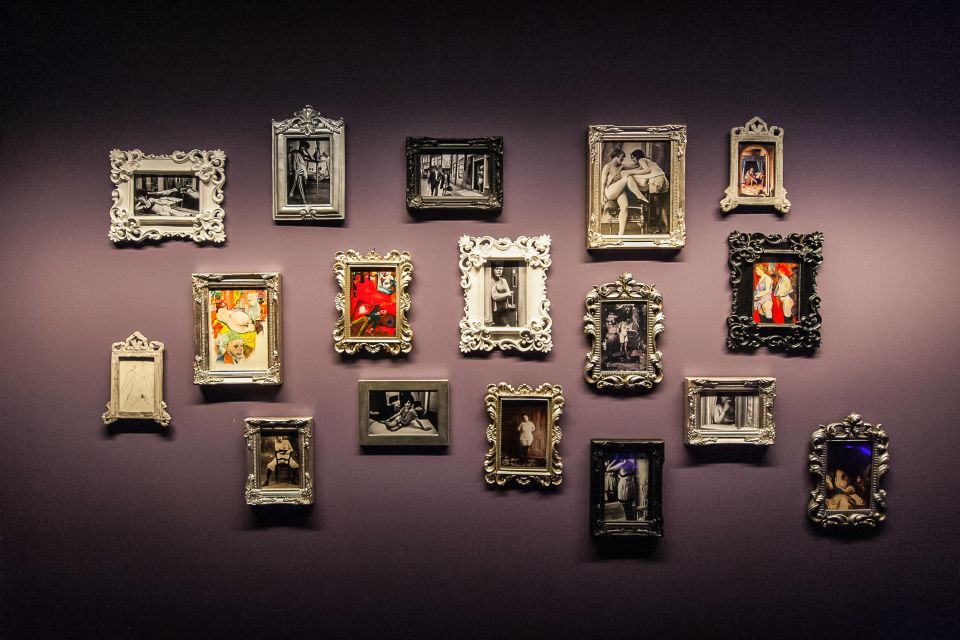
A big part of the museum is how Amsterdam arrived at its current approach. The museum explains the history of sex work in Amsterdam and specifically notes legalization in 2000.
Why should you care? Because the Red Light District isn’t just a historical curiosity. It’s a policy outcome. Once you understand that the district operates under regulation and rules, you’ll read the street differently. You’ll notice how the windows sit in controlled, managed spaces rather than an underground, runaway market.
This is also where the museum’s tone helps. It avoids turning legalization into a slogan. Instead, it ties the policy shifts to the everyday reality inside the district—things like how social and work lives can be separated, and why the Netherlands’ approach gets described as more liberal-minded.
You don’t need to agree with every element of the system to understand what Amsterdam chose to do and why.
Confession Wall: the funny parts, the hard parts, and the why
At the end of the route, there’s something memorable: the Confession Wall. It’s a collection of written confessions left by museum visitors. Some are genuinely funny; others are eye-opening in a blunt way.
This is one of the most talked-about parts of the museum for a reason. It forces you to notice your own assumptions. You start the museum thinking you know what people will say about sex work. Then you read confessions that are messy, unexpected, and sometimes very sad.
It’s also not all light. One emotional beat that stands out in the museum experience is the presence of a memorial element connected to murdered sex workers. Even if you come in expecting “facts,” you may still feel a shift into heavier territory once you reach that part.
If you’re easily upset, go in with your expectations set: this museum uses story and reflection, not just diagrams.
Graphic moments: what to expect if you’re sensitive
This is an adult subject. Some parts may feel graphic to some visitors. If you’re bothered by explicit imagery or hard-to-take-in scenes, you can keep moving through the museum and focus on the audio and the historical panels instead of getting stuck on one moment.
I’d still say this is worth reading in advance: the museum is honest about the reality of the workplace. It’s not sanitized into something safe for everyone. If you want a purely clinical, PG-13 version of the topic, you’ll probably be disappointed.
But if you’re open to a real, frank approach—while still getting structure, context, and perspective—you’ll likely find the overall tone balanced.
Time, pacing, and how to get the most out of a short visit
The museum experience is brief compared to most big-city museums. Plan for a short, focused visit rather than a long browse. You’ll want about an hour total if you include entry time, audio listening, and moving at an unhurried pace.
Here’s how I’d pace it:
- Start listening right away so the first rooms make sense as you see them
- Don’t rush the window-seat section—this is the key perspective moment
- Give the confession area time. Read a few, step away, then come back with a calmer brain
Crowds can affect sound quality. When more people pile in at once, it can get harder to hear the audio clearly. If you hate that, pick a slot with lighter foot traffic and wear your headphones snugly.
Also note: the route is compact. That’s part of the value. You get a lot of meaning in a small footprint.
Price and value: what $17 buys you in Amsterdam terms
At about $17 per person, the Red Light Secrets Museum is not cheap in the way street-free attractions can be. But it’s also not overpriced for what you get.
You’re paying for:
- a set, ticketed entry into a specialized museum
- a multi-language audio guide with story-driven context
- a real “location experience” inside a former brothel
- the window-seat perspective element
- the Confession Wall reflection piece
Compared to paying for a generic history attraction, this ticket gives you a different kind of understanding—less “dates and facts” and more “this is how it feels and how it works.” If you like learning by seeing and listening rather than reading guidebooks, this is a strong fit.
It’s also a good value because the museum is doable in a tight schedule. You don’t need a whole day. You just need the right mood.
Who this is best for (and who should think twice)
This museum is suitable only for those aged 16 and over. It’s also listed as not suitable for wheelchair users, so accessibility may be a dealbreaker for some.
Who will get the most out of it:
- adults who want real context before judging the Red Light District
- people interested in Amsterdam’s culture and policy choices
- travelers who prefer audio-guided storytelling
- anyone comfortable with adult subject matter and frank language
Who might think twice:
- anyone who wants a purely light, photo-heavy attraction
- visitors who strongly dislike explicit or emotionally heavy content
- anyone needing wheelchair access
If you’re on the fence, it can help to ask yourself one question: do you want a guided perspective, or do you just want the street views? This museum is clearly in the first category.
Practical details: what to know before you go
You’ll enter at the address Oudezijds Achterburgwal 60h using your voucher for scanning. Access is tied to your selected time-slot, so bring a bit of buffer to avoid stress.
The museum provides audio in Dutch, English, French, German, Italian, and Spanish. Even if you’re fluent in English, consider picking your preferred language carefully—this kind of story lands better when you’re fully comfortable.
One more small practical note: some people have mentioned that photo-related options at the end didn’t always work smoothly. Don’t build your plan around getting a souvenir photo. The museum’s lasting takeaway is the perspective, not the shutter click.
Should you book the Red Light Secrets Museum entry ticket?
Book it if you’re visiting Amsterdam’s Red Light District and want to understand what you’re seeing beyond the window shots. This ticket gives you a structured, audio-led explanation of how sex work is framed in Amsterdam, including legalization in 2000 and the personal perspective behind the glass.
Skip it (or at least consider your timing) if you’re uncomfortable with frank adult stories, emotionally heavy memorial moments, or content that some visitors find graphic. And if wheelchair accessibility is a must, this one is not for you based on the museum’s stated limits.
If you do book, I’d suggest one simple rule: plan to go when you can focus—no rushing, no switching to your phone every two minutes. This is the kind of museum where paying attention actually changes how the Red Light District feels when you walk back outside.
FAQ
What is the Red Light Secrets Museum of Prostitution ticket for?
It’s an entry ticket to the Red Light Secrets Museum of Prostitution in Amsterdam’s Red Light District, in a former brothel setting. The ticket includes an audio guide.
Where is the meeting point?
Go directly to the museum at Oudezijds Achterburgwal 60h, 1012 DP Amsterdam, Netherlands.
Do I need to choose a time-slot?
Yes. Access is only possible at your chosen time-slot.
What’s included with the ticket?
Your ticket includes entry and an audio guide.
How long does the visit take?
The activity is listed as valid 1 day, but the museum route itself is short, with many visitors finishing in about 15–30 minutes.
What languages are available on the audio guide?
The audio guide is available in Dutch, English, French, German, Italian, and Spanish.
Is it suitable for kids?
No. The museum is only suitable for those aged 16 and over.
Is the museum wheelchair accessible?
No. It is not suitable for wheelchair users.
Can I cancel for a refund?
Yes. Free cancellation is available up to 24 hours in advance for a full refund.
Is there skip-the-line entry?
You get a skip-the-line arrangement and should present your voucher for scanning.
What’s the best way to use the Confession Wall area?
After the main rooms, the Confession Wall lets you read visitor confessions. Plan a little extra time there since it’s the most reflective and varied part of the visit.