REVIEW · AMSTERDAM
Amsterdam: Rijksmuseum Private Tour
Book on GetYourGuide →Operated by Orange Adventures · Bookable on GetYourGuide
The Nightwatch hits harder with context. This 2-hour private Rijksmuseum tour in central Amsterdam zeroes in on Dutch Masters—how they painted, what they meant, and why you still feel it today.
I especially like the full explanations that connect technique to story, plus the chance to see key works with a guide who can read a painting like a text.
One thing to consider: because the Rijksmuseum is busy and tours can run back-to-back, you might feel a bit time-pressured near the end.
In This Review
- Key takeaways before you go
- Why this Rijksmuseum private tour works (especially in crowds)
- The 2-hour focus: The Nightwatch and the Dutch Masters you came for
- Medieval vs Dutch painting: the comparison that changes how you see everything
- Technique + hidden meaning: how your guide makes the paintings readable
- What the Dutch Golden Age context adds to Rembrandt and Vermeer
- Pace, meeting point, and how to avoid wasting time inside
- What makes the private format feel worth the money
- Price and value: $235 for up to 2 (plus the entrance ticket)
- Who this Rijksmuseum tour suits best
- Language options
- Should you book it? My take on the decision
- FAQ
- Is the entrance ticket included?
- How long is the Rijksmuseum private tour?
- What’s the meeting point inside the museum?
- Who is this tour best for?
- What’s included in the tour price?
- What languages are available for the guide?
- Is the tour wheelchair accessible?
- Can I cancel if plans change?
- Should I use an Amsterdam Card?
Key takeaways before you go
- Honorary Gallery visit to see Rembrandt’s The Nightwatch as the centerpiece
- Technique-focused explanations tied to how Dutch Masters painted their light, faces, and textures
- Historical meaning, not just art facts: paintings treated like reading—teaching tools, morals, and everyday “messages”
- Clear comparisons of Medieval art versus the newer Flemish and Dutch approaches
- Flexible pacing for your interests, with the guide adjusting what you spend time on
- Private format for real questions, including style comparisons and what you notice first
Why this Rijksmuseum private tour works (especially in crowds)
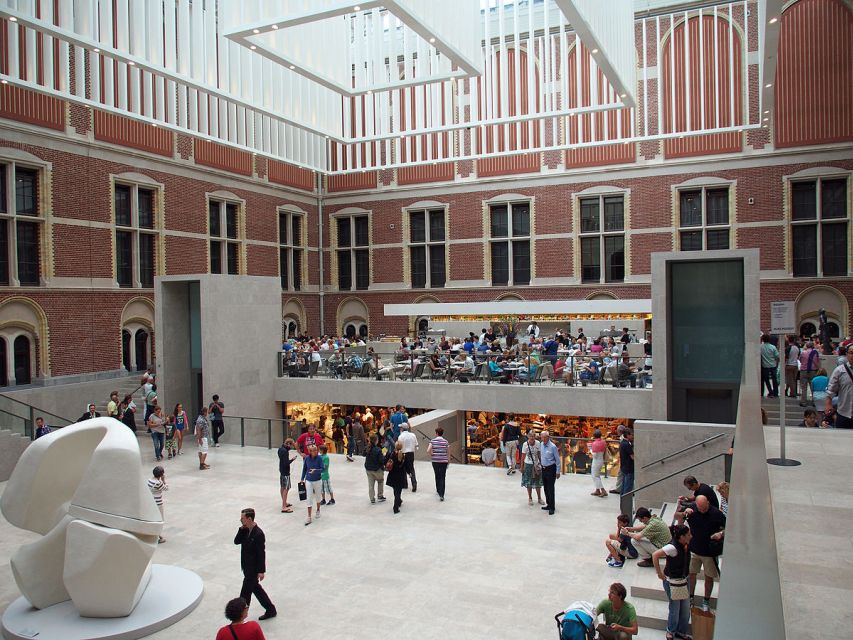
The Rijksmuseum is gorgeous, but it can also feel like art in overdrive—so much to see, and too little time to understand what you’re looking at. This private setup fixes the main problem: you’re not just “in the museum,” you’re in a guided conversation with a pro who can explain what matters in the moment.
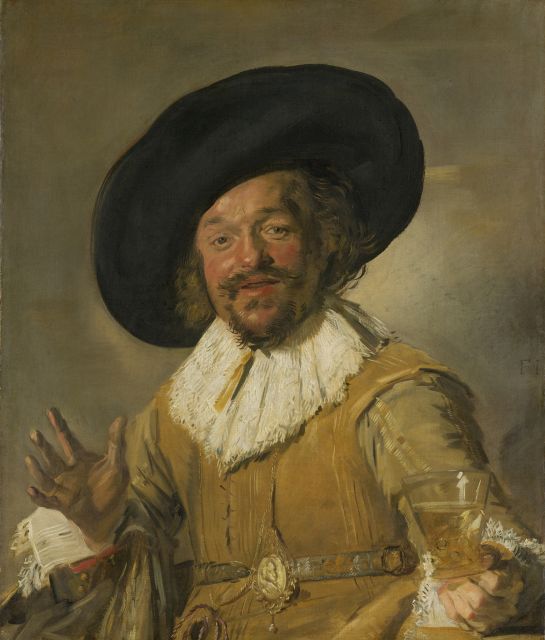
The biggest value here is that the tour isn’t built around speed-scrolling masterpieces. It’s built around how paintings were made and why they were so powerful in the 1600s. You’ll walk away with a better sense of what to look for next time you see Rembrandt, Vermeer, Frans Hals, and the rest of the Dutch Golden Age.
You can also read our reviews of more private tours in Amsterdam

The 2-hour focus: The Nightwatch and the Dutch Masters you came for
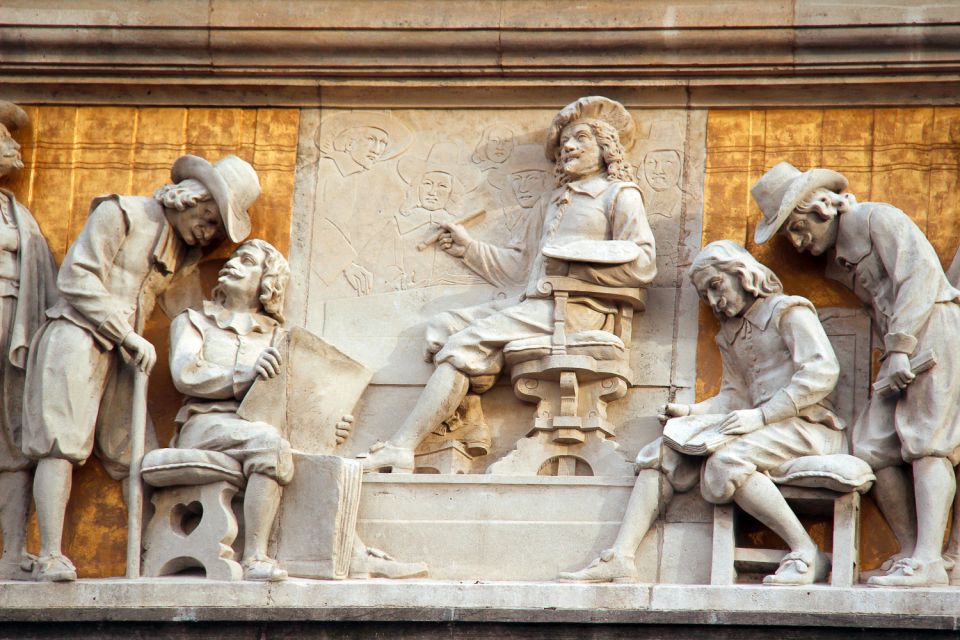
This tour is intentionally concentrated, with a strong centerpiece: a visit to the Honorary Gallery to see Rembrandt’s The Nightwatch. The Nightwatch is famous for a reason, but it can also be overwhelming if you only know the title. With a guide, you get the kind of context that turns it from a spectacle into a layered image—figures, composition, and the choices that make it feel alive.
From there, the tour builds a broader “Dutch Masters” picture. You’ll see masterpieces by Vermeer, Rembrandt, Frans Hals, and more, with explanations that help you notice differences in style and technique. That’s the difference between a collection visit and a learning experience: you start comparing what you’re seeing while you’re still inside the museum, not later while you’re trying to remember names.
Medieval vs Dutch painting: the comparison that changes how you see everything
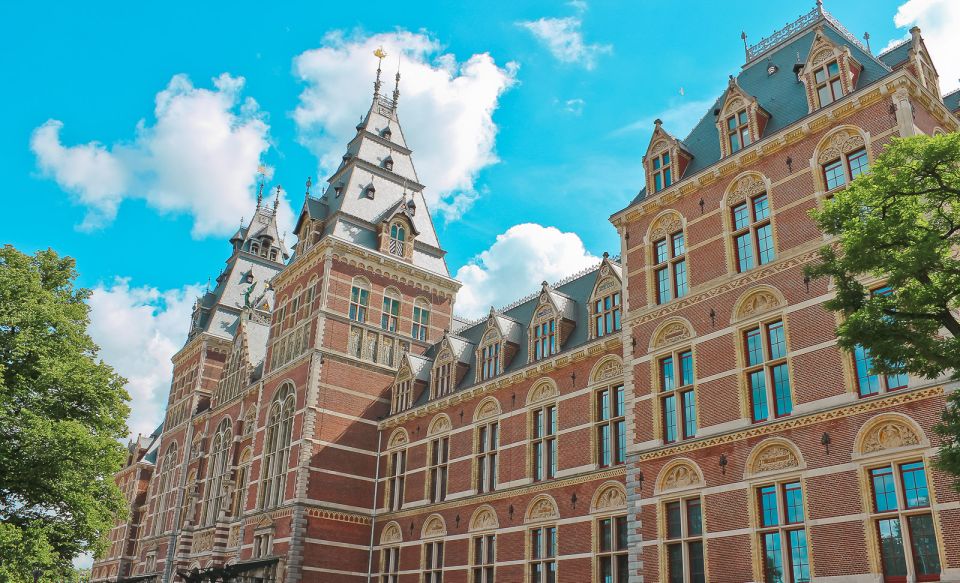
One of the most useful parts of this tour is the shift from older traditions to the Dutch way of doing things. You’ll hear about the difference between Medieval art and the innovative Flemish and Dutch Masters. That matters because it explains why the paintings in the Rijksmuseum can feel so “modern” even though they’re centuries old.
Instead of treating the museum like a timeline you must memorize, you’ll understand it like a cultural change. The guide frames the Golden Age style as part of a society that wanted art with meaning close to home—less distant and theatrical, more connected to everyday life (even when kings and grand historical scenes still appear).
Technique + hidden meaning: how your guide makes the paintings readable
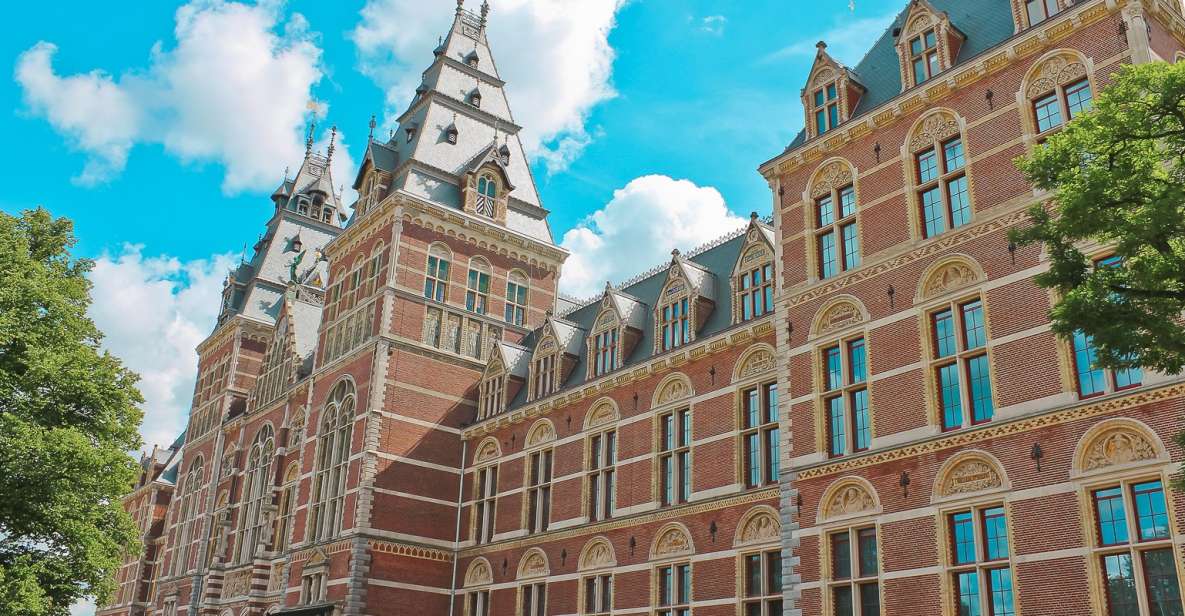
A lot of museum tours list artwork facts. This one leans into something more practical: technique and interpretation. The guide explains technical aspects of painting—how artists built images, handled detail, and created effects that made the final work feel vivid and intentional.
Then the tour adds meaning. You’ll hear hidden meanings in selected works, and you’ll get the historical context behind them. The key idea is simple: for a typical 17th-century citizen, a painting wasn’t just decoration. It worked like a book or even like a cartoon—an image you could read for lessons, moral cues, status signals, or social messages.
This is where the tour feels especially worth it for people who think they’re not “serious art people.” When you learn what to look for (light, composition choices, how faces are constructed, how daily life is framed), the museum stops being intimidating. It becomes a puzzle with answers.
What the Dutch Golden Age context adds to Rembrandt and Vermeer
Art in the Rijksmuseum isn’t floating in a vacuum. This tour ties the paintings to the world that produced them—trade, power, and changing tastes.
You’ll hear how the Dutch ruled the waves, following in the footsteps of Spanish and Portuguese competition. That global context helps explain why so many artworks carry themes of wealth, ambition, and national pride. You’ll also hear why common people became central subjects in a way that shifted the balance away from purely royal or mythological scenes.
At the same time, you’ll learn that kings and emperors didn’t disappear. The difference is emphasis: alongside grand themes, daily life gained spotlight. That’s a big reason Dutch painting can feel immediate—people aren’t only watching heroes; they’re seeing their own world reflected back with style and meaning.





Pace, meeting point, and how to avoid wasting time inside
Logistics at the Rijksmuseum can be the difference between an enjoyable tour and a stressful one. The meeting point is inside the museum. After you get in, look for the round info counter. The meeting sign is about 10 meters to the right of it, where you’ll see a small sign that reads meeting point.
In practice, that matters because it keeps you from wandering the building trying to find the group. If you’re traveling with kids, older relatives, or anyone who gets tired fast in big spaces, cutting confusion is a real quality-of-life win.
Timing-wise, the tour is 2 hours, and it’s designed to cover the highlights without trying to swallow the entire Rijksmuseum. Still, one review-style pattern that matches the reality of popular museums: you may feel a slight push toward the end if the guide has another booking after yours. If you’re the type who wants to linger at every masterpiece, you might still want to plan extra independent time later with your ticket.
What makes the private format feel worth the money
This is a private group for up to 2 people, which changes the whole experience. You’re not competing with strangers for the guide’s attention, and you can ask the kinds of questions that come up while you’re looking—like what details you’re missing, why a color choice feels specific, or how two artists create different moods.
The guide approach also tends to be interactive. The style described in the experience centers on questions that make you think while you’re standing in front of the artwork: what you notice first, how you’d compare styles, and what you like or don’t like. For a lot of people, that’s the secret sauce. The museum becomes less about being “taught” and more about being guided into better looking.
There’s also a practical comfort element. The tour information includes wheelchair accessibility, and the experience is set up for comfort when needed. If mobility is a concern, this private structure can feel easier than trying to manage a long day in a crowded public tour.
Price and value: $235 for up to 2 (plus the entrance ticket)
At $235 per group up to 2 for a 2-hour guided visit, the pricing works best when you compare it to what you’d otherwise spend on your time and energy. You’re paying for:
- a private guide focused on the Rijksmuseum’s Dutch Masters,
- an emphasis on technique + meaning, not just a gallery walkthrough,
- and advice aimed at reducing friction, including how to skip-the-line or make it bearable.
The entrance ticket is not included, so you’ll want to budget for that separately. That’s also why tools like an Amsterdam Card can help. The tour notes recommend getting an Amsterdam Card for unlimited museum access and included public transport (including airport-to-city train service and local trams). If you plan to do more than one museum while you’re in Amsterdam, that card can stretch your budget more than paying full price for each entrance.
Think of the cost like this: for many people, one private art tour is worth it because it turns a hard-to-measure visit (am I actually understanding anything?) into a guided experience with clear takeaways.
Who this Rijksmuseum tour suits best
This tour is a strong match for three types of people:
Art-curious beginners
You don’t need prior knowledge. The explanations focus on technique and meaning in a way that makes the works feel readable, not just impressive.
Serious Dutch Masters fans
If you already love Rembrandt, Vermeer, and Hals, you’ll likely enjoy the extra layer: the why behind the paint choices, and the comparisons that clarify how styles differ.
Families with mixed ages
The tour format is built around engagement and pacing, and it can work well when you have teens who need “something to do” that isn’t staring at labels. It can also be helpful for multi-generational groups because the guide can adjust attention to different needs.
Language options
Tours are available with a live guide speaking Dutch, English, or German—so you can choose what fits your group best.
Should you book it? My take on the decision
Book this if you want the Rijksmuseum to feel understandable in two hours. The focus on Dutch Masters, the Honorary Gallery visit to The Nightwatch, and the technique + hidden meaning approach are exactly what make a private tour feel like more than a luxury. It’s especially smart if you’re only going to have a short window at the museum.
Skip it or be cautious if you’re the kind of visitor who needs unlimited time in front of each painting. In a museum this popular, even a good guide can’t freeze time, and a slight end-of-tour rush is a realistic consideration.
If you’re balancing the Rijksmuseum with other Amsterdam plans, this tour is a clean way to hit the art that matters and leave with a mental map for the rest of the museum.
FAQ
Is the entrance ticket included?
No. The tour includes a private guide and advice to help with skip-the-line, but museum entrance tickets are not included.
How long is the Rijksmuseum private tour?
The tour is 2 hours.
What’s the meeting point inside the museum?
Meet your guide inside the Rijksmuseum after you enter. Find the round info counter, then look about 10 meters to the right for the sign that says meeting point.
Who is this tour best for?
It’s designed as a private group for up to 2 people, making it a good fit if you want focused attention from a guide—especially if you like Rembrandt, Vermeer, Frans Hals, and Dutch Golden Age context.
What’s included in the tour price?
Included are the private guide and guidance on how to skip-the-line or make it bearable.
What languages are available for the guide?
The live guide speaks Dutch, English, and German.
Is the tour wheelchair accessible?
Yes. The activity is listed as wheelchair accessible.
Can I cancel if plans change?
Yes, there’s free cancellation up to 24 hours in advance for a full refund.
Should I use an Amsterdam Card?
It’s recommended. The tour notes that an Amsterdam Card can provide unlimited museum access and includes public transport, including the train from the airport to Amsterdam city centre and local trams.