REVIEW · AMSTERDAM
Amsterdam: Red Light District and Local Pub Tour
Book on GetYourGuide →Operated by Trigger Tours · Bookable on GetYourGuide
A walk through the Red Light District teaches Amsterdam fast. This 2-hour route links the Old Town with the sex-work history the city is famous for, with stops that explain how daily life, laws, and nightlife all fit together. You get a guide-led pace through tight lanes, shop fronts, and landmark squares, so the neighborhood makes sense instead of feeling random.
I like the way the tour mixes Amsterdam pub history with what’s happening today. You’ll hear stories tied to famous old bars like t’ Aepjen and t’ Mandje, plus what people were drinking/eating/doing in earlier centuries. I also like that the tour points out practical “how it works” details, like peep shows, coffee shops, and smartshops, instead of only repeating rumors.
One consideration: access and details can vary in the Red Light District. Depending on local conditions, you might see more street history and less of every specific door or shop you expect, and the “pub stop” portion may be more of a break than a full sit-down meal.
In This Review
- Key highlights worth your time
- Two hours in Amsterdam’s Red Light District: what you’re really buying
- From Old Town and Chinatown into the story (the route that helps it click)
- Oude Kerk, Warmoesstraat, and Zeedijk: the pre-Red-Light warm-up
- The oldest pubs of Amsterdam: t’ Aepjen and t’ Mandje
- Walking the narrow streets: the Red Light District as an urban layout
- Coffee shops, smartshops, and the indoor streets you might miss on your own
- Dam Square ending: tying the experience back to central Amsterdam
- Group size, timing, and pacing: how to make the most of 2 hours
- Who should book this tour (and who might not love it)
- Quick practical tips before you go
- Should you book this Amsterdam Red Light District and local pub tour?
- FAQ
- FAQ
- How long is the Amsterdam Red Light District and local pub tour?
- How much does it cost per person?
- What group size is available?
- What languages is the live guide available in?
- Are food and drinks included?
- Is the tour suitable for people with mobility impairments?
Key highlights worth your time
- 2 hours, guided on foot: short enough to stay focused, long enough to connect the dots.
- Old pubs with names you can remember: t’ Aepjen and t’ Mandje are part of the story.
- The narrowest streets of Amsterdam: you’ll feel why these lanes shaped the district.
- Peep shows, coffee shops, smartshops: explained in context, not as shock value.
- A walk that starts in Old Town/Chinatown: history first, neighborhood second.
- Dam Square finish plus a traditional pub break: a solid way to end the evening.
Two hours in Amsterdam’s Red Light District: what you’re really buying
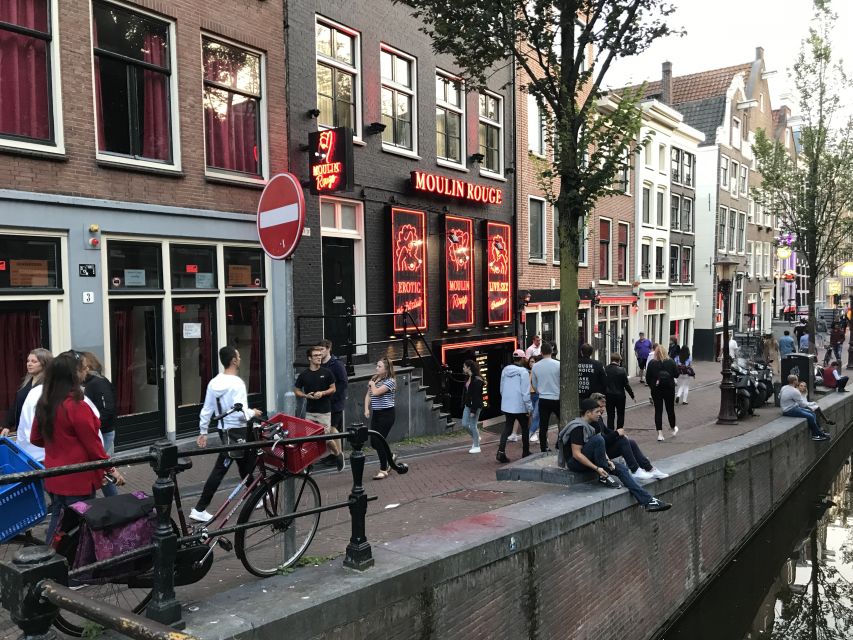
This tour is mostly about orientation plus context. In 2 hours, you walk the links between several parts of central Amsterdam: Old Town streets, older religious and trading landmarks, then the Canal Belt-adjacent streets that became known for window prostitution, peep shows, and liberal policies. Instead of treating the Red Light District as one isolated “attraction,” the guide frames it as a working neighborhood with deep roots.
At about $43 per person, it’s not a bargain like a free walking chat with friends. But you are paying for three things that matter: a local guide, a focused route (not wandering for hours), and interpretation. It’s also a small-group setup, with a private/shared option capped at max 10, or small-group at max 15—which helps you hear the guide and stay together in crowded streets.
You should also know the vibe. This isn’t a sit-down tour, and it’s not a museum. You’ll be walking through a real nightlife area. That means your best experience comes from being curious and respectful.
You can also read our reviews of more drinking tours in Amsterdam



From Old Town and Chinatown into the story (the route that helps it click)
Most of your time starts outside the Red Light District proper, which is a smart way to do this. The tour begins in central Amsterdam, and your start point can vary by option—commonly around the Basilica of Saint Nicholas area or near the Voyager Hotel Amsterdam by Prins Hendrikkade. The meeting point matters here because the guide needs everyone together before the walking rhythm kicks in.
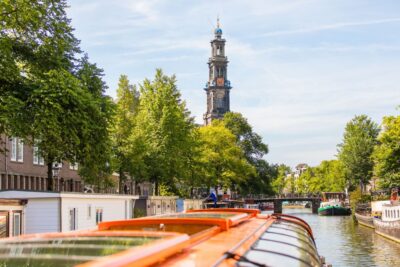
Early on, you pass through areas like Oude Kerk (Old Church), then move into street sections such as Warmoesstraat and Zeedijk Street. These aren’t random names on a map. They’re the kind of streets that helped shape how Amsterdam developed: trading, housing, and local culture spread across narrow urban lanes over time. When you hit later sights in the Red Light District, the city doesn’t feel like a separate planet.
One detail I really appreciate from how the tour is structured: you’re guided through the “why” before the “where.” That makes it easier for you to handle the neighborhood’s sensitive side without zoning out.
Oude Kerk, Warmoesstraat, and Zeedijk: the pre-Red-Light warm-up
Let’s talk about the stops you’ll remember after the tour, even if you never revisit the exact same streets.
Oude Kerk is a quick stop, around 10 minutes for a guided look and walk-by sightseeing. Even if you’re not going inside, the point is to give you a landmark that anchors the city’s older layers.
Then Warmoesstraat comes in as a street that feels distinctly “Amsterdam”—active, narrow, and historically close to commercial life. Your guide uses this stretch to set the tone for what you’ll later see more intensely in the Red Light District.
Zeedijk Street continues that same idea, connecting older city patterns to the kinds of businesses that thrive where foot traffic and lodging cluster. This matters because Amsterdam’s Red Light District wasn’t built in a day. It grew from how people moved through the city.
If you’re the type who hates clock-watching, this route tends to work well. Several guides in the experience set are described as keeping a relaxed pace and turning the walk into conversation, not a recital.
The oldest pubs of Amsterdam: t’ Aepjen and t’ Mandje
One of the strongest draws of this tour is that it doesn’t just focus on window displays. The guide also points you toward Amsterdam’s older drinking culture and explains how pubs fit into nightlife and street life.
You’ll hear about famous historic pubs including t’ Aepjen and t’ Mandje, with stories that tie them to the neighborhood’s development. Even though the tour is only 2 hours, this is the kind of detail that sticks. After you hear the context, you start seeing the bar names on building fronts like clues, not just decorations.
Now, here’s a practical note: one traveler felt they didn’t see as much of the Red Light District and didn’t get the specific pub visits described in the full overview. That doesn’t mean the tour is misleading. It can happen when local conditions affect what a guide can access safely or lawfully. So keep your expectations flexible.
Walking the narrow streets: the Red Light District as an urban layout
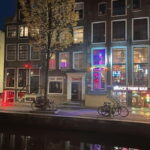
The best way to understand the Red Light District is to experience the streets themselves. That’s why this tour includes moments like walking the narrowest street of Amsterdam. The tight lane shapes everything: sight lines, crowd flow, how businesses operate, and even how police and enforcement patterns can show up.
As the tour moves toward the center of the district, your guide explains the current setup and the history behind it. You’ll learn about:
- Sex work industry history and how the district developed
- Window prostitution and what a “working street” means in practice
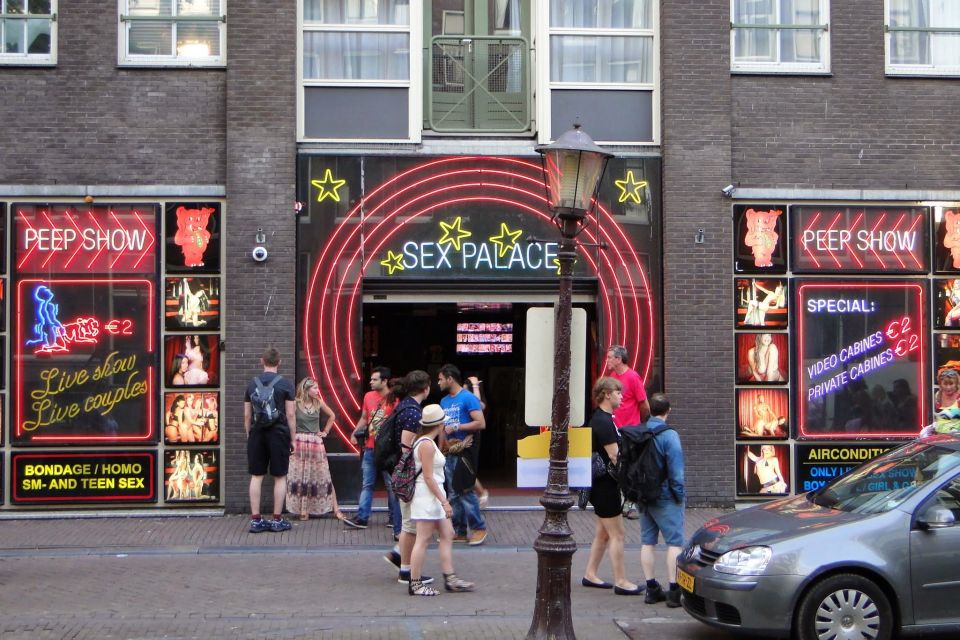
- Peep shows and how that side of nightlife operates
- Liberal laws in an Amsterdam context (explained as policy and social approach, not just slogans)
This is also where the tone matters most. A good guide keeps the walk factual and human, without turning it into entertainment for shock. Multiple guides are praised for balancing debate and history, and for answering questions as you go.




Coffee shops, smartshops, and the indoor streets you might miss on your own
You also get the kind of city details you’d be unlikely to pick up just by wandering. Your route includes mentions of:
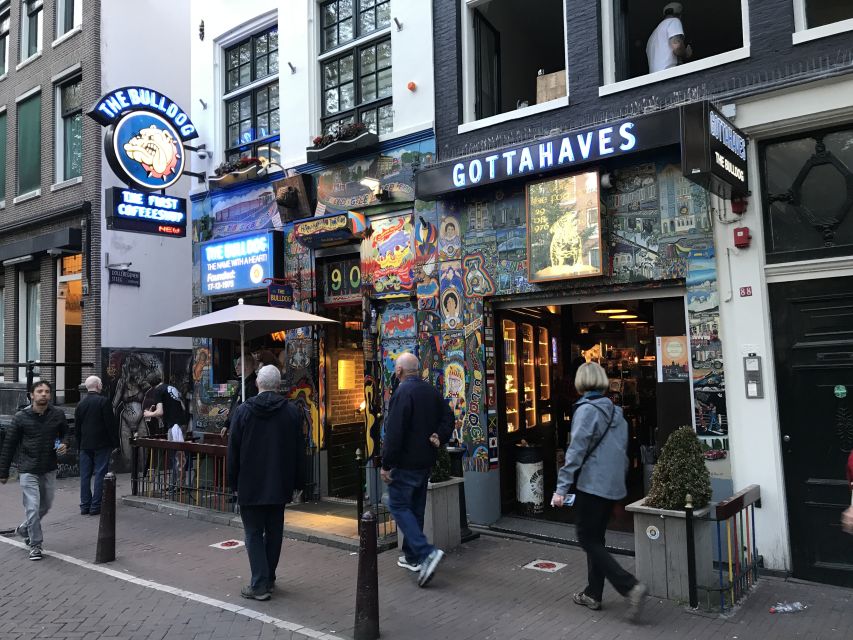
- Famous coffee shops
- Smartshops (often associated with Amsterdam’s more legal, regulated alternative culture)
- An indoor prostitution street
- More small curiosities tucked into the neighborhood layout
These stops are valuable for one big reason: they show how Amsterdam compartmentalizes activities through regulation, licensing, and street design. So when you see coffee shop branding, or indoor corridors connected to nightlife, it’s easier to understand what you’re looking at and why it exists.
And if you’re wondering about learning from your guide’s examples: in some tours, guides are described as conversational and funny, turning the walk into a Q and A instead of a one-way talk. You’ll get the most from this if you’re comfortable asking practical questions.
Dam Square ending: tying the experience back to central Amsterdam
You’ll work your way toward Dam Square, which functions like a reset point. The tour description includes a few notable waypoints on your approach, including the Condomerie and the Royal Palace, then the guided stop at Dam Square.
Finishing at Dam Square is smart because it’s open, recognizable, and well connected. You don’t want to end a nightlife-intense walk standing in the middle of a crowded alley with no clear next step.
The final step is a rest at a traditional local pub. Food and drinks are not included, so you should plan to order on your own. Still, this is a nice way to cool down after the dense information and visual intensity of the district. One traveler mentioned a beer stop being potent, so if you’re ordering, keep your pace gentle.
Group size, timing, and pacing: how to make the most of 2 hours
Because this is a walking tour, timing is everything. At 2 hours, you’re not meant to linger. Still, guides are repeatedly praised for walking at a speed that lets you absorb facts and take photos without feeling rushed.
Small-group size helps a lot. If you’re in a group of around 10 to 15, your guide can steer attention to building fronts, street corners, and key signs without losing half the group every time you stop.
Language is also a practical point. The tour runs in English, German, and Spanish. If you’re choosing among options, pick based on your comfort level with the guide’s explanation style. Several guides are highlighted by name (like Pilar, Pedro, David, Mauritio, Michael, Foxy, Scarlet, Stan, and Agapio), and that’s usually a hint that guides vary in delivery. You’ll get the best experience when you can follow the story comfortably.
Who should book this tour (and who might not love it)
This works best if you:
- Want a guided orientation to a neighborhood you might otherwise feel unsure how to interpret
- Like history mixed with present-day context
- Enjoy walking short distances and learning through street-level details
- Prefer conversation-style guiding over reading walls of text
It may not be ideal if you:
- Need maximum accessibility or have mobility limitations, since the tour is not suitable for people with mobility impairments
- Want a guaranteed, museum-style stop list with zero variation in what’s physically accessible at street level
- Get uncomfortable with nightlife zones and would rather avoid them entirely
Quick practical tips before you go
A few small things can make this smoother:
- Wear comfortable walking shoes. Narrow streets plus crowds mean you’ll move more than you expect.
- Bring a neutral, respectful attitude. You’re walking through a working area tied to real livelihoods.
- If you care about specific pub names like t’ Aepjen and t’ Mandje, set that expectation with flexibility. Access and exact stops can shift.
- If your start time is important to you, confirm it at booking. One guide reportedly worked with a schedule adjustment by merging groups at a different time when possible, which suggests flexibility can happen, but it’s not a promise.
Should you book this Amsterdam Red Light District and local pub tour?
Book it if you want Amsterdam to feel understandable. This tour gives you a street-level map of how the city’s nightlife, older institutions, and liberal policies all fit together in one compact walk. The strongest value is the mix: Old Town context + historic pubs + Red Light District explanations + a calm finish at Dam Square with a pub break.
Skip it if you’re looking for a purely entertainment-based tour or you want every stop to match a checklist with no variation. Also skip it if you’re not comfortable walking through a real nightlife district.
FAQ
FAQ
How long is the Amsterdam Red Light District and local pub tour?
It lasts about 2 hours.
How much does it cost per person?
The price is listed at $43 per person.
What group size is available?
You can choose private or shared options with a maximum of 10 people, or small-group tours with a maximum of 15 people.
What languages is the live guide available in?
The tour guide is available in English, German, and Spanish.
Are food and drinks included?
No. Food and drinks are not included. The tour ends with a rest at a traditional local pub, where you can order on your own.
Is the tour suitable for people with mobility impairments?
No, it is not suitable for people with mobility impairments.