REVIEW · AMSTERDAM
Amsterdam: After Dark Red Light District Tour
Book on GetYourGuide →Operated by The Oranje Umbrella Company · Bookable on GetYourGuide
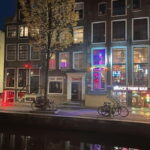
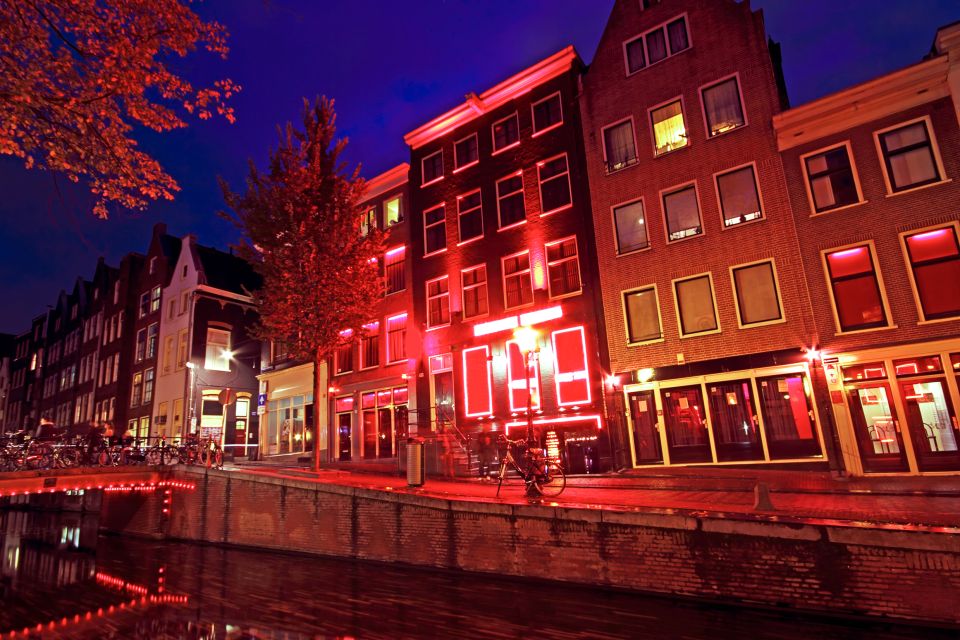
Amsterdam’s red lights look different at night. This short walk mixes De Wallen history with landmark stops, so it feels more like a guided story than a street crawl.
I like how the guide connects what you see in the windows to the rules, the politics, and what life looks like here after dark. You also get Dutch snacks and shots to keep the evening moving.
One thing to consider: cameras aren’t allowed, and this neighborhood is adult-focused, so you’ll want an open, respectful mindset before you go.
In This Review
- Key Highlights to Know Before You Go
- A Night Walk Through De Wallen: What This Tour Really Covers
- Where It Starts: Frisco Inn to Oude Kerk (and Why That Matters)
- The Heart of De Wallen After Dark: Stories Behind the Windows
- Coffeeshops on the Route: Bulldog and the Culture Around Them
- Route 66 Smoke And Drink: Snacks, Shots, and the Practical Side
- Oude Kerk and De Waag: The Quick Stops That Make the City Make Sense
- The No-Cameras Rule: How to Enjoy It Anyway
- Price and Timing: Is $57 Worth 1.5 Hours?
- Comfort Tips for a Smooth Night (Especially in Winter)
- Wheelchair Accessibility and Who This Tour Fits Best
- Should You Book This Red Light District Tour at Night?
- FAQ
- How long is the Amsterdam After Dark Red Light District Tour?
- Where do I meet the guide?
- Where does the tour end?
- What languages are available?
- Is the tour wheelchair accessible?
- Are cameras allowed?
- What should I bring?
- What’s included in the price?
- Can I bring weed?
- Is there free cancellation?
Key Highlights to Know Before You Go
- Start at Frisco Inn and get oriented fast before walking into De Wallen
- Oude Kerk sets the tone with a quick stop at Amsterdam’s oldest church building
- Coffeeshop time including a photo moment at The Bulldog The First
- Route 66 Smoke And Drink break with local snacks and a shot component
- A frank, guided look at De Wallen’s future instead of just sightseeing lights
- Small-group feel is common, which can make Q&A easier on a sensitive subject
A Night Walk Through De Wallen: What This Tour Really Covers
This is not a “just follow the guide” experience. It’s built as a guided contrast: old Amsterdam at the beginning, then coffeeshops and adult-entertainment streets as the night deepens. The big win is context. You’re not only seeing the famous red windows—you’re learning how this neighborhood became what it is, and why it keeps changing.
The tone tends to be practical and human. You’ll get the stories people often miss when they wander in on their own: how De Wallen works day to day, how the city tries to regulate it, and what the ongoing debates mean for the future of the area. The goal is to help you look with your eyes open, not just take in a spectacle.
If you’re the type who likes your sightseeing with real-world questions—rules, history, and modern pressures—this tour fits well. If you’re hoping for purely photo-friendly sights, you might feel blocked by the no-cameras rule (more on that later).
You can also read our reviews of more tours and experiences in Amsterdam.
Where It Starts: Frisco Inn to Oude Kerk (and Why That Matters)
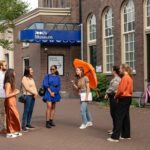
The meeting point is outside the Frisco Inn cafe, the obvious “reset button” for your night. It’s helpful because De Wallen can feel confusing quickly. A real guide gets you on the right streets and helps you understand what you’re looking at before you’re surrounded by it.
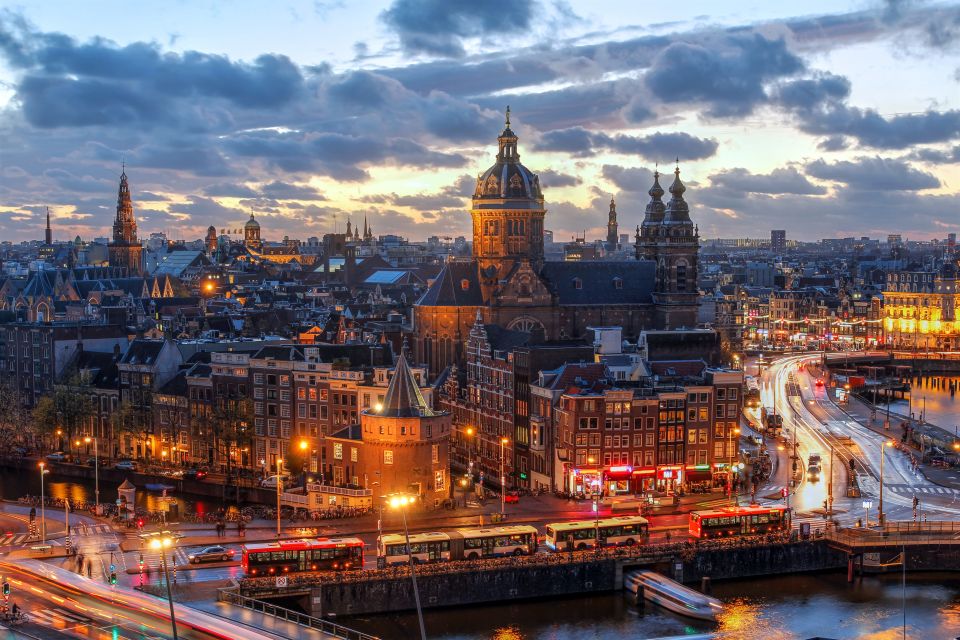
Right away, you’ll visit Oude Kerk, with a short stop that’s basically a historical handshake. Oude Kerk is Amsterdam’s oldest building, and that first stop helps you place De Wallen in the wider city story. You’ll see the church area, then pivot from medieval-era Amsterdam into a very modern and controversial part of town. That shift is smart for first-time visitors.
You get about ten minutes there. It’s not a long sit-down, but it gives you something solid before you move into a place that many people only think of in terms of the lights.
The Heart of De Wallen After Dark: Stories Behind the Windows
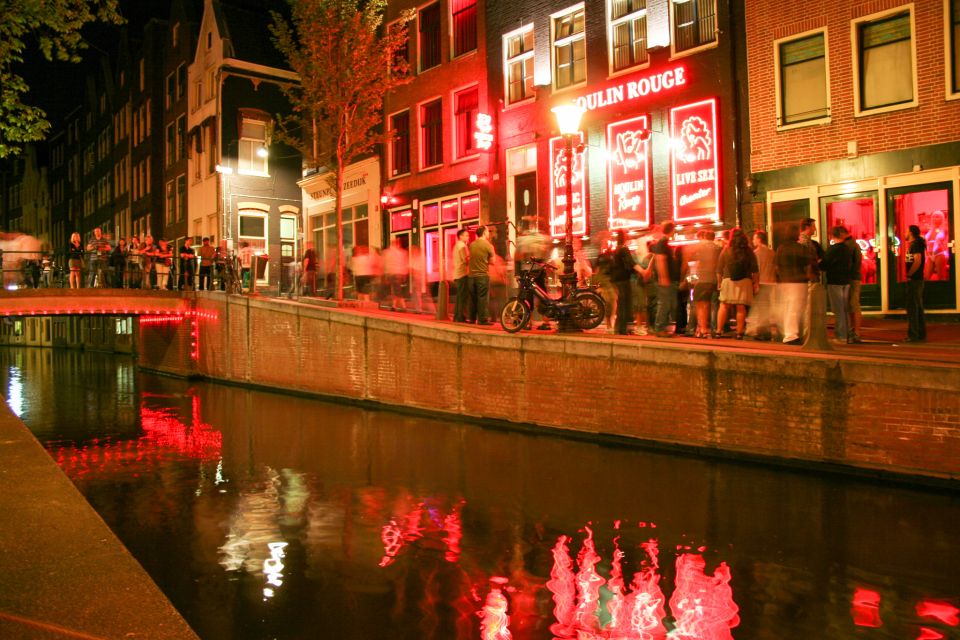
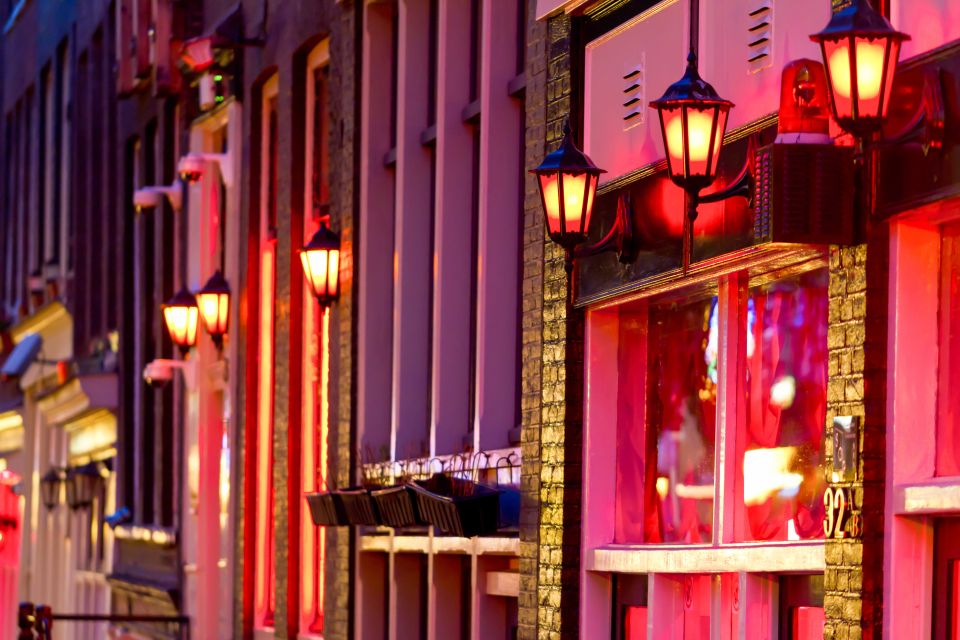
Once the tour turns into De Wallen itself, you’ll spend time in the main area—around 20 minutes focused right where people come to look. The difference with a guide is that you don’t just stare. You get the explanation for what you’re seeing and how it’s framed socially and politically.
A key part of what you’ll hear is about the history of De Wallen and the way sex work and the neighborhood’s identity have been talked about for generations. You also get a look at current thinking—how people argue about regulations, safety, and whether the district should look different in coming years.
This is where the guide’s style matters. Some guides you may encounter include names like Erik, Felix, Luca, Filippo, Pascal/Pascale, Hannan, Leon, Charlie, and Jean. The core message is consistent: the city perspective matters, and it’s worth hearing it from someone local rather than guessing from street rumors.
Also, the tour is built around keeping you comfortable and moving. You’ll be guided through the area with practical reminders, especially around how to behave in a neighborhood where people have real work lives, not just tourist stops.
Coffeeshops on the Route: Bulldog and the Culture Around Them

One reason this tour feels different from a basic “red light district walk” is the stop logic. It’s not only about adult entertainment—it also includes Amsterdam’s coffeeshop culture, which is a huge part of how many visitors understand the city.
You’ll do a photo stop and a brief visit at The Bulldog The First Coffeeshop. That gives you a sense of how these places operate in public view and how Amsterdam blends tourism with local rules. You’re not there for an hours-long hangout. It’s a quick moment to connect the idea of coffeeshops to the real geography of the city.
Then the tour shifts to a break stop connected to Route 66 Smoke And Drink, where the emphasis is on food/snacks and drinks-within-the-rules. This is also where the tour’s “after dark” energy lands: you can take a breather, reset, and keep walking without rushing.
If you’re curious about weed culture, this is a structured way to ask questions without awkwardness. If you’re not into it, you still get the historical and street-level understanding of why coffeeshops are part of Amsterdam’s nighttime identity.
Route 66 Smoke And Drink: Snacks, Shots, and the Practical Side
The Route 66 Smoke And Drink stop is a 30-minute break, and it’s one of the more “do something” moments on the walk. You’ll get local snacks and time to pause. The tour description also points to regional food, so expect this part to feel like a small reset rather than another photo stop.
You’ll also have shots involved as part of the included experience. Specifically, the tour includes shots, while drinks are not included. That detail matters: if you know you’ll want extra beverages, plan on buying those separately.
One more important point: the tour notes that you can bring your own marijuana to smoke should you choose during the experience. I’d treat this as a “follow the local rules on site” situation. If you plan to do this, come ready with whatever you need for your own comfort and follow any instructions your guide gives you on how and when it’s appropriate.
Even if you’re not smoking, the break helps a lot. De Wallen nights can be chilly and crowded. A scheduled food-and-snack pause turns the tour from “walk, stare, and freeze” into a paced evening.



Oude Kerk and De Waag: The Quick Stops That Make the City Make Sense
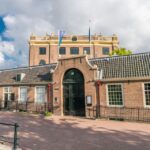
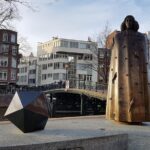
After the heavier De Wallen moments, you’ll circle back with more structure around the city’s older landmarks. One stop includes De Waag Restaurant for a photo stop and sightseeing moment.
These shorter stops matter because they prevent the tour from becoming one-note. Amsterdam has a habit of stacking centuries next to each other. When you finish the adult-entertainment streets and then look at Waag area architecture, you start to understand why locals can treat this district as part of normal city life—even when outsiders see it as shocking.
The tour also includes what’s described as a chilling torture chamber component. In practice, you’ll likely experience this as a brief, quick stop—more about history and mood than a long museum-style visit. That kind of stop can land differently for different people, so you’ll want to decide how you feel about darker historical content before you go.
The No-Cameras Rule: How to Enjoy It Anyway
You can’t bring a camera for this tour. That’s a big change from most sightseeing in Amsterdam, and it’s worth planning for.
Here’s how to make it work:
- Treat your phone as off-limits if your camera is considered part of it. Follow the guide’s instructions on what’s allowed.
- Focus on learning and memory instead of collecting images.
- Use the photo-stop moments as guided “look and listen” times rather than a photo session.
This rule can feel strict, but it also supports a respectful atmosphere in a sensitive setting. It helps keep the focus on the stories instead of turning real work and real people into a scroll-worthy photo game.
Price and Timing: Is $57 Worth 1.5 Hours?
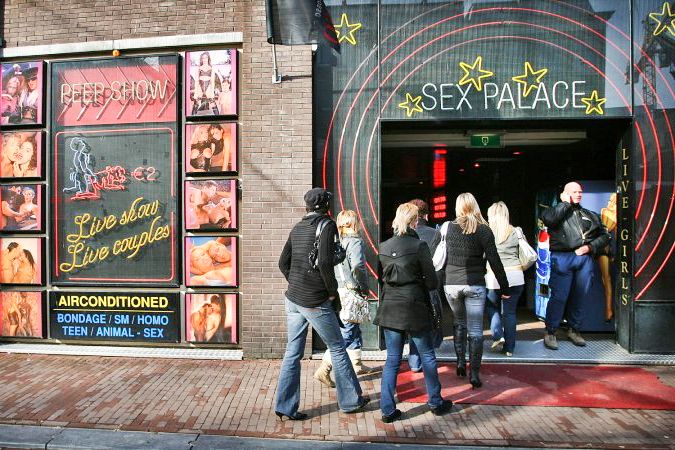
At $57 per person for about 1.5 hours, the value is less about “how many landmarks” and more about what you’re buying: a local guide plus included extras (snacks and shots) plus structured access to the stories that would take you much longer to piece together on your own.
The tour runs at specific starting times depending on availability, and you’ll want to pick one that fits your night plan. Starting too late can be harder if you’re cold or tired. Starting earlier can feel more manageable and gives you time for dinner right after.
The biggest pricing logic here is the guide. Amsterdam can be easy to navigate on foot, but De Wallen is a neighborhood where understanding comes from someone who knows how it’s talked about locally. Paying for that context saves you from awkward guesses, misinterpretations, or learning the hard way.
Comfort Tips for a Smooth Night (Especially in Winter)
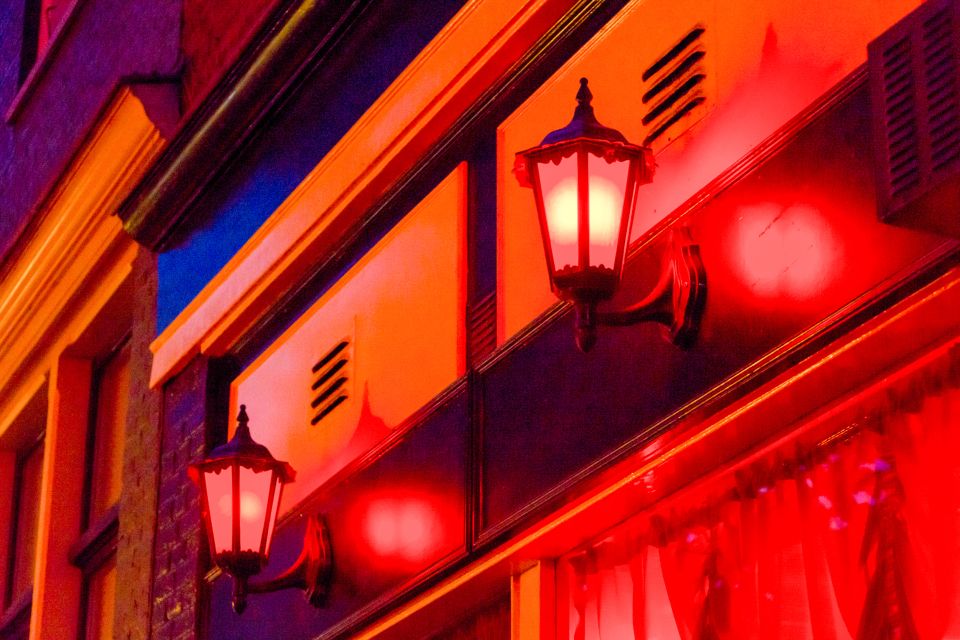
Wear comfortable shoes. You’ll be walking cobblestones at night, and the total time outdoors plus standing and pausing adds up.
Plan for a chilly evening. Even when Amsterdam isn’t freezing, it can feel cold once the temperature drops and you’re out longer than you expect. Bring a warm layer so you’re listening instead of shivering.
Bring passport or ID. You’ll also want your ID accessible in case it’s needed for entry or age-related checks at certain stops (the tour is adult-area focused, so it’s smart to have it).
And remember: this is adult-focused. Treat it as a history-and-culture walk, not an excuse to behave thoughtlessly. If you stay respectful, you’ll get more from the experience.
Wheelchair Accessibility and Who This Tour Fits Best
This tour is listed as wheelchair accessible, which is a strong plus if you’re planning your Amsterdam nights with mobility in mind. Still, cobblestones exist, and any walking-heavy route can require careful pacing, so plan accordingly.
Who it suits:
- First-timers who want more than “red lights, photos, next.”
- People who like city context: local rules, debate, and how neighborhoods evolve.
- Anyone open to frank conversation and a guided adult-entertainment area.
Who should skip or choose a different format:
- If you dislike adult-focused topics and uncomfortable realities.
- If you need photo-heavy sightseeing (because cameras aren’t allowed).
- If you’re looking for a relaxed, purely historical church-and-architecture tour.
Should You Book This Red Light District Tour at Night?
I’d book it if you want to understand De Wallen from the inside out in a short window. The mix of Oude Kerk, the coffeeshop stops, the structured time in the main De Wallen area, and the included snacks and shots makes it feel like an event, not just walking.
I wouldn’t book it if your main goal is photos or if you’d rather keep the atmosphere purely sightseeing-friendly. The no-cameras rule and the adult-focused setting are real constraints, and the tour leans into the subject matter.
If you go in with the right mindset—respectful, curious, and ready to learn—you’ll likely come away with something useful: a clearer sense of how Amsterdam views this district, and how it could change next.
FAQ
How long is the Amsterdam After Dark Red Light District Tour?
It lasts about 1.5 hours.
Where do I meet the guide?
Meet your guide outside the Frisco Inn cafe.
Where does the tour end?
The activity ends back at the meeting point. The experience also lists drop-off options around Waag and Nieuwmarkt/In de Waag.
What languages are available?
The live guide is available in English and Dutch.
Is the tour wheelchair accessible?
Yes, it’s listed as wheelchair accessible.
Are cameras allowed?
No. Cameras are not allowed.
What should I bring?
Bring a passport or ID card and wear comfortable shoes.
What’s included in the price?
A local guide (English/Dutch), free snack samples, and shots are included.
Can I bring weed?
The tour description says you can bring your own marijuana to smoke should you choose at the coffeeshop/bar stop.
Is there free cancellation?
Yes. You can cancel up to 24 hours in advance for a full refund.