REVIEW · AMSTERDAM
Amsterdam: Private Guided Walking Tour
Book on GetYourGuide →Operated by Camaleon Tours · Bookable on GetYourGuide
Amsterdam has a way of grabbing you fast. This private 3-hour walking tour takes you through the medieval core, from Dam Square to the Canal Belt, with a guide who makes the city’s growth make sense in real time.
What I really like is how clearly you connect old stone streets with the waterways that powered Amsterdam’s rise. The Dam Square start (Royal Palace area and the National Monument) sets the stage, and the tour’s focus on the Golden Age explains why canals, trade, and bridges shaped daily life.
One thing to plan for: tickets aren’t included, so if you want to go inside major sights, you’ll likely need extra time and extra cost.
In This Review
- Key highlights at a glance
- From Dam Square to the medieval center: a smart way to orient
- The Amstel River origin story that makes Amsterdam click
- Golden Age Amsterdam on foot: the canal logic you can feel
- Canal Belt landmarks you’ll actually recognize up close
- Private guide energy: why names like Marion, Rafael, and Enrique matter
- How the “private” part changes your day (and your photos)
- Price and value: is $206 per group up to 5 a fair deal?
- Who this tour suits best (and who might want something else)
- Should you book this Amsterdam private guided walking tour?
- FAQ
- What is the duration of the Amsterdam private guided walking tour?
- How much does it cost for this private group tour?
- Where does the tour start?
- What languages are available for the live guide?
- What is included in the price?
- Are attraction tickets included?
- Do I need public transport for this tour?
- Is the tour wheelchair accessible?
- Can I customize the route since it is private?
- Is there a rule about how far in advance I need to book?
Key highlights at a glance
- Dam Square as your starting compass with the Royal Palace area and National Monument framing the story
- Amstel River origins and why humble beginnings mattered before Amsterdam became a trade powerhouse
- Canal Ring sights without the stress, including houseboats and the bridges you can actually see up close
- Anne Frank House, Flower Market, and Begijnhof/Beguinage as built-in stops depending on what you want to emphasize
- Private, preference-driven pacing, so you’re not stuck on a one-size-fits-all route
- Guides with proven storytelling energy, including names like Marion, Rafael, and Enrique in recent feedback
From Dam Square to the medieval center: a smart way to orient
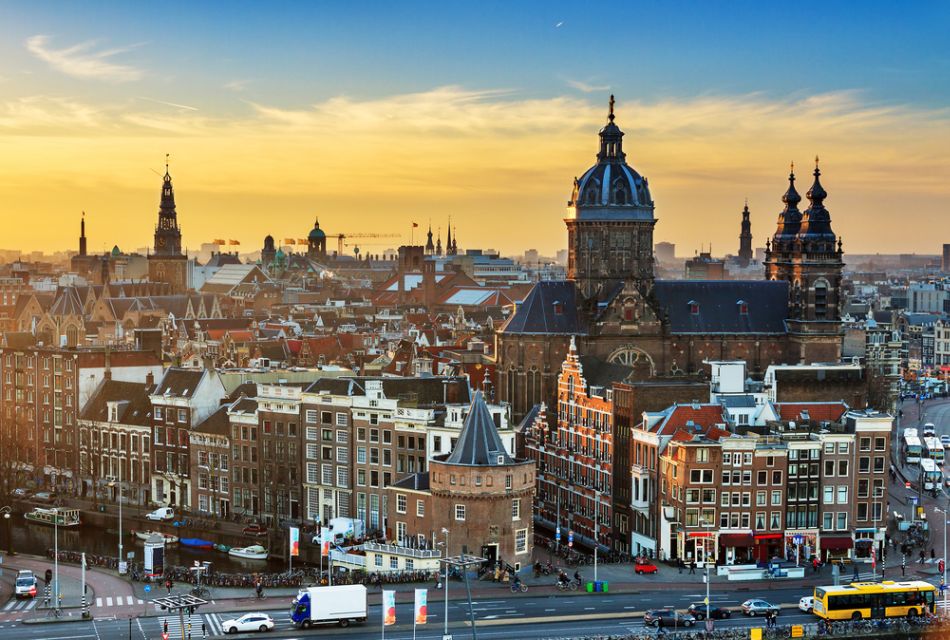
If Amsterdam feels like it has too many “must-sees,” this tour solves that by starting at the right anchor: Dam Square. You begin with the Royal Palace area and the National Monument, and that first stop matters because it gives you a political and civic frame. Without that, it’s easy to walk past impressive buildings and miss why they’re important.
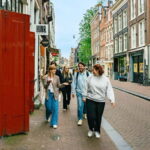
From there, you shift into the medieval center mindset. Expect cobblestone streets underfoot and a route that’s built for walking rather than rushing. You’re not just collecting photos; you’re learning what you’re looking at while you’re looking at it. That’s the difference between a sightseeing walk and a guide-led story route.
Because it’s private, the guide can help you pick a rhythm. Want more street-level context and fewer stops? Want to spend extra time near the water? You can steer the emphasis, as long as you stay within the 3-hour window.
You can also read our reviews of more walking tours in Amsterdam



The Amstel River origin story that makes Amsterdam click
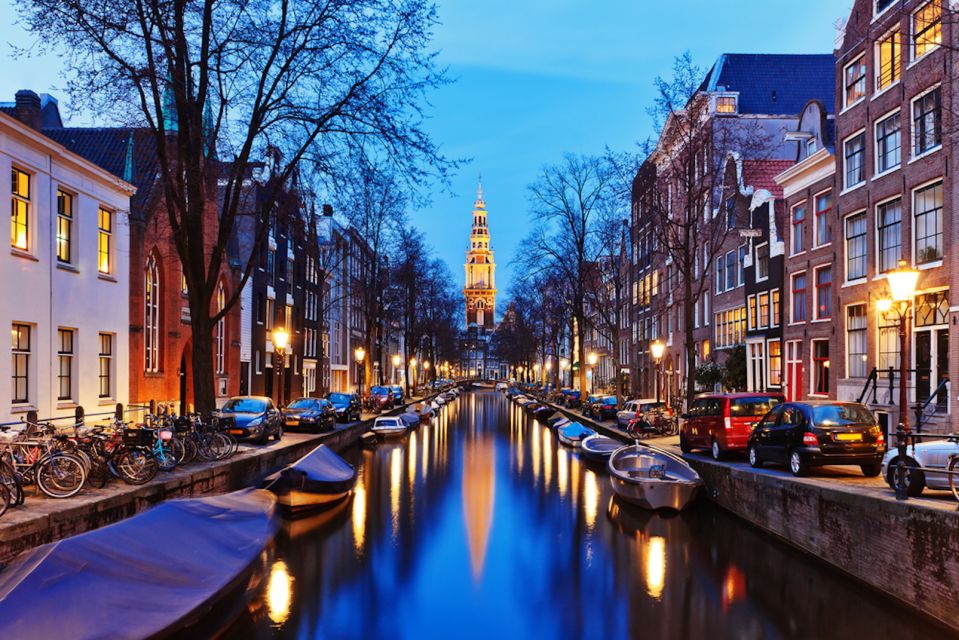
A big reason this works is the way the guide connects Amsterdam’s beginnings to what you see today. The tour highlights the city’s humble origins on the Amstel River, then explains how Amsterdam became the center of the world during the Golden Age.
Here’s why that approach is practical: once you understand the water-based logic early, everything else starts to line up. Canals stop being decorative. Bridges stop being just photo ops. The city starts to feel like a working system built for moving goods, people, and ideas.
The guide ties that growth to a very specific idea: in the 17th century, Dutch ships controlled most of Europe’s sea trade, and Amsterdam benefited because it had a network of canals that helped transport goods efficiently. You’ll hear this while you’re literally walking near canal banks, so it becomes less like a lecture and more like a “look around and it’s obvious” moment.
Golden Age Amsterdam on foot: the canal logic you can feel
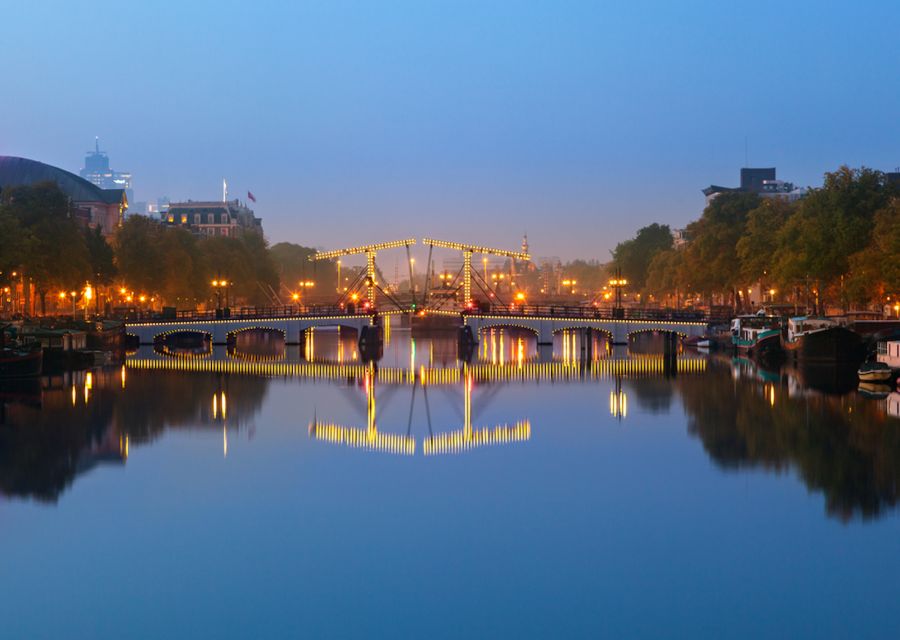
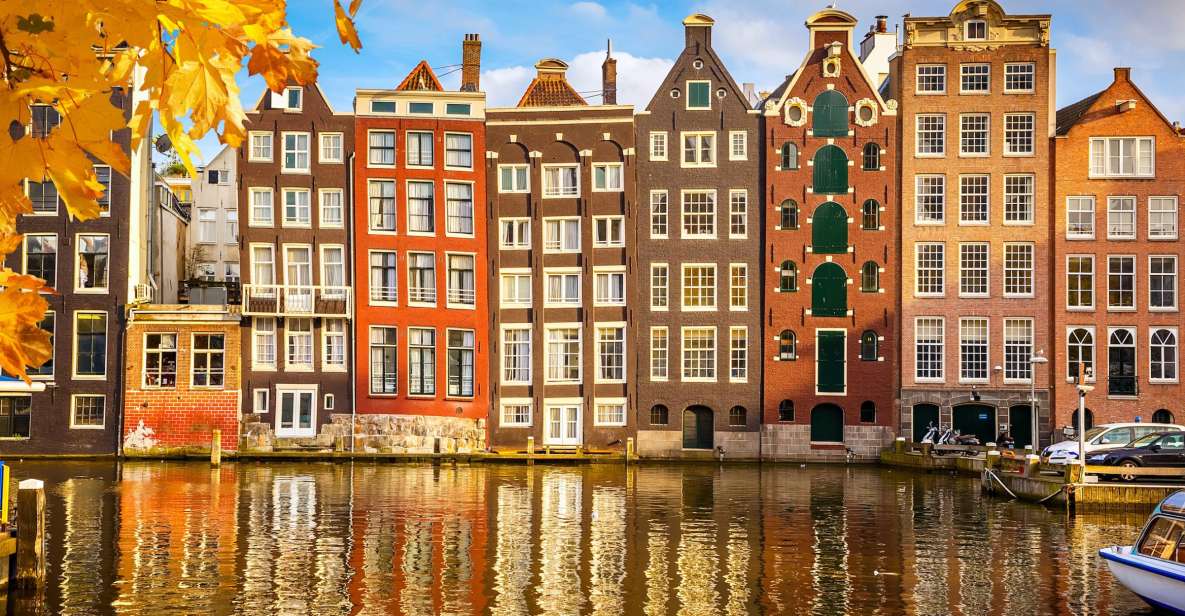
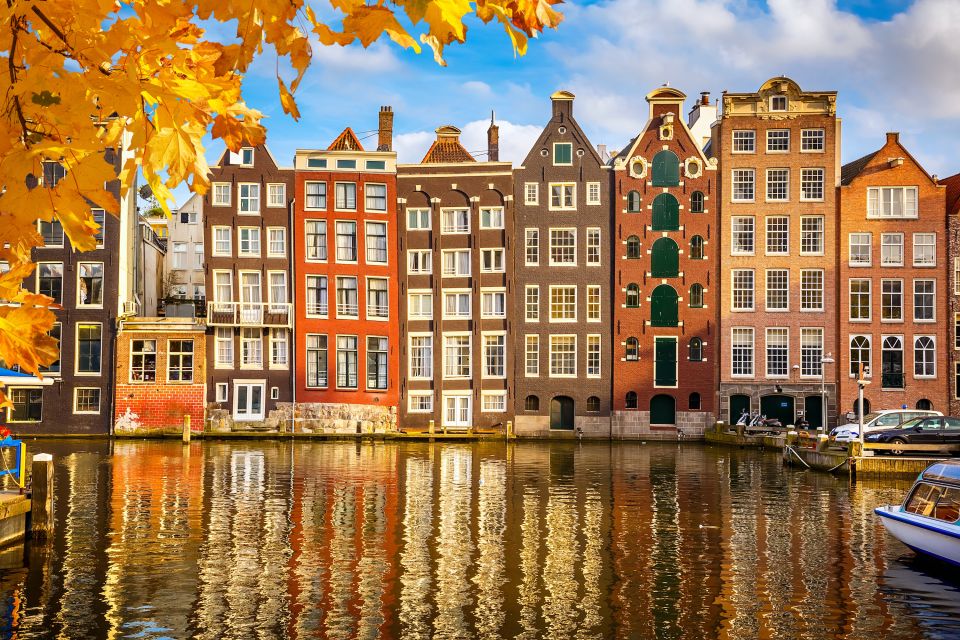
This is where the tour earns its keep. The route centers on the Canal Ring and the sights around it—houseboats and the bridges that connect neighborhoods and street life. Even if you’re not a history person, you’ll feel the city’s design in your legs and eyes.
Why do houseboats matter on a walking tour? Because they’re part of the canal ecosystem you’re already learning about. The guide’s explanation makes them more than quirky architecture. You start seeing how people lived alongside trade routes and how everyday Amsterdam shared space with the mechanisms of commerce.
And the bridges add another layer. They’re natural landmarks for orientation. You get repeated “crossing points” that help you understand the shape of the Canal Belt area without needing maps. If you’ve ever been in Amsterdam and felt disoriented fast, this is a tidy fix.
Pacing-wise, you’ll do a steady walk through the medieval streets and then transition into canal-bank viewing. It’s not a stop-and-start grind; it’s a continuous flow that keeps you from burning your energy before the best sections.
Canal Belt landmarks you’ll actually recognize up close
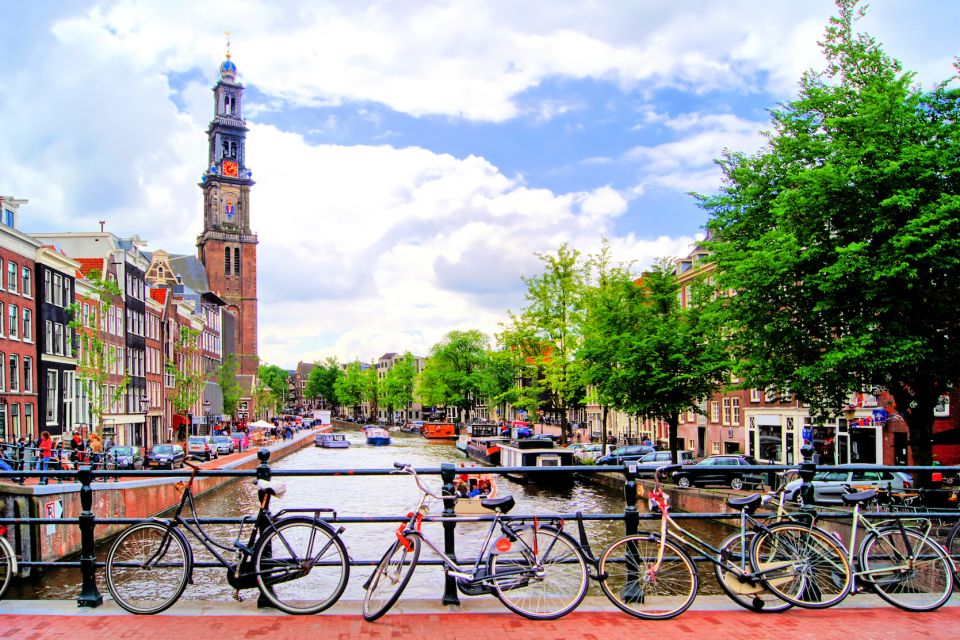
Now you get into the famous hits, the ones that most visitors try to stitch together across multiple days. On this walk, several major sights appear as part of the route, so you don’t have to make separate plans.
Here are the big ones you’ll encounter or pass near while the guide tells you what they represent:
Royal Palace area and Dam Square
You start with the civic center. It helps you understand Amsterdam’s public face before you go looking at the smaller, more human corners of the city.
Anne Frank House (pass by)
You’ll see it as part of the Canal Belt stretch. Even if you don’t plan to enter, it helps to locate it properly in the broader city fabric. The guide’s story makes it feel less like a standalone attraction and more like a point inside Amsterdam’s living neighborhoods.
Flower Market
You’ll also cover the Flower Market area. For many people, it’s the “color” stop, but it’s also a useful reset during a walking tour—an easy place to pause and regroup while still staying connected to the route.
Begijnhof (Beguinage)
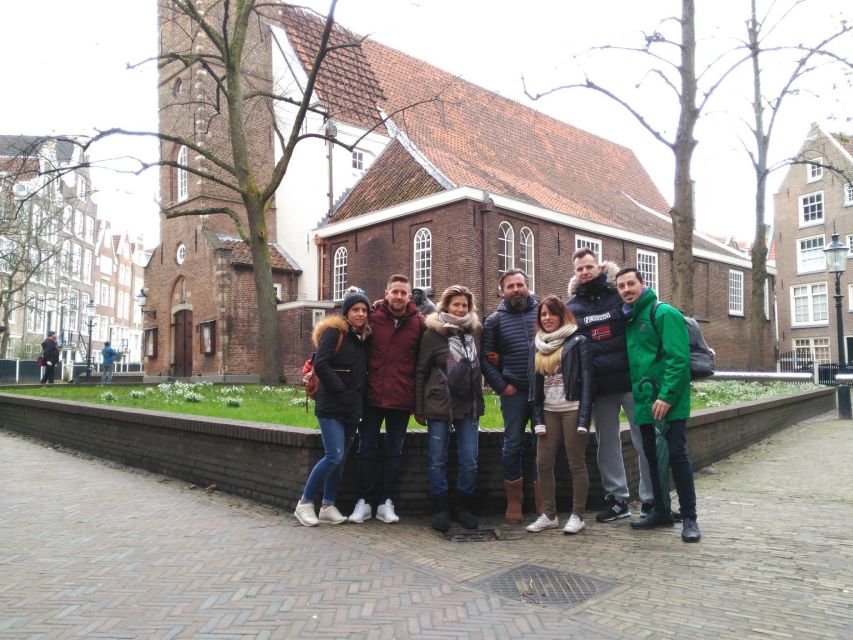
This is a quieter contrast to the busier canal scenes. If you like atmosphere and tucked-away places, you’ll appreciate having it folded into a walking day rather than chasing it as a separate detour.
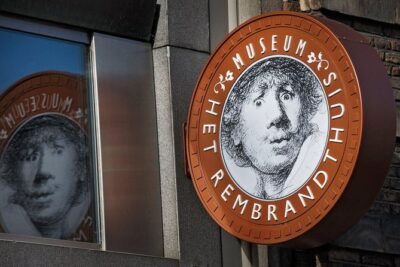
Rembrandt Museum (pass by)
It’s included as another recognizable cultural landmark near the canal-zone flow. Even though you’re not necessarily going inside on this style of tour, it’s still helpful for orientation: you leave with a better sense of where art and cultural sites sit relative to the city’s historic core.
One practical tip: since tickets aren’t included, decide early what you want to do with the big-name sites. If your priority is walking and learning, you’re set. If your priority is entering museums or the Royal Palace, build extra planning time around those decisions.
Private guide energy: why names like Marion, Rafael, and Enrique matter
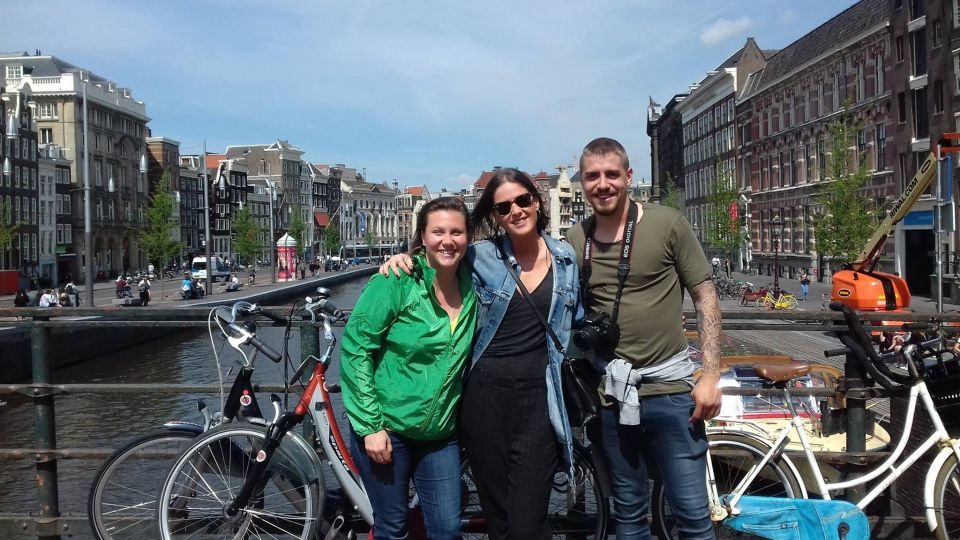
The biggest praised element from recent experiences is simple: the guides bring energy and clear storytelling. One guide, Marion, was highlighted for being punctual and for confirming details ahead of time, plus for giving in-depth cultural and historical context. Another standout, Rafael, was praised for being informative and an excellent storyteller. Enrique also received strong notes for knowledgeable and interesting explanations and a friendly manner.
You don’t need to meet the exact same guide to benefit from this setup. The key takeaway for you is that the tour is designed for explanation, not just pointing. You’ll get more than surface-level commentary because the guide’s job here is to help you make connections while you walk.
If you like learning in short, digestible pieces—where the guide ties the story to what you can see right now—this format tends to feel satisfying. You walk away with a map in your head, not just a list of stops.
You can also read our reviews of more guided tours in Amsterdam





How the “private” part changes your day (and your photos)
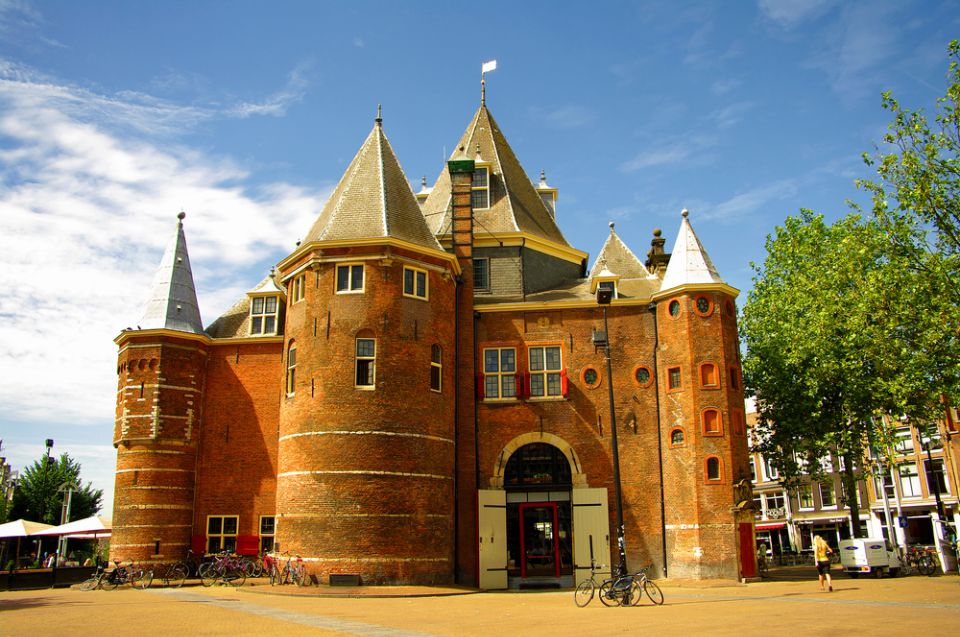
Group size is private, priced per group up to 5. That matters because Amsterdam rewards small adjustments.
Maybe you travel with kids and need slower turns. Maybe you care most about canals and bridges and want to spend extra time there. Maybe you want the story of Amsterdam’s trade rise without getting stuck in a long line of museum-hunting.
Because you’re not tied to a fixed group route, you can make it yours. The guide can tailor the itinerary to your preferences within the overall structure—starting at Dam Square, working through the medieval center, and then spending time around the Canal Belt landmarks.
This is also why hotel pickup helps. If you’re staying in the city center, you don’t have to waste your morning figuring out meeting points. You start with less friction, which keeps the whole experience relaxed.
Price and value: is $206 per group up to 5 a fair deal?
At $206 per group (up to 5 people) for 3 hours, you’re not paying per person. For a private walking tour, that’s a price style that can feel very reasonable—especially if you’re traveling in a small group or with a friend who likes history.
Here’s how to judge value beyond the number:
- You’re getting hotel pickup and drop-off (when staying in the city center), which often costs time and effort on your own.
- You’re paying for a private guide who can tailor the route to you. That can be worth more than squeezing in extra sights with no explanation.
- You’re seeing several major, recognizable areas in one go: Dam Square/Royal Palace vicinity, medieval streets, the Canal Belt zone, and major landmark areas like Begijnhof and the Flower Market.
The trade-off is that tickets to attractions aren’t included. So if your goal is mostly museum time, you’ll want to plan that separately. If your goal is orientation plus stories plus a well-paced walk, this price feels like paying for an efficient guide service.
Also, the tour lasts 3 hours. That’s long enough to learn and see a lot, but short enough that you won’t feel cooked afterward. Amsterdam walking days can be tough—this one stays realistic.
Who this tour suits best (and who might want something else)
This tour fits best if you want:
- A guided orientation to the medieval center and Canal Belt
- An explanation of how Amsterdam moved from Amstel River origins to Golden Age trade power
- A manageable walking day with a private setup and the ability to choose what to emphasize
- A guide-led experience where landmarks like Anne Frank House, Flower Market, Begijnhof, and Rembrandt Museum area are included as part of your flow
You might look for another option if you know you’ll spend most of your time entering paid attractions back-to-back, because this tour doesn’t include tickets and is structured more around walking and seeing.
For first-time visitors, it’s a great primer. For repeat visitors, it can still work if you want clearer storytelling and a better sense of how the city’s waterways connect the dots.
Should you book this Amsterdam private guided walking tour?
I’d book it if you want the fast, smart version of Amsterdam: Dam Square to the medieval center, then the Canal Belt with houseboats, bridges, and landmark areas in a story-driven order.
It’s especially worth it when you travel in a small group and want a guide who’ll keep things lively and specific—people have praised guides like Marion, Rafael, and Enrique for punctuality, energy, and strong storytelling. And since the route is private, you can nudge the focus toward what matters to you, whether that’s the Canal Ring viewlines or the Begijnhof atmosphere.
Just go in with one clear expectation: you’re buying a walking-and-learning experience, not a museum ticket bundle. If you’re good with that, you’ll finish the 3 hours with a much cleaner sense of how Amsterdam works—then you can wander the rest of your trip with confidence.
FAQ
What is the duration of the Amsterdam private guided walking tour?
The tour runs for 3 hours.
How much does it cost for this private group tour?
It costs $206 per group, up to 5 people.
Where does the tour start?
The tour starts at your hotel (if you are staying in the city center). Dam Square is the first stop.
What languages are available for the live guide?
You can get a Spanish- or English-speaking private guide. English can be requested by email to confirm.
What is included in the price?
A Spanish- or English-speaking private guide is included, along with hotel pickup and drop-off if you stay in the city center.
Are attraction tickets included?
No. Tickets to attractions are not included.
Do I need public transport for this tour?
Public transport is not included.
Is the tour wheelchair accessible?
Yes, the tour is wheelchair accessible.
Can I customize the route since it is private?
Yes. Because it’s private, you can state your preferences for a more personalized itinerary within the tour structure.
Is there a rule about how far in advance I need to book?
The local partner does not accept reservations less than 6 days in advance.