REVIEW · AMSTERDAM
Amsterdam: Off-the-Beaten-Track Neighborhoods Private Tour
Book on GetYourGuide →Operated by City Unscripted · Bookable on GetYourGuide
Amsterdam feels bigger with a local on your feet. This private tour lets you choose 3–8 hours and shape the day across Noord, West, Jordaan/De 9 Straatjes, De Pijp, and East, with real-feeling stops like the Noordhollandsch Canal. The one drawback to consider: if you book longer, the pace can be slower than a fast, checklist-style sightseeing run.
I also like how the route is planned around your preferences, not just a fixed script. You tell your likes/dislikes up front, and the host helps turn that into a walk that fits you. In one case shared with me, guide Wendy was a standout for being pleasant and dialed in, and the overall style matches that same calm, human tempo.
In This Review
- Key highlights worth planning for
- What a 3–8 Hour Private Amsterdam Neighborhood Tour Really Means
- Starting Smart: Meeting Anywhere in Central Amsterdam
- Noord Amsterdam: Parks, Eye Film Museum, and the NDSM Werf Change-Up
- Along the Noordhollandsch Canal to d’Admiraal Windmill (1792)
- Amsterdam-West Markets: Ten Katemarkt and De Hallen
- Dam Square, National Monument, and the Westerkerk to Jordaan
- De 9 Straatjes: The Micro-Neighborhood You Can Actually Walk
- De Pijp: Cafes, Bistros, and Canal-Linked Neighborhood Life
- Amsterdam-East on Javastraat: Cobblestones, Two Bars, and Dappermarkt
- Price and Value: What $108 Covers (and What It Doesn’t)
- Practical Tips to Make the Walking Route Work for You
- Should You Book This Private Neighborhood Tour of Amsterdam?
- FAQ
- How long is the Amsterdam Off-the-Beaten-Track Neighborhoods private tour?
- What parts of Amsterdam does the tour cover?
- Is pickup included?
- Is the tour private or shared?
- What languages are the guides?
- Are food or entry tickets included?
- Does the tour have wheelchair access?
Key highlights worth planning for
- Flexible private time: pick 3, 4, 6, or 8 hours and get an itinerary that matches your pace
- Real Amsterdam neighborhoods: Noord, West, Jordaan/De 9 Straatjes, De Pijp, and East—not just postcard stops
- On-the-water walking: the Noordhollandsch Canal stroll and a stop at the d’Admiraal Windmill (built in 1792)
- Market and food culture without ticket hassle: Ten Katemarkt and De Hallen (with street-food vibes)
- Culture stops you’ll remember: Eye Film Museum and the NDSM Werf area turned creative hangout
- Local bars and snack shopping in East: Javastraat’s character, plus Bar Basquiat, Bar Bukowski, and Dappermarkt
What a 3–8 Hour Private Amsterdam Neighborhood Tour Really Means
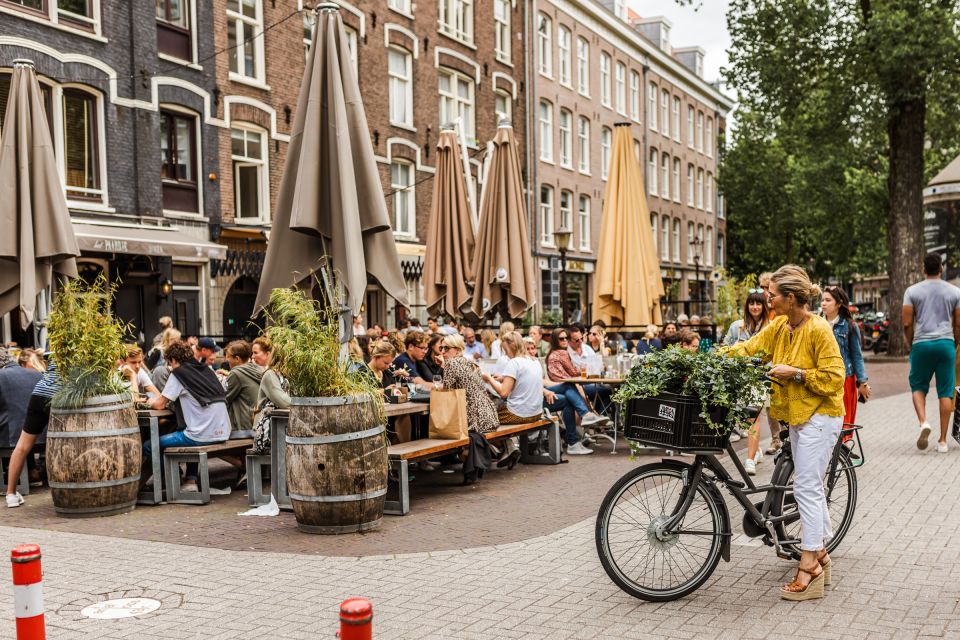
This isn’t a big-bus, “see everything fast” tour. It’s a private walking experience designed to let you move through Amsterdam like a local would: slowly enough to notice details, but with enough structure that you don’t waste hours guessing where to go next.
The smart part is that your itinerary is adjusted based on the hours you book and your preferences. That matters in Amsterdam, where “highlights” can mean totally different things: some people want canals and architecture, others want food halls and markets, and others want contemporary culture and photo stops. Here, you can steer the emphasis.
There’s also value in getting tips for the rest of your stay. The tour isn’t just “walk, point, move on.” It’s more like getting a local plan for what to do after the tour ends—handy when you’re trying to avoid tourist traps.
You can also read our reviews of more private tours in Amsterdam



Starting Smart: Meeting Anywhere in Central Amsterdam

Logistics are refreshingly easy. You get pickup within the center of the city—the host meets you at any location you request in central Amsterdam, and if you’re staying in the center, they meet you at your hotel.
That sounds small, but it’s a real quality-of-life upgrade. Amsterdam’s streets can be slow to navigate when you’re coordinating transit or figuring out the best meeting spot. With this setup, you start the walk without wasting your first hour playing map detective.
The host team also reaches out beforehand to confirm your preferred meeting location and to learn your special requirements. If you have mobility needs, it’s worth knowing the tour is wheelchair accessible, so you’re not guessing whether your route will work.
Noord Amsterdam: Parks, Eye Film Museum, and the NDSM Werf Change-Up
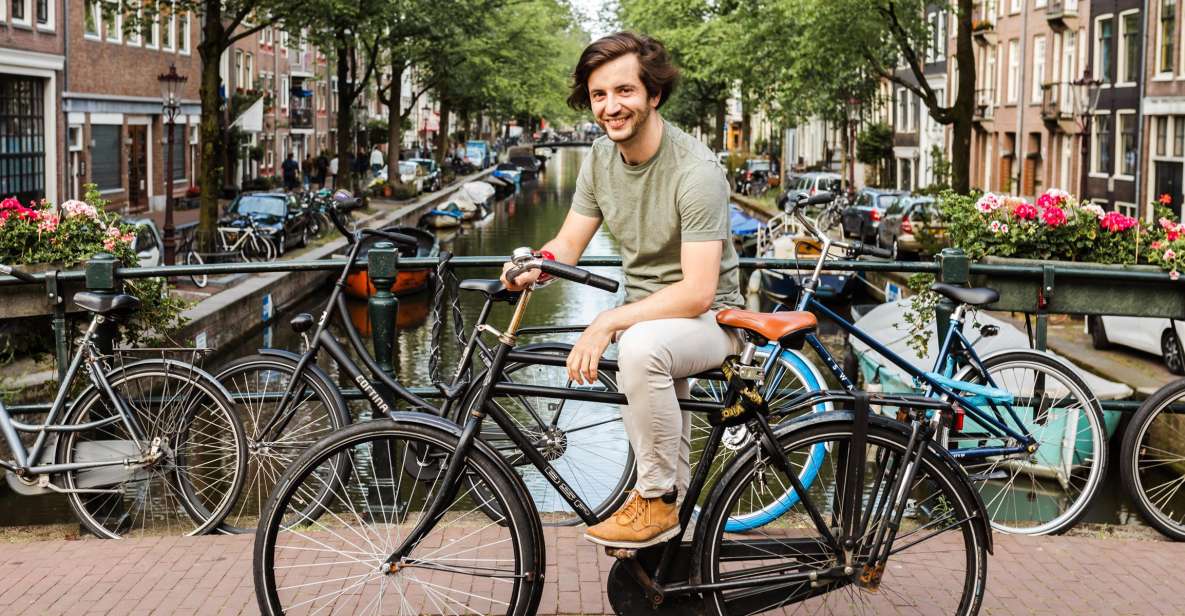
Amsterdam Noord is where the city starts to feel less like a museum and more like a living place. Depending on your time, you’ll get a tour through areas known for green parks, charming villages, and contemporary art.
One of the marquee stops is the Eye Film Museum. Even if you don’t go inside, the area around it is photo-worthy, and it fits well with the north-side vibe: modern, creative, and slightly industrial in a good way. You also get time around the NDSM Werf, a shipping yard that’s been transformed into a cooler urban space—think contemporary culture and the kind of energy you don’t always get in Amsterdam’s older core.
This is a big reason I’d choose this tour for first-time visitors with repeat-trip potential. You get the “Amsterdam we’re famous for,” then you get the Amsterdam that feels more like today’s city.
Along the Noordhollandsch Canal to d’Admiraal Windmill (1792)
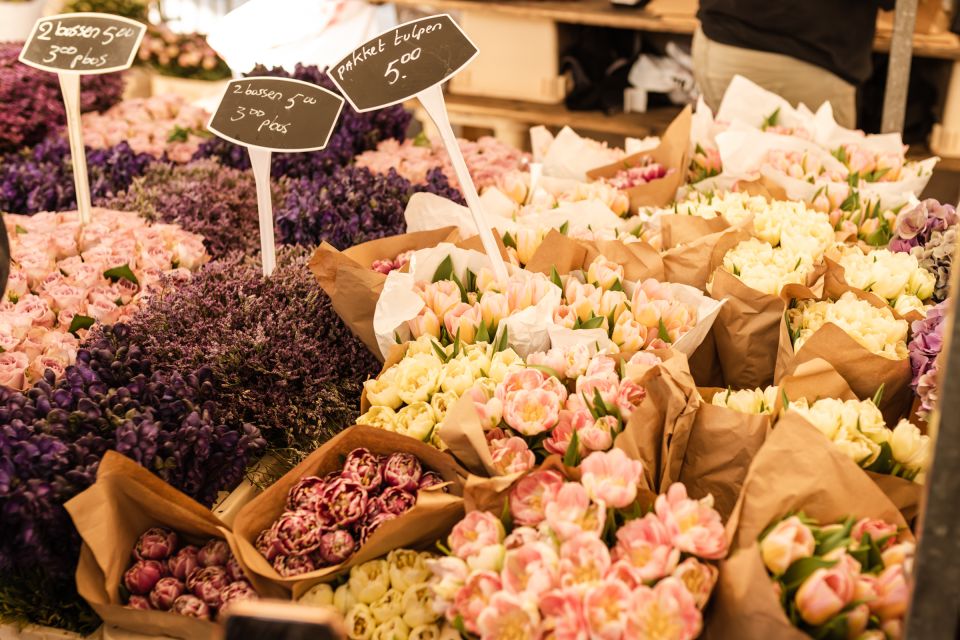
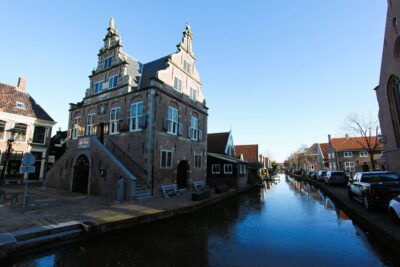
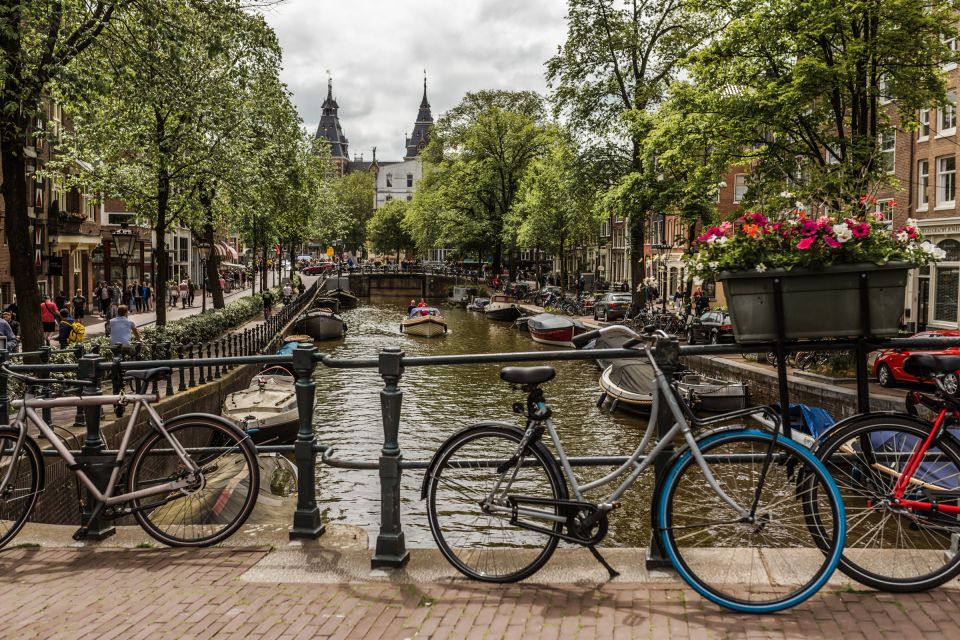
One of the most peaceful segments is the stroll along the Noordhollandsch Canal. Canals are common in Amsterdam, but this one has a more relaxed rhythm, especially as you move away from the busiest tourist pockets.
This is also where the itinerary may slow down in a good way: a stop at d’Admiraal Windmill, a smock windmill next to the canal built in 1792. It’s the kind of contrast that makes Amsterdam interesting—contemporary neighborhoods on one side, classic Dutch structures on the other, all tied together by water and footpaths.
Food and drinks aren’t included on the tour, but you might stop for a beer nearby if it fits your preferences. The point isn’t to force a meal stop; it’s to give you the option to make the walk feel like a real day out.
Amsterdam-West Markets: Ten Katemarkt and De Hallen
In Amsterdam-West, the focus shifts to neighborhoods and daily life—especially through markets. Two market stops often help define the experience.
Ten Katemarkt is known for being a local favorite tucked in a residential neighborhood. That detail matters. It’s not staged for tourists, so you get a more everyday feel, where the vendors and shoppers look like they belong there every week.
Then there’s De Hallen, an indoor street-food hub in a converted industrial building. This is where the tour balances culture and comfort: you can browse stalls in a big indoor space, then come up for air when you want to keep walking.
If you care about eating well without spending your whole day hunting for the next place, these market stops are a practical win. You’ll get a feel for what people actually buy and snack on, which makes it easier to choose your own meals afterward.





Dam Square, National Monument, and the Westerkerk to Jordaan
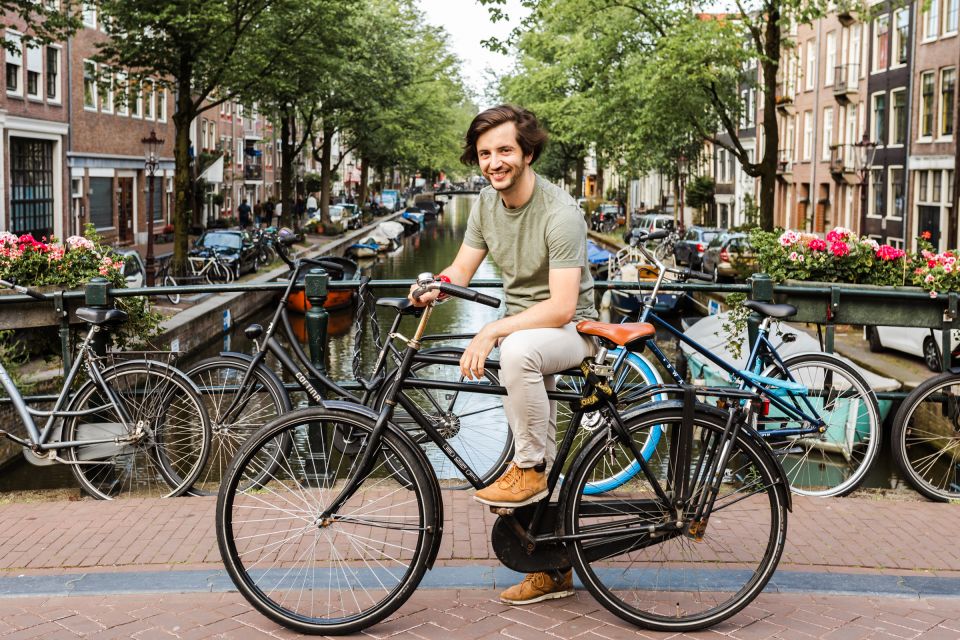
Even with a neighborhood-first approach, the tour still connects you to central landmarks. You may see the National Monument and pass by Dam Square, which are key reference points for understanding Amsterdam’s layout and civic identity.
You’ll also likely encounter the Westerkerk, a 400-year-old church—one of those landmarks that quickly helps you orient yourself. After that, the route moves toward the Jordaan district.
Jordaan is trendy now, but it never loses its character as a neighborhood. You get a walk through streets that feel “lived in,” lined with small shops and canal-adjacent views that are great for slowing down and watching the street life.
De 9 Straatjes: The Micro-Neighborhood You Can Actually Walk
De 9 Straatjes is the kind of place that turns “shopping” into a stroll. It’s a micro-neighborhood right next to Jordaan that connects areas around Amsterdam’s main waterways, with plenty of small boutiques and niche outlets.
What I like about including this stop is that it’s not just consumption. It’s an easy way to understand how Amsterdam organizes itself at the human scale: short streets, quick turns, and lots of places to pause without feeling like you’re trapped in a long tourist corridor.
If you’re the type who likes browsing more than buying, you’ll still get value here. It’s a great segment for photos, people-watching, and getting a feel for Amsterdam’s design sensibility.
De Pijp: Cafes, Bistros, and Canal-Linked Neighborhood Life
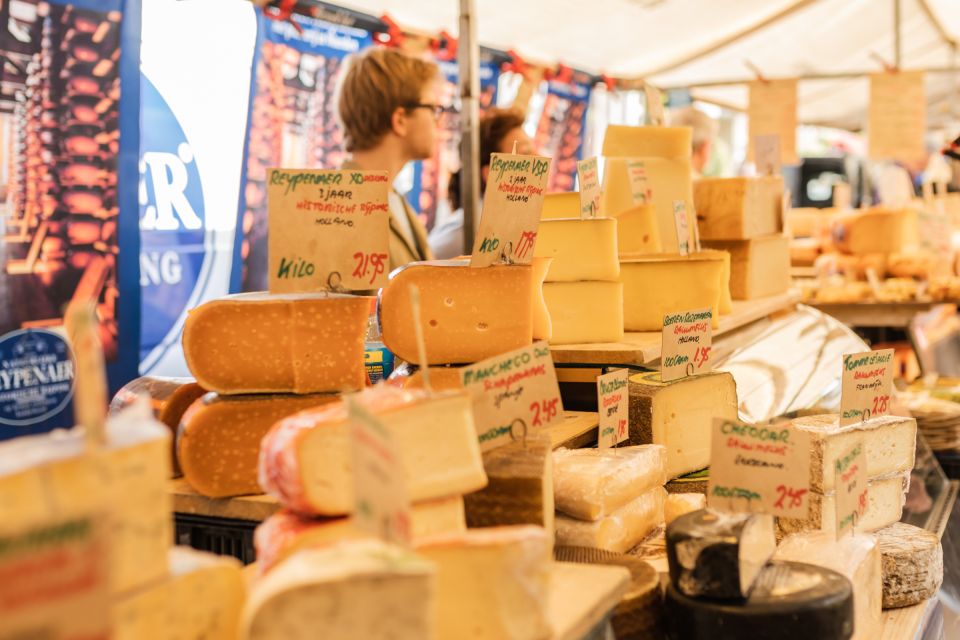
Then comes De Pijp, a bohemian-feeling area known for bistro- and café-lined streets along peaceful canals. This is one of Amsterdam’s most satisfying “walk and wander” neighborhoods, because you get a steady stream of small scenes to catch: shops, side streets, and the kind of relaxed energy that makes you slow down naturally.
De Pijp also has a reputation for diverse cultures and flavors. That matters because it explains why the neighborhood feels less like a single theme and more like an ongoing mix. It’s a great pairing after De Hallen and Jordaan—by now you’ve seen the landmarks and the micro-streets, so De Pijp feels like the city shifting back into everyday life.
If your day feels “too planned,” De Pijp is a nice reset. You’ll likely come away with stronger instincts about where you’d want to spend more time on your own.
Amsterdam-East on Javastraat: Cobblestones, Two Bars, and Dappermarkt
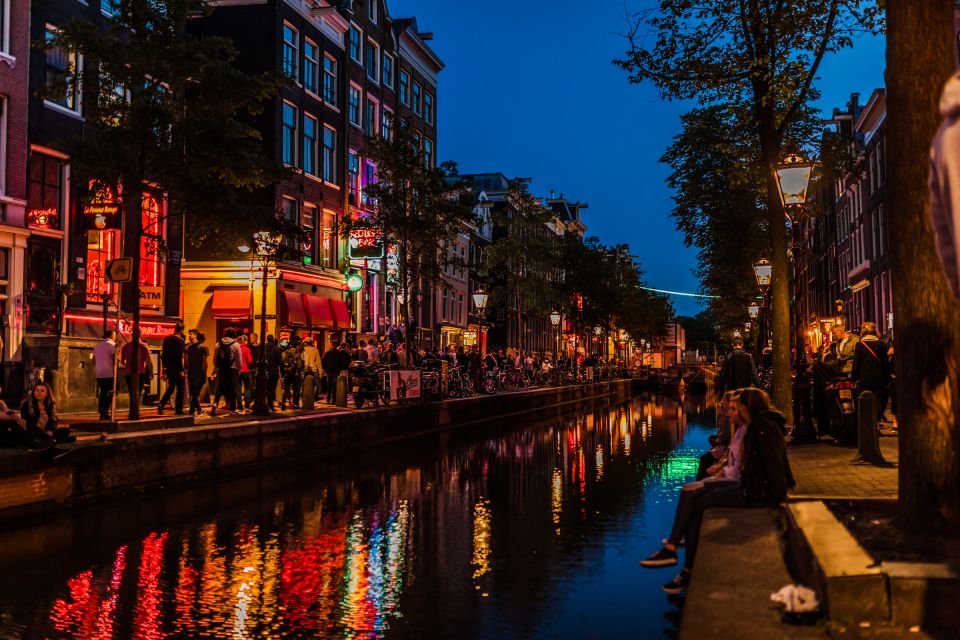
Amsterdam-East is where the tour leans into street-level character. Along Javastraat, you’ll walk cobbled streets where you can spot the mix of traditional Turkish bakeries and trendy bars.
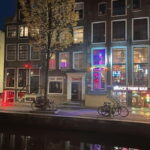
Two named stops often anchor this section: Bar Basquiat and Bar Bukowski. Even if you don’t go inside, the area around them helps you understand the neighborhood’s vibe—creative, slightly edgy, and very much part of modern Amsterdam.
From there, the route often heads to Dappermarkt, one of the busiest markets in Amsterdam. This is a practical end goal for many people: you can browse, snack, and pick up Dutch treats for later. Since food and drinks aren’t included, markets like this are especially useful—they give you options without making the day feel like a forced meal.
East is also a strong finish if you want a final impression that feels real, not just scenic. It’s a good reminder that Amsterdam isn’t only canals and classics.
Price and Value: What $108 Covers (and What It Doesn’t)
At $108 per person, you’re paying for something that’s hard to replicate on your own: a private local host plus a structured route across multiple neighborhoods. In Amsterdam, that can be a good value if you want variety without wasting time.
Here’s what you get that justifies the cost:
- A personal introduction tailored to your preferences
- A walk across distinct parts of the city (Noord, West, Jordaan/De 9 Straatjes, De Pijp, East)
- Curated stops like Eye Film Museum, NDSM Werf, market areas, and key landmarks
- Tips and recommendations for the rest of your stay
And here’s what’s not included:
- Food and drinks
- Entry tickets to attractions
- Transport to or from the meeting point, and public/private transit during the tour
So think of this as paying for time and guidance, not for a full buffet of attractions. If you already know you’ll buy food and possibly tickets on your own, that’s fine. If you want everything packaged, you’ll need to budget separately.
Practical Tips to Make the Walking Route Work for You
Because this is a walking tour, your comfort matters. Wear shoes you can handle for the option you book, since your route can span a lot of ground across several neighborhoods.
Also, choose your duration based on your pace. One caution worth taking seriously: longer tours can feel slower if you prefer a rapid, high-density sightseeing day. If you’re the kind of person who wants fewer stops but more time at each, go longer. If you want maximum variety but still keep moving, the shorter options can be a better fit.
Finally, use the pre-tour contact. Tell your host what you care about: markets, canals, contemporary culture, or specific neighborhoods. This tour’s strength is that the itinerary can shift to match what you actually want to see.
Should You Book This Private Neighborhood Tour of Amsterdam?
Yes—if your goal is Amsterdam with context, not just landmarks. A private local guide across Noord, West markets, Jordaan/De 9 Straatjes, De Pijp, and East is a smart way to build a mental map fast while still enjoying the day at an actual human pace.
Skip it only if you’re chasing a fast, tick-every-box itinerary where you want to cover everything in the shortest time possible. This tour leans toward thoughtful walking and preference-based pacing, so pick the duration that matches how you like to travel.
FAQ
How long is the Amsterdam Off-the-Beaten-Track Neighborhoods private tour?
You can choose 3, 4, 6, or 8 hours. Starting times depend on availability.
What parts of Amsterdam does the tour cover?
It can include Amsterdam-Noord, Amsterdam-West, the Jordaan area and De 9 Straatjes, De Pijp, and Amsterdam-East, depending on the option and your preferences.
Is pickup included?
Yes. The host will meet you at any location in the center of Amsterdam. If you’re staying in the center, you can be met at your hotel. You confirm your requested location beforehand.
Is the tour private or shared?
It’s a private group tour.
What languages are the guides?
The live guide speaks Dutch and English.
Are food or entry tickets included?
No. Food and drinks aren’t included, and any entry tickets to attractions are not included.
Does the tour have wheelchair access?
Yes, the tour is wheelchair accessible.